Adjustable Iron Wood Pet Cage Suppliers and Manufacturers
Explore 29 verified suppliers offering adjustable iron wood pet cages with varying lead times, certifications, and MOQs. Buyers can compare response times, product standards, and origin locations to select the right partner. Contact suppliers directly to request quotes and verify customization options.
Suppliers List
Xiamen Lucky Pacific Industry Co., Ltd
- Combined
- China Fujian
- Lead time30 days
- Avg. response≤ 10h
Main productsMouse Trap
Main marketsSouth America,Southeast Asia/ Mideast,Europe,Australia,North America

Hangzhou Tianyuan Pet Products Co., Ltd.
- Verified by TUVRHEINLAND
- Combined
- China Zhejiang
- Lead time30 days
- Avg. response≤ 18h
Main productsPet Beds, Cat Trees, Pet Products, Pet Accessories, Pet Supplies, Pet Collar, Pet Toy, Pet Brush, Pet Bowl, Pet Clothes
Main marketsEurope,North America

NINGBO BANGZHIYOU ARTS INDUSTRY AND TRADE CO., LTD.
- Verified by BV
- Trading Company
- China Zhejiang
- Lead time30 days
- Avg. response≤ 18h
Main productsPet Supplies, Pet Foods Snacks, Pet Trainer Collar, Pet Bed, Pet Toys, Pet Clothes, Equestrian Supplies, Pet Backpack, Cat Scratcher
Main marketsSouth America,Africa,Southeast Asia/ Mideast,East Asia(Japan/ South Korea),Europe,Australia,North America
Ren Qiu Yuandong Steel And Wooden Products Co., Ltd.
- Manufacturer, Trading Company
- Hebei, China
- Lead time30 days
- Avg. response≤ 4h
Main productsComputer desk,dog crate,metal bed,office furniture,office desk
Main marketsAfrica(40.00%), Oceania(10.00%), North America(10.00%), Mid East(10.00%), Eastern Europe(10.00%), South America(10.00%), Eastern Asia(5.00%), Southeast Asia(5.00%)

Shanghai Pujia Metal Manufacturing Co., Ltd.
- Combined
- China Jiangsu
- Lead time15 days
- Avg. response≤ 15h
Main productsPet Cage, Dog Treadmill, Pet Operating Table, Vet Exam Table, Pet Bath Tub, Pet Grooming Table, Pet Grooming Hair Dryer, Veterinary Instruments
Main marketsSouth America,Domestic,Europe,North America


Animal Cages with Custom Graphics Veterinary Animal Cage Dog Cat Cages
$1180.00 - $1240.00
MOQ: 1 Pieces


- Verified by TUVRHEINLAND
- Trading Company
- China Zhejiang
- Lead time0 days
- Avg. response≤ 12h
Main productsCat Litter Box, Pet Feeder, Pet Toy, Pet Cloth, Pet Bed, Pet Carrier, Storage Bucket, Plastic Storage, Storage Rack, Lunch Box
- Verified by SGS
- Trading Company
- China Hebei
- Lead time23 days
- Avg. response≤ 4h
Main productsGarden Fence, Garden Gate, Aluminium Fence, Aluminium Garden Gate, Dog Playpen, Pole Anchor, 2D Wire Panel, Wire Mesh, Lawn Edging, Leaf Composter
Main marketsEurope

Tianjin Smart Pets Technology Co., Ltd.
- Verified by BV
- Manufacturer/Factory
- China Tianjin
- Lead time23 days
- Avg. response≤ 4h
Main productsPet Products, Pet Accessories, Pet Supply, Pet Food, Dog Food, Cat Food, Pet Snack, Cat Litter, Pet Training Pad, Pet Treat
Main marketsSouth America,Eastern Europe,Mid East,North America,Southeast Asia,Eastern Asia,Oceania,Western Europe,Africa

Wuxi Fuping Metal Products Co., Ltd.
- Combined
- China Jiangsu
- Lead time15 days
- Avg. response≤ 11h
Main productsStorage Cage Trolly
Main marketsDomestic

Pet Heavy Duty Cage Metal Dog Cage with Single Door Removable with Wheels
$23.00 - $28.00
MOQ: 2 Pieces


High Quality Eight Piece Dog Cages Metal Kennels Eight Square Tube Fence
$9.50 - $23.00
MOQ: 150 Pieces

- Verified by TUVRHEINLAND
- Trading Company,Manufacturer/Factory
- China Anhui
- Lead time0 days
- Avg. response≤ 8h
Main productsOperating Table, Operation Light, Hospital Bed, Medical Pendant, Medical Trolley, Medical Chair, Medical Cabinet, Veterinary Products, X-ray Machine, Hospital Furnitures
Main marketsSouth America,Eastern Europe,Mid East,North America,Southeast Asia,Eastern Asia,Oceania,Western Europe,Africa

Dezhou Hualude Hardware Products Co., Ltd.
- Verified by BV
- Trading Company
- China Shandong
- Lead time15 days
- Avg. response≤ 9h
Main productsIron Nail, Iron Wire, Fence Post, Fence Gate, Wire Mesh, Galvanized Corrugated Sheet, Galvanized Coil, Roll Forming Machine, Concrete Accessory, PPGI Coils
Main marketsSoutheast Asia/ Mideast,Europe,Australia,North America


High Quality Animal House Dog Cage
MOQ: 500 Pieces
Qingdao Topson Supply Chain Co., Ltd
- Verified by BV
- Trading Company
- China Shandong
- Lead time15 days
- Avg. response≤ 1h
Main productsContainer House, Building Materials, Hardware, Gardening, Packaging Materials, Household Products, Machinery Parts, Fastener, Auto Parts
Main marketsEurope,Australia,North America
Tsingtao Haiyou Electrical Appliances Co., Ltd.
- Verified by SGS
- Trading Company
- China Shandong
- Lead time30 days
- Avg. response≤ 11h
Main productsCommercial Refrigerator, Neutral Stainless Steel, Cooking Equipment, Bakery Equipment, Forrd Processing Machine, Pet Equipment, Pet Veterinary Equipment, Gn Pan, Gas Range, Beverage Cooler
Main marketsEurope
- Verified by TUVRHEINLAND
- Manufacturer/Factory
- China Anhui
- Lead time23 days
- Avg. response≤ 3h
Main productsInfusion Pump, Anesthesia Machine, Stainless Steel Cages, Medical Ventilator, Patient Monitor, Surgical Operation Table, Hospital Bed, Hospital Furniture, Surgical Lamp, Patient Incubator
Main marketsSouth America,Eastern Europe,Mid East,North America,Southeast Asia,Eastern Asia,Oceania,Western Europe,Africa
Rizhao Spring Trading Co., Ltd.
- Verified by CTI
- Manufacturer/Factory
- China Shandong
- Lead time15 days
- Avg. response≤ 3h
Main productsWalnut, Pet House, Peanut, Cat Litter, Pet Products, Pet Food, Cat Food, Pet Treats, Dog Food, Pet Toys
Main marketsMid East,North America,Western Europe

Guangzhou Med Equipment Limited
- Combined
- China Guangdong
- Lead time15 days
- Avg. response≤ 4h
Main productsMedical Equipment, Lab Equipment, Hospital Bed, Hospital Equipment, Autoclave, Operation Table, X-ray Machine, Endoscope, Refractometer, Dental Chair
Main marketsDomestic

Dog Metal Pet Cages Stainless Steel Combination Cat Cage with Cheap Price
$299.00 - $6999.00
MOQ: 1 Pieces

IVETWELL Animal Medical Limited
- Verified by SGS
- Trading Company
- China Beijing
- Lead time15 days
- Avg. response≤ 2h
Main productsVeterinary Medcial Equipment
Main marketsSoutheast Asia/ Mideast

Hebei Hopesun Industry & Trade Corp.
- Verified by CTI
- Trading Company,Manufacturer/Factory
- China Hebei
- Lead time45 days
- Avg. response≤ 14h
Main productsFence, Wire Mesh, Garden Gate, Garden Trellis, Pole Anchor, Euro Fence, Fence Panel, Fence Post, Chain Link Fence, Gabion
Main marketsSouth America,Eastern Europe,Mid East,North America,Southeast Asia,Eastern Asia,Oceania,Western Europe,Africa
Dongyang Hanhanle Pet Products Co., Ltd.
- Manufacturer, Trading Company
- Zhejiang, China
- Lead time25 days
- Avg. response≤ 5h
Main productspet products
Main marketsDomestic Market(65.00%), North America(8.00%), Southern Europe(7.00%), Southeast Asia(6.00%), Western Europe(4.00%), South America(3.00%), Eastern Asia(3.00%), Central America(2.00%), Oceania(2.00%)
Qingdao Upban Warehousing Logistics Equipment Co., Ltd
- Verified by SGS
- Combined
- China Shandong
- Lead time15 days
- Avg. response≤ 3h
Main marketsSoutheast Asia/ Mideast,Europe,North America
Shandong Shangzhi Furniture Co., Ltd.
- Verified by CTI
- Combined
- China Shandong
- Lead time23 days
- Avg. response≤ 3h
Main productsMetal/Steel Furniture
Main marketsDomestic
Anping Fangxin Wire Mesh Products Co., Ltd.
- Verified by BV
- Combined
- China Hebei
- Lead time15 days
- Avg. response≤ 7h
Main productsguardrail net, highway isolation fence, railway protective fence, metal mesh, wire mesh
Main marketsDomestic
Shandong Clearsight International Trade Co, . Ltd
- Verified by SGS
- Trading Company
- China Shandong
- Lead time15 days
- Avg. response≤ 3h
Main marketsDomestic

Anping County Xiangming Wire Mesh Products Co., Ltd.
- Verified by SGS
- Combined
- China Hebei
- Lead time30 days
- Avg. response≤ 6h
Main productsFence, Wire Mesh Fence, Temporary Fence, Portable Fence, Safety Mesh Fence, Crowd Barriers, Fencing, Cattle Panels, Farm Gates, Stockyards Panels
Main marketsSoutheast Asia/ Mideast,Australia,North America

GUANGZHOU GREAT EAST TRADING CO., LTD.
- Trading Company,Manufacturer/Factory
- China Guangdong
- Lead time45 days
- Avg. response≤ 11h
Main productsAquarium Products, Pet Products, Dog Cage, Hamster Cage, Dog Toy, Silicone Rubber, Air Pump, Water Pump, Cat Toy, Cat Litter Tray
Main marketsSouth America,Eastern Europe,Mid East,North America,Southeast Asia,Eastern Asia,Oceania,Western Europe,Africa

Shouguang Yamazon Home Materials Co., Ltd.
- Verified by BV
- Manufacturer/Factory
- China Shandong
- Lead time23 days
- Avg. response≤ 10h
Main productsWooden Furniture, Wood Beam, Glulam Beam, Wardrobe, Wooden Plywood Beams, Aluminum Alloy, Wooden Column, Log Cabins, Equestrian Jump Poles, Aluminum Car Pedals
Main marketsSouth America,Eastern Europe,Mid East,North America,Southeast Asia,Eastern Asia,Oceania,Western Europe,Africa
Qingdao Great Leap Metal Technology Co., Ltd.
- Verified by TUVRHEINLAND
- Manufacturer/Factory
- China Shandong
- Lead time23 days
- Avg. response≤ 21h
Main productsCattle Panel, Cattle Crush, Hay Feeder, Livestock Equipment, Corral Panel
Main marketsSouth America,Eastern Europe,Mid East,North America,Southeast Asia,Eastern Asia,Oceania,Western Europe,Africa
Dongying Zhengda Metal Product Co., Ltd.
- Verified by CTI
- Combined
- China Shandong
- Lead time15 days
- Avg. response≤ 8h
Main productsEquipments Building Marine Hardware
Main marketsSouth America,Africa,Southeast Asia/ Mideast,Domestic,Europe,Australia,North America

NINGBO XUANHENG OUTDOOR & HOME APPLIANCES CO., LTD.
- Trading Company,Manufacturer/Factory
- China Zhejiang
- Lead time45 days
- Avg. response≤ 2h
Main productsWooden Beach Chair, Beach Umbrella, Sling Chair, Wooden Beer Table, Bamboo Home Products, Bamboo Shelf, Canvas Bag, Outdoor Beach Furniture, Art Accessories, Wooden Box
Main marketsSouth America,Eastern Europe,Mid East,North America,Southeast Asia,Eastern Asia,Oceania,Western Europe,Africa

Multi-Functional Outdoor Birdcage Breeding Cage Designed Specifically for Parrots and Lovebirds
$59.00 - $69.00
MOQ: 500 Pieces

Portable Wooden Dog Cage with Wheels and a Comfortable Mat for Easy Movement
$26.99 - $28.99
MOQ: 200 Pieces


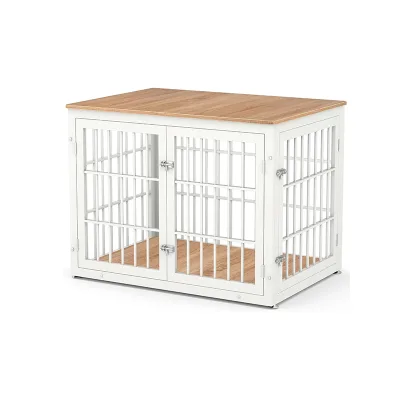
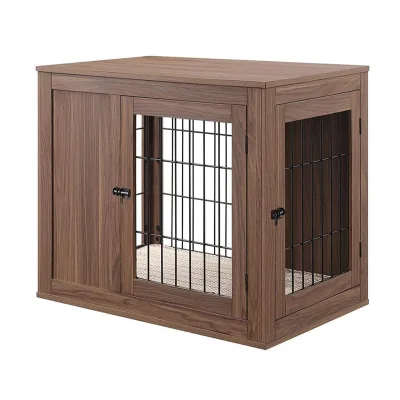
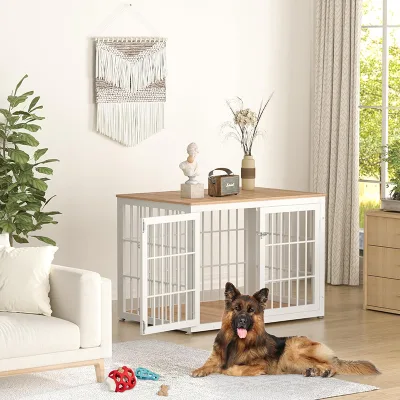
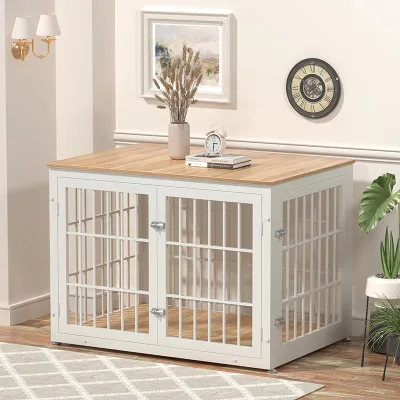


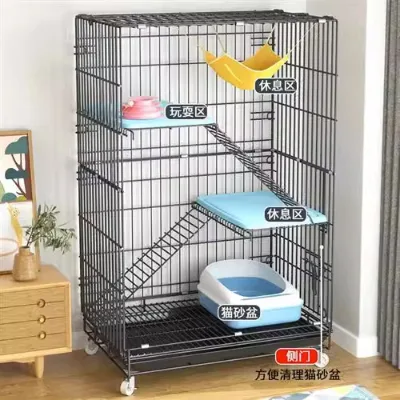
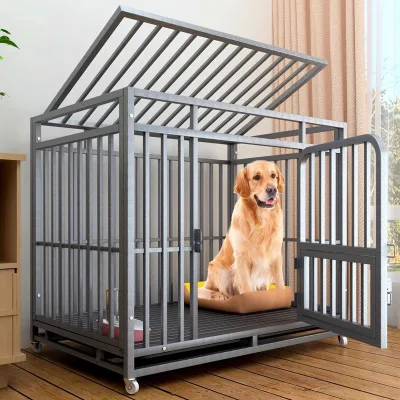


Comprehensive Sourcing Guide
Adjustable Iron Wood Pet Cage Supplier Concentration and Factory Types
Current data indicates that suppliers offering adjustable iron wood pet cages are concentrated in specific Chinese provinces, with Fujian and Zhejiang emerging as notable manufacturing hubs. Fact records show a supplier in Fujian specializing in pet cages with iron construction, while another in Zhejiang lists pet beds and cages as primary products. These locations suggest a regional clustering of manufacturers capable of producing mixed-material pet housing. Buyers should verify if a supplier's stated origin matches their actual factory location, as some trading companies may list a different province than their production base. The presence of combined company types in these regions implies a mix of direct manufacturing and trading operations, which can affect lead times and customization capabilities.
Factory types vary significantly among the available results, ranging from pure manufacturers to combined entities and trading companies. Some suppliers explicitly state capabilities in ODM, OEM, and own-brand production, indicating they can handle custom designs for adjustable iron wood structures. Others are identified strictly as trading companies, which may source from multiple factories rather than operating a single production line. This distinction is critical because a manufacturer typically offers more control over material quality and production schedules, whereas a trading company might provide broader product variety but less direct oversight. Buyers must confirm the specific company type to understand the supply chain depth and the potential for direct communication with the production floor regarding material specifications.
How to Verify Adjustable Iron Wood Pet Cage Suppliers
Verification of suppliers requires checking specific credentials and third-party audit results rather than relying on general claims. Several suppliers in the dataset hold ISO9001:2015 certification, and some also possess ISO14001:2015 certificates, indicating adherence to quality and environmental management standards. One supplier is verified by TÜV Rheinland, while another holds BV verification, providing an external layer of trust regarding their business legitimacy. Buyers should request current copies of these certificates and confirm that the scope of certification covers the specific production of iron and wood pet cages. It is essential to ensure that the certification is active and not expired, as this directly impacts the reliability of the supplier's quality control processes.
Beyond certifications, buyers must assess the supplier's response time and verification status to gauge operational readiness. Response times in the observed data range from 4 hours to nearly 18 hours, with faster responses often correlating with more active and responsive trading teams. A supplier with a response time of 4 hours may be more agile in addressing urgent inquiries about adjustable features or material changes compared to one taking 17 hours. Additionally, the presence of verification badges like TÜV Rheinland or BV serves as a proxy for the supplier's commitment to transparency. Buyers should prioritize suppliers with verified status and documented response times to minimize communication delays during the negotiation and sampling phases of the sourcing process.
What to Compare Across Adjustable Iron Wood Pet Cage Suppliers
When evaluating suppliers, comparing minimum order quantities (MOQ) is a primary step in determining feasibility for different order sizes. The data shows a wide variance in MOQs, with some suppliers requiring 200 pieces, others 300, and some demanding 1,000 units for specific models. This variation directly impacts the initial investment required and the ability to test the market with smaller batches. Buyers must align their order volume with the supplier's specific MOQ to avoid unnecessary costs or rejected orders. It is also crucial to check if the MOQ applies to the entire order or per color and model, as this can significantly alter the total unit cost and inventory planning.
Lead times and pricing structures offer another critical dimension for comparison across different suppliers. Lead times observed in the results range from 30 days to 20-40 days, depending on the product complexity and material availability. Pricing also fluctuates, with some iron cages listed between $7.80 and $14.60, while others range from $14.60 to $18.60, and wooden options reaching up to $60.00. Buyers should calculate the total landed cost by factoring in these price ranges alongside the lead time, as longer lead times may necessitate earlier inventory planning. Comparing these metrics side-by-side allows buyers to identify suppliers that offer the best balance between cost efficiency and delivery speed for their specific business needs.
Common Adjustable Iron Wood Pet Cage Sourcing Risks
One significant risk involves the discrepancy between product descriptions and actual material composition, particularly regarding the "iron wood" combination. Some product listings describe materials as "Iron, Wood" or "Metal," while others specify "Wood" or "Iron" separately. This inconsistency can lead to confusion about the structural integrity and durability of the final product. Buyers must explicitly request detailed material specifications and physical samples to confirm that the wood is treated for durability and the iron components are rust-resistant. Relying solely on keyword descriptions without verifying the actual material composition can result in receiving products that do not meet safety or longevity expectations.
Another risk is the variability in customization capabilities and the associated production delays. While many suppliers list customization as available, the extent of this capability varies, with some offering ODM and OEM services and others limiting changes to basic color or size. The delivery time for customized orders can extend beyond standard lead times, as seen in ranges of 20-40 days. Buyers should clarify the specific customization limits and confirm the impact on the production schedule before placing an order. Failure to define these boundaries clearly can lead to misunderstandings about delivery dates and the final product specifications, potentially causing delays in the supply chain and increased costs for expedited shipping.
Adjustable Iron Wood Pet Cage Regional Sourcing and Logistics
Regional sourcing decisions should be guided by the specific port locations and shipping logistics associated with each supplier. Data indicates that suppliers in Hebei may utilize the Tianjin port for transport, while those in Zhejiang and Fujian likely rely on nearby coastal ports like Ningbo or Xiamen. The choice of port affects shipping costs and transit times, as different ports have varying frequencies of container services to the buyer's destination. Buyers should verify the specific transport port listed for each supplier to ensure it aligns with their preferred logistics partners and to accurately estimate freight charges. Understanding the port of origin is essential for calculating the total cost of goods and planning the subsequent inland transportation.
Logistics planning must also account for the packaging standards and dimensions provided by the suppliers. Product attributes show packing details such as "Carton Packing," "8kg/Pack," or specific dimensions like "805080." These details are vital for calculating container loading efficiency and determining the number of units that can be shipped per container. Inconsistent packaging standards among suppliers can lead to inefficient space utilization and higher shipping costs per unit. Buyers should request detailed packing lists and dimensions for the adjustable iron wood pet cages to optimize container loading and minimize wasted space. Proper logistics planning ensures that the supply chain remains efficient and cost-effective throughout the shipping process.
Adjustable Iron Wood Pet Cage Commercial Terms and Order Planning
Commercial terms regarding payment and escrow are critical for securing the transaction and protecting the buyer's interests. While specific payment terms are not explicitly detailed in the provided facts, the presence of verification badges and certifications suggests that many suppliers are open to secure payment methods. Buyers should inquire about the availability of escrow services or trade assurance programs that hold funds until the goods are verified. This protection is particularly important when dealing with new suppliers or large orders where the financial risk is higher. Establishing clear commercial terms early in the negotiation process helps prevent disputes and ensures that both parties have a mutual understanding of the financial obligations.
Order planning must incorporate the specific product attributes and model numbers to ensure accurate procurement. The data includes specific model numbers such as TLMCT01, YH2141, and D98-WS, each with distinct features like color, size, and material composition. Buyers should use these model numbers to create precise purchase orders and avoid confusion between different product variants. Additionally, the availability of customization options should be factored into the order timeline, as custom orders may require additional lead time for design approval and production. By aligning the order plan with the specific model attributes and customization requirements, buyers can streamline the procurement process and ensure the delivery of the correct products.
FAQs
What is the price range for adjustable iron wood pet cages?
Prices for adjustable iron wood pet cages typically range from $1.48 to $60.00 per unit. The cost varies significantly based on material composition, with metal cages starting lower and wooden furniture-style kennels commanding higher prices. Buyers should check specific product listings for exact pricing tiers and volume discounts.
What is the minimum order quantity for these pet cages?
Minimum order quantities vary by supplier and product type. Some iron cat cages require a minimum of 200 pieces, while larger dog kennels may start at 100 or 300 pieces. High-volume folding cages can have MOQs of 1000 units. Always verify the specific MOQ for the model you intend to purchase.
How long does delivery take for custom pet cages?
Lead times for adjustable iron wood pet cages generally range from 20 to 40 days. Some suppliers offer faster turnaround times, while others may take up to 30 days for standard production. Customization options and order volume can impact the final delivery schedule, so confirm timelines with the supplier before placing an order.
Are these pet cages available with OEM or ODM services?
Yes, many suppliers offer OEM and ODM services for adjustable iron wood pet cages. Manufacturers in China often support custom branding, design modifications, and private labeling. Buyers can request custom sizes, colors, and materials to meet specific market demands. Verify customization availability and associated costs directly with the supplier.
What certifications do these pet cage suppliers hold?
Suppliers often hold ISO9001:2015 and ISO14001:2015 certifications for quality and environmental management. Some products also comply with CE and BSCI standards. Verification services like TÜV Rheinland and Bureau Veritas may be used to confirm supplier credentials. Buyers should request valid certificates to ensure compliance with international trade requirements.
Where are these pet cages manufactured?
These adjustable iron wood pet cages are primarily manufactured in China, with key production hubs in Fujian, Zhejiang, and Hebei provinces. Some suppliers are located in Ningbo. The origin affects shipping logistics and lead times. Buyers should confirm the specific manufacturing location to assess freight costs and supply chain reliability.