Children Jump Half-Ball Suppliers and Manufacturers
Compare 28 verified suppliers offering Children Jump Half-Ball products with varying lead times, certifications, and prices. Review response times and customization options to select the right partner for your order; review the available evidence before requesting comparable quotations from suitable candidates.
Suppliers List

Nantong Splendid Sporting Co., Ltd.
- Verified by BV
- Trading Company,Manufacturer/Factory
- China Jiangsu
- Lead time45 days
- Avg. response≤ 6h
Main productsGym Bench, Power Rack, Functional Machine, Dumbbell, Kettlebell, Barbell, Foam Roller, Yoga Mat, Resistance Band, Slam Ball
Main marketsSouth America,Eastern Europe,Mid East,North America,Southeast Asia,Eastern Asia,Oceania,Western Europe,Africa


Multi-Function Inflatable Jumping Ball Promotional Toy Bouncy Ball Hopping Ball Kids Toy
$1.90 - $2.90
MOQ: 300 Pieces


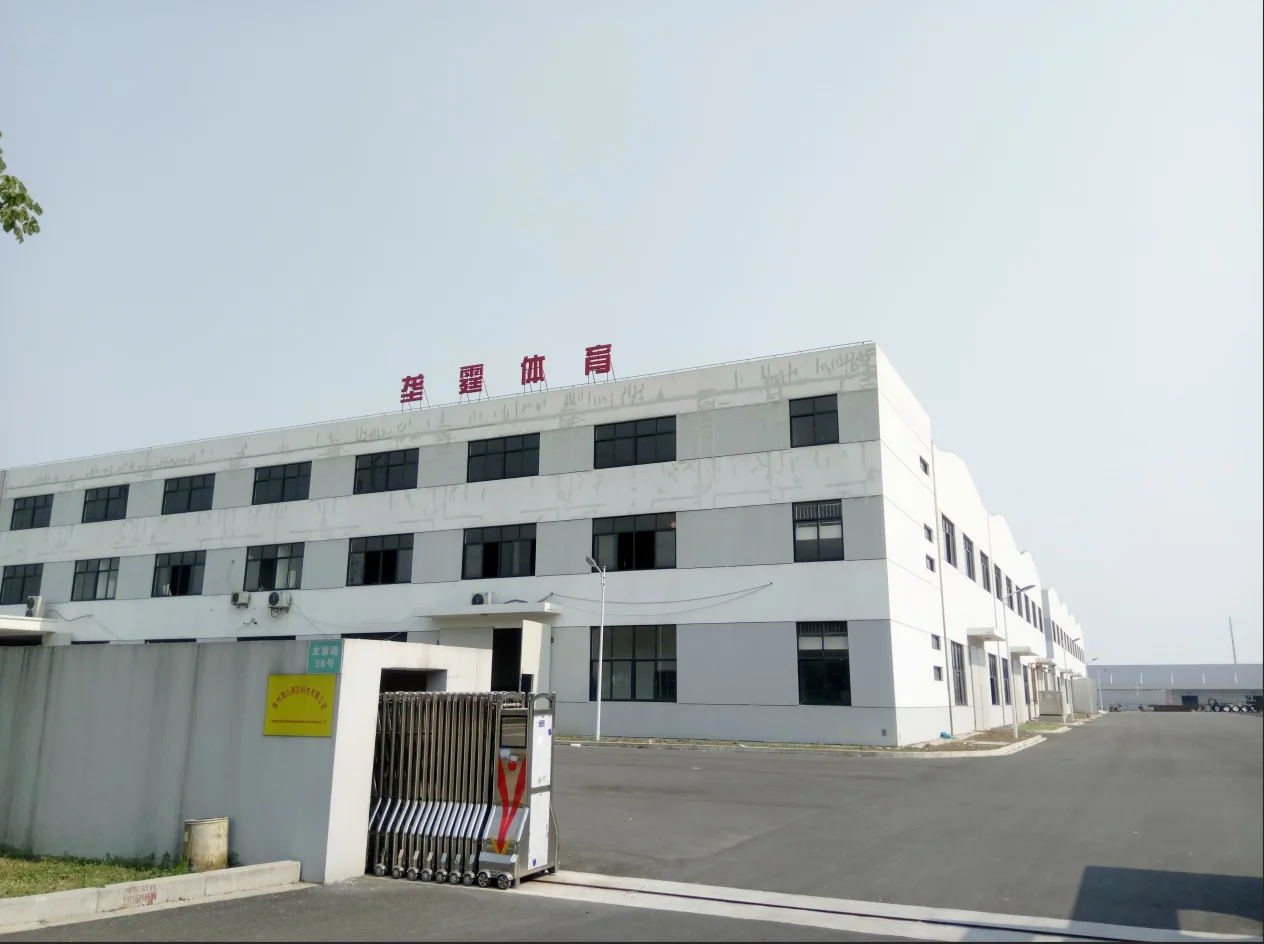
- Trading Company
- Jiangsu, China
- Lead time20 days
- Avg. response≤ 3h
Main productsBounce Hopper,Bounce Balls,Yoga Ball,Plastic Toys,Pet Toys
Main marketsWestern Europe(27.0%), North America(20.0%), Eastern Europe(15.0%), Oceania(10.0%), Northern Europe(8.0%), Southeast Asia(8.0%), Southern Europe(5.0%), Eastern Asia(3.0%), South America(2.0%), Mid East(2.0%)
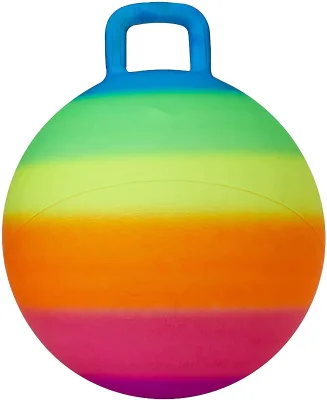
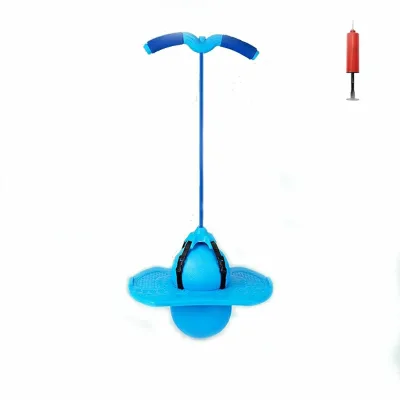
Children's Balance Jump Toy With Handle Bouncing Ball for Kids Long High Training
$3.60 - $4.00
MOQ: 1000 sets
Yixing Great Plastics Product Co., Ltd.
- Manufacturer, Trading Company
- Jiangsu, China
- Lead time30 days
- Avg. response≤ 8h
Main productsYoga Ball,Yoga Mat,Jumping Ball,Jumping Animal,Toy Balls
Main marketsWestern Europe(40.0%), North America(20.0%), Domestic Market(10.0%), Southern Europe(10.0%), Oceania(10.0%), Northern Europe(7.000000000000001%), South America(3.0%)

Nantong Get-Fit Sports Co., Ltd.
- Verified by TUVRHEINLAND
- Combined
- China Jiangsu
- Lead time30 days
- Avg. response≤ 5h
Main productsDumbbell, Weight Plate, Barbell, Power Rack, Weightlifting Bar, Yoga Pilates, Kettlebell, Gym Equipment, Fitness Equipment, Outdoor Exercise
Main marketsSouth America,Southeast Asia/ Mideast,East Asia(Japan/ South Korea),Europe,Australia,North America

Kids Hopper Ball with Handle - Hot Sales Inflatable Hopping Ball for Exercise
$2.70 - $3.30
MOQ: 100 pieces

Wholesale Custom Logo Kids Hopper Ball High Bounce Jumping Ball with Handle
$2.90 - $3.40
MOQ: 1000 Pieces


Thickened Explosion-Proof Half Ball for Yoga, Pilates & Balance Training
$15.99 - $16.50
MOQ: 50 pieces

Nantong Ironman Sporting Industrial Co., Ltd.
- Verified by BV
- Trading Company,Manufacturer/Factory
- China Jiangsu
- Lead time60 days
- Avg. response≤ 8h
Main productsDumbbell Set, Yoga Accessories, Barbell Set, Home Equipment, Gym Equipment, Jump Rope, Kettlebells, Plates, Weightlifiting Set, Bars
Main marketsSouth America,Eastern Europe,Mid East,North America,Southeast Asia,Eastern Asia,Oceania,Western Europe,Africa
Ningbo Wonderful Plastic Industry and Trade Co., Ltd.
- Verified by TUVRHEINLAND
- Combined
- China Zhejiang
- Lead time30 days
- Avg. response≤ 8h
Main productsAir Bed, Swimming Pool, Inflatable Boat &Kayak, Inflatable Toys, Inflatable Pool Float, Inflatable Swim Rings, Snow Tube, Inflatable Party Decoration
Main marketsNorth America

Inflatable Hopper Ball – Bouncy Jumping Ball with Handle for Kids & Adults
$1.31 - $1.90
MOQ: 5000 Pieces


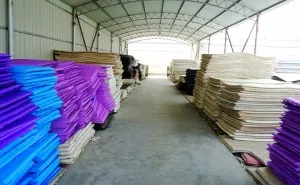
Yiwu Jianyu Imp & Exp Co., Ltd.
- Trading Company
- Zhejiang, China
- Lead time30 days
- Avg. response≤ 4h
Main productsmartial arts mat,yoga mat,gym ball,judo mat,fitness items
Main marketsMid East(7.719999999999999%), South Asia(7.690000000000001%), Southern Europe(7.690000000000001%), Northern Europe(7.690000000000001%), Central America(7.690000000000001%), Western Europe(7.690000000000001%), Eastern Asia(7.690000000000001%), North America(7.690000000000001%), Oceania(7.690000000000001%), Africa(7.690000000000001%), Southeast Asia(7.690000000000001%), Eastern Europe(7.690000000000001%), South America(7.690000000000001%)
Guangzhou Baolilong Toys Trading Co., Limited
- Trading Company
- Guangdong, China
- Lead time45 days
- Avg. response≤ 8h
Main productspromotion toys,dollar chain shop toys,OEM and ODM,candy toy,capsule toy
Main marketsNorthern Europe(35.0%), Mid East(25.0%), Eastern Europe(25.0%), South Asia(10.0%), South America(5.0%)

- Verified by BV
- Manufacturer/Factory
- China Fujian
- Lead time15 days
- Avg. response≤ 25h
Main productsWater Bottle, Kitchen Ware, Shoes, Plastic Product, Bag, Toy
Main marketsSouth America,Eastern Europe,Mid East,North America,Southeast Asia,Eastern Asia,Oceania,Western Europe,Africa

Shanghai Sinogym Fitness Co., Ltd.
- Verified by BV
- Trading Company,Manufacturer/Factory
- China Shanghai
- Lead time23 days
- Avg. response≤ 19h
Main productsWeight Plate, Weight Lifting, Barbell Bar, Aerobic Stepper, Gymnastic Mat, Yoga & Pilates, Gymnastic Ball, Benches, Resistance Bands, Chin up Bar
Main marketsSouth America,Eastern Europe,Mid East,North America,Southeast Asia,Eastern Asia,Oceania,Western Europe,Africa
Shenzhen Coinus Trading Co.,Ltd
- Verified by BV
- Trading Company
- China Guangdong
- Lead time30 days
- Avg. response≤ 5h
Main productsSoccer Ball, Basketball, Volleyball, Football, Baseball&Softball, Pickleball, Padel, Sports Game, Ball Accessories, Exercise & Fitness
Main marketsSouth America,Southeast Asia/ Mideast,Europe,North America

Chu Zhou Heng Jia Sports Products Limited
- Manufacturer, Trading Company
- Anhui, China
- Lead time20 days
- Avg. response≤ 24h
Main productsTeam Sport Ball/Fitness Ball/Rainbow Ball/Toy Ball/Hopper Ball/Animal Bouncer
Main marketsNorth America(50.0%), Northern Europe(40.0%), Domestic Market(10.0%)
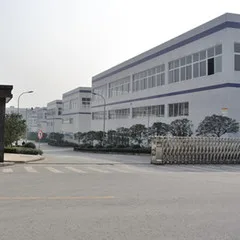
Hunan Double Bulls Gifts Co., Ltd.
- Trading Company
- Hunan, China
- Lead time15 days
- Avg. response≤ 9h
Main productsSTATIONERY PRODUCT,SPORTS PRODUCTS,PLASTIC TOYS,PLASTIC PRODUCTS,CLOTHING PRODUCTS
Main marketsSoutheast Asia(20.0%), Eastern Europe(20.0%), South America(15.0%), North America(15.0%), Southern Europe(10.0%), Western Europe(10.0%), Oceania(2.0%), Africa(2.0%), Domestic Market(1.0%), South Asia(1.0%), Eastern Asia(1.0%), Northern Europe(1.0%), Central America(1.0%), Mid East(1.0%)
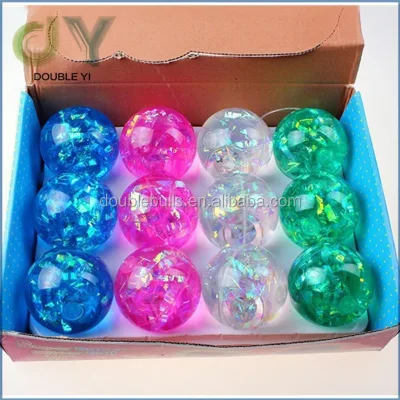
Wholesale Bouncing Ball for Adult Jumping Ball / Rubber Playground Balls
$0.30 - $0.58
MOQ: 500 Minimum
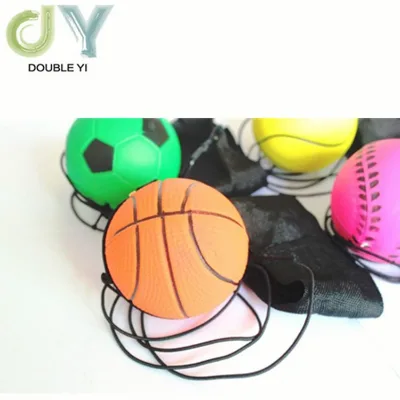
$0.63 - $0.66
MOQ: 100 pieces
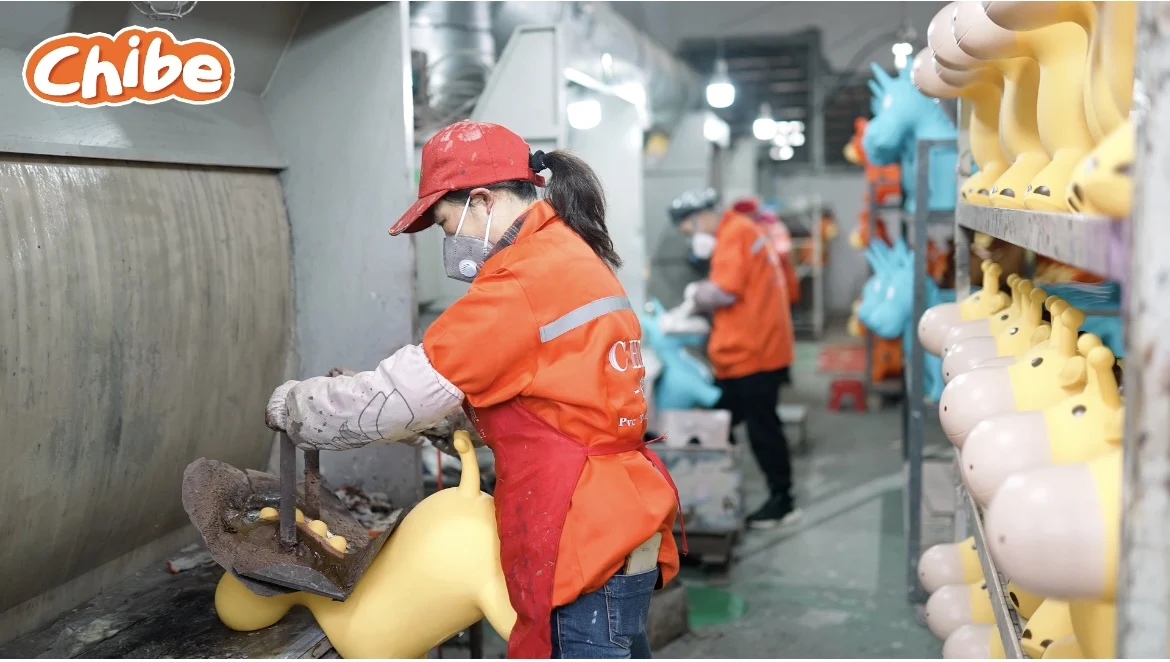
- Manufacturer, Trading Company
- Jiangsu, China
- Lead time0 days
- Avg. response≤ 4h
Main productsbouncy animal,hopper ball,bounce house,Action figure,Bath toy
Main marketsDomestic Market(20.0%), North America(20.0%), Southern Europe(10.0%), Northern Europe(10.0%), Eastern Europe(10.0%), Western Europe(10.0%), Eastern Asia(10.0%), Central America(5.0%), South Asia(5.0%)
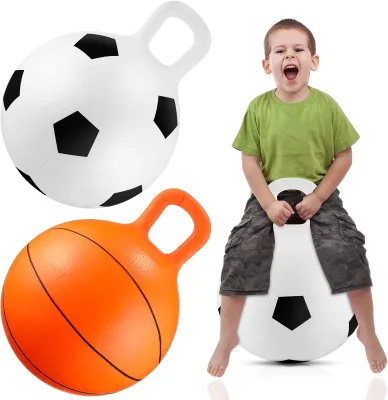
Jumping Hopper Bounce Balls with Handles for Kids 18'' Soccer Basketball Style Exercise Bouncy Ball
$2.15 - $2.66
MOQ: 50 pieces
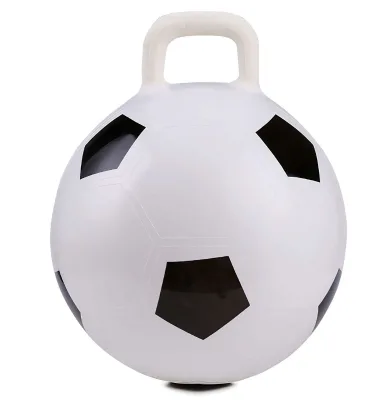
$1.85 - $1.99
MOQ: 500 pieces
Changzhou Bosket Plastic Products Co., Ltd.
- Manufacturer, Trading Company
- Jiangse, China
- Lead time15 days
- Avg. response≤ 4h
Main productsyoga&pilates,fitness items,kids' toys,watersports items,pickleball series
Main marketsEastern Europe(30.0%), Domestic Market(20.0%), Southeast Asia(20.0%), North America(20.0%), Western Europe(10.0%)
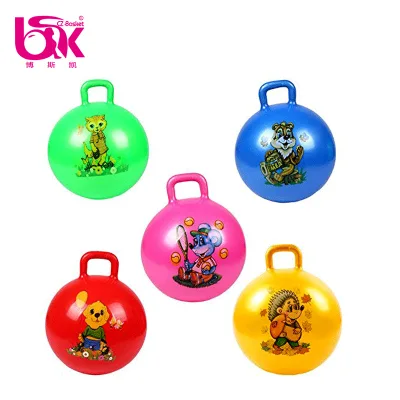
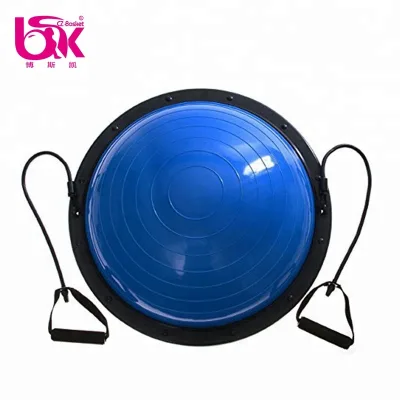
Light Weight Pvc Half Balance Exercise Cheap Ball
$15.00 - $18.00

Shanghai Ritmark Sports Co., Ltd.
- Verified by BV
- Trading Company,Manufacturer/Factory
- China Shanghai
- Lead time23 days
- Avg. response≤ 4h
Main productsPVC Boat Fender, Fitness Ball, Fitness Sandbag, Waist Belt, Massage Tools, Acupressure Mat, Buoys, Dock Bumper, Yoga Items, Fitness Products
Main marketsSouth America,Eastern Europe,Mid East,North America,Southeast Asia,Eastern Asia,Oceania,Western Europe,Africa

Nanjing Xiangye Sports Technology Co., Ltd
- Verified by SGS
- Trading Company,Manufacturer/Factory
- China Jiangsu
- Lead time45 days
- Avg. response≤ 2h
Main productsSoccer Ball, Football, Basketball, Volleyball, Futsall Ball, Playground Ball, Futsal Ball, Baseball, Beach Ball, Gym
Main marketsSouth America,Eastern Europe,Mid East,North America,Southeast Asia,Eastern Asia,Western Europe,Africa

- Verified by TUVRHEINLAND
- Trading Company
- China Anhui
- Lead time30 days
- Avg. response≤ 6h
Main productsDumbbells, Kettlebells, Barbells, Weight Plates, Crossfit Gym, Home Gym, Power Rack, Aerobic Step, Yoga Mat, Foam Roller
Main marketsEurope,Australia,North America

High Quality 60cm Gym Fitness Half Exercise Ball Cheap Jumping Stability Custom Yoga Balance Ball
$28.50 - $30.00
MOQ: 10 Pieces


Yoga Balance Ball Anti Burst Yoga Balance Exercise Ball Balance Training Half Ball
$17.00 - $21.00
MOQ: 10 pc


Home Gym Exercise Equipment Balance Trainer Inflatable Ellipse Balance Half Ball
$18.00 - $20.00
MOQ: 20 Pieces

Fitness Half Bosuing Balance Ball/ Exercises Balance Trainer/ Half Massage Yoga Ball
$12.50 - $13.50
MOQ: 10 Pieces

- Trading Company,Manufacturer/Factory
- China Zhejiang
- Lead time23 days
- Avg. response≤ 17h
Main productsCandle, Candle Holder, Reed Diffuser, Keychain
Main marketsSouth America,Eastern Europe,Mid East,North America,Southeast Asia,Eastern Asia,Oceania,Western Europe,Africa

- Verified by BV
- Trading Company
- China Anhui
- Lead time30 days
- Avg. response≤ 10h
Main productsDumbbell, Cast Iron Plate, Chrome Bar, Fitness Equipment, Traing Set
Main marketsSouth America,Africa,Southeast Asia/ Mideast,East Asia(Japan/ South Korea),Europe,Australia,North America

Nanjing Tropical International Co., Ltd.
- Trading Company
- China Jiangsu
- Lead time30 days
- Avg. response≤ 13h
Main productsYoga Block, Yoga Mat, Yoga Wheel, Foam Roller, Yoga Bolster, Yoga Towel, Yoga Ball, Yoga Bag, Pilates Ring, Resistance Band
Main marketsEurope,North America
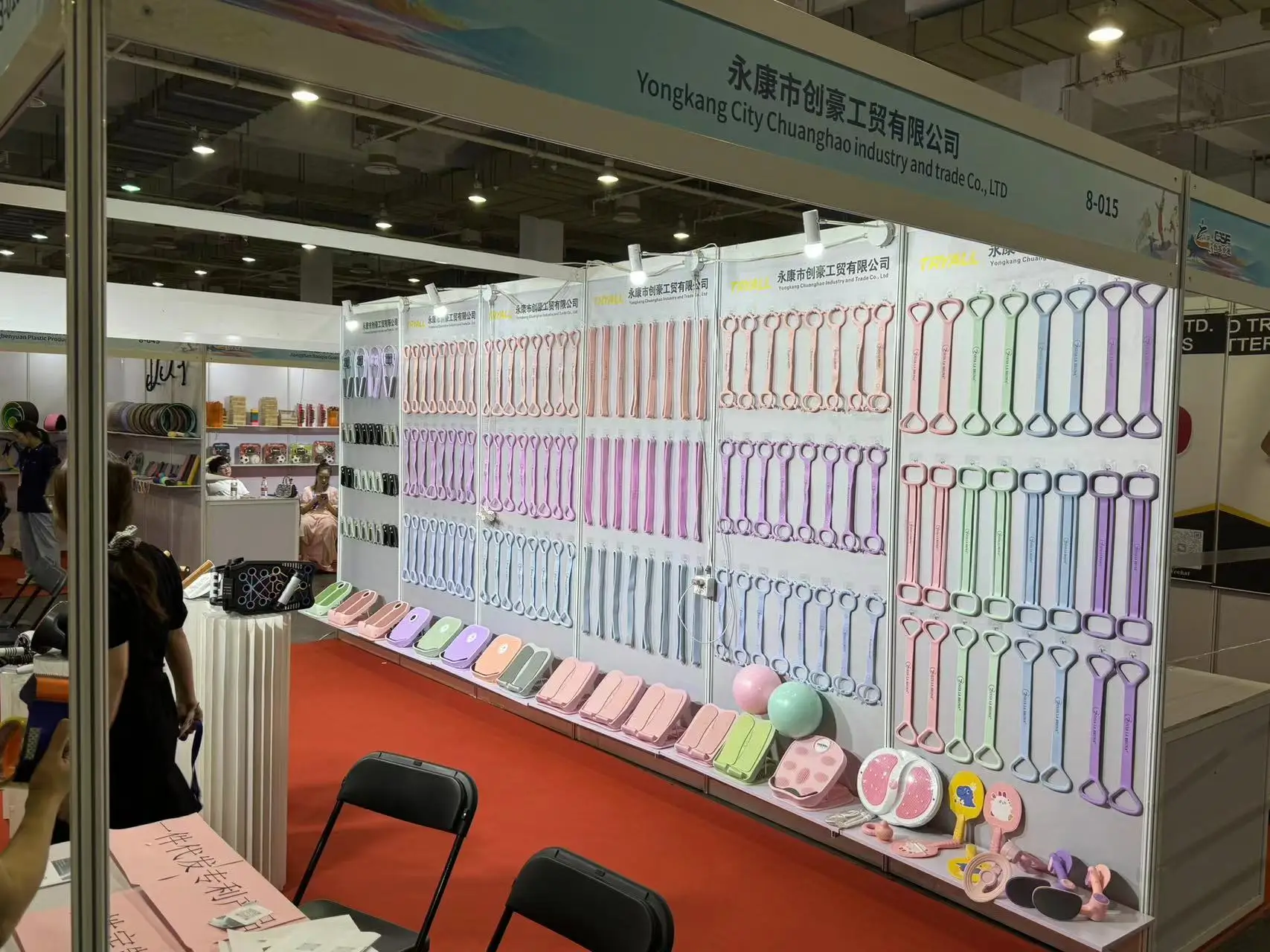
Yongkang Chuanghao Industry And Trade Co., Ltd.
- Manufacturer, Trading Company
- Zhejiang, China
- Lead time0 days
- Avg. response≤ 2h
Main productsResistance band,Hand Grip,Exercise band,Massage ball,push up board
Main marketsNorth America(40.0%), Western Europe(20.0%), South America(20.0%), Northern Europe(10.0%), Southeast Asia(10.0%)

Ningbo Mingni Import And Export Co., Ltd.
- Verified by SGS
- Manufacturer/Factory
- China Zhejiang
- Lead time23 days
- Avg. response≤ 3h
Main productsWindow Handle, Door Handle, Hinge, Gas Cooker Knob, Oven Knob, Name Plate, Cabinet Handle, Bathroom Hardware, Auto Parts
Main marketsSouth America,Eastern Europe,North America,Western Europe

Nantong Enerize Sporting Goods Co., Ltd.
- Trading Company,Manufacturer/Factory
- China Jiangsu
- Lead time0 days
- Avg. response≤ 13h
Main productsBarbells, Weight Plates, Bumper Plate, Dumbbell, Adjustable Bench, Rig and Rack, Power Rack, Kettlebell, Crossfit, Jump Ropes
Main marketsSouth America,Eastern Europe,Mid East,North America,Africa
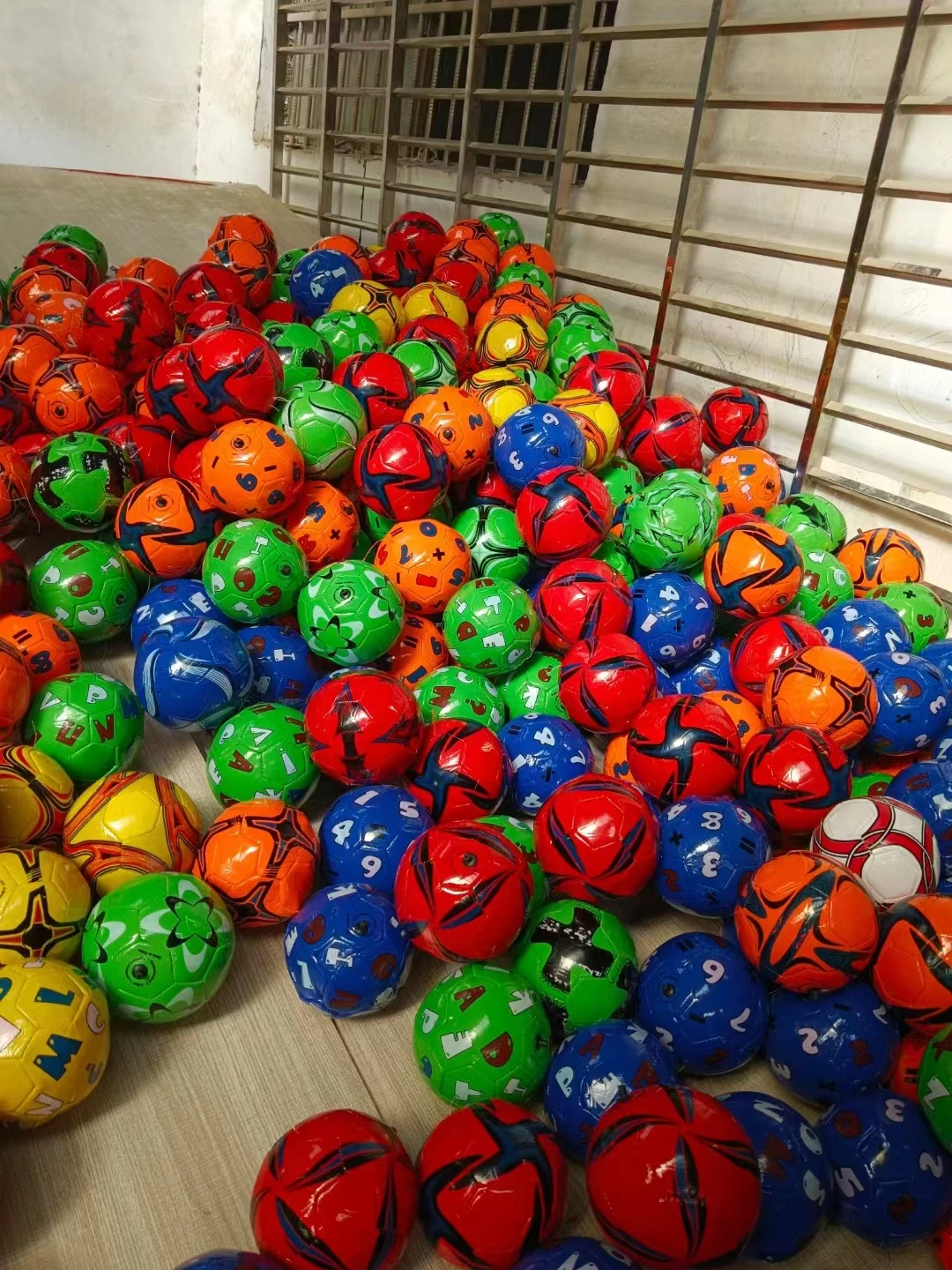
Anhui Junbao International Trade Co., Ltd.
- Trading Company
- Anhui, China
- Lead time30 days
- Avg. response≤ 2h
Main productsLabel ball,Print ball,Cloud ball,Jumping horse,Unicorn horse
Main marketsDomestic Market(30.0%), North America(20.0%), Southeast Asia(15.0%), Western Europe(10.0%), Mid East(10.0%), Africa(10.0%), Eastern Asia(5.0%), Eastern Europe(5.0%)
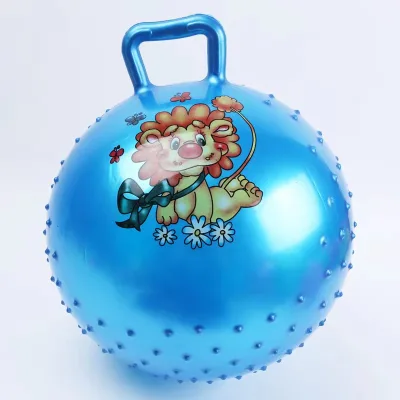
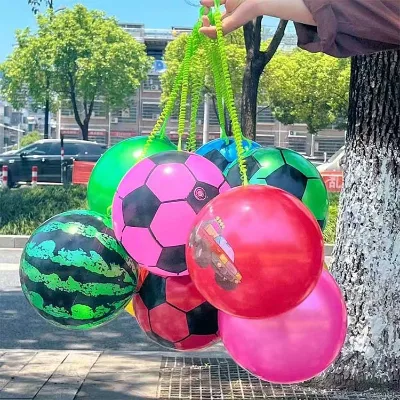
Inflate Fun Bounce Ball Soccer Ball Key Chain
$0.23 - $0.39
Nantong Get Power Fitness Equipment Co., Ltd.
- Verified by TüVRheinland
- Trading Company
- Lead time30 days
Main productsDumbbell, Barbell, Weight Plate, Power Rack, Bench
Main marketsNorthern Europe(40%), North America(20%), Southeast Asia(20%)
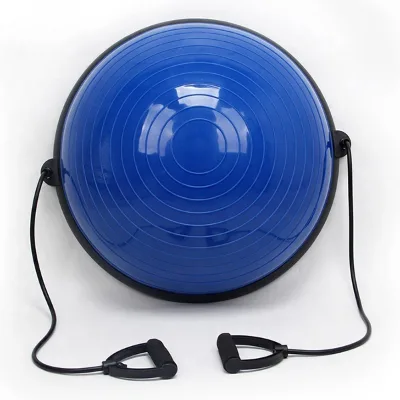
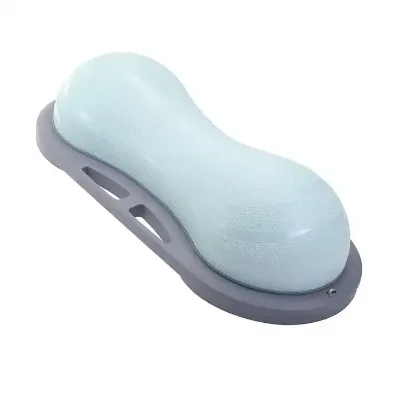
Friendly PVC New Product Yoga Half Balance Ball, Half Yoga Ball With Pump
$15.26 - $18.31
MOQ: 100 Minimum
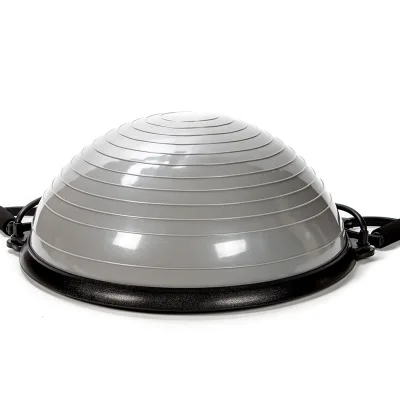
Wholesale PVC Multifunctional Yoga Half Ball,yoga Half Balance Ball With Pump
$22.38 - $25.43
MOQ: 50 pieces

Guang Zhou Zheng Hao Fintess Equipment Factory
- Verified by TUVRHEINLAND
- Manufacturer/Factory
- China Guangdong
- Lead time15 days
- Avg. response≤ 9h
Main productsFitness Equipment, Billiard Table, Dumbbell, Reformer Pilates, Treadmill, Exercise Mat, Boxing Ring, Spinning
Main marketsSouth America,Eastern Europe,Mid East,North America,Southeast Asia,Eastern Asia,Oceania,Western Europe,Africa

Rubber Stress Gym Fitness Balance Exercise Half Yoga Ball with Stability Ring
$30.00 - $35.00
MOQ: 1 Pieces

Rubber Stress Gym Fitness Balance Exercise Half Yoga Ball with Stability Ring
$30.00 - $35.00
MOQ: 1 Pieces
- Verified by SGS
- Combined
- China Jiangsu
- Lead time23 days
- Avg. response≤ 9h




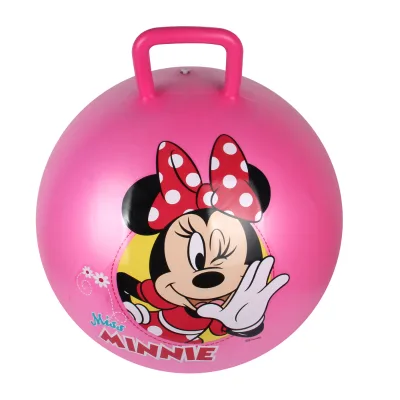


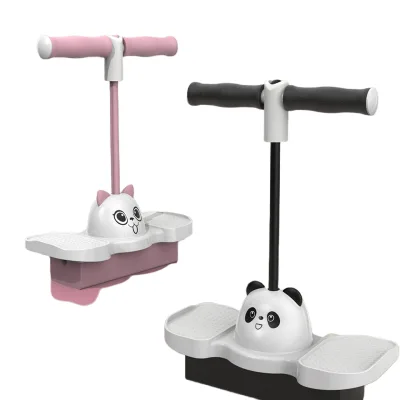
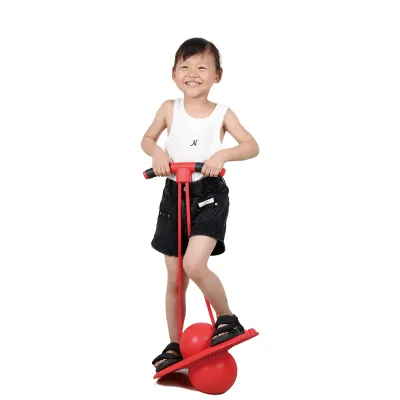


Comprehensive Sourcing Guide
Children Jump Half-Ball Supplier Concentration and Factory Types
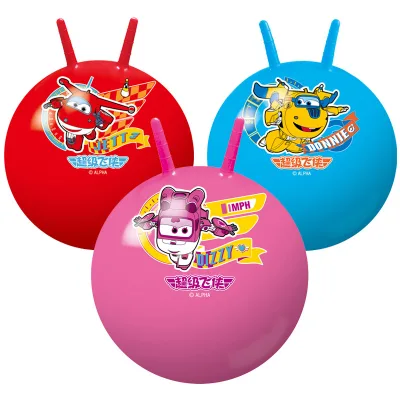
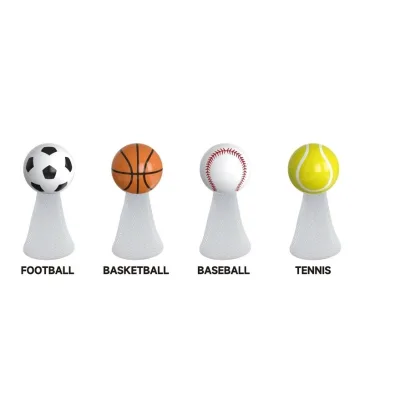
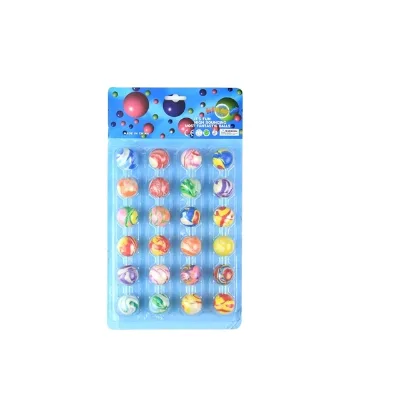
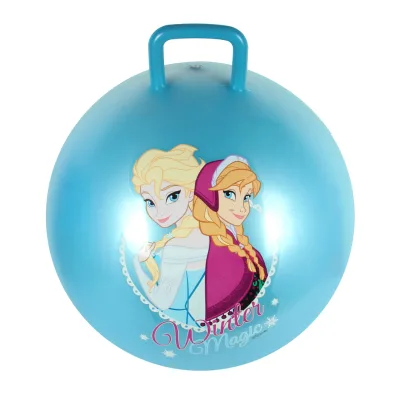
Suppliers of Children Jump Half-Ball products on B2B platforms come in two broad company types: manufacturers or factories that produce inflatable and molded PVC items themselves, and trading companies that consolidate output from nearby workshops. Understanding which type you are dealing with shapes everything from pricing depth to customization flexibility. Factory-type suppliers typically control molding, printing, and inflation lines in-house, which matters when you want custom colors, logos, or packaging. Trading companies often list a wider product range, sometimes spanning hopper balls, yoga balls, plastic toys, and pet toys, and they may be faster at assembling mixed-product orders even if they add a margin.
When location data is supplied in the listing, use it as your first clustering signal. For this category, supplier results frequently point to eastern China, including Jiangsu province, where inflatable toy and PVC ball production is well established. If a listing omits location, you can still identify clusters by examining the place of origin attribute on individual products, the port of dispatch named in packaging details, and whether the supplier's main products align with inflatable or PVC goods. A product page that states a place of origin, a named dispatch port, and a monthly supply capacity is a far stronger clustering indicator than a vague company profile. Cross-check these signals before assuming you have found a true manufacturer rather than an intermediary re-listing another workshop's catalog.
How to Verify Children Jump Half-Ball Suppliers
Verification starts with the platform's own signals, but you must read them precisely. Some supplier results carry third-party verification labels such as BV assessment, while others display system certifications like ISO 9001, or product-facing certifications such as CE and CPC. Note that a system certification applies to management processes, not to every product's toy safety compliance, and a verification badge confirms an on-site or documentary assessment at a point in time. If neither appears on a profile, that absence is not disqualifying, but it means you must request evidence directly rather than assume anything.
For children's products, ask each shortlisted supplier for specific, current documentation: the exact toy safety standards their hopper and half-ball items are tested against, test reports naming the material batch, and the material composition such as PVC or PVC with ABS components. Product listings in this category sometimes state certificate lines like EN71 parts and ASTM F963 on the item itself; treat these as claims to verify with copies of reports, not as confirmed facts. Also confirm the supplier's role: a listing that combines manufacturer claims with trading company labels deserves a direct question about who owns the molding tooling. Finally, verify responsiveness before committing, because the response times displayed on profiles vary noticeably between suppliers in this category, and a slow first reply usually predicts slow problem resolution during production and shipping.
What to Compare Across Children Jump Half-Ball Suppliers
Build a comparison sheet using only attributes actually displayed on each profile, and mark missing fields as "verify" rather than guessing. The most useful comparison dimensions here are lead time, MOQ, response time, location, company type, main products, and any certifications shown. Supplier results in this category show meaningful spread: displayed lead times range from around twenty days to forty-five days, and response times differ by several hours between profiles. Some listings show verified status or ISO 9001 while others show CE and CPC, so your sheet should track which evidence each supplier actually presents rather than forcing every supplier into the same template.
Product-level data matters as much as company-level data for this category. Compare the product attributes side by side: material (PVC, or PVC plus ABS for pogo-style items), size options such as 45cm or 55cm, weight, age range, packaging format, and included accessories like pumps and instructions. Prices on listings for hopping balls can fall in the low single digits per piece, while half-balance trainers list several times higher, so confirm which product type each quote covers. Note MOQ differences too: some product listings state MOQs as low as fifty pieces while others require a thousand or more, and one profile lists an item MOQ of 504 pieces. Record whether customization, custom logos, and sample availability are stated, and treat anything absent as a question to ask, not a gap to assume against the supplier.
Common Children Jump Half-Ball Sourcing Risks
The biggest risk in this category is confusing product-type listings. Search results for Children Jump Half-Ball items routinely mix three distinct products: ride-on hopping balls with handles for young children, pogo-style bouncing balance toys, and adult-facing half-balance trainers for gym use. A supplier whose profile emphasizes gym benches, racks, and dumbbells may be surfacing a half-balance trainer rather than a children's toy, and their toy-safety documentation posture may differ entirely from a supplier whose main products are bounce hoppers and plastic toys. Always confirm the exact product name, model number, and intended age range before comparing quotes.
Safety and compliance risk follows the material. Inflatable PVC toys for children need age-appropriate material certification, and listings sometimes carry anti-burst and material attributes that you should validate against real test reports. A second risk is attribute drift between the listing and the shipped goods: colors described as multi or solid, sizes stated as 39 by 29 centimeters or 45 to 58 centimeters, and packaging described as pp bag plus color box can all change unless written into your order confirmation. A third risk is capacity overstatement; one listing claims a supply ability of hundreds of thousands of pieces per month, which should be tested with a realistic production schedule and references. Finally, beware of assuming that a trading company's faster quoted lead time reflects actual production control rather than availability of stock from an unspecified upstream source.
Children Jump Half-Ball Regional Sourcing and Logistics
Where location data is supplied, use it directly. Supplier results in this category consistently point to Jiangsu province in eastern China, and individual product listings reinforce this with place-of-origin attributes naming Jiangsu and port-of-dispatch attributes naming Shanghai. That pairing matters practically: goods manufactured in Jiangsu and dispatched through Shanghai benefit from one of the world's busiest container ports, with frequent sailings to major destination markets. When a listing names both an origin and a dispatch port, you can estimate inland transit as minimal and plan your shipment booking around the port's sailing frequency rather than around long domestic haulage.
For listings that lack location data, reconstruct the logistics picture from what is stated. The single gross weight and package dimensions on product pages, such as a nine-kilogram gross weight for a boxed hopping ball set or a three-kilogram weight for a pogo-style item, let you calculate container loading and freight cost per unit before you negotiate. Packaging format also affects logistics: deflated goods in opp bags pack far more densely than boxed sets with pumps, and some listings offer both options, so ask which configuration your quoted price assumes. Confirm whether the supplier ships FOB from the named port or offers alternative terms. Finally, when a profile displays a lead time, combine it with the port's sailing schedule to set a realistic delivery window, and ask whether peak-season port congestion in the region could extend it.
Children Jump Half-Ball Commercial Terms and Order Planning
Order planning in this category should start from the MOQ and scale upward. Displayed MOQs on relevant product listings vary widely, from fifty pieces on a half-balance trainer, to around three hundred pieces on a jumping ball, to just over five hundred on a rainbow hopper ball, and up to a thousand pieces on pogo-style items. Match the MOQ to your sales channel: small trial orders suit the lower thresholds, while established retailers can negotiate against the higher ones. Sample lead times, where stated, run around ten working days, which gives you a realistic pre-production milestone before committing to a bulk timeline.
Price and payment planning come next. Listed price ranges for hopping balls sit between roughly $1.85 and $2.90 per piece depending on specification, while half-balance trainers list in the twenty-dollar range, so confirm exactly which product and configuration each quote covers. Where customization is stated as available, expect logo and packaging customization to affect both price and the sample timeline. Use escrow-style or platform-managed payment protection where offered; supplier results reference escrow protection as an available mechanism, and it reduces counterparty risk on first orders. Plan your full schedule backward from the displayed lead times, which range from about twenty to forty-five days across profiles, adding sample iteration, production, inspection, and port cutoff time. Finally, write packaging, accessory inclusion, color, and size specifications into the purchase contract, because these are the attributes most often left ambiguous in category listings.
FAQs
What is the price range for children's jump balls?
The price range for these items typically falls between $1.85 and $2.90 per unit. This pricing applies to basic PVC models with standard customization options. Buyers should note that specialized balance trainers or half balls may cost more, with prices reaching up to $23.30 depending on the specific product features and material quality.
What is the minimum order quantity for these products?
Minimum order quantities vary significantly by product type. Basic jumping balls often require a minimum of 300 units, while specific balance trainers may have an MOQ of 50 units. Some promotional items or specialized models might require higher volumes, such as 504 or 1000 pieces, so buyers must check the specific listing details for exact requirements.
How long does production take for these orders?
Production lead times generally range from 20 to 45 days depending on the supplier and order volume. Some manufacturers offer faster turnaround times of around 20 days, while others may require up to 45 days for standard production runs. Buyers should confirm the exact timeline with the supplier before placing orders to ensure timely delivery.
Are these products certified for safety standards?
Yes, many suppliers provide products with relevant safety certifications. Common certifications include CE, CPC, EN71, and ASTM F963, ensuring compliance with international safety standards for children's toys. Buyers should verify specific certification documents for each product to ensure they meet the regulatory requirements of their target market before purchasing.
What materials are used to make these balls?
These products are primarily made from durable PVC material, often featuring anti-burst features for safety. Some models may include ABS components for handles or structural support. The materials are selected for durability and safety, ensuring the balls can withstand regular use by children while maintaining their shape and integrity over time.
Can I customize the logo on these products?
Customization is available for most products, including logo printing. Suppliers typically offer customized logo options for bulk orders, allowing buyers to brand the products for their specific market. Buyers should confirm customization details, such as logo placement and colors, with the supplier to ensure the final product meets their branding requirements.