Non-Phthalate Free Jumping Ball Suppliers and Manufacturers
Source 25 verified suppliers for Non-Phthalate Free Jumping Ball products. Compare key dimensions including Zhejiang and Jiangsu locations, CE and EN71 certifications, and lead times ranging from 3 to 20 days. Review pricing and MOQs to identify the right partner for your procurement needs.
Suppliers List
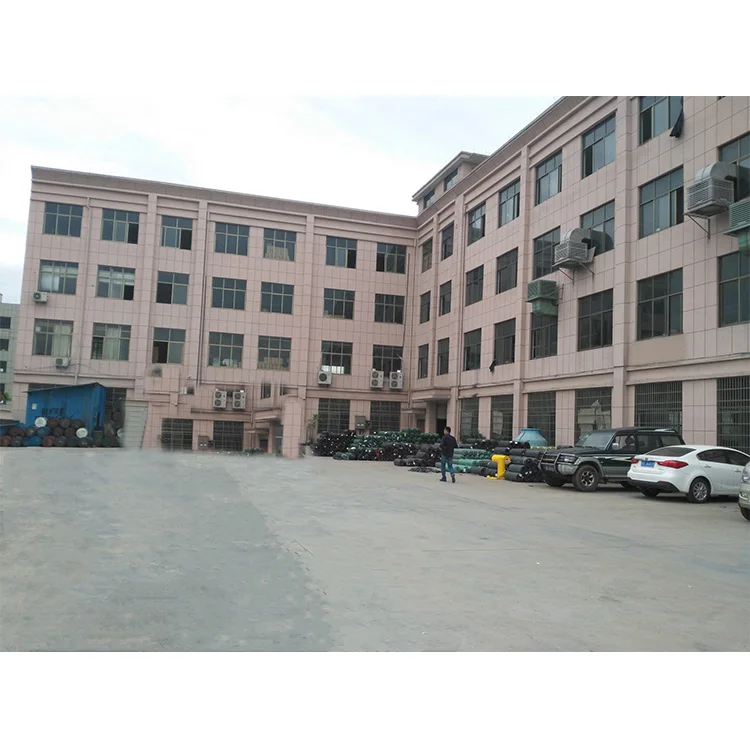
- Manufacturer
- Zhejiang, China
- Lead time20 days
- Avg. response≤ 3h
Main productsInflatable Swim Ring, Inflatable Beach Ball, Inflatable Pool, Inflatable Sofa, Inflatable Mattress
Main marketsNorth America(60.0%), Western Europe(10.0%), Southern Europe(10.0%), Northern Europe(10.0%), Southeast Asia(10.0%), Western Europe(10.0%), Southern Europe(10.0%), Northern Europe(10.0%), Southeast Asia(10.0%)
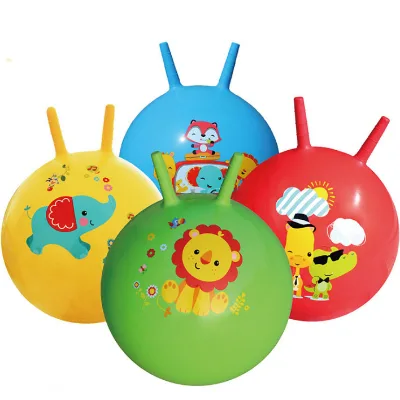
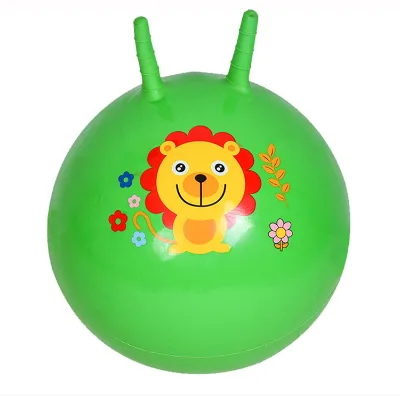
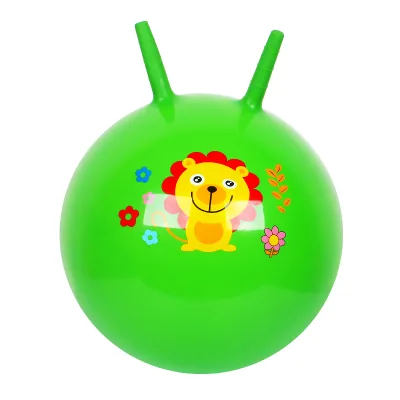
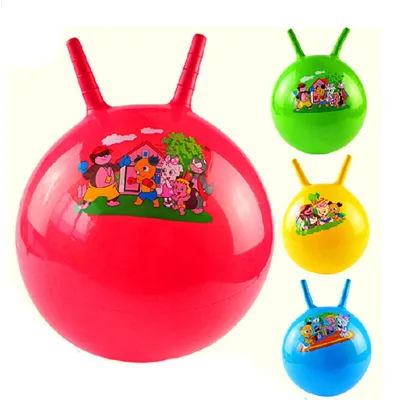
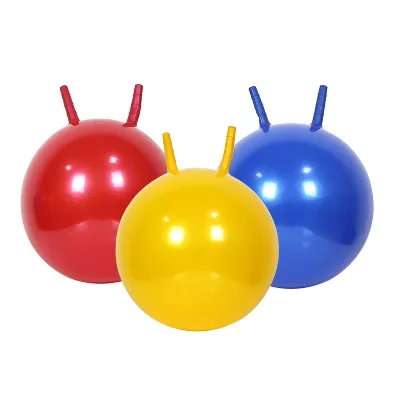
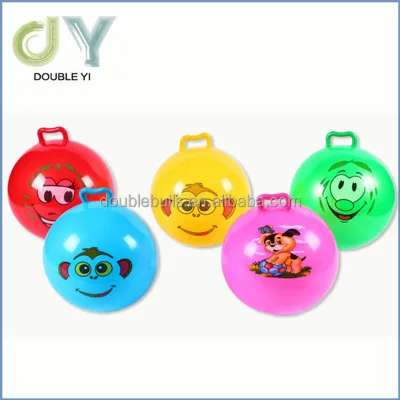
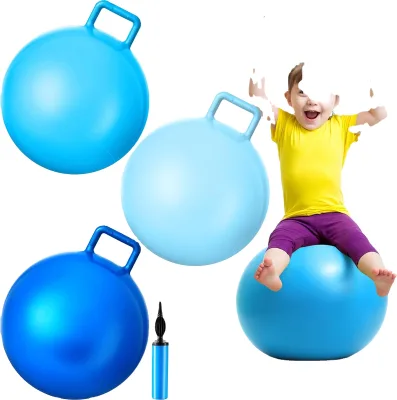
Wholesale PVC Healthty Fitness Sports Inflatable Bouncing Jumping Ball with Horn
$2.60 - $3.30
Moq: 50
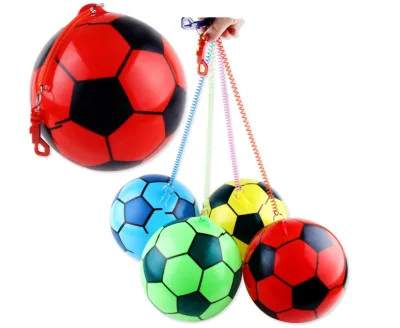
- Trading Company
- Jiangsu, China
- Lead time20 days
- Avg. response≤ 3h
Main productsBounce Hopper,Bounce Balls,Yoga Ball,Plastic Toys,Pet Toys
Main marketsWestern Europe(27.0%), North America(20.0%), Eastern Europe(15.0%), Oceania(10.0%), Northern Europe(8.0%), Southeast Asia(8.0%), Southern Europe(5.0%), Eastern Asia(3.0%), South America(2.0%), Mid East(2.0%)
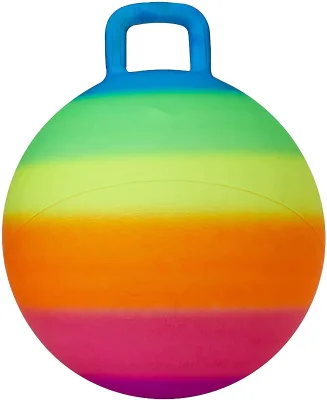
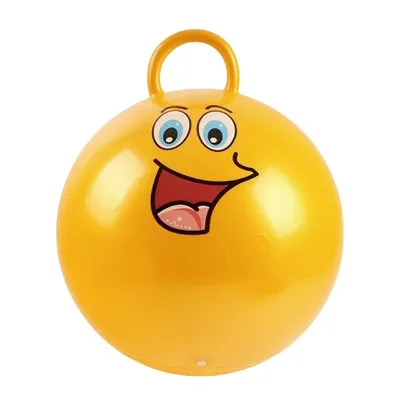
Gold Supplier Good Quality PVC Hopper Ball Eco-friend Soft Hopper Jumping Bouncing Ball
$1.50 - $1.99
Moq: 2000
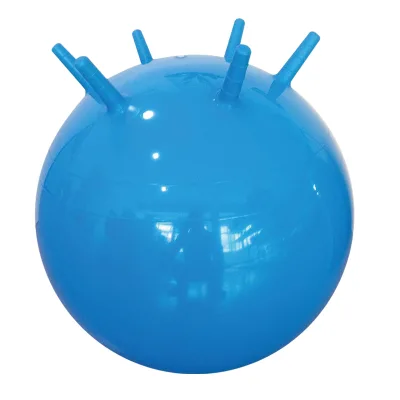
High Quality PVC Inflatable Leisure Ball Jumping Exercise Toy Ball Hopper Ball Cheap Price
$1.80 - $2.10
Moq: 10000
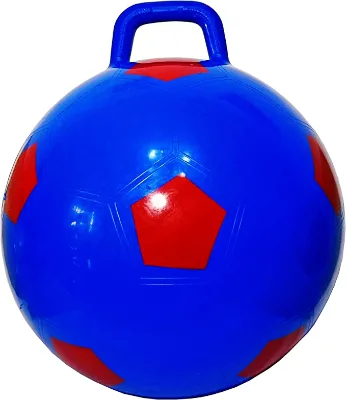
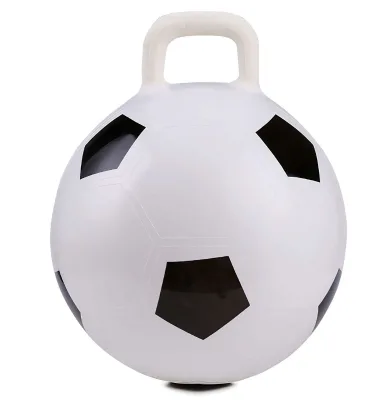
Pace Hopper Ball with Pump in Soccer Ball Style, Kangaroo Bouncer, Hoppity Hop
$1.80 - $2.00
Moq: 2000
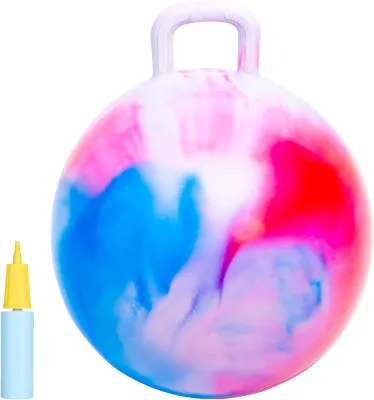
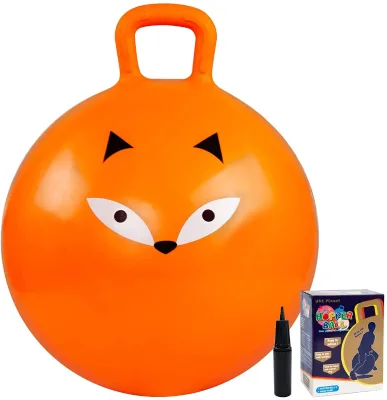
18/22 Inch Orange Fox Hopper Ball Toy
$1.85 - $1.99
FUZHOU SHOO-IN IMP & EXP CO., LTD.
- Verified by SGS
- Trading Company
- China Fujian
- Lead time15 days
- Avg. response≤ 8h
Main productsSports Wear, Promotional Gift, Lanyards, Badges, Caps, Sports Training Products, Sports Balls, Tennis Accessories, Golf Accessories, Pet Products
Main marketsEast Asia(Japan/ South Korea),North America


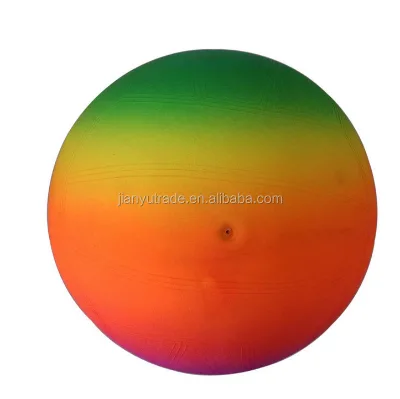
Custom Logo & Color, Water Bouncing Ball Jumping Skipping Balls for Beach Games
$0.78 - $1.25
Moq: 5000
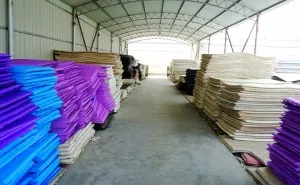
Yiwu Jianyu Imp & Exp Co., Ltd.
- Trading Company
- Zhejiang, China
- Lead time30 days
- Avg. response≤ 4h
Main productsmartial arts mat,yoga mat,gym ball,judo mat,fitness items
Main marketsMid East(7.719999999999999%), South Asia(7.690000000000001%), Southern Europe(7.690000000000001%), Northern Europe(7.690000000000001%), Central America(7.690000000000001%), Western Europe(7.690000000000001%), Eastern Asia(7.690000000000001%), North America(7.690000000000001%), Oceania(7.690000000000001%), Africa(7.690000000000001%), Southeast Asia(7.690000000000001%), Eastern Europe(7.690000000000001%), South America(7.690000000000001%)
Shijiazhuang Aofeite Imp & Exp Co., Ltd.
- Manufacturer, Trading Company
- Lead time旺季: "1 - 100":31,"> 100":"To be negotiated", 淡季: "1 - 100":31,"> 100":"To be negotiated"
Main productsKnee Brace, Lumbar Support Belt

Shantou Chenghai Xaqi Toys Industrial Co., Limited
- Verified by BV
- Combined
- China Guangdong
- Lead time23 days
- Avg. response≤ 4h
Main productsRemote Control Car, Educational Toy, Sport Toy, Pretend Play Toys, Remote Contro Toy, Baby Toy, Summer Toy, B/O Toy
Main marketsSoutheast Asia/ Mideast,Domestic,Europe
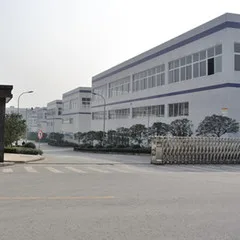
Hunan Double Bulls Gifts Co., Ltd.
- Trading Company
- Hunan, China
- Lead time15 days
- Avg. response≤ 9h
Main productsSTATIONERY PRODUCT,SPORTS PRODUCTS,PLASTIC TOYS,PLASTIC PRODUCTS,CLOTHING PRODUCTS
Main marketsSoutheast Asia(20.0%), Eastern Europe(20.0%), South America(15.0%), North America(15.0%), Southern Europe(10.0%), Western Europe(10.0%), Oceania(2.0%), Africa(2.0%), Domestic Market(1.0%), South Asia(1.0%), Eastern Asia(1.0%), Northern Europe(1.0%), Central America(1.0%), Mid East(1.0%)

Nantong Splendid Sporting Co., Ltd.
- Verified by BV
- Trading Company,Manufacturer/Factory
- China Jiangsu
- Lead time45 days
- Avg. response≤ 6h
Main productsGym Bench, Power Rack, Functional Machine, Dumbbell, Kettlebell, Barbell, Foam Roller, Yoga Mat, Resistance Band, Slam Ball
Main marketsSouth America,Eastern Europe,Mid East,North America,Southeast Asia,Eastern Asia,Oceania,Western Europe,Africa
Guangde Huahan Fitness Equipment Manufacturing Co., Ltd.
- Manufacturer, Trading Company
- Anhui, China
- Lead time30 days
- Avg. response≤ 3h
Main productsPVC boat fender,slam weighted ball,toy ball,gym ball,massage balance cushion
Main marketsNorth America(35.0%), Southern Europe(10.0%), Eastern Europe(10.0%), South America(10.0%), Western Europe(10.0%), Northern Europe(5.0%), Eastern Asia(5.0%), South Asia(3.0%), Africa(2.0%), Southeast Asia(2.0%), Domestic Market(2.0%), Mid East(2.0%), Central America(2.0%), Oceania(2.0%)
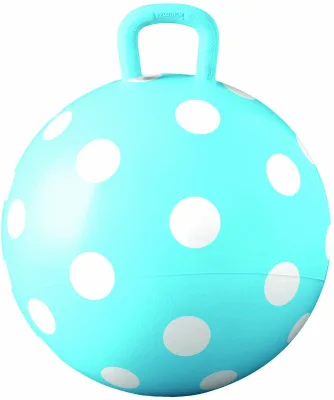
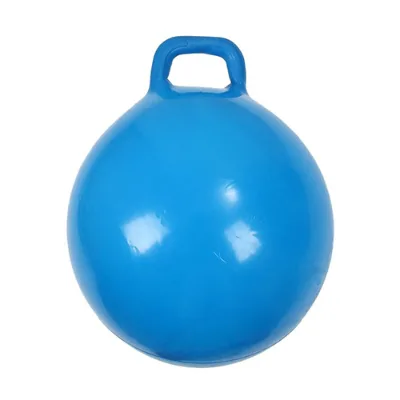
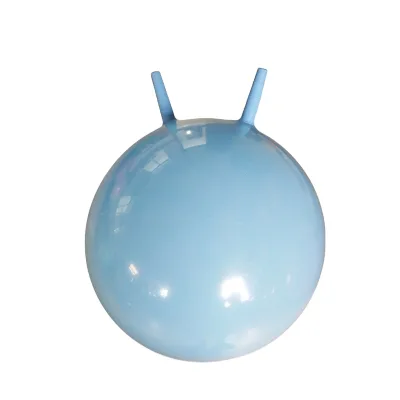
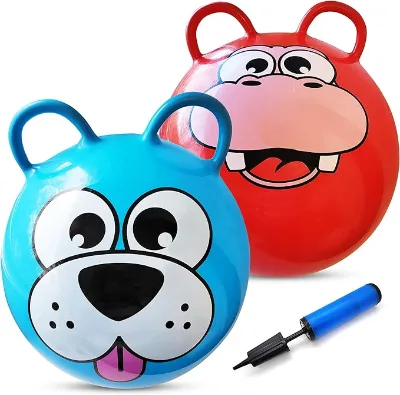
Hopper Ball for Kids| Hippity Hop | Jumping Hopping Therapy Ball | Field Day | Blue
$6.00 - $8.85
Moq: 100
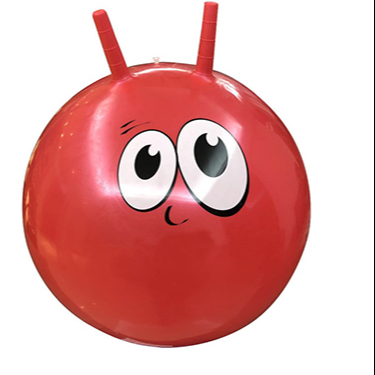
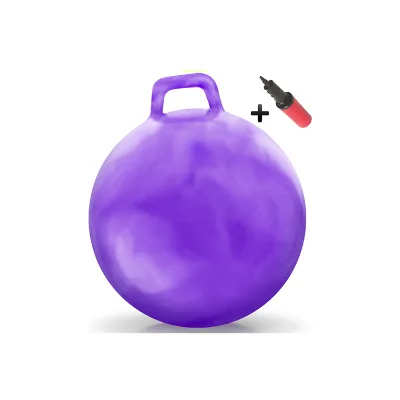
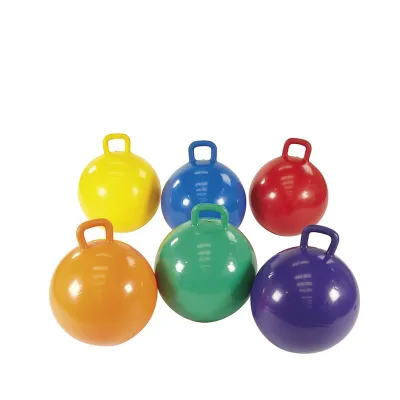
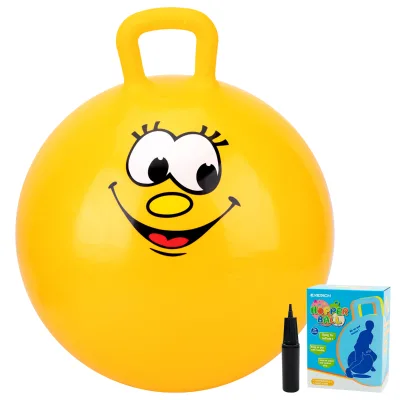
Hot Sale Inflatable Toy Bouncing Fitness Gym Jump Hopper Ball With Handle for Kids
$6.00 - $10.00
Moq: 100
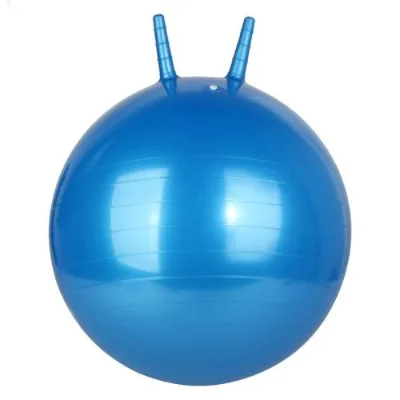
Skippy Kids Toy Eco Friendly 18 Inch Hip Hop Space Jumping Bounce Ball with Custom logo
$6.13 - $10.22
Moq: 100
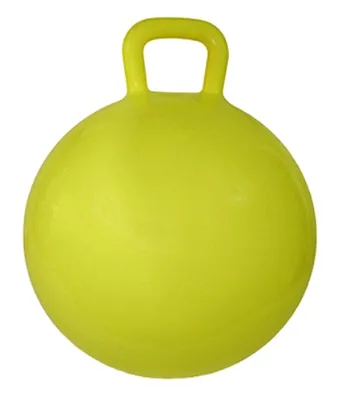
Yixing Great Plastics Product Co., Ltd.
- Manufacturer, Trading Company
- Jiangsu, China
- Lead time30 days
- Avg. response≤ 8h
Main productsYoga Ball,Yoga Mat,Jumping Ball,Jumping Animal,Toy Balls
Main marketsWestern Europe(40.0%), North America(20.0%), Domestic Market(10.0%), Southern Europe(10.0%), Oceania(10.0%), Northern Europe(7.000000000000001%), South America(3.0%)
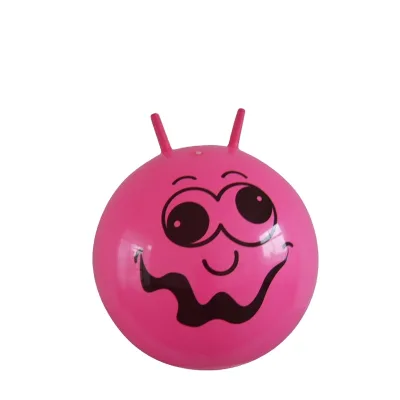
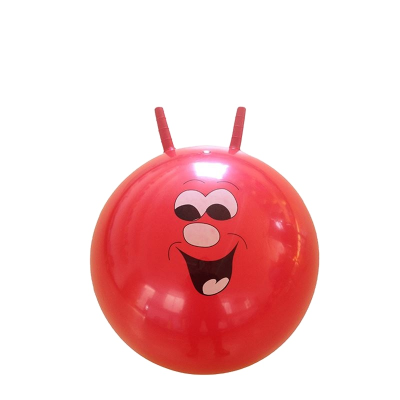
Wholesale Customized 36P Free Kids Bouncy Handle Ball Toy with Handle Jumping Ball
$1.30 - $4.00
Moq: 500

- Verified by BV
- Trading Company
- China Anhui
- Lead time30 days
- Avg. response≤ 11h
Main productsDumbbell, Cast Iron Plate, Chrome Bar, Fitness Equipment, Traing Set
Main marketsSouth America,Africa,Southeast Asia/ Mideast,East Asia(Japan/ South Korea),Europe,Australia,North America
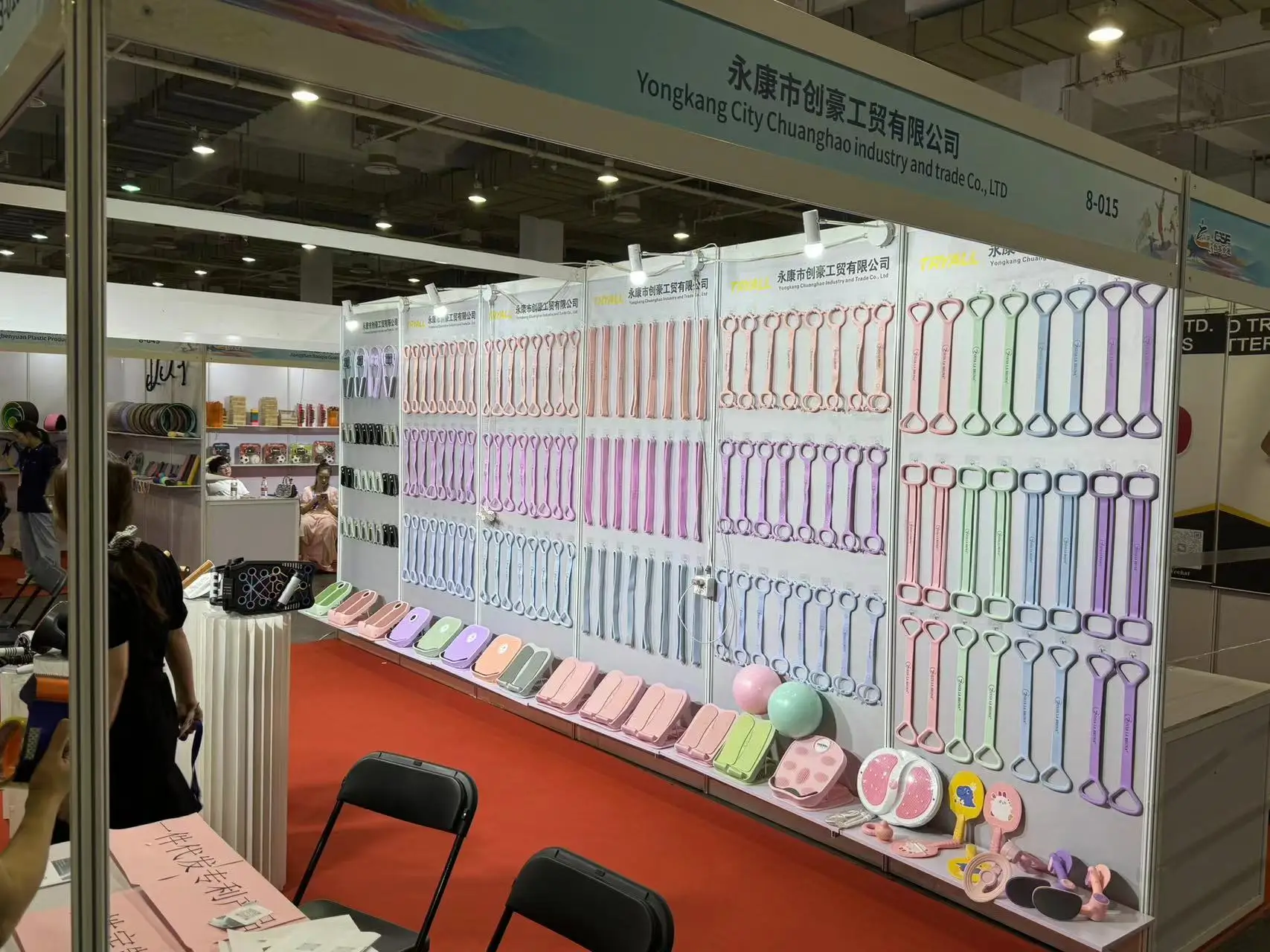
Yongkang Chuanghao Industry And Trade Co., Ltd.
- Manufacturer, Trading Company
- Zhejiang, China
- Lead time0 days
- Avg. response≤ 2h
Main productsResistance band,Hand Grip,Exercise band,Massage ball,push up board
Main marketsNorth America(40.0%), Western Europe(20.0%), South America(20.0%), Northern Europe(10.0%), Southeast Asia(10.0%)

Chu Zhou Heng Jia Sports Products Limited
- Manufacturer, Trading Company
- Anhui, China
- Lead time20 days
- Avg. response≤ 23h
Main productsTeam Sport Ball/Fitness Ball/Rainbow Ball/Toy Ball/Hopper Ball/Animal Bouncer
Main marketsNorth America(50.0%), Northern Europe(40.0%), Domestic Market(10.0%)
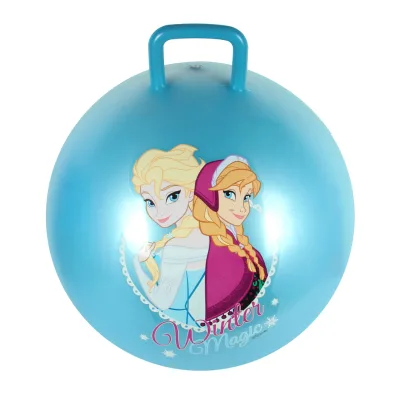
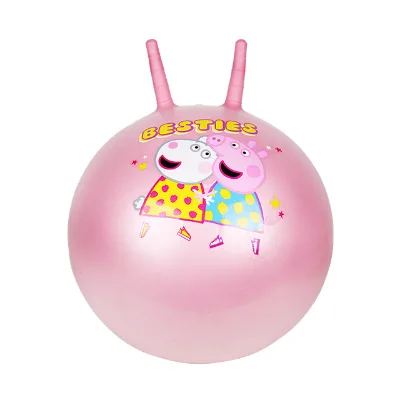
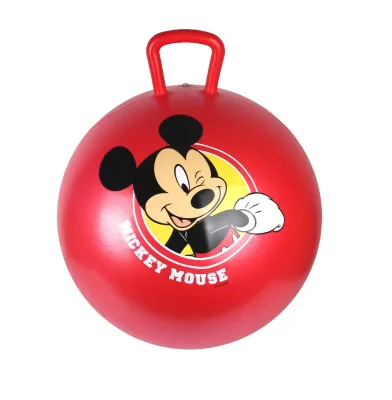
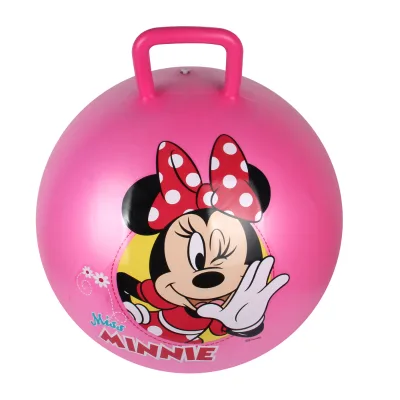
2025 New Design Factory Price PVC Ball Kids Toy Multi-patterrn Hopper Ball Jumping Ball
$1.34 - $1.47
Moq: 1000

Nantong Ironman Sporting Industrial Co., Ltd.
- Verified by BV
- Trading Company,Manufacturer/Factory
- China Jiangsu
- Lead time60 days
- Avg. response≤ 8h
Main productsDumbbell Set, Yoga Accessories, Barbell Set, Home Equipment, Gym Equipment, Jump Rope, Kettlebells, Plates, Weightlifiting Set, Bars
Main marketsSouth America,Eastern Europe,Mid East,North America,Southeast Asia,Eastern Asia,Oceania,Western Europe,Africa
Ningbo Ags Imp. & Exp. Co., Ltd.
- Verified by TüVRheinland
- Manufacturer, Trading Company
- Lead time50 days
- Avg. response≤ 4h
Main productsInflatable Toss Games, Inflatable Swimming Pool, Inflatable Kiddie Pools, Inflatable Ball Pits, Inflatable Baby Pools
Main marketsWestern Europe(30%), North America(17%), South America(16%)
Jinjiang Zhengzheng Technology Co., Ltd.
- Trading Company
- China Fujian
- Lead time0 days
- Avg. response≤ 3h
Nantong Golden Yuelai Gym Equipment Co., Ltd.
- Verified by SGS Group
- Manufacturer, Trading Company
- Lead time40 days
- Avg. response≤ 9h
Main productsYoga Products, Body Building Products, Crossfit Products, Massage and Therapy Products, Fitness Accessories Products
Main marketsNorth America(45%), Western Europe(27%), Northern Europe(4%)
Nantong Get-Fit Sports Co., Ltd.
- Verified by TUVRHEINLAND
- Combined
- China Jiangsu
- Lead time30 days
- Avg. response≤ 6h
Main productsDumbbell, Weight Plate, Barbell, Power Rack, Weightlifting Bar, Yoga Pilates, Kettlebell, Gym Equipment, Fitness Equipment, Outdoor Exercise
Main marketsSouth America,Southeast Asia/ Mideast,East Asia(Japan/ South Korea),Europe,Australia,North America

Difanmax Tech Lianyungang Co., Ltd.
- Verified by BV
- Manufacturer/Factory
- China Jiangsu
- Lead time23 days
- Avg. response≤ 4h
Main productsConsumer Electronics, Kinesiology Tape Adhesive Tapes, Industrial Tools, Home & Garden, Gifts & Crafts, Sport Products Entertainment, Health & Medical, Auto Parts E-Bike Auto Tools & Components, Clothes Apparel, Bicycle Hardware Laboratory Measuring Protective
Main marketsSouth America,North America,Southeast Asia,Oceania,Western Europe
Ningbo Wonderful Plastic Industry and Trade Co., Ltd.
- Verified by TUVRHEINLAND
- Combined
- China Zhejiang
- Lead time30 days
- Avg. response≤ 8h
Main productsAir Bed, Swimming Pool, Inflatable Boat &Kayak, Inflatable Toys, Inflatable Pool Float, Inflatable Swim Rings, Snow Tube, Inflatable Party Decoration
Main marketsNorth America


Inflatable Hopper Ball – Bouncy Jumping Ball with Handle for Kids & Adults
$1.31 - $1.90
Moq: 5000


Foshan Tianyi Amusement Equipment Co., Ltd
- Verified by SGS
- Combined
- China Guangdong
- Lead time30 days
- Avg. response≤ 3h
Main productsChildren's Playground, Naughty Fort, Indoor Amusement Equipment, Million Ocean Ball Pool, Slide, Indoor Playground, Interactive Projection, Trampoline, Children's Go Kart, Trampoline Park
Main marketsDomestic


ISO 14001 Certified Trampoline Ball with Eco-Friendly, Mold-Resistant Silicone Seal
$80.00 - $180.00
Moq: 10
Qingdao Goldroad Industry & Trade Co., Ltd
- Verified by TUVRHEINLAND
- Trading Company
- China Shandong
- Lead time30 days
- Avg. response≤ 25h
Main productsKettlebell, Bumper Plates, Dumbbells, Barbells, Weighted Vest, Weighted Sand Bag, Weight Plate, Training Bench, Wall Ball, Medicine Ball
Main marketsNorth America

Nantong Enerize Sporting Goods Co., Ltd.
- Trading Company,Manufacturer/Factory
- China Jiangsu
- Lead time0 days
- Avg. response≤ 15h
Main productsBarbells, Weight Plates, Bumper Plate, Dumbbell, Adjustable Bench, Rig and Rack, Power Rack, Kettlebell, Crossfit, Jump Ropes
Main marketsSouth America,Eastern Europe,Mid East,North America,Africa


Eco Friendly Customized Color Inflatable PVC Exercise Stability Yoga Ball, Gym Ball
$2.70 - $3.20
Moq: 100


- Manufacturer, Trading Company
- Jiangsu, China
- Lead time0 days
- Avg. response≤ 3h
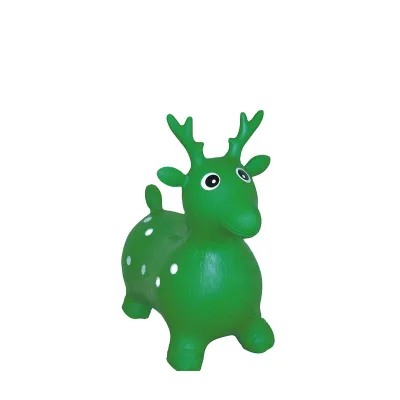
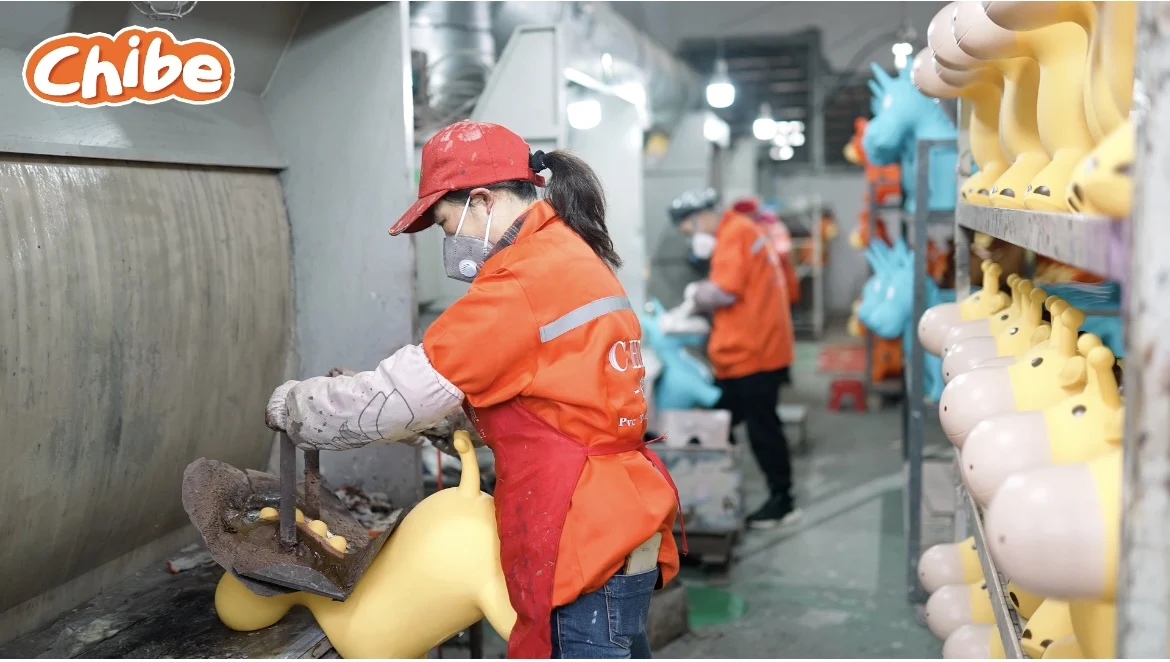
Main productsbouncy animal,hopper ball,bounce house,Action figure,Bath toy
Main marketsDomestic Market(20.0%), North America(20.0%), Southern Europe(10.0%), Northern Europe(10.0%), Eastern Europe(10.0%), Western Europe(10.0%), Eastern Asia(10.0%), Central America(5.0%), South Asia(5.0%)
Anhui Junbao International Trade Co., Ltd.
- Trading Company
- Anhui, China
- Lead time30 days
- Avg. response≤ 2h
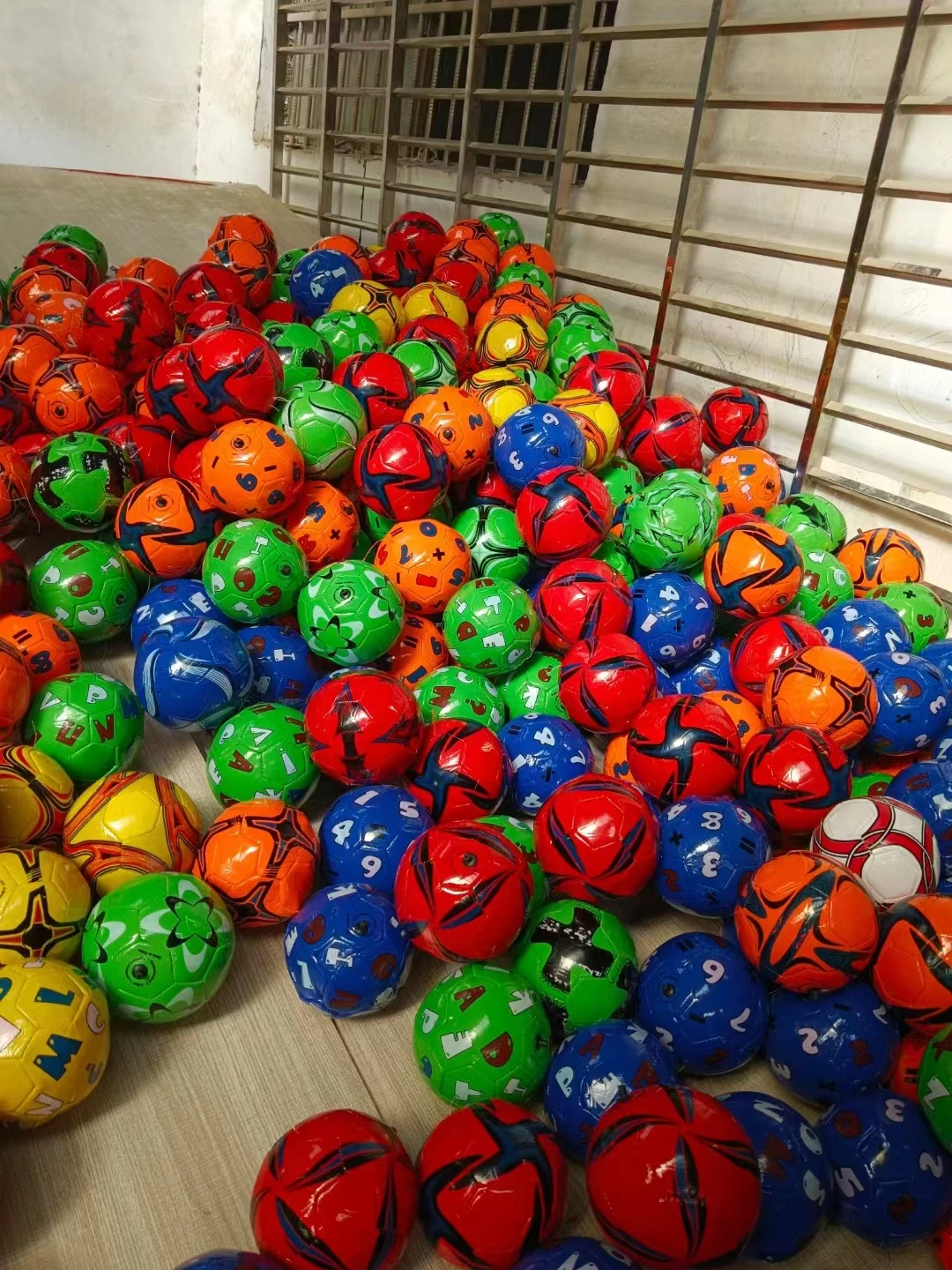
Main productsLabel ball,Print ball,Cloud ball,Jumping horse,Unicorn horse
Main marketsDomestic Market(30.0%), North America(20.0%), Southeast Asia(15.0%), Western Europe(10.0%), Mid East(10.0%), Africa(10.0%), Eastern Asia(5.0%), Eastern Europe(5.0%)






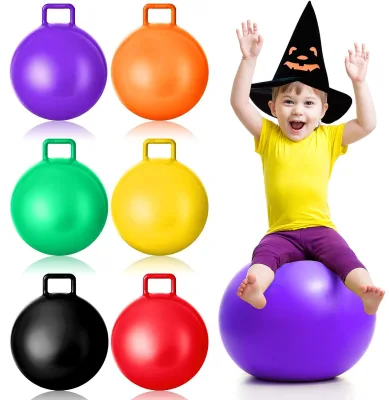


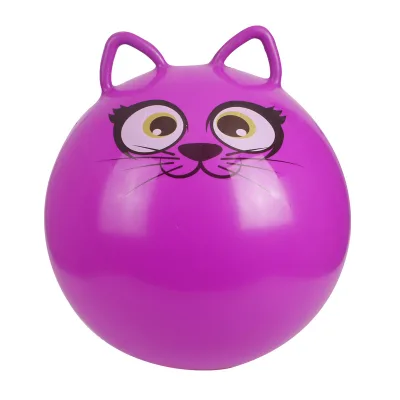
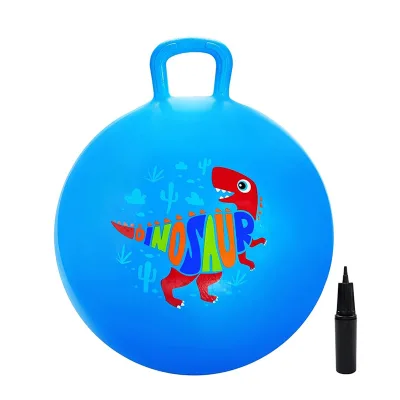


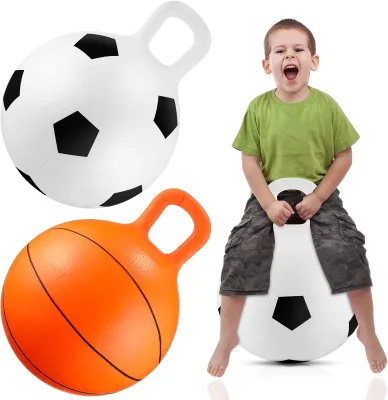
Comprehensive Sourcing Guide
Non-Phthalate Free Jumping Ball Supplier Concentration and Factory Types
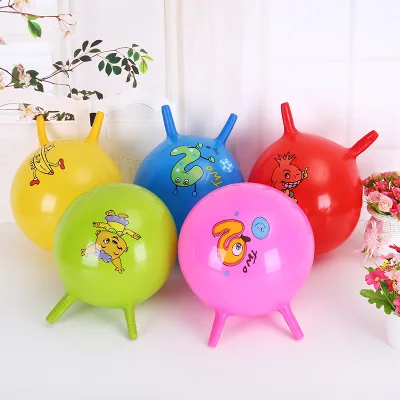
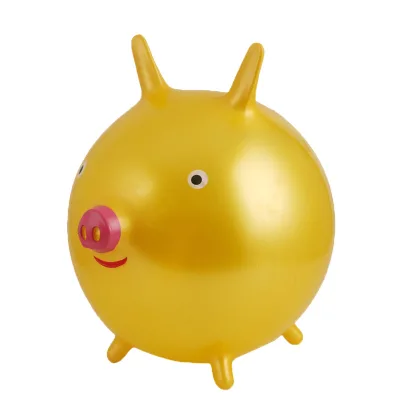
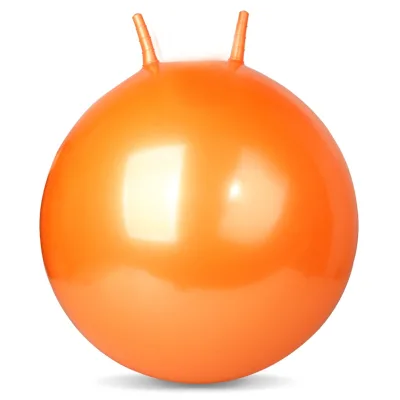
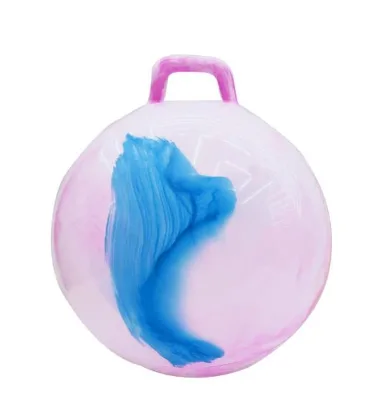
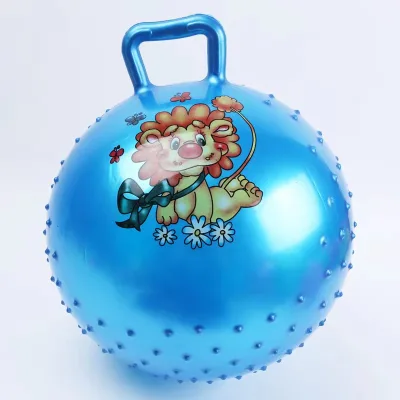
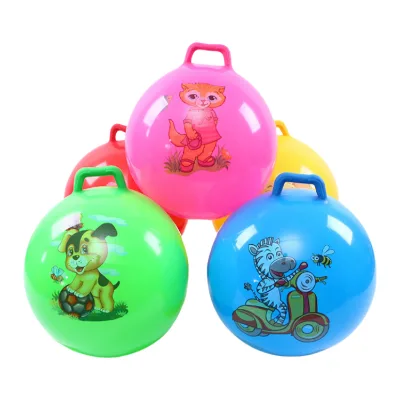
Manufacturers of non phthalate free jumping balls are currently concentrated in specific industrial zones within Zhejiang, China, where production facilities specialize in PVC inflatable toys and fitness equipment. These factories typically list main products including inflatable swim rings, beach balls, and various hopper balls, indicating a specialized supply chain for this category. The presence of manufacturer-type entities in this region suggests a direct production capability for items like the wholesale PVC jumping balls with handles, which often feature specific model numbers and material specifications. Buyers should verify if a supplier is a manufacturer or a trading company, as the latter may source from multiple factories in Zhejiang or nearby Jiangsu, China, potentially affecting quality control consistency.
Factory types in this sector vary between pure manufacturers and trading companies, each offering distinct advantages for sourcing non phthalate free jumping balls. Manufacturers in Zhejiang often provide direct access to production lines, allowing for customization of materials such as 0.15mm to 0.20mm PVC and offering OEM and ODM services for branded products. In contrast, trading companies located in Jiangsu may aggregate products from various sources, offering a wider variety of styles like rainbow hopper balls or therapy balls without necessarily owning the production equipment. When evaluating these entities, buyers must confirm the actual production location and the specific factory type to ensure the non phthalate free claims are backed by direct manufacturing oversight rather than third-party verification alone.
How to Verify Non-Phthalate Free Jumping Ball Suppliers
Verifying the non phthalate free status of jumping ball suppliers requires a rigorous examination of their system certifications and product-specific test results. Suppliers in the current results list certifications such as CE, CPC, EN71, ROHS, ASTM, and ISO900, which are critical indicators of compliance with international safety standards for children's toys. Buyers should request specific test reports that explicitly mention phthalate content limits, as general certifications like ISO900 do not automatically guarantee the absence of harmful plasticizers. It is essential to cross-reference the listed certificates with the specific product model numbers, such as MTE-186-1 or JYA-186, to ensure the documentation applies to the exact item being ordered rather than a generic product line.
Beyond documentation, buyers must assess the supplier's response time and their ability to provide detailed product attributes regarding material composition. The observed response time of three days indicates a baseline for communication, but verifying non phthalate free claims often requires deeper technical dialogue about the PVC formulation and manufacturing processes. Suppliers should be able to articulate the specific thickness of the PVC material, such as 0.15mm or 0.20mm, and confirm that the colorants and additives used are free from regulated phthalates. If a supplier cannot immediately provide evidence of phthalate-free testing or hesitates to share detailed material safety data sheets, this should be treated as a significant red flag that warrants further investigation before proceeding with any order.
What to Compare Across Non-Phthalate Free Jumping Ball Suppliers
When comparing suppliers, the primary dimensions to evaluate include lead times, minimum order quantities, and response speeds, as these factors directly impact project feasibility and cash flow. Current data shows lead times ranging from 20 days for general production to specific delivery windows of 3-7 days or 5-7 days for sample and small batch orders. Minimum order quantities also vary significantly, with some suppliers requiring 500 units while others accept orders as low as 50 units, allowing buyers to select partners that align with their inventory strategy and budget constraints. Response times, observed at three days, serve as a metric for operational efficiency, but buyers should also consider the sample time, which ranges from 2-4 days to 3-5 days, to gauge how quickly they can validate product quality before mass production.
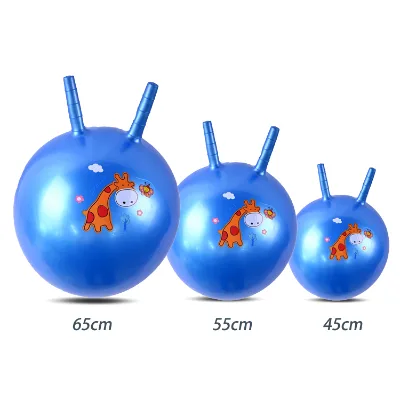
Price and product specifications are equally critical comparison points, with unit costs fluctuating based on size, material thickness, and customization requirements. Prices for non phthalate free jumping balls can range from approximately $0.38 to $3.30 per unit, depending on whether the item is a simple beach ball or a complex therapy hopper ball with handles. Buyers must compare the single package size and gross weight, as these affect shipping costs and logistics planning, with some items weighing as little as 0.030 kg while others reach 1.000 kg. Additionally, the availability of customized logos and OEM services should be weighed against the base price, ensuring that the total cost of ownership, including branding and packaging, remains within the target margin for the specific market segment.
Common Non-Phthalate Free Jumping Ball Sourcing Risks
One of the most significant risks in sourcing non phthalate free jumping balls is the potential discrepancy between claimed certifications and actual product compliance. While suppliers may list standards like EN71 or ASTM, there is a risk that these certificates apply to different product lines or older models rather than the specific batch being manufactured. This risk is heightened when dealing with trading companies that may not have direct control over the raw material sourcing or the chemical testing processes at the factory level. Buyers must insist on batch-specific test reports and verify that the "non phthalate free" claim is supported by recent, third-party laboratory analysis rather than just a general company certification.
Another critical risk involves the variability in material quality and the potential for supply chain disruptions that could compromise product integrity. The use of PVC in different thicknesses, such as 0.15mm versus 0.20mm, can affect the durability and safety of the jumping ball, and inconsistent material sourcing may lead to batches that fail to meet the non phthalate free standard. Furthermore, the reliance on specific markets like the EU and USA means that any change in regulatory requirements could render existing inventory non-compliant. Buyers should mitigate this by establishing clear contractual terms regarding material specifications and requiring the supplier to maintain a consistent supply of certified raw materials throughout the production cycle.
Non-Phthalate Free Jumping Ball Regional Sourcing and Logistics
Sourcing non phthalate free jumping balls from Zhejiang, China, offers access to a dense cluster of manufacturers specializing in inflatable toys, but logistics planning must account for the specific shipping requirements of these products. The region's infrastructure supports the export of large volumes of goods, with suppliers often providing detailed single package sizes and gross weights to facilitate accurate freight calculations. For instance, items like the hopper ball with a single package size of 15x15x5 cm or the larger fitness ball at 25x25x25 cm require different handling and container loading strategies, which can influence the overall shipping cost and delivery timeline. Buyers should work closely with their logistics partners to optimize container utilization based on the deflated size and packaging dimensions provided by the supplier.
Logistics from Jiangsu, China, where trading companies are located, may involve additional transit steps if the goods are sourced from multiple factories, potentially extending the lead time beyond the standard 20 days. The supply ability of 500,000 pieces per month in some regions indicates high capacity, but buyers must ensure that the supplier can meet the specific delivery timeframes required for their market, which can range from 15-20 days for standard orders to 3-7 days for urgent requests. Understanding the regional differences in production and logistics is crucial for planning inventory levels and managing customer expectations, as delays in one region can have a cascading effect on the entire supply chain. Buyers should also consider the impact of seasonal demand on shipping rates and availability, particularly for products destined for the EU and USA markets.
Non-Phthalate Free Jumping Ball Commercial Terms and Order Planning
Commercial terms for non phthalate free jumping balls often include specific requirements for sample times, delivery schedules, and payment structures that must be clearly defined before order placement. Sample times typically range from 2-4 days to 3-5 days, allowing buyers to verify the non phthalate free claim and product quality before committing to a larger order. Delivery times can vary from 3-7 days for small batches to 15-20 days for full production runs, and buyers should align these timelines with their sales cycles to avoid stockouts or excess inventory. It is also important to confirm the availability of accessories like pumps and instructions, as these are often included in the package and can affect the final product value and customer satisfaction.
Order planning must account for the minimum order quantities and the flexibility of the supplier regarding customization and branding. With MOQs ranging from 50 to 500 units, buyers can choose suppliers that match their scale, but they must also consider the cost implications of smaller orders versus the economies of scale offered by larger quantities. Customized logos and OEM services are widely accepted, but buyers should verify the additional costs and lead times associated with these services to ensure they fit within the overall budget. Additionally, the acceptance of ODM services allows for product innovation, but buyers must ensure that the supplier has the technical capability to maintain the non phthalate free standards while implementing new designs or material specifications.
FAQs
What is the price range for non-phthalate free jumping balls?
Prices for these PVC jumping balls typically range from $0.38 to $3.30 per unit. The final cost depends on the specific size, material thickness, and order quantity. Buyers should expect lower unit prices for larger bulk orders meeting the minimum requirements.
What is the minimum order quantity for these products?
The minimum order quantity varies by product type. Some items require a minimum of 50 units, while others demand 500 units. Buyers must check the specific product listing to confirm the exact MOQ before placing an order with the supplier.
How long does delivery take for these jumping balls?
Delivery times generally range from 3 to 20 days depending on the specific product and order volume. Sample times are usually between 2 and 5 days. Buyers should confirm the exact lead time with the supplier before finalizing the purchase.
Are these jumping balls certified for safety standards?
Yes, many products hold certifications such as CE, EN71, ASTM, and ISO900. These certifications ensure the PVC material is safe and non-phthalate free. Buyers should verify the specific certificate details for their target market before importing the goods.
Where are these jumping balls manufactured?
These products are manufactured in Zhejiang and Jiangsu provinces in China. Buyers can filter suppliers by these specific locations to find manufacturers or trading companies that specialize in these inflatable toys and fitness equipment.
Can I customize the logo on these jumping balls?
Yes, most suppliers accept customized logos and OEM orders. Buyers can provide their own design or choose from available options. This service allows for branding the products for specific markets or retail channels.