Angle Bead Machine Suppliers and Manufacturers in China
Explore 22 verified Angle Bead Machine suppliers and manufacturers located in China Hebei and Henan. Buyers can compare response times, lead times, certifications like ISO9001 and CE, and price ranges from 5900 to 30000. Contact suppliers directly to verify customization options and MOQ requirements.
Suppliers List

Anping Shenghua Wire Mesh Products Factory
- Verified by SGS
- Manufacturer
- China Hebei
- Lead time30 days
- Avg. response≤ 13h
Main productsWire Mesh Machine, Fence Machine, Welded Mesh Machine, Wire Mesh, Chicken Mesh Machine, Filter Mesh Machine, Fence, Wire Machine, Welded Wire Mesh, Gabion Mesh Machine
Main marketsSouth America,Africa,Southeast Asia/ Mideast
Henan Wadjay Machinery Co., Ltd.
- Verified by TUVRHEINLAND
- Manufacturer/Factory
- China Henan
- Lead time90 days
- Avg. response≤ 3h
Main productsRoof Panel Roll Forming Machine, C/Z Purlin Roll Forming Machine, Metal Stud and Track Roll Forming Machine, Floor Decking Roll Forming Machine, Door Frame Roll Forming Machine, Highway Guardrail Roll Forming Machine, Downspout/Gutter Roll Forming Machine, Solar Panel Frame Roll Forming Machine, Automotive Parts Roll Forming Machine, Concrete Mixing Plant
Main marketsSouth America,Eastern Europe,Mid East,North America,Southeast Asia,Eastern Asia,Oceania,Western Europe,Africa
Zhengzhou Jawo Machinery Co., Ltd.
- Verified by TUVRHEINLAND
- Manufacturer/Factory
- China Henan
- Lead time15 days
- Avg. response≤ 5h
Main productsSausage Making Machine, Dumpling Machine, Frozen Meat Cutter, French Fries Production Line, Garlic Separator, Egg Grading Machine, Sand Blasting Machine, Metal Detector, Embroidery Machine, Spray Dryer
Main marketsSouth America,Eastern Europe,Mid East,North America,Southeast Asia,Eastern Asia,Oceania,Western Europe,Africa


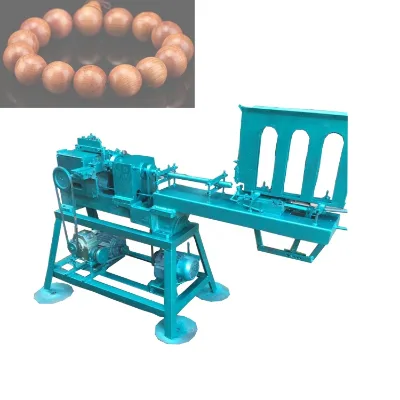
Bead Polishing Machine Automatic Wood Bead Making Machine Wood Bead Machine
$600.00 - $1200.00
MOQ: 1 Sets

Wood Bead Cutting Machine Buddha Beads Making Machine Wood Bead Machine
$600.00 - $1600.00
MOQ: 1 Sets

Wood Beads Round Machine Wooden Ball Engraving Machine Bead Making Machine
$600.00 - $1600.00
MOQ: 1 Sets

Wood Beading Machine Wood Bead Machine Automatic Wood Bead Making Machine
$600.00 - $1600.00
MOQ: 1 Sets

Tengzhou Hoton Machinery Co., Ltd.
- Verified by TUVRHEINLAND
- Trading Company
- China Shandong
- Lead time30 days
- Avg. response≤ 8h
Main productsCNC Lathe Machine, Gap Bed Lathe, Turret Milling Machine, Milling Drilling Machine, Surface Grinders, Band Saw, Radial Drilling Machine, Sheet Metal Bending Machine, Shears, Press Machine
Main marketsSouth America,Southeast Asia/ Mideast
Zhengzhou Share Machinery Co., Ltd.
- Trading Company
- Henan, China
- Lead time7 days
- Avg. response≤ 3h
Main productsConstruction Machinery/Industrial Machinery/Printing Machinery
Main marketsSouth America(20.0%), North America(20.0%), Africa(10.0%), Southeast Asia(10.0%), Eastern Europe(10.0%), Oceania(7.000000000000001%), South Asia(5.0%), Southern Europe(5.0%), Central America(5.0%), Western Europe(2.0%), Eastern Asia(2.0%), Northern Europe(2.0%), Mid East(2.0%)
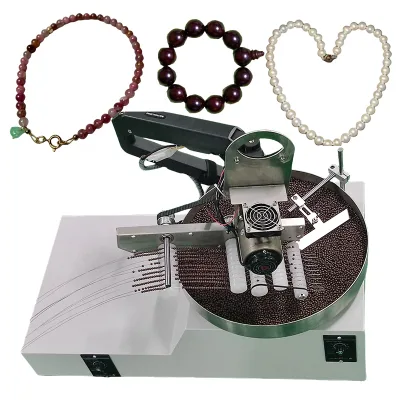
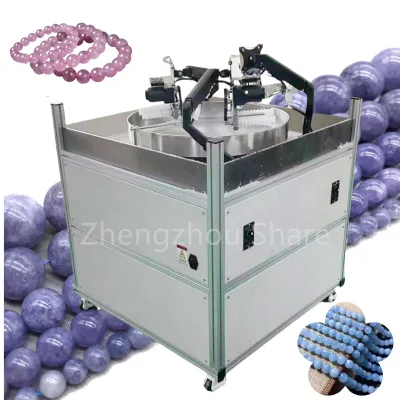
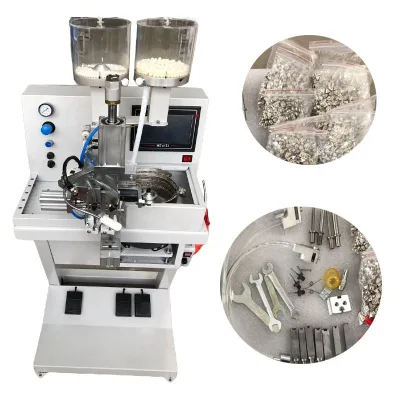
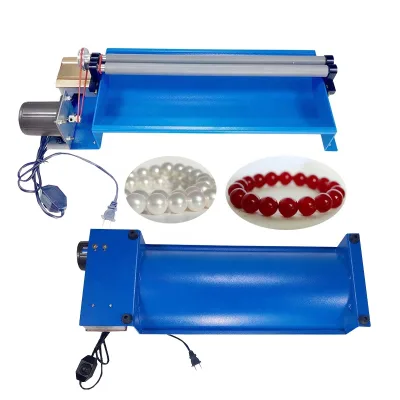
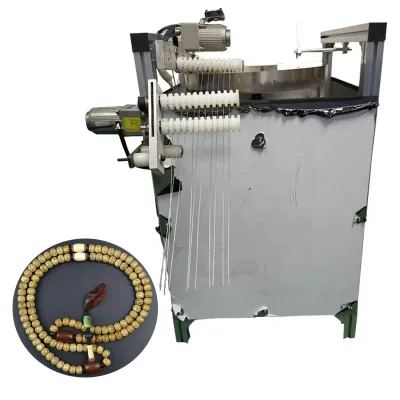
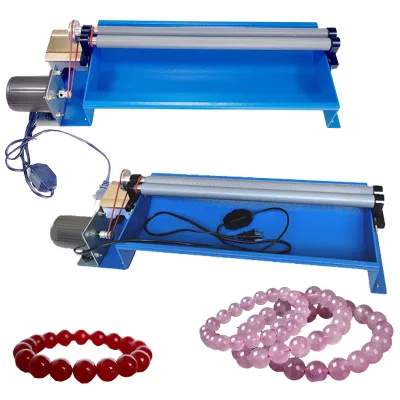
Strings of Beads Machine Thread Jewelry Beading Round Beads Threading Machine
$110.93 - $131.29
MOQ: 1 sets
Zhengzhou Share Machinery Co., Ltd.
- Verified by BV
- Trading Company,Manufacturer/Factory
- China Henan
- Lead time15 days
- Avg. response≤ 4h
Main productsRoll Forming Machine, Purlin Making Machine, Storage Rack Making Machine, Hydraulic Baler, Brick Making Machine, Quilting Machine, Bag Printing Machine, Soap Stamping Machine, Water Well Drilling Rig, Wax Granules Making Machine
Main marketsSouth America,Eastern Europe,Mid East,North America,Southeast Asia,Eastern Asia,Oceania,Western Europe,Africa

Nanjing Harsle Machine Tool Co., Ltd.
- Combined
- China Jiangsu
- Lead time30 days
- Avg. response≤ 2h
Main productsShearing Machine, Punching Machine, Bending Machine, Rolling Machine, Machine Die, Machine Blade, Hydraulic Press
Main marketsSouth America,Africa,Others(foreignTradeCapacity.exportBusinessCapacityMarketOther),Southeast Asia/ Mideast,East Asia(Japan/ South Korea),Domestic,Europe,Australia,North America

Zhengzhou Hento Machinery Co., Ltd.
- Verified by SGS
- Trading Company,Manufacturer/Factory,Group Corporation
- China Henan
- Lead time15 days
- Avg. response≤ 7h
Main productsMeat Processing Machinery, Egg Processing Machinery, Dairy Processing Machinery, Fruit & Vegetable Processing Machinery, Grain Product Making Machines, Snack Machines, Nuts Processing Machinery, Packing Machines, Drying Machines, Commodity Making Machines
Main marketsSouth America,Eastern Europe,Mid East,North America,Southeast Asia,Eastern Asia,Oceania,Western Europe,Africa

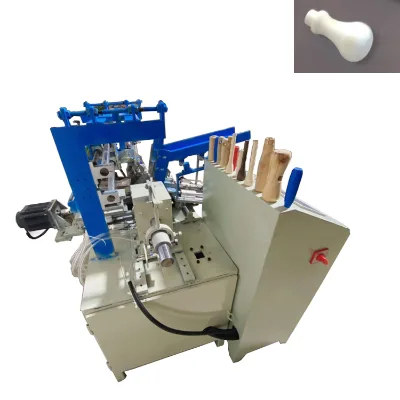
Automatic Wooden Bead Making Machine / Wooden Beads 3Mm / Wood Bead Machine
$996.00 - $1689.00
MOQ: 1 set


Hot Sale Wood Bead Making Machine / Wooden Beads / Wooden Bead Making Machine
$996.00 - $1689.00
MOQ: 1 set
Henan Share M&E Equipment Co., Ltd
- Verified by TUVRHEINLAND
- Trading Company
- China Henan
- Lead time15 days
- Avg. response≤ 4h
Main productsBag Printing Machine, Brick Making Machine, Quilting Machine, Water Well Drilling Rig, Roll Forming Machine
Main marketsSouth America,Africa,Others(foreignTradeCapacity.exportBusinessCapacityMarketOther),Southeast Asia/ Mideast,East Asia(Japan/ South Korea),Domestic,Europe,Australia,North America

Tonglu Does Imp. & Exp. Co., Ltd.
- Verified by SGS
- Trading Company
- China Zhejiang
- Lead time30 days
- Avg. response≤ 25h
Main productsTire Machine, Tyre Mould, Tire Building Tire Machine, BTU Building Tire Machine, Hydraulic Tire Curing Press Machine, Inner Tube Splicer, Bias Cutter Machine, Rubber Mixing Mill, Rubber Extruder Machine, Bead Wire Grommeting Machine
Main marketsSouth America,Southeast Asia/ Mideast
Zhengzhou Faya Machinery Co., Ltd.
- Trading Company
- Henan, China
- Lead time7 days
- Avg. response≤ 6h
Main productsfruits and vegetable process machine,Agricultural machine,meat process machine,wood process machine,Home appliances
Main marketsEastern Europe(12.0%), Southeast Asia(12.0%), North America(12.0%), South Asia(10.0%), Africa(10.0%), Western Europe(10.0%), Southern Europe(5.0%), Central America(5.0%), Oceania(5.0%), Domestic Market(5.0%), South America(5.0%), Mid East(5.0%), Northern Europe(3.0%), Eastern Asia(1.0%)
Chizhou Jingyi Electromechanical Co., Ltd
- Verified by SGS
- Trading Company
- China Anhui
- Lead time15 days
- Avg. response≤ 7h
Main productsCNC Lathe Machine, Lathe Machine, Drilling Machine, CNC Swiss Lathe Machine, Abrasive Wheel, Grinding Wheel, Cutting Wheel
Main marketsDomestic

Henan Chuang Qin Mechanical Equipment Co., Ltd.
- Verified by TUVRHEINLAND
- Manufacturer/Factory
- China Henan
- Lead time15 days
- Avg. response≤ 4h
Main productsCoffee Roaster, Meat Processing Machinery, Flour Food Machinery, Vegetable and Fruit Processing Machine, Egg Processing Machine, Snack Food Machinery, Packaging Machine
Main marketsSouth America,Eastern Europe,Mid East,North America,Southeast Asia,Eastern Asia,Oceania,Western Europe,Africa
Zhengzhou Dream Machinery Co., Ltd.
- Verified by SGS
- Trading Company
- China Henan
- Lead time15 days
- Avg. response≤ 4h
Main productsquilting machine
Main marketsSouth America,Others(foreignTradeCapacity.exportBusinessCapacityMarketOther),Southeast Asia/ Mideast,North America

Hangzhou Paris Technology Co., Ltd
- Verified by SGS
- Trading Company
- China Zhejiang
- Lead time15 days
- Avg. response≤ 2h
Main productsBathtub Forming Machine, Bathtub Mould, Sequin Mould, Sequin Cutting Machine, Plastic Injuection Mould, Acrylic Bathtub and Shower Tray Machine, Heating Oven, Sequin Yarn, Sectional Warping Machine, PMMA ABS Sheet
Main marketsAfrica,Southeast Asia/ Mideast


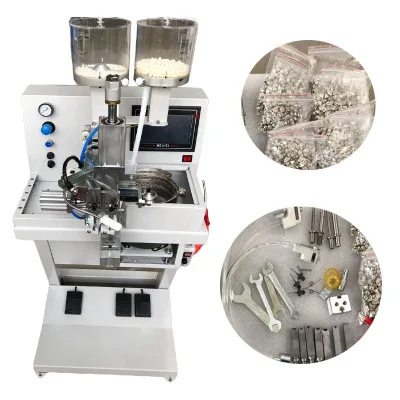
Pearl Attaching Machine Good Price Pearl Setting Machine Plastic Beads Attaching Machine
$1400.00 - $2000.00
MOQ: 1 sets
GUANGZHOU SHANGGUAN MACHINERY CO.LTD
- Verified by TUVRHEINLAND
- Combined
- China Guangdong
- Lead time60 days
- Avg. response≤ 5h
Main productsPolishing Machine, Hydraulic Press, Cookware Making Machine, Cookware Production Line, Pot Making Machine, Pot Production Line, Glass Lid Making Machine, Glass Lid Production Line, Kitchenware Making Machine, Kitchenware Production Line
Main marketsOthers(foreignTradeCapacity.exportBusinessCapacityMarketOther)

Hefei Branagh Photoelectric Technology Co., Ltd.
- Verified by TUVRHEINLAND
- Combined
- China Anhui
- Lead time15 days
- Avg. response≤ 5h
Main productsColor Sorter, Rice Color Sorter, Grain Color Sorter, Color Sorter Machaine, Mini Color Sorter, Color Sortering Machine, Beans Color Sorter, Nuts Color Sorter, Plastic Color Sorter, Corn Color Sorter
Main marketsSoutheast Asia/ Mideast,East Asia(Japan/ South Korea),Europe

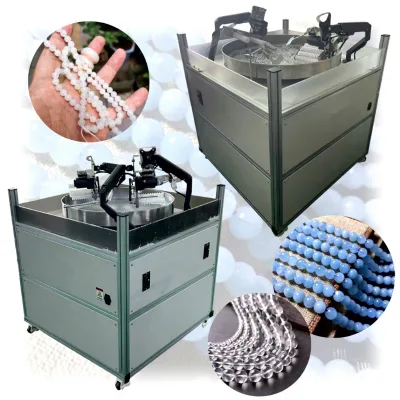
Plastic Bead Glass Bead Color Sorter Machine Bead Separating Machine Bead Selector
$13000.00 - $14000.00
MOQ: 1 Pieces

Glass Bead Color Sorter Machine Glass Sorter Machine Bead Processing Machine
$13000.00 - $14000.00
MOQ: 1 Pieces

Shanghai ELE Mechanical & Electrical Equipment Co., Ltd.
- Verified by BV
- Trading Company,Manufacturer/Factory,Group Corporation
- China Shanghai
- Lead time38 days
- Avg. response≤ 14h
Main productsHorizontal Bead Mill, High Shear Emulsifier, High Speed Disperser/Dissolver, High Shear Homogenizer, Mixing Reactor, Lab Mixer Equipment, Ribbon Mixer/Blender, Complete Production Line, Liquid Mixing Tank, Liquid Mixer Machine
Main marketsSouth America,Eastern Europe,Mid East,North America,Southeast Asia,Eastern Asia,Oceania,Western Europe,Africa
Henan Share M&E Equipment Co.,Ltd
- Verified by SGS Group
- Trading Company
- Lead time7 days
- Avg. response≤ 3h
Main productsTextile Machinery, Printing Machinery, Construction Machinery, Wood Machinery
Main marketsNorth America(20%), South America(20%), Eastern Europe(10%)
TTMC IMPORT & EXPORT CO., LTD.
- Verified by BV
- Combined
- China Shandong
- Lead time30 days
- Avg. response≤ 2h
Main productsBand Saw, Bandsaw, Vertical Saw, Circular Saw, Belt Grinder, Welding Positioner, Bending Machine, Hydraulic Press, Drilling & Milling Machine, Jointer & Planer
Main marketsSouth America,Southeast Asia/ Mideast,North America

Yuyao Zhiheng Automation Equipment Co., Ltd.
- Combined
- China Zhejiang
- Lead time30 days
- Avg. response≤ 25h
Main productsAutomatic Assembly Machine, Assembly Machine, Automatic Machine, Machine, Equipment, Assembly, Tester, Riveting Contact, Riveting, Automatic Equipment
Main marketsSoutheast Asia/ Mideast,Domestic,Europe

Transport Bead Curtain Automatic Assembly Machine / Custom-Made Machine
$20000.00 - $30000.00
MOQ: 1 Pieces


Shanghai Shenji International Co., Ltd.
- Verified by BV
- Trading Company,Manufacturer/Factory
- China Shanghai
- Lead time23 days
- Avg. response≤ 24h
Main productsEngine Rebuilding, Machine Tools, Auto Maintenance, Lathe, Grinder, Metal Forming Machine, Grinding Machine, Honing Machine, Boring Machine, Measuring Instruments
Main marketsSouth America,Eastern Europe,Mid East,North America,Southeast Asia,Eastern Asia,Oceania,Western Europe,Africa






Comprehensive Sourcing Guide
Angle Bead Machine Supplier Concentration and Factory Types
The available data indicates a significant concentration of manufacturers specializing in angle bead machinery within China, specifically in the Hebei province and the Anping County region. These facilities are predominantly classified as manufacturers or factories rather than trading companies, suggesting direct control over the production process for equipment such as wire mesh machines, fence machines, and specialized angle bead forming units. The presence of multiple product listings originating from Anping County, Hebei Province, China, reinforces the existence of a localized industrial cluster dedicated to metal processing machinery. Buyers should prioritize identifying suppliers with this specific geographic footprint when seeking direct factory engagement, as the density of specialized equipment in this area often correlates with supply chain maturity and component availability.
In contrast, other regions like Henan also host manufacturers producing related metal forming equipment, including roll forming machines for angle steel and purlins. These suppliers often operate with distinct capabilities, such as offering ODM and OEM services alongside their own brand production lines. The distinction between a pure manufacturer and a factory with broader capabilities is critical; some entities list diverse main products ranging from sausage machines to metal detectors, which may indicate a diversified manufacturing base rather than a specialized focus on angle bead technology. When evaluating supplier types, buyers must verify if the entity is a dedicated factory for metal machinery or a general manufacturer with a broader portfolio, as this impacts the depth of technical expertise available for complex angle bead mesh machines.
How to Verify Angle Bead Machine Suppliers
Verification of suppliers requires a rigorous check of third-party certifications and platform verification badges, as these serve as the primary indicators of operational legitimacy. Several observed listings explicitly display verification statuses from recognized bodies such as SGS and TÜV Rheinland, alongside system certifications like ISO 9001 and CE marks. These credentials are not merely marketing claims but are documented attributes associated with specific product models, such as the SHA5840 and SHL-89 machines. Buyers should demand to see the actual certification documents corresponding to the specific machinery model they intend to purchase, ensuring that the ISO 9001 or CE certification applies to the manufacturing facility and the specific product line, rather than being a generic company-wide claim.
Beyond static certifications, the responsiveness of a supplier is a dynamic metric that reflects their operational readiness and communication efficiency. Data shows response times varying significantly, with some suppliers demonstrating a response time of approximately 2.53 hours while others take nearly 13 hours. A faster response time often correlates with a more active sales team and a streamlined internal process for handling inquiries. Buyers should test this metric by submitting a detailed technical inquiry and measuring the actual time taken for a reply, rather than relying solely on the platform's displayed average. Additionally, checking the "is_verified" status on the platform provides a baseline assurance that the supplier has undergone a basic identity and business license check, which is a necessary first step before engaging in deeper technical discussions.
What to Compare Across Angle Bead Machine Suppliers
When comparing suppliers, the primary focus should be on technical specifications and customization capabilities, as these directly determine the machine's suitability for specific production needs. Product attributes vary widely, with thickness ranges spanning from 0.2mm to 3mm and mesh sizes defined by specific molds or standard dimensions like 70*70mm. Some models offer automatic grades and PLC control systems, while others rely on manual or semi-automatic operations. Buyers must compare the "Customization" attribute, which is listed as available across most listings, to understand the extent of flexibility regarding width, thickness, and mesh patterns. The ability to customize the mold for specific mesh sizes is a critical differentiator that can significantly impact the final product quality and production efficiency.
Financial and logistical terms also require careful comparison, as prices and lead times are not uniform across the supplier base. Price ranges for angle bead machines observed in the data span from approximately $5,900 to $30,000, with some models listed at fixed prices while others offer a range. Lead times vary drastically, with some suppliers indicating a 30-day delivery window and others requiring up to 90 days. The Minimum Order Quantity (MOQ) is another key variable, with some suppliers accepting a single unit while others may have higher thresholds. Buyers should create a comparison matrix that includes these specific data points, ensuring they account for the total cost of ownership, which includes shipping, packing methods like wooden cases or waterproof materials, and the potential costs associated with longer lead times.
Common Angle Bead Machine Sourcing Risks
One significant risk in sourcing angle bead machinery is the potential mismatch between advertised specifications and actual machine performance, particularly regarding material thickness and mesh precision. While product attributes list specific ranges like 0.2-0.5mm or 0.3-3mm, the actual tolerance and consistency of the output depend heavily on the quality of the molds and the precision of the forming mechanism. Some listings mention "According Mold" for mesh size, which implies that the machine's capability is entirely dependent on the buyer's provided design or the supplier's available molds. If the supplier lacks the engineering capacity to produce high-precision molds, the resulting angle beads may not meet construction standards, leading to material waste and production delays.
Another critical risk involves the reliability of after-sales support and the clarity of the warranty terms, which are often not explicitly detailed in the initial product listings. While certifications like ISO 9001 suggest a quality management system, they do not guarantee the availability of spare parts or technical support in the buyer's region. The variation in packing methods, from simple wooden cases to complex waterproof packaging with control boxes, also hints at differences in how the supplier prepares the machine for international shipping. If the packing is inadequate, the machine may suffer damage during transit, and without a clear warranty clause, the buyer may be left responsible for repair costs. Buyers must explicitly verify the scope of the warranty and the availability of technical support before finalizing any order.
Angle Bead Machine Regional Sourcing and Logistics
Geographic location plays a pivotal role in determining shipping costs and delivery timelines for angle bead machines. The majority of the observed suppliers are located in China, with specific clusters in Hebei and Henan provinces. Suppliers in Hebei, particularly those in Anping County, are known for their specialization in wire mesh and related machinery, which often results in optimized logistics for these specific products. However, the distance from the factory to the port of loading can vary, affecting the overall transit time. Buyers should request the specific port of loading from the supplier, as this information is essential for calculating accurate freight costs and estimating the total time from order placement to delivery.
Logistics planning must also account for the specific packing requirements of heavy industrial machinery. Product attributes indicate that machines are often packed in wooden cases or with waterproof materials to protect sensitive components like control boxes and hydraulic systems. The weight and dimensions of the machine, which can vary based on the model and customization, will dictate whether the shipment requires a full container load or can be consolidated. Buyers should verify the exact dimensions and weight of the packed machine to ensure it fits within the constraints of their chosen shipping method. Additionally, understanding the incoterms, such as FOB or CIF, is crucial for determining who is responsible for insurance and freight charges, as these terms can significantly impact the final landed cost of the equipment.
Angle Bead Machine Commercial Terms and Order Planning
Commercial terms for angle bead machines often include specific requirements for payment, customization, and delivery that must be clearly defined in the purchase agreement. While some listings show a Minimum Order Quantity (MOQ) of just one unit, others may have different thresholds depending on the level of customization required. The price ranges observed, from $5,900 to $30,000, suggest that the final cost is highly dependent on the specific model, customization options, and the volume of the order. Buyers should negotiate payment terms that protect their interests, such as using escrow services or structuring payments in milestones that align with production progress and shipping milestones.
Order planning must also consider the lead time and the potential for delays due to customization or supply chain disruptions. Lead times in the data range from 30 to 90 days, indicating that production schedules can vary significantly based on the supplier's current workload and the complexity of the order. Buyers should factor in this variability when planning their production schedules, ensuring they have sufficient buffer time to accommodate any delays. Furthermore, the availability of spare parts and the potential need for future maintenance should be considered during the initial order planning phase. Establishing a clear timeline for production, shipping, and installation is essential to ensure that the Angle Bead Machine is operational when needed, minimizing downtime and maximizing return on investment.
FAQs
Where are angle bead machines typically manufactured?
Most angle bead machines originate from China, specifically Hebei Province and Henan Province. Suppliers in Anping County, Hebei, are common hubs for this equipment. Some manufacturers also operate in Henan, offering diverse options for buyers seeking specific production capabilities and regional expertise.
What is the typical lead time for these machines?
Lead times vary significantly by supplier and location. Some manufacturers in Hebei offer a 30-day delivery window, while others in Henan may require up to 90 days. Buyers should verify specific timelines with the supplier before placing an order to ensure alignment with project schedules.
Are certifications like CE and ISO available for these machines?
Yes, many angle bead machines come with CE, ISO9001, and SGS certifications. Specific models may list these standards explicitly in their product attributes. Buyers should check individual product listings to confirm which certifications apply to the specific machine model they intend to purchase.
What is the minimum order quantity for angle bead machines?
The minimum order quantity is often set at one unit for many suppliers. This allows buyers to purchase a single machine for testing or small-scale production. However, specific terms may vary, so confirming the MOQ with the seller is essential before finalizing the transaction.
What is the price range for angle bead machines?
Prices generally range from 5,900 to 30,000 USD depending on the model and features. Basic units may start around 5,900 USD, while more advanced or customized machines can reach 30,000 USD. Buyers should compare specific listings to find the best value for their needs.
Do suppliers offer customization for these machines?
Customization is widely available for angle bead machines. Many suppliers list customization as an available option, allowing buyers to specify dimensions or features. Buyers should communicate their specific requirements clearly to ensure the final product meets their exact production standards and operational needs.
How quickly do suppliers typically respond to inquiries?
Response times vary, with some suppliers replying within 2.5 hours and others taking up to 12.8 hours. Faster response times are often associated with suppliers in Henan, while Hebei-based suppliers may have slightly longer intervals. Buyers should expect varying levels of responsiveness based on the specific vendor.
What materials can these machines process?
These machines typically process metal sheets with thicknesses ranging from 0.2mm to 3mm. Specific models may handle widths between 20cm and 30cm or even up to 7cm. Buyers should verify the exact thickness and width capabilities of the machine to ensure compatibility with their raw materials.