GaN Charger Suppliers and Manufacturers in China
Source 26 verified GaN Charger suppliers offering OEM/ODM capabilities, BSCI and CE certifications, and Guangdong-based manufacturing. Compare lead times, MOQs, and pricing to identify suitable partners for your procurement needs; review the available evidence before requesting comparable quotations from suitable candidates.
Suppliers List
HONG KONG SHEN CHUANG KE ELECTRONICS CO., LIMITED
- Verified by SGS Group
- Manufacturer, Trading Company
- Lead time0 days
Main productsGaN Charger, Wireless Charger, Wall Charger, Power Bank, USB Cable
Main marketsNorth America(40%), Oceania(20%), Mid East(10%)
Hangzhou Huiyi E-commerce Co., Ltd.
- Verified by Intertek
- Trading Company
- Lead time0 days
Main productsSilicone Sealant, Glass Glue, Glue
Main marketsDomestic Market(100%)

Shenzhen Wecent Technology Co., Ltd.
- Manufacturer, Trading Company
- Guangdong, China
- Lead time3 days
- Avg. response≤ 13h
Main productsGaN Chargers,PD Chargers,Wireless Chargers
Main marketsNorth America(30.00%), South America(20.00%), Southern Europe(10.00%), Western Europe(10.00%), Northern Europe(10.00%), Eastern Europe(10.00%), Central America(5.00%), Southeast Asia(5.00%)
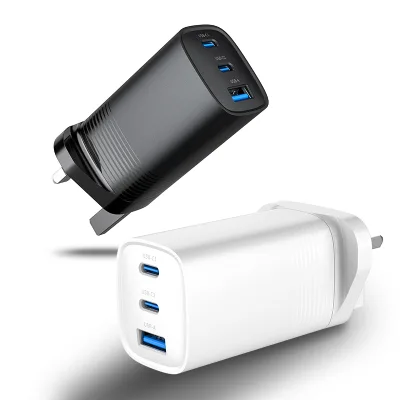
65W USB C EU US Travel Adapter Phone USB Type-c 3 Ports GaN Charger for Pad Phone
$10.96 - $11.16
MOQ: 100


Guangzhou Ouyue Electronic Technology Co., Ltd.
- Manufacturer, Trading Company
- Guangdong, China
- Lead time15 days
Main productsFast Charger,CAR Charger,USB CABLE,Power bank,charger adapter
Main marketsSouthern Europe(12.00%), Domestic Market(10.00%), Eastern Europe(9.00%), Western Europe(8.00%), North America(7.50%), Southeast Asia(7.50%), Eastern Asia(7.50%), Mid East(7.50%), South America(7.50%), Northern Europe(7.50%), South Asia(7.00%), Central America(5.00%), Africa(3.00%), Oceania(1.00%)

Shenzhen Borun Intelligence Integration Co., Ltd.
- Verified by SGS
- Trading Company
- China Guangdong
- Lead time15 days
- Avg. response≤ 2h
Main productsPower Bank, Portable Charger, Planar Transformer
Main marketsDomestic
Shenzhen Aibo Technology Co., Ltd.
- Verified by Intertek
- Manufacturer, Trading Company
- Lead time7 days
Main productsMultifunction Charger, GaN Charger, Wireless Charger, Power Bank, Data Cable
Main marketsWestern Europe(27%), Eastern Europe(25%), South America(10%)
Guangzhou Likai Electronics Technology Co., Ltd.
- Manufacturer, Trading Company, Buying Office
- Guangdong, China
- Lead time0 days
- Avg. response≤ 3h
Main productsEarbuds,Bluetooth Headset,cable,power bank,Wireless Bt Speaker
Main marketsWestern Europe(10.00%), Eastern Asia(10.00%), Eastern Europe(10.00%), South America(10.00%), North America(10.00%), Domestic Market(5.00%), South Asia(5.00%), Southern Europe(5.00%), Northern Europe(5.00%), Central America(5.00%), Oceania(5.00%), Southeast Asia(5.00%), Mid East(5.00%)

Shenzhen Merryking Electronics Co., Ltd.
- Verified by TUVRHEINLAND
- Manufacturer/Factory
- China Guangdong
- Lead time15 days
- Avg. response≤ 6h
Main productsPower Adapter, AC Adapter, AC DC Adapter, DC Adapter, Switch Power Supply, USB Charger, AC/DC Adapter, DC Adapter Manufacturer / Supplier in China, Pd Charger, Power Adapter Manufacturer
Main marketsSouth America,Eastern Europe,North America,Southeast Asia,Eastern Asia,Oceania,Western Europe


CE CB UL USB C Charger 65W Fast Charger with a 65W Pd 3-Port 65W GaN Charger with Us/UK/EU Plugs
$7.00 - $9.00
MOQ: 1000 Pieces


Shenzhen Langbo Technology Co., Ltd.
- Verified by SGS
- Manufacturer
- China Guangdong
- Lead time30 days
- Avg. response≤ 4h
Main productsUSB C Power Adapter, Phone Charger, Power Adapter, Charger, Adapter, AC DC Adapter, Car Charger, Laptop Adapter, Power Supply, Battery Charger
Shenzhen Jianyuan Technology Co., Ltd.
- Manufacturer, Trading Company
- Guangdong, China
- Lead time15 days
- Avg. response≤ 1h
Main productsusb charger,power adapter,usb cable,usb socket,car charger
Main marketsNorth America(30.00%), Western Europe(15.00%), Southeast Asia(15.00%), Domestic Market(15.00%), Oceania(10.00%), Eastern Europe(6.00%), Northern Europe(5.00%), Southern Europe(4.00%)
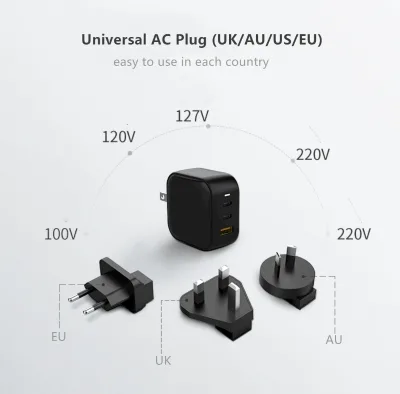
2022 Top Selling Mini 65w Fast Charger with Gan Tech Type c Pd 3.0 Mobile Phone Travel Adapter
$17.37 - $22.48
MOQ: 2 pieces
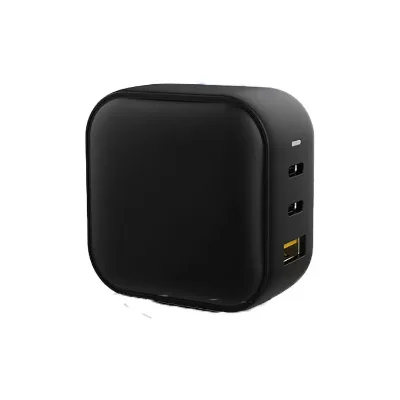
$17.37 - $22.48
MOQ: 2 pieces

Shenzhen ABP Technology Co., Ltd.
- Verified by Intertek
- Manufacturer, Trading Company
- Lead time20 days
Main productsPower Adapter, Consumer Charger, Battery Charger
Main marketsDomestic Market(70%), North America(20%), Western Europe(10%)

Difanmax Tech Lianyungang Co., Ltd.
- Verified by BV
- Manufacturer/Factory
- China Jiangsu
- Lead time23 days
- Avg. response≤ 5h
Main productsConsumer Electronics, Kinesiology Tape Adhesive Tapes, Industrial Tools, Home & Garden, Gifts & Crafts, Sport Products Entertainment, Health & Medical, Auto Parts E-Bike Auto Tools & Components, Clothes Apparel, Bicycle Hardware Laboratory Measuring Protective
Main marketsSouth America,North America,Southeast Asia,Oceania,Western Europe

Dongguan Tentop Electronics Co., Ltd.
- Verified by TUVRHEINLAND
- Combined
- China Guangdong
- Lead time15 days
- Avg. response≤ 1h
Main productsUSB Expansion USB Charger USB Hub, Industrial USB 3.0 Hub, USB 3.0 Hub with ESD Protection, USB Hub for Data and Charging, Customization for Industrial USB Hub, R&D for Industrial USB Hub, Pd Fast USB Charger with Low Temperature, High Wattage Pd USB Charger, Multi-Port Pd Industrial USB Charger, High Power Pd USB Charger with Full Protection
Main marketsSoutheast Asia/ Mideast,Domestic


Multi-Port Charger in Orange - 65W Dual-Port GaN Retractable Fast Charger
$5.78 - $6.22
MOQ: 1000 Pieces
Shenzhen Good-She Technology Co., Ltd.
- Verified by TüVRheinland
- Manufacturer, Trading Company
- Lead time7 days
Main productsWall Charger, Car Charger, Power Bank, Wireless Charger, GaN PD Charger
Main marketsNorth America(30%), Western Europe(15%), Eastern Europe(10%)

YUOKO ELECTRONICS CO., LIMITED
- Verified by SGS
- Manufacturer/Factory
- China Guangdong
- Lead time23 days
- Avg. response≤ 25h
Main productsMobile Phone Accessories, Cell Phone Batteries, Pd Fast Charger, Energy Battery & BMS, Wall Charger Power Bank, Bt Mini Speaker, Interlligent Battery Equalizer, Interlligent Battery Equirement, Energy Storage Battery, electronic Vehiche Charger
Main marketsSouth America,Eastern Europe,Mid East,North America,Southeast Asia,Eastern Asia,Oceania,Western Europe,Africa


$14.70 - $15.00
MOQ: 1000 Pieces
Shenzhen Huzi Electronics Co., Ltd.
- Verified by SGS Group
- Trading Company
- Lead time20 days
Main productsWall Charger, USB Cable, Power Bank, Earphone, Wireless Charger
Main marketsNorth America(50%), Eastern Asia(15%), Eastern Europe(10%)
Shenzhen Hengye Technology Co., Ltd.
- Verified by SGS Group
- Trading Company
- Lead time10 days
Main productsCar Charger, Wall Charger, Wireless Charger, USB Cable, Bluetooth Earbuds
Main marketsNorth America(35%), Western Europe(25%), Northern Europe(10%)

Guangdong Ldnio Electronic Technology Co., Ltd.
- Verified by BV
- Combined
- China Guangdong
- Lead time30 days
- Avg. response≤ 3h
Main productsMobile Phone Charger, Car Charger, Data Cable, Power Strip, Power Bank, Earphones, Smartwatches, USB Hub, Car Holder, Docking Station
Main marketsSouth America,Africa,Southeast Asia/ Mideast,East Asia(Japan/ South Korea),Europe,North America

- Trading Company
- China Zhejiang
- Lead time30 days
- Avg. response≤ 11h
Main productsHome Appliance, Cookware Set, Thermos, Home Storage, Furniture, Pet Supplies, Garden Tools, Outdoor Supplies, Baby Supplies, Houesehold Items
Main marketsSouth America,Africa,Southeast Asia/ Mideast,East Asia(Japan/ South Korea),Domestic,Europe,Australia,North America

Seemarket Technology Co., Ltd.
- Verified by CTI
- Combined
- China Guangdong
- Lead time30 days
- Avg. response≤ 2h
Main productsCar Charger, EV Charger
Main marketsSoutheast Asia/ Mideast,Domestic,Europe,North America

Guangzhou FastConcept New Energy Co., Ltd.
- Verified by SGS
- Combined
- China Guangdong
- Lead time30 days
- Avg. response≤ 1h
Main productsEV Charging Station, EV Charger, Portable EV Charger, EV Charging Cable, Wallbox Charger, AC EV Charger, Charging Station, Mobile Portable EV Charger, Electric Car Charger Portable, Electric Vehicle Charger
Main marketsDomestic


What Should I Look for in a Portable Charger Besides Capacity and Price?
$59.00 - $65.00
MOQ: 50 Pieces
Shenzhen Huanxintong Technology Co., Ltd.
- Verified by SGS Group
- Manufacturer, Trading Company
- Lead time20 days
Main productsUSB Cable, Audio Video Cable, Power Cords, Charger, Power Bank
Main marketsNorth America(30%), Eastern Europe(15%), Western Europe(10%)

Dongguan kailexin trading co., LTD
- Trading Company
- China Guangdong
- Lead time15 days
- Avg. response≤ 3h
Main productsPower Bank, Bluetooth Speaker, Bluetooth Earphone, Phone Screen Protector, Phone Case, Car Dash Cam, Smart Watch, Smart Glasses, 4G Camera, Phone Holder
Main marketsSoutheast Asia/ Mideast
Shenzhen Dongdayang Industrial Co., Ltd.
- Verified by Intertek
- Trading Company
- Guangdong, China
- Lead time15 days
- Avg. response≤ 3h
Main productsProcurement Agent For Handicrafts, Procurement Agent For Hardware Tools, Procurement Agent For Furniture And Home Decor, Procurement Agent For Electronic Products
Main marketsNorth America(51%), South America(10%), Mid East(10%)
Guangzhou Taoxiansheng International Trade Co., Ltd.
- Trading Company
- Guangdong, China
- Lead time0 days
- Avg. response≤ 2h
Main productsEarphone,mini speaker,wireless charger,humidifier,USB cable
Main marketsSouth America(40.00%), Mid East(15.00%), North America(15.00%), Southern Europe(10.00%), Western Europe(10.00%), Eastern Europe(10.00%)

Shandong Jiuroad Intelligent Technology Co., Ltd.
- Verified by BV
- Combined
- China Shandong
- Lead time15 days
- Avg. response≤ 3h
Main marketsDomestic















Comprehensive Sourcing Guide
GaN Charger Supplier Concentration and Factory Types
When sourcing a GaN Charger, the first structural question is whether you are dealing with a manufacturer or a trading company, because the supplier results in this category typically mix both types. Manufacturers can support engineering-level decisions such as housing design, circuit layout changes and private mold development, which matters if you want a differentiated product rather than a catalog item. Trading companies can aggregate output from several factories and may respond faster on mixed orders, but they add a layer between you and the production line. Neither model is automatically better; what matters is that you know which one you are talking to, since responsibilities for tooling, quality corrective actions and after-sales support differ substantially between the two.
Concentration should be assessed from the evidence on the page, not from assumption. In the current results, one listed product records Guangdong, China as its place of origin, which is consistent with this category's general production base, but you should not treat a single product attribute as proof of factory location. Verify where assembly actually happens versus where the office is registered. Also note that some listings in these results come from trading companies whose main products are unrelated to chargers, so concentration in GaN technology cannot be assumed from listing presence alone. Map each candidate's main products, company type and product evidence before drawing any cluster conclusion.
How to Verify GaN Charger Suppliers
Verification starts with third-party verification labels shown in the results. Some suppliers here carry verification from recognized inspection groups such as SGS or Intertek, which signals that identity and capability claims were audited by an outside body. Treat verification as a starting filter, not a guarantee of production quality; a verified trading company is still a trading company. Next, examine system certifications listed on the profile. In the current results these include BSCI, CE, UKCA, FCC, Declaration of Conformity, REACH, A+, and RoHS. Match each certification to your destination market and confirm certificate numbers, scope and validity directly with the issuing body rather than accepting profile text at face value.
Then verify operational substance. Check whether research and development capacity is documented: the results show capabilities such as sample processing, graphic processing and customized on-demand development at some suppliers, while others list only sample processing, which suggests different depths of engineering support. Ask each candidate to confirm who holds the private mold, since at least one product listing states that a private mold exists, which affects exclusivity and cost allocation. Request factory address, business license scope, and production photos or video audits. Cross-check the product-level details, such as model numbers, plug standards and port configurations, against what the supplier actually quotes. Any supplier unable to reconcile listing data with a formal quotation should be treated as unverified until proven otherwise.
What to Compare Across GaN Charger Suppliers
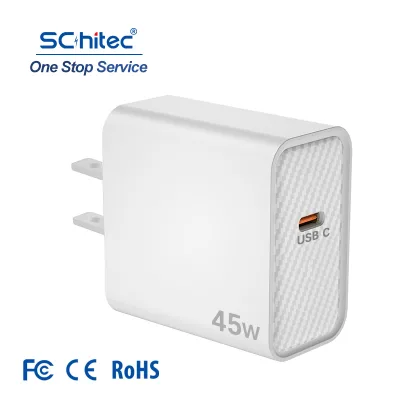
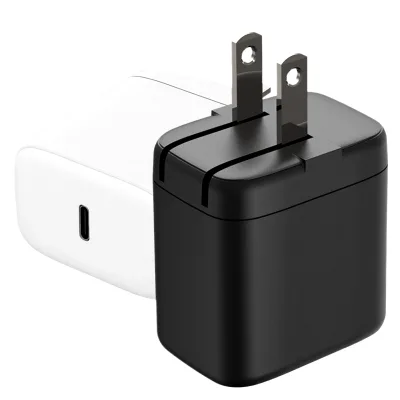
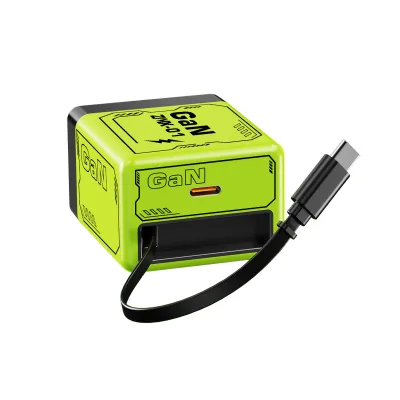
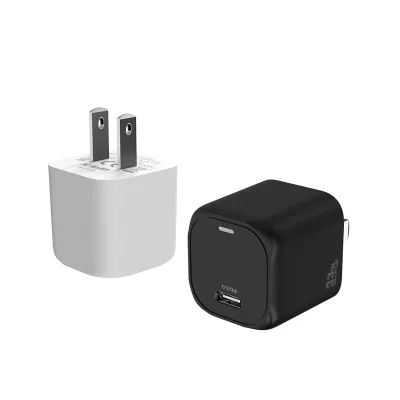
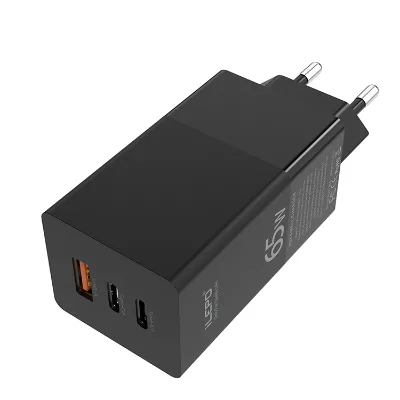
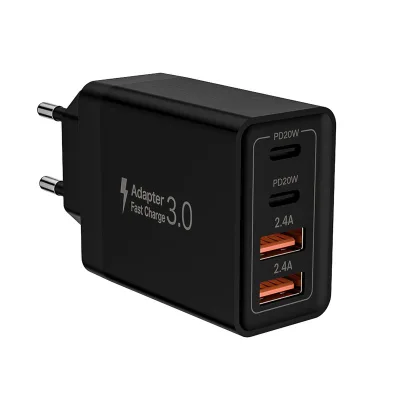
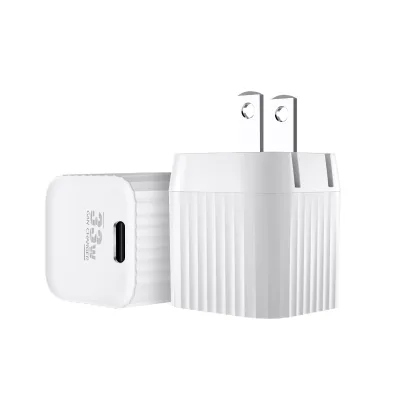
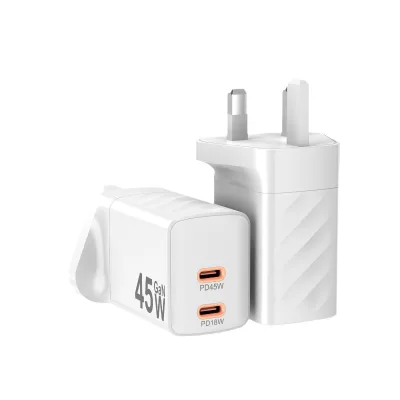
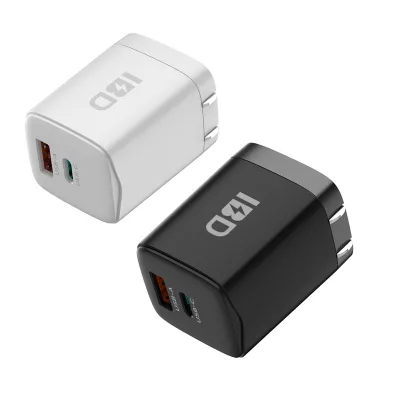
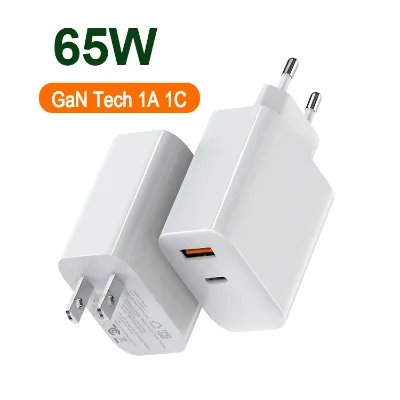
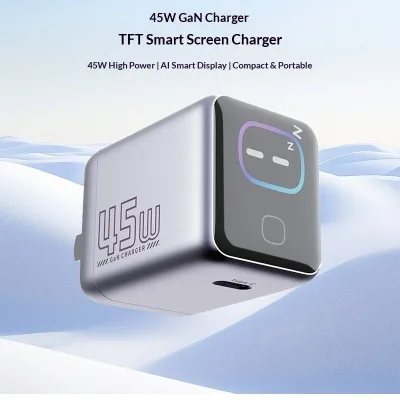
Build a comparison table from attributes actually displayed in the results, and record "not shown" where an attribute is missing rather than guessing. Useful dimensions include supplier type (manufacturer versus trading company), verification body, system certifications, main products, research and development capacity, and product-level evidence such as output power ratings, port configurations, plug standards and materials. The listings here show, for example, products spanning roughly 18W to 65W output with single or multiple USB-A and Type-C ports and US, EU, UK and AU plug options, so compare which power classes and port combinations each candidate can actually document with product data.
Commercial dimensions deserve equal weight. Some listings display price ranges and a minimum order quantity — for instance, one product shows a price band from about $3.09 to $3.71 with an MOQ of 100 units — while other listings show prices without an MOQ, so do not assume every supplier publishes both. Lead time, response speed, establishment year, escrow availability and location may also appear on profiles, but absence from a profile is not absence of capability; ask directly. Compare sample policies, customization scope (OEM/ODM support is stated on some listings), color options and packaging formats. Score candidates on documented evidence first, quoted answers second, and never let a missing field be silently filled with an optimistic assumption during evaluation.
Common GaN Charger Sourcing Risks
The most common risk in this category is certification mismatch. Listings may display CE, FCC, UKCA or RoHS labels at profile level, but the specific GaN model you order must itself hold the applicable approvals for your market. A wall charger connected to mains power carries safety obligations that accessories do not, so confirm that test reports cover the exact model number and power rating you are buying, including the protection features claimed, such as short circuit, overcurrent, overvoltage and over-charging protection listed on some products here.
A second risk cluster involves specification drift and capability overstatement. GaN technology is a marketing term as often as an engineering one, so verify the actual material and circuit design behind any "GaN" claim, since listings here also include ABS-based chargers alongside GaN-containing models. Watch for reused model numbers across differently specified products, as seen in these results where one model number appears with varying outputs and port counts. Trading-company suppliers with unrelated main products, such as sealants and adhesives, may be outsourcing entirely, which complicates quality accountability. Other recurring risks include color and plug-standard mismatches against quoted samples, MOQ and price changes after sampling, and unconfirmed mold ownership limiting your exclusivity. Mitigate each risk by anchoring every claim to a document — a certificate, a test report or a signed specification sheet — before production begins.
GaN Charger Regional Sourcing and Logistics
Regional analysis should be driven by documented evidence rather than reputation. Where the results state a location — for example, one product attributes its origin to Guangdong, China — you can use that as a working data point for logistics planning, but confirm the shipping point with the supplier because registered addresses and dispatch warehouses frequently differ. When no location is displayed, as with some listings here, ask for the physical factory address early, because regional sourcing decisions, audit costs and freight consolidation all depend on it. Avoid naming or assuming a cluster that the evidence does not support; instead, build your own map from supplier-confirmed addresses.
Logistics planning for chargers should account for product-specific constraints. These items are compact and comparatively light — the listings here show single gross weights around 0.12 to 0.20 kilograms per unit — which makes air freight viable for samples and small urgent batches, while sea freight suits volume replenishment. Confirm plug standards against destination markets, since listings here reference US, EU, UK and AU plug types, and mismatched plugs create customs and retail problems regardless of freight mode. Check packaging formats (PP bag or gift box on some listings) and package dimensions, such as the 7x8x8 cm single-package size shown for one model, because carton cube drives freight cost more than unit weight. Clarify Incoterms, export documentation responsibility and whether batteries or only chargers are in scope before booking.
GaN Charger Commercial Terms and Order Planning
Order planning in this category should begin with the numbers actually displayed. Several listings here publish price ranges — for example, roughly $2.92 to $3.36 for a 45W triple-port model, $4.29 to $5.14 for a 65W dual-port model, and $5.71 to $6.86 for a dual-port PD 65W travel charger — with one listing showing an MOQ of 100 units. These figures are indicative, not contractual: they typically reflect configuration, port count and order size. Request quotations against your exact specification, including plug type, color, packaging and certification requirements, and treat profile prices only as a screening benchmark between candidates.
Commercial terms to settle before any deposit include payment structure, escrow availability, tooling ownership for private-mold products, sample fees and credit toward bulk orders, warranty terms, and defect-rate remedies. Where a profile displays response speed, establishment year or lead time, use it for comparison, but where it does not, ask and document the answer in writing. Plan orders in stages: paid samples, a small pilot run near the stated MOQ, then scaled replenishment once quality data exists. For a mains-powered product like a GaN Charger, reserve time for destination-market certification checks within your launch schedule rather than treating it as a post-production formality. Confirm reorder pricing stability and capacity reservations in peak season, since chargers sold through multiple channels can face queueing when demand spikes.
FAQs
What power ratings do GaN chargers typically come in?
GaN chargers on this page range from around 18W to 65W, with some models offering 20W, 35W, 45W, and multi-port outputs. The 20W PD models suit phones and tablets, while 45W and 65W versions can charge laptops with USB-A plus Type-C ports. Confirm exact output profiles, such as 9V/2A or 12V/1.5A, with each supplier before ordering samples.
What is the typical minimum order quantity for GaN wall chargers?
Listed GaN wall charger models show minimum order quantities starting at 100 units, which is accessible for testing a new SKU or market. Larger volumes and custom color or packaging requests usually carry different MOQ terms. Ask each supplier to confirm the MOQ for your chosen port configuration, plug type, and any private-mold or OEM customization before placing a trial order.
How much do GaN fast chargers cost in bulk?
Indicative unit prices on this page range from roughly $2.92 to $6.86 depending on the model and wattage. A 20W transparent PD charger lists between $3.09 and $3.71, while 65W dual-port models reach $4.29 to $6.86. Final pricing depends on order quantity, port configuration, and customization, so request a formal quotation based on your specifications and volumes.
Which certifications should I verify when sourcing GaN chargers?
Look for CE, UKCA, FCC, RoHS, and REACH compliance, and ask for a Declaration of Conformity for each target market. Some suppliers on this page also hold BSCI system certification and are third-party verified by SGS or Intertek. Always request current, scope-matched certificates and test reports directly, since certifications vary between suppliers and specific product models.
Can GaN chargers be customized with my brand and plug type?
Yes, many listed models support OEM and ODM customization, including private molds, custom colors, and logo branding. Plug options cover US, EU, UK, and AU standards, and port layouts range from single Type-C to combinations of USB-A and dual Type-C. Confirm customization capabilities, tooling costs, sample lead times, and intellectual property handling with each supplier before committing to production.
Where are these GaN Charger suppliers located?
The listed GaN Charger products originate from Guangdong, China, a major hub for consumer electronics and charging accessory manufacturing. Sourcing from this region gives access to a concentrated supply chain for GaN components, molds, and assembly. Verify each supplier's registered address, factory versus trading company status, and audit reports, since the page lists both manufacturers and trading companies.