Integrated Smart Glass Line Suppliers and Manufacturers
Source 12 verified suppliers for Integrated Smart Glass Line equipment from China. Compare key dimensions including ISO and CE certifications, response times, lead times, and pricing. Review technical specifications and request quotes directly to streamline your procurement process; review the available evidence before requesting comparable quotations from suitable candidates.
Suppliers List

- Verified by SGS
- Trading Company,Manufacturer/Factory
- China Guangdong
- Lead time38 days
- Avg. response≤ 8h
Main productsGlass Machine, Glass Washing Machine, Glass Tempering Machine, Glass Processing Machinery, Glass Edging Machine, Glass Milling Machine, Silk Screen Printing Machine, CNC Working Center
Main marketsSouth America,Eastern Europe,Mid East,North America,Southeast Asia,Eastern Asia,Oceania,Western Europe,Africa

Shandong Truetec Machinery Co., Ltd.
- Trading Company,Manufacturer/Factory
- China Shandong
- Lead time23 days
- Avg. response≤ 9h
Main productsGlass Machine, PVC Window Making Machine, Aluminum Window Making Machine, Window Machine, Insulating Glass Mcachine, Glass Cutting Mcachine, Glass Polishing and Beveling Machine, Glass Washing Machine, Glass Tempered Machine, Glass Drilling Sand Blasting Machine
Main marketsSouth America,Eastern Europe,Mid East,North America,Southeast Asia,Eastern Asia,Oceania,Western Europe,Africa
Jinan Parker Machinery Co., Ltd.
- Verified by TüVRheinland
- Manufacturer, Trading Company
- Lead time10 days
- Avg. response≤ 3h
Main productsAluminum Window Door Machine, PVC Window Door Machine, Insulating Glass Production Line, Curtain Wall Machine, CNC Machining Center
Main marketsNorth America(30%), Southeast Asia(15%), Mid East(15%)
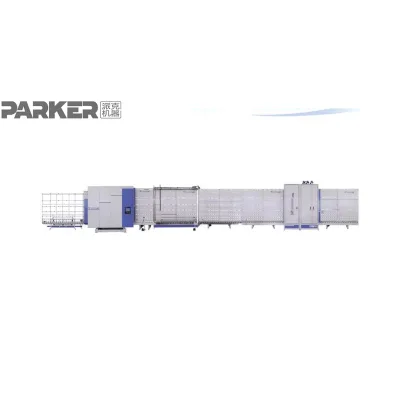
Integrated Smart Glass Line - Compatible with Film Removers & Coating Machines
$52500.00
MOQ: 1 Minimum
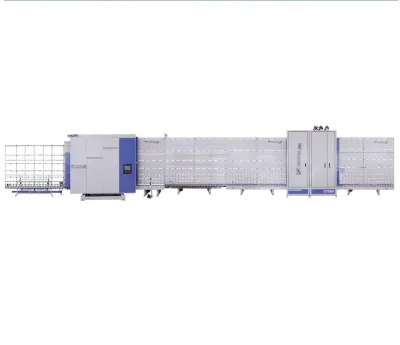
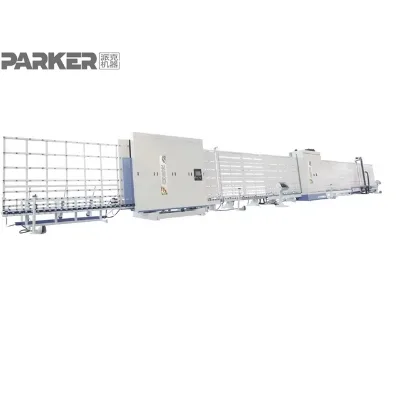
Smart Vertical Glass Press Line with 22-Sensor Sucker Technology & Auto-Thickness Adjustment
$40500.00
MOQ: 1 Minimum
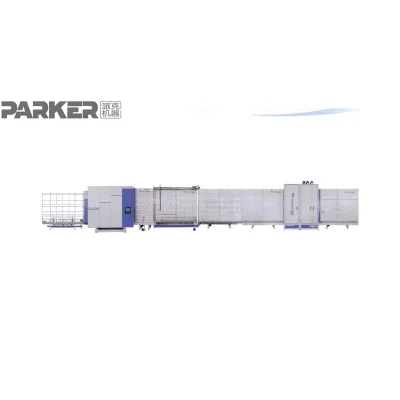
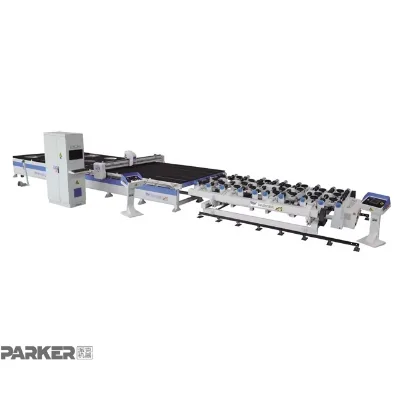
Smart CNC Glass Processing Line with Template Library & Synchronous Belt Conveying
$37900.00
MOQ: 1 Minimum
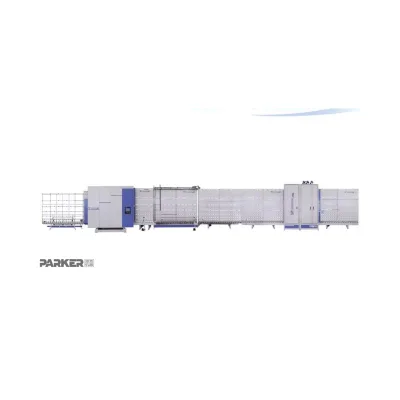

Foshan Singip Intelligent Equipment Co., Ltd.
- Verified by SGS
- Trading Company,Manufacturer/Factory
- China Guangdong
- Lead time30 days
- Avg. response≤ 7h
Main productsGlass Machine, Stone Machine, Glass, Ceramic Machine
Main marketsSouth America,Eastern Europe,Mid East,North America,Southeast Asia,Eastern Asia,Oceania,Western Europe

Fully Automatic Glass Cutting Production Line with Smart Technology Integration
$40000.00 - $60000.00
MOQ: 1 Pieces

Smart Fully Automatic Glass Cutting Machine Line for Optimal Performance
$40000.00 - $60000.00
MOQ: 1 Pieces


High-Efficiency Automated Glass Cutting Line for Precision Cutting
$20000.00 - $25000.00
MOQ: 1 Pieces

Automated Glass Double Edging Production Line with Smart Technology
$120000.00 - $180000.00
MOQ: 1 Pieces


Jinan Changhong International Co., Ltd.
- Verified by TUVRHEINLAND
- Trading Company
- China Shandong
- Lead time23 days
- Avg. response≤ 8h
Main productsWindow and Door Processing Machine, PVC Machine, Aluminum Machine, Insulating Glass Machine
Main marketsSouth America,North America

$18000.00 - $20000.00
MOQ: 1 Pieces

Factory Direct Production Line for Insulating Glass Automatic Insulating Glass Production Line
$420.00 - $1420.00
MOQ: 1 Sets

Automatic Glass Line with Hollow Inspection Section for High Efficiency Insulating Glass Processing
$18000.00 - $21000.00
MOQ: 1 Pieces


Full PLC Control Insulating Glass Production Line with Touch Screen Interface
$19300.00 - $21500.00
MOQ: 1 Pieces


Luoyang Swank Glass Technology Co., Ltd.
- Trading Company,Manufacturer/Factory
- China Henan
- Lead time60 days
- Avg. response≤ 4h
Main productsGlass Tempering Furnace, Glass Machine, Glass Cutting Machine, Glass Edging Machine, Tempered Glass Machine, Tempered Glass, Laminated Glass Production Line, Insulated Glass, Glass Washing
Main marketsSouth America,Eastern Europe,Mid East,Eastern Asia,Africa


Smartglass™ IoT-Enhanced Tempering Line for Architectural & Automotive Glass
$90000.00 - $200000.00
MOQ: 1 Pieces

EVA Glass Smart Glass EVA Glass Laminating Oven Glass Machine EVA Glass Machine
$30000.00
MOQ: 1 Pieces


Qingdao Berling Tech Co., Ltd.
- Verified by TUVRHEINLAND
- Trading Company
- China Shandong
- Lead time15 days
- Avg. response≤ 3h
Main productsGlass Machinery, Glass Processing Machine, Insulating Glass Machine, Glass Machine, Glass Cutting Machine, Laminated Glass Machine, Washing Machine, Drilling and Milling Machine, CNC Center, Vacuum Lifting Machine
Main marketsSouth America,Others(foreignTradeCapacity.exportBusinessCapacityMarketOther),Europe,Australia

Intelligent Glass Cutting Line CNC Controlled for Architectural and Mirror Glass Manufacturing
$15000.00 - $25000.00
MOQ: 1 Sets

Automated Low-E Glass Sealing and Processing Line with Real-Time Monitoring Equipment
$25000.00 - $39500.00
MOQ: 1 Pieces

Beijing MGM Glass Machinery Co., Ltd.
- Verified by TUVRHEINLAND
- Combined
- China Hebei
- Lead time15 days
- Avg. response≤ 19h
Main productsTPE Insulating Glass Line, Automated Gas Filling Insulating Glass Line, Automatic Sealing Robot, Super Flexible Spacer Insulating Glass Line, Automatic Film Lamination Machine, TPE Spacer, Super Flexible Spacer, Hot Melt Sealant, Vacuum Glass Production Line, Curved Glass Cleaning Machine
Main marketsDomestic


Efficient and Energy-Saving Fully Automatic Insulated Glass Production Line
$200000.00 - $1000000.00
MOQ: 1 Sets


JINAN GLASINO GLASS TECHNOLOGY CO., LTD.
- Verified by BV
- Trading Company,Manufacturer/Factory
- China Shandong
- Lead time0 days
- Avg. response≤ 4h
Main productsGlass Tempering Machine, Insulating Glass Machine, Glass Cutting Machine, Glass Adging Machine
Main marketsSouth America,Eastern Europe,Mid East,North America,Southeast Asia,Eastern Asia,Oceania,Western Europe,Africa

$38000.00 - $45000.00
MOQ: 1 Pieces

Flat Glass Production Line High Speed Smart Double Edging Machine Production Line
$56000.00 - $58000.00
MOQ: 1 Pieces


Shandong Zhengke Automation Co., Ltd.
- Verified by BV
- Trading Company,Manufacturer/Factory
- China Shandong
- Lead time30 days
- Avg. response≤ 3h
Main productsInsulating Glass Machine Ig Line, Glass Cutting Machine, Glass Cutting Table, Double Glazing Machine, Aluminum Spacer Bending Machine, Butyl Extruder, Glass Washing Machine, Insulating Glass Sealing Robot, Aluminum Window Machine, Desiccant Filling Machine
Main marketsSouth America,Eastern Europe,Mid East,North America,Southeast Asia,Eastern Asia,Oceania,Western Europe,Africa


$27999.00 - $58000.00
MOQ: 1 set


Jinan Wondec Machinery Co., Ltd.
- Verified by BV
- Combined
- China Shandong
- Lead time30 days
- Avg. response≤ 14h
Main productsInsulated Glass Machine, Door-Window Processing Machine, Industrial Aluminum Profile Processing Equipment
Main marketsSouth America,Africa,Southeast Asia/ Mideast,East Asia(Japan/ South Korea),Domestic,Europe,Australia,North America


Automatic Vertical Insulating Glass Flat-Pressing Production Line Double Glazed Robotic Machinery
$29000.00 - $35000.00
MOQ: 1 Sets

Automatic Sealing Robot Double Glazing Glass Insulated Glass Manufacturing Machine
$29000.00 - $35000.00
MOQ: 1 Sets

Automatic Insulating Glass Manufacturing Production Line Hollow Glass Processing Equipment
$29000.00 - $37000.00
MOQ: 1 Sets

- Trading Company
- China Shandong
- Lead time45 days
- Avg. response≤ 2h
Main productsInsulating Glass Machine, Glass Processing Machine, Double Glazing Machine, Butyl Extruder Machine, Auto Sealing Robot, Auto Spacer Bending Machine, Auto Desiccant Filling Machine, Auto Glass Loading and Unloading Machine, Auto Online Gas Filling Machine, Auto Film Wrapping Machine
Main marketsSouth America,Africa,Europe


Fully Automatic Insulating Glass Production Line for Double Triple Stepped Glass
$69000.00
MOQ: 1 Pieces


Automatic Insulated Glass Production Line- Building Glass Deep-Processing Machine
$43000.00
MOQ: 1 Pieces

Automatic Insulating Glass Production Line for Curtain Wall / Architectural Glass
$150000.00
MOQ: 1 Pieces


Comprehensive Sourcing Guide
Integrated Smart Glass Line Supplier Concentration and Factory Types
Suppliers of Integrated Smart Glass Line equipment in current search results concentrate in two Chinese provinces: Guangdong and Shandong. Guangdong-based companies in these results combine manufacturer/factory and trading company structures, and their product catalogs cover glass washing, tempering, edging, milling, silk screen printing, CNC working centers, and complete glass cutting assembly lines. Shandong-based companies list broader window-related portfolios, including PVC and aluminum window making machines alongside insulating glass lines, cutting machines, and washing machines. This suggests the Integrated Smart Glass Line category sits within a wider glass processing machinery ecosystem rather than a standalone product niche.
Both factory types and hybrid structures appear in this category. A manufacturer may design and assemble loading systems, cutting and breaking lines, and insulating glass production lines in-house, while a trading company aggregates machines from several factories. Hybrid manufacturer-traders are common, so the company type label alone should not determine your shortlist. Some suppliers in the results support OEM, ODM, and own-brand production, which matters if you plan to resell under your own name. When reviewing a supplier's main products list, check whether integrated line equipment is a core offering or an adjacent item, because a supplier whose catalog centers on insulating glass or window machinery may still build full lines but with different engineering depth.
How to Verify Integrated Smart Glass Line Suppliers
Verification should start with the credentials displayed in supplier results and move to independent confirmation before any deposit. In the current results, one Guangdong supplier carries ISO 9001 system certification and SGS verification, and lists OEM, ODM, and own-brand capability. Product-level evidence matters as much as company-level badges: one intelligent glass cutting assembly line is listed with CE certification, while an insulating glass processing line shows both ISO and CE. Ask each shortlisted supplier to provide the actual certificate documents matching these claims, including the certification body name and validity period, and confirm the certified scope covers the specific line model you intend to buy.
Beyond documents, verify manufacturing reality directly. Request a live video walk-through of the workshop where the line is assembled, and ask which portions are produced in-house versus sourced from partners, since hybrid trading structures can blur this. Confirm the engineering team can customize: several products in the results explicitly state customization is available, so ask for a past customization case with drawings or photos. Check company registration details against the province and city claimed, and confirm export experience through bill of lading copies or references from buyers in your region. Finally, ask how after-sales service is delivered — one listed product advertises lifetime after-sales — and get the response commitment in writing, including whether engineers travel for installation and commissioning.
What to Compare Across Integrated Smart Glass Line Suppliers
Build a comparison matrix from the attributes these supplier results actually expose. Lead time is a primary differentiator: results show figures ranging from 23 days to 38 days, so ask each supplier to confirm the quoted lead time for your exact configuration, not a catalog average. Response time is another measurable label, with results showing roughly 7.8 to 8.9 hours; treat faster response as an indicator of export-team staffing, and test it yourself during pre-sales inquiries. Minimum order quantity also varies — one complete cutting assembly line is listed at an MOQ of 1, which is typical for capital equipment — so confirm MOQ for spare parts and consumables separately.
Compare price against configuration, since listed prices in these results span from about USD 5,000–30,000 for individual loading machines to USD 66,000 for an intelligent cutting assembly line and USD 195,000 for an insulating glass processing line with step-glass function. Request itemized quotations covering loading, cutting, breaking or sorting, and control integration. Compare technical specifications directly: maximum cutting thickness (15 mm in one listing), automatic loading size (6100×3300 mm), conveyor and axis speeds, installed power, and footprint dimensions (one line measures 12700×3260 mm; another 20200×3500×3200 mm). Finally, weigh company attributes: establishment year, verified status, certifications, and whether the main products list shows deep glass machinery specialization or general window equipment breadth.
Common Integrated Smart Glass Line Sourcing Risks
The most frequent risk in this category is specification mismatch between the quoted line and your factory conditions. One product listing states power requirements of 3-phase/380V at 45Hz "if customer site" — an unusual frequency worth clarifying — and notes suction depth limits with a request to remark special requirements. If your glass sizes fall outside standard loading ranges, or your plant voltage, compressed air supply (0.55–0.7 MPa in one listing), or floor loading differs from assumptions, the machine may arrive unable to run. Document your site parameters in the contract before production starts.
Other risks cluster around scope and service. An "integrated" line may actually be several machines from different workshops with integration left to the buyer, so specify who is responsible for inter-machine communication, alignment, and commissioning. Customization promises need evidence: ask for reference installations matching your customization type. Communication gaps show up after payment, so test response speed repeatedly before committing — displayed response times in these results vary by supplier, and slow pre-sales replies usually worsen post-sales. Verify certification claims match the shipped machine, since a CE or ISO mark on a listing does not guarantee the exact unit carries current documentation. Finally, confirm spare parts availability, control software access, and whether warranty covers on-site engineer travel, because long machine footprints and heavy weights (one line weighs 7,000 kg) make returns impractical.
Integrated Smart Glass Line Regional Sourcing and Logistics
Current results place suppliers in Guangdong and Shandong, and these two provinces genuinely anchor China's glass machinery manufacturing landscape, so it is reasonable to weight your search toward them. Guangdong suppliers in the results cluster around glass processing machinery — washing, tempering, edging, silk screen printing, and CNC working centers — which suits buyers prioritizing deep glass-processing capability. Shandong suppliers list insulating glass lines and window-making equipment alongside cutting machines, which can suit buyers integrating smart glass lines into window or insulated glazing production. If you search beyond these clusters, identify candidate regions by looking for provinces where multiple verified suppliers list overlapping glass machinery products, then confirm each supplier's registered address independently rather than trusting a profile city.
Logistics planning should reflect machine scale. Complete assembly lines in the results reach external dimensions of 12700×3260 mm or 20200×3500×3200 mm, and packing is described as suitable for sea transportation or film wrapping — both implying full-container or breakbulk ocean freight. Confirm container type, disassembly into shipping sections, weight distribution, and who handles inland haulage from the Chinese port to your factory. Ask for packing drawings and lifting-point diagrams, and verify whether the supplier coordinates shipping marks and export customs documentation. Build the 23–38 day lead times seen in the results, plus ocean transit and port clearance, into your project schedule with buffer for commissioning.
Integrated Smart Glass Line Commercial Terms and Order Planning
Commercial terms for capital equipment in this category differ sharply from commodity sourcing. Prices in the current results range from roughly USD 5,000–30,000 for standalone loading machines to USD 66,000 for an intelligent cutting assembly line and USD 195,000 for a full insulating glass processing line, so a single order can exceed typical small-trade payment protections. Use staged payments tied to milestones — contract signature, factory inspection of the completed machine, pre-shipment testing, and bill of lading copy — and keep the pre-shipment stage significant enough to motivate quality. If a platform offers escrow or trade assurance, confirm in writing exactly which payment tranches it covers and what evidence triggers release, since displayed verification badges do not automatically extend to payment protection.
Plan the order around lead time and acceptance. With results showing lead times of 23 to 38 days, schedule factory acceptance testing before shipment, using your actual glass samples to run the full cycle — loading, cutting, breaking or sorting — and record cycle times against quoted figures such as the roughly 80-second on-chip cycle in one listing. Define the acceptance checklist in the contract, including safety features (safety sensor, overload protection, emergency stop), maximum processing sizes, and control system behavior. Order critical spares with the machine, and negotiate installation, commissioning, operator training, and warranty response terms explicitly. Finally, confirm customization deliverables, documentation language, and delivery terms (Incoterms) before the production deposit is paid.
FAQs
What does an Integrated Smart Glass Line typically include?
An Integrated Smart Glass Line usually combines automatic loading, cutting, breaking or edging, washing, sorting, and sometimes insulating glass processing in one connected workflow. Configurations vary by factory, so buyers should confirm which modules are included, the maximum glass sizes handled, and whether the control system is fully automatic. Customization is commonly available from listed suppliers, so request a layout proposal before ordering.
What is the minimum order quantity for a full glass processing line?
The minimum order quantity for a complete smart glass processing line is commonly one set, since these are capital machines rather than bulk goods. Some listed lines show an MOQ of one unit. Verify the MOQ in writing, because accessories, spare cutter wheels, or optional modules may be quoted separately and could carry different order requirements.
How long is the typical lead time for these production lines?
Lead times observed among listed suppliers range from about 23 days to about 38 days, depending on the line's complexity and factory workload. Larger intelligent cutting and insulating glass lines usually need the longer end of that range. Always confirm the lead time against your order date, since customized specifications and peak production seasons can extend delivery schedules.
How quickly do suppliers respond to sourcing inquiries?
Average response times recorded for listed suppliers fall between roughly eight and nine hours, so expect a reply within one business day in most cases. Response speed can vary with time zones and holidays in China. Send detailed specifications, target glass sizes, and output requirements in your first message to reduce back-and-forth and get accurate quotes faster.
Which certifications should I check before ordering?
Look for CE marking on the machinery and ISO 9001 quality management certification at the company level, both of which appear among listed products and suppliers. CE covers safety requirements like emergency stops, overload protection, and safety sensors. Ask for certificate copies and check that the certificate holder matches the company you are contracting with, not a different entity.
What price range should I expect for a smart glass processing line?
Prices vary widely by configuration. Automatic loading machines and single-process equipment have been listed from roughly 5,000 to 30,000 US dollars, while a full intelligent glass cutting assembly line was listed around 66,000 US dollars and a complete insulating glass processing line around 195,000 US dollars. Treat these as reference points only and request quotes matched to your specifications.
Where are these glass machinery suppliers mainly located?
Listed suppliers are concentrated in China, with clusters in Guangdong and Shandong provinces. Both regions host manufacturers and trading companies specializing in glass cutting, washing, edging, tempering, and insulating glass machines. Location affects shipping ports and factory visit logistics, so confirm the actual manufacturing address rather than the registered office address when planning an inspection.
Can suppliers provide OEM or customized line configurations?
Yes, customization is widely available, and listed suppliers advertise OEM service, with some also offering ODM and their own brand. Customization typically covers glass sizes, line dimensions, control systems, color, and optional functions like step glass processing. Provide your plant layout, power supply details, and maximum glass dimensions early so the supplier can engineer a matching configuration and confirm feasibility.