Android Interactive Touch Screen Kiosk Suppliers and Manufacturers
Source from 20 verified suppliers offering Android Interactive Touch Screen Kiosk units with ISO9001:2015 certification and OEM/ODM capabilities. Compare grounded metrics including lead times of 15-30 days, response speeds, and pricing ranges to identify suitable partners for your digital signage needs.
Suppliers List

Shanghai Senke Electronic Technology Co., Ltd.
- Verified by SGS
- Combined
- China Shanghai
- Lead time30 days
- Avg. response≤ 12h
Main productsAll in One PC, Digital Signage, LCD Monitor, Industrial Panel PC, Outdoor Digital Signage, LCD Video Wall, Touch Screen Kiosk, Digital Interactive Whiteboard, LCD Transparent Showcase, LCD Digital Shelf Display
Main marketsSoutheast Asia/ Mideast,Domestic,Europe

Guangzhou Senke Electronic Co., Ltd.
- Verified by BV
- Combined
- China Guangdong
- Lead time15 days
- Avg. response≤ 10h
Main productsIndustrial Panel PC, Digital Signage, All in One PC, LCD Display, Ad Player, Advertising Display, Advertising Player, Kiosk, Touch Screen Kiosk, LCD Monitor
Main marketsSouth America,Africa,Others(foreignTradeCapacity.exportBusinessCapacityMarketOther),Southeast Asia/ Mideast,East Asia(Japan/ South Korea),Europe,Australia,North America

Android or Windows System Self Service Multimedia Information Interactive LCD Touch Screen Kiosk
$665.00 - $1200.00
Moq: 1


Shenzhen Optim Technology Co., Ltd.
- Manufacturer/Factory
- China Guangdong
- Lead time23 days
- Avg. response≤ 1h
Main productsDigital Signage, Interactive Flat Panel, Kiosk, Monitor, Touch Screen, All in One PC, Industrial PC, LED Screen, 3D Holographic Display, Android Tablet
Main marketsSouth America,Eastern Europe,Mid East,North America,Southeast Asia,Eastern Asia,Oceania,Western Europe,Africa

- Verified by TUVRHEINLAND
- Trading Company,Manufacturer/Factory
- China Guangdong
- Lead time23 days
- Avg. response≤ 3h
Main productsTablet, All in One PC, Laptops, Mini PC, Rugged Tablet, Interactive Whiteboard, Industrial Tablet PC, Koisk
Main marketsSouth America,Eastern Europe,Mid East,North America,Southeast Asia,Eastern Asia,Oceania,Western Europe,Africa

Shenzhen Layson Optoelectronics Co., Ltd.
- Verified by TUVRHEINLAND
- Trading Company,Manufacturer/Factory
- China Guangdong
- Lead time0 days
- Avg. response≤ 3h
Main productsTouch Screen Kiosk, Advertising Player, Digital Signage, Outdoor Advertising Player, Magic Mirror Glass Display, Transparent LCD, Touch Table, Monitor
Main marketsSouth America,Eastern Europe,Mid East,North America,Southeast Asia,Eastern Asia,Oceania,Western Europe,Africa

32 Inch Touch Screen LCD Advertising Display Kiosk Information Interactive Kiosk
$500.00 - $2000.00
Moq: 1


Whynot Information Technology Co. Ltd
- Manufacturer/Factory
- China Guangdong
- Lead time15 days
- Avg. response≤ 10h
Main productsDSLR Photo Booth, 360 Photo Booth, 360 Video Booth, 3D Hologram Fan, iPad Photo Booth, 3D Holographic Display, LCD/OLED Digital Signage, Interactive Whiteboard, Interactive Touch Kiosk, LCD Video Wall Display
Main marketsSouth America,Eastern Europe,Mid East,North America,Southeast Asia,Eastern Asia,Oceania,Western Europe,Africa


Factory New 21.5 Inch Stand Smart Windows Android Interactive Touch Screen Kiosk
$490.00 - $550.00
Moq: 2


Guangzhou Touchwo Electronics Co., Ltd.
- Verified by SGS
- Combined
- China Guangdong
- Lead time15 days
- Avg. response≤ 9h
Main productsAll in One PC, Touch PC, Face Recognition Device, Touch Screen Panel, Touch Screen Tablet, Industrial Flat Panel, Payment Kiosk, Self-Service Enquiry Machine, Ordering Kiosk
Main marketsEast Asia(Japan/ South Korea),Europe,North America

- Combined
- China Guangdong
- Lead time15 days
- Avg. response≤ 18h
Main productsMetal Keyboard, Stainless Steel Keyboard, Industrial Keyboard, Silicone Keyboard, Medical Keyboard, Metal Keypad, Metal Trackball, Tablet Stand, Android Kiosk, Touchscreen Kiosk
Main marketsSouth America,Africa,Southeast Asia/ Mideast,East Asia(Japan/ South Korea),Europe,Australia,North America
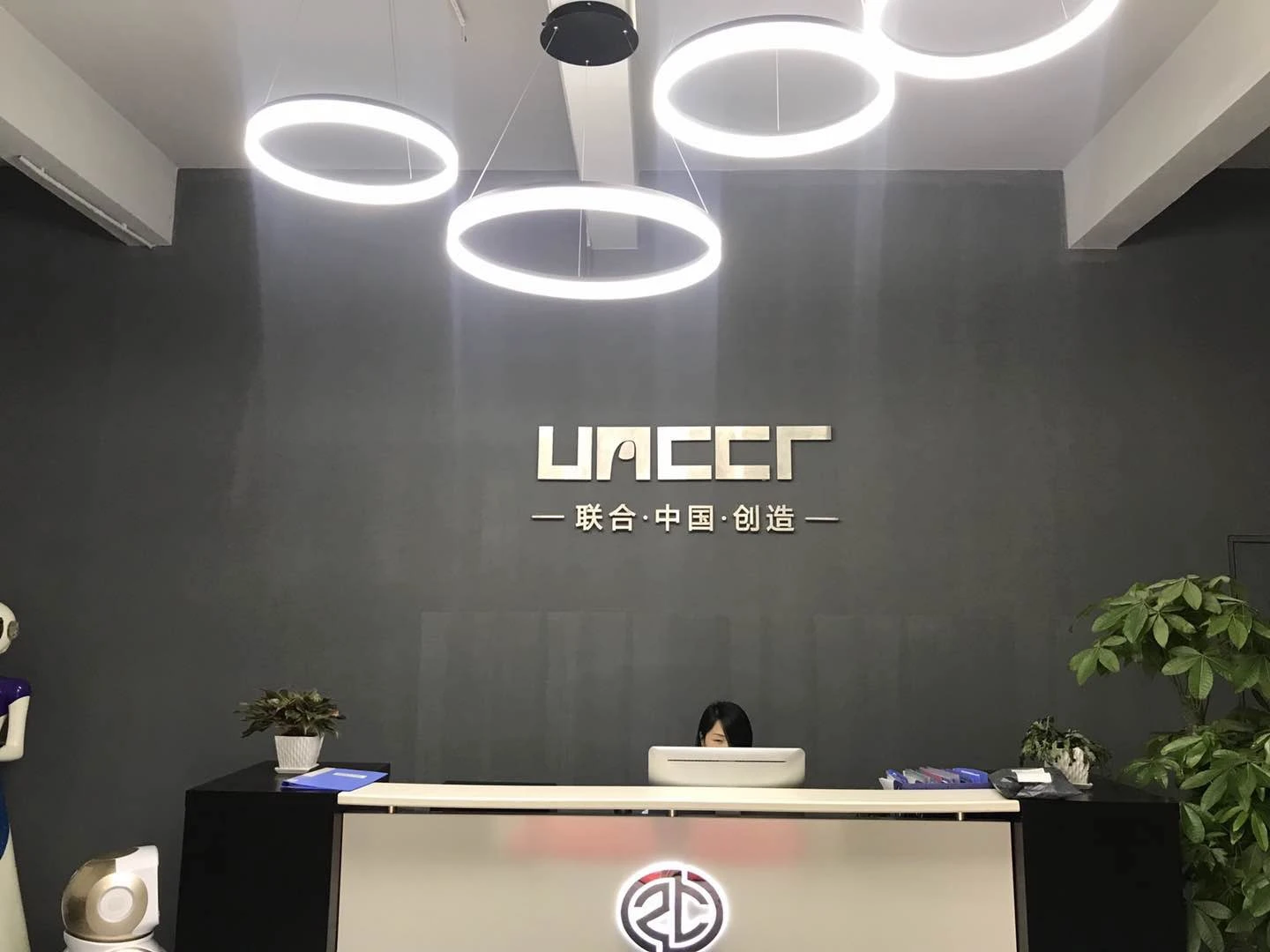
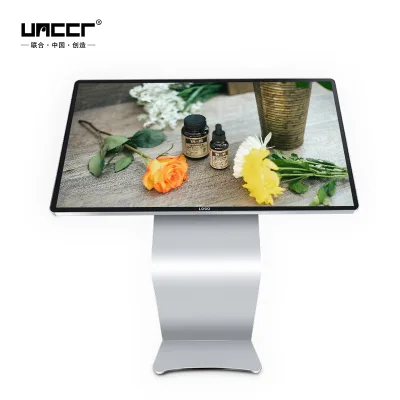
Shenzhen Unccr Science Technology Development Co., Ltd.
- Manufacturer
- Guangdong, China
- Lead time0 days
- Avg. response≤ 2h
Main productslcd digital signage,floor stand digital signage,wall mount digital signage,touch screen kiosk,lcd video wall
Main marketsWestern Europe(20.0%), Eastern Europe(20.0%), North America(20.0%), Domestic Market(10.0%), Northern Europe(10.0%), Central America(10.0%), Mid East(10.0%)
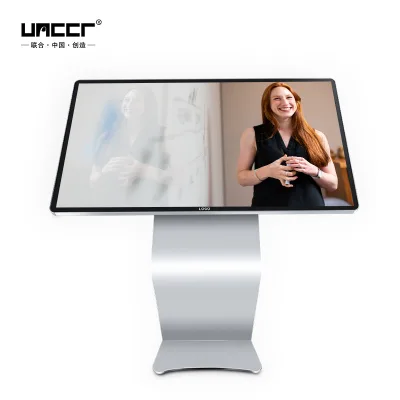
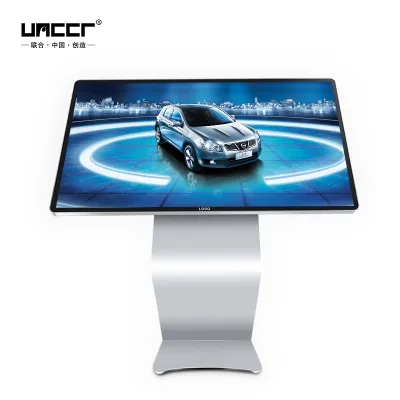
32" Android OS Infrared pc touch screen monitors billboard touch screen information kiosk
$650.00 - $670.00
Moq: 1
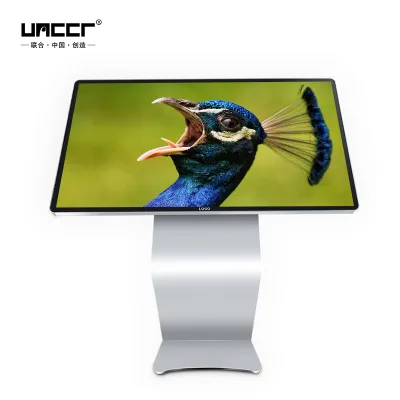

iMGS Smart Glass Technologies(Fujian)Co., Ltd.
- Verified by TUVRHEINLAND
- Combined
- China Fujian
- Lead time15 days
- Avg. response≤ 1h
Main productsAdvertising Machine, LCD Display, LCD Screen, Traditional Screen, Touch Screen, LED Screen, Kiosk, Digital Signage, Smart TV
Main marketsDomestic


16.4 Inch -49.5 Inch Touch Interactive Digital Signage Kiosk Display Digital Signage
$150.00 - $279.00
Moq: 1

Dongguan Kingone Technology Co., Ltd.
- Verified by SGS
- Combined
- China Guangdong
- Lead time15 days
- Avg. response≤ 5h
Main productsDigital Signage, Advertising Display, Interactive Whiteboard, Interactive Flat Panel, Smart Board, Touch Screen Kiosk, Industrial PC Panel, Wall Mount Display, Digital Kiosk, Outdoor Digital Signage
Main marketsDomestic

Guangzhou Xishida Information Technology Co., Ltd.
- Verified by CTI
- Combined
- China Guangdong
- Lead time45 days
- Avg. response≤ 2h
Main productsSelf Service Kiosk Touch Screen Kiosk
Main marketsSoutheast Asia/ Mideast,Domestic,Europe,North America


Interactive Touch Screen Self Service Payment Kiosk Payment Self Service Kiosk
$780.00 - $980.00
Moq: 1

Shenzhen LCDKIOSK Technology Co., Ltd.
- Verified by BV
- Combined
- China Guangdong
- Lead time30 days
- Avg. response≤ 9h
Main productsDigital Signage, Indoor Touch Kiosk, Video Wall, Ad Player, Outdoor Touch Kiosk, Digital Touch Screen, Smart TV, LCD Display, Digital Poster, Interactive Intelligent Terminal
Main marketsEast Asia(Japan/ South Korea),Europe,Australia,North America


21.5-Inch Horizontal Touch Terminal All-in-One Machine Interactive Touch Kiosk
$623.00 - $836.00
Moq: 1

Hongxi Technology (Guangzhou) Co., Ltd.
- Verified by BV
- Trading Company
- China Guangdong
- Lead time30 days
- Avg. response≤ 3h
Main productsSmart TV, Interactive Whiteboard, Advertising Equipment, Video Wall, Full Colour LED, Touch Screen Kiosk, Advertising Media Displayer, Curved TV, OLED TV
Main marketsAustralia

Shenzhen Yiruochu Technology Co., Ltd.
- Verified by SGS
- Trading Company,Manufacturer/Factory
- China Guangdong
- Lead time0 days
- Avg. response≤ 2h
Main productsDigital Signage, Floor Stand Kiosk/Wall Mounting, LCD Display, Smart Whiteboard, LED Screen, Self-Service Kiosk, Ad Player, Bar Screen, LED Display, OLED Display

Shenzhen Letine Technology Co., Ltd.
- Verified by CTI
- Combined
- China Guangdong
- Lead time15 days
- Avg. response≤ 6h
Main productsPC Monitor, Advertising Player, Demo Server, Gaming Monitor, Rugged Tablet, Ai Solution, Graphics Card, Motherboard
Main marketsSouth America,Africa,Southeast Asia/ Mideast,Europe,Australia,North America

Shenzhen Rsc Display Electronic Technology Co., Ltd.
- Verified by BV
- Combined
- China Guangdong
- Lead time15 days
- Avg. response≤ 12h
Main productsDisplay
Main marketsDomestic

Exhibition Interactive Information Kiosk Display Touch Screen Self Service Kiosk
$350.00 - $700.00
Moq: 1

22-Inch Supply Android Windows OS Touch Screen Self Service Payment Kiosks Terminal
$350.00 - $799.00
Moq: 1

Shenzhen Grandtop Electronics Co., Ltd.
- Trading Company,Manufacturer/Factory
- China Guangdong
- Lead time30 days
- Avg. response≤ 15h
Main productsPCB Assembly, Robotic Control PCB Assembly, Industrial Control PCBA, Medical PCBA, Financial PCBA, Contract Manufacturer, Automatic Control PCB Assembly, OEM &ODM PCBA, Turnkey Service PCBA, One Stop PCB Assembly
Main marketsSouth America,Eastern Europe,Mid East,North America,Southeast Asia,Eastern Asia,Western Europe,Africa


Touch Screen Digital Signage E-Payment Advertising Kiosk with Camera and Speaker in China
$400.00 - $1800.00
Moq: 1


Dongguan Kingone Electronics Co., Ltd.
- Verified by BV
- Combined
- China Guangdong
- Lead time15 days
- Avg. response≤ 7h
Main productsTouch Screen Kiosk, Interactive Whiteboard, Advertising Player, Queue Management System, Stand Digital Signage, Wall Digital Signage, Outdoor Digital Signage
Main marketsSouth America,Africa,East Asia(Japan/ South Korea),Europe,Australia,North America


21.5/32/43 Inch All in One Touch Screen Information Kiosk with Android Windows OS PC Stand
$710.00 - $750.00
Moq: 1

4K Free Stand LCD Self Service Touch Screen Monitor Advertising Information Kiosk
$710.00 - $750.00
Moq: 1

Shenzhen Dinosaur Display Co., Ltd.
- Verified by SGS
- Trading Company,Manufacturer/Factory
- China Guangdong
- Lead time15 days
- Avg. response≤ 6h
Main productsDisplay, Digital Signage, Interactive Whiteboard, Smart Touch Table, Vido Wall, Payment Kiosk
Main marketsSouth America,Eastern Europe,Mid East,North America,Southeast Asia,Eastern Asia,Oceania,Western Europe,Africa


High-Quality 43 55-110 Inch Interactive K Type LCD Touch Screen Digital Signage
$239.00 - $295.00
Moq: 1


Comprehensive Sourcing Guide
Android Interactive Touch Screen Kiosk Supplier Concentration and Factory Types
Current data indicates that verified manufacturing capabilities for Android interactive touch screen kiosks are concentrated in specific Chinese regions, with Shanghai and Guangdong emerging as primary hubs for this equipment. Factories in these locations often operate as combined entities, offering both Original Design Manufacturing and Original Equipment Manufacturing services alongside their own branded product lines. This dual capability allows suppliers to provide customized solutions while maintaining standardized production for broader market needs. The presence of these combined company types suggests a mature supply chain where design, assembly, and branding are integrated within the same facility, reducing the need for external coordination during the production phase.
When evaluating the factory type, buyers should look for evidence of ODM and OEM capacity, which signals the ability to adapt hardware and software to specific operational requirements. Some suppliers in these regions have established their own brands, indicating a level of market confidence and long-term investment in product development. The main product lists for these facilities frequently include a wide range of digital signage, industrial panel PCs, and various kiosk models, suggesting a versatile production environment. Buyers must verify if the specific factory they are engaging has the physical capacity to handle their order volume, as the concentration of these facilities in Shanghai and Guangdong does not guarantee immediate availability for all potential clients without prior confirmation.
How to Verify Android Interactive Touch Screen Kiosk Suppliers
Verification of suppliers for Android interactive touch screen kiosks relies heavily on third-party audit results and system certifications rather than self-reported claims. Current records show that some suppliers have undergone verification by agencies such as SGS and BV, providing an external layer of trust regarding their business legitimacy and operational stability. These verification badges are critical indicators that the supplier has passed specific checks on their business license, factory floor, and production capabilities. Buyers should prioritize suppliers displaying these specific verification marks, as they represent a higher standard of due diligence compared to unverified entities.
In addition to third-party verification, system certifications like ISO9001:2015 and ISO14001:2015 serve as essential benchmarks for quality management and environmental compliance. The presence of these certificates suggests that the supplier adheres to international standards for manufacturing processes and product consistency. For Android interactive touch screen kiosks, which involve complex electronics and software integration, these certifications are particularly relevant as they indicate a structured approach to quality control. Buyers should request copies of these certificates to confirm their validity and ensure they cover the specific manufacturing activities relevant to the kiosk production. Without these documented proofs, the reliability of the supplier's quality assurance processes remains unconfirmed.
What to Compare Across Android Interactive Touch Screen Kiosk Suppliers
When comparing potential suppliers, response time and lead time are critical operational metrics that directly impact project timelines and inventory planning. Data indicates that response times can vary significantly, with some suppliers demonstrating a response speed of approximately 9.27 hours while others may take up to 11.75 hours. Similarly, lead times for production and delivery range from 15 days to 30 days depending on the specific product configuration and current factory workload. Buyers must evaluate these timeframes against their own project schedules to ensure that the supplier can meet delivery deadlines without causing bottlenecks in their supply chain.
Beyond time metrics, the Minimum Order Quantity (MOQ) and pricing structures offer another layer of comparison for procurement decisions. Available data shows that some suppliers offer a low MOQ of just one unit, which is advantageous for testing or small-scale deployments, while others may have higher thresholds. Pricing for similar Android Interactive Touch Screen Kiosk models can vary, with observed ranges starting from approximately $329 up to $899 depending on screen size, operating system, and customization features. Buyers should analyze these price points in conjunction with the MOQ to determine the total cost of ownership. Additionally, comparing the main product portfolios helps identify suppliers who specialize in the specific type of kiosk required, ensuring that the vendor has the necessary expertise and component availability.
Common Android Interactive Touch Screen Kiosk Sourcing Risks
One significant risk in sourcing Android interactive touch screen kiosks involves the discrepancy between advertised specifications and actual product attributes, particularly regarding touch technology and operating systems. Product evidence reveals variations in touch screen types, with some units listed as capacitive while others are infrared or non-touch, despite similar marketing keywords. There are also inconsistencies in operating system claims, with some products supporting Android while others rely on Windows or Windows Mobile. Buyers must rigorously verify the specific technical attributes of the unit they intend to purchase, as the generic keyword "Android Interactive Touch Screen Kiosk" may encompass a wide range of hardware configurations that do not meet specific operational needs.
Another critical risk relates to the origin and standardization of the components used in the kiosks. While some product evidence points to origins in Guangzhou or general China production, the specific standards and certifications applied to the final assembly can vary. For instance, while some units carry CE, GS, CCC, and ISO certifications, others may only list partial compliance. This inconsistency can lead to regulatory hurdles in the buyer's target market, especially for outdoor or public-facing installations. Furthermore, the availability of customization is listed as "Available" in many cases, but the extent of this customization and the associated costs are not always transparent. Buyers need to clarify the scope of customization and the specific standards applied to ensure the final product meets all necessary safety and performance requirements.
Android Interactive Touch Screen Kiosk Regional Sourcing and Logistics
Sourcing from the identified regions of Shanghai and Guangdong offers distinct logistical advantages due to their established infrastructure for exporting electronic equipment. Factories in these areas are accustomed to handling international shipments, often utilizing standard packaging methods such as wooden cases or cartons to protect sensitive electronic components during transit. The proximity of these manufacturing hubs to major ports facilitates efficient loading and reduces the overall transit time for goods destined for global markets. Buyers should consider the specific location of the factory within these regions, as proximity to the port can influence shipping costs and delivery speed, particularly for large or heavy kiosk units.
However, regional sourcing also presents challenges related to customs clearance and import regulations in the destination country. The product origin, whether listed as China or a specific city like Guangzhou, must be accurately declared to avoid delays at customs. Additionally, the type of packaging used, such as wooden cases, may require specific treatment certificates to comply with international phytosanitary standards. Buyers should verify the packaging specifications and ensure that the supplier provides all necessary documentation for export. Understanding the logistics capabilities of the supplier, including their experience with freight forwarding and customs brokerage, is essential for a smooth delivery process. This knowledge helps mitigate the risk of unexpected delays or additional costs associated with international shipping.
Android Interactive Touch Screen Kiosk Commercial Terms and Order Planning
Commercial terms for Android interactive touch screen kiosks often include specific details regarding payment, warranty, and after-sales support that must be clearly defined before order placement. While some suppliers offer flexible terms, the specific conditions can vary widely, and buyers should not assume standard practices apply without confirmation. The presence of escrow services or other payment protection mechanisms can provide an additional layer of security for the buyer, ensuring that funds are only released upon satisfactory delivery. It is crucial to negotiate these terms explicitly, as they form the legal basis of the transaction and protect both parties in case of disputes regarding product quality or delivery timelines.
Order planning must also account for the customization options available and the associated lead times. Since customization is listed as available for many models, buyers should understand the impact of these requests on the production schedule. For instance, a customized unit may require a longer lead time than a standard model, potentially extending the 15 to 30-day window observed in general data. Buyers should also consider the storage and memory specifications, such as 4GB RAM and 128GB SSD, which may influence the final price and performance. By aligning the order plan with the supplier's capacity and customization capabilities, buyers can ensure a realistic timeline and avoid potential delays in their deployment strategy.
FAQs
What is the typical lead time for manufacturing Android touch screen kiosks?
Manufacturing lead times typically range from 15 to 30 days depending on the supplier location and order volume. Suppliers in Guangdong often offer faster turnaround times around 15 days, while those in Shanghai may require up to 30 days. Buyers should confirm specific schedules with the supplier before placing orders to ensure timely delivery.
What certifications are commonly available for these interactive kiosks?
Common certifications include ISO9001:2015, ISO14001:2015, CE, RoHS, FCC, CCC, and GS. Many suppliers hold ISO9001:2015 certificates, and some provide additional product-specific certifications like CE or FCC. Buyers should verify the exact certification list for their target market and request valid certificates during the sourcing process to ensure compliance.
What is the minimum order quantity for Android interactive kiosks?
The minimum order quantity is often as low as one unit, allowing for sample testing or small pilot orders. Some suppliers may have different MOQs for customized models or bulk production runs. Buyers should check the specific MOQ requirements for each product model and confirm if sample orders are eligible for customization.
How quickly do suppliers typically respond to sourcing inquiries?
Response times vary, with some suppliers responding within approximately 9 to 12 hours. Faster response times are often associated with suppliers in specific regions like Guangdong. Buyers should prioritize suppliers with quick response indicators to ensure efficient communication throughout the sourcing and negotiation process.
What screen sizes are available for Android interactive touch screen kiosks?
Available screen sizes typically range from 32 inches to 65 inches, with common options including 40-50 inches. Some models offer specific sizes like 43, 50, or 55 inches. Buyers should select the appropriate screen size based on their application requirements and verify availability with the supplier for their specific model.
Are customization options available for these kiosks?
Yes, customization is widely available, including OEM, ODM, and own brand services. Buyers can customize screen technology, operating systems, and physical dimensions. Suppliers often support customized packaging and specific interface types. Buyers should discuss their specific customization needs with the supplier to ensure the final product meets their requirements.
What is the price range for Android interactive touch screen kiosks?
Prices typically range from approximately $329 to $899 per unit, depending on the model and specifications. Lower-priced models may start around $329, while more advanced units can reach up to $899. Buyers should request detailed quotes for specific models to understand the exact pricing and any additional costs for customization or shipping.