Flexible Foot Foam Box Suppliers and Manufacturers
Compare 24 verified suppliers offering flexible foot foam boxes with varying lead times, MOQs, and certifications like ISO13485. Review response times and product attributes to select the right partner for your medical device needs today; review the available evidence before requesting comparable quotations from suitable candidates.
Suppliers List
SHIJIAZHUANG AOSUO INTERNATIONAL TRADE CO., LTD.
- Verified by Intertek
- Manufacturer, Trading Company
- Lead time3 days
- Avg. response≤ 2h
Main productsProsthetic Foot, Prosthetic Leg, Prosthetic Arm, Prosthetic Equipment, Prosthetic and Orthopedic
Main marketsEastern Asia(20%), South America(19%), Africa(18%)
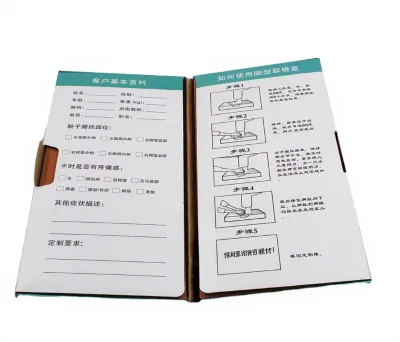
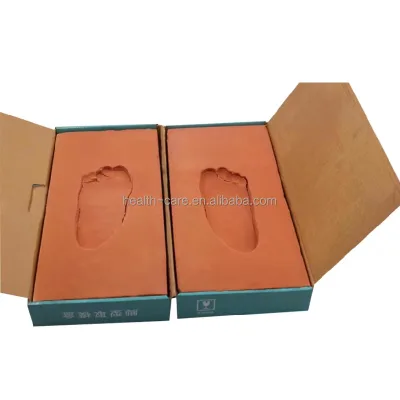
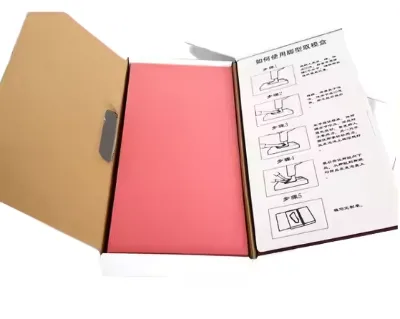
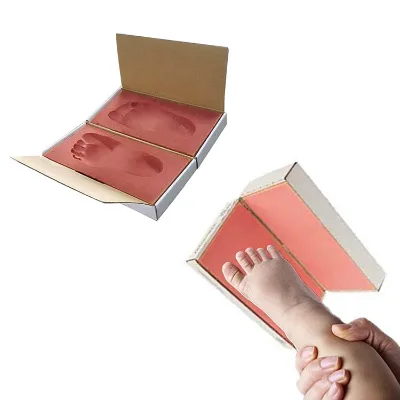
Prosthetic Material,foot Impression Box,Foam Box for Measuring,Orthopedic Shoes
$3.50 - $12.00
MOQ: 100
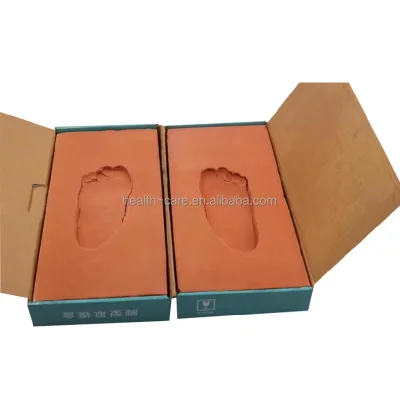
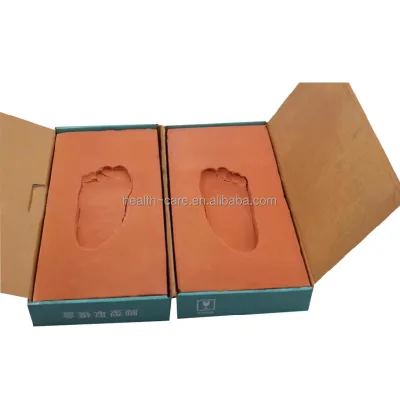
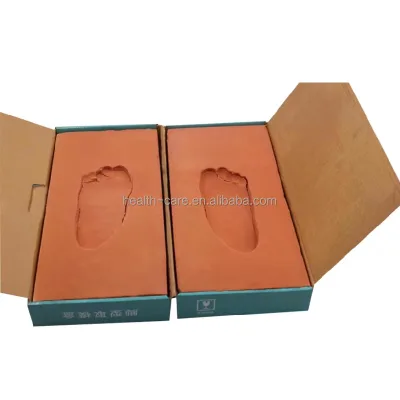

Qingdao Simingrui Precise Technology Co.,Ltd
- Verified by SGS
- Combined
- China Shandong
- Lead time30 days
- Avg. response≤ 11h
Main productsEPP Foam, EPP Mould, EPP Product, EPS Machine, Etpu
Main marketsEast Asia(Japan/ South Korea),Europe,North America

Changzhou Xingang Plastic Products Co., Ltd
- Verified by TUVRHEINLAND
- Combined
- China Jiangsu
- Lead time30 days
- Avg. response≤ 3h
Main productsFlexible Polyurethane, Rigid Polyurethane, Gaskets, Parts, Polyurethane Products, PU, PUR, PU Foam, Foam, PU Products
Main marketsDomestic

Flexible Polyurethane PU Foam Custom Box
MOQ: 1 Pieces

Flexible Polyurethane PU Foam Custom Box II
MOQ: 1 Pieces

Flexible Polyurethane PU Foam Custom Handle
MOQ: 1 Pieces

QINGDAO GOFAI RUBBER & PLASTIC PRODUCTS CO., LIMITED
- Verified by BV
- Combined
- China Shandong
- Lead time15 days
- Avg. response≤ 7h
Main productsResilient Sound Isolation Clip, Marine Rubber Fender, USB RJ45 HDMI DVI VGA PS2 SATA 2.0 Dust Cover, Dva Rubber Vibration Dumping, 3m Self Adhesive Rubber Pad, Washing Anti-Vibration Pads, Dock Fender, Tug Boat Fender, Ship Fender, Mooring Bollard
Main marketsSoutheast Asia/ Mideast,East Asia(Japan/ South Korea),Europe,Australia,North America

Zhejiang B&J Electrical Co., Ltd.
- Verified by BV
- Combined
- China Zhejiang
- Lead time23 days
- Avg. response≤ 4h
Main productsEnclosure Box, Plastic Junction Enclosure, Industrial Cabinet, Electric Box, Junction Box, Terminal Enclosure, Control Cabinet, Wall-Mounting Enclosure, Nice Box, Switch Enclosure
Main marketsAfrica,Southeast Asia/ Mideast,East Asia(Japan/ South Korea),Europe,Australia,North America

MOQ: 50 Pieces


Zhengzhou Yuexiu Industrial Co., Ltd
- Trading Company,Manufacturer/Factory
- China Henan
- Lead time23 days
- Avg. response≤ 4h
Main productsPU Integral Skin Foam, High Resilience PU Foam, Low Resilience PU Foam, Molded PU Foam, Corner Guard, PU Handles, Foam Seat, Foam Insert, PU Suspension Bushing, PU Foam Products
Main marketsSouth America,Eastern Europe,Mid East,North America,Southeast Asia,Eastern Asia,Oceania,Western Europe,Africa


Customized Shockproof Anti Shake Protective Package Foam Box Foam Insert
$0.10 - $3.90
MOQ: 500 Pieces


High Quality EVA/PU Foam Sponge Insert Package Customized PU Foam Box Insert
$0.10 - $3.90
MOQ: 500 Pieces

Changzhou Fan Ya He Hong Plastic Co., Ltd.
- Verified by SGS
- Combined
- China Jiangsu
- Lead time15 days
- Avg. response≤ 3h
Main productsEVA Foam, PU Sponge, PE Foam, PU Foam, EPE Foam, Felt for Heat and Sound Insulation, Egg Tray Made of EPE Foam or Pulp Mold, Yoga Mat, Swimming Board, Floating Mat
Main marketsSoutheast Asia/ Mideast,Domestic

FULE (JINJIANG) FOOTWEAR MATERIAL CO., LTD.
- Verified by CTI
- Combined
- China Fujian
- Lead time15 days
- Avg. response≤ 1h
Main productsPU Foam, Memory Foam, Recycled Foam, Hi-Poly Foam, High Elastic Foam, Ortholite Foam
Main marketsDomestic

Changzhou Galaxy Rubber and Plastic Technology Co., Ltd.
- Verified by TUVRHEINLAND
- Combined
- China Jiangsu
- Lead time15 days
- Avg. response≤ 6h
Main productsPE Foam, EVA Foam, PE Roll, EVA Roll, EVA Packing, EVA Mat
Main marketsSoutheast Asia/ Mideast,Europe


Foam Packaging, Environmental Protection, Tasteless, Shock Buffering, Factory Direct Sales, Foam Box
$1.00 - $2.20
MOQ: 5000 Pieces


Shenzhen Dongtai Sponge Product Co., Ltd.
- Verified by Intertek
- Manufacturer, Trading Company
- Lead time20 days
- Avg. response≤ 2h
Main productsPackaging Foam, EVA Foam, Foam Mat, Kneeling Foam, Foam Toys
Main marketsNorth America(43%), Western Europe(22%), Eastern Asia(20%)

Guangdong Ctube Industry Co., Ltd.
- Verified by BV
- Combined
- China Guangdong
- Lead time30 days
- Avg. response≤ 4h
Main productsPVC Conduit, PVC Conduit Fittings, Rigid Conduit, Flexible Conduit, LSZH Conduit, Junction Box, Adapatable Box, Electrical Flexible Hose, Solar Conduit, Electrical Conduit
Main marketsDomestic

Wenzhou Sinoamigo Electric Co.,Ltd
- Verified by BV
- Manufacturer/Factory
- China Zhejiang
- Lead time23 days
- Avg. response≤ 2h
Main productsFloor Boxes, Floor Sockets, Receptacles, Desk Sockets, Wall Switches, Sockets, Wiring Solution, Outlet Boxes, Outlets, Electrical Outlet
Main marketsSouth America,Mid East,North America,Eastern Asia,Africa

Taizhou Shangyi Plastic Co., Ltd.
- Verified by TUVRHEINLAND
- Trading Company
- China Zhejiang
- Lead time23 days
- Avg. response≤ 18h
Main productsFood Container, Storage Container, Lunch Box, Bento Box, Plastic Laundry Basket, Plastic Storage Container, Plastic Cutting Board
Main marketsSouth America,Southeast Asia/ Mideast

Changzhou Junye Aluminum Case Co., Ltd.
- Verified by TUVRHEINLAND
- Trading Company,Manufacturer/Factory
- China Jiangsu
- Lead time23 days
- Avg. response≤ 19h
Main productsAluminum Case, Aluminium Case, Tool Case, Aluminum Tool Box, Gun Case, Aluminium Box, Travel Case, Aluminum Instrument Case, Makeup Box, Medical Case
Main marketsSouth America,Eastern Europe,Mid East,North America,Southeast Asia,Eastern Asia,Western Europe,Africa


MOQ: 100 Pieces

MOQ: 100 Pieces
Changsha Baozhinuan Insulation Materials Co., Ltd.
- Verified by CTI
- Combined
- China Hunan
- Lead time15 days
- Avg. response≤ 4h
Main productsXPS Board.
Main marketsDomestic
Shenzhen Fastlink Communication Group Co., Ltd
- Verified by SGS
- Trading Company
- China Guangdong
- Lead time15 days
- Avg. response≤ 1h
Main marketsSoutheast Asia/ Mideast,Europe

Versatile Modular Box with Custom Thickness and Color Options Available
$10.00 - $12.00
MOQ: 10 Pieces

Changzhou Chengda Sponge Co., Ltd.
- Manufacturer
- Jiangs, China
- Lead time7 days
- Avg. response≤ 14h
Main productspolyurethane foam,reticulated foam,packaging foam,acoustic foam,foam insert
Main marketsDomestic Market(40.00%), North America(10.00%), Western Europe(10.00%), Southern Europe(10.00%), Eastern Europe(10.00%), Eastern Asia(5.00%), Central America(5.00%), South Asia(5.00%), Africa(2.00%), Southeast Asia(2.00%), Northern Europe(1.00%)
Qingdao Guanshan Industry Co., Ltd
- Verified by SGS
- Manufacturer/Factory
- China Shandong
- Lead time15 days
- Avg. response≤ 2h
Main productsPE Foam Sheet, EVA Foam Sheet, Sponge Rubber Sheet, EPDM Sponge Rubber Sheet, Silicone Foam Sheet, Sponge Silicone Foam Sheet, PVC Foam Sheet, Foam Insert, Die Cut Foam, Foam Tape
Main marketsSouth America,Eastern Europe,Mid East,North America,Southeast Asia,Eastern Asia,Oceania,Western Europe
Hangzhou Epsole Technologies Co., Ltd.
- Trading Company
- China Zhejiang
- Lead time45 days
- Avg. response≤ 2h
Main productsEPS Machine, EPS Raw Material, EPS Moulds, EPS Accessories
Main marketsSouth America,Africa,Southeast Asia/ Mideast,Europe,Australia,North America

Mengyin Runlu Import and Export Trading Co., Ltd
- Verified by SGS
- Combined
- China Shandong
- Lead time15 days
- Avg. response≤ 3h
Main productsExploration Core Box, PVC Pipe, Plastic Pipe, PVC Wire Filter Water Pipe, PE Water Supply Pipe, HDPE Pipe, PVC High Pressure Water Pump, Investigate The Core Box, PVC Well Water Casing, PVC Series Wall Pipe
Main marketsDomestic

Lightweight Corrosion Resistant Core Box for Easy Handling and Transport
$2.50 - $3.00
MOQ: 100 Pieces

Lightweight Reinforced Corrosion Resistant Core Box for Strength and Portability
$2.50 - $3.00
MOQ: 100 Pieces

Ningbo Yinzhou Henglu Plastic Industry&Trading Co., Ltd.
- Verified by BV
- Trading Company,Manufacturer/Factory
- China Zhejiang
- Lead time23 days
- Avg. response≤ 13h
Main productsBumper, Fender, Dock Cleat, Marine Hardwares, Marine Steering Wheel, Boat Seat, Boat Accessories, Dock Wheel, Auto Steering Wheel, OEM Plastic Parts
Main marketsNorth America,Southeast Asia,Eastern Asia,Oceania,Western Europe

MOQ: 1000 Pieces

MOQ: 1000 Pieces

Shandong Kaichuan Electric Power Equipment Co., LTD
- Verified by SGS
- Combined
- China Shandong
- Lead time15 days
- Avg. response≤ 13h
Main marketsDomestic

Dongguan Prosperity Sports Goods Co., Ltd.
- Verified by SGS
- Trading Company,Manufacturer/Factory
- China Guangdong
- Lead time23 days
- Avg. response≤ 3h
Main productsEVA Case, EVA Tool Bag, EVA Pouch, Neoprene Can Cooler, Knee Support, Laptop Bag, Neoprene Lunch Bag, Neoprene Beer Cooler, Ankle Support, Waterproof Dry Bag
Main marketsSouth America,Eastern Europe,Mid East,North America,Southeast Asia,Eastern Asia,Oceania,Western Europe,Africa

- Verified by BV
- Manufacturer/Factory
- China Guangdong
- Lead time15 days
- Avg. response≤ 2h
Main productsESD Products, Cleanroom Products, Reliability Test Equipment, ESD Consumables, Purification Equipment, Hardwares, Electronic Compenents, Tools, Filtering Parts
Main marketsSouth America,Eastern Europe,Mid East,North America,Southeast Asia,Eastern Asia,Oceania,Western Europe,Africa

MOQ: 50 Pieces

MOQ: 50 Pieces






Comprehensive Sourcing Guide
Flexible Foot Foam Box Supplier Concentration and Factory Types
The current supplier landscape for flexible foot foam boxes reveals a mix of manufacturers and trading companies operating primarily within specific Chinese provinces. Evidence indicates that several suppliers are located in Hebei, China, where they specialize in Class I medical devices and orthopedic accessories. These entities often list main products including prosthetic equipment, orthopedic shoes, and various impression kits. The presence of these suppliers suggests a regional cluster focused on medical device manufacturing, though the exact density of factories versus trading firms varies by specific product line. Some suppliers in this region offer customized on-demand processing and graphic processing capabilities, indicating a capacity for tailored production rather than just standard inventory sales.
In contrast, other supplier results point to a different industrial focus in Shandong, China, specifically around Qingdao. These suppliers often list EPP foam, EPP molds, and packaging solutions as their core competencies, suggesting a broader industrial base that may include medical packaging but is not exclusively dedicated to foot impression tools. The company types observed include combined entities that handle both manufacturing and trading functions. When evaluating concentration, buyers should look for suppliers explicitly stating their origin in Hebei for medical-grade foam boxes or Shandong for general industrial foam packaging. The distinction is critical because a supplier in Hebei may have specific certifications for medical instruments, while a Shandong-based entity might focus on logistics and protective packaging standards.
How to Verify Flexible Foot Foam Box Suppliers
Verification of suppliers for flexible foot foam boxes requires checking specific third-party credentials and system certifications that confirm their operational legitimacy. Several observed suppliers hold ISO13485 certification, which is a standard specifically for medical device quality management systems. This certification is particularly relevant for products classified as Class I medical instruments, such as foot impression boxes used in clinical settings. Additionally, some suppliers have undergone verification processes by Intertek or SGS, providing an external layer of trust regarding their business practices and product quality. Buyers should prioritize suppliers displaying these specific verification badges rather than relying solely on platform ratings or self-reported claims.
Beyond certifications, the response time and lead time data provide tangible metrics for assessing supplier reliability. Current data shows response times ranging from 2 hours to nearly 11 hours, with lead times varying significantly from 3 days to 30 days. A supplier with a 2-hour response time and a 3-day lead time demonstrates a high level of operational efficiency, whereas a 30-day lead time suggests a longer production cycle or potential logistical bottlenecks. Buyers must cross-reference these metrics against their own project timelines. It is essential to confirm that the stated response time applies to the specific product category, as some suppliers may respond quickly to general inquiries but require longer lead times for customized medical foam boxes.
What to Compare Across Flexible Foot Foam Box Suppliers
When comparing suppliers, the Minimum Order Quantity (MOQ) is a primary differentiator that directly impacts procurement strategy. Evidence shows a wide range of MOQs, with some suppliers requiring as few as 10 pieces, while others mandate orders of 100 or even 200 units. For instance, certain foot impression foam kits have an MOQ of 10 pieces, whereas EPP tool boxes may require 200 units. This variation allows buyers to select partners that align with their inventory needs, whether they are testing a new market with small batches or securing bulk stock for established distribution channels. Comparing these thresholds helps avoid over-investment in inventory or rejection of orders due to insufficient volume.
Price and material specifications also require careful comparison across the supplier pool. Product prices for flexible foot foam boxes can range from approximately $3.50 to $15.00 per unit, depending on the material composition and customization level. Some suppliers offer foam boxes made from standard foam or foamed plastic, while others provide options with specific features like waterproofing or custom colors. The material classification, such as Class I medical devices, often correlates with higher price points and stricter quality controls. Buyers should analyze the price-to-MOQ ratio to determine the most cost-effective partner, ensuring that the selected supplier offers the specific material properties required for their application without unnecessary premium costs.
Common Flexible Foot Foam Box Sourcing Risks
One significant risk in sourcing flexible foot foam boxes is the inconsistency in product classification and intended use. While many suppliers list their items as Class I medical devices, others may categorize them simply as orthotics or general packaging materials. This ambiguity can lead to compliance issues if the product is intended for clinical use but lacks the necessary medical device certifications. Buyers must verify that the specific model number and product attributes align with the regulatory requirements of their target market. Relying on a supplier who lists the product as a general box without explicit medical classification could result in rejection by healthcare providers or regulatory bodies.
Another risk involves the reliability of after-sales support and warranty terms. Some suppliers offer online technical support, while others provide no warranty or list it as "N/A." For medical equipment, the availability of technical support is crucial for troubleshooting issues related to the foam's flexibility or the box's dimensions. A supplier with a 1-year warranty offers more security than one with no stated warranty period. Additionally, the single gross weight and package dimensions vary significantly, which can impact shipping costs and damage risks during transit. Buyers should confirm that the supplier provides clear documentation on weight and dimensions to avoid unexpected logistics expenses or product damage upon arrival.
Flexible Foot Foam Box Regional Sourcing and Logistics
Regional sourcing strategies must account for the specific geographic origins of suppliers to optimize logistics and compliance. The data indicates a strong concentration of medical-grade foam box manufacturers in Hebei, China, which is a known hub for medical device production. Sourcing from this region may offer advantages in terms of specialized knowledge and regulatory alignment for Class I devices. Conversely, suppliers in Shandong, particularly those in Qingdao, often focus on EPP foam and industrial packaging. While these suppliers may offer high-quality protective boxes, their primary expertise might not align with the specific medical requirements of foot impression kits. Buyers should prioritize suppliers from Hebei for medical applications and consider Shandong suppliers for general protective packaging needs.
Logistics planning must also consider the varying lead times and shipping standards associated with different regions. Suppliers in Hebei often report lead times of around 3 days, suggesting a streamlined production process for standard medical items. In contrast, suppliers in Shandong may have lead times extending up to 30 days, potentially due to the complexity of custom EPP molding or larger order volumes. The shipping standards, such as "Sea Delivery Standard" or "Standard Package," also vary. Buyers should verify the specific packing requirements to ensure that the flexible foam boxes are protected during transit. Understanding these regional differences allows for more accurate delivery scheduling and cost estimation, reducing the risk of delays in the supply chain.
Flexible Foot Foam Box Commercial Terms and Order Planning
Commercial terms for flexible foot foam boxes vary significantly regarding payment structures and customization options. Some suppliers offer customization services, allowing buyers to specify colors, sizes, and branding, while others provide standard off-the-shelf products. The availability of customization often influences the MOQ and lead time, with custom orders typically requiring higher minimums and longer production windows. Buyers should clarify the customization process early, including whether the supplier accepts design files or requires specific model numbers. Understanding these terms helps in planning the order timeline and ensuring that the final product meets the exact specifications required for the intended application.
Order planning must also factor in the selling units and package dimensions to optimize storage and distribution. Products are often sold as single items with specific package sizes, such as 30x25x20 cm or 30x10x5 cm. These dimensions affect how many units can be shipped in a single container, directly impacting freight costs. Additionally, the single gross weight, which can range from 0.25 kg to 1.0 kg, is a critical factor in calculating shipping fees. Buyers should request detailed packing lists and weight specifications before placing an order to ensure accurate cost projections. By carefully analyzing these commercial terms, buyers can create a robust order plan that balances cost efficiency with the need for timely delivery and product quality.
FAQs
What is the minimum order quantity for foot foam impression boxes?
The minimum order quantity varies by supplier and product specifications. Some manufacturers require a minimum of 100 units, while others accept orders as low as 10 pieces. Buyers should verify the specific MOQ with the supplier before placing an order to ensure it aligns with their procurement needs.
How long does it take to receive a foot foam box order?
Lead times for foot foam impression boxes typically range from 3 to 30 days depending on the supplier. Some manufacturers offer faster turnaround times of around three days, while others may require up to thirty days for production and shipping. Buyers should confirm the exact lead time with the supplier.
Are foot foam impression boxes certified for medical use?
Many foot foam impression boxes are classified as Class I medical instruments and come with CE and ISO13485 certifications. These certifications indicate compliance with medical device standards. Buyers should request valid certification documents from the supplier to verify that the products meet the required regulatory standards for their market.
What is the price range for custom foot foam impression boxes?
The price for foot foam impression boxes generally ranges from $3.50 to $15.00 per unit. The final cost depends on factors such as customization, material quality, and order volume. Buyers should request a detailed quotation from the supplier to understand the pricing structure for their specific requirements.
Where are foot foam impression boxes typically manufactured?
Most foot foam impression boxes are manufactured in China, with specific production hubs in Hebei and Shandong provinces. Buyers can find suppliers in these regions offering various customization options. It is advisable to verify the place of origin and manufacturing capabilities with the supplier to ensure quality and reliability.
What after-sales support is available for foot foam impression boxes?
Suppliers typically provide online technical support for foot foam impression boxes. This support helps buyers with any issues related to product usage or customization. Buyers should confirm the availability and scope of after-sales service with the supplier to ensure they receive adequate assistance throughout the product lifecycle.