Anti-Stick Blade Soap Divider Suppliers and Manufacturers
Source 25 verified suppliers for Anti-Stick Blade Soap Divider machinery and accessories. Compare Hebei and Zhejiang origins, ISO certifications, lead times, and MOQs. Contact suppliers directly to request quotes and verify production capabilities; review the available evidence before requesting comparable quotations from suitable candidates.
Suppliers List
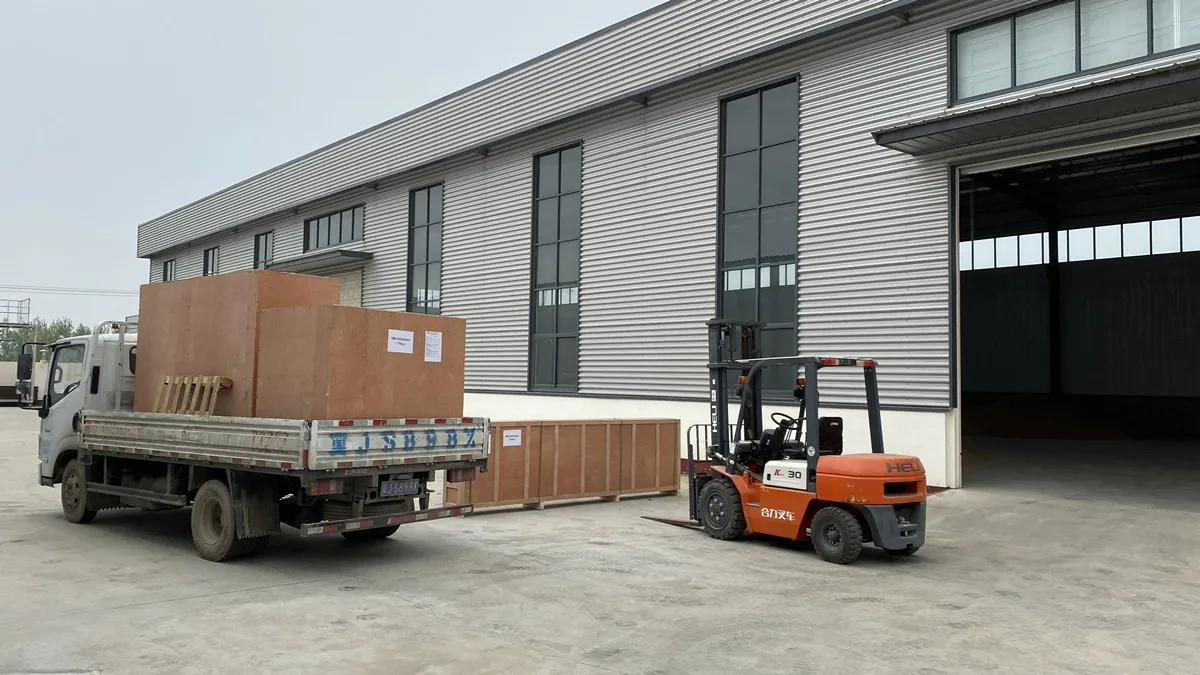
Cangzhou Pukka Machinery Co., Ltd.
- Trading Company
- Hebei, China
- Lead time7 days
- Avg. response≤ 5h
Main productsFood Machinery,Chocolate Machine,Testing Machine,Package Machine,Garlic Machine
Main marketsMid East(17.00%), North America(16.00%), Africa(13.00%), Domestic Market(10.00%), South Asia(8.00%), South America(8.00%), Southeast Asia(6.00%), Southern Europe(5.00%), Oceania(3.00%), Eastern Europe(3.00%), Northern Europe(3.00%), Central America(3.00%), Western Europe(3.00%), Eastern Asia(2.00%)
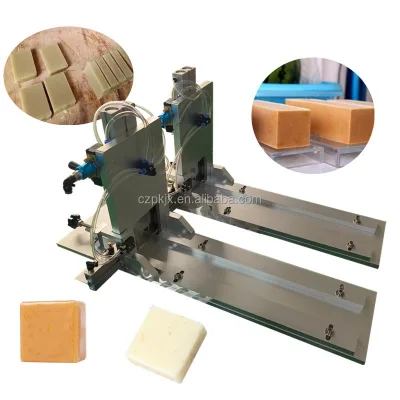
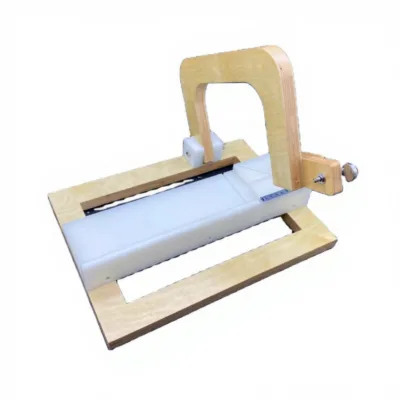
Hand Made Soap Strips Machine Soap Molder Dividers Cutter Cutting Machine
$615.73 - $697.83
MOQ: 1 sets

Hebei Qunkun Metal Products Co., Ltd.
- Verified by SGS
- Combined
- China Hebei
- Lead time15 days
- Avg. response≤ 8h
Main productsWire Mesh, Welded Wire Mesh, Stainless Steel Wire Mesh, Galvanized Iron Wire, Hexagonal Mesh, Fence, Black Wire Mesh, Shade Net, Barbed Wire, Chain Link Fence
Main marketsSouth America,North America

Ningbo Sinoflag International Trading Co., Ltd.
- Verified by TUVRHEINLAND
- Trading Company
- China Zhejiang
- Lead time23 days
- Avg. response≤ 20h
Main productsTap, Faucet, Shower, Sink, Valve, Thermostatic Shower, Shower Column
Main marketsEurope

- Trading Company
- China Guangdong
- Lead time15 days
- Avg. response≤ 5h
Main productsHouseware, Bathroom Set, Bathroom Accessory, Kitchenware, Tableware, Wine Accessory, Bath Set, Home Decoration, Soap Dispenser, Bath Ensembles
Main marketsDomestic,North America

Xiamen Ebei Import & Export Co., Ltd.
- Verified by CTI
- Trading Company,Manufacturer/Factory
- China Fujian
- Lead time45 days
- Avg. response≤ 2h
Main productsEco-Friendly Products, Bamboo Tableware, Bamboo Furniture, Bamboo Kitchenware, Bamboo Office Supply, Bamboo Fibre Products, Biodegradable Products, Bamboo Towel, Solar Energy Products, Bamboo Garden Products
Main marketsSouth America,Eastern Europe,Mid East,North America,Southeast Asia,Eastern Asia,Oceania,Western Europe,Africa
Shenzhen Early Riser International Trading Co., Ltd.
- Verified by TüVRheinland
- Trading Company
- Lead time15 days
- Avg. response≤ 3h
Main productsSilicone Soap Mold, Silicone Candle Mold, Silicone Cake Mold, Silicone Plaster Molds
Main marketsNorth America(29%), Oceania(26%), Western Europe(22%)
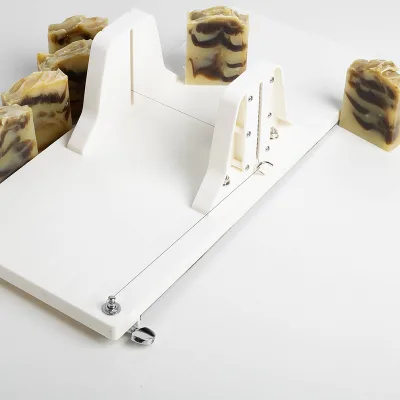
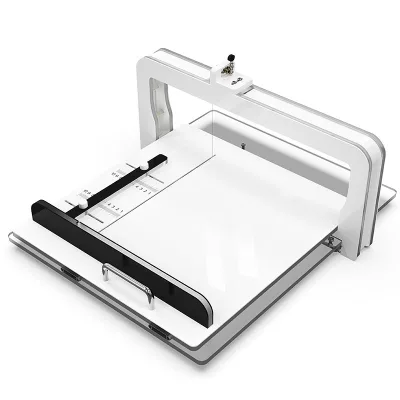
$120.00 - $130.00
MOQ: 1 pieces
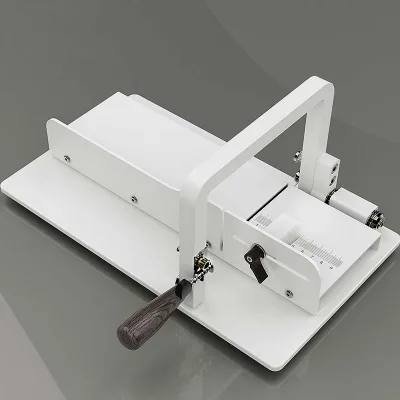
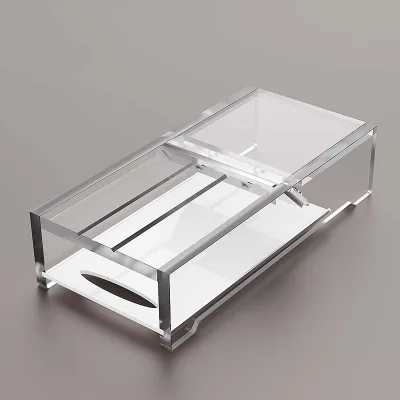
$8.50 - $11.00
MOQ: 5 pieces
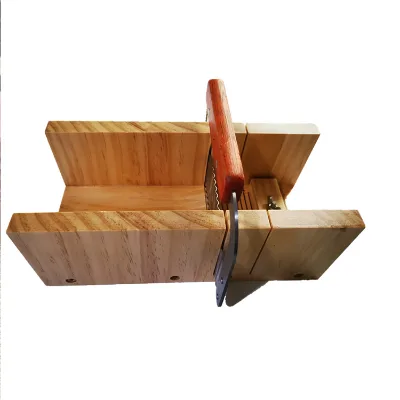

Zhangjiagang Fengyuan Import & Export Co., Ltd.
- Trading Company
- China Jiangsu
- Lead time38 days
- Avg. response≤ 13h
Main productsMicrofiber and Cotton Mops, Microfiber Cleaning Cloth, Non-Woven Wipes, Cleaning Sponges and Scouring Pads, Cleaning Dusters, Brushes and Brooms
Main marketsSouth America,Africa,Southeast Asia/ Mideast,Domestic,Europe,Australia,North America

Yuyao Haiteng Import & Export Co., Ltd.
- Trading Company
- China Zhejiang
- Lead time23 days
- Avg. response≤ 13h
Main productsShower Head, Shower Set, Rail Shower, Sliding Bar, Over Head Shower, Hand Shower
Main marketsAfrica,Southeast Asia/ Mideast,Europe

Quanzhou Shengda Rubber Products Co., Ltd.
- Verified by TUVRHEINLAND
- Combined
- China Fujian
- Lead time15 days
- Avg. response≤ 4h
Main productsO Ring, Toilet Seat Hinge Top Fix Rubber Well Nut, Rubber Seal, Silicone Gasket, Silicone Washer
Main marketsEurope

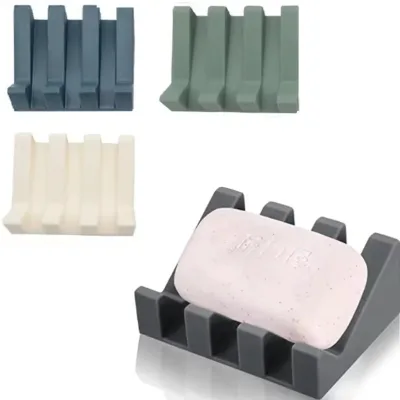
Self-Draining Soft Silicone Soap Dish Holder Anti-Slip Shell Shape Soap Stand Soap Tray
$0.55 - $0.80
MOQ: 200 Pieces

Non-Slip Drain Soap Dish Space-Saving Soap Organizer Durable Silicone Soap Holder
$0.30 - $0.50
MOQ: 300 Pieces

Kaiping City Kaipu Sanitary Ware Co., LTD
- Combined
- China Guangdong
- Lead time30 days
- Avg. response≤ 5h
Main productsBathroom Faucet, Kitchen Faucet, Shower Faucet, Bathtub Faucet, Sanitary Ware, Shower Head, Handheld Shower, Bathroom Accessories, Hardware Fittings, Shower Set
Main marketsSoutheast Asia/ Mideast,Domestic
- Verified by SGS Group
- Trading Company
- Lead time20 days
- Avg. response≤ 3h
Main productsHome Storage & Organization, Hooks & Wall Organization, Storage Racks & Shelving Units, Festive & Party Supplies
Main marketsConfidential(40%), Confidential(15%), Confidential(15%)
$0.70 - $0.90
MOQ: 100 pieces
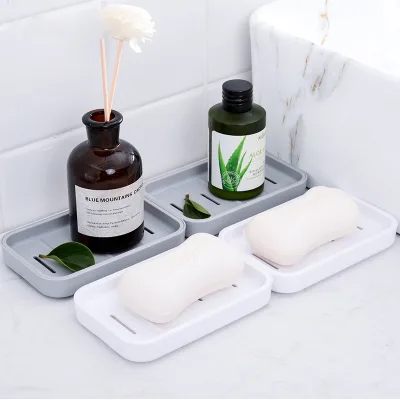
Xiamen Neway Rubber & Plastic Products Co., Ltd.
- Verified by BV
- Combined
- China Fujian
- Lead time15 days
- Avg. response≤ 3h
Main productsPlastic Injection Molding, Plastic Parts, Silicone Rubber Parts, Gasket Seals, Rubber Grommet, Mould, O Ring, Extrusion Strip, Metal Parts, Suction Cup
Main marketsSouth America,Africa,Southeast Asia/ Mideast,East Asia(Japan/ South Korea),Europe,Australia,North America

Jiangxi Huyidao Industrial Co., Ltd.
- Verified by TUVRHEINLAND
- Combined
- China Jiangxi
- Lead time23 days
- Avg. response≤ 9h
Main productsDisposable Razor, Razor, Safety Razor, Shave Foam, Razor Blade, Men Razor, Double Edge Blade, Changeable Razor, System Razor, Palstic
Main marketsSouth America,Africa,Southeast Asia/ Mideast,Europe,North America

- Verified by BV
- Trading Company
- China Zhejiang
- Lead time30 days
- Avg. response≤ 11h
Main productsLunch Box
Main marketsSouth America,Africa,Southeast Asia/ Mideast,East Asia(Japan/ South Korea),Europe,Australia,North America
Dongguan Yangtai Silicone Products Co., Ltd
- Verified by SGS
- Combined
- China Guangdong
- Lead time15 days
- Avg. response≤ 3h
Main productsSilicone Bag, Silicone Pencil Case, Silicone Products, Silicone Kitchenware, Silicone Toys, Silicone Mold, Silicone Tap Night Light, Silicone Gift
Main marketsDomestic

Pastel Color Silicone Soap Tray, Leaf Design Self-Draining Flexible Silicone Soap Dish
$0.92 - $0.96
MOQ: 500 Pieces

Waterproof Silicone Soap Dish, Pastel Leaf Shaped Drainage Soap Holder for Home
$0.92 - $0.96
MOQ: 500 Pieces

Flexible Silicone Soap Holder, Leaf Shaped Non-Slip Drainage Soap Dish for Shower & Sink
$0.92 - $0.96
MOQ: 500 Pieces

Leaf Shaped Silicone Soap Dish, Self-Draining Soft Silicone Soap Holder for Bathroom & Kitchen
$0.92 - $0.96
MOQ: 500 Pieces

QINGDAO BOYUDE MOULD AND PLASTIC CO., LTD
- Verified by SGS
- Combined
- China Shandong
- Lead time45 days
- Avg. response≤ 7h
Main productsPlastic Parts, Plastic Products, Injection Molded Parts, Plastic Injection Mould, Plastic Fittings, Plastic Component, Plastic Corner, Plastic Buckle, Injection Molding
Main marketsEast Asia(Japan/ South Korea),Europe
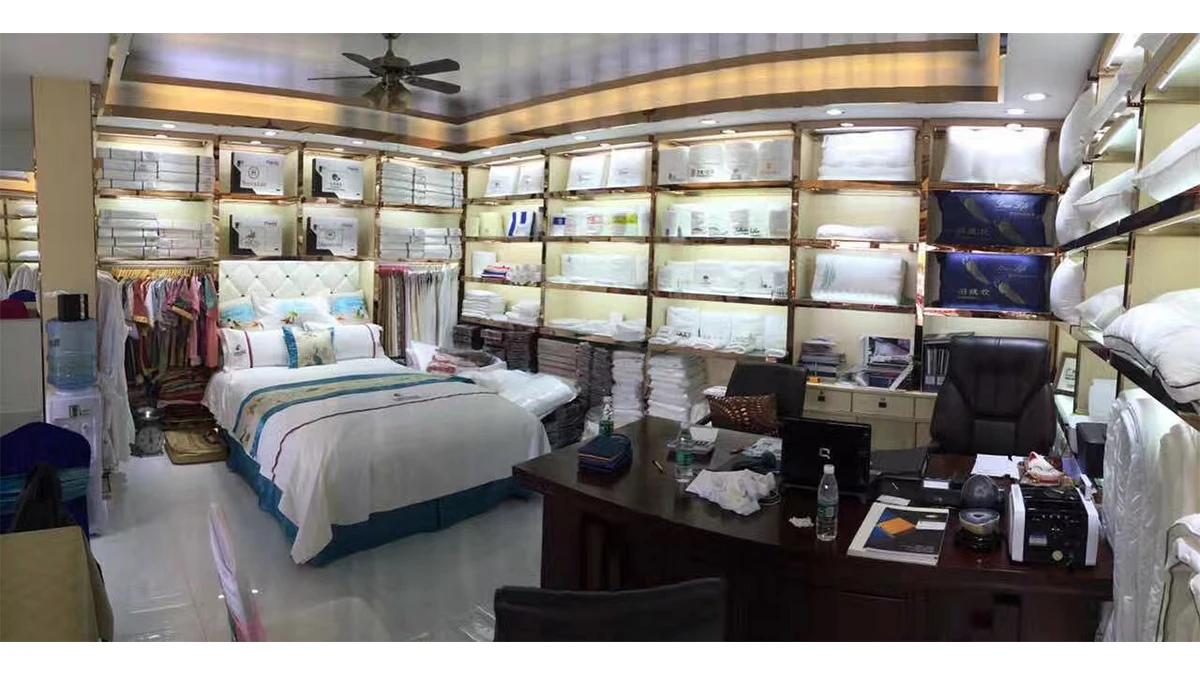
Guangzhou Juntu Hotel Supplies Co., Ltd.
- Manufacturer, Trading Company, Buying Office
- Guangdong, China
- Lead time15 days
- Avg. response≤ 9h
Main productshotel linen,hotel cosmetics products,leatherware,lobby supplies,guestroom products
Main marketsDomestic Market(41.70%), Southeast Asia(18.70%), Mid East(12.30%), Africa(8.20%), Eastern Asia(6.20%), Western Europe(5.40%), South Asia(5.20%), Eastern Europe(2.30%)

Jiangyin Moonstar Clean Products Co., Ltd.
- Verified by SGS
- Trading Company,Manufacturer/Factory
- China Jiangsu
- Lead time15 days
- Avg. response≤ 15h
Main productsMicrofiber Cloth, Microfiber Fabric, Nonwoven Fabric
Main marketsSouth America,Eastern Europe,Mid East,North America,Southeast Asia,Eastern Asia,Oceania,Western Europe,Africa
Guangdong Jiange Ceramic Co., Ltd.
- Verified by BV
- Combined
- China Guangdong
- Lead time30 days
- Avg. response≤ 2h
Main productsWashbasin, Toilet, Bathroom Faucet, Art Basin, Wall Hung Toilet, Floor Drain, Shower Set, Shower Hand, Wall Hung Basin, Smart Toilet
Main marketsSoutheast Asia/ Mideast
ZHENGZHOU YUSHOU HEAVY INDUSTRY CO., LTD.
- Combined
- China Henan
- Lead time15 days
- Avg. response≤ 4h
Main productsSoap Machinery Laundry Soap Line, Three Roll Mill, Soap Stamper, Soap Mixer, Oil & Fat Saponification Machinery
Main marketsAfrica,Southeast Asia/ Mideast,East Asia(Japan/ South Korea),Domestic,Europe
Foshan Jiaxilun Trading Co., Ltd.
- Verified by TüVRheinland
- Trading Company
- Lead time30 days
- Avg. response≤ 1h
Main productsBathroom Products, Tableware And Coffee And Wine Set, Soap Dispenser
Main marketsNorth America(20%), Eastern Europe(20%), Oceania(10%)
Guangzhou Zhengxi Packing Products Co., Ltd.
- Verified by BV
- Combined
- China Guangdong
- Lead time15 days
- Avg. response≤ 9h
Main productsLotion Pump
Main marketsSouth America,Southeast Asia/ Mideast,East Asia(Japan/ South Korea),Europe,Australia,North America

28/410 Hand Dish Soap Dispenser for Kitchen Sink Soap Dispenser Bottle
$0.04 - $0.09
MOQ: 10000 Pieces


Jiangmen City Jiangshuntong Hardware Manufacturing Co.,LTD.
- Combined
- China Guangdong
- Lead time30 days
- Avg. response≤ 3h
Main productsDoor Handle, Bathroom Accessories, Bar Furniture, Door Hinge, House Number, Mortise Lock, Furniture Handle
Main marketsSoutheast Asia/ Mideast,Europe,Australia
- Verified by BV
- Trading Company,Manufacturer/Factory
- China Zhejiang
- Lead time23 days
- Avg. response≤ 5h
Main productsYoga Wear, Sports, Outdoor, Travel Gear, Kitchenwares, Homewares
Main marketsSouth America,Eastern Europe,Mid East,North America,Southeast Asia,Eastern Asia,Oceania,Western Europe,Africa
Eagle Catering Equipment Co., Ltd.
- Manufacturer/Factory
- China Guangdong
- Lead time30 days
- Avg. response≤ 9h
Main productsTrolleys, Gastronorm Containers, Table, Shelves, Sink, Barrier Post, Cookware, Buffetware, Barware, Kitchen Utensils
Main marketsSouth America,Eastern Europe,Mid East,North America,Southeast Asia,Eastern Asia,Oceania,Western Europe,Africa







Comprehensive Sourcing Guide
Anti-Stick Blade Soap Divider Supplier Concentration and Factory Types
Current data indicates a concentration of industrial machinery suppliers in Hebei, China, specifically those offering food machinery, chocolate machines, and testing equipment alongside soap processing units. These facilities often list main products including soap molder dividers and cutting machines, suggesting a regional cluster focused on chemical and industrial machinery. Buyers should verify if a supplier's primary output aligns with soap manufacturing equipment rather than general trading activities, as some entities in this region operate as trading companies rather than direct manufacturers. The presence of specific machinery test reports or their absence can help distinguish between a factory with production capabilities and a middleman sourcing from elsewhere.
Factory types vary significantly within this sector, ranging from combined entities handling wire mesh and fencing to specialized trading firms focusing on soap machinery. Some suppliers in Hebei provide pneumatic soap slicing dividers with manual cutters, while others focus on stainless steel wire mesh products like soap baskets. It is critical to confirm the company type, as trading companies may offer broader product ranges but lack direct control over the manufacturing process of the anti-stick blade mechanism. Buyers must investigate whether the supplier possesses the specific core components and machinery test reports required for high-volume soap production, ensuring the entity is not merely reselling generic equipment without technical support.
How to Verify Anti-Stick Blade Soap Divider Suppliers
Verification begins with checking system certifications such as ISO9001:2015 and ISO14001:2015, which are explicitly listed for certain wire mesh and machinery suppliers in the region. Third-party verification badges like SGS or TÜV Rheinland provide additional confidence regarding the supplier's operational standards and product quality. Buyers should request machinery test reports directly, noting that some current listings explicitly state these reports are not available, which may indicate a lack of rigorous internal quality control or third-party validation. The absence of a test report should prompt a specific inquiry into the supplier's quality assurance protocols before proceeding with any order.
Response times and verification status are also key indicators of supplier reliability, with some entities showing response times around five to seven hours while others take significantly longer. A supplier verified by a recognized agency like SGS often demonstrates a commitment to meeting international standards, whereas unverified entities may carry higher risks. Buyers should cross-reference the supplier's main products with the specific anti-stick blade soap divider requirements, ensuring the listed machinery matches the technical specifications needed for the production line. Confirming the place of origin as Hebei, China, and checking for specific product attributes like warranty periods and core component details helps validate the authenticity of the supplier's claims.
What to Compare Across Anti-Stick Blade Soap Divider Suppliers
When evaluating potential partners, lead times and minimum order quantities (MOQ) are critical differentiators that impact production planning and cash flow. Current data shows lead times ranging from seven days to fifteen days, with some suppliers offering a single-item MOQ while others require orders of fifty or one hundred units. Buyers must compare these figures against their own inventory needs and production schedules to avoid bottlenecks. A supplier with a seven-day lead time and an MOQ of one offers flexibility for testing, whereas a fifteen-day lead time with a higher MOQ may suit established production runs but requires careful inventory management.
Response speed and warranty terms further distinguish suppliers in this competitive market. Some entities respond within five hours, while others take nearly twenty hours, affecting the speed of negotiation and issue resolution. Warranty periods, such as the one-year coverage seen on specific soap molder dividers, provide a safety net for equipment failures. Buyers should also compare the specific product attributes, including machine size, weight, and capacity, to ensure the equipment fits their facility constraints. Comparing the price range, which varies from approximately six hundred to seven hundred dollars for machinery and lower for accessories, helps in budgeting and identifying value propositions that align with the buyer's financial constraints.
Common Anti-Stick Blade Soap Divider Sourcing Risks
One significant risk involves the availability of machinery test reports, as several current product listings explicitly state these documents are not available. This absence can obscure the true performance and safety standards of the anti-stick blade mechanism, potentially leading to equipment failure or non-compliance with local safety regulations. Buyers should treat the lack of a test report as a red flag requiring immediate clarification, as it suggests the supplier may not have subjected the machinery to rigorous third-party validation. Relying solely on product descriptions without verified test data increases the likelihood of receiving equipment that does not meet the required operational standards.
Another risk stems from the variation in company types, where trading companies may not have direct control over the manufacturing process or the quality of the core components. Some suppliers list main products that include wire mesh and fencing, which may indicate a lack of specialization in soap machinery compared to dedicated factories. This diversification can lead to gaps in technical support or after-sales service, particularly if the supplier lacks the specific expertise to troubleshoot complex machinery issues. Buyers must verify the supplier's capacity for OEM or ODM services and ensure they have the necessary experience to handle custom requirements for the anti-stick blade soap divider.
Anti-Stick Blade Soap Divider Regional Sourcing and Logistics
The primary sourcing hub for this category appears to be Hebei, China, where multiple suppliers offer food machinery, chocolate machines, and soap processing equipment. This region hosts a mix of trading companies and combined entities that may also produce wire mesh products, creating a diverse but potentially fragmented supply chain. Buyers should confirm the specific place of origin for each unit, as some listings explicitly state Hebei, China, while others may have different origins that affect shipping costs and lead times. Understanding the regional concentration helps in planning logistics and anticipating potential delays associated with specific manufacturing clusters.
Logistics planning must account for the varying package sizes and weights associated with different soap divider models. For instance, some machines have a single package size of 90x50x30 cm and weigh up to 38 kg, while others are lighter at 26 kg. These dimensions influence shipping costs and the choice of freight forwarder, especially when ordering multiple units to meet MOQ requirements. Buyers should also consider the packaging standards, such as wooden cases or cartons, to ensure the machinery arrives without damage. Verifying the origin and packaging details early in the process allows for accurate cost estimation and efficient delivery scheduling to the final destination.
Anti-Stick Blade Soap Divider Commercial Terms and Order Planning
Commercial terms regarding pricing and payment structures vary significantly across suppliers, with machinery prices ranging from approximately six hundred to seven hundred dollars and accessories priced much lower. Buyers should carefully review the price ranges to understand the cost implications of different models and ensure they align with their budget. The minimum order quantity is another critical factor, with some suppliers offering single-item orders while others require bulk purchases of fifty or one hundred units. Understanding these thresholds is essential for planning the initial order size and managing inventory levels effectively.
Order planning must also consider the warranty and customization options available from different suppliers. A one-year warranty on specific soap molder dividers provides a baseline for equipment reliability, while customization availability allows for tailoring the machinery to specific production needs. Buyers should verify the customization details, such as the ability to adjust soap size or machine dimensions, to ensure the equipment meets their exact requirements. Additionally, checking the response time and lead time helps in setting realistic expectations for delivery and support, ensuring that the procurement process runs smoothly from order placement to final installation.
FAQs
What is the price range for soap divider machines?
Soap divider machines typically range from approximately 615 to 780 USD per unit. This pricing applies to models like the PK-C50 soap molder and pneumatic slicing dividers. Buyers should note that costs vary based on specific configurations and order volumes, with minimum order quantities starting at just one unit for certain machinery types.
What is the minimum order quantity for soap machinery?
The minimum order quantity for soap manufacturing machinery is generally one unit. This low threshold allows buyers to test equipment quality before committing to larger orders. However, for related accessories like soap baskets, the MOQ may be higher, often requiring fifty or one hundred units depending on the specific product type and customization needs.
How long does delivery take for soap equipment?
Lead times for soap machinery typically range from seven to fifteen days. Suppliers in Hebei, China, often provide faster turnaround times around seven days for standard models. Other suppliers may require up to fifteen days for production and preparation. Buyers should confirm specific delivery schedules with the supplier to ensure alignment with their production timelines.
What certifications do soap machine suppliers hold?
Many suppliers hold ISO9001:2015 and ISO14001:2015 system certifications. Some products also carry CE and SGS certifications. Verification services like SGS and TÜV Rheinland are used to validate supplier credentials. Buyers should request current certification documents to ensure compliance with international quality and safety standards for their specific manufacturing requirements.
What is the warranty period for soap dividers?
Soap divider machines usually come with a one-year warranty. This coverage typically includes core components and general machinery support. Buyers should verify the specific warranty terms with the supplier, as conditions may vary. Additionally, machinery test reports are often not available, so requesting video outgoing inspections can help verify product condition before shipment.
Where are soap machine manufacturers located?
Soap machine manufacturers are primarily located in Hebei, China. Some suppliers specializing in bathroom accessories are based in Zhejiang, China. These regions offer concentrated supply chains for industrial machinery and related products. Buyers can filter search results by these locations to find suppliers with established manufacturing capabilities and logistical advantages.
What is the production capacity of soap dividers?
Soap divider machines typically have a production capacity of fifty to sixty pieces per minute. This output rate is suitable for small to medium-scale soap manufacturing operations. The capacity depends on the specific model and operational settings. Buyers should evaluate whether this speed meets their daily production targets and workflow requirements.