Gold Skin Transdermal Energy Patch Suppliers and Manufacturers
Find 18 verified suppliers offering Gold Skin Transdermal Energy Patch with customizable sizes, vitamin ingredients, and CE or FDA certifications. Compare lead times, MOQs, and response times to source the right partner for your health care needs today; review the available evidence before requesting comparable quotations from suitable candidates.
Updated
Suppliers List

Henan Geesion Medical Devices Co., Ltd.
- Verified by BV
- Trading Company
- China Henan
- Lead time15 days
- Avg. response≤ 7h
Main productsPain Relief Patch, Cooling Gel Patch, Detox Foot Patch, Slimming Patch, Capsicum Plaster, Stop Smoking, Nasal Strips, Dental Mouthguard, Cough Relieve Patch, Wormwood Knee Patch
Main marketsSouth America,Africa,Southeast Asia/ Mideast,East Asia(Japan/ South Korea),Europe,Australia,North America

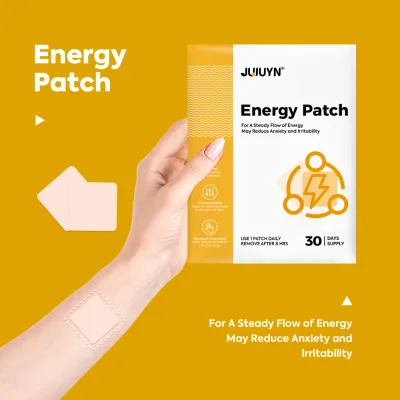
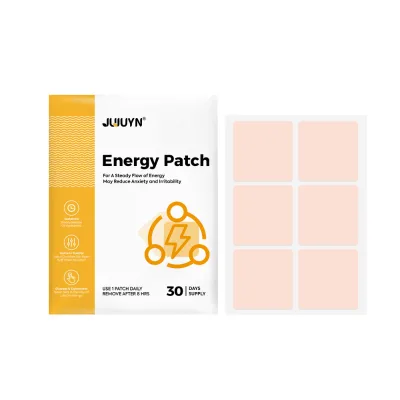
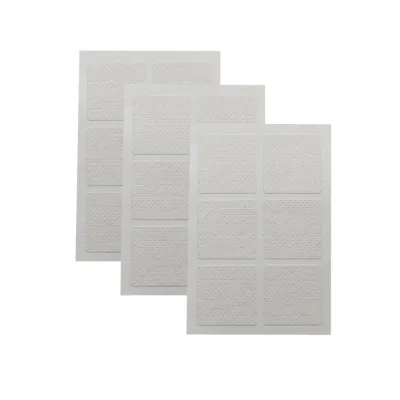
OEM Transdermal Patches The Vitamins Needed by Body Health Accept Custom Energy Patch
$0.85 - $0.95
MOQ: 20 Pieces


Hebei Houde Hanfang Medical Devices Group Co., Ltd.
- Verified by SGS Group
- Manufacturer, Trading Company
- Hebei, China
- Lead time10 days
- Avg. response≤ 1h
Main productsTransdermal Nutrition, Non Woven Fabric Patch, Sleep & Respiratory, Warmer Heating Pad, Body Contouring
Main marketsDomestic Market(60%), North America(11%), Eastern Europe(9%)
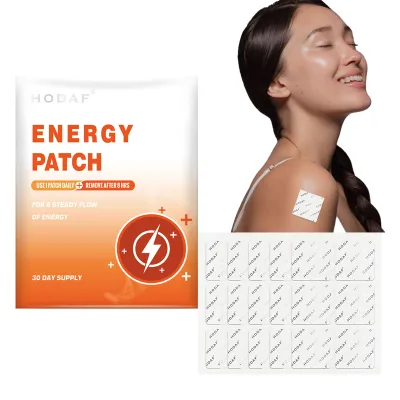
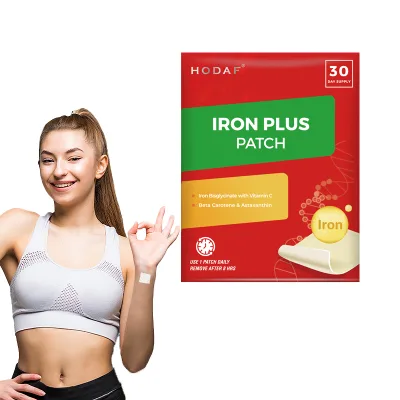


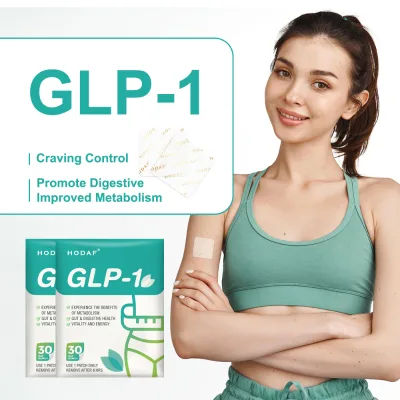
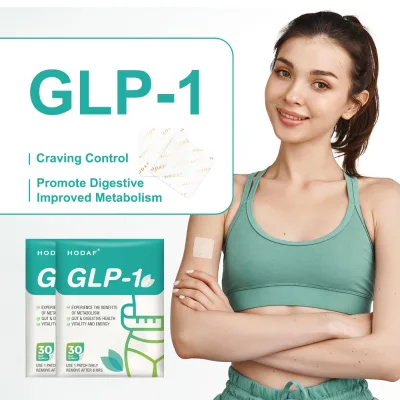
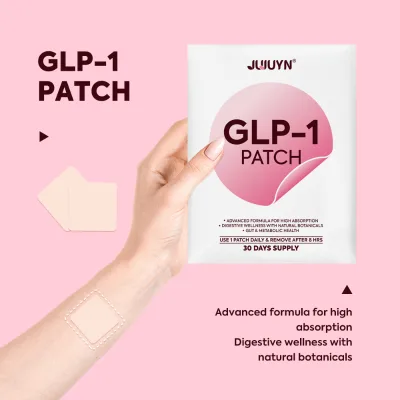
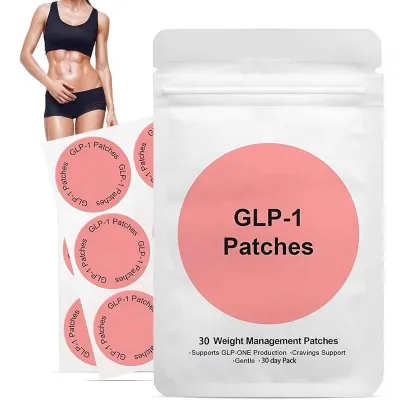
New Products Hot Selling Transdermal Absorptive Glp-1 Sticker Energy Glp-1 Patch
$0.05 - $0.10
MOQ: 1000 bags
Shenzhen KokomYoung Biotechnology Co., Ltd.
- Verified by TüVRheinland
- Trading Company
- Guangdong, China
- Lead time0 days
- Avg. response≤ 2h
Main productsHealth Supplement, Essential Oils, Hair Care Production, Body Care Production, Beauty Production
Main marketsEastern Europe(30%), North America(20%), Western Europe(15%)
Hebei Yinuan Biotechnology Co., Ltd.
- Verified by SGS Group
- Manufacturer, Trading Company
- Lead time15 days
- Avg. response≤ 1h
Main productsFoot patch, Heat patch, Silicone Scar Sheet, Transdermal Topical Patch, Steam eye mask
Main marketsDomestic Market(87%), North America(6%), Southeast Asia(2%)

Henan Xinyongtai Medical Technology Co., Ltd.
- Manufacturer, Trading Company
- Henan, China
- Lead time20 days
- Avg. response≤ 5h
Main productsHealthcare Products,Beauty Care Products,Foot Patch,Functional Patch,Medical Gauze
Main marketsNorth America(20.00%), Southern Europe(10.00%), Eastern Europe(10.00%), Western Europe(10.00%), Domestic Market(5.00%), South Asia(5.00%), Southeast Asia(5.00%), Northern Europe(5.00%), Central America(5.00%), South America(5.00%), Eastern Asia(5.00%), Mid East(5.00%), Oceania(5.00%), Africa(5.00%)
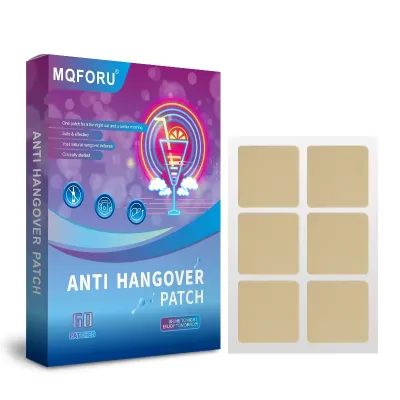


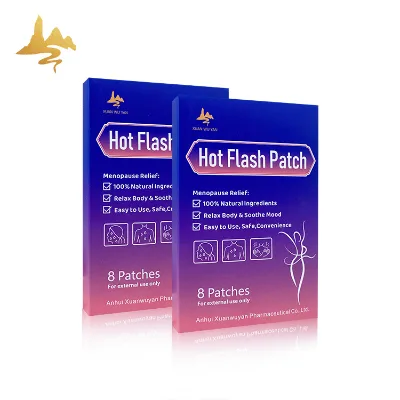
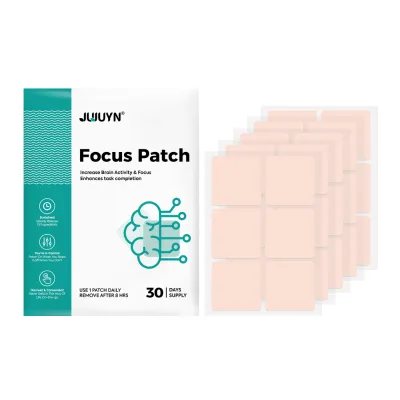
Wholesale Vitamin B12, C, D Vitamin Energy Patch Transdermal Vitamin Patch
$0.0822 - $0.1028
MOQ: 500 sheets



Ningbo ALPS MEDICAL Technology Co., Ltd.
- Verified by TUVRHEINLAND
- Combined
- China Zhejiang
- Lead time30 days
- Avg. response≤ 7h
Main productsAcne Patch, Hydrocolloid Dressing, Eye Patch, Facial Mask, Hydrocolloid Patches, Heel Post
Main marketsSouth America,Southeast Asia/ Mideast,East Asia(Japan/ South Korea),Europe,Australia,North America


Additive Free Transdermal Vitamin Patch for Digestion Energy and Immune System Support
$0.19 - $0.31
MOQ: 100 pieces


New Arrival Lavender Essential Oil Body Patch Transdermal Sleep Patch for Adults
$0.61 - $0.71
MOQ: 100 box

Vitamin B12 and C Patch for Weight Loss with Transdermal Absorption Anti Drunk Effect
$0.19 - $0.31
MOQ: 100 pieces

Clinically Tested B-Complex Energy Patch for Nerve Health & Senior Citizens Daily Use
$0.61 - $0.71
MOQ: 100 box
Hebei Houde Hanfang Medical Devices Group Co., Ltd.
- Trading Company
- Lead time旺季: "1 - 500000":31,"> 500000":"To be negotiated", 淡季: "1 - 500000":31,"> 500000":"To be negotiated"
- Avg. response≤ 2h
Main productsFoot Patch, Hydrogel Patch, Scar Removal Patch, Non Woven Fabric Patch, Beauty Personal Care Products
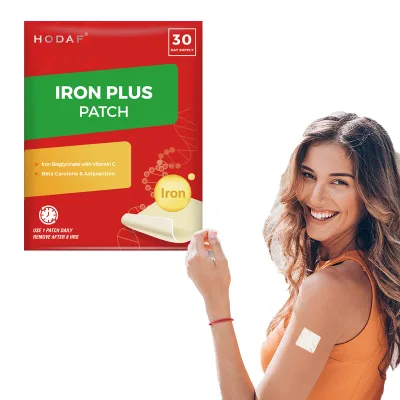
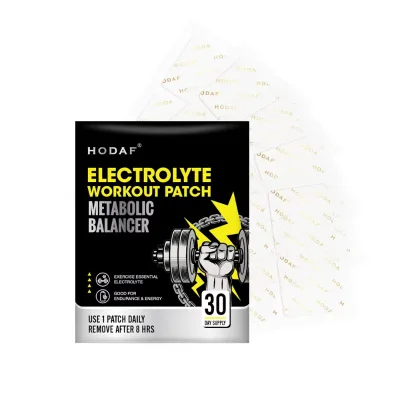
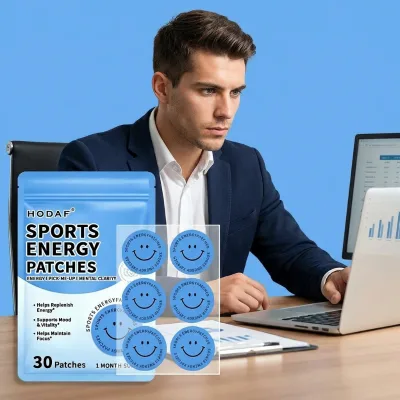
New Private Label Transdermal Energy Patches Replenishes Minerals Relieves Soreness
$0.0615 - $0.082
MOQ: 100 pieces

$0.06 - $0.10
MOQ: 1000 pieces
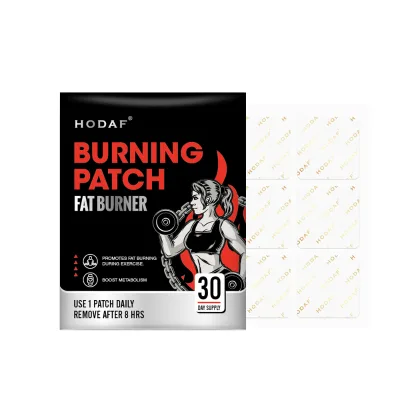
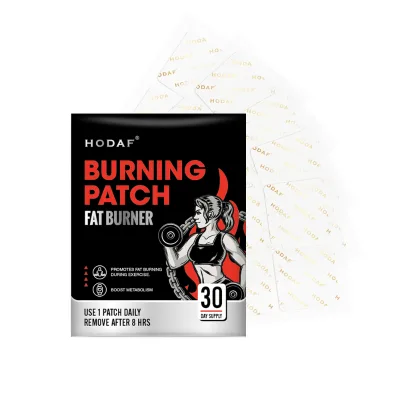
Private Label Burning Patch Transdermal Vitamin Patch Sports Wellness Patch for Exercising
$0.0615 - $0.1025
MOQ: 1 pieces
Hebei Yiyuan Kangjian Biotechnology Co., Ltd.
- Verified by SGS Group
- Manufacturer, Trading Company
- Lead time35 days
- Avg. response≤ 1h
Main productsVitamin Tablets, Gummy, Drops, Pre Mix powder
Main marketsDomestic Market(100%)
Hebei Kangcare Biotech Co., Ltd.
- Verified by SGS Group
- Trading Company
- Lead time15 days
- Avg. response≤ 2h
Main productsBreathing Aid Strip, Pain Relief Patch, Mouth Tape, Warm Patch, Transdermal Patch
Main marketsNorth America(70%), Eastern Europe(5%), Oceania(5%)
$0.1243 - $0.1557
MOQ: 500 pieces
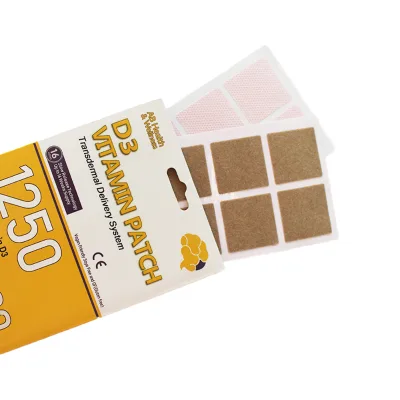

Tianjin Hodaf Technology Co., Ltd.
- Verified by SGS Group
- Manufacturer, Trading Company
- Lead time5 days
- Avg. response≤ 3h
Main productsVitamin Tablets, Gummy, Drops, Pre Mix powder
Main marketsNorth America(25%), Eastern Europe(25%), Southeast Asia(20%)

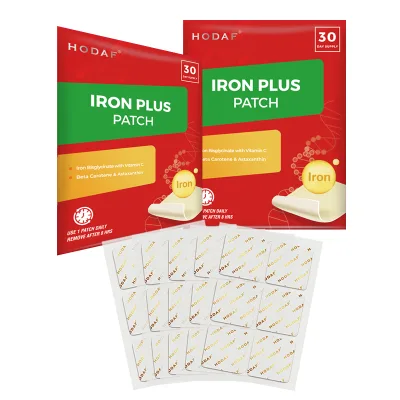
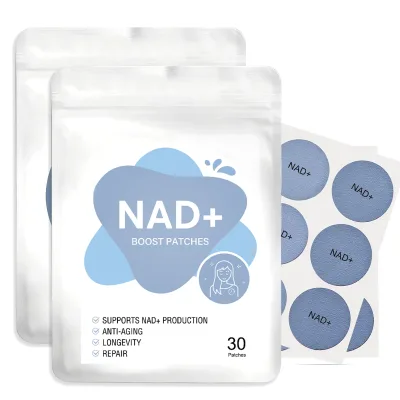
$0.0614 - $0.092
MOQ: 1 sheets

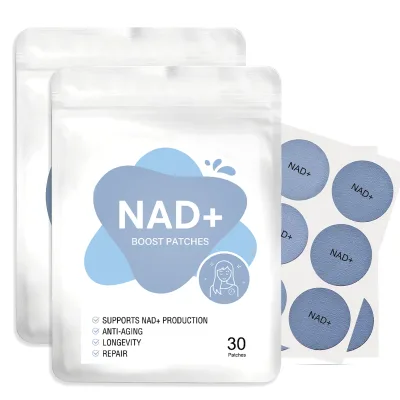

$0.0614 - $0.092
MOQ: 1 sheets
Henan Kangdi Medical Devices Co., Ltd.
- Verified by SGS Group
- Manufacturer, Trading Company
- Lead time20 days
- Avg. response≤ 3h
Main productsPain relief patch, Heat patch, Detox foot patch, Slim patch, Mosquito repellent bracelet
Main marketsMid East(17%), Oceania(16%), Southeast Asia(14%)
Shenzhen Elaimei Biotechnology Co., Ltd.
- Verified by TüVRheinland
- Trading Company
- Lead time7 days
- Avg. response≤ 3h
Main productsEssential Oil, Hair Care Product, Skin Care Product, Body Care Product, Health Supplement
Main marketsNorth America(30%), Western Europe(10%), Northern Europe(10%)
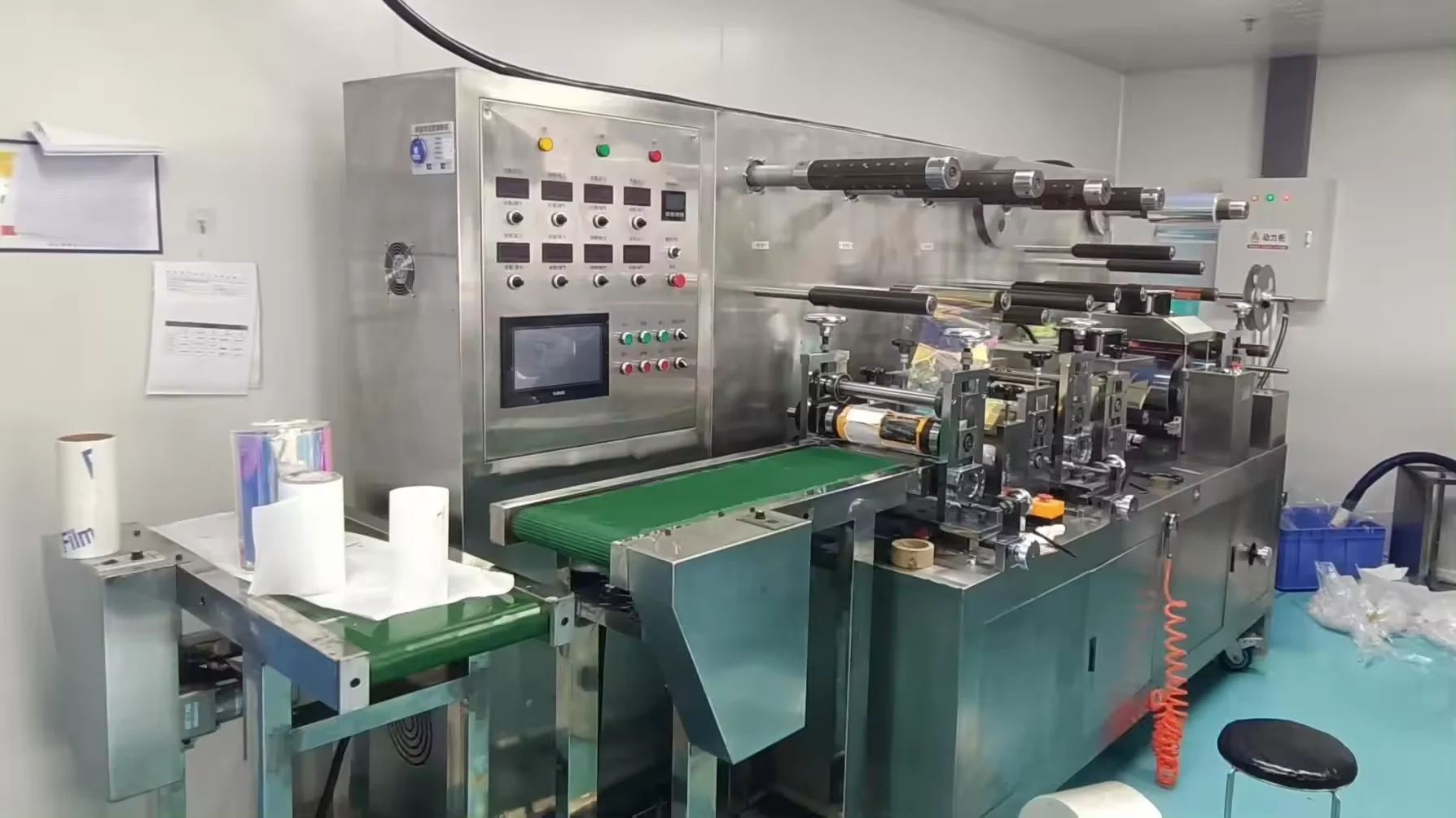
Ningbo Baiji Biological Technology Co., Ltd.
- Manufacturer, Trading Company
- Zhejiang, China
- Lead time14 days
- Avg. response≤ 6h
Main productsPimple Patch,Hydrocolloid Patch,Body patch,Skin Care,Protective Patch
Main marketsNorth America(15.00%), Eastern Europe(12.00%), South America(12.00%), Southeast Asia(10.00%), Oceania(9.00%), Africa(9.00%), Eastern Asia(8.00%), Mid East(8.00%), Domestic Market(1.00%), South Asia(1.00%), Southern Europe(1.00%), Northern Europe(1.00%), Central America(1.00%), Western Europe(1.00%)
Henan Like Health Industry Co., Ltd.
- Verified by TüVRheinland
- Manufacturer, Trading Company
- Lead time40 days
- Avg. response≤ 1h
Main productsHealthcare Products, Medical Wound Dressing, Protective Sports Bandages
Main marketsDomestic Market(25%), Africa(16%), Mid East(15%)

Xi'an Smart Technology Co., Ltd.
- Trading Company
- Shaanxi, China
- Lead time3 days
- Avg. response≤ 2h
Main productswedding decor,Personal Care,party decorations,Lighters & Smoking Accessories,home deco
Main marketsNorth America(50.00%), Eastern Europe(30.00%), Southeast Asia(10.00%), Eastern Asia(10.00%), Southern Europe(5.00%), South America(5.00%), Africa(5.00%)

Hubei Enwei Pharmaceutical Co., Ltd.
- Verified by SGS
- Combined
- China Hubei
- Lead time15 days
- Avg. response≤ 4h
Main productsCooling Gel Patch, Foot Patch, Quit Smoking Patch, Pain Relief Patch, Acne Patches, Microneedle Patch, Eye Patch, Slimming Patch, Pain-Relieving Ointment, Sleep Patch
Main marketsSoutheast Asia/ Mideast,Europe,North America

- Trading Company
- China Anhui
- Lead time15 days
- Avg. response≤ 5h
Main productsFood Supplement, Slimming Tea, Chinese Medicine, Traditional Chinese Medicine, Plant Extract, Herbs, Health and Beauty Equipments
Main marketsSouth America,Africa,Southeast Asia/ Mideast,East Asia(Japan/ South Korea),Europe,Australia,North America
Guangzhou Ibeier Technology Co., Ltd.
- Verified by SGS Group
- Manufacturer, Trading Company
- Lead time7 days
- Avg. response≤ 6h
Main productsTerahertz Wand, Plasma Pen, Terahertz Therapy Device, RF Beauty Machine, Terahertz Patch
Main marketsSoutheast Asia(30%), North America(20%), South America(10%)
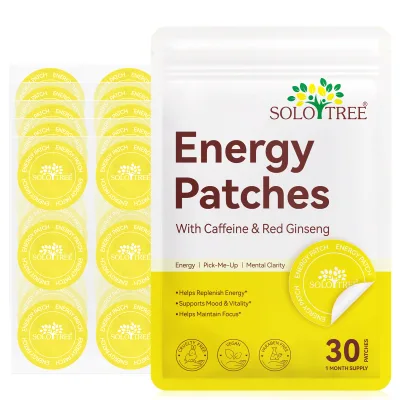

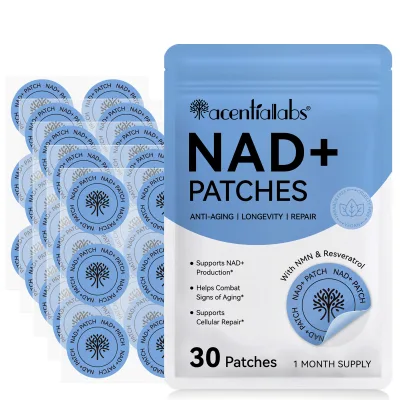

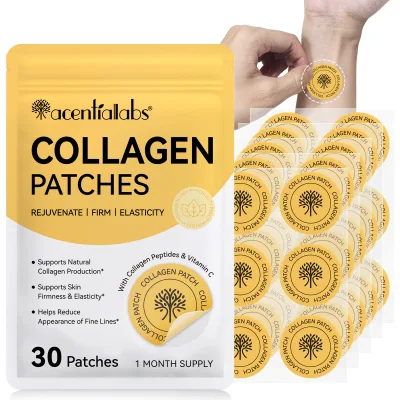











Comprehensive Sourcing Guide
Gold Skin Transdermal Energy Patch Supplier Concentration and Factory Types
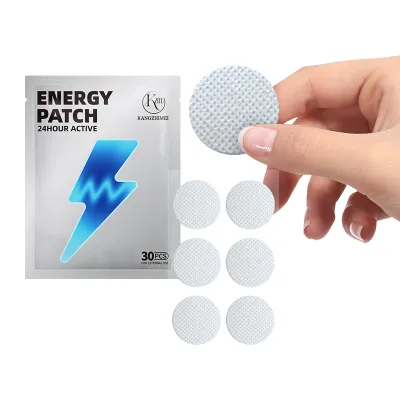
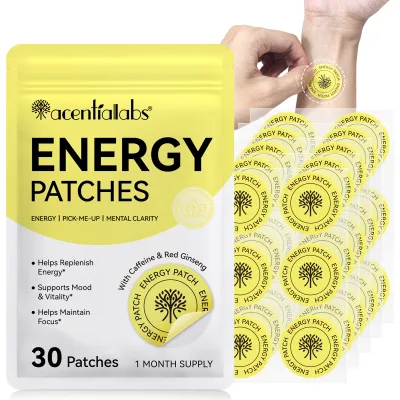
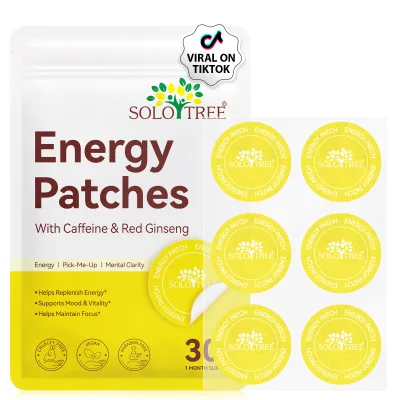
Current data indicates a concentration of suppliers in China, specifically within the Henan and Hebei provinces. These regions host a mix of trading companies and manufacturers specializing in transdermal nutrition and health care equipment. The primary product categories observed include pain relief patches, cooling gel patches, and various energy patches designed for body health. Buyers should note that the majority of listed entities operate as trading companies rather than direct factories, which influences their ability to control production costs and customization timelines.
When evaluating the factory type, it is essential to distinguish between a trading company and a manufacturer. Trading companies often aggregate products from multiple sources, offering a wider variety of items like detox foot patches and slimming patches. However, for specific manufacturing requirements, buyers must verify if the supplier has direct factory access or relies on third-party production. The presence of a trading company does not preclude quality, but it requires stricter verification of the actual production facility to ensure the Gold Skin Transdermal Energy Patch meets specific material and formulation standards.
How to Verify Gold Skin Transdermal Energy Patch Suppliers
Verification is a critical step when sourcing Gold Skin Transdermal Energy Patches, particularly given the prevalence of trading companies in the supply chain. Buyers should prioritize suppliers who hold BV verification status, as this provides a baseline level of trust regarding business legitimacy. Additionally, checking for specific certifications such as CE, ISO, or FDA is necessary to ensure the product complies with international safety and quality standards. The product evidence shows some items listing FDA or CE certifications, which serves as a tangible metric for compliance verification.
Beyond certifications, buyers must assess the supplier's response time and sample availability to gauge operational efficiency. Data suggests response times can vary, with some suppliers showing a response metric around 6.43, indicating the speed of communication. It is vital to request samples before placing a bulk order to verify the physical quality of the patch, including its material composition and adhesive strength. The availability of samples is explicitly noted for several products, allowing buyers to test the Vitamin-based ingredients and the PU material construction firsthand before committing to a larger purchase.
What to Compare Across Gold Skin Transdermal Energy Patch Suppliers
When comparing suppliers, buyers should focus on key operational dimensions such as lead time, minimum order quantity (MOQ), and pricing structures. Lead times observed in the current results can be around 15 days, which is a standard benchmark for transdermal patch production. However, MOQs vary significantly, ranging from as low as 5 bags for certain weight reduction patches to 1000 units for multi-vitamin topical patches. This variance requires buyers to align their order volume with the supplier's specific production capabilities to avoid unnecessary costs or inventory bottlenecks.
Pricing and customization options are also critical comparison points. The price range for these patches can fluctuate between 0.85 and 1.75 per unit depending on the specific formulation and packaging requirements. Some suppliers offer OEM and ODM services, allowing for custom branding and specific ingredient adjustments, while others may have fixed product models. Buyers must compare the cost per unit against the MOQ to determine the most economical option. Additionally, the availability of custom packaging and logo printing should be evaluated, as these factors can significantly impact the final retail price and market positioning of the Gold Skin Transdermal Energy Patch.
Common Gold Skin Transdermal Energy Patch Sourcing Risks
One significant risk in sourcing Gold Skin Transdermal Energy Patches is the potential mismatch between product claims and actual certification status. While some product listings mention FDA or CE compliance, buyers must verify these claims directly with the supplier, as not all listed attributes may apply to every batch or specific product model. Relying solely on the product description without independent verification can lead to regulatory issues in the destination market. It is crucial to request current certification documents for the specific model being ordered to ensure ongoing compliance with local health regulations.
Another risk involves the variability in lead times and the reliability of the supply chain, especially when dealing with trading companies. If a supplier promises a 15-day lead time but lacks direct factory control, delays can occur due to coordination with third-party manufacturers. Furthermore, the complexity of custom formulations, such as specific vitamin blends or unique patch sizes, can introduce production delays if the supplier lacks the necessary technical expertise. Buyers should mitigate this risk by establishing clear communication channels and setting realistic timelines that account for potential production adjustments or quality control checks.
Gold Skin Transdermal Energy Patch Regional Sourcing and Logistics
Sourcing from China, particularly from the Henan and Hebei regions, offers access to a robust manufacturing ecosystem for transdermal patches. These regions are known for their concentration of health care equipment manufacturers and trading companies, providing a wide selection of products ranging from energy patches to sleep aid patches. However, buyers must consider the logistical implications of shipping from these inland provinces. Transportation costs and transit times may differ compared to coastal manufacturing hubs, potentially affecting the overall landed cost of the Gold Skin Transdermal Energy Patch.
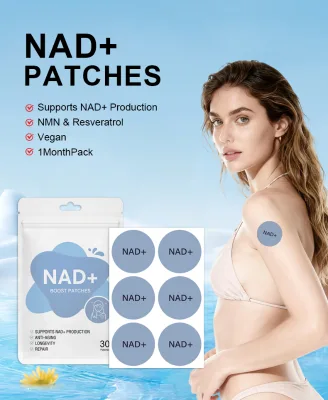
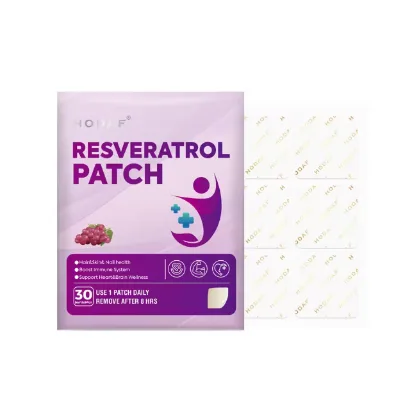
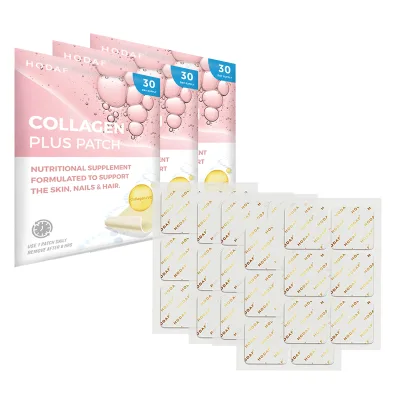
Logistics planning should also account for the specific packaging requirements of the product. Some suppliers offer standard packaging, such as 30 patches per bag or 1000 bags per carton, while others provide customized packaging solutions. Buyers need to ensure that the packaging is robust enough to protect the patches during transit, especially if the product involves sensitive ingredients like vitamins or specific adhesives. Additionally, understanding the shipping terms and Incoterms is essential to clarify who bears the responsibility for freight costs and insurance, ensuring a smooth delivery process from the supplier's facility to the buyer's destination.
Gold Skin Transdermal Energy Patch Commercial Terms and Order Planning
Commercial terms for Gold Skin Transdermal Energy Patch orders often include flexible payment methods such as T/T, PayPal, and Trade Assurance. These options provide varying levels of security for both buyers and suppliers, with Trade Assurance offering protection against non-delivery or quality issues. Buyers should carefully review the payment terms associated with each supplier, as some may require a deposit before production begins, while others might offer more favorable terms for repeat customers. Understanding these financial arrangements is crucial for effective cash flow management and risk mitigation.
Order planning must also consider the shelf life and storage requirements of the product. Some product listings indicate a shelf life of three years, which allows for extended inventory holding periods. However, buyers should verify the specific storage conditions required to maintain product efficacy, especially for patches containing active vitamins or other sensitive ingredients. Planning for seasonal demand fluctuations and aligning order quantities with the supplier's MOQ is essential to optimize costs. By carefully managing commercial terms and order planning, buyers can ensure a steady supply of high-quality Gold Skin Transdermal Energy Patches while maintaining operational efficiency.
FAQs
What is the price range for transdermal energy patches?
Transdermal energy patches typically cost between $0.85 and $1.75 per unit. Prices vary based on specific ingredients, such as vitamins or specialized complexes, and the chosen packaging format. Buyers should verify the exact unit price for their required order volume and customization needs.
What is the minimum order quantity for these patches?
Minimum order quantities generally range from 5 to 1000 units depending on the product type. Some items accept orders as low as 5 bags, while others require 1000 pieces. Buyers must check the specific MOQ for each patch model to ensure it fits their procurement strategy.
Do suppliers offer OEM and customization services?
Yes, most suppliers offer OEM and ODM services for transdermal patches. Customization options include private labeling, logo printing, and tailored packaging. Buyers can request samples to verify quality before placing bulk orders, ensuring the final product meets their specific branding and functional requirements.
What certifications are available for these health patches?
Common certifications include CE, ISO, and FDA standards. These certifications ensure the patches meet specific safety and quality regulations for external use. Buyers should request valid certification documents to verify compliance with their local market requirements before finalizing any purchase agreements.
Where are these transdermal patches manufactured?
These patches are primarily manufactured in China, specifically in regions like Henan and Hebei. Suppliers in these areas specialize in health care products and transdermal delivery systems. Buyers can verify the exact origin and production capabilities during the supplier evaluation process.
What is the typical lead time for production?
The typical lead time for production is approximately 15 days. This timeframe allows for manufacturing, quality control, and packaging preparation. Buyers should confirm the exact lead time with the supplier, as it may vary based on order size and customization complexity.