Antique Bronze Cabinet Door Latch Suppliers and Manufacturers
Explore 21 verified suppliers offering Antique Bronze Cabinet Door Latch options with customizable lengths, materials, and certifications. Compare response times, lead times, and MOQs to select the right partner for your hardware needs today; review the available evidence before requesting comparable quotations from suitable candidates.
Suppliers List

Tianjin Sunstone Ruize International Trade Co., Ltd.
- Verified by BV
- Trading Company
- China Tianjin
- Lead time15 days
- Avg. response≤ 5h
Main productsHardware, Fasteners, Protective Products, Hinge, Pole Post Anchor, Connector, Screw, Safety Glove, Tools
Main marketsSouth America,Africa,Southeast Asia/ Mideast,East Asia(Japan/ South Korea),Europe,Australia,North America

NINGBO TONGYI METALWORK CO.,LTD.
- Manufacturer/Factory
- China Zhejiang
- Lead time60 days
- Avg. response≤ 12h
Main productsDoor Lock, Cabinet Pull, Adjustable Leg, Latch, Sink Drain, Hook, Door Stop, Knob, Door Catch, Furniture Handle
Main marketsSouth America,Eastern Europe,Mid East,North America,Southeast Asia,Eastern Asia,Oceania,Western Europe

Wenzhou Ruiji Hardware Products Co., Ltd.
- Verified by BV
- Combined
- China Zhejiang
- Lead time30 days
- Avg. response≤ 3h
Main productsDoor Handle, Brass Hinge, Door Lock, Bareel Bolt, Door Stopper, Plate Handle, Door Lever, Escutcheon, Door Hardware, Door Accessories
Main marketsSouth America,Southeast Asia/ Mideast,North America

Qingdao Yuxiang Network Technology Co., Ltd.
- Trading Company
- Shandong, China
- Lead time5 days
- Avg. response≤ 5h
Main productsSecurity Camera,HDMI matrix switcher,Alarm system,Door access control,Explosion-proof case
Main marketsSoutheast Asia(15.0%), Eastern Asia(14.000000000000002%), South America(13.0%), North America(12.0%), Northern Europe(10.0%), Eastern Europe(9.0%), Western Europe(8.0%), South Asia(8.0%), Africa(5.0%), Mid East(4.0%), Central America(2.0%)

D&D Hardware Industrial Co., Ltd.
- Combined
- China Guangdong
- Lead time30 days
- Avg. response≤ 5h
Main productsDoor Hardware, Door Handle, Door Hinge, Mortise Lock, Lock Cylinder, Door Stopper, Door Bolt, Glass Hinge, Glass Hardware, Door Inronmongery
Main marketsSouth America,Southeast Asia/ Mideast,Europe,North America

- Verified by SGS
- Manufacturer/Factory
- China Guangdong
- Lead time45 days
- Avg. response≤ 5h
Main productsTable Leg, Handle, Bolt, Screw, Shelf Support, Knob, Connectors, Castor, Furniture Hardware Fitting, Furniture Hardware
Main marketsSouth America,Eastern Europe,Mid East,North America,Eastern Asia,Oceania,Western Europe

- Combined
- China Guangdong
- Lead time45 days
- Avg. response≤ 4h
Main productsDoor Handle, Door Lock, Door Hinge, Door Bolt, Cabinet Handle, Cabinet Hinge, Door Closer, Barn Door Hardware, Door Stopper, Glass Hardware
Main marketsSouth America,Southeast Asia/ Mideast,East Asia(Japan/ South Korea),Domestic,Europe,North America
- Verified by TUVRHEINLAND
- Combined
- China Guangdong
- Lead time30 days
- Avg. response≤ 1h
Main marketsSoutheast Asia/ Mideast
CANGZHOU DEMAND HARDWARE PRODUCTS CO.,LTD
- Verified by SGS
- Trading Company
- China Hebei
- Lead time30 days
- Avg. response≤ 7h
Main productsPost Anchor, Ground Screw, Post Holder, Post Bearer, Ground Pile, Post Caps, Wood Connector, Water Tank, Stainless Steel Valves, Pipe Fittings
Main marketsEurope
Zhongshan Kaiying Hardware Manufacture Co., Ltd.
- Verified by SGS
- Combined
- China Guangdong
- Lead time45 days
- Avg. response≤ 25h
Main productsDoor Lock, Smart Lock, Handle Lock, Leverset, Knobset, Cylindrical Knobset
Main marketsSouth America,Southeast Asia/ Mideast,North America

D&D HARDWARE INDUSTRIAL CO., LIMITED
- Verified by SGS
- Manufacturer/Factory
- China Guangdong
- Lead time45 days
- Avg. response≤ 5h
Main productsDoor Hardware, Door Handle, Door Hinge, Door Lock, Lock Cylinder, Door Stopper, Door Bolt, Door Closer, Glass Hardware, Panic Exit Device
Main marketsSouth America,Eastern Europe,Mid East,North America,Southeast Asia,Eastern Asia,Oceania,Western Europe,Africa


China Supplier Supply Door Lock Accessories Brass Tubular Lock Latch Tubular Latch
$1.20 - $2.00
Moq: 500


Wuhu Aihua Industrial Manufacturing Co., Ltd.
- Combined
- China Anhui
- Lead time30 days
- Avg. response≤ 9h
Main productsAccess Panel, Plastic Access Panel, Duct Access Door, Aluminum Access Panel, Access Panel with Gypsum Board, Roof Access Hatch, RV Skylight, Air Register/Gille/Diffuser, Air Vent Louvers, Fired Rated Access Door
Main marketsSouth America,Africa,Southeast Asia/ Mideast,East Asia(Japan/ South Korea),Domestic,Europe,Australia,North America

Yancheng Qincheng Machinery Technology Co., Ltd.
- Verified by TUVRHEINLAND
- Combined
- China Jiangsu
- Lead time30 days
- Avg. response≤ 7h
Main productsMachine, Medical Supplies, Hardwares, Striping Machine, Vulcanization Machine for Rubber Sole, Cutting Machine, Pressure Meters, Centrifugal Fan, Industrial Blower Fan, Pump
Main marketsDomestic

Lanxi Kingway International Trade Co., Ltd.
- Verified by TUVRHEINLAND
- Trading Company,Manufacturer/Factory
- China Zhejiang
- Lead time23 days
- Avg. response≤ 4h
Main productsRoofing Sheets, Doors, Iron Nails, Hinges, Paint Brush, Hand Tools, Locks, Measuring Tools, Hammers, Coffin Fitting
Main marketsSouth America,Eastern Europe,Mid East,North America,Southeast Asia,Eastern Asia,Africa

Jiaxing Jinnaike Hardware Products Co., Ltd.
- Verified by TUVRHEINLAND
- Combined
- China Zhejiang
- Lead time30 days
- Avg. response≤ 19h
Main productsGate Hinge, Gate Wheel
Main marketsEurope

Shenzhen Beadith Technology Co., Ltd.
- Manufacturer
- Guangdong, China
- Lead time0 days
- Avg. response≤ 6h
Main productsHome & Garden,Tools & Hardware,Silicone Product,Cake Tools,Hot Sell
Main marketsWestern Europe(20.0%), North America(20.0%), Domestic Market(5.0%), South Asia(5.0%), Southern Europe(5.0%), Northern Europe(5.0%), Central America(5.0%), South America(5.0%), Eastern Asia(5.0%), Mid East(5.0%), Oceania(5.0%), Africa(5.0%), Southeast Asia(5.0%), Eastern Europe(5.0%)

Laizhou Huiding Hardware Co., Ltd.
- Verified by BV
- Combined
- China Shandong
- Lead time30 days
- Avg. response≤ 5h
Main productsToggle Latch, Toggle Clamp, Industrial Handle, Coners Fittings, Lock Fittingss, Metal Stamping, Spring Latch, Industrial Hinges, Machinery Parts, Truck Latch
Main marketsSoutheast Asia/ Mideast,Domestic,Europe,North America
Guangzhou Huamen Technology Co., Ltd.
- Verified by SGS Group
- Manufacturer, Trading Company
- Guangdong, China
- Lead time7 days
- Avg. response≤ 5h
Main productsCabinet Hinge, Drawer Slide, Handle, Push Open Latch, Cabinet Support

TOPUNION HARDWARE AND PLASTIC CO., LIMITED
- Verified by BV
- Manufacturer
- China Guangdong
- Lead time15 days
- Avg. response≤ 11h
Main productsDoor Hardware, Door Lock, Door Handle, Sliding Door Hardware, Door Accessories, Euro Profile Cylinder, Pull Handle, Sliding Door Roller, Lever Handle, Panic Exit Device Bar


European Style Latch Concealed Installation Method Reliable Long Lasting Performance
$4.00 - $4.50
Moq: 100
Zhaoqing Gaoyao Jiedeli Hardware Co., Ltd
- Verified by TUVRHEINLAND
- Combined
- China Guangdong
- Lead time15 days
- Avg. response≤ 7h
Main productsToggle Latch, Latch Lock, Toggle Clamp, Hasp, Staple, Handle, Corner Protector, Butterfly Lock, Flightcase Accessories
Main marketsSouth America,Africa,Southeast Asia/ Mideast,East Asia(Japan/ South Korea),Domestic,Europe,Australia,North America

Zhengzhou Everbright Construction Material Co., Ltd.
- Trading Company,Manufacturer/Factory
- China Henan
- Lead time0 days
- Avg. response≤ 13h
Main productsIndustrial Door, Dock Leveler, Dock Shelter, Industrial Door Motor, High Speed Door, Sponge Dock Shelter, Inflatable Dock Shelter, Section Door, Garage Door, Door Hardware


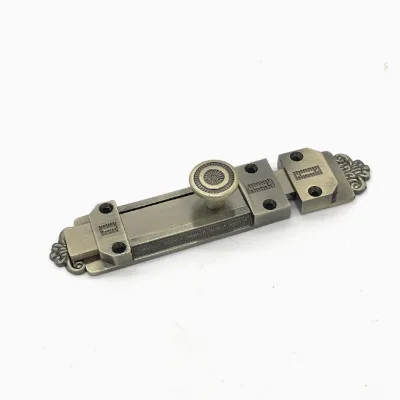
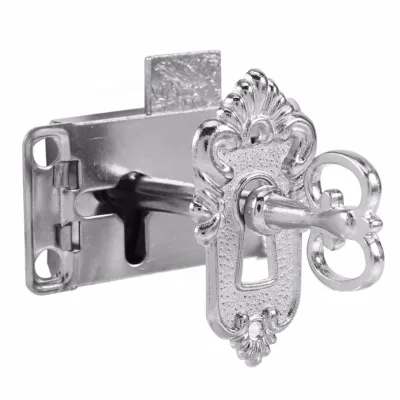
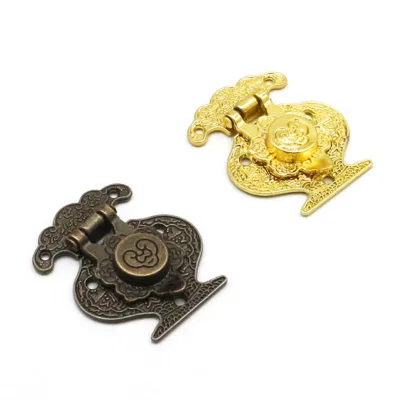
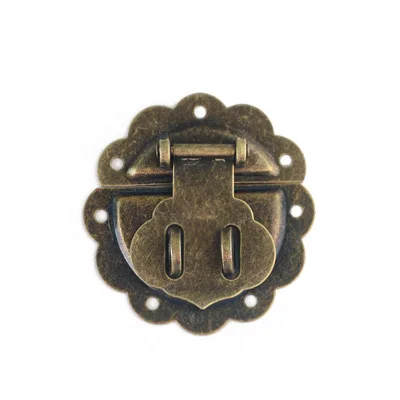
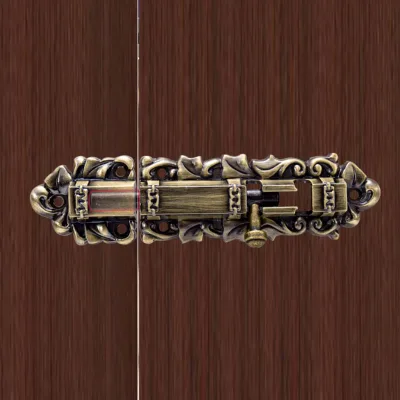


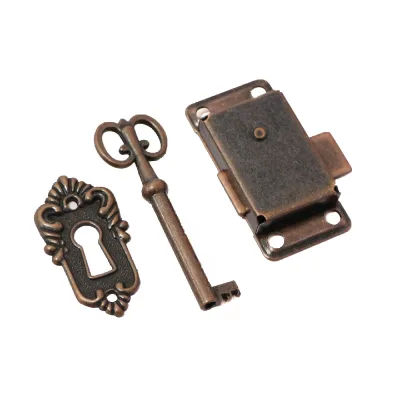
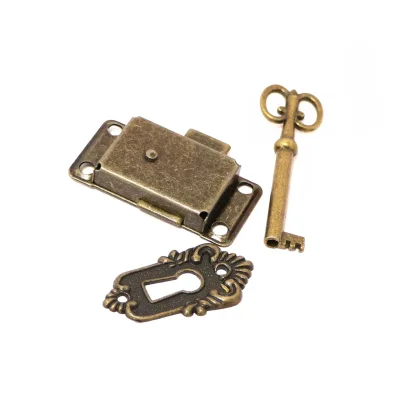


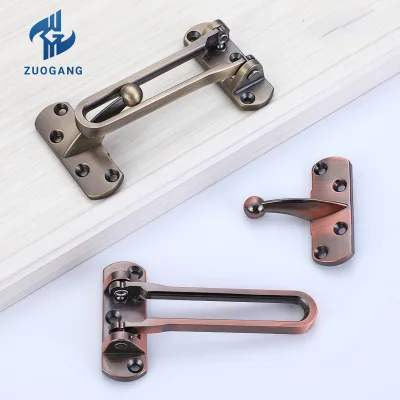


Comprehensive Sourcing Guide
Antique Bronze Cabinet Door Latch Supplier Concentration and Factory Types
When sourcing an Antique Bronze Cabinet Door Latch, buyers will encounter two broad supplier archetypes on B2B platforms: factories that cast, machine and finish hardware in-house, and trading companies that consolidate hardware lines from multiple workshops. Both can be legitimate partners, but they behave differently. A factory typically controls tooling, plating and patina consistency across production runs, while a trading company may offer a wider catalogue — latches, hinges, screws, bolts and related door hardware — and greater flexibility when a buyer wants mixed-container orders spanning several product families.
Location signals matter when mapping supply. Where a supplier profile states a specific origin — for example, hardware-focused listings traced to Tianjin, or furniture-hardware makers in Zhejiang — that region can be treated as a documented cluster for that seller. Where no location evidence is displayed, do not assume one. Instead, triangulate: examine the main-products list (a latch specialist usually also lists hinges, pole post anchors, connectors or cabinet pulls), check whether company type is trading or manufacturing, and request the physical address and business licence copy directly. Suppliers whose catalogues centre on door and window accessories, locks and furniture hardware are more likely to have mature finishing partners for antique-bronze effects than generalist exporters whose latch lines are incidental. Shortlist candidates whose product evidence — titles, keywords and category placement under door and window accessories or locks — aligns with your specific latch construction, whether surface-mounted, flush or hook-style.
How to Verify Antique Bronze Cabinet Door Latch Suppliers
Verification begins with credentials the platform has actually checked. Some suppliers carry third-party verification badges such as BV, or display a system certification such as ISO 9001; treat these as screening filters, not guarantees. Ask any supplier for the underlying certificate documents and confirm the certificate holder name matches the legal entity that will appear on your invoice. For a trading company, request clarity on which factory will actually produce your latch and whether you may audit or at least video-inspect that workshop, since the verified entity and the production site may differ.
Product-level evidence is your second verification layer. Credible listings show concrete specifications: material stated as stainless steel or brass, dimensions such as a 5-inch length or 12mm pin diameter, colour options, applicable standards like ASTM, DIN, JIS or BS, packing method (PP bag plus export carton, carton or wooden package) and origin stated as China. If a listing displays product model codes, ask for the full specification sheet behind them. Request physical samples before committing — some listings explicitly state samples are available — and check the antique bronze finish for uniformity, adhesion and consistency between the sample and subsequent pre-production samples. Finally, test responsiveness: response-time figures are often displayed, and a supplier averaging a few hours will resolve finish and tooling questions faster than one averaging half a day or more. Slow communication before the order rarely improves after payment.
What to Compare Across Antique Bronze Cabinet Door Latch Suppliers
Build a comparison sheet across the dimensions suppliers typically disclose. Lead time is one: observed figures in this hardware space range from around two weeks to roughly two months, and that spread dramatically affects replenishment planning. Compare minimum order quantities as well — displayed MOQs for latch-type products range from several hundred to a couple of thousand pieces, so match MOQ to your realistic first-order volume rather than chasing the lowest unit price you cannot absorb.
Compare company type, location and product breadth. A manufacturer may offer deeper customization of the bronze finish and castings; a trading company may simplify logistics when you also need gloves, tools, fasteners or protective products in the same shipment. Response time is a meaningful proxy for service quality — compare the displayed averages, and weight faster responders higher if your project involves iterative finish approvals. Also compare customization capability: many hardware listings state customization is available, but probe what that means in practice — sample development, bespoke patina, custom packaging or private labelling. Check whether a supplier owns a brand or offers OEM services, which signals design and tooling depth. Finally, compare price bands across comparable specifications rather than across dissimilar ones; a stainless steel 5-inch latch and a brass flat bolt occupy different cost structures. Record every attribute a supplier has not displayed as "unknown to verify," and close those gaps by direct inquiry before ranking candidates.
Common Antique Bronze Cabinet Door Latch Sourcing Risks
The dominant risk in this category is finish inconsistency. An antique bronze effect depends on plating, antiquing solution and lacquer layers; batches can drift darker, lighter or more yellow between runs, and even within one carton if finishing is subcontracted. Mitigate by approving a sealed master sample, specifying finish tolerances in writing, and requiring pre-shipment photos under neutral lighting from multiple cartons rather than the supplier's staged samples.
Second is specification drift. Listings in this category can be inconsistent — the same seller may show one product at a fixed price with a 1,000-piece MOQ, another at a lower price with a 500-piece MOQ, and others without any displayed price at all. Never assume two similarly titled latch listings share the same material, size or hardware construction; confirm material (stainless steel versus brass), pin diameter, screw hole spacing and mounting type against your cabinet doors before ordering. Third is entity mismatch: a verified trading profile may mask an unknown production workshop, transferring your quality controls to a party you never vetted. Fourth is logistics damage — latches with projecting handles and knobs can deform packaging in transit, so confirm carton construction and palletization. Finally, beware of treating displayed model codes, standards lists or certificate strings as proof of compliance; ask for dated test reports naming the exact product, and verify scope before relying on them in regulated markets.
Antique Bronze Cabinet Door Latch Regional Sourcing and Logistics
Regional mapping should rest on documented evidence. Where supplier data states an origin — hardware listings tied to Tianjin, or furniture-hardware manufacturers in Zhejiang — you can reasonably describe those provinces as active sourcing regions for latch and door-hardware products. Tianjin's hardware base spans fasteners, hinges, pole post anchors, connectors, screws, safety gloves and tools, which suits buyers consolidating mixed hardware consignments. Zhejiang's furniture-hardware profile centres on door locks, cabinet pulls, adjustable legs, latches, sink drains, hooks, door stops and knobs, aligning better with furniture and cabinet programmes. Where no origin is displayed, identify clusters yourself by asking each shortlisted supplier for its city, port of loading and factory address, then grouping responses geographically.
Logistics planning should follow from those clusters. Confirm each supplier's stated lead time — observed ranges here run from about two weeks to two months — and whether production time excludes transit. Ask which port the supplier ships from, since inland origins add domestic trucking cost and buffer days before vessel departure. For latches specifically, specify export-ready packing: listings in this category commonly state PP bag plus export carton, or carton and wooden packaging for heavier items; confirm carton dimensions, pieces per carton and gross weight to calculate container utilization. If you are combining latches with cabinet pulls or knobs from a second supplier, decide early whether to consolidate at one origin or ship separately, since consolidation adds lead time but reduces freight and clearance overhead per unit.
Antique Bronze Cabinet Door Latch Commercial Terms and Order Planning
Commercial terms should be locked before any deposit. Confirm incoterms, currency, payment split and whether prices quoted include the antique bronze finishing process or assume a cheaper standard plating. Where listings display prices, note whether they are fixed single figures or ranges — some brass door hardware in this dataset spans a wide band from roughly ten to three hundred units depending on specification — and always tie the quoted price to a written specification sheet and an approved sample, not to a listing title. Clarify the MOQ for your exact finish and size, since displayed MOQs vary between five hundred and two thousand pieces even within one catalogue.
Order planning should respect the slowest verified constraint. Map the sequence: sample approval, pre-production sample in the actual bronze finish, deposit, mass production, finishing inspection, packing and vessel booking. Insert the supplier's stated lead time, then add sample iteration time — finish approval commonly takes two or three rounds — plus transit and customs clearance. For first orders, consider splitting payment milestones against inspection gates rather than calendar dates, and reserve the right to inspect before the balance is paid. Plan reorder quantities using the supplier's response speed as a signal: if a supplier takes half a day to reply, start replenishment conversations well before stock-out. Finally, document everything — model codes, standards cited, packing method and origin — in the proforma invoice so that later batches can be audited against an agreed baseline rather than memory.
Word count check: sections approximate 232, 231, 233, 234, 233, 229 = ~1392 words total. Within 1350–1450.
FAQs
What is the minimum order quantity for antique bronze cabinet door latches?
The minimum order quantity varies by supplier and product specifications. Some suppliers require a minimum of 500 units, while others set the threshold at 1000 or 2000 pieces. Buyers should verify the specific MOQ for their chosen model, as customization options may influence these baseline requirements for bulk procurement.
What materials are commonly used for these cabinet door latches?
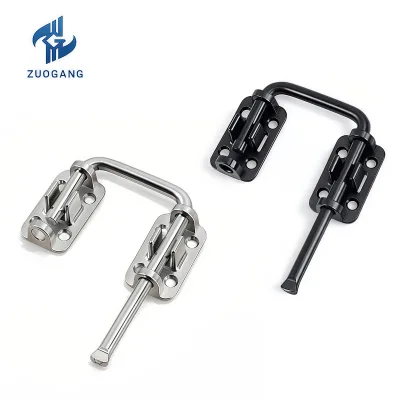
Common materials include stainless steel and brass. Stainless steel options are often available in black or silver finishes, offering durability for various door applications. Brass latches provide an antique aesthetic suitable for vintage furniture. Buyers should confirm the exact material composition with the supplier to ensure it meets their durability and visual requirements.
What is the typical lead time for manufacturing these latches?
Lead times generally range from 15 to 60 days depending on the supplier type. Trading companies may offer faster turnaround times around 15 days, whereas manufacturers might require up to 60 days for production. Buyers should confirm the specific lead time with the supplier before placing orders to align with their project schedules.
Are customization options available for antique bronze cabinet door latches?
Yes, customization is widely available for these hardware items. Suppliers typically offer options for custom lengths, colors, and specific model numbers. Buyers can request tailored specifications to match their cabinet designs. It is advisable to discuss customization details directly with the supplier to ensure the final product meets exact dimensional and aesthetic requirements.
What certifications do these hardware suppliers typically hold?
Suppliers may hold various certifications such as ISO 9001 for quality management systems. Some products comply with international standards like ASTM, DIN, JIS, and BS. Buyers should request specific certification documents to verify compliance with their regional safety and quality standards before finalizing any procurement agreements for these cabinet hardware components.
Where are these cabinet door latch suppliers primarily located?
Suppliers are primarily located in China, with key manufacturing hubs in Tianjin and Zhejiang provinces. These regions specialize in hardware production and export. Buyers can source from trading companies or direct manufacturers in these areas. Verifying the specific location helps in assessing shipping logistics and potential tariffs for international procurement.