Unbreakable Martini Glass Suppliers and Manufacturers
Source 27 verified suppliers for Unbreakable Martini Glass options including glass, metal, and plastic variants. Compare grounded dimensions such as MOQ, lead time, and certifications to identify suitable partners. Request samples to evaluate quality and customization capabilities; review the available evidence before requesting comparable quotations from suitable candidates.
Suppliers List
Hangzhou Qianghua Cup Industry Co., Ltd.
- Verified by TüVRheinland
- Manufacturer, Trading Company
- Lead time15 days
- Avg. response≤ 2h
Main productsCeramic Mug, Glass Cup, Water Bottle, Thermos Series, Stylish Vase
Main marketsNorth America(25%), Eastern Europe(15%), South America(10%)
Dongguan Langxin Home Product Co., Ltd
- Verified by TUVRHEINLAND
- Trading Company
- China Guangdong
- Lead time15 days
- Avg. response≤ 1h
Main productsPlastic Cup
Main marketsDomestic

Jinjiang Jiaxing Import and Export Co., Ltd.
- Verified by CTI
- Manufacturer/Factory
- China Fujian
- Lead time120 days
- Avg. response≤ 1h
Main productsShoes, Slipper, Clothes, Promotion Gifts, Silicone Products, Outdoor Sports Products, Bags, Fashion Accessories, Consumer Electronics
Main marketsSouth America,Eastern Europe,Mid East,North America,Southeast Asia,Eastern Asia,Oceania,Western Europe,Africa
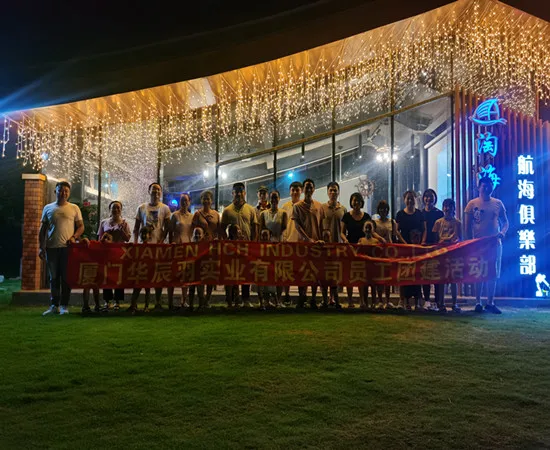
- Trading Company
- Fujian, China
- Lead time25 days
- Avg. response≤ 3h
Main productsStainless Steel Cups/Stainless Steel Wine Glasses/Stainless Steel Ice Bucket
Main marketsEastern Europe(20.00%), Northern Europe(18.00%), Southern Europe(13.00%), Western Europe(12.00%), Mid East(11.00%), North America(10.00%), South America(5.00%), Africa(3.00%), Eastern Asia(2.00%), Southeast Asia(2.00%), Domestic Market(1.00%), South Asia(1.00%), Central America(1.00%), Oceania(1.00%)
Shanxi Jaton Glassware Co., Ltd.
- Trading Company
- Shanxi, China
- Lead time7 days
- Avg. response≤ 12h
Main productsWine Glass, Champagne Glass, Beer Glass, Wine Decanter, Cocktail Glass
Main marketsNorth America(30.00%), Western Europe(30.00%), South America(20.00%), Oceania(20.00%)
Jp Manufactory Ltd. (Zhongshan)
- Manufacturer, Trading Company
- Lead time旺季: "1 - 100":7,"101 - 1000":15,"1001 - 3000":30,"> 3000":"To be negotiated", 淡季: "1 - 100":7,"101 - 1000":15,"1001 - 3000":30,"> 3000":"To be negotiated"
- Avg. response≤ 7h
Main productsPlastic cups,melamine dinnerware,plastic pitchers,food covers,plastic plate

- Verified by SGS
- Manufacturer/Factory
- China Zhejiang
- Lead time38 days
- Avg. response≤ 7h
Main productsBar Mat, Ice Bucket, Cocktail Shaker, Barware, Jigger, Mug, Ss Cup, Bar Spoon, Strainer, Muddler
Main marketsSouth America,Eastern Europe,Mid East,North America,Southeast Asia,Eastern Asia,Oceania,Western Europe,Africa

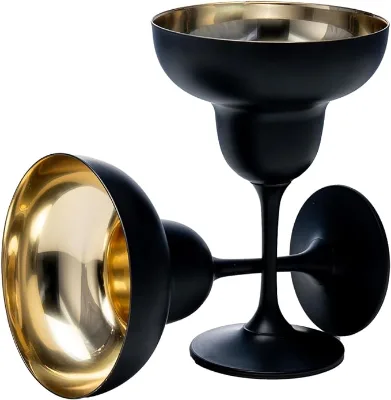
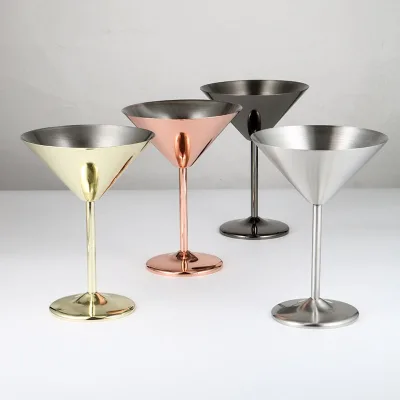
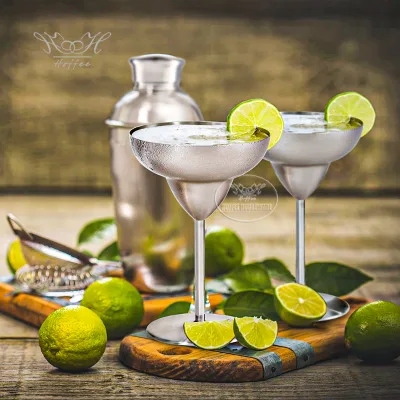
Stainless Steel Powder Coated Martini Glasses Cocktail Glass Martini Glass
$1.09 - $1.79
MOQ: 100 Pieces


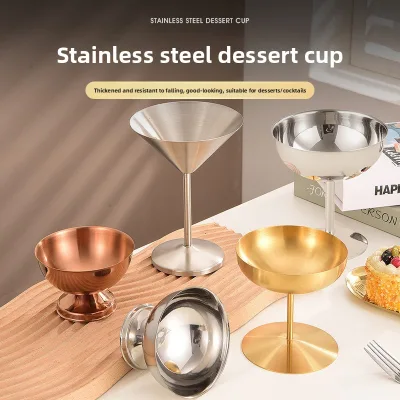
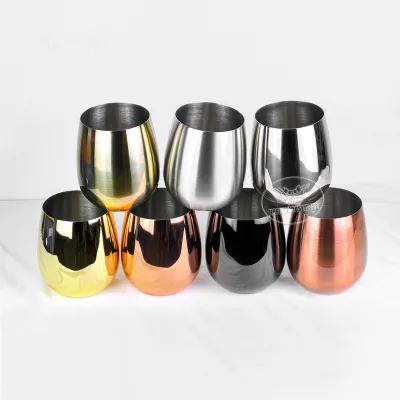
Stainless Steel Wine Champagne Flutes Rose Gold/Copper Champagne 10oz Unbreakable Glass for Gifts
$1.56 - $2.12
MOQ: 1000 Pieces
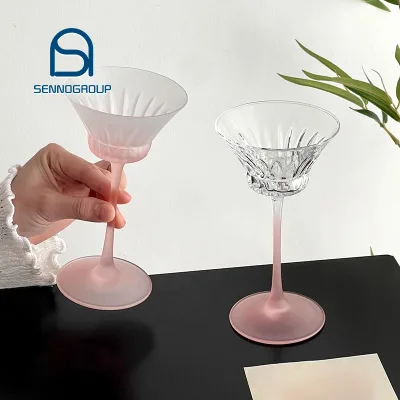
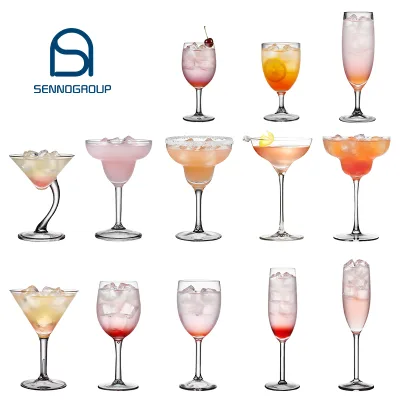
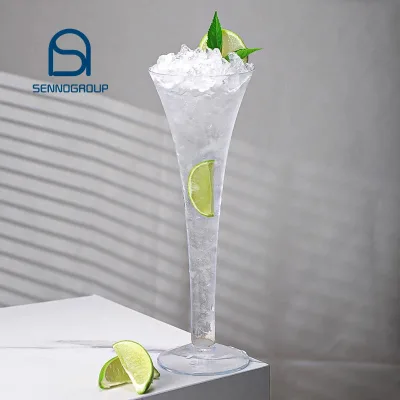
Guangzhou Senno Import And Export Co., Ltd.
- Trading Company
- Lead time旺季: "1 - 5000":31,"> 5000":"To be negotiated", 淡季: "1 - 5000":31,"> 5000":"To be negotiated"
- Avg. response≤ 4h
Main productsBarware, Restaurantware, Glassware
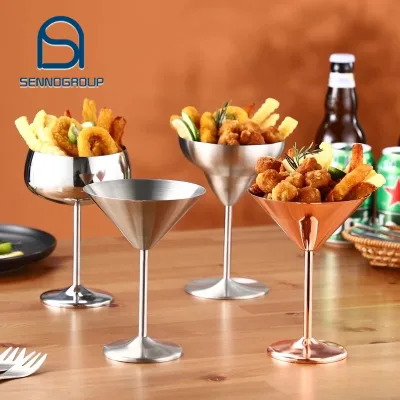
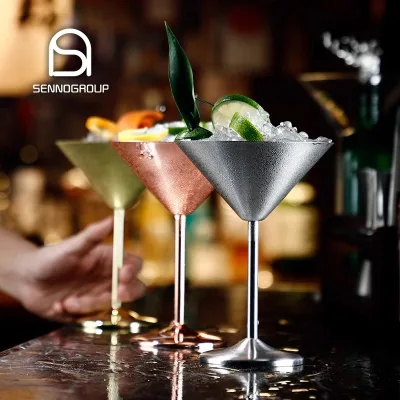
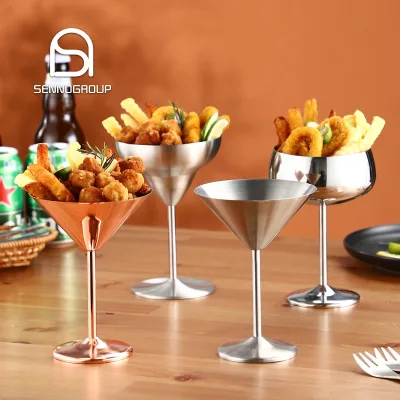
$2.00 - $2.90
MOQ: 50 pieces

XIAMEN SHUNSTONE HOMEWARE CO., LTD.
- Manufacturer/Factory
- China Fujian
- Lead time23 days
- Avg. response≤ 5h
Main productsWhiskey Box, Wine Box, Wooden Gift Box, Leather Gift Box, Gift Set with Box, Whiskey Decanter, Whiskey Glass, Cigar Box
Main marketsSouth America,Eastern Europe,Mid East,North America,Southeast Asia,Eastern Asia,Oceania,Western Europe,Africa

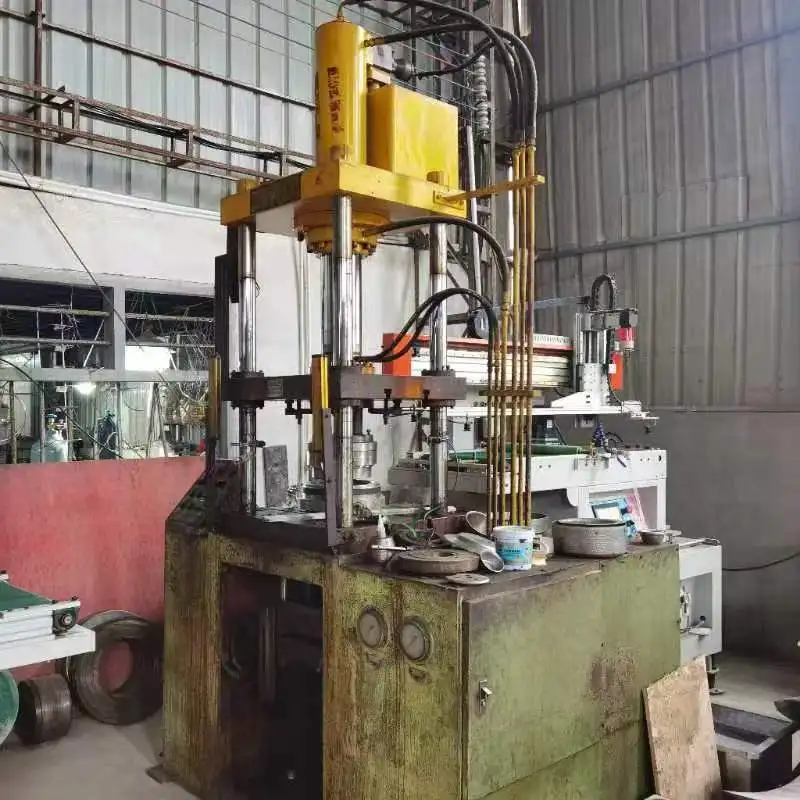
Cocktail Glasses Martini Glass Beverage Glass Cups Martini Wine Margarita Glass
$1.57 - $1.80
MOQ: 100 Pieces


Wide Mouth Crystal Crosscut Martini Glass Luxury Dessert Cocktail Glasses
$2.99 - $3.99
MOQ: 500 Pieces
Chaozhou Youqu Hardware Co., Ltd.
- Trading Company
- Guangdong, China
- Lead time60 days
- Avg. response≤ 2h
Main productsStainless steel plate,Stainless steel bowl,Stainless steel mug,Stainless steel lunch box,Stainless steel Flatware
Main marketsEastern Asia(20.00%), Southeast Asia(20.00%), Northern Europe(20.00%), North America(20.00%), Eastern Europe(10.00%), Southern Europe(5.00%), Western Europe(5.00%)
Wuhan Xinhuahang Household Goods Co., Ltd.
- Verified by BV
- Combined
- China Hubei
- Lead time15 days
- Avg. response≤ 4h
Main productsWine Glasses, Beer Glass, Drinking Glass, Decanter, Shot Glass, Coffee Glass, Cocktail Glass, Champagne Glass, Wine Accessories
Main marketsEurope,Australia,North America


Unbreakable Cup Wine Glasses Wholesale Flute Champagne Wine Glasses for Party Use
$0.32 - $0.50
MOQ: 480 Pieces

$1.20 - $2.00
MOQ: 360 Pieces

2023 Best Selling Martini Glasses Shatterproof Reusable Dishwasher Safe Wine Tumbler Cup
$0.85 - $1.07
MOQ: 480 Pieces

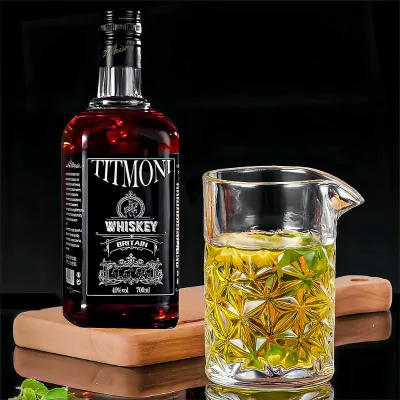
Professional Tasting Foreign Wine Cup Hand-Blownshatterproof Elegant Clear Lead-Free Whiskey Glass
$0.35 - $0.55
MOQ: 48 Pieces
Guangzhou Tianfu Glass Products Co., Ltd.
- Verified by SGS Group
- Trading Company
- Lead time0 days
- Avg. response≤ 3h
Main productsGlass, Red Wine Glass, Beer Glass, Cocktail Glass, Champagne Glass
Main marketsNorth America(30%), Southeast Asia(20%), Western Europe(10%)
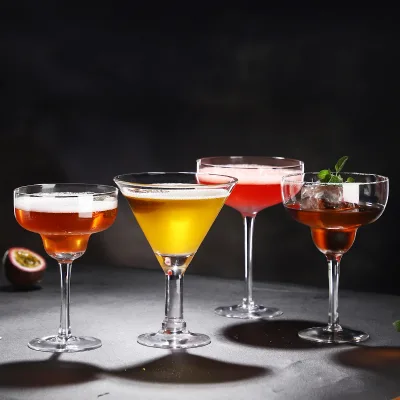
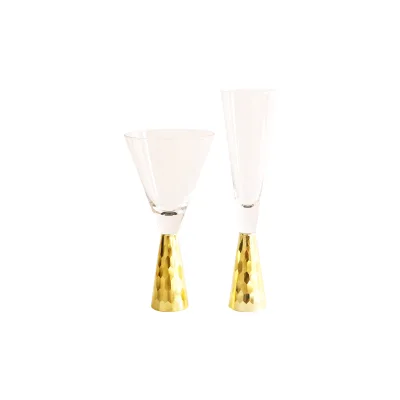
$1.38 - $2.52
MOQ: 200 pieces
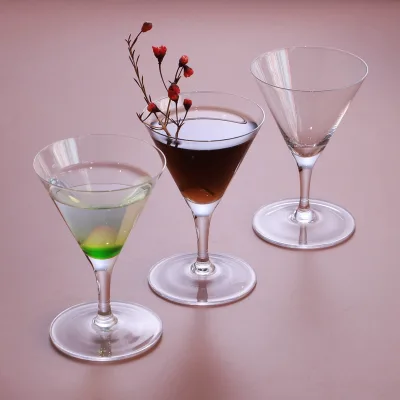
custom logo high-foot martini glass Lead free crystal triangle cocktail glasses for party
$1.15 - $1.50
MOQ: 300 pieces
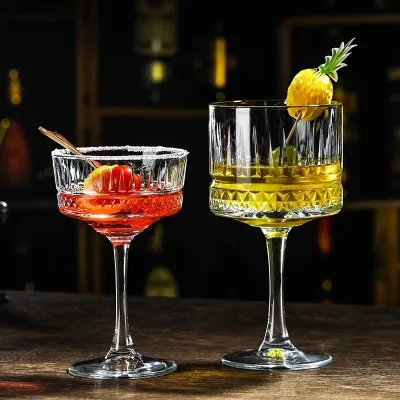
Wholesale bar Lead-free Glass Alicia Stiletto martini Cocktail Glass Engraved Wine Glasses
$0.77 - $1.12
MOQ: 96 pieces
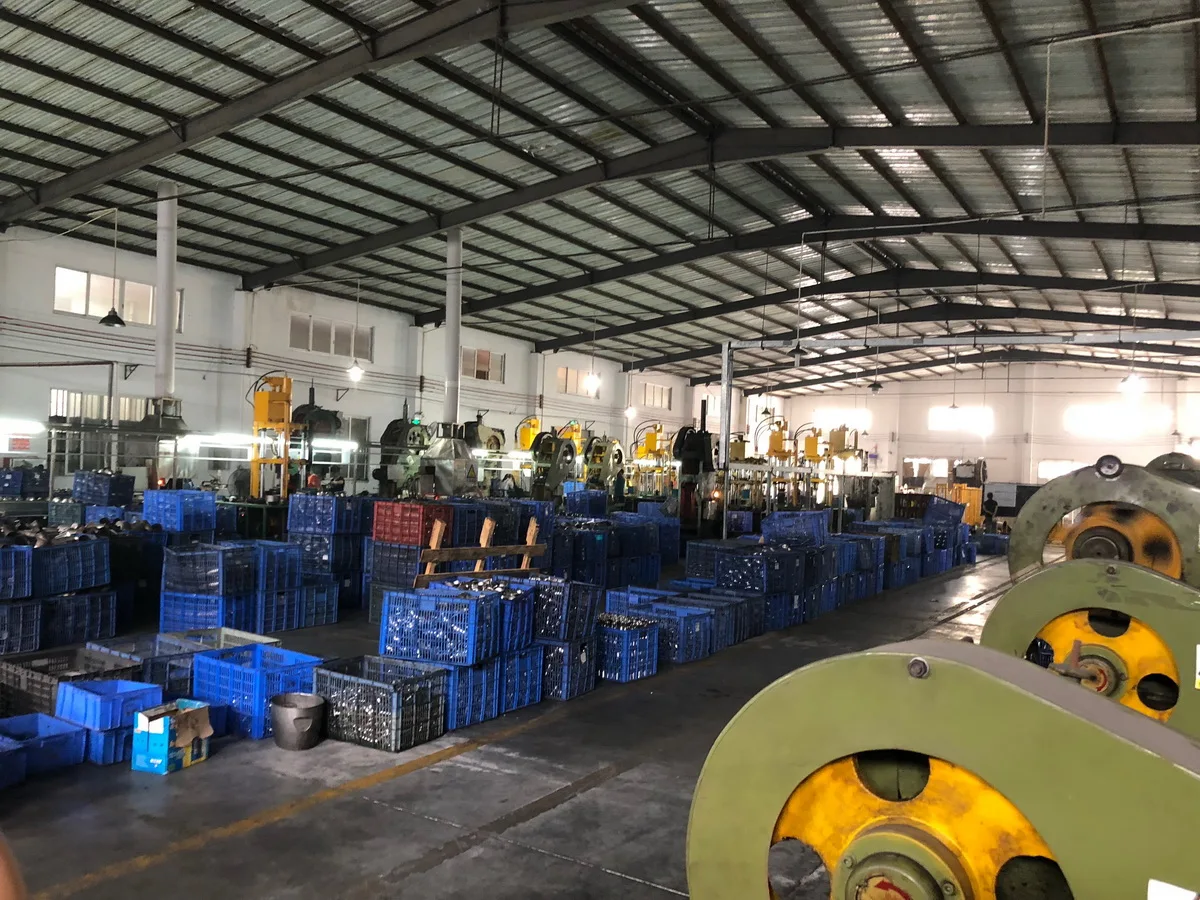
Jiangmen Hoffee Houseware Company Ltd.
- Manufacturer
- Guangdong, China
- Lead time35 days
- Avg. response≤ 3h
Main productsCoffee Accessories, Bar Tools, Kitchenware
Main marketsNorth America(30.00%), South America(15.00%), Oceania(10.00%), Northern Europe(10.00%), Domestic Market(9.00%), Western Europe(8.00%), Eastern Europe(5.00%), Mid East(5.00%), Southeast Asia(5.00%), Eastern Asia(3.00%)

Suzhou Tongrang Gift Co., Ltd.
- Verified by CTI
- Trading Company
- China Jiangsu
- Lead time15 days
- Avg. response≤ 3h
Main productsGlasswares, Tablewares, Gift, Wineglasses, Glass Bottles, Tumblers, Glass Plate, Glass Jar, Gift Customs, Bottles
Main marketsNorth America

Ultra-Thin Crystal Martini Glasses, V-Shaped Cocktail Goblet, Elegant Champagne Glass for Bar & Home
$1.89 - $2.25
MOQ: 240 Pieces

Cocktail Glass Crystal Glass Margaret Cup Stem Martini Cup Drinkware Gift Sets
$1.50 - $2.50
MOQ: 500 Pieces

Crystal Stemmed Cocktail Glasses, Professional Bar Glassware: Martini, Margarita & Mixing Glass
$1.72 - $3.88
MOQ: 240 Pieces

$1.99 - $3.29
MOQ: 240 Pieces

Vintage Cocktail Glass, Hand-Painted Crystal Martini Wine Glass, Luxury Nordic Style Stemmed Goblet
$3.09 - $4.19
MOQ: 100 Pieces

Ningbo Fubu Imp & Exp Co., Ltd.
- Trading Company
- Zhejiang, China
- Lead time30 days
- Avg. response≤ 3h
Main productsPlastic Drinking Cups,Paper Tower Holder,Plastic Drinking Glasses
Main marketsNorth America(30.00%), Western Europe(20.00%), Northern Europe(16.00%), Eastern Europe(15.00%), Eastern Asia(10.00%), South America(7.00%), Mid East(1.00%), Southeast Asia(1.00%)

Foshan Nanhai Hua Yue Glass Co., Ltd.
- Verified by BV
- Combined
- China Guangdong
- Lead time30 days
- Avg. response≤ 2h
Main productsGlassware, Glass Bottle, Glass Cups, Glass Mugs, Wine Glass, Glass Plates, Glass Jars, Glass Bowls
Main marketsSoutheast Asia/ Mideast,Europe,Australia,North America

Ball Base Martini Cocktail Glass Champagne Whiskey Wine Glass Cup Tapering Glass
$2.56
MOQ: 10000 Pieces


Qingdao Jianhai International Trade Co., Ltd.
- Verified by BV
- Trading Company,Manufacturer/Factory
- China Shandong
- Lead time23 days
- Avg. response≤ 4h
Main productsGlassware, Cosmetic Bottle, Mason Jar, Storage Bottle, Vase, Wine Bottle, High Borosilicate Glass, Glass Bottle, Cup, Glass Craft
Main marketsSouth America,Eastern Europe,Mid East,North America,Southeast Asia,Eastern Asia,Oceania,Western Europe,Africa

Wholesale Customize Cocktail Glasses 8 Oz Handmade Crystal Martini Glasses
$1.20 - $1.98
MOQ: 2000 Pieces

$0.25 - $5.00
MOQ: 1000 Pieces

$0.25 - $5.00
MOQ: 1000 Pieces

$0.25 - $5.00
MOQ: 1000 Pieces

$0.25 - $5.00
MOQ: 1000 Pieces

Shenzhen Alp Ocean Import And Export Co., Ltd.
- Manufacturer, Trading Company, Distributor/Wholesaler
- Guangdong, China
- Lead time0 days
- Avg. response≤ 5h
Main productsglass bowl,glass plate,glass cup,glass vase,glass candy box
Foshan Ron Hospitality Supplies Co., Ltd.
- Verified by BV
- Manufacturer/Factory,Group Corporation
- China Guangdong
- Lead time45 days
- Avg. response≤ 2h
Main productsRestaurant Furniture, Restaurant Booth, Restaurant Chair, Restaurant Table, Bar Stools, Wedding Chairs, Flatware Sets, Dinnerware Sets, Garden Chairs, Disposable Dinnerware & Tableware
Main marketsSouth America,Eastern Europe,Mid East,North America,Southeast Asia,Eastern Asia,Oceania,Western Europe,Africa

Unbreakable Stemless Wine Champagne Flutes Cocktail Cups Set Wine Glasses
$2.75 - $2.94
MOQ: 48 pieces

High Quality Unbreakable Gold Rim Clear Wine Glasses for Hotel Wedding Party
$2.92 - $3.07
MOQ: 24 pieces
Qixian Xin Sen Glass Products Co., Ltd.
- Verified by Intertek
- Manufacturer, Trading Company
- Lead time35 days
- Avg. response≤ 2h
Main productsDrinking Glassware, Glass Jar, Glass Plate, Glass Vase
Main marketsNorth America(40%), Oceania(20%), Northern Europe(20%)
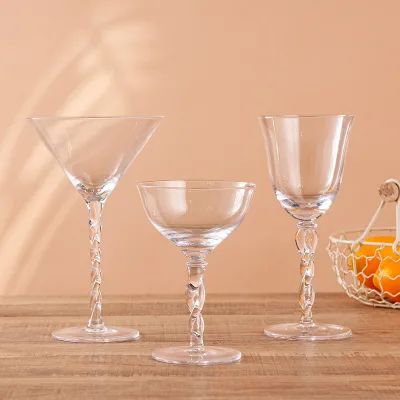
Custom Triangle martini Glass bar High Aesthetic Spiral Wine Glass Transparent Glass Type
$4.42 - $5.52
MOQ: 100 pieces
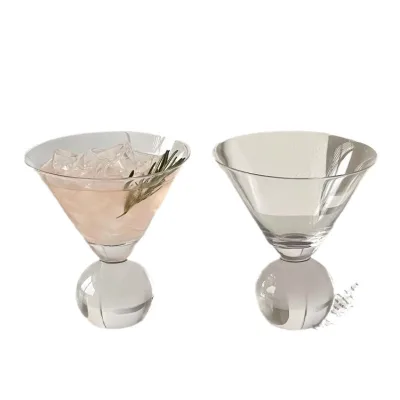
$1.15 - $1.45
MOQ: 48 pieces
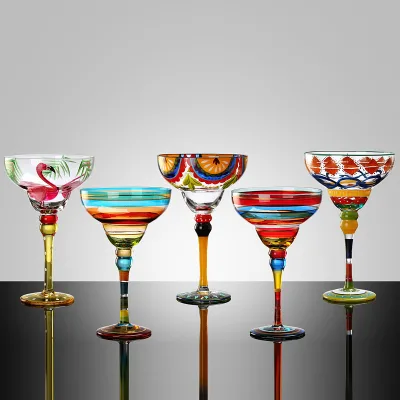
- Verified by SGS
- Trading Company
- China Zhejiang
- Lead time15 days
- Avg. response≤ 15h
Main productsMop, Kitchen Knife, Chopping Board, Blanket, Mosquito Net, Cushion, Slipper, Broom, Luggage, Educational Toy
Main marketsEurope,Australia

$1.67 - $1.97
MOQ: 500 Pieces

Factory Direct Sales Eco-Friendly Lead-Free Crystal Transparent Red Wine Glass Martini Glasses
$0.54 - $0.64
MOQ: 1500 Pieces

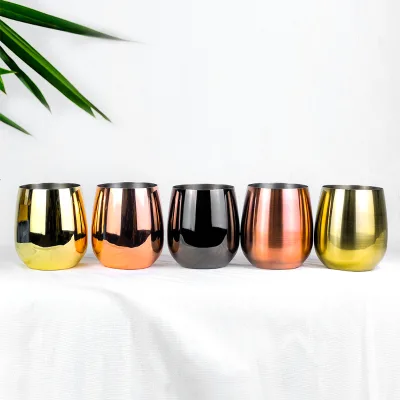
Hot Sale Gold Black Electric Egg Shape Unbreakable Stemless Tumbler Glasses Whisky Glass Cup
$0.97 - $1.14
MOQ: 850 Pieces

Multi-Style Hand Blown Mountain Bottom Crystal Whiskey Lead-Free Shot Wine Glasses
$1.20 - $1.41
MOQ: 700 Pieces

Top Seller Lead Free Glass Luxurious Retro Creative Electroplated Gold Wine Glass
$2.90 - $3.41
MOQ: 250 Pieces
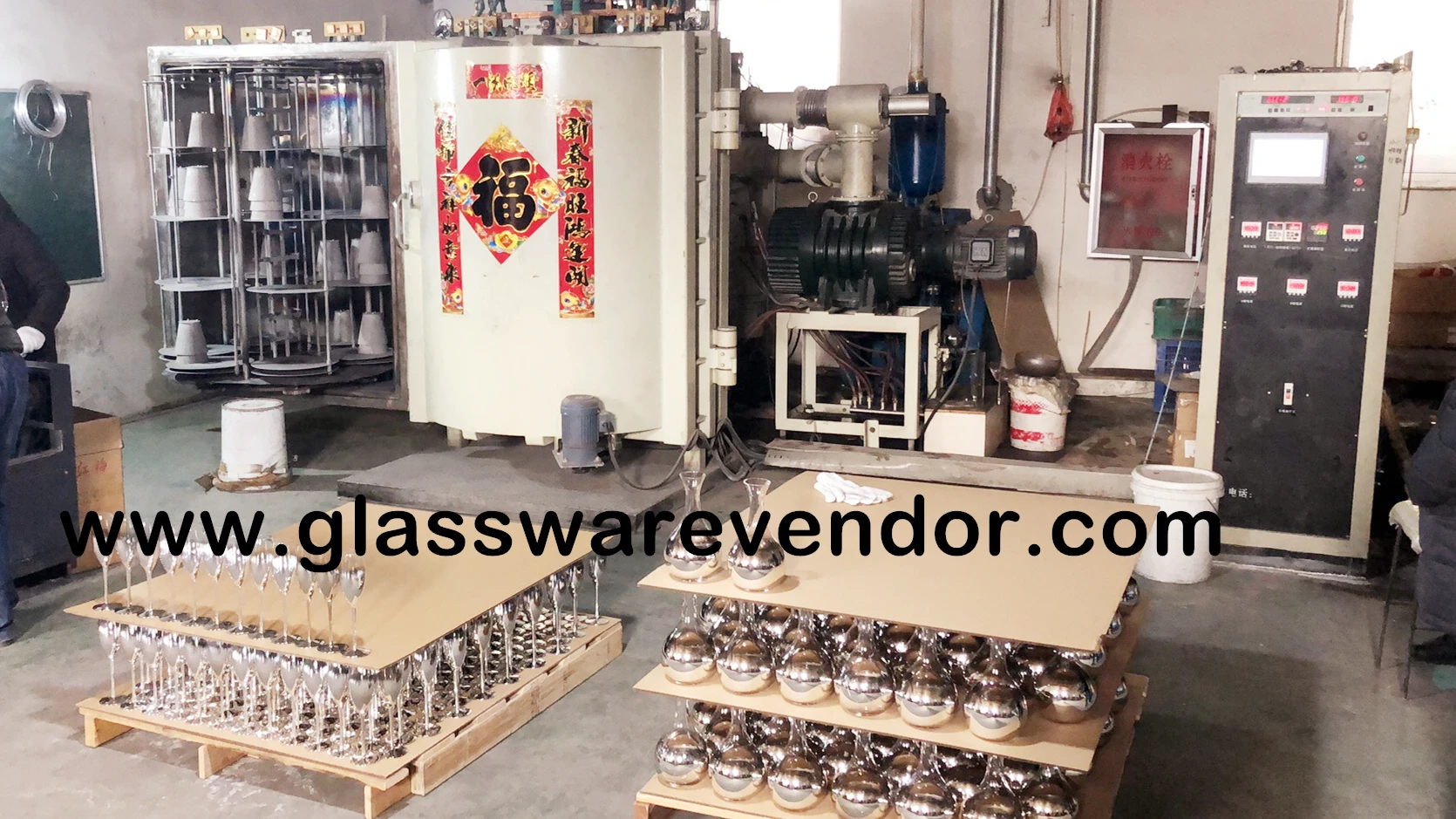
Shenzhen Sunrise Glassware Co., ltd.
- Trading Company
- Guangdong, China
- Lead time30 days
- Avg. response≤ 7h
Main productscustom crystal wine glass,custom hand cut whiskey glass,custom drinking glass,custom colored glass cup,custom double wall glass cups
Main marketsWestern Europe(20.00%), North America(20.00%), Southern Europe(16.00%), Domestic Market(10.00%), Northern Europe(10.00%), Oceania(7.00%), Mid East(5.00%), Eastern Asia(5.00%), South America(2.00%), Southeast Asia(2.00%), Central America(2.00%), Eastern Europe(1.00%)

Ningbo July Packaging Co., Ltd.
- Verified by BV
- Trading Company
- China Zhejiang
- Lead time23 days
- Avg. response≤ 4h
Main productsSkincare Packaging, Airless Bottle, Cosmetic Packaging, Trigger Sprayer, Cream Jar, Lotion Pump, Plastic Bottle, Plastic Goblet, Plastic Cup, Wine Glass
Main marketsSoutheast Asia/ Mideast,Europe

Metallic Silver or Golden Color 16oz Unbreakable Reuseable Tritan Wine Glass BPA Free
$1.10 - $1.30
MOQ: 2000 Pieces

- Verified by TUVRHEINLAND
- Trading Company,Manufacturer/Factory
- China Zhejiang
- Lead time23 days
- Avg. response≤ 5h
Main productsKitchenwares, Homewares, Kitchen Gadgets, Kitchen Utensils, Kitchen Accessories, Home Organizations, Kitchen Tools
Main marketsSouth America,Eastern Europe,Mid East,North America,Southeast Asia,Eastern Asia,Oceania,Western Europe,Africa

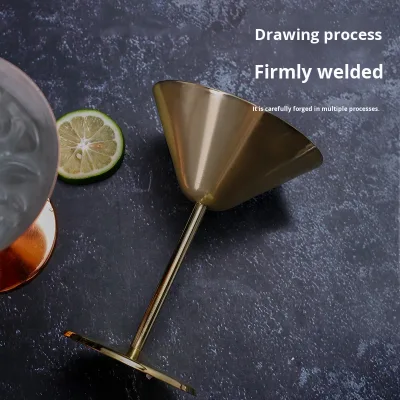
Elegant Wine Goblet Stainless Steel Martini Glasses Metal Cocktail Glass Mi24761
$3.74 - $4.49
MOQ: 100 Pieces

Qixian Kewantong Glassware Co., Ltd.
- Verified by Intertek
- Manufacturer, Trading Company
- Lead time30 days
- Avg. response≤ 5h
Main productsWine Glasses, Decanter, Whiskey Glasses, Champagne Glasses, Glass Plate
Main marketsDomestic Market(45%), North America(15%), Mid East(10%)
Yancheng Gold Best Glassware Co., Ltd.
- Trading Company
- Jiangsu, China
- Lead time20 days
- Avg. response≤ 3h
Main productsHome Decoration,Tableware,Kitchenware,Lighting Accessories,Glass Crafts
Main marketsNorth America(25.00%), Domestic Market(20.00%), Northern Europe(10.00%), Southern Europe(7.00%), Western Europe(7.00%), South America(5.00%), South Asia(5.00%), Eastern Asia(5.00%), Eastern Europe(5.00%), Oceania(5.00%), Central America(2.00%), Mid East(2.00%), Africa(1.00%), Southeast Asia(1.00%)
Foshan Greafor Import and Export Co., Ltd.
- Verified by BV
- Trading Company
- China Guangdong
- Lead time30 days
- Avg. response≤ 8h
Main productsBlender Glass Jar, Blender Blade, Glass Lampshade, Blender Lid and Base, Blender Spare Parts, Plastic Jar, Stainless Steel Blade, Blender Lip, Blender Machine, Blender Motor
Main marketsSouth America,Africa,Australia,North America


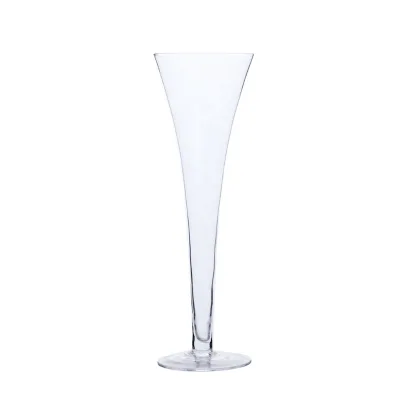
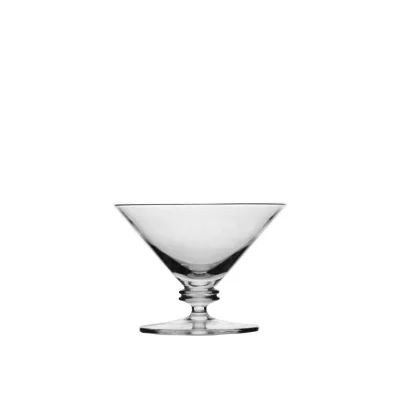
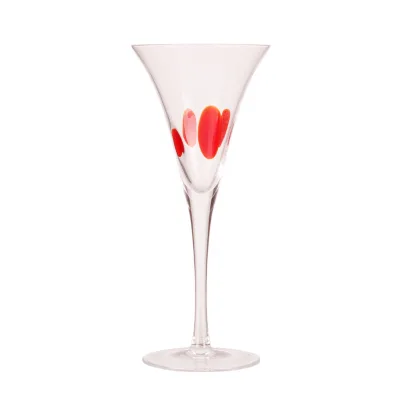
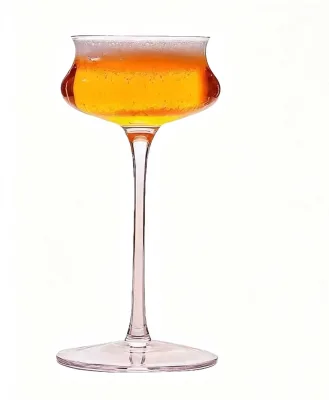


Comprehensive Sourcing Guide
Unbreakable Martini Glass Supplier Concentration and Factory Types
The current supplier landscape for Unbreakable Martini Glass reveals a mix of manufacturing and trading entities operating primarily within Guangdong, China. Evidence indicates that production facilities in this region handle diverse materials including glass, stainless steel, and various plastics such as PS, PC, and PP. Some suppliers specialize in sample processing and graphic customization, while others focus on high-volume production of durable, dishwasher-safe items. The presence of both manufacturers and trading companies suggests a layered supply chain where factories may produce the base items while traders manage logistics and client relations. Buyers should note that the specific location of the factory is often listed as Guangdong, China, which serves as a central hub for this type of drinkware manufacturing.
When evaluating the concentration of these suppliers, it is essential to distinguish between those who own the production lines and those who facilitate trade. The data shows that companies in this sector often list main products ranging from ceramic mugs to thermos series, indicating a broad capacity for home and garden drinkware. However, for unbreakable martini glasses specifically, the focus remains on materials like stainless steel and unbreakable plastics designed for parties and weddings. Buyers must verify if a supplier is a direct manufacturer capable of handling customized logos and specific styles like Japandi or Classic, or if they are a trading company sourcing from third-party factories. This distinction impacts the ability to control quality and negotiate pricing directly with the production source.
How to Verify Unbreakable Martini Glass Suppliers
Verification of suppliers in the Unbreakable Martini Glass category requires checking for specific third-party certifications and company credentials. The available data highlights that some suppliers hold TüVRheinland verification status, which serves as a critical indicator of operational legitimacy and quality management systems. Buyers should prioritize suppliers displaying this specific verification mark, as it confirms that the company has undergone rigorous external audits. Additionally, product-level certifications such as QS and FDA are frequently listed for plastic variants, ensuring that materials like PS, PC, and PP meet safety standards for food contact. These certifications are vital for ensuring that the unbreakable glasses are safe for serving wine, cocktails, and other beverages without leaching harmful substances.
Beyond external verification, buyers must assess the responsiveness and communication capabilities of the potential supplier. The observed response times vary, with some suppliers indicating a response time of 2 hours and others showing even faster engagement metrics. A quick response time often correlates with a more active sales team and better project management, which is crucial when dealing with custom orders involving specific logos or styles. Buyers should also look for evidence of customization capabilities, such as the acceptance of customized logos and the ability to process graphic requests. If a supplier cannot provide clear proof of these capabilities or lacks the necessary verification badges, it is advisable to request further documentation before proceeding with any order to mitigate the risk of working with unverified entities.
What to Compare Across Unbreakable Martini Glass Suppliers
Comparing suppliers requires a detailed analysis of key operational metrics such as minimum order quantities, lead times, and pricing structures. The data reveals a wide range in minimum order quantities, with some suppliers requiring as few as 50 pieces for glass and metal options, while plastic variants may demand orders of 1,000 pieces. Lead times also vary, with some suppliers indicating a standard production window of 15 days, though this can fluctuate based on order volume and customization complexity. Buyers should create a comparison matrix that lists these specific constraints for each potential partner to determine which supplier aligns best with their inventory needs and budget constraints. It is important to note that not every supplier will offer the same flexibility, so understanding these baseline requirements is essential for accurate planning.
Pricing and material specifications are another critical area for comparison across the supplier base. Unit prices for unbreakable martini glasses can range significantly, with glass and metal options often priced higher than plastic alternatives. For instance, stainless steel and glass models may have price points starting around $1.10 to $2.50, whereas plastic versions might be available at lower price points starting near $0.72. Buyers must also compare the specific material types, such as whether the product is made from durable, break-resistant glass or various plastic types like PS, PC, or PP. Additionally, features like dishwasher safety, reusability, and capacity (ranging from under 200ml to over 500ml) should be weighed against the price to ensure the selected product meets the intended usage scenario, whether for home decor, hotel service, or commercial bar use.
Common Unbreakable Martini Glass Sourcing Risks
One of the primary risks in sourcing unbreakable martini glasses involves the discrepancy between product descriptions and actual material quality. While many listings claim items are "unbreakable," the material composition varies widely, from stainless steel to various plastics, each with different durability characteristics. Buyers must verify that the specific material type matches their expectations for longevity and safety, especially if the glasses are intended for high-traffic commercial environments like bars or restaurants. There is a risk that a supplier may list a product as unbreakable glass when it is actually a lower-grade plastic, or vice versa. This misalignment can lead to product failure, customer dissatisfaction, and potential liability issues if the glasses break or degrade prematurely during use.
Another significant risk relates to the consistency of customization and branding capabilities. Many suppliers offer customized logos and styles, but the execution quality can vary depending on the supplier's specific craft and equipment. Some listings indicate that the craft is "other" or generic, which may imply a lack of specialized equipment for high-quality branding. If a buyer requires precise logo placement or specific color matching for a brand, relying on a supplier with vague craft descriptions could result in subpar branding. Furthermore, the packaging dimensions and weight listed in the product attributes can impact shipping costs and logistics planning. If the actual packaging differs significantly from the stated dimensions, it could lead to unexpected freight charges or storage issues, making it crucial to verify these details before finalizing an order.
Unbreakable Martini Glass Regional Sourcing and Logistics
The regional sourcing landscape for Unbreakable Martini Glass is heavily concentrated in Guangdong, China, which serves as a major manufacturing hub for this category. This region offers a dense network of factories capable of producing a wide array of drinkware, from glass and metal to various plastic types. The concentration of suppliers in this area facilitates efficient logistics and supply chain management, as many manufacturers are located in close proximity to major shipping ports. Buyers sourcing from this region can benefit from established infrastructure that supports both small-batch custom orders and large-scale production runs. However, it is important to verify the specific location of the factory within Guangdong, as this can influence lead times and shipping costs depending on the final destination of the goods.
Logistics planning must account for the varying packaging dimensions and weights associated with different product types. The data shows that single package sizes can range from compact dimensions for individual items to larger carton dimensions for bulk orders, such as 694736cm for certain plastic models. These variations directly impact freight calculations and container utilization. Buyers should request detailed packing lists and carton dimensions from suppliers to accurately estimate shipping costs and ensure that the chosen logistics provider can handle the specific volume and weight of the shipment. Additionally, the origin of the goods, consistently listed as China, means that international shipping times and customs procedures must be factored into the overall delivery timeline. Understanding these logistical nuances is essential for maintaining a smooth supply chain and avoiding delays in receiving the unbreakable martini glasses.
Unbreakable Martini Glass Commercial Terms and Order Planning
Commercial terms for Unbreakable Martini Glass orders often include specific requirements regarding customization, payment, and delivery schedules. Many suppliers indicate that customization is available, including the acceptance of customized logos and specific styles, but these services may come with higher minimum order quantities or longer lead times. Buyers should clarify the exact terms for customization, such as whether there are additional fees for mold creation or graphic processing, and how these costs are factored into the final price. It is also crucial to confirm the payment terms and whether the supplier offers escrow services to protect the buyer's funds until the goods are delivered as specified. Understanding these commercial terms upfront helps prevent misunderstandings and ensures that the order proceeds smoothly from negotiation to fulfillment.
Order planning must be aligned with the supplier's production capacity and lead time estimates to avoid delays. The observed lead times, such as the 15-day standard, provide a baseline for scheduling, but buyers should account for potential variations due to order volume or customization complexity. For suppliers with sample processing capabilities, buyers can request samples to verify quality before committing to a large order, which helps mitigate the risk of receiving substandard products. Additionally, the selling units and capacity of the glasses, ranging from single items to bulk packs, should be considered when planning inventory levels. Buyers need to ensure that their order quantities align with the supplier's MOQs to avoid unnecessary costs or production delays. Careful planning of these commercial and logistical details is essential for a successful sourcing experience.
FAQs
What is the minimum order quantity for unbreakable martini glasses?
The minimum order quantity varies by material and supplier. Glass options start at 50 pieces, while plastic versions often require 1000 pieces. Buyers should verify specific MOQs for their chosen style and color before placing an order to ensure cost efficiency.
How long does it take to receive unbreakable martini glasses?
Lead times typically range around 15 days for production and shipping. Some suppliers may offer faster response times within two days for inquiries. Buyers must confirm exact delivery schedules with the manufacturer based on current order volume and destination location.
Are unbreakable martini glasses available with custom logos?
Yes, many suppliers accept customized logo requests for these glasses. Both glass and plastic varieties support branding services. Buyers should specify design details early to ensure the final product meets their marketing needs and brand identity standards effectively.
What certifications do unbreakable martini glasses have?
Plastic martini glasses often carry QS and FDA certifications for food safety. These ensure the materials are safe for drinking wine, beer, or cocktails. Buyers should request specific certification documents from the supplier to verify compliance with local import regulations.
Where are unbreakable martini glasses manufactured?
Most unbreakable martini glasses originate from Guangdong, China. This region is a major hub for glass and plastic manufacturing. Buyers can expect consistent quality standards from suppliers located in this specific area when sourcing these specific drinkware items.
What materials are used for unbreakable martini glasses?
These glasses are made from glass, stainless steel, or various plastics like PS, PC, and PP. Stainless steel options offer durability, while plastic versions provide lightweight alternatives. Each material offers distinct features such as dishwasher safety or unbreakable properties.
What is the price range for unbreakable martini glasses?
Prices generally range from 0.72 to 3.50 USD per piece depending on material and design. Glass and metal options tend to be higher priced than plastic versions. Buyers should compare unit costs against their budget and order volume requirements carefully.