Automatic Bubble Machine Gun Suppliers and Manufacturers
Explore 30 verified suppliers offering Automatic Bubble Machine Gun options from Guangdong and Shandong. Compare response times, lead times, certifications, and pricing to find the right partner. Request samples to verify quality before placing orders; review the available evidence before requesting comparable quotations from suitable candidates.
Suppliers List
Shantou Beilisi Toys Co., Ltd.
- Verified by Intertek
- Manufacturer, Trading Company
- Lead time15 days
- Avg. response≤ 1h
Main productsWater Gun, Candy Toys, Building Block, Toy Car, Bubble Toy
Main marketsDomestic Market(20%), North America(15%), Mid East(15%)
- Verified by Intertek
- Manufacturer, Trading Company
- Lead time14 days
- Avg. response≤ 2h
Main productsBubble Toy, Dinosaur Toy
Guangzhou Baolilong Toys Trading Co., Limited
- Trading Company
- Guangdong, China
- Lead time45 days
- Avg. response≤ 8h
Main productspromotion toys,dollar chain shop toys,OEM and ODM,candy toy,capsule toy
Main marketsNorthern Europe(35.0%), Mid East(25.0%), Eastern Europe(25.0%), South Asia(10.0%), South America(5.0%)

Shantou XIQI Plastic Products Co., Ltd.
- Verified by SGS
- Manufacturer
- China Guangdong
- Lead time15 days
- Avg. response≤ 3h
Main productsToys Gift Electrical Equipment Household Effe
Main marketsEast Asia(Japan/ South Korea),Europe,North America

Shantou Chenghai Xaqi Toys Industrial Co., Limited
- Verified by BV
- Combined
- China Guangdong
- Lead time23 days
- Avg. response≤ 4h
Main productsRemote Control Car, Educational Toy, Sport Toy, Pretend Play Toys, Remote Contro Toy, Baby Toy, Summer Toy, B/O Toy
Main marketsSoutheast Asia/ Mideast,Domestic,Europe


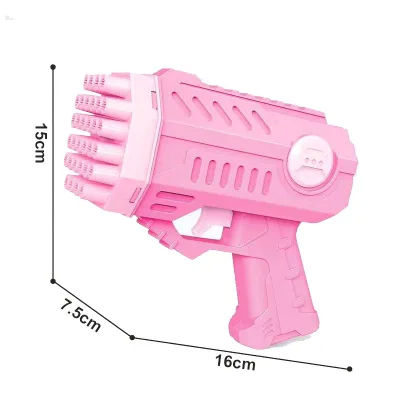
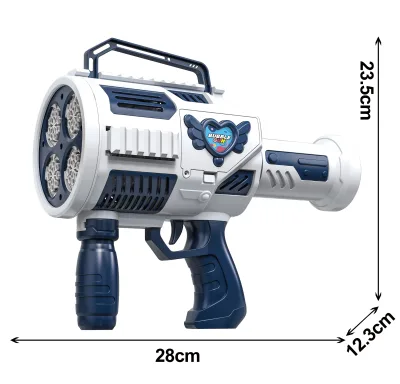
Electric Bubble Machine Automatic 12 Holes Gatling Bubble Gun Toy with Light Music
$1.62 - $2.62
Moq: 350

Shantou Chengzhong Toys Co., Ltd.
- Trading Company
- Guangdong, China
- Lead time0 days
- Avg. response≤ 9h
Main productsRC Toy,Drone,Bathroom Toys,Gun Toy
Main marketsNorth America(50.0%)
Guangdong Baisi Toys Co., Ltd.
- Verified by TüVRheinland
- Manufacturer, Trading Company
- Lead time15 days
- Avg. response≤ 5h
Main productsPuzzle Toys, Educational Toys, Infant Toys, Tabletop Games
Main marketsDomestic Market(50%), South America(15%), Southeast Asia(15%)

QUANZHOU LUCKY STAR LIGHT INDUSTRIAL ARTCRAFTS CO., LTD.
- Verified by SGS
- Trading Company
- China Fujian
- Lead time30 days
- Avg. response≤ 8h
Main productsPromotion Gifts, Toys, Stationery, Water Bottle, Wristband, Badge, Fridge Magnet, Electronic Toys, Eraser, Notebook
Main marketsEurope
Shantou Chenghai Dc Toys Industrial Co., Ltd.
- Manufacturer, Trading Company
- Guangdong, China
- Lead time20 days
- Avg. response≤ 2h
Main productsRC Drone,Intelligent Pets,Building Block,Summer Toy,Pretend Play Set
Main marketsEastern Europe(50.0%), Southeast Asia(20.0%), Africa(10.0%)

Shantou Kaixin Trading Co., Ltd
- Verified by BV
- Manufacturer
- China Guangdong
- Lead time23 days
- Avg. response≤ 6h
Main productsToy, Educational Toy, Remote Control Toy, Pretend Play Toy Set, Summer Toy, Vehicle Toy, Doll, Promotion Toy, Baby Toy, Game Toy

- Verified by TUVRHEINLAND
- Combined
- China Guangdong
- Lead time15 days
- Avg. response≤ 18h
Main productsGun Toys, Child Toy, Baby Toy, Sport Toy, Outdoor Toys, Educational Toy, RC Toy, Plastic Toy
Main marketsDomestic,Europe,North America

- Verified by BV
- Trading Company,Manufacturer/Factory
- China Zhejiang
- Lead time15 days
- Avg. response≤ 9h
Main productsCeramic Mug, Kitchen Storage, Water Bottle, Cookware Set, Charger Plates, Shaker Set, Storage Rack, Food Container, Kitchen Accessories, Yiwu Agent
Main marketsSouth America,Eastern Europe,Mid East,North America,Southeast Asia,Eastern Asia,Oceania,Western Europe,Africa
Shantou Chengji Toys & Gifts Co., Ltd.
- Verified by TüVRheinland
- Manufacturer, Trading Company
- Guangdong, China
- Lead time5 days
- Avg. response≤ 4h
Main productsPretend Play Toys, Outdoor Toys, Baby Toys, Educational Toys, Gun Toys
Main marketsNorth America(12%), Southeast Asia(12%), Mid East(12%)
- Verified by BV
- Trading Company
- China Guangdong
- Lead time23 days
- Avg. response≤ 3h
Main productsToys, Plush Toy, Toy Car, Plastic Toys, RC Car, Bath Toys, Educational Toys, Pretend Play Toys, Doll Toys, Candy Toys
Main marketsEurope
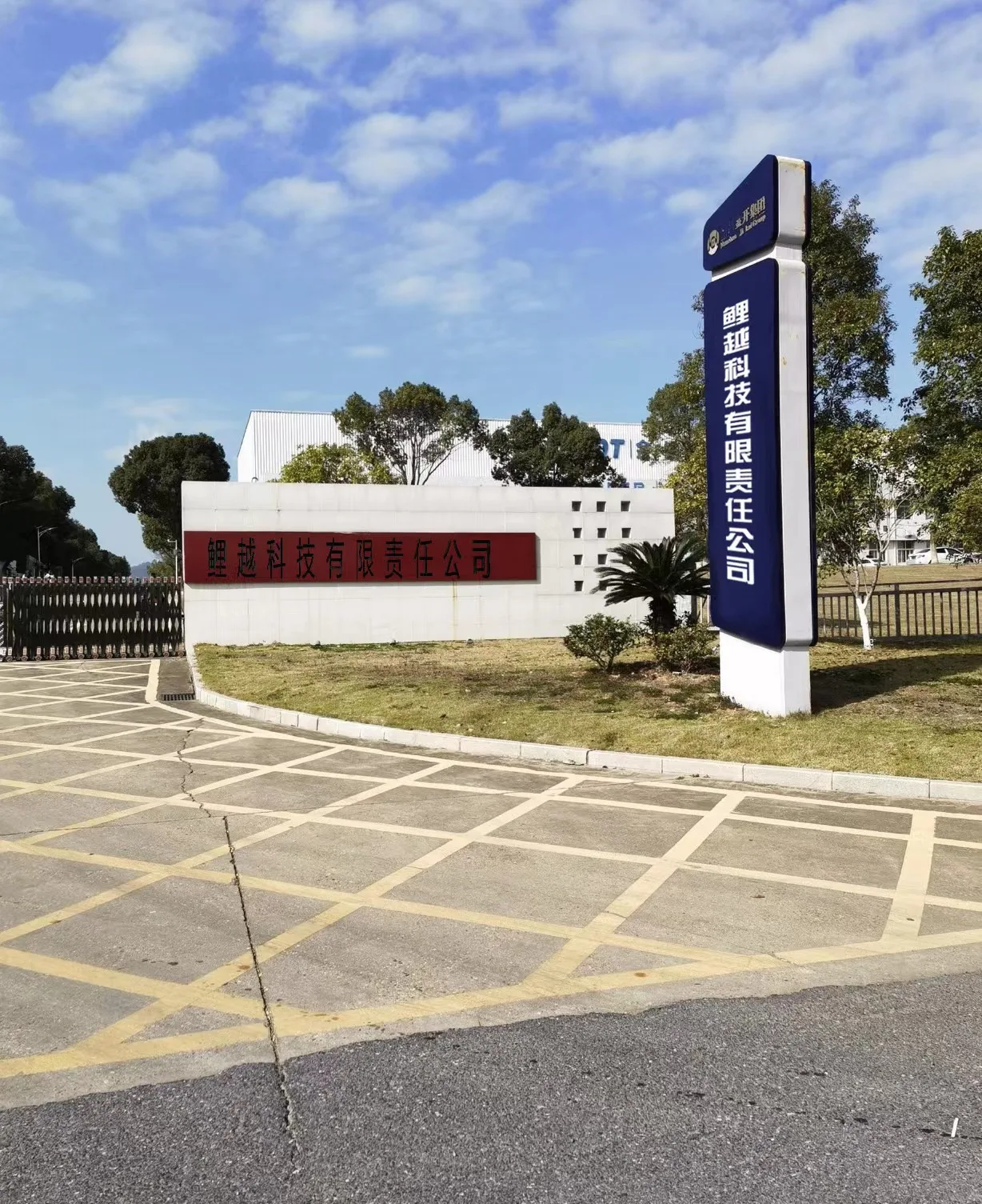
Hulunbuir Liyu Technology Co., Ltd.
- Trading Company
- Inner Mongolia, China
- Lead time10 days
- Avg. response≤ 4h
Main productsstuffed animal toys,Plush key chain,action figures,toys,Plush throw pillow
Main marketsNorth America(60.0%)
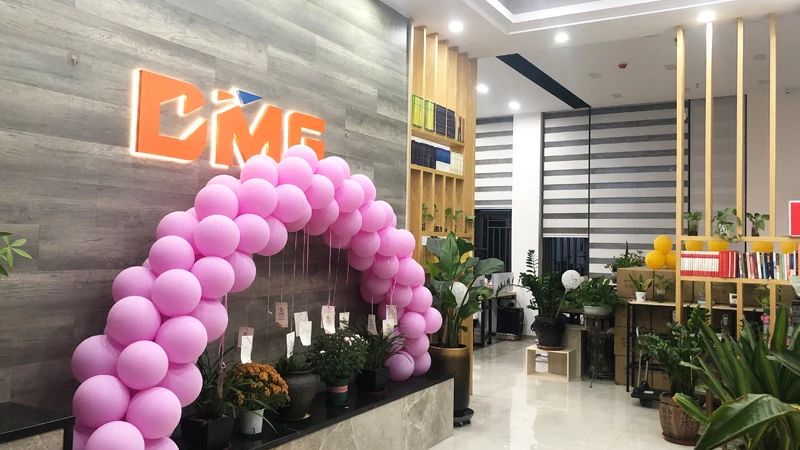
Xiamen Hengji Hengxin Trading Co., Ltd.
- Trading Company
- Fujian, China
- Lead time20 days
- Avg. response≤ 3h
Main productsRemote Control Toys,Educational Toys,Baby Toys,Outdoor Toys,rc planes
Main marketsSouth America(70.0%), Mid East(20.0%), North America(5.0%), Africa(3.0%), Northern Europe(1.0%), Eastern Europe(1.0%)
Ningbo Inchoi International Trading Co., Ltd
- Verified by SGS
- Trading Company
- China Zhejiang
- Lead time30 days
- Avg. response≤ 17h
Main marketsEurope

Wenzhou Simple leather Co., Ltd.
- Verified by TUVRHEINLAND
- Trading Company,Manufacturer/Factory
- China Zhejiang
- Lead time15 days
- Avg. response≤ 7h
Main productsArtificial Leather, PU Leather, Synthetic Leather, PVC Leather, Microfiber Leather, Imitation Leather, Leatherette, Faux Leather, Leatheroid, Toys
Main marketsSouth America,Eastern Europe,Mid East,North America,Southeast Asia,Eastern Asia,Oceania,Western Europe,Africa

Suzhou Yuncheng Ex/Im Co., Ltd.
- Trading Company,Manufacturer/Factory,Group Corporation
- China Jiangsu
- Lead time23 days
- Avg. response≤ 25h
Main productsTct Saw Blade, Diamond Saw Blade, Glue Gun, Empty Aluminium Tube, Aluminium Collapsible Tube, Foam Gun, Caulking Gun, Pasty Liquid Filling Machine, Filling and Screw-Cap Machine, Filling and Sealing Machine
Main marketsSouth America,Eastern Europe,Mid East,North America,Southeast Asia,Eastern Asia,Oceania,Western Europe,Africa
Shantou Capable Toys Co., Ltd.
- Trading Company
- Lead time旺季: , 淡季:
- Avg. response≤ 10h
Main productseducational toys,RC drone,RC Toy,Wooden toy,Plastic toy

Hua Dong Plastic Toys & Electronic Co., Ltd
- Verified by SGS
- Combined
- China Guangdong
- Lead time23 days
- Avg. response≤ 4h
Main productsEducational Toys, Remote Control Cars, Baby Toys, Adult Toys, Plush Toys, Girl Toys, Children Bike, Decoration Toys, Gun Toys, Wooden Toys
Main marketsEurope
Jiangxi Hand by Hand E-commerce Co., Ltd
- Verified by TUVRHEINLAND
- Trading Company
- China Jiangxi
- Lead time15 days
- Avg. response≤ 4h
Main productsPlastic Toys, Educational Toys, Baby Toys, RC Toys, Pretend Play Toys, Doll Toys, Robot Toys, Summer Toys, Sport Toys
Main marketsOthers(foreignTradeCapacity.exportBusinessCapacityMarketOther)

Shantou Haizhiming Network Technology Co., Ltd.
- Verified by TUVRHEINLAND
- Combined
- China Guangdong
- Lead time15 days
- Avg. response≤ 3h
Main marketsDomestic

Hengjun Plastic Toys Manufactory
- Verified by CTI
- Manufacturer/Factory
- China Guangdong
- Lead time15 days
- Avg. response≤ 25h
Main productsEducational Toys, RC Toys, Bo Toys, Candy Toys, Die Cast Toys, Baby Toys, Summer Toys, Promotion Toys & Gifts, Pretend Play Toys, Outdoor & Sport Toys
Main marketsSouth America,Eastern Europe,Mid East,North America,Southeast Asia,Eastern Asia,Oceania,Western Europe

- Verified by SGS
- Trading Company
- China Guangdong
- Lead time23 days
- Avg. response≤ 4h
Main productsBuilding Block, RC Toy, Baby Toy, Children Toy
Main marketsSoutheast Asia/ Mideast

Shantou S-Partner Toys Co., Ltd.
- Verified by CTI
- Trading Company
- China Guangdong
- Lead time30 days
- Avg. response≤ 7h
Main marketsSouth America,Southeast Asia/ Mideast,East Asia(Japan/ South Korea),Europe,North America
- Trading Company
- Guangdong, China
- Lead time3 days
- Avg. response≤ 7h
Main productsRemote Control Toys, Educational Toys, Building Block Toys, Stress Relief Toys, Outdoor Sports Toys
Main marketsNorth America(25.0%), Western Europe(20.0%), Southeast Asia(10.0%), Eastern Europe(5.0%), Mid East(5.0%), South Asia(5.0%), South America(5.0%), Oceania(5.0%), Southern Europe(5.0%), Eastern Asia(5.0%), Central America(5.0%), Northern Europe(5.0%)
Shantou Qiaobai Toys Co., Ltd.
- Trading Company
- Lead time旺季: "1 - 720":10,"> 720":"To be negotiated", 淡季: "1 - 720":10,"> 720":"To be negotiated"
Main productsEducational Toys, Pretend Play, Baby Toys, Blocks Building Toys, Puzzle
Wuhan Hourglass Trading Co., Ltd.
- Trading Company
- Hubei, China
- Lead time0 days
- Avg. response≤ 18h
Main productsDrone,Fashion Jewelry,FPV Goggles,Ground Control Station,Necklace
Main marketsNorth America(50.0%), Mid East(15.0%), South America(15.0%), Southeast Asia(10.0%), Eastern Asia(5.0%), Central America(3.0%), South Asia(2.0%)
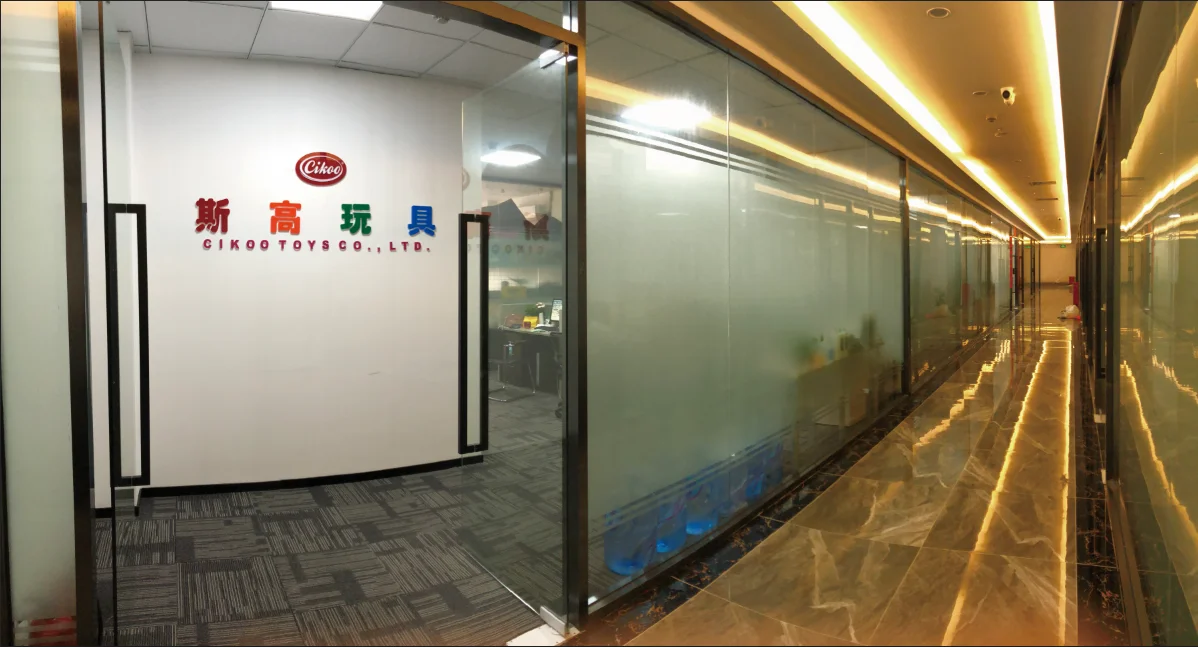
- Manufacturer
- Guangdong, China
- Lead time35 days
- Avg. response≤ 2h
Main productsWater Gun,Bath Toy,Bubble Toy,Dinosaur Toy,Pretend Play
Main marketsNorth America(25.0%), Domestic Market(20.0%), South America(10.0%), Western Europe(10.0%), Eastern Asia(10.0%), Oceania(5.0%), Southern Europe(5.0%), Northern Europe(5.0%), Southeast Asia(5.0%), Eastern Europe(5.0%)


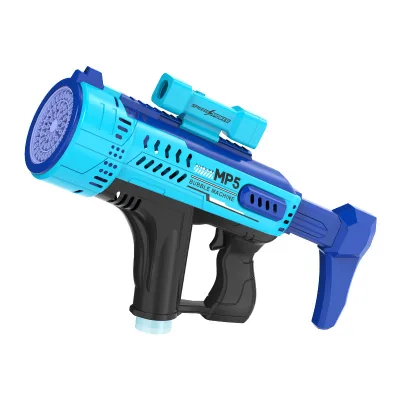
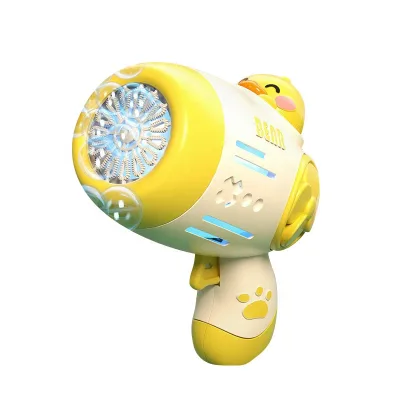
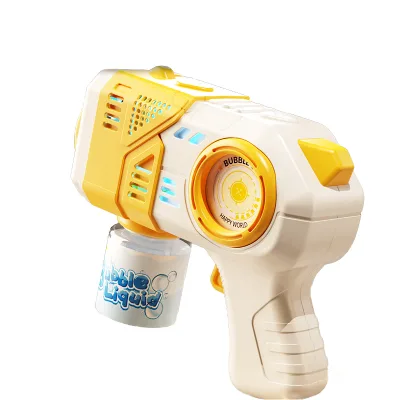


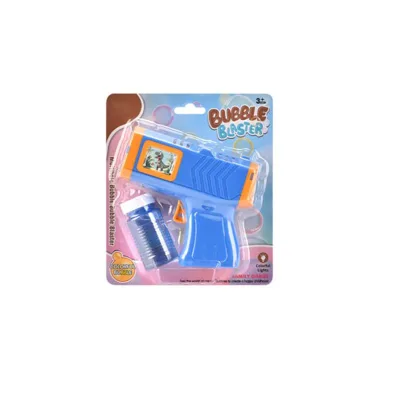
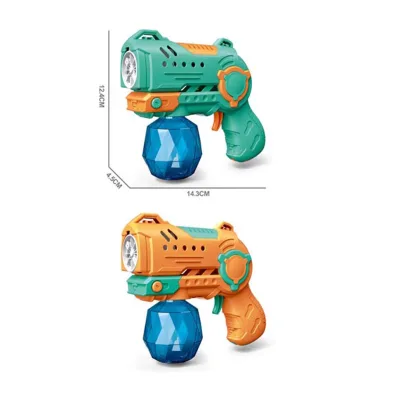


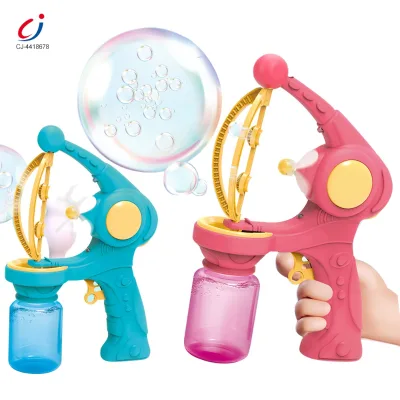
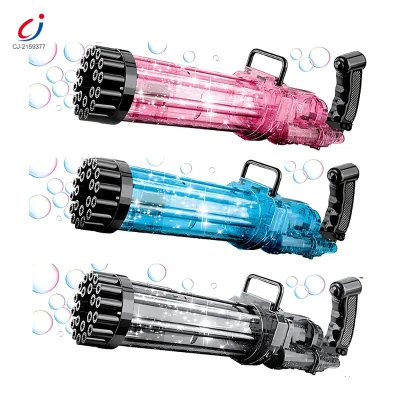


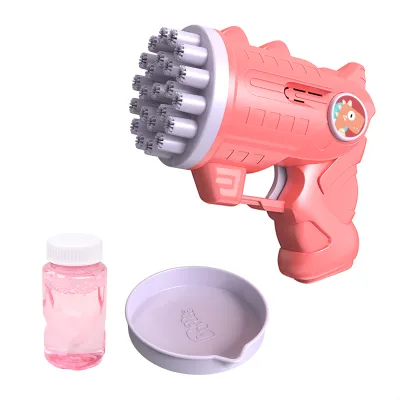
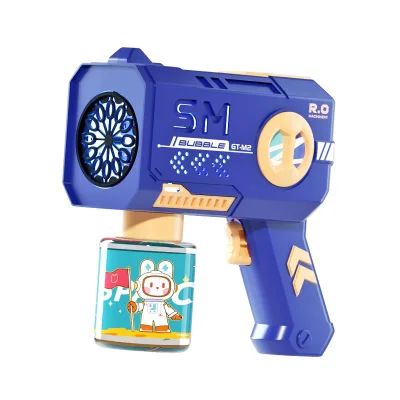
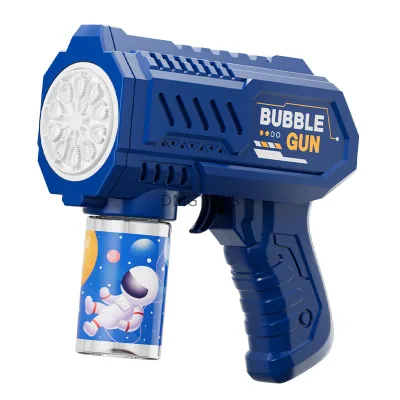
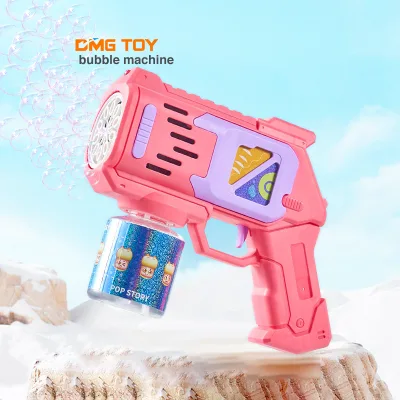


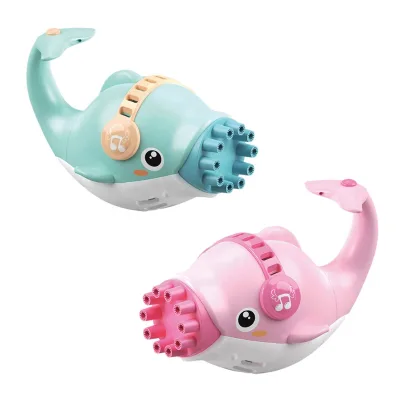
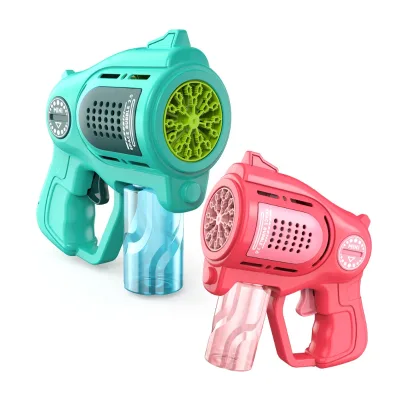


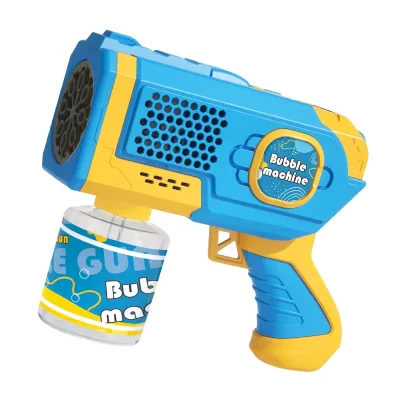
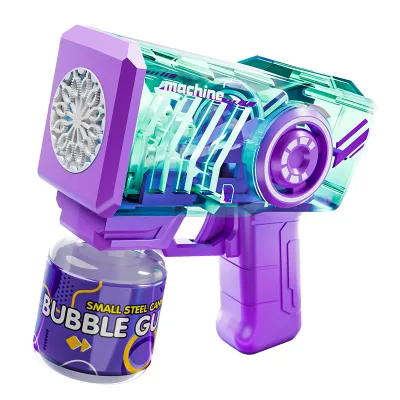
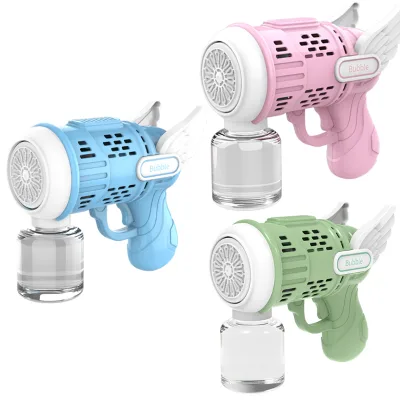
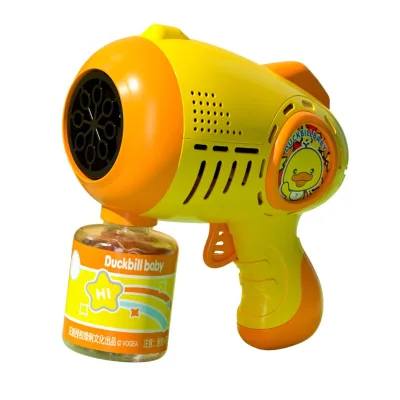
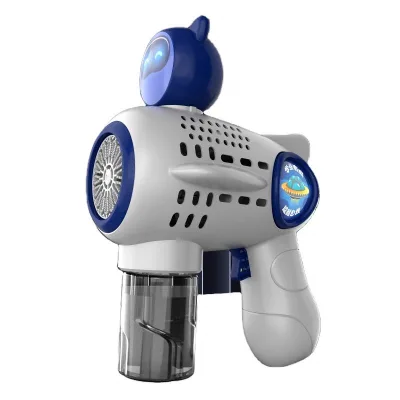
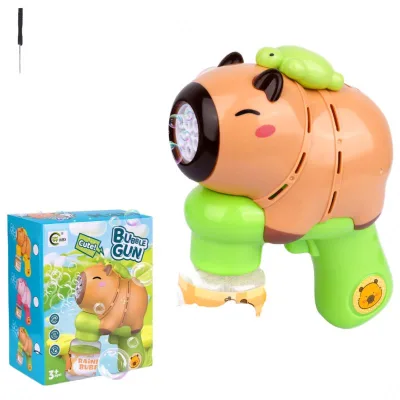
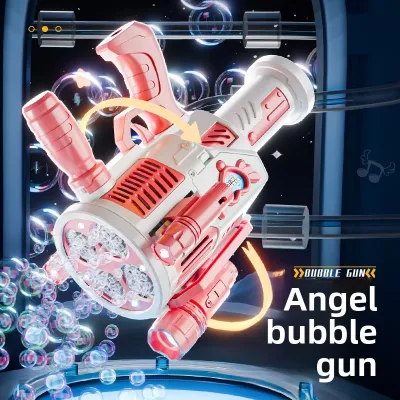
Comprehensive Sourcing Guide
Automatic Bubble Machine Gun Supplier Concentration and Factory Types
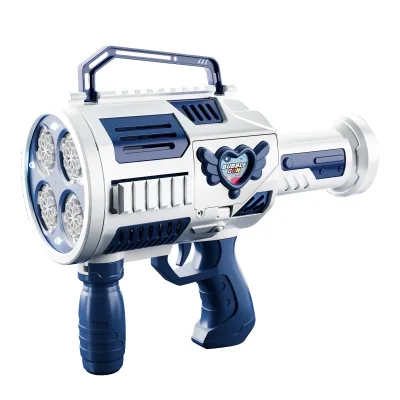
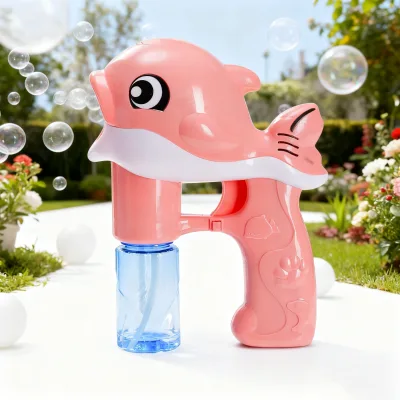
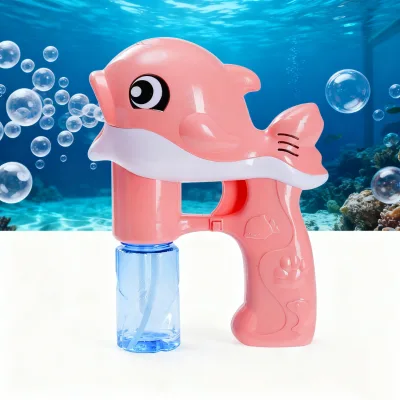
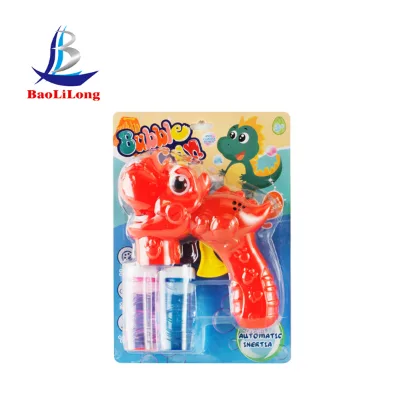
The current supplier landscape for automatic bubble machine guns reveals a distinct split between manufacturing capabilities and trading operations, which significantly impacts sourcing strategy. Evidence indicates that the primary company types available are manufacturers and trading companies, each offering different value propositions for buyers seeking these specific toys. Manufacturers are often positioned to handle more complex customization requests, as indicated by the presence of capabilities such as sample processing, graphic processing, and customized on-demand services. This suggests that factories are equipped to manage the technical nuances of producing plastic-based automatic bubble devices, including the integration of electronic components like lights and music modules. Buyers looking for deep customization, such as OEM/ODM logo application or specific structural modifications, should prioritize suppliers who explicitly list these manufacturing competencies. The presence of a trading company in the results highlights an alternative route for buyers who may prefer a single point of contact for diverse product lines, such as combining bubble toys with candy toys or capsule toys. Trading companies often aggregate products from multiple sources, which can simplify logistics for buyers with mixed orders, although it may reduce direct control over the production process. Understanding this dichotomy is crucial for aligning supplier selection with specific business needs, whether that involves strict quality control through direct factory engagement or flexibility through a trading partner.
Furthermore, the main products listed by these suppliers provide insight into their operational focus and potential expertise. Some suppliers specialize in a broad range of items including water guns, candy toys, building blocks, and toy cars, indicating a versatile production environment capable of handling various plastic injection molding tasks. Others focus more narrowly on bubble toys and dinosaur toys, suggesting a specialized niche that might offer deeper expertise in the specific mechanics of bubble generation and distribution. This specialization can be a key differentiator when evaluating potential partners, as a supplier dedicated to bubble toys may have more refined tooling and quality control processes for these specific items. The evidence also shows that some suppliers offer promotion toys and dollar chain shop items, which often implies a focus on high-volume, low-cost production methods suitable for retail chains. Buyers should carefully review the main product lists to ensure the supplier’s core competencies align with the quality and volume requirements of their Automatic Bubble Machine Gun orders. A supplier whose primary focus is on electrical equipment or household items might have different quality standards compared to one focused exclusively on children’s outdoor play structures.
How to Verify Automatic Bubble Machine Gun Suppliers
Verifying the legitimacy and capability of Automatic Bubble Machine Gun suppliers requires a multi-layered approach that goes beyond simple profile reviews. One critical step is to check for third-party verification badges, as the current data shows that at least one supplier has undergone verification by Intertek. This type of external validation provides a higher degree of confidence regarding the supplier’s business license and operational reality compared to self-reported information. Buyers should prioritize suppliers who display such verification marks, as they indicate a willingness to undergo independent scrutiny of their manufacturing or trading practices. Additionally, examining the response time metrics can offer clues about the supplier’s operational efficiency and customer service readiness. The observed response times vary, with some suppliers indicating a one-day response window while others show longer periods. A faster response time often correlates with a more active sales team and potentially quicker turnaround for inquiries and sample requests, which is vital for maintaining project momentum. However, buyers should not rely solely on this metric, as it may fluctuate based on seasonal demand or internal staffing levels.
Another essential verification step involves scrutinizing the certifications listed for the products and the company system. The evidence highlights a comprehensive list of safety and compliance standards, including CPSIA, BS EN71, ASTM F963, SOR/2011-17, REACH, CCPSA, EN IEC 62115, RoHS, EMC, CPC, CE, and UKCA. These certifications are particularly important for automatic bubble machine guns, as they involve electronic components and plastic materials that must meet strict safety regulations in various markets. Buyers must ensure that the specific products they intend to purchase carry the relevant certifications for their target region, such as CPC for the United States or UKCA for the United Kingdom. It is also advisable to request copies of these certificates and verify their validity with the issuing bodies. Furthermore, checking the supplier’s establishment year and history can provide context about their stability and experience in the industry. While specific establishment years are not provided in the current facts, buyers should ask for this information to gauge the supplier’s longevity and track record. A supplier with a longer history may have more refined processes and a more established reputation, reducing the risk of fraud or operational failure.
What to Compare Across Automatic Bubble Machine Gun Suppliers
When evaluating multiple suppliers for automatic bubble machine guns, buyers must systematically compare key operational metrics to identify the best fit for their specific requirements. One of the most critical factors is the lead time, which directly impacts inventory management and market launch schedules. The data shows lead times ranging from 14 to 45 days, a significant variance that can influence supply chain planning. Suppliers with shorter lead times, such as those offering 14-day turnaround, may be preferable for buyers needing rapid restocking or responding to sudden market trends. Conversely, longer lead times might be acceptable for planned seasonal orders or when working with suppliers who offer other advantages, such as lower prices or higher customization capabilities. Buyers should also compare the minimum order quantities (MOQs), which vary widely across the results. Some suppliers have an MOQ of 300 pieces, making them suitable for smaller businesses or test orders, while others require much larger volumes, such as 10,000 or 20,000 pieces. Understanding these MOQ thresholds is essential for aligning supplier capabilities with the buyer’s sales volume and storage capacity.
Price is another crucial dimension for comparison, although it must be evaluated in conjunction with other factors like quality and service. The observed price ranges for automatic bubble machine guns vary significantly, with some products listed around $5.10 to $5.26 per unit, while others are available for as low as $0.78 to $1.64 per unit. These price differences likely reflect variations in product complexity, material quality, and included features such as lights, music, or multiple bubble holes. Buyers should not simply choose the lowest price but should assess the value proposition by comparing the product specifications, such as material type (e.g., ABS plastic vs. standard plastic), age range suitability, and packaging details. Additionally, comparing the supplier’s response time can provide insight into their communication efficiency and potential for resolving issues quickly. Suppliers with faster response times may offer better support throughout the order process, from initial inquiry to post-sale service. Buyers should also consider the supplier’s main products and specialization, as a supplier focused on bubble toys may offer better quality and innovation compared to a general trading company. By systematically comparing these dimensions, buyers can make informed decisions that balance cost, quality, and operational efficiency.
Common Automatic Bubble Machine Gun Sourcing Risks
Sourcing automatic bubble machine guns from international suppliers introduces several risks that buyers must proactively manage to ensure a successful procurement process. One significant risk is the potential mismatch between product specifications and actual delivery, particularly when dealing with complex electronic toys. The evidence shows products with features like lights, music, and multiple bubble holes, which require precise engineering and quality control. If the supplier’s manufacturing processes are not robust, buyers may receive units with defective batteries, malfunctioning motors, or inconsistent bubble output. This risk is heightened when working with trading companies that may not have direct oversight of the production line. To mitigate this, buyers should request detailed product samples before placing bulk orders and conduct thorough testing to verify functionality and durability. Additionally, buyers should be aware of the risk associated with varying certification standards. While many suppliers list comprehensive certifications, it is crucial to verify that the specific products ordered meet the regulatory requirements of the destination market. Failure to do so can result in customs delays, product recalls, or legal liabilities.
Another common risk is the variability in lead times and order fulfillment reliability. The data indicates a wide range of lead times, from 14 to 45 days, which can be challenging for buyers with tight inventory schedules. Suppliers may face production delays due to material shortages, labor issues, or other operational disruptions. Buyers should establish clear communication channels and request regular updates on production status to stay informed of any potential delays. Furthermore, the risk of payment fraud or non-delivery is always present in international trade, although platforms with escrow services can help mitigate this. Buyers should use secure payment methods and avoid making full payments upfront unless dealing with highly trusted suppliers. It is also important to consider the risk of intellectual property infringement, especially when ordering OEM/ODM products. Buyers should ensure that their designs and logos are protected and that the supplier has the necessary rights to produce them. By identifying and addressing these risks early in the sourcing process, buyers can protect their interests and ensure a smoother transaction.
Automatic Bubble Machine Gun Regional Sourcing and Logistics
The geographic location of suppliers plays a pivotal role in determining logistics costs, lead times, and overall supply chain efficiency for automatic bubble machine guns. The current evidence indicates that suppliers are primarily located in Guangdong, China, with at least one supplier based in Shandong, China. Guangdong is a well-known manufacturing hub for toys and electronics, offering a mature ecosystem of suppliers, raw materials, and logistics infrastructure. Sourcing from this region can provide access to a wide variety of suppliers with diverse capabilities, from high-volume manufacturers to specialized trading companies. However, buyers should also consider the logistical implications of shipping from different regions. Suppliers in Guangdong may have more direct access to major ports, potentially reducing shipping times and costs. In contrast, suppliers in Shandong might have different logistical advantages depending on the buyer’s location and preferred shipping routes. Buyers should evaluate the total landed cost, including freight, insurance, and customs duties, when comparing suppliers from different regions.
Additionally, the location of the supplier can impact the ease of communication and time zone alignment. Suppliers in China operate in a time zone that may require careful scheduling for real-time communication, especially for urgent issues or quality inspections. Buyers should factor this into their operational planning and establish clear protocols for communication and issue resolution. Furthermore, regional sourcing can influence the availability of specific materials and components. Guangdong’s robust supply chain may offer faster access to plastics, electronics, and packaging materials, which can be crucial for maintaining production schedules. Buyers should also consider the environmental and regulatory differences between regions, as these can affect production costs and compliance requirements. By carefully evaluating the regional advantages and disadvantages of each supplier, buyers can optimize their sourcing strategy to balance cost, quality, and logistical efficiency. It is also advisable to work with freight forwarders who have experience in handling toy shipments from China to ensure smooth customs clearance and delivery.
Automatic Bubble Machine Gun Commercial Terms and Order Planning
Effective commercial terms and order planning are essential for managing the procurement of automatic bubble machine guns and ensuring a smooth transaction. One key aspect is the payment terms, which can vary significantly between suppliers. The evidence shows that some suppliers require a 30% deposit, which is a common practice in international trade to secure production slots and cover initial material costs. Buyers should negotiate payment terms that align with their cash flow and risk tolerance, potentially seeking more favorable conditions such as payment upon shipment or use of escrow services. Additionally, buyers must carefully plan their order quantities in relation to the supplier’s MOQs. The data shows a wide range of MOQs, from 300 pieces to 20,000 pieces, which can impact inventory management and storage costs. Buyers should assess their sales forecasts and storage capacity to determine the optimal order size, balancing the benefits of economies of scale
FAQs
What certifications do automatic bubble machine guns have?
Manufacturers typically hold CPSIA, EN 71, ASTM F963, and CPC certifications. These standards ensure the toys meet international safety requirements for children. Some suppliers also provide REACH and RoHS compliance. Always verify specific test reports for your target market before placing bulk orders to ensure full regulatory adherence.
What is the typical lead time for these toys?
Production lead times generally range from 14 to 45 days depending on the supplier type. Manufacturers often offer faster turnaround times around 14 to 15 days. Trading companies may require longer periods, sometimes up to 45 days. Confirm exact schedules with your chosen vendor to align with your delivery deadlines.
What are the price ranges for bubble guns?
Unit prices vary significantly based on features and order volume. Basic models can cost as low as $0.78, while more complex automatic machines range from $1.53 to $5.26. Prices depend on material quality, electronic components, and customization options. Request detailed quotes to understand cost implications for your specific quantity requirements.
What is the minimum order quantity for these items?
MOQs vary widely among suppliers, ranging from 300 pieces to 20,000 pieces. Some manufacturers accept lower quantities for sample processing or customized designs. Others require high volumes for standard production runs. Check specific product listings for exact MOQs to ensure they match your inventory needs and budget constraints.
Where are these bubble toys typically manufactured?
Most automatic bubble machine guns are produced in Guangdong and Shandong provinces in China. These regions are known for strong manufacturing capabilities in plastic toys. Buyers can find both manufacturers and trading companies in these locations. Verify the specific place of origin on product details to ensure supply chain transparency.
Do suppliers offer OEM and ODM services?
Many suppliers provide OEM and ODM services for custom branding and designs. You can often add custom logos or modify packaging for your brand. Some factories support graphic processing and customized on-demand production. Confirm customization capabilities and associated costs with suppliers to ensure they meet your specific branding requirements.