Automatic Electrode Humidifier Suppliers and Manufacturers
Source 16 verified suppliers for Automatic Electrode Humidifier units. Compare response times, lead times, certifications, and pricing to find the right partner. Review product specs and request quotes today; review the available evidence before requesting comparable quotations from suitable candidates.
Suppliers List
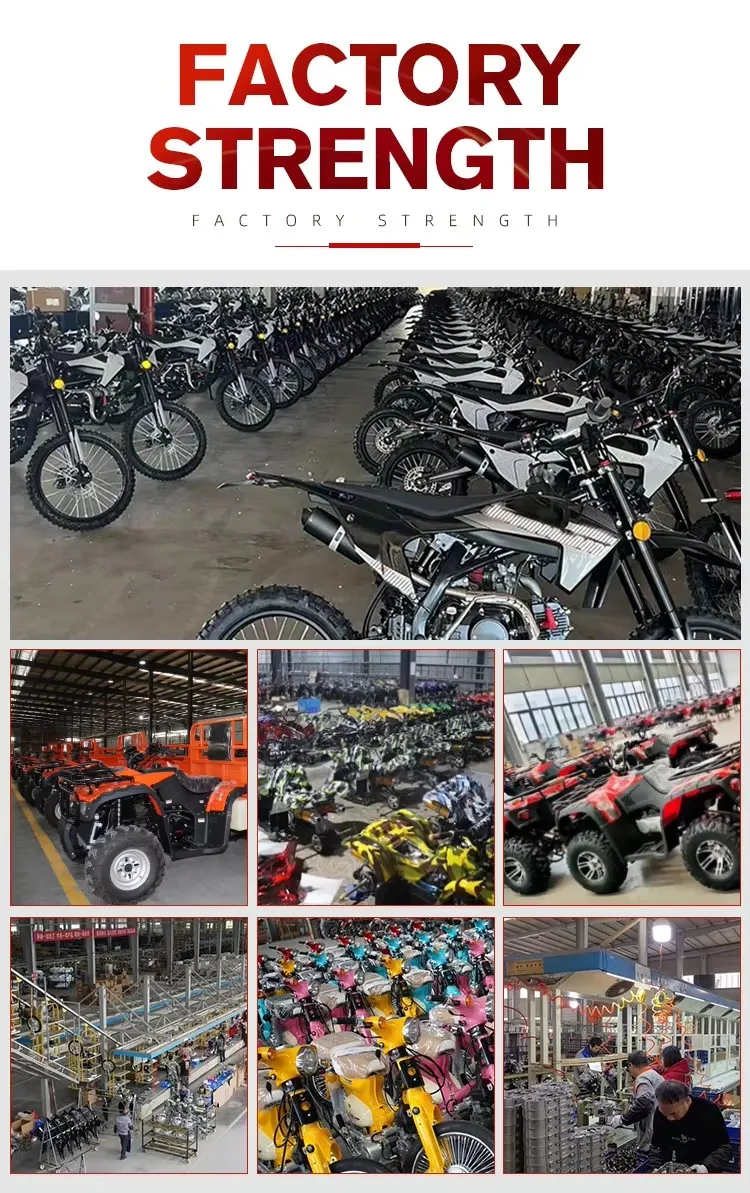
Suzhou Linwen International Trade Co., Ltd.
- Trading Company
- Jiangsu, China
- Lead time15 days
- Avg. response≤ 8h
Main productsDirt bike,Electric bicycles,Motorcycle,ATV
Main marketsSouth America(35.00%), Southeast Asia(10.00%), Central America(10.00%), North America(10.00%), Southern Europe(5.00%), Northern Europe(5.00%), Eastern Asia(5.00%), Domestic Market(5.00%), South Asia(5.00%), Eastern Europe(3.00%), Western Europe(3.00%), Oceania(2.00%), Africa(2.00%)

Shenzhen HY Electronic Technology Co., Ltd.
- Verified by SGS
- Manufacturer/Factory
- China Guangdong
- Lead time23 days
- Avg. response≤ 4h
Main productsAroma Diffuser, Humidifier, Essential Oil Diffuser, Essential Oil, Flame Humidifier, Atomizing Diffuser, Scent Oil, Aromatherapy Oils, Fragrance Oils, Waterless Diffuser
Main marketsSouth America,Eastern Europe,Mid East,North America,Southeast Asia,Eastern Asia,Oceania,Western Europe,Africa

180ml Flame Effect Humidifier Humidifier Aromatherapy Diffuser Aroma Air Humidifier
$6.90 - $7.90
MOQ: 1 Pieces


Ultrasonic Portable Humidifier Aroma Diffuser Essential Oil Nebulizer Fragrance 550ml Air Humidifier
$4.80 - $6.80
MOQ: 1 Pieces
Ningbo General Union Co., Ltd.
- Trading Company
- China Zhejiang
- Lead time23 days
- Avg. response≤ 13h
Main productsTable Lamp, Heat Press Machine, Home Appliance, Alarm Clock, Fans, Night Light, Solar Light, Kitchen Appliance, Pet Product, Sport Equipment
Main marketsSouth America,Eastern Europe,Mid East,North America,Southeast Asia,Eastern Asia,Oceania,Western Europe,Africa


Ultrasonic Humidifier OEM Projection Rechargeable Humidifier Luftbefeuchter
$10.62 - $11.23
MOQ: 50 Pieces


Mini Portable Wireless Humidifier Ultrasonic Air Humidifier for Home Office
$7.00 - $8.00
MOQ: 100 Pieces

Portable Mini Air Aroma Diffuser Ultrasonic Personal Humidifier for Car Hotel
$6.90 - $7.52
MOQ: 100 Pieces
Foshan Shunde Maxcan Electrical Appliances Co., Ltd.
- Manufacturer, Trading Company
- Guangdong, China
- Lead time35 days
- Avg. response≤ 15h
Main productsHumidifier
Main marketsNorth America(47.00%), Southeast Asia(20.00%), Mid East(10.00%), Western Europe(9.00%), South America(5.00%), Domestic Market(5.00%), Eastern Europe(4.00%)
Suzhou Ramon Aroma Technology Co.,Ltd.
- Combined
- China Jiangsu
- Lead time30 days
- Avg. response≤ 2h
Main productsAroma Diffuser
Main marketsDomestic


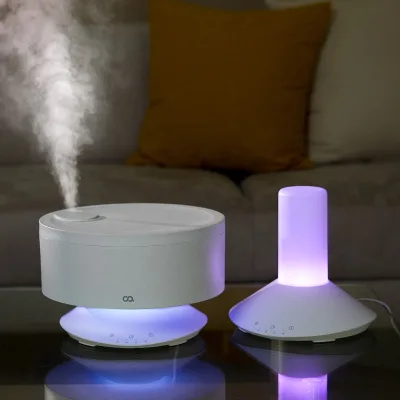
New Air Purifier Electric Aromatherapy Air Humidifier Aromatherapy Diffuser
$84.00 - $108.00
MOQ: 1 Pieces

$8.21 - $9.99
MOQ: 100 Pieces

Top Seller New Design Humidifier Portable Mini 300ml Aroma Diffuser Humidifier
$14.98 - $16.50
MOQ: 1 Pieces


Top Seller New Design Humidifier Portable Mini 300ml Aroma Diffuser Humidifier
$14.98 - $16.50
MOQ: 1 Pieces

Nan'an Fanghong Import and Export Co., Ltd
- Verified by SGS
- Trading Company
- China Fujian
- Lead time15 days
- Avg. response≤ 5h
Main productsShower Room\Faucet\Shower Head, Kitchen Faucet, Bathroom Faucet, Basin Faucet, Bathroom Cabinet\Wash Basin, Angle Valve, Floor Drain\Floor Filler, Kitchen Sink, Flush Valve, Kitchen Appliance
Main marketsSoutheast Asia/ Mideast,Australia
Shenzhen Changlin Houseware Co., Ltd.
- Manufacturer, Trading Company
- Guangdong, China
- Lead time15 days
- Avg. response≤ 1h
Main productsAroma Diffuser, Humidifier, Dehumidifier, Air Purifier
Main marketsEastern Europe(15.00%), Southeast Asia(15.00%), Oceania(13.00%), Domestic Market(10.00%), South Asia(9.00%), Western Europe(9.00%), Southern Europe(5.00%), Central America(5.00%), Northern Europe(5.00%), Eastern Asia(4.00%), North America(3.00%), Mid East(3.00%), South America(2.00%), Africa(2.00%)
Hangzhou Simon Purification Technology Co., Ltd.
- Verified by TUVRHEINLAND
- Combined
- China Zhejiang
- Lead time15 days
- Avg. response≤ 2h
Main productsDehumidifier, Erv, Duct Fun, Air Purifier, Industrial Dehumidifier, Commercial Dehumidifiers, Portable Dehumidifier, Grow Room Dehumidifier, Flood Restoration Dehumidifiers
Main marketsSouth America,Southeast Asia/ Mideast,Domestic,Europe,North America


CE Approved Intelligent Commercial Disinfection Cool Humidifier Air Humidifier
$530.90 - $573.00
MOQ: 1 Pieces

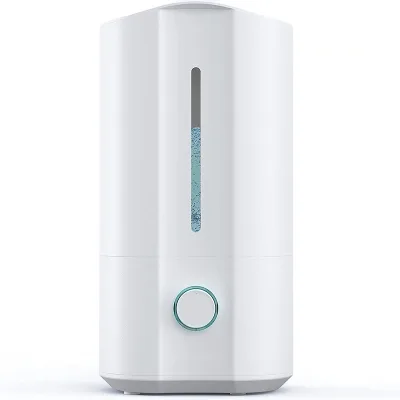
Portable Industrial Humidity Control Air Purification Ultrasonic Humidifier with Wheels
$530.90 - $573.00
MOQ: 1 Pieces

Outstanding Design & Manufacture Co., Ltd.
- Verified by BV
- Combined
- China Shanghai
- Lead time30 days
- Avg. response≤ 11h
Main productsScented Candle, Reed Diffuser, Car Air Freshener, Aroma Diffuser, Incense Gift Set, Scented Sachet, Oil Burner, Fragrance Oil, Essential Oil, Fragrance Lamp
Main marketsEurope,Australia,North America


Great New Ultrasonic Air Humidifier Purifier USB Humidifier Aroma Diffuser
$9.99 - $11.50
MOQ: 1000 Pieces


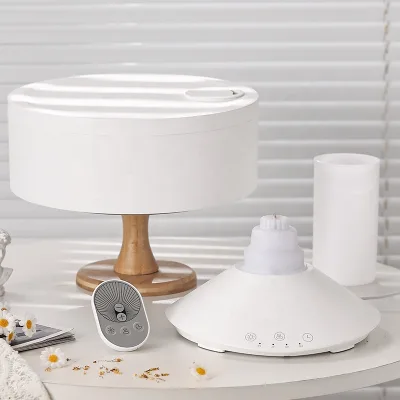
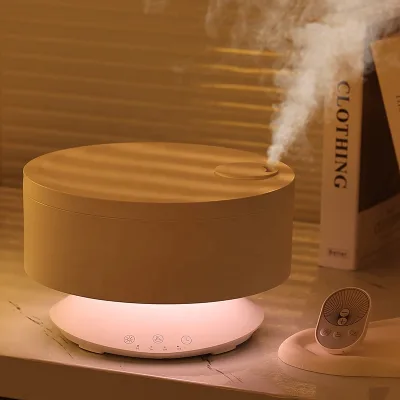
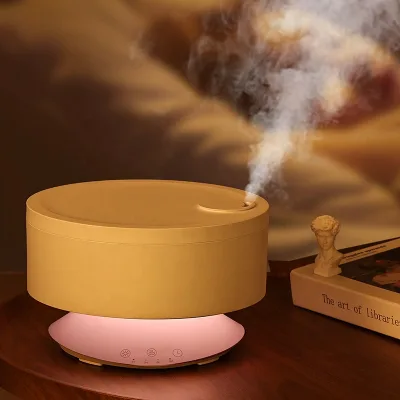
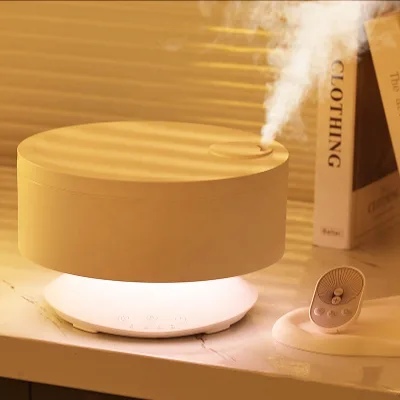
Essential Oil Electric Wooden Diffuser Aroma Diffuser Remote Air Humidifier
$14.20 - $15.70
MOQ: 500 Pieces

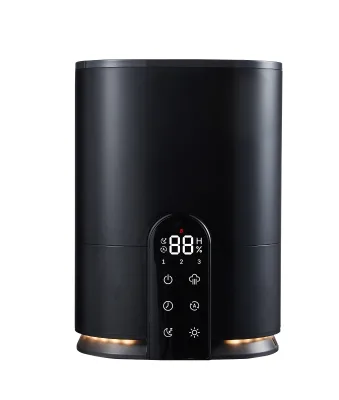
120ml Black Ultrasonic Aroma Diffuser /Air Purifier/Electric Aromatherapy Air Humidifier
$10.80 - $12.50
MOQ: 1000 Pieces


Ningbo Cbmtec Medical Equipment Co., Ltd.
- Verified by BV
- Manufacturer/Factory
- China Zhejiang
- Lead time45 days
- Avg. response≤ 6h
Main productsPatient Monitor, Ventilator, Patient Lift, Anesthesia Machine, Ultrasound Scanner, Gas Cylinder, Oxygen Concentrator, Pulse Oximeter, Oxygen Regulator
Main marketsSouth America,Eastern Europe,Mid East,North America,Southeast Asia,Eastern Asia,Oceania,Western Europe,Africa

Guangzhou Excellendo International Co., LTD
- Trading Company
- China Guangdong
- Lead time15 days
- Avg. response≤ 16h
Main productsPackaging Box, Gift Box, Paper Box, Paper Bags, Cardboard Display Stand, Cosmetic Box, Corrugated Box, Folding Box, Paper Cylinder Box, Perfume Packing Box
Main marketsSoutheast Asia/ Mideast,Europe,North America
Markevina Technology (Shenzhen) Co., Ltd.
- Verified by BV
- Trading Company,Manufacturer/Factory
- China Guangdong
- Lead time30 days
- Avg. response≤ 2h
Main productsSmall Home Appliances, Electricity and Power Equipment Manufacturing, Machinery and Production Line
Main marketsSouth America,Eastern Europe,Mid East,North America,Southeast Asia,Eastern Asia,Oceania,Western Europe,Africa

Smart WiFi Bluetooth Ultrasonic Cool Mist Humidifier Aroma Air Atomizer Diffuser
$25.00 - $40.00
MOQ: 100 Pieces

Intelligent Disinfection Manufacturing Instrument Humidifier Disinfectant Atomizer
$25.00 - $40.00
MOQ: 100 Pieces
Meizi Senmei (Suzhou) Electric Co., Ltd.
- Trading Company
- China Jiangsu
- Lead time0 days
- Avg. response≤ 8h
Main productsDehumidifier, Humidifier


Fresh Air Commercial Humidifier and Dehumidifier for Humidity Control
$1000.00 - $2600.00
MOQ: 1 Pieces

Advanced Multifunctional Heating Dehumidifier for Optimal Humidity Control
$2300.00 - $2400.00
MOQ: 1 Pieces
Kangbeijing (Hangzhou) Intelligent Technology Co., Ltd.
- Verified by CTI
- Combined
- China Zhejiang
- Lead time30 days
- Avg. response≤ 2h
Main productsPlasma Air Disinfector, Air Purifier, Air Sanitizer for Home, Air Disinfection Purifier, HEPA Air Purifier, Air Sanitizer, Air Disinfector, Medical Air Purifier, Hospital Sterilizer, Plasma Air Purifier
Main marketsDomestic

APP Remotely Controlled Air Purifier Convenient Intelligent Adjustment
$299.00 - $305.00
MOQ: 3000 Pieces

APP Remote Controlled Air Purifier Supports Convenient Intelligent Operation
$299.00 - $305.00
MOQ: 3000 Pieces

Constant Environment Air Purifier Keep Stable Humidity and Temperature
$2199.00 - $2599.00
MOQ: 200 Pieces

Stable Climate Air Purifier Avoid Temperature and Humidity Variation
$2199.00 - $2599.00
MOQ: 200 Pieces

Constant Environment Air Purifier No Temperature & Humidity Fluctuation
$2199.00 - $2599.00
MOQ: 200 Pieces

Stable Environment Air Purifier Maintains Constant Temperature & Humidity
$2199.00 - $2599.00
MOQ: 200 Pieces

Foshan Oukon Electrical Appliance Co., Ltd.
- Verified by TUVRHEINLAND
- Manufacturer/Factory
- China Guangdong
- Lead time0 days
- Avg. response≤ 8h
Main productsStand Fan, Industrial Fan, Table Fan, Tower Fan, Floor Fan
Main marketsSouth America,Eastern Europe,Mid East,North America,Southeast Asia,Eastern Asia,Oceania,Western Europe,Africa


Mini Portable Air Humidifier Rechargeable USB Battery 360 Degrees Rotation
$20.00 - $28.00
MOQ: 100 Pieces

Hangzhou Shier Electrical Equipment Co., Ltd.
- Verified by BV
- Trading Company,Manufacturer/Factory
- China Zhejiang
- Lead time45 days
- Avg. response≤ 2h
Main productsIndustrial Dehumidifier, Commercial Dehumidifier, Whole Home Dehumidifiers, Humudifier Ultrasonic, Portable Dehumidifier, Commercial and Industrial Dehumidifiers, Ocean Mist Ultrasonic Humidifier, Electric Room Dehumidification Unit, Semiconductor Dehumidifier, House Dehumidification
Main marketsEastern Europe,Mid East,Southeast Asia,Eastern Asia,Western Europe

Ion Disinfection Purification Function Fresh Air Constant Humidity Dehumidifier
$1200.00 - $1700.00
MOQ: 1 Pieces

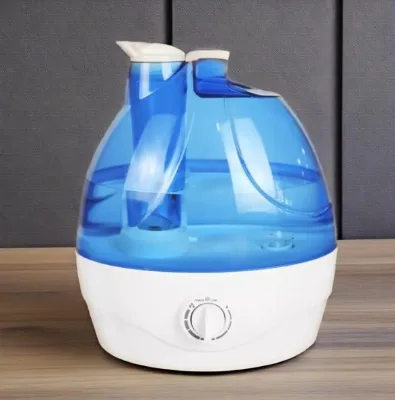
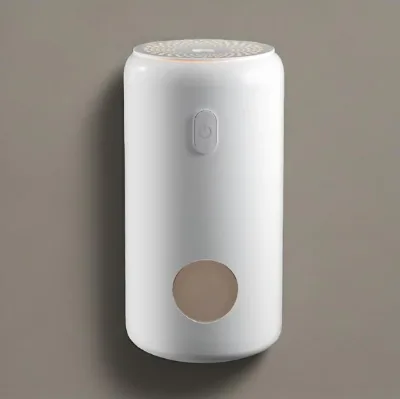
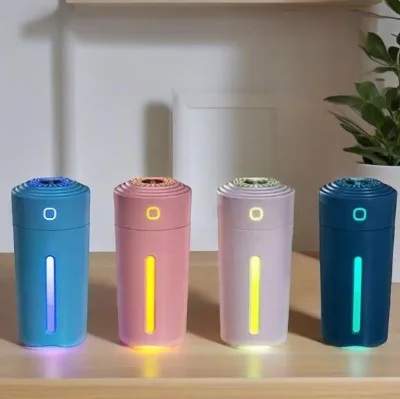




Comprehensive Sourcing Guide
Automatic Electrode Humidifier Supplier Concentration and Factory Types
The current search results indicate a concentration of suppliers in Jiangsu, China, and Guangdong, China, with additional presence noted in Zhejiang. These regions host a mix of trading companies and manufacturers, each offering distinct advantages for sourcing automatic electrode humidifiers. Suppliers in Jiangsu are identified as trading companies, which often aggregate products from various factories to offer a broader catalog including dirt bikes and electric bicycles alongside home appliances. In contrast, suppliers in Guangdong are frequently manufacturers or factories, providing direct access to production lines for items like aroma diffusers and essential oil atomizers. This distinction is critical because trading companies may offer faster logistics coordination, while manufacturers often provide deeper customization capabilities for OEM and ODM projects.
When evaluating the factory types, buyers must verify the specific company classification against the product evidence provided. Some suppliers list main products such as automatic electric humidifiers and aromatherapy diffusers, while others focus on broader categories like home appliances or smart home improvement. The presence of certifications like SGS, ISO, CE, and RoHS on specific product listings suggests that certain manufacturers adhere to international quality standards, though these certifications are tied to specific product attributes rather than the entire company portfolio. Buyers should not assume that a trading company in Jiangsu possesses the same manufacturing depth as a factory in Guangdong. Instead, they should request proof of the supplier's actual operational capacity, such as factory audits or production line photos, to confirm whether the entity is a direct manufacturer or a middleman.
How to Verify Automatic Electrode Humidifier Suppliers
Verification of suppliers requires a rigorous check of the provided evidence, particularly regarding certifications and response times. The data shows that some suppliers have achieved SGS verification, while others display ISO, CE, and RoHS certifications on specific product listings like the 180ml flame effect humidifier. However, these certifications are product-specific and do not automatically validate the entire supplier's compliance for all potential orders. Buyers must confirm that the certification applies to the specific Automatic Electrode Humidifier model they intend to purchase, rather than assuming it covers the entire product range. Additionally, response times vary significantly, with some suppliers responding in under four hours and others taking over twelve hours. A fast response time is a positive indicator of operational efficiency, but it should be corroborated with actual communication tests to ensure the supplier can handle complex technical queries regarding electrode technology.
Beyond certifications and response speeds, buyers should scrutinize the main products and company type listed for each supplier. A supplier listing dirt bikes and electric bicycles as main products alongside humidifiers may indicate a diversified trading company rather than a specialized manufacturer. This diversification can be beneficial for logistics but may signal a lack of deep technical expertise in humidifier engineering. Conversely, suppliers listing aroma diffusers and essential oil atomizers as primary products are more likely to have specialized knowledge in mist discharge and ultrasonic technologies. Buyers should also verify the place of origin, as some products are listed as originating from Guangdong while others are from China generally. Confirming the specific manufacturing location helps in assessing the supply chain stability and the likelihood of consistent quality control during the production of automatic electrode humidifiers.
What to Compare Across Automatic Electrode Humidifier Suppliers
Comparing suppliers requires a detailed analysis of lead times, minimum order quantities (MOQ), and pricing structures found in the product evidence. Lead times in the current results range from 15 days to 23 days, with some suppliers offering faster turnaround times for specific items. Buyers must align these lead times with their production schedules, as a 23-day lead time may be unsuitable for urgent orders. Similarly, MOQs vary widely, with some suppliers requiring 1000 units while others accept orders as low as one unit. This disparity is crucial for buyers with different volume needs; a trading company might offer lower MOQs to attract smaller clients, whereas a manufacturer might enforce higher thresholds to maintain production efficiency. Pricing also fluctuates, with ranges observed from $2.86 to $8.07 depending on the product features and capacity.
In addition to logistics and pricing, buyers should compare the technical specifications and customization options available. The product evidence highlights features such as working times of up to 9 hours, water tank capacities ranging from 280ml to 550ml, and various power types including USB and lithium batteries. Some suppliers offer customization for colors and branding, while others provide standard OEM services. The presence of timing functions, humidity control modes, and water shortage protection features further differentiates the offerings. Buyers must ensure that the supplier's customization capabilities match their specific requirements for the Automatic Electrode Humidifier. Furthermore, the material composition, such as ABS, PP, or silicone, impacts durability and safety, making it a key comparison point. Evaluating these technical attributes alongside commercial terms ensures a comprehensive assessment of supplier suitability.
Common Automatic Electrode Humidifier Sourcing Risks
One significant risk in sourcing automatic electrode humidifiers is the potential mismatch between the supplier's main product focus and the specific technical requirements of the order. Many suppliers listed in the results are trading companies that aggregate diverse products, including dirt bikes and home appliances, which may dilute their expertise in humidifier technology. This lack of specialization can lead to quality inconsistencies or delays in resolving technical issues related to electrode mechanisms. Buyers should be wary of suppliers who do not explicitly state their manufacturing capabilities or who list a wide array of unrelated products as their primary focus. Verifying the supplier's actual production capacity and technical support structure is essential to mitigate the risk of receiving substandard products that fail to meet performance expectations.
Another critical risk involves the variability in certifications and compliance standards across different suppliers. While some product listings display ISO, CE, and RoHS certifications, these are often tied to specific models rather than the entire supplier's operation. A supplier might have a certified product line but lack the necessary quality control processes for other items. Additionally, the absence of detailed information regarding establishment years or long-term operational history makes it difficult to assess the supplier's stability and reliability. Buyers must verify that the certifications are current and applicable to the specific batch of automatic electrode humidifiers being ordered. Relying solely on product-level certifications without confirming the supplier's overall compliance framework can expose buyers to regulatory risks and potential product recalls in their target markets.
Automatic Electrode Humidifier Regional Sourcing and Logistics
Regional sourcing strategies must account for the specific locations identified in the search results, such as Jiangsu, Guangdong, and Zhejiang. Suppliers in Jiangsu are primarily trading companies, which can offer consolidated shipping solutions but may add layers to the supply chain. In contrast, manufacturers in Guangdong often provide direct access to production facilities, potentially reducing lead times and improving communication. The logistics implications of these regional differences are significant; suppliers in Guangdong may have better access to major ports like Ningbo, facilitating smoother export processes. Buyers should consider the proximity of the supplier to their target markets to minimize shipping costs and transit times. Additionally, the availability of specific packaging types, such as corrugated boxes or color boxes, can impact the efficiency of logistics and the condition of goods upon arrival.
Logistics planning also requires attention to the specific shipping terms and port locations mentioned in the product evidence. Some suppliers list FOB Ningbo Port as their shipping term, which is a standard practice for Chinese exporters but requires buyers to arrange freight forwarding from that specific location. Understanding the port of origin is crucial for calculating total landed costs, including freight, insurance, and customs duties. Buyers should also consider the impact of regional infrastructure on lead times; suppliers in well-connected industrial zones may offer more reliable delivery schedules. Furthermore, the packaging specifications, such as weight and dimensions, influence shipping costs and storage requirements. By aligning regional sourcing choices with logistical capabilities, buyers can optimize their supply chain efficiency and reduce the risk of delays or additional costs associated with international shipping.
Automatic Electrode Humidifier Commercial Terms and Order Planning
Commercial terms and order planning are pivotal when engaging with suppliers of automatic electrode humidifiers, particularly regarding pricing, payment structures, and order flexibility. The observed price ranges, from $2.86 to $8.07, reflect variations in product features, materials, and customization levels. Buyers must carefully evaluate these prices against their budget constraints and the specific requirements of their market. Additionally, the MOQs vary significantly, with some suppliers requiring 1000 units while others accept single-unit orders. This flexibility allows buyers to test the market with smaller quantities before committing to larger production runs. However, higher MOQs often correlate with lower unit prices, so buyers should calculate the total cost of ownership, including inventory holding costs, to determine the most economical order size.
Order planning also involves assessing the supplier's capacity for customization and their ability to meet specific technical demands. The product evidence indicates that many suppliers offer OEM and ODM services, allowing for branding and design modifications. Buyers should confirm the lead times for customized orders, as these may extend beyond the standard 15 to 23 days observed in the results. Furthermore, the availability of features like timing functions, humidity control, and water shortage protection should be verified to ensure they meet the buyer's specifications. Payment terms and escrow services, though not explicitly detailed in the current data, are critical for securing transactions. Buyers should negotiate terms that protect their interests, such as milestone-based payments or escrow services, to mitigate the risk of non-delivery or quality issues. Effective order planning ensures a smooth transaction and aligns supplier capabilities with business objectives.
FAQs
What is the price range for automatic humidifiers?
Prices for automatic humidifiers typically range from $2.86 to $8.07 per unit. The cost varies based on features like LED lights, battery capacity, and material quality. Buyers should expect lower prices for basic models and higher costs for units with aromatherapy functions or custom branding options.
What is the minimum order quantity for these products?
Minimum order quantities vary significantly by supplier. Some manufacturers require a minimum of 1000 pieces for standard models, while others accept orders as low as one unit. Buyers seeking small batches should verify specific MOQ requirements with the supplier before placing an order to ensure alignment with their needs.
How long does production take for these humidifiers?
Lead times for automatic humidifiers generally range from 15 to 23 days. This duration depends on the supplier's current workload and the complexity of the order. Buyers should confirm the exact production timeline with the supplier to plan their inventory and shipping schedules effectively.
What certifications do these humidifiers have?
Many automatic humidifiers come with ISO, CE, and RoHS certifications. These standards ensure product safety and quality compliance for international markets. Buyers should request certification documents to verify that the products meet the specific regulatory requirements of their target destination country.
Where are these humidifiers manufactured?
These humidifiers are primarily manufactured in China, with production facilities located in Jiangsu, Guangdong, and Zhejiang provinces. Guangdong is a common origin for electronic components, while other regions may focus on assembly. Buyers can verify the specific place of origin for each product listing.
Can I customize the color and branding?
Yes, many suppliers offer customization for color and branding. Options include customized colors and OEM services for logos. Buyers should discuss their specific design requirements with the supplier to ensure the customization aligns with their brand identity and meets the minimum order quantity for custom orders.