Automatic Electric Water Filling Machine Suppliers and Manufacturers
Source 14 verified suppliers for Automatic Electric Water Filling Machine solutions. Compare key dimensions including lead times, MOQs, certifications, and response speeds. Review product specifications and request quotes to streamline your procurement process; review the available evidence before requesting comparable quotations from suitable candidates.
Suppliers List

Zhangjiagang King Machine Tech Co., Ltd.
- Verified by BV
- Combined
- China Jiangsu
- Lead time45 days
- Avg. response≤ 6h
Main productsWater Filling Machine, Beverage Filling Machine, Carbonated Drink Filling Machine, 5gallon Bottle Filling Machine, Bottle Blowing Machine, Glass Bottle Filling Machine, Can Filling Machine, Wrapping Machine, Juice Filling Machine, Labeling Machine
Main marketsSoutheast Asia/ Mideast

Ruian Onfocus Machinery Company Limited
- Combined
- China Zhejiang
- Lead time30 days
- Avg. response≤ 8h
Main productsAutomatic Packing Machine, Granule Packing Machine, Liquid Packing Machine, Power Packing Machine, Paste Packing Machine, Liquid Filling Machine, Automatic Packaging Machine, Liquid Packaging Machine, Vertical Packing Machine, Horizonal Packing Machine
Main marketsSouth America,Africa,Southeast Asia/ Mideast,Europe,North America

Ace-Filling (Suzhou) Packaging Machinery Co., Ltd.
- Verified by SGS
- Combined
- China Jiangsu
- Lead time45 days
- Avg. response≤ 9h
Main productsCarbonated Soft Drink Filling Machine, Drinking Water Bottling Machine, Fruit Juice Tea Hot Filling Machine, 3-10L Big Bottle Water Drink Filling Machine, 5 Gallon Barrel Water Filling Machine, Glass Bottle Beverage Filling Machine, Juice Beer Carbonated Drink Can Filling Machine, Edible Oil Ketchup Filling Machine, Water Treatment System, Beverage Bottle Labeling Machine
Main marketsSouth America,Others(foreignTradeCapacity.exportBusinessCapacityMarketOther),North America


Water Filling Machine Automatic Hot Sale Pure Water Filling Machines
$10000.00 - $15000.00
MOQ: 1 Sets

Zhangjiagang Klio Machinery Co., Ltd.
- Verified by SGS
- Combined
- China Jiangsu
- Lead time15 days
- Avg. response≤ 6h
Main marketsSoutheast Asia/ Mideast,Domestic


Advanced Automatic Carbonated Water Filling Machine with Precision Control
$5000.00 - $20000.00
MOQ: 1 Sets


Shandong Backace Machinery Co., Ltd.
- Verified by TUVRHEINLAND
- Combined
- China Shandong
- Lead time15 days
- Avg. response≤ 2h
Main productsFilling Machine, Filling Production Line, Bottle Washing Machine, Capping Machine, Labeling Machine, Sealing Machine, Filling Line, Juice Filling Machine, Red Wine Filling Machine, Liquid Filling Machine
Main marketsDomestic

Zhangjiagang City Tango Machinery Co., Ltd.
- Trading Company
- China Jiangsu
- Lead time60 days
- Avg. response≤ 6h
Main productsWater Bottle Filling Produdction Line, 3in1 Bottle Filling Machine, Bottlig Machine, Wrapping Machine, Labeling Machine, Carton Package Machine, Beverage Filling Machine, Juice Production Line, Carbonated Beverage Production Line, 5gallon Production Line
Main marketsSouth America,Eastern Europe,Mid East,North America,Southeast Asia,Eastern Asia,Oceania,Western Europe,Africa

Qingzhou Gofar Packaging Machinery Co., Ltd.
- Verified by BV
- Combined
- China Shandong
- Lead time60 days
- Avg. response≤ 4h
Main productsFilling Machine, Auto Liquid Filling Machine, Auto Water Filling Machine, Auto Oil Filling Machine, Auto Juice Production Line, Auto Aluminum Cap Sealing Machine, Auto Labeling Machine, Auto Water Treatment Equipment
Main marketsSouth America,Africa,Southeast Asia/ Mideast,Domestic,Europe,North America


Complete Good Quality Three-in-One Automatic Water Filling Machine and Capping
$8000.00 - $9920.00
MOQ: 1 Pieces

Zhangjiagang Lexse Machinery Co., Ltd.
- Verified by SGS
- Trading Company
- China Jiangsu
- Lead time45 days
- Avg. response≤ 1h
Main productsWater Filling Line, Carbonated Drinking Line, Juice Filling Line, 3-10L Water Filling Line, 5gallon Filling Line, Can Filling Line, Beer Filling Line, Oil Filling Machine
Main marketsSouth America,Eastern Europe,North America,Southeast Asia,Eastern Asia,Oceania,Africa


Complete Automatic Filling Packing Line Bottled Water Filling Machine
$10500.00 - $50000.00
MOQ: 1 set

Fully Automatic Water Bottling Machine Water Bottling Equipment Filling Machine
$10500.00 - $20000.00
MOQ: 1 set


ZhangJiaGang City YuFeng Beverage Machinery Co., Ltd.
- Verified by TUVRHEINLAND
- Trading Company,Manufacturer/Factory
- China Jiangsu
- Lead time45 days
- Avg. response≤ 23h
Main productsFilling Machine, Water Treatment, Canning Machine, Juice Mixing Line, Packing Machine, Labeling Machine, Bottle Blowing Machine, Beer Filling Machine, Carbonated Drink Filling Machine, 5 Gallon Filling Line
Main marketsSouth America,Eastern Europe,Mid East,North America,Southeast Asia,Eastern Asia,Oceania,Western Europe,Africa


Automatic Liquid Flow Filling Machine
MOQ: 1 Pieces

Zhangjiagang Sunswell Machinery Co., Ltd.
- Verified by TUVRHEINLAND
- Combined
- China Jiangsu
- Lead time60 days
- Avg. response≤ 4h
Main productsFilling Machine, Water Bottling Machine, Water Filling Machine, Beverage Bottling Machine, Carbonated Filling Machine, Juice Filling Machine, Water Bottling Line, Packaging Machine, Labeling Machine, Hot Filling Machine
Main marketsAfrica,Others(foreignTradeCapacity.exportBusinessCapacityMarketOther),Europe

Advanced Automatic Water Filling Machine for Bottled Water Production
$12000.00 - $120000.00
MOQ: 1 Pieces


- Verified by BV
- Trading Company
- China Hebei
- Lead time30 days
- Avg. response≤ 3h
Main productsElbow Machine, Induction Pipe Bending Machine, Tee Machine, Seamless Elbow, Pipe Expanding Machine, Hydraulic Press, GOST Elbow, Tee
Main marketsSouth America,Africa,Southeast Asia/ Mideast,East Asia(Japan/ South Korea),Europe,North America

Water Filling Machine Bottling Water Production Line Bottled Water Filling Plant Machine
$8000.00 - $10900.00
MOQ: 1 Sets

Advanced Water Fill Machine Water Product Plant Water Filling Plant Bottling Filling Machine
$8000.00 - $10900.00
MOQ: 1 Sets


Water Filling Machine Water Bottle Filling Line Water Filling Production Line Machine
$8000.00 - $10900.00
MOQ: 1 Sets

Zhuhai Ruichuang Technology Development Co., Ltd
- Verified by SGS
- Combined
- China Guangdong
- Lead time30 days
- Avg. response≤ 1h
Main productsAutomatic Packing for Granule, Automatic Packing Machine for Powder, Automatic Packing Machine for Liquid, Automatic Packing Machine for, Power Filling Machine, Printer/Laser Marking Machine, Check Weigher, Automatic Production Line
Main marketsSoutheast Asia/ Mideast,Domestic
Zhangjiagang King Machine Co., Ltd.
- Trading Company
- Lead time旺季: "1 - 1":45,"> 1":"To be negotiated", 淡季: "1 - 1":45,"> 1":"To be negotiated"
- Avg. response≤ 12h
Main productsBeverage Machinery

Hefei Chunhui Machinery Manufacturing Co., Ltd.
- Combined
- China Anhui
- Lead time23 days
- Avg. response≤ 6h
Main productsPackaging Machinery, Liquid Packing Machine, Flow Type Pillow Packing Machine, Tissue Paper Packing Machine, Bottle Water Liquid Prodcution Line, Food Processing Machinery, RO Water Purify System, Pre-Shaped Bag Filling and Sealing Machine
Main marketsAfrica,Domestic


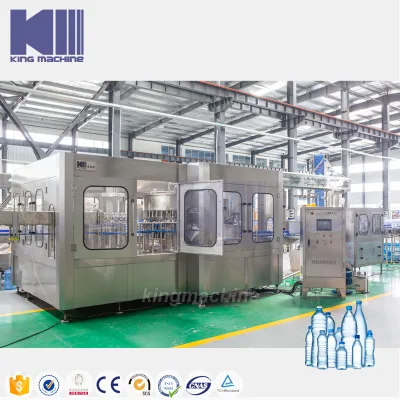
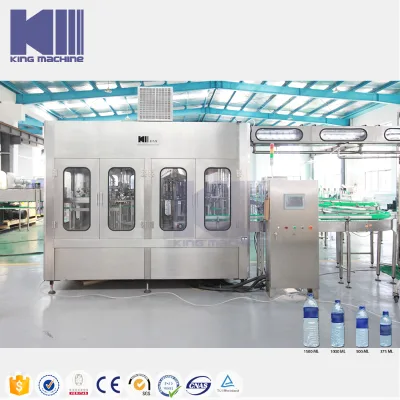


Comprehensive Sourcing Guide
Automatic Electric Water Filling Machine Supplier Concentration and Factory Types
The current supplier landscape for automatic electric water filling machines reveals a distinct concentration of manufacturing activity within China, specifically in the Jiangsu region. This geographic clustering suggests a mature industrial ecosystem where specialized components, skilled labor, and supply chain logistics are optimized for heavy machinery production. Buyers evaluating these results will notice that the majority of verified entities operate as combined companies, meaning they function as both manufacturers and trading entities. This hybrid model can offer significant advantages, such as direct access to factory pricing and technical support, while also providing the flexibility of a trading company’s broader service network. Understanding this concentration helps buyers narrow their search to regions with proven expertise in beverage processing equipment, reducing the risk of sourcing from less established industrial hubs.
Within this concentrated market, the types of companies available range from pure OEM providers to those offering ODM and own-brand solutions. The presence of combined company types indicates that many suppliers have the capacity to customize machinery to specific client requirements, such as adjusting filling valve heads or modifying PLC control systems. This flexibility is crucial for buyers who need machines tailored to specific bottle sizes, from small 250ml containers to large 5-gallon jugs. The diversity in company types also implies varying levels of vertical integration. Some suppliers may focus heavily on the assembly and integration of components like Siemens PLCs and Autonics sensors, while others might manufacture key structural parts in-house. Recognizing these distinctions allows buyers to assess whether a supplier’s business model aligns with their need for customization, volume production, or rapid prototyping.
How to Verify Automatic Electric Water Filling Machine Suppliers
Verification is a critical step when sourcing automatic electric water filling machines, as the complexity of the machinery requires rigorous quality assurance. Buyers should prioritize suppliers who hold third-party verification badges, such as BV verification, which indicates that an independent agency has audited the company’s business legitimacy and operational capabilities. This verification serves as a foundational trust signal, confirming that the supplier is a real, active entity rather than a shell company. Additionally, buyers must scrutinize the specific certifications listed for the machinery itself, such as CE, ISO 9001, and SGS. These certifications are not merely decorative; they ensure that the equipment meets international safety and quality standards, which is essential for compliance in many export markets. Buyers should request copies of these certificates and verify their validity with the issuing bodies to avoid fraudulent documentation.
Beyond certifications, buyers should evaluate the supplier’s response time and technical support capabilities as indicators of reliability. A response time of under six hours, as observed in some verified suppliers, suggests a responsive sales and engineering team that can address technical queries promptly. This responsiveness is particularly important during the pre-sales phase, where detailed specifications and customizations are discussed. Furthermore, buyers should inquire about the after-sales service structure, specifically whether the supplier provides engineers available to service machinery overseas. This capability is vital for minimizing downtime in the buyer’s production facility. By combining verification badges, valid product certifications, and evidence of robust technical support, buyers can significantly reduce the risk of partnering with unreliable suppliers.
What to Compare Across Automatic Electric Water Filling Machine Suppliers
When comparing suppliers, buyers must look beyond the base price and evaluate the total value proposition, which includes lead times, minimum order quantities, and technical specifications. Lead times are a critical factor in production planning, with some suppliers offering turnaround times of around 45 days. Buyers should compare these timelines against their project deadlines to ensure timely delivery. Additionally, the minimum order quantity (MOQ) varies, with some suppliers accepting orders as low as one unit, which is beneficial for small-scale operations or pilot projects. Comparing these logistical terms helps buyers identify suppliers who can accommodate their specific volume requirements without imposing excessive financial burdens or long waiting periods.
Technical specifications provide another layer for comparison, allowing buyers to assess the suitability of the machinery for their specific production needs. Key attributes to compare include the filling capacity, ranging from 2000 to 28000 bottles per hour, and the filling range, which can span from 250ml to 2000ml or larger. Buyers should also examine the construction materials, such as food-grade stainless steel 304 or 316, and the automation level, including PLC control systems from reputable brands like Siemens. The type of dosing device, whether capacity cup, surface type, or plunger, also impacts the machine’s suitability for different liquid viscosities. By systematically comparing these technical and logistical parameters, buyers can select a supplier whose offerings align precisely with their operational requirements.
Common Automatic Electric Water Filling Machine Sourcing Risks
One of the primary risks in sourcing automatic electric water filling machines is the potential mismatch between advertised specifications and actual performance. Buyers may encounter suppliers who claim high capacities or advanced automation features that do not materialize upon installation. This discrepancy can lead to production bottlenecks and significant financial losses. To mitigate this risk, buyers should request detailed technical drawings and performance guarantees before placing orders. It is also advisable to ask for video demonstrations or references from existing clients who have operated similar machinery. This due diligence helps verify that the supplier’s claims are accurate and that the machine can handle the intended production volume and liquid types without failure.
Another significant risk is the lack of comprehensive after-sales support, which can leave buyers stranded if the machinery requires maintenance or repair. While some suppliers offer warranties and overseas engineering services, others may provide limited support, making it difficult to resolve technical issues promptly. Buyers should carefully review the warranty terms, ensuring they cover critical components like PLCs and sensors. Additionally, buyers should assess the supplier’s ability to provide spare parts and technical documentation in the buyer’s local language. Failure to secure robust after-sales support can result in prolonged downtime and increased operational costs. By identifying and addressing these risks early in the sourcing process, buyers can protect their investments and ensure smooth long-term operations.
Automatic Electric Water Filling Machine Regional Sourcing and Logistics
Sourcing from regions like Jiangsu, China, offers logistical advantages due to the area’s well-developed infrastructure and proximity to major ports. This geographic positioning facilitates efficient shipping of heavy machinery, reducing transit times and freight costs. Buyers should consider the packaging standards used by suppliers, such as standard export packages or wooden cases, which are designed to protect the machinery during transit. Proper packaging is essential to prevent damage to sensitive components like PLCs and touch screens. Additionally, buyers should evaluate the supplier’s experience with international shipping and customs clearance, as these processes can be complex and time-consuming. Suppliers with a track record of exporting to various regions are likely to have established logistics networks that can streamline the delivery process.
However, regional sourcing also presents challenges related to communication and cultural differences. Buyers should ensure that their suppliers have proficient English-speaking staff to facilitate clear communication throughout the procurement process. Misunderstandings regarding technical specifications or delivery terms can lead to costly errors. To mitigate this, buyers should establish clear communication protocols and document all agreements in writing. Additionally, buyers should consider the time zone differences when scheduling meetings or resolving urgent issues. By understanding the logistical landscape of the sourcing region, buyers can plan their supply chain more effectively and minimize disruptions. Leveraging the infrastructure advantages of regions like Jiangsu can enhance the overall efficiency of the sourcing process.
Automatic Electric Water Filling Machine Commercial Terms and Order Planning
Commercial terms play a crucial role in the final cost and risk allocation of an Automatic Electric Water Filling Machine purchase. Buyers should carefully review payment terms, such as deposits and balance payments, to ensure they align with their cash flow management strategies. Additionally, buyers should clarify the Incoterms used, such as FOB or CIF, to determine who is responsible for shipping and insurance costs. Understanding these terms helps buyers avoid unexpected expenses and ensures that the total landed cost is accurately calculated. Buyers should also inquire about any additional fees, such as customs duties or local taxes, which can impact the final price. By negotiating favorable commercial terms, buyers can protect their margins and reduce financial risk.
Order planning is equally important, as it involves coordinating production schedules, delivery timelines, and installation requirements. Buyers should work closely with their suppliers to develop a detailed project plan that includes milestones for design approval, production, testing, and shipping. This planning helps ensure that all parties are aligned and that potential delays are identified early. Buyers should also consider the installation and commissioning process, determining whether the supplier will provide on-site support or if local technicians will be responsible. Clear communication and detailed planning are essential for a successful procurement outcome. By integrating commercial terms and order planning into their sourcing strategy, buyers can achieve a seamless transition from purchase to production.
FAQs
What is the price range for automatic water filling machines?
Prices for automatic water filling machines typically range from $5,000 to $70,000 depending on capacity and configuration. Specific models like the 5L filling machine are listed around $13,000, while high-speed lines can reach $20,000 or more. Buyers should verify exact pricing based on their required production speed and bottle size specifications.
What is the minimum order quantity for these machines?
The minimum order quantity for automatic water filling machines is generally one unit. Suppliers accept single-unit purchases, allowing buyers to test equipment before scaling up. This low MOQ facilitates initial procurement for small to medium-sized bottling operations without requiring large upfront inventory commitments for machinery.
How long does delivery take for these machines?
The standard lead time for manufacturing and delivering automatic water filling machines is approximately 45 days. This timeframe accounts for production, quality checks, and preparation for export. Buyers should confirm specific delivery schedules with suppliers, as complex customizations or high-volume orders may extend the manufacturing period slightly.
What certifications do these machines have?
These machines typically hold CE certification and comply with ISO 9001 standards. Some suppliers also provide SGS certificates to verify quality and safety. Buyers should request valid certification documents to ensure the equipment meets international safety and operational standards for their specific market regulations and compliance requirements.
What is the response time for supplier inquiries?
Suppliers generally respond to inquiries within an average of 5.99 hours. This rapid response ensures that buyers receive timely information regarding pricing, specifications, and shipping details. Quick communication helps streamline the sourcing process, allowing buyers to make informed decisions and negotiate terms efficiently without significant delays.
Where are these machines manufactured?
These automatic water filling machines are manufactured in Jiangsu Province, China. This region is a known hub for industrial machinery production, offering robust supply chains and manufacturing expertise. Buyers sourcing from this location benefit from established industrial infrastructure and a concentration of specialized equipment manufacturers.
What warranty is provided for these machines?
Most automatic water filling machines come with a 12-month warranty covering manufacturing defects and operational issues. Suppliers often provide after-sales support, including overseas engineer services for installation and maintenance. Buyers should confirm warranty terms and support availability to ensure long-term operational reliability and minimal downtime.