Automatic Electric Citrus Juicer Suppliers and Manufacturers
Explore 20 verified suppliers offering Automatic Electric Citrus Juicer options with varying power ratings, certifications, and lead times. Compare specifications like motor type, housing material, and delivery schedules to select the right factory for your needs; review the available evidence before requesting comparable quotations from suitable candidates.
Suppliers List

Cixi Lotek Electrical Appliance Co., Ltd.
- Verified by SGS
- Manufacturer/Factory
- China Zhejiang
- Lead time30 days
- Avg. response≤ 9h
Main productsBlender, Hand Blender, Smoothie Blender, Hand Mixer, Food Processor, Portable Blender, Mini Chopper, Immersion Blender, Food Chopper, Coffee Grinder
Main marketsSouth America,Eastern Europe,Mid East,North America,Southeast Asia,Oceania,Western Europe,Africa

Ningbo Yicheng Technology Co., Ltd.
- Verified by TUVRHEINLAND
- Trading Company
- China Zhejiang
- Lead time30 days
- Avg. response≤ 7h
Main productsElectric Grill, Waffle Maker, Air Fryer, BBQ, Food Processor, Kitchenware, Pizza Maker, Multifunction Cooker, Thermomixer, Coffee Grinder
Main marketsEurope

Winstar Electrical Enterprise Company Limited
- Verified by TUVRHEINLAND
- Combined
- China Guangdong
- Lead time30 days
- Avg. response≤ 2h
Main productsBlender, Food Processor, Food Chopper, Handmixer, Handblender, Juice Extractor, Citrus Juicer
Main marketsSouth America


Large-Caliber Orange Juice Machine Electric Centrifugal Juicer Separation Fresh Orange Machine
$8.00 - $9.50
MOQ: 1000 Pieces

- Verified by BV
- Trading Company,Manufacturer/Factory
- China Henan
- Lead time15 days
- Avg. response≤ 4h
Main productsOil Expeller, Oil Press Machine, Oil Refinery, Pellet Machine, Food Processing Machine, Animal Feed Machine, Packing Machine, Filling Machine, Briquette Machine, Brick Machine
Main marketsSouth America,Eastern Europe,Mid East,North America,Southeast Asia,Eastern Asia,Oceania,Western Europe,Africa

ZHE JIANG HORUS APPLIANCE CO., LTD.
- Verified by TUVRHEINLAND
- Manufacturer/Factory
- China Zhejiang
- Lead time0 days
- Avg. response≤ 10h
Main productsSausage Filler, Meat Grinder, Bone Saw Machine, Meat Slicer, Kebab Slicer, Spice Grinder, Flour Mill Machine, Juicer Machine, Planetray Mixer, Dough Mixer

Ningbo Sinolink Appliance Co., Ltd.
- Trading Company
- China Zhejiang
- Lead time0 days
- Avg. response≤ 16h
Main productsBlender, Juicer, Food Processor, Chopper


Hot Selling Mini Electric Automatic Citrus Juicer with Protective Cover
$1.00 - $10.00
MOQ: 4000 Pieces


Ningbo Flow Technology Co., Ltd.
- Verified by SGS
- Trading Company,Manufacturer/Factory
- China Zhejiang
- Lead time15 days
- Avg. response≤ 2h
Main productsAroma Diffuser, Essential Oil Diffuser, Scent Diffuser, Air Humidifier, Electric Incense Burner, Car Incense Burner, Fragrance Diffuser, Car Aroma Diffuser, Light Industry Daily Necessities, Air Purifier
Main marketsSouth America,Eastern Europe,Mid East,North America,Western Europe,Africa


New Design Multifunctional Blender Automatic Juice Extractor Machine Electric Fruit Juicer
$8.66 - $10.88
MOQ: 20 Pieces


Top Sales Household Big Mouth Twin Gear Automatic Fruit Juicer Extractor Electric Blender
$8.86 - $10.68
MOQ: 20 Pieces

Guangzhou Sunrry Kitchen Equipment Co., Ltd.
- Verified by CTI
- Trading Company,Manufacturer/Factory
- China Guangdong
- Lead time30 days
- Avg. response≤ 3h
Main productsCommercial Kitchen Solutions, Turnkey Kitchen Solutions, Catering Equipment, Restaurant Equipment, Commercial Refrigeration Equipment, Commercial Bakery Equipment, Commercial Cooking Equipment, Stainless Steel Equipment, Commercial Food Prep Equipment, Commercial Kitchen Equipment
Main marketsSouth America,Eastern Europe,Mid East,North America,Southeast Asia,Eastern Asia,Oceania,Western Europe,Africa

Dongguan Jinsen Craft Technology Co., Ltd.
- Verified by TUVRHEINLAND
- Trading Company,Manufacturer/Factory
- China Guangdong
- Lead time23 days
- Avg. response≤ 2h
Main productsKitchen Household Appliances, Kitchenware, Blender, Air Fryer, Meat Grinder, Stainless Steel Pot, Breakfast Machine, Electric Fan Solar Fans, Vacuum Cup, Vacuum Bottle
Main marketsSouth America,Eastern Europe,Mid East,North America,Southeast Asia,Eastern Asia,Oceania,Western Europe,Africa

Anhui Huining International Trade Co., Ltd.
- Verified by SGS
- Combined
- China Anhui
- Lead time30 days
- Avg. response≤ 3h
Main productsCoffee Maker, Commercial Water Boilers, Food Container, Plastic Cup, Thermostat, Disposable, Home Appliance, Electric Appliance, Kitchen Appliance, Home Appliance Parts
Main marketsSouth America,Africa,Southeast Asia/ Mideast,Europe,North America


2024 Factory Household Fruit Juicer Blender Electric Vegetables Mixer
$27.50 - $28.80
MOQ: 1000 Pieces
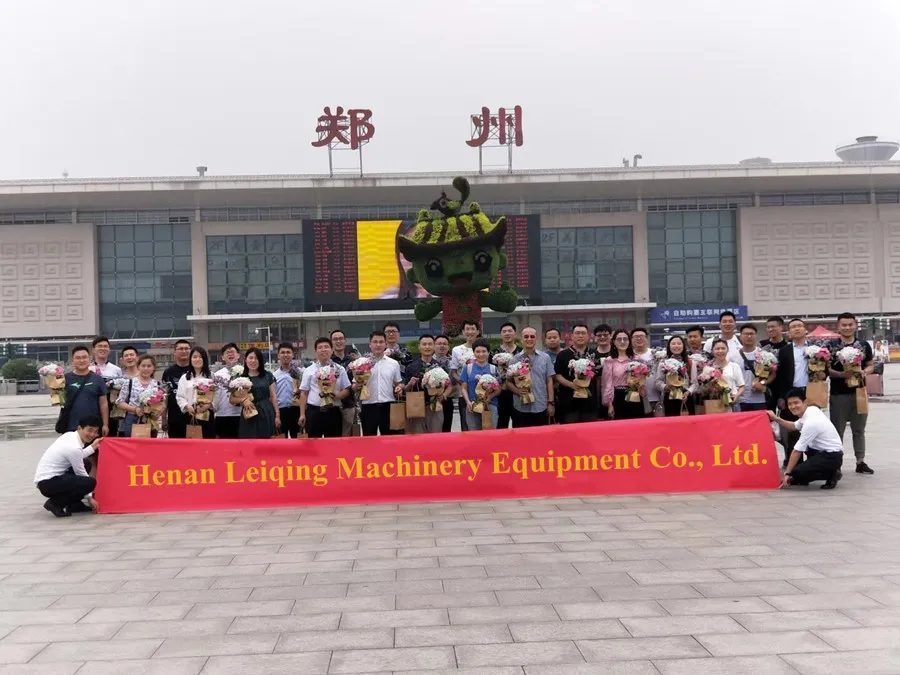
Henan Leiqing Machinery Equipment Co., Ltd.
- Trading Company
- Henan, China
- Lead time5 days
- Avg. response≤ 4h
Main productsDough&Pastry Machines,Meat&Vegetable Machines,Packing Machines,Filling&Packing Machines,Coding&Sealing Machines
Main marketsSouth America(10.0%), Domestic Market(5.0%), South Asia(5.0%), Southern Europe(5.0%), Northern Europe(5.0%), Central America(5.0%), Western Europe(5.0%), Eastern Asia(5.0%), Mid East(5.0%), Oceania(5.0%), Southeast Asia(5.0%), Eastern Europe(5.0%), North America(5.0%)

Suzhou Highbright Enterprise Limited
- Combined
- China Jiangsu
- Lead time30 days
- Avg. response≤ 4h
Main productsShopping Trolley, Shopping Cart, Gondola Shelf, Display Shelf, Shop Fittings, Store Fixtures, Roll Container, Shopping Basket, Checkout Counter, Swing Gate
Main marketsSouth America,Africa,Southeast Asia/ Mideast,East Asia(Japan/ South Korea),Europe,Australia,North America

Ningbo Mingni Import And Export Co., Ltd.
- Verified by SGS
- Manufacturer/Factory
- China Zhejiang
- Lead time23 days
- Avg. response≤ 3h
Main productsWindow Handle, Door Handle, Hinge, Gas Cooker Knob, Oven Knob, Name Plate, Cabinet Handle, Bathroom Hardware, Auto Parts
Main marketsSouth America,Eastern Europe,North America,Western Europe

USB Rechargeable Portable Juicer Blender Fruit Vegetable Citrus Electric Juicer
$9.99 - $11.99
MOQ: 100 Pieces

600ml Electric Fruit Citrus Juicer Maker Orange Juicer Machine Mini for Home Use
$7.00 - $8.50
MOQ: 100 Pieces

Orange Blender Press Juicers Fruit Blenders and Mixer Pomegranate Electric Juicer
$29.00 - $32.00
MOQ: 100 Pieces


Islow Electric (Zhongshan) Co., Ltd
- Verified by SGS
- Combined
- China Guangdong
- Lead time30 days
- Avg. response≤ 8h
Main productsSlow Juicer, Coffee Grinder
Main marketsEurope

$42.90 - $45.90
MOQ: 500 pieces

Sj-036 Electric Juicer for Fruit & Vegetables Easy Clean Slow Masticating Use Slow Juicer
$43.00 - $45.50
MOQ: 500 Pieces

Sj-057 Portable Multi-Purpose Electric Orange Vegetable Fruit Easy to Clean Slow Juicer
$38.00 - $45.00
MOQ: 500 pieces

Sj-022 Electric Big Mouth Automatic Fruit Vegetable Juicer Cold Press Orange Grape Mango Slow Juicer
$27.14 - $29.56
MOQ: 500 pieces
- Verified by BV
- Trading Company
- China Zhejiang
- Lead time30 days
- Avg. response≤ 8h
Main productsElectric Kettle, Massager, Hair Dryer, Heater, Electric Grill, Humidifier, Hair Straightener, Mixer, Beauty Instrument, Electronics
Main marketsAfrica,Southeast Asia/ Mideast,Europe,North America

Zhengzhou Sunshine Machinery Co., Ltd.
- Trading Company,Manufacturer/Factory
- China Henan
- Lead time15 days
- Avg. response≤ 1h
Main productsOil Processing Machine, Grain Processing Machine, Nut Processing Machine, Fruit/Vegetable Processing Machine, Food Machine, Briquette Making Machine, Moisture Meter, Dewatering Machine, Food Machinery, Food Processor
Main marketsSouth America,Eastern Europe,Mid East,North America,Southeast Asia,Eastern Asia,Oceania,Western Europe,Africa

Industrial Automatic Lemon Grape Fruit Apple Portable Orange Citrus Juicer
$3500.00 - $5000.00
MOQ: 1 Sets


Zhongshan Yuekon Electrical Appliances Co., Ltd.
- Manufacturer/Factory
- China Guangdong
- Lead time45 days
- Avg. response≤ 10h
Main productsTea Maker, Coffee Kettle, Juicer Blender, Samavar, Fruit Juice Extractor, Cool Mist Ultrasonic Humidifier, Soya Milk Maker
Main marketsSouth America,Eastern Europe,Mid East,North America,Southeast Asia,Eastern Asia,Oceania,Western Europe

Professional Electric Automatic Juicer Extractor Machine Mango Lemon Orange Citrus Juicer Blender
$20.00 - $20.30
MOQ: 1000 Pieces


Shenzhen Ai Home Industry Co., Ltd.
- Verified by SGS Group
- Trading Company
- Lead time15 days
- Avg. response≤ 3h
Main productsHome Appliance, Smart Appliance, Creative Appliance
Main marketsSoutheast Asia(20%), Eastern Asia(20%), Southern Europe(20%)
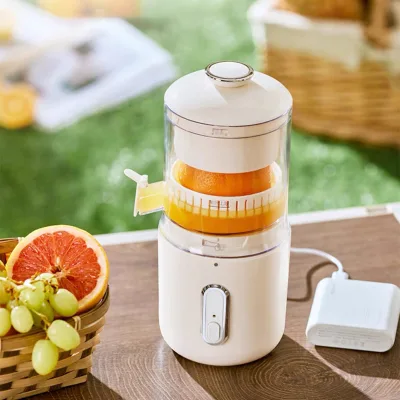
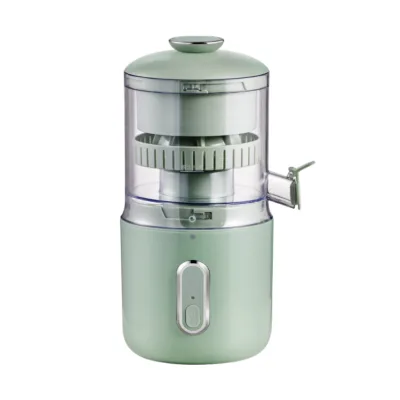
Multifunctional Citrus Fruit Machine Electric Juice Extractor Mini Portable Juicer Cold Press
$11.82 - $12.33
MOQ: 1000 pieces
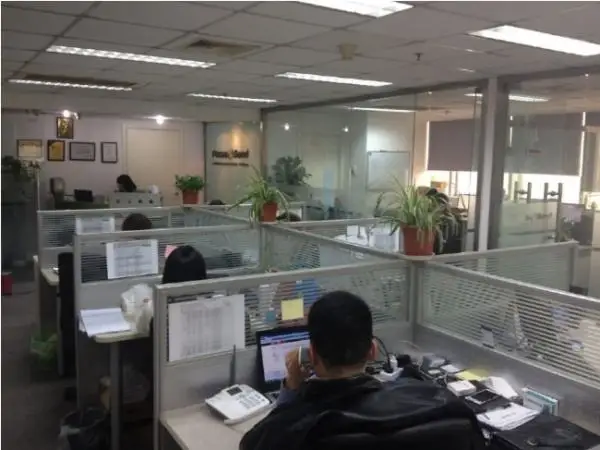
Zhengzhou Awisy Machinery Equipment Co., Ltd.
- Trading Company
- Henan, China
- Lead time20 days
- Avg. response≤ 3h
Main productsRice machine,fruit vegetable processing machines,Packing machine,Food cart,snack making machine
Main marketsAfrica(35.0%), Western Europe(20.0%), North America(20.0%), South America(20.0%), Mid East(5.0%)
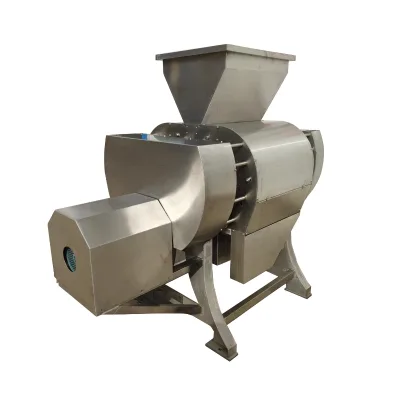
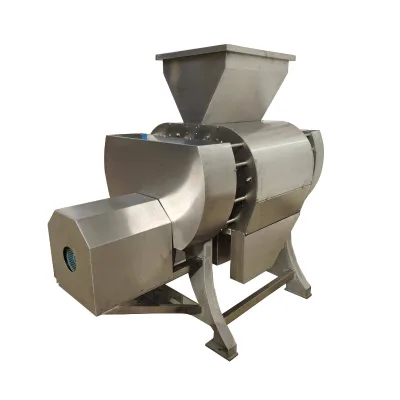
Industrial Electric Lemon Peeler
$21760.00

Yongkang Tiange Electric Co., Ltd.
- Verified by BV
- Combined
- China Zhejiang
- Lead time30 days
- Avg. response≤ 6h
Main productsBeverage Dispenser, Meat Grinder, Bone Saw, Ice Crusher, Ice Shaver, Juice Extractor, Ice Cube Machine, Fryer, Griddle, Mixer
Main marketsSouth America,Africa,East Asia(Japan/ South Korea),Domestic,North America

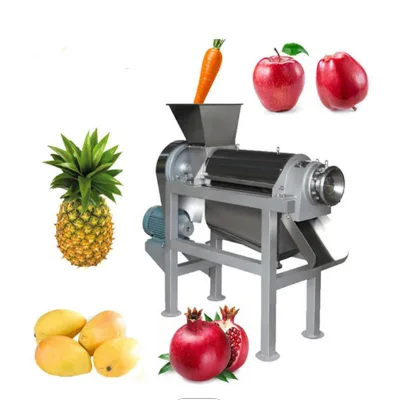
Grt-A4000 Wholesale Automatical Electric Heavy Duty Vegetable Juicer with Cheap Price
Contact supplier
MOQ: 10 Pieces

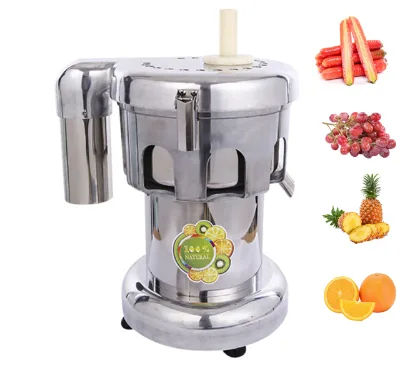
Grt-A4000 Wholesale Cheap Electric Heavy Duty Vegetable Juicer From China Leading Supplier
Contact supplier
MOQ: 10 Pieces




Comprehensive Sourcing Guide
Automatic Electric Citrus Juicer Supplier Concentration and Factory Types
The available data indicates that a significant portion of suppliers for automatic electric citrus juicers are located in Zhejiang, China, where manufacturing clusters often form around small kitchen appliance production. This region hosts a mix of manufacturer and factory entities that specialize in producing items like blenders, food processors, and various juicing machines. Buyers should verify if a specific supplier operates as a direct manufacturer or a trading company, as this distinction impacts production control and pricing structures. The presence of both company types suggests a diverse supply chain where some entities manage the entire production process while others facilitate trade between factories and international buyers.
When evaluating the supplier base, it is essential to note that main product lines vary significantly even within the same category. Some suppliers list blenders and hand mixers alongside citrus juicers, while others focus on electric grills, waffle makers, or multifunction cookers. This variation implies that a supplier's core competency might differ, potentially affecting the depth of their expertise in citrus juicing technology. Buyers must confirm whether the supplier's primary focus aligns with their specific needs for automatic electric citrus juicers, as a company specializing in general kitchenware may not offer the same level of technical support or customization as a dedicated appliance manufacturer.
How to Verify Automatic Electric Citrus Juicer Suppliers
Verification of suppliers often involves checking for third-party audit reports and system certifications that validate their operational standards. The observed data includes suppliers holding BSCI and ISO 9001 certifications, which indicate adherence to social compliance and quality management systems. Additionally, verification badges from agencies like SGS or TÜV Rheinland serve as external validation of a supplier's business legitimacy and product safety. Buyers should prioritize suppliers who display these specific credentials, as they provide a baseline assurance of reliability and ethical manufacturing practices. It is crucial to request current certificates directly from the supplier to ensure they have not expired or been revoked.
Beyond certifications, response time and verification status offer immediate insights into a supplier's operational efficiency and trustworthiness. Data shows response times ranging from approximately 7 to 9 hours, which can influence the speed of negotiation and order processing. A faster response time often correlates with a more active sales team and better communication channels. Buyers should also look for suppliers marked as verified by recognized agencies, as this status reduces the risk of fraud. However, verification alone is not a guarantee of product quality; it must be combined with a review of specific product attributes and past performance records to ensure the supplier can meet the buyer's exact requirements for automatic electric citrus juicers.
What to Compare Across Automatic Electric Citrus Juicer Suppliers
Comparing suppliers requires a detailed analysis of key operational metrics such as lead times, minimum order quantities, and pricing structures. Lead times for these products can vary, with some suppliers indicating a standard production window of 30 days, while specific product listings suggest delivery times of 35 days after receiving a deposit. Buyers must clarify if these timelines include shipping or are strictly for manufacturing, as this distinction affects overall project scheduling. Minimum order quantities also differ, with some listings showing thresholds of 1,000 units while others require 2,000 or even 3,150 units. Understanding these constraints is vital for aligning order volumes with inventory needs and budgetary limits.
Product specifications and customization options provide another critical layer for comparison. Available data highlights variations in motor power, ranging from 60W to 300W, and housing materials that include plastic, stainless steel, and aluminum. Some models feature USB charging capabilities or adjustable pulp control, while others focus on high-power squeezing modes. Buyers should compare these technical specifications against their target market requirements to ensure the selected product meets performance expectations. Additionally, the availability of customization services, such as logo printing or specific packaging designs, should be confirmed, as this can significantly impact the final product's marketability and brand identity.
Common Automatic Electric Citrus Juicer Sourcing Risks
One significant risk in sourcing automatic electric citrus juicers involves discrepancies between advertised product attributes and actual manufacturing capabilities. While some listings specify certifications like CE, RoHS, EMC, and LFGB, others may only list CE or CB, creating potential compliance gaps for different export markets. Buyers must rigorously verify that the specific model they intend to purchase holds all necessary certifications for their destination country, as missing documentation can lead to customs delays or product recalls. Relying solely on general supplier claims without requesting specific test reports for the exact model number increases the likelihood of receiving non-compliant goods.
Another risk stems from the variability in production capacity and supply chain stability among different supplier types. Manufacturers may offer more consistent quality control, but trading companies might struggle with direct oversight of the production line. The data shows a mix of company types, and buyers should assess whether a trading company has the necessary resources to manage complex orders or if a direct factory relationship is required for better quality assurance. Furthermore, inconsistencies in delivery times, such as the difference between a general 30-day lead time and a specific 35-day product delivery window, can disrupt inventory planning. Buyers should establish clear contractual terms regarding penalties for delays to mitigate these logistical risks effectively.
Automatic Electric Citrus Juicer Regional Sourcing and Logistics
Sourcing from regions like Zhejiang, China, offers access to established manufacturing ecosystems but requires careful planning for logistics and shipping. The concentration of suppliers in this area means that buyers can often consolidate orders from multiple product lines, such as blenders and juicers, to optimize freight costs. However, the distance from the manufacturing hub to international ports necessitates accurate calculation of transit times and shipping expenses. Buyers should work with freight forwarders who have experience in handling small kitchen appliances to ensure that fragile components, such as motors and plastic housings, are packed securely to prevent damage during transit.
Logistics planning also involves understanding the specific packaging requirements of different suppliers, which can vary significantly. Some products are packed in gift boxes combined with cartons, while others use color boxes and cardboard boxes, affecting the total volume and weight of the shipment. These packaging differences directly impact container loading efficiency and shipping costs. Buyers should request detailed packing lists and dimensions before finalizing orders to calculate the most cost-effective shipping method. Additionally, verifying the origin of the product, such as confirming it is manufactured in Mainland China, ensures that the correct country of origin labels are applied, which is essential for customs clearance and tariff compliance in the destination market.
Automatic Electric Citrus Juicer Commercial Terms and Order Planning
Commercial terms for automatic electric citrus juicers often include specific payment structures and delivery conditions that must be clearly defined before order placement. The data indicates that delivery times are frequently calculated from the receipt of a deposit, meaning buyers need to budget for the initial payment and subsequent production timeline. It is essential to agree on the exact percentage of the deposit required and the timeline for the balance payment, typically due before shipment. Buyers should also clarify whether the quoted prices include packaging costs or if additional fees apply for custom branding, as this can affect the total landed cost of the product.
Order planning must account for the minimum order quantities and the potential for price variations based on volume. With MOQs ranging from 1,000 to 3,150 units, buyers need to ensure their sales forecasts can support these thresholds to avoid overstocking or underutilizing production capacity. Pricing data shows a range from approximately $2.80 to $15.52 per unit, depending on the model's features, power, and material composition. Buyers should negotiate based on these tiers, seeking volume discounts for larger orders while maintaining quality standards. Finally, establishing a clear communication channel for order updates and quality inspections will help ensure that the final shipment meets all agreed-upon specifications and arrives on schedule.
FAQs
What is the typical lead time for automatic electric citrus juicers?
The typical lead time is 30 days for standard orders. Some specific models require 35 days after receiving the deposit. Buyers should confirm exact timelines with suppliers before placing bulk orders to ensure timely delivery.
What certifications do these juicers typically hold?
Common certifications include CE, RoHS, EMC, LFGB, and CB. Some suppliers also hold BSCI and ISO 9001 system certifications. Verification by SGS or TÜV Rheinland may be available for specific manufacturers to ensure product safety and quality standards.
What is the minimum order quantity for these products?
Minimum order quantities vary by model, ranging from 1000 to 3150 units. Specific models like the FE002A require 1000 units, while others may need 2000 or 3150 units. Buyers must check individual product listings for exact MOQ requirements.
Where are these manufacturers located?
Most manufacturers are located in Zhejiang, China. This region is a major hub for small kitchen appliances. Buyers should verify specific factory addresses during the sourcing process to confirm logistics and shipping capabilities for their orders.
What power options are available for these juicers?
Power ratings range from 60W to 300W depending on the model. Some units feature DC motors with 150W or 100W power, while others offer 300W stainless steel options. Battery-powered versions with lithium batteries are also available for portable use.
Can these juicers be customized for branding?
Yes, customization is available for many models. Suppliers offer OEM and ODM services to adapt designs and branding. Buyers should discuss specific customization needs with the manufacturer to ensure the product meets their unique market requirements and standards.
What is the price range for these juicers?
Prices typically range from 2.80 to 15.52 USD per unit. Specific models like the FE002A-A are priced between 9.60 and 9.90 USD. The final cost depends on the selected model, order quantity, and customization requirements agreed upon with the supplier.