Building Cable Suppliers and Manufacturers in China
Compare 18 verified Building Cable suppliers by location, lead time, and certifications. Review product specs like conductor material and standards before contacting factories for quotes. Buyers can check response times, MOQs, and specific certifications such as ISO9001, VDE, and RoHS to ensure quality. This process helps select the right partner for overhead or underground applications.
Suppliers List
Hebei Yingshang Aluminium Industry Co., Ltd.
- Verified by SGS
- Combined
- China Hebei
- Lead time23 days
- Avg. response≤ 5h
Main productsCable Wire Cores Cable Wire Conductor Wire, Aluminum Conductor Wire, Aluminum Alloy Conductor Wire, Aluminum Conductor Steel Reinforced, Overhead Line / Overhead Cable Wire, Aluminum Alloy Conductor Steel Reinforced Aacsr, Aluminum Alloy Conductor Steel Reinforced (Aacsr
Main marketsDomestic
Shenzhen Asenware Test and Control Technology Co., Ltd.
- Verified by CTI
- Trading Company,Manufacturer/Factory
- China Guangdong
- Lead time15 days
- Avg. response≤ 13h
Main productsFire Alarm System, Smoke Detector, Fire Alarm Control Panel, Fire Alarm, FM200, Fire Pump, Flame Detector, Fire Hose Reel, Emergency Light System, Beam Smoke Detector
Main marketsSouth America,Eastern Europe,Mid East,North America,Southeast Asia,Eastern Asia,Oceania,Western Europe,Africa
- Verified by BV
- Trading Company
- China Jiangsu
- Lead time30 days
- Avg. response≤ 7h
Main productsElevator Lift Parts, Elevator Guide Rail, Elevator Cabin, Elevator Safety Component, Elevator, Passenger Elevator, Elevator Door, Traction Machine, Step Monarch Control Cabinet, Electrical System
Main marketsAfrica,Southeast Asia/ Mideast,Australia,North America

Zhengzhou Jinshui Industry and Commerce Co., Ltd.
- Verified by CTI
- Trading Company
- China Henan
- Lead time30 days
- Avg. response≤ 7h
Main productsElectric Wire, Power Cable, AAC Conductor, XLPE Insulated Cable, Low/Medium/High Voltage Cable, Control Cables, Aerial Bundled Cable, PVC Insulated Wire, Rubber&Welding Cable, Building Wire
Main marketsSouth America,Africa,Southeast Asia/ Mideast
- Trading Company,Manufacturer/Factory
- China Henan
- Lead time23 days
- Avg. response≤ 9h
Main productsControl Cable, XLPE Cable, Flexible Cable, PVC Cable, Siliicone Cable, Rubber Cable, Building Wire, Thhn, Teflon Wire, ACSR AAAC
Main marketsSouth America,Eastern Europe,Mid East,North America,Southeast Asia,Eastern Asia,Oceania,Western Europe,Africa
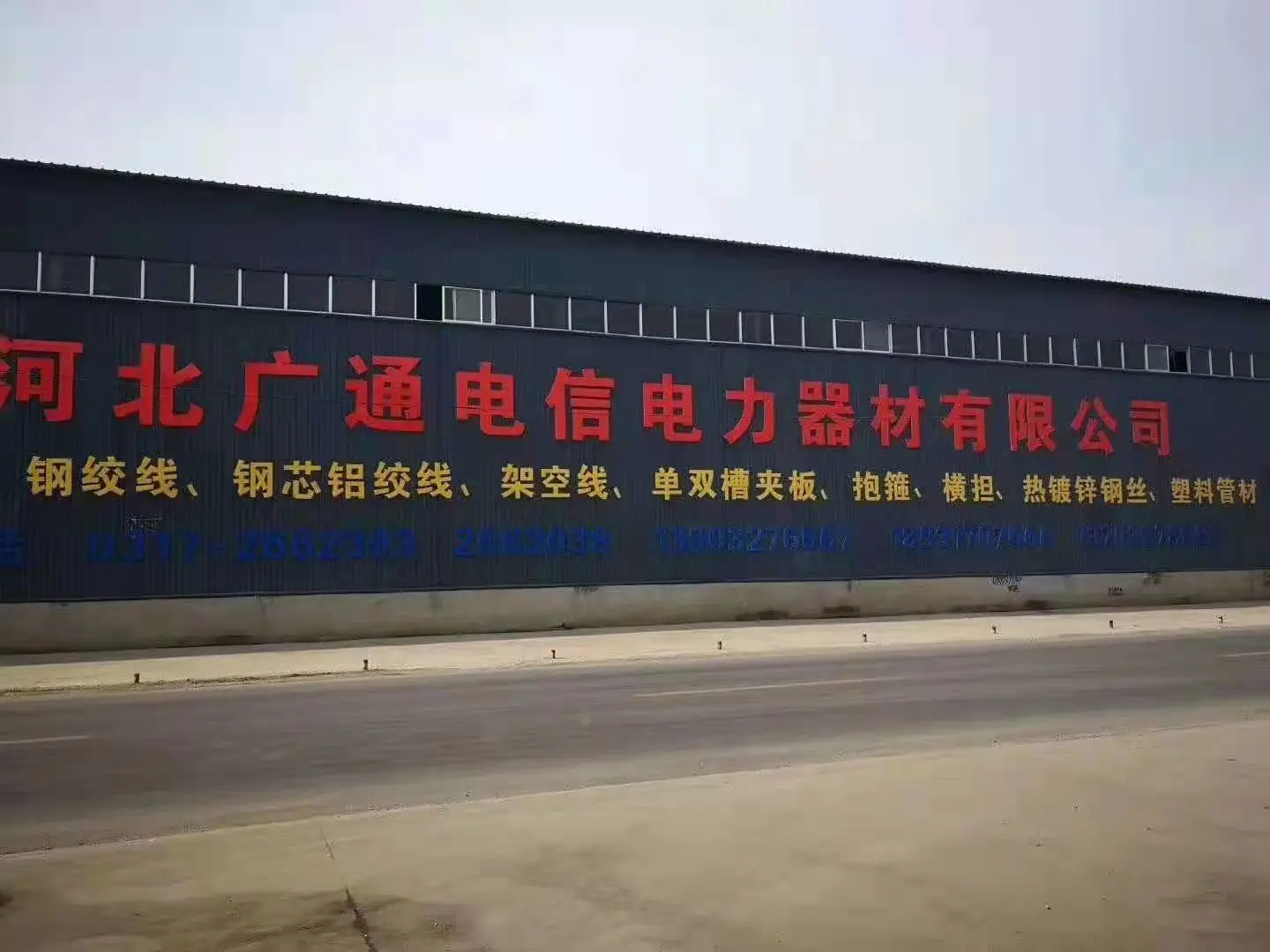
Hebei Guangtong Telecom Electric Power Equipment Co., Ltd.
- Manufacturer, Trading Company
- Hebei, China
- Lead time0 days
- Avg. response≤ 1h
Main productsAcsr Conductor,stay wire,ABC Cable,Electrical Accessories,preform grip
Main marketsSouth Asia(25.00%), North America(15.00%), South America(5.00%), Central America(5.00%), Western Europe(5.00%), Eastern Asia(5.00%), Mid East(5.00%), Oceania(5.00%), Africa(5.00%), Southeast Asia(5.00%), Eastern Europe(5.00%)
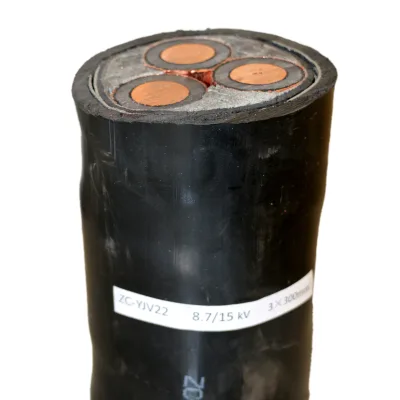
$1.00
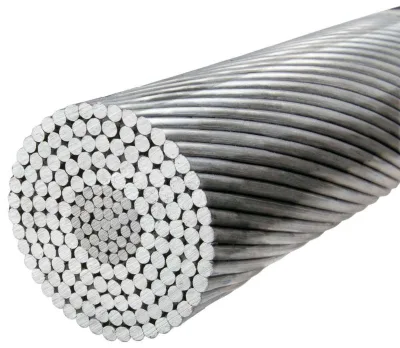
$1.01
China Shipping Anchor Chain (Jiangsu) Co., Ltd.
- Manufacturer/Factory
- China Jiangsu
- Lead time15 days
- Avg. response≤ 12h
Main productsAnchor Chain, Mooring Chain, Mooring Buoy, Anchor, Kenter Shackle, End Shackle, Swivel Pieces, Ltm Shackle, Mooring Ring, Sinker
Main marketsSouth America,Eastern Europe,Mid East,North America,Southeast Asia,Eastern Asia,Oceania,Western Europe,Africa
Nantong Shenwei Steel Wire Rope Co., Ltd.
- Verified by BV
- Combined
- China Jiangsu
- Lead time30 days
- Avg. response≤ 4h
Main productsSteel Wire Rope, Wire Rope
Main marketsSouth America,Southeast Asia/ Mideast,Domestic,Europe
Shandong Liaocheng Yuanhetai Steel Products Co., Ltd.
- Combined
- China Shandong
- Lead time15 days
- Avg. response≤ 16h
Main productsSteel Pipe, Seamless Steel Pipe, Steel Tube, Carbon Steel Pipe, ERW Pipe, Saw Pipe, Larger Diameter Steel Pipe, Pipe
Main marketsSoutheast Asia/ Mideast,Domestic
SHENZHEN XIANGTIANZHONG TECHNOLOGY CO., LTD.
- Manufacturer/Factory
- China Guangdong
- Lead time23 days
- Avg. response≤ 5h
Main productsUSB C Type Series Cable, USB Series Connector, Wire Harness Cable, HDMI Cable, Displayport Cable
Main marketsSouth America,Eastern Europe,Mid East,North America,Southeast Asia,Eastern Asia,Oceania,Western Europe,Africa

Hangzhou Xingfa Technology Co., Ltd.
- Verified by BV
- Combined
- China Zhejiang
- Lead time15 days
- Avg. response≤ 7h
Main productsCoaxial Cable, LAN Cable, UTP Cat5e, CAT6, FTP Cat5e, Trunk Cable, Telephone Cable, Speaker Cable, Alarm Cable, Fiber Optic Cable
Main marketsSouth America,Africa,Southeast Asia/ Mideast,East Asia(Japan/ South Korea),Europe,Australia,North America
Dongguan Saisonic Electronics Co., Ltd
- Verified by SGS
- Combined
- China Guangdong
- Lead time30 days
- Avg. response≤ 10h
Main productsWire Harness, Custom Cable Assembly, Wire Cable, Over Molded Cable Assemblies, USB Cable, Medical Cable Harness Assembly, Aux Audio and Video Cable, Automotive Wiring Harness, Computer Cable, Home Appliances Wiring Harness

Changzhou HITEK Electronics Co., Ltd.
- Combined
- China Jiangsu
- Lead time30 days
- Avg. response≤ 23h
Main productsHDMI Cable, Connector, Antenna, RCA Cable, DVI Cable, AV Cable, Vedio Cable, Audio Cable, USB Cable, Network Cable
Main marketsDomestic


MOQ: 100 Pieces

MOQ: 1000 Pieces

MOQ: 100 Pieces

MOQ: 1000 Pieces

MOQ: 1000 Pieces

- Verified by SGS
- Combined
- China Shandong
- Lead time15 days
- Avg. response≤ 5h
Main productsXLPE Cable, PVC Cable, Power Cable, Electric Cable, Wire, Electric Wire, Medium Voltage Cable, Flexible Wire, Rubber Cable, Overhead Conductor
Main marketsEurope

Shenzhen Comtech Electronic Co., Ltd.
- Verified by TUVRHEINLAND
- Combined
- China Guangdong
- Lead time15 days
- Avg. response≤ 4h
Main productsObdii Cable, Deutsch J1939 Cable, J1939 Y Cable, OBD-II Cable, OBD2 Cable, J1708 Cable, J1962 Cables, OBD2 Cables, OBD2 Adapter, J1962 Connector
Main marketsSoutheast Asia/ Mideast,Europe,North America
- Verified by BV
- Combined
- China Guangdong
- Lead time15 days
- Avg. response≤ 6h
Main productsTouch Screen, LCD Panel, Ideck Monitor, Gaming Button, PCB Board, Touch Controller Board, 3m Gaming Capacitive Touch Screen, Other
Main marketsSouth America,Southeast Asia/ Mideast,East Asia(Japan/ South Korea),Europe,Australia,North America

MOQ: 10 Pieces

MOQ: 10 Pieces

MOQ: 10 Pieces

Wenzhou Mogen Electric Co., Ltd.
- Verified by TUVRHEINLAND
- Combined
- China Zhejiang
- Lead time15 days
- Avg. response≤ 2h
Main productsTerminal Block, Terminals, Insulated Terminals, Cable Ties, Cable Lug, Terminal Ends, Connectors, Wire Joints, Power Fitting, Nylon Cable Ties
Main marketsSoutheast Asia/ Mideast

Rizhao Fenghua Scaffoldings Co., Ltd.
- Verified by BV
- Combined
- China Shandong
- Lead time45 days
- Avg. response≤ 14h
Main productsScaffolding, Scaffold, Forging, Formwork, Scaffold Couplers, Swivel Coupler, Frame System, Hand Tools, Scaffold Plank
Main marketsSouth America,East Asia(Japan/ South Korea),Europe,North America


Comprehensive Sourcing Guide
Building Cable Supplier Concentration and Factory Types
The current supplier landscape for Building Cable reveals distinct manufacturing clusters primarily located in China, with specific concentrations in Hebei, Guangdong, and Jiangsu provinces. Fact-based observations indicate that Hebei-based entities often specialize in aluminum conductor wires, overhead cables, and power cables, while Guangdong suppliers frequently focus on fire-resistant cables and specialized electrical wires. Jiangsu results highlight a concentration of suppliers dealing with elevator traveling cables and power cables for lift systems. These regional specializations suggest that buyers seeking overhead aluminum conductors should prioritize Hebei, whereas those requiring fire-rated solutions for construction projects may find more relevant options in Guangdong.
Company types vary significantly across these regions, ranging from combined entities and manufacturers to pure trading companies. In Hebei, suppliers are often described as combined entities capable of ODM and OEM services with their own brands, suggesting a direct manufacturing capability for standard wire products. Conversely, Guangdong suppliers are frequently listed as trading companies or manufacturers, sometimes offering specific brands like Asenware alongside custom services. Jiangsu results show a prevalence of trading companies dealing in elevator parts and cables, which may imply a different supply chain structure compared to the direct factory models found in other provinces. Buyers must verify if a supplier is a direct manufacturer or a trading intermediary to ensure accurate pricing and technical support for Building Cable projects.
How to Verify Building Cable Suppliers
Verification of Building Cable suppliers relies heavily on third-party audit results and system certifications rather than self-declared claims. Current data shows that suppliers in Hebei often hold ISO9001:2015 and ISO14001:2015 certificates, with some verified by SGS. Guangdong-based suppliers may display ISO 9001 certification and verification by CTI, while Jiangsu entities often present ISO9001:2015 certificates verified by BV. These third-party validations provide a concrete basis for assessing quality management systems, but buyers should confirm that the specific certification covers the exact product lines required, such as fire-resistant cables or overhead conductors, rather than assuming broad coverage.
Response times and verification status offer additional layers of due diligence for Building Cable procurement. The observed response times vary, with some suppliers responding in approximately four hours, while others take over twelve hours, indicating differences in operational readiness. A supplier with a rapid response time may be better equipped to handle urgent project needs, whereas a slower response might suggest a larger backlog or less agile communication channels. Buyers should also check if the supplier is verified by recognized agencies like SGS, CTI, or BV, as this status often correlates with a higher level of operational transparency. However, verification status alone does not guarantee product quality, so it must be paired with specific product evidence and certification details relevant to the intended building application.
What to Compare Across Building Cable Suppliers
When evaluating Building Cable suppliers, buyers should compare lead times, minimum order quantities, and pricing structures to align with project schedules and budget constraints. Lead times observed in the data range from 15 days to 30 days, with some suppliers offering faster turnaround times of around 23 days. Minimum order quantities also vary significantly, with some products requiring as few as one unit, while others demand orders of 1000 units or more. This variation is critical for buyers managing small renovation projects versus large-scale infrastructure developments, as high MOQs may necessitate bulk purchasing or consortium buying to meet supplier thresholds.
Pricing and product attributes provide another essential comparison point for Building Cable sourcing. Price ranges observed span from $0.30 to $100.00 per unit, depending on the specific product type, such as overhead cables versus elevator traveling cables. Product attributes like conductor material, insulation type, and certification standards (e.g., VDE, RoHS, CCC, CE) must be matched against project specifications. For instance, aluminum conductors may offer cost advantages over copper, but buyers must verify if the insulation material, such as silicone rubber or bare wire, meets the fire safety and environmental requirements of the building. Comparing these specific attributes ensures that the selected supplier can deliver a product that meets both technical and regulatory standards without unnecessary cost overruns.
Common Building Cable Sourcing Risks
One significant risk in sourcing building cables involves the discrepancy between advertised certifications and actual product compliance. While suppliers may list certifications like ISO, VDE, or CCC, the specific product attributes must be cross-referenced to ensure the cable meets the required standards for the intended application, such as overhead use or underground installation. Some product listings indicate "Bare" insulation or specific conductor types that may not be suitable for all building environments. Buyers must verify that the certification applies to the exact model and material composition, as a general company certification does not automatically validate every product SKU offered by the supplier.
Another risk relates to the reliability of supply chains and the potential for delays in production or shipping. Lead times observed in the data can extend up to 30 days, which may impact project timelines if not accounted for in the initial planning. Additionally, the variation in response times suggests that communication bottlenecks could arise, particularly with suppliers who have slower response rates. Buyers should also be cautious of suppliers who claim customization capabilities without providing clear evidence of their ODM or OEM capacity. Ensuring that the supplier has the necessary production capacity and a track record of meeting deadlines is essential to mitigate the risk of project delays caused by supply chain disruptions.
Building Cable Regional Sourcing and Logistics
Regional sourcing strategies for building cables should leverage the specific manufacturing strengths of different Chinese provinces to optimize logistics and cost efficiency. Hebei is identified as a hub for aluminum conductor wires and overhead cables, making it a strategic location for sourcing materials used in power transmission and distribution networks. Guangdong, on the other hand, appears to be a center for fire-resistant cables and specialized electrical wires, which are critical for safety compliance in commercial and residential buildings. By aligning the product requirements with the regional specialization, buyers can reduce transportation costs and lead times while ensuring access to high-quality, regionally optimized products.
Logistics planning must also consider the trade terms and shipping methods available from these regional suppliers. Data indicates that suppliers often offer terms like FOB, CIF, and CFR, which influence the buyer's responsibility for freight and insurance. For large orders of heavy cables, such as overhead conductors or elevator cables, the choice of shipping method can significantly impact the total landed cost. Buyers should verify the packaging standards, such as wooden cases or carton boxes, to ensure that the cables are protected during transit. Additionally, understanding the origin of the product, whether from Hebei, Guangdong, or Jiangsu, helps in estimating transit times and coordinating with local logistics partners to streamline the delivery process to the construction site.
Building Cable Commercial Terms and Order Planning
Commercial terms for Building Cable orders must be carefully negotiated to balance cost, risk, and delivery schedules. The observed price ranges and MOQs suggest that buyers should plan their orders to maximize volume discounts while adhering to minimum quantity requirements. For instance, some products have a minimum order of 100 units, while others require 1000 units, which can affect the total investment and inventory management strategy. Buyers should also consider the warranty and sample availability, as some suppliers offer free samples and warranties to ensure product quality before committing to a large order.
Order planning should also account for the customization capabilities and production capacity of the selected supplier. Many suppliers offer ODM and OEM services, allowing for tailored solutions that meet specific project requirements. However, buyers must verify the customization lead times and ensure that the supplier can meet the production schedule without compromising quality. The presence of specific product attributes, such as conductor material and insulation type, should be confirmed in the purchase order to avoid discrepancies. By aligning commercial terms with the supplier's capacity and the project's timeline, buyers can ensure a smooth procurement process and successful delivery of building cables that meet all technical and regulatory standards.
FAQs
What is the price range for building cables?
Building Cable prices typically range from $0.30 to $4.79 per unit depending on material and specifications. Aluminum conductor options start at $0.30, while copper variants may reach $4.79. Minimum order quantities vary, often starting at 100 units for standard wires. Buyers should verify exact pricing based on specific insulation types and certification requirements for their project needs.
What certifications are available for these cables?
Manufacturers offer cables with VDE, RoHS, CCC, CE, and ISO certifications. System certifications often include ISO9001:2015 and ISO14001:2015 for quality and environmental management. Some products also meet ASTM, GB, IEC, BS, and DIN standards. Buyers should confirm specific certification requirements with suppliers to ensure compliance with local building codes and safety regulations for electrical installations.
What is the typical lead time for orders?
Lead times for building cables generally range from 15 to 30 days depending on the supplier and product type. Fire-resistant cables may have a lead time of 15 days, while elevator cables can take up to 30 days. Aluminum overhead cables often require around 23 days. Buyers should confirm exact delivery schedules with suppliers to align with project timelines and avoid delays.
Where are these building cables manufactured?
Building cables are primarily manufactured in China, with key production hubs in Hebei, Guangdong, and Jiangsu provinces. Hebei suppliers specialize in aluminum conductors and overhead cables. Guangdong manufacturers focus on fire-resistant and alarm cables. Jiangsu producers often supply elevator-specific traveling cables. Buyers can filter suppliers by location to ensure proximity to logistics hubs or specific regional compliance requirements.
What is the minimum order quantity for cables?
Minimum order quantities for building cables vary significantly by product type. Standard power cables often require a minimum of 100 units. Fire-resistant cables may have a minimum order of just 1 unit. Elevator traveling cables typically require a minimum of 1000 units. Buyers should check specific product listings to determine the exact MOQ and negotiate terms for smaller or larger orders.
Can suppliers provide custom cable solutions?
Many suppliers offer customization services including OEM and ODM options. Buyers can request custom insulation materials, conductor types, and cable specifications. Some manufacturers provide free samples for evaluation before bulk orders. Customization is available for various applications including overhead, underground, and mine use. Buyers should discuss specific requirements with suppliers to ensure the customized cables meet their technical and safety standards.