Automotive Air Conditioning Shaft Seal Suppliers and Manufacturers
Explore 15 verified options for Automotive Air Conditioning Shaft Seal from China Guangdong and Shanghai. Compare response times, lead times, certifications, and prices to find the right fit. Contact suppliers directly to request quotes and verify customization availability; review the available evidence before requesting comparable quotations from suitable candidates.
Suppliers List

Guangzhou Yuewang Automobile Air Conditioning Co., Ltd.
- Verified by TUVRHEINLAND
- Trading Company
- China Guangdong
- Lead time15 days
- Avg. response≤ 6h
Main productsBus Air Conditioning
Main marketsDomestic

Shanghai Trisun Parts Manufacture Co., Ltd.
- Manufacturer
- China Shanghai
- Lead time45 days
- Avg. response≤ 20h
Main productsPump Seals, Mechanical Seals, Auto Air- Con Compressor Seals, Auto Cooling Pump Seals, Cartridge Seals, Welded Metal Bellow Seals, Dry Gas Seals, Auto Air Conditioning Seals, Expansion Valves, Auto Air Conditioning Valves
Main marketsSouth America,Africa,Southeast Asia/ Mideast,East Asia(Japan/ South Korea),Domestic,Europe,Australia,North America

Guangzhou Xusheng New Energy Technology Co., Ltd.
- Verified by CTI
- Trading Company
- China Guangdong
- Lead time15 days
- Avg. response≤ 6h
Main productsGenerator, Compressor, Evaporating Fan, Condensing Fan, Bus Lamp, Bus Sensor, Bus A/C, Refrigerated Truck Unit, Bus Air Conditioning Roof
Main marketsSouth America,Africa,Southeast Asia/ Mideast,East Asia(Japan/ South Korea),Europe,Australia,North America


Bus AC Parts Automotive Air Conditioning Compressor TM65 Compressor Oil Seal Shaft Seal
$12.99 - $13.99
MOQ: 10 pieces

Bus Air Conditioner Parts Shaft Seal Th-Ermoking Parts 22-1318 Shaft Seal
$122.00 - $125.00
MOQ: 2 pieces

Factory Air Conditioner AC Parts X430/X426 Compressor Shaft Seal Oil Seal 22-1318
$122.00 - $125.00
MOQ: 2 pieces

Brand New Factory Outlet Commercial Vehicle Compressor Shaft Seal 22-778
$18.00 - $20.00
MOQ: 2 pieces

New Shaft Seal of Commercial Refrigerated Automobile Compressor 4200376 4200358
$28.00 - $28.99
MOQ: 30 pieces

Wuhu Haihan Imp. & Exp. Co ., Ltd.
- Trading Company,Manufacturer/Factory,Group Corporation
- China Anhui
- Lead time23 days
- Avg. response≤ 1h
Main productsBus Air Conditioning Compressors, Bus Air Conditioner Magnetic Clutches, Bus Evaporator Blowers, Bus Condenser Fan, Auto Evaporator Blowers, Bus Alternators, Bus Receiver Driers, Compressor Spare Parts, Bock Compressors, Bock Clutches
Main marketsSouth America,Eastern Europe,Mid East,North America,Southeast Asia,Eastern Asia,Oceania,Western Europe

Bus Air Conditioning F400y, F600y Compressor Shaft Seal
MOQ: 20 Pieces

Auto Air Conditioner Parts TM31 Compressor Shaft Seal
MOQ: 100 Pieces


Ruian Taiyue Electromechanical Co., Ltd.
- Verified by TUVRHEINLAND
- Trading Company
- China Zhejiang
- Lead time15 days
- Avg. response≤ 3h
Main productsSeal, Oil Seal
Main marketsDomestic
Hunan Weili Auto Parts Appliance Co., Ltd.
- Verified by TüVRheinland
- Manufacturer, Trading Company
- Lead time10 days
- Avg. response≤ 4h
Main productsBrushed Fan And Blower, Brushless Fan And Blower, Water Pump, Bus AC Assembly & AC Parts, Truck Refrigeration Parts
Main marketsDomestic Market(73%), South America(5%), Eastern Europe(5%)
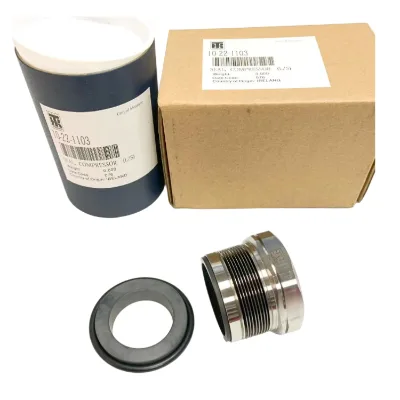
$107.23 - $114.38
MOQ: 10 pieces
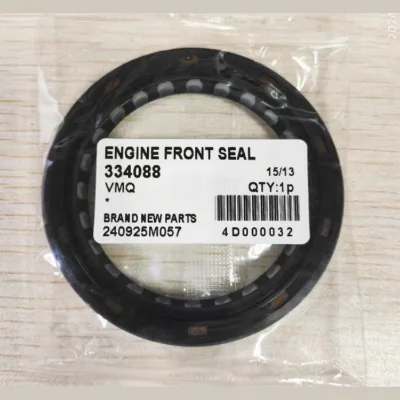
$4.12 - $5.15
MOQ: 10 pieces
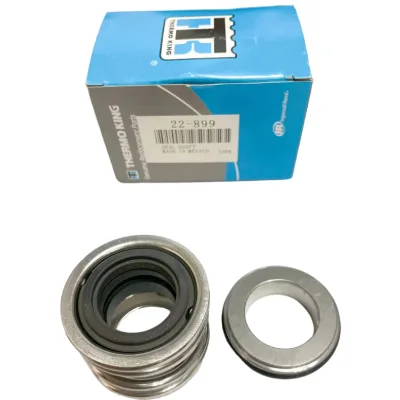
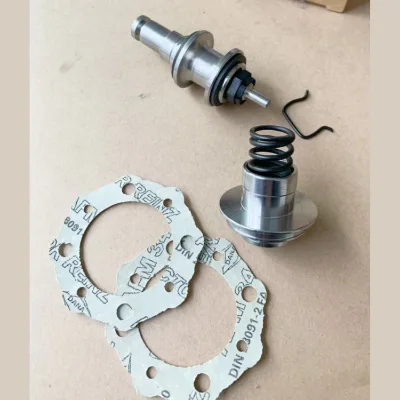
Guangzhou Utranee Auto Air Conditioner Parts Co., Ltd.
- Manufacturer, Trading Company
- Guangdong, China
- Lead time15 days
- Avg. response≤ 4h
Main productsAutomotive Air Conditioning Parts,Air Compressor,Condenser,Evaporator,Parking Air Conditioner
Main marketsMid East(50.00%), Southeast Asia(30.00%), South America(10.00%), Africa(10.00%)
Guangzhou Fengmaomao Automobile Air Conditioning Fitting Co., Ltd.
- Verified by SGS Group
- Trading Company
- Lead time15 days
- Avg. response≤ 2h
Main productsAc Compressor, Ac Compressor Clutch, Ac Condenser, Ac Evaporator, Ac Blower Motor
Main marketsSoutheast Asia(50%), Africa(10%), Oceania(10%)
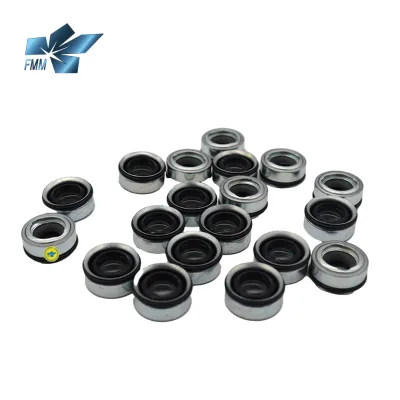
Universal Auto Air Conditioning Parts AC Compressor Lip Type Shaft Oil Seal Universal
$0.61 - $1.02
MOQ: 20 pieces
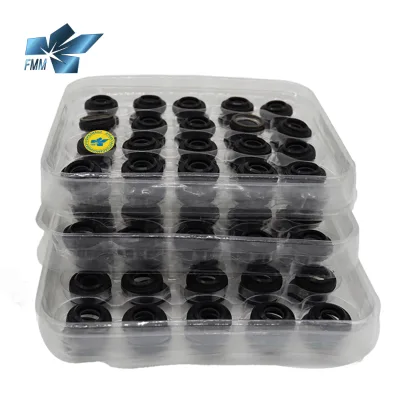
AC Compressor Lip Type Shaft Oil Seal for Subaru Mazda Cx3 Auto Air Conditioning Parts
$0.60 - $1.00
MOQ: 100 pieces

Guangdong Zhaoyang Technology Co., Ltd.
- Verified by SGS
- Manufacturer/Factory
- China Guangdong
- Lead time15 days
- Avg. response≤ 6h
Main productsOil Seal Shaft Sleeve Mechanical Seal, Air Compressor Parts Filter Solenoid Valve, Coupling Controller Bearing, Air Compressor Oil Oil Pipe Control Valve, Minimum Pressure Valve Inlet Valve, Temperature Sensor Pressure Sensor, Oil Separator Oil Filter Air Filter, Thermostat Valve Precision Filter, Cooler Electronic Automatic Drain, Gear Servo Cylinder Pressure Switch
Main marketsSouth America,Eastern Europe,Mid East,North America,Southeast Asia,Eastern Asia,Western Europe,Africa

Guangzhou Ruchu Imp. & Exp. Co., Ltd
- Trading Company
- China Guangdong
- Lead time15 days
- Avg. response≤ 9h
Main productsAC Compressor, AC Condenser, AC Evporator, Clutch, Blower Motor, Fan, Fan Motor, Fitting, Rubber Hose, AC Tools
Main marketsAfrica,Southeast Asia/ Mideast,Europe

Xingtai Hiken Sealing Technology Co., Ltd
- Verified by SGS
- Combined
- China Hebei
- Lead time15 days
- Avg. response≤ 3h
Main productsOil Seal. Rubber Parts, Tc Oil Seals, Automobile Oil Seal, Agricultural & Construction Machinery Oil Seal, Wheel Hub Oil Seals for Tractors, Valve Stem Seals, Precision Rubber Parts, O-Rings, Standard Seal, Rubber Oil Seal
Main marketsSouth America

Hot Sale Shaft Oil Seal with Size 25X37X7 OEM 12016925b for Automotive Seal
$0.20 - $0.30
MOQ: 100 Pieces


Ningbo Anchor Auto Parts Co., Ltd.
- Trading Company
- Lead time旺季: "1 - 1000":40,"> 1000":"To be negotiated", 淡季: "1 - 1000":40,"> 1000":"To be negotiated"
- Avg. response≤ 3h
Main productsAuto AC Compressor & Parts, Auto Parking Conditioner, Bus Air Conditioner, Refrigeration Unit, Radiator Fans

NANJING SOURCE CHEMICAL CO., LTD.
- Trading Company,Manufacturer/Factory
- China Jiangsu
- Lead time0 days
- Avg. response≤ 25h
Main productsHerbicide, Insecticide, Fungicide, Rodenticide, Plant Growth Regulator, Pesticide, Glyphosate, Weedicide, Glyphosate Ammonium, Agrochemicals

Shanghai Richmount Electromechanical Equipment Co.,Ltd.
- Verified by BV
- Trading Company
- China Shanghai
- Lead time38 days
- Avg. response≤ 7h
Main productsMechanical Seal, Coating & Printing Machine
Main marketsDomestic

Ningbo Boman Mechanical & Technology Co., Ltd.
- Manufacturer/Factory
- China Zhejiang
- Lead time15 days
- Avg. response≤ 14h
Main productsOil Seal, O Ring, Customize Molded Rubber Part, Bonded Seal, Extrusion Strip, Rubber Ball, Valve Stem Seal, Rubber Product, Plastic Products, Silicone Product
Main marketsSouth America,Eastern Europe,Mid East,North America,Southeast Asia,Eastern Asia,Western Europe






Comprehensive Sourcing Guide
Automotive Air Conditioning Shaft Seal Supplier Concentration and Factory Types
Current data indicates a concentration of suppliers in China Guangdong and China Shanghai, with Guangdong featuring trading companies and Shanghai hosting manufacturers. The Guangdong cluster includes entities offering bus air conditioning components, while the Shanghai location lists manufacturers specializing in pump seals, mechanical seals, and auto air conditioning seals. These regional distinctions suggest that buyers should expect different operational models depending on the specific province, with trading companies often bridging the gap between production and export in one area, while direct manufacturing capabilities are highlighted in the other.
When evaluating the factory types, it is essential to distinguish between trading companies and manufacturers based on the provided company type data. The available results show a mix of both structures, where trading companies may offer a broader range of products like bus air conditioning systems, whereas manufacturers in Shanghai focus on specific seal types such as mechanical seals and auto cooling pump seals. Buyers must verify the actual production capacity and whether the entity is a direct factory or a middleman, as this impacts the ability to customize products like the 660cc compressor shaft seal or the 36mm EKK model found in the search results.
How to Verify Automotive Air Conditioning Shaft Seal Suppliers
Verification processes should prioritize checking for specific third-party certifications and company status indicators found in the supplier data. Some suppliers display verification from TUVRHEINLAND, which serves as a concrete indicator of a verified status, while others may show system certifications as NIL or list specific product certifications like CCC, CE, ISO, UR, and RoHS. Buyers must cross-reference these labels against the actual product listings to ensure that the certification applies to the specific Automotive Air Conditioning Shaft Seal being sourced, rather than just a general company credential that might not cover the specific mechanical seal components.
Response time and lead time data provide additional layers of verification regarding supplier reliability and operational efficiency. The observed response times vary significantly, with some suppliers showing a response time of 5.91 hours while others indicate 19.59 hours, suggesting a need to test communication channels before committing to an order. Similarly, lead times range from 15 days to 45 days, which buyers should use to gauge the supplier's ability to meet urgent production schedules. A supplier claiming a short lead time but showing a high response time might indicate a bottleneck in communication, whereas a longer lead time paired with a fast response could suggest a robust but scheduled production line.
What to Compare Across Automotive Air Conditioning Shaft Seal Suppliers
Comparing suppliers requires a detailed analysis of product specifications, pricing structures, and minimum order quantities (MOQ) to ensure alignment with project needs. The search results reveal a wide price range, with some compressor shaft seals listed between 1.00 and 1.00, while others range from 6.00 to 76.00 depending on the model and brand, such as M-Ando or T-Hermo King. Buyers must compare these figures against the specific model numbers like 660CC, EKK 36MM, or 22-778 to understand the cost drivers, as the price variance often correlates with the complexity of the seal, the material used, and the brand reputation associated with the product.
MOQ and customization capabilities are critical comparison points that vary significantly across the supplier pool. While some suppliers offer an MOQ as low as 1 unit, others require a minimum of 10 units, which can drastically affect the initial investment for small-scale buyers. Additionally, the availability of customization is a key differentiator; many products list customization as available, allowing for specific size adjustments or branding, but the extent of this service must be verified. Buyers should also compare the packing standards, such as box packaging versus neutral packing, and the origin details to ensure the product meets the specific logistical and quality requirements of their target market.
Common Automotive Air Conditioning Shaft Seal Sourcing Risks
One significant risk involves the discrepancy between claimed certifications and actual product compliance, particularly when system certifications are listed as NIL. While some products display certifications like CCC, CE, and ISO, the absence of a system-level certification for the supplier itself may indicate a lack of comprehensive quality management oversight. Buyers must be cautious when a supplier lists product-specific certifications but lacks a verified company status, as this could lead to inconsistencies in quality control for the automotive air conditioning shaft seals, potentially resulting in failures in the field or non-compliance with international safety standards.
Another risk stems from the variability in lead times and response speeds, which can disrupt supply chain planning and inventory management. The data shows lead times ranging from 15 to 45 days, and response times from under 6 hours to nearly 20 hours, creating uncertainty in delivery schedules. If a buyer relies on a supplier with a 45-day lead time without a buffer, any production delays or communication lags could halt their assembly line. Furthermore, the presence of multiple product types, from bus air conditioning seals to general mechanical seals, might indicate a lack of specialization, increasing the risk of receiving components that do not perfectly match the technical specifications required for high-performance automotive applications.
Automotive Air Conditioning Shaft Seal Regional Sourcing and Logistics
Sourcing from China Guangdong and China Shanghai offers distinct logistical advantages and challenges that buyers must navigate carefully. The Guangdong location is associated with trading companies that may offer faster access to a variety of bus air conditioning components, while the Shanghai location features manufacturers with direct control over production processes for mechanical and pump seals. Buyers should consider the proximity of these hubs to major ports and the specific shipping routes available, as the origin of the product, whether from Guangdong or Shanghai, can influence transit times and freight costs for international orders.
Logistics planning must also account for the specific packaging and standard dimensions provided in the product data, such as the 202030 standard or box packing. These details are crucial for calculating container utilization and ensuring that the automotive air conditioning shaft seals are protected during transit. Buyers should verify if the supplier offers neutral packing or customized packing options, as this affects branding and storage requirements at the destination. Additionally, the service branches listed for some suppliers, such as USA and Australia, may indicate established logistics partnerships that could simplify the import process and reduce the risk of damage or loss during the shipping phase.
Automotive Air Conditioning Shaft Seal Commercial Terms and Order Planning
Commercial terms and order planning must be grounded in the specific pricing and MOQ data observed in the supplier results. With prices ranging from 1.00 to 76.00 and MOQs varying from 1 to 10 units, buyers need to calculate the total cost of ownership, including unit price, shipping, and potential customs duties. The wide price disparity suggests that buyers should request detailed quotes for specific models like the 660CC or 22-778 to understand the value proposition, as the lowest price may not always correlate with the best quality or the most suitable seal for their specific bus air conditioning system requirements.
Order planning should also incorporate the customization options and production capacity indicated by the supplier's ODM and OEM capabilities. Suppliers in the Shanghai cluster explicitly list ODM and OEM capacities, which is vital for buyers requiring tailored solutions or specific branding on the automotive air conditioning shaft seals. Buyers must align their order volume with the supplier's lead time, ensuring that the 15 to 45-day production window fits within their project timeline. Furthermore, verifying the response time is essential for maintaining a smooth communication flow during the order placement and production phases, ensuring that any last-minute adjustments or quality checks can be addressed promptly without delaying the overall delivery schedule.
FAQs
What is the typical lead time for these seals?
The typical lead time for these seals is 15 days based on current supplier data. Some manufacturers offer a longer lead time of 45 days for custom orders. Buyers should confirm specific delivery schedules with the supplier before placing an order to ensure timely arrival.
What is the minimum order quantity required?
The minimum order quantity varies by product, ranging from 1 unit to 10 units. Some listings require a minimum of 10 pieces, while others accept orders as low as 1 piece. Buyers must check the specific product page to verify the exact MOQ for their selected item.
Are these seals available for customization?
Yes, customization is available for many of the listed compressor shaft seals. Suppliers indicate that custom sizes and specifications can be arranged upon request. Buyers should specify their unique requirements during the inquiry process to ensure the manufacturer can meet their specific needs.
What certifications do the products hold?
Some products hold certifications including CCC, CE, ISO, UR, and RoHS. One supplier is verified by TÜV Rheinland, indicating a high level of quality assurance. Buyers should request specific certification documents for the exact model they intend to purchase to verify compliance.
Where are the manufacturers located?
Manufacturers are located in China, specifically in Guangdong and Shanghai regions. These locations are known for producing automotive parts and air conditioning components. Buyers can expect shipping from these Chinese hubs when sourcing these specific automotive air conditioning shaft seals.
What is the price range for these seals?
The price range varies significantly, starting from 1.00 USD up to 76.00 USD depending on the model. Specific items like the 660cc seal range between 18 and 25 USD, while others may cost between 6 and 11 USD. Buyers should compare specific product listings for accurate pricing.
How quickly do suppliers respond to inquiries?
Response times vary among suppliers, with some responding in approximately 5.91 hours and others taking up to 19.59 hours. Faster response times are often associated with trading companies, while manufacturers may take longer. Buyers should expect a response within a day for most inquiries.