Automobile Brake System Cleaner Suppliers and Manufacturers
Source 15 verified suppliers for Automobile Brake System Cleaner. Compare grounded dimensions including ISO certifications, OEM capabilities, lead times, and pricing. Review product specifications and request samples to evaluate quality before placing bulk orders; review the available evidence before requesting comparable quotations from suitable candidates.
Suppliers List

Zhongshan Michel Chemicel Co., Ltd.
- Verified by BV
- Combined
- China Guangdong
- Lead time23 days
- Avg. response≤ 9h
Main productsTire Sealant Aerosol Paint Industrial Glue and
Main marketsDomestic

Zhongshan Tekoro Car Care Industry Co., Ltd.
- Verified by TUVRHEINLAND
- Manufacturer/Factory
- China Guangdong
- Lead time23 days
- Avg. response≤ 25h
Main productsSpray Paint, Car Care Products, Spray Lubricant, Fuel Additive, Auto Parts Cleaner, Car Wax, Dashboard Polish, Car Cleaner, Tire Sealer and Inflator, PVA Chamois Cloth
Main marketsSouth America,Eastern Europe,Mid East,North America,Eastern Asia,Oceania,Western Europe,Africa

Guangzhou Veslee Chemical Co., Ltd.
- Verified by TUVRHEINLAND
- Combined
- China Guangdong
- Lead time30 days
- Avg. response≤ 7h
Main productsCar Care Products, Car Cleaning Products, Auto Maintenance, Aerosol Paint, Atuo Cosmetic, Auto Cleaning Products, Auto Care Products, Home Care and Cleaning Products, Household Products, Auto Washes
Main marketsSoutheast Asia/ Mideast

Huzhou Guoneng New Material Co., Ltd.
- Combined
- China Zhejiang
- Lead time23 days
- Avg. response≤ 3h
Main productsGasket Maker, UV Light Glue, Leather Repair & Restoration Kit, Epoxy & Putty, Headlight Restoration Kit, Speedy Fix, Windshield Repair Kit, Anaorebic Thread Selant, Aerosol Cleaner & Grease, Cyanoacrylate Super Glue
Main marketsSouth America,Africa,Southeast Asia/ Mideast,Europe

Guangzhou W&X Chemical Co., Ltd
- Verified by CTI
- Combined
- China Guangdong
- Lead time23 days
- Avg. response≤ 4h
Main productsBrake Fluid, Clearing Agent, Table Wax, Washing Liquid
Main marketsSoutheast Asia/ Mideast,Domestic,Europe

Zhuhai Kec Environmental Protection Materials Co., Ltd.
- Verified by SGS
- Combined
- China Guangdong
- Lead time15 days
- Avg. response≤ 2h
Main productsCar Care, Automotive Chemicals, Aerosol Cleaners, Underbody Coatings, Appearance Chemials, Auto Maintanence and Operation Chemicals, Chassis Elastomer, Lubricating Spray
Main marketsDomestic

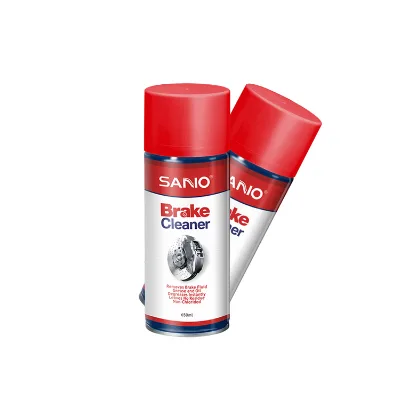
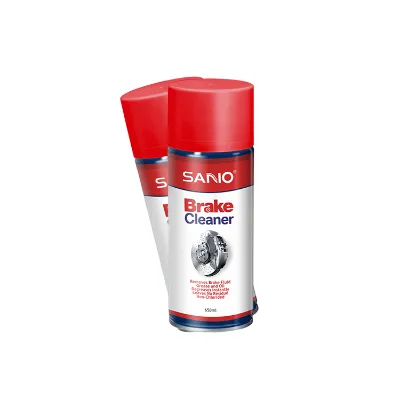
Ultimate Automotive Brake Cleaner Car Care for Efficient Maintenance Solutions
$0.89 - $1.06
MOQ: 7500 Pieces

Premium Brake Parts Cleaner Car Cleaning for Automotive Maintenance and Repair
$0.89 - $1.06
MOQ: 7500 Pieces


Guangdong Sanvo Chemical Industry Technology Limited
- Verified by Intertek
- Manufacturer, Trading Company
- Lead time0 days
- Avg. response≤ 2h
Main productsSpray Paint, Car Care Products, RTV and PU Sealant, Lubricant Oil, Cleaner and Wash
Main marketsDomestic Market(85%), South America(3%), Oceania(3%)
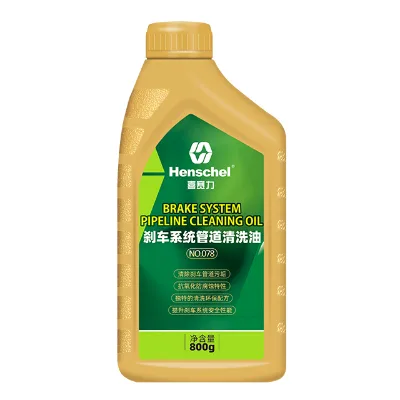
Guangzhou Henschel&ub Chemical Technology Co., Ltd.
- Verified by SGS Group
- Manufacturer, Trading Company
- Guangdong, China
- Lead time0 days
Main productsEV coolant, Engine internal cleaner, Fuel system cleaner, Chassis undercoating, Brake cleaner

Guangdong Maydos Building Materials Limited Company
- Combined
- China Guangdong
- Lead time15 days
- Avg. response≤ 17h
Main productsWood Paint, Wood Lacquer, Furniture Paint, Emulsion Paint, Adhesive, Wood Coating, Contact Adhesive, All-Purpose Adhesive, Acrylic Paint, Epoxy Floor Paint
Main marketsSouth America,Africa,Others(foreignTradeCapacity.exportBusinessCapacityMarketOther),Southeast Asia/ Mideast,East Asia(Japan/ South Korea),Domestic,Europe,Australia,North America

Car Maintenance Brake Cleaning Agent Liquid Brake Cleaner Spray Brake Disc Cleaner
$0.49 - $0.95
MOQ: 2000 Pieces

Car Care Brake Cleaning Agent Liquid Brake Cleaner Spray Brake Disc Cleaner
$0.49 - $0.95
MOQ: 2000 Pieces

Factory Price Cleaning Agent Cleaning Brake and Part Best Cleaner Car Brake Cleaner
$0.49 - $0.95
MOQ: 2000 Pieces


Shandong Sailgoal New Materials Co. Ltd.
- Verified by SGS
- Combined
- China Shandong
- Lead time15 days
- Avg. response≤ 3h
Main productsPU Foam, Carburetor Cleaner, Spray Paint, MDF Kit, Anti Rust Lubricant, Car Care Products, Household Products
Main marketsAfrica,Others(foreignTradeCapacity.exportBusinessCapacityMarketOther),Southeast Asia/ Mideast,Domestic


Professional Brake Parts Cleaner for Effective Brake System Maintenance
$0.39 - $0.42
MOQ: 4000 Pieces

Professional Brake Cleaner Liquid Suitable for Cleaning Brake System and Other Part
$0.75 - $0.76
MOQ: 4000 Pieces

Shenzhen I-Like Fine Chemical Co., Ltd.
- Verified by BV
- Trading Company,Manufacturer/Factory
- China Guangdong
- Lead time45 days
- Avg. response≤ 6h
Main productsSpray Paint, Car Cleaning Products, Car Care Products, Silicone Sealant, PU Foam Spray, Rubber Paint, Tire Sealer Inflator, Construction Foam, Tire Sealant, Expanding Foam Spray
Main marketsSouth America,Eastern Europe,Mid East,North America,Southeast Asia,Eastern Asia,Oceania,Western Europe,Africa


Professional Supplier Premium Cleaner Powerful Cleaning Brake System Cleaner for Brake Maintenance
$2.59 - $3.99
MOQ: 7500 Pieces


Guangzhou Flamingo Car Care Tech Co., Ltd.
- Verified by BV
- Trading Company
- China Guangdong
- Lead time30 days
- Avg. response≤ 3h
Main productsCar Care Products, Car Wax, Foam Cleaner, Tire Foam, Carburetor Cleaner, Brake Cleaner, De-Rust, Wheel Cleaner, Tire Shine, Rubber Spray
Main marketsSouth America,Africa,Others(foreignTradeCapacity.exportBusinessCapacityMarketOther),Southeast Asia/ Mideast,Europe

P016A Brake Cleaner Brake System Cleaner Car Accessories Car Care Products
$0.90 - $1.15
MOQ: 1500 piece


Hangzhou Zonki New Materials Co., Ltd.
- Verified by BV
- Trading Company
- China Zhejiang
- Lead time30 days
- Avg. response≤ 2h
Main productsAir Freshener, Detergent, AC Cleaner, Carburetor Cleaner, Rust Remover & Lubricant, Brake & Parts Cleaner, Refrigerant Gas, PU Sealant, Spray Paint, Engine Degreaser
Main marketsNorth America


Long-Lasting Cleanliness Quick Dissolution Car Detergent Brake Parts Spray Cleaner
$1.58 - $1.91
MOQ: 3000 Pieces

High Performance Cleaner Spray for Car Brake Parts and Automotive Maintenance Degreasing
$1.58 - $1.91
MOQ: 3000 Pieces

Professional Cleaner for Brake Pad Dust Removal and Automotive Degreasing Maintenance
$1.58 - $1.91
MOQ: 3000 Pieces

Guangzhou Qidianban Car Accessories Co., Ltd.
- Trading Company
- Guangdong, China
- Lead time25 days
- Avg. response≤ 2h
Main productsCar Cleaning, Household Cleaning, Pet Cleaning
Main marketsSoutheast Asia(40.0%), Africa(25.0%), Eastern Asia(10.0%), Domestic Market(10.0%), Mid East(10.0%), South Asia(5.0%)
Guangzhou Shengtong Auto Technology Co., Ltd.
- Trading Company
- Guangdong, China
- Lead time0 days
- Avg. response≤ 5h
Main productsThrottle Valve Cleaner, Quick Care Kit, Car Disinfectant, Multifunctional Foam Cleaner, Anti-rust Paint For Chassis
Main marketsNorth America(30.0%), Southeast Asia(20.0%), South Asia(20.0%), Mid East(10.0%), Central America(10.0%), South America(5.0%), Africa(5.0%)


Comprehensive Sourcing Guide
Automobile Brake System Cleaner Supplier Concentration and Factory Types
Current data indicates that verified manufacturing clusters for Automobile Brake System Cleaner are concentrated in specific Chinese provinces, with Guangdong and Zhejiang emerging as primary hubs for production. Factories in these regions often list their origin as Guangdong, China, or Zhejiang, China, suggesting a geographic concentration of industrial capacity for automotive chemical products. These locations support a mix of company types, including combined entities and dedicated manufacturers or factories that handle both production and sales. The presence of these specific locations in supplier profiles allows buyers to identify regions with established supply chains for aerosol cleaners and related automotive maintenance fluids.
When evaluating the factory types available, buyers should look for profiles explicitly stating "Manufacturer/Factory" or "Combined" company types to ensure direct access to production capabilities. Some suppliers in these clusters offer ODM and OEM services, indicating they can customize formulations or packaging for specific brand requirements. The main products listed often extend beyond brake cleaner to include tire sealants, aerosol paints, and various car care products, suggesting these facilities operate as multi-product chemical manufacturers. This diversification can be advantageous for buyers seeking a single source for multiple automotive maintenance needs, though it requires careful verification that the specific brake cleaner line meets quality standards.
How to Verify Automobile Brake System Cleaner Suppliers
Verification of suppliers for Automobile Brake System Cleaner relies heavily on third-party audit reports and specific certification badges displayed in supplier profiles. Current results show verification statuses such as BV and TUVRHEINLAND, which serve as critical indicators of a supplier's operational legitimacy and adherence to international standards. Buyers should prioritize suppliers displaying these specific verification marks, as they confirm that an independent agency has inspected the facility's processes and documentation. Relying on these external validations is essential before engaging in any commercial transaction, as they provide a layer of trust that internal claims alone cannot guarantee.
In addition to verification badges, system certifications like ISO9001:2015, ISO 14001, and specific product standards such as CE, RoHS, SGS, and GMP are vital for assessing quality management. These certifications indicate that the supplier's production processes meet rigorous international requirements for quality control and environmental safety. Buyers must cross-reference these claims with the actual product attributes listed, such as the "Car Cleaning Chemical PH" being neutral or base, to ensure the certified standards align with the specific chemical properties required for their application. If a supplier lists certifications but lacks corresponding product evidence or verification badges, the buyer should request direct proof of these credentials before proceeding.
What to Compare Across Automobile Brake System Cleaner Suppliers
Comparing suppliers requires a detailed analysis of key operational metrics such as response time, lead time, and minimum order quantities (MOQ). Data shows response times varying significantly, with some suppliers responding in under three hours while others take over twenty-five hours, directly impacting project timelines. Lead times also differ, ranging from twenty-three days to thirty days, which affects inventory planning and delivery schedules. Buyers must weigh these factors against their specific urgency and logistical capabilities, ensuring that the selected supplier can meet the required delivery windows without compromising on product availability or quality.
Minimum order quantities and pricing structures are equally critical comparison points that vary widely across the supplier base. Current listings indicate MOQs ranging from 3,000 pieces to 7,500 pieces, with unit prices fluctuating between $0.72 and $1.00 depending on volume and customization. Some suppliers offer flexible packaging options like 12 pieces per carton, while others specify different bulk configurations. Buyers should calculate the total landed cost, including the impact of high MOQs on cash flow, and compare these against the supplier's capacity for customization, such as available OEM services or own-brand options. This comprehensive comparison ensures the selected partner aligns with both financial constraints and operational scale.
Common Automobile Brake System Cleaner Sourcing Risks
One significant risk in sourcing Automobile Brake System Cleaner involves the discrepancy between claimed product attributes and actual chemical specifications. Buyers must verify critical details such as the "Car Cleaning Chemical PH" level, which can be listed as either neutral or base, as this directly affects compatibility with various brake system materials. Inconsistent labeling or unverified claims regarding the "Shelf Life" or "Validity" period, which may range from twelve months to three years, can lead to product degradation before use. Relying solely on marketing descriptions without demanding specific test data or batch certificates exposes the buyer to potential quality failures and safety hazards in the final application.
Another major risk stems from supply chain disruptions related to lead time variability and capacity constraints. While some suppliers list a lead time of twenty-three days, others may require up to thirty days, creating uncertainty for time-sensitive orders. Additionally, the "Capacity" for ODM and OEM services varies, with some suppliers offering only ODM while others provide full OEM and own-brand solutions. If a supplier overpromises on their ability to handle custom orders or fails to meet the stated delivery time, it can result in production delays and increased costs. Buyers should mitigate this by confirming current production capacity and securing clear contractual terms regarding penalties for missed delivery deadlines.
Automobile Brake System Cleaner Regional Sourcing and Logistics
Regional sourcing strategies for Automobile Brake System Cleaner are heavily influenced by the specific manufacturing locations identified in supplier profiles, primarily Guangdong and Zhejiang. Factories in Guangdong, China, often provide detailed product origins and packing standards, such as 450ml per piece with 12 pieces per carton, which facilitates efficient logistics planning. Similarly, suppliers in Zhejiang, China, offer distinct packaging configurations and model numbers that may affect shipping dimensions and weight. Understanding these regional differences allows buyers to optimize freight costs and transit times by selecting suppliers whose locations align with their primary distribution hubs or target markets.
Logistics planning must also account for the specific packing standards and gross weights associated with different regional suppliers. For instance, some products are packed in cartons with a gross weight of 16kg, while others utilize aerosol tins with specific dimensions like 27.521.520.5cm. These physical attributes directly impact container loading efficiency, with some suppliers noting a capacity of 2,500 cartons per 20-foot container. Buyers should request precise packing lists and volume calculations to ensure they can maximize container utilization and minimize shipping costs. Failure to account for these regional logistical nuances can lead to unexpected freight expenses and inefficient inventory management.
Automobile Brake System Cleaner Commercial Terms and Order Planning
Commercial terms for Automobile Brake System Cleaner orders often include negotiable payment conditions and specific service agreements regarding customization. Buyers should expect to negotiate payment terms directly, as some suppliers list this as "Negotiable" rather than offering fixed policies. Additionally, the availability of samples is a crucial factor in order planning, with many suppliers indicating that samples are available for quality assessment before committing to large-scale production. Understanding these terms early in the negotiation process helps buyers structure their orders to minimize financial risk and ensure that the product meets their specific performance requirements before full-scale manufacturing begins.
Order planning must also consider the specific product models and standard configurations offered by different suppliers. Models such as TE-8028, VSL-13, and BCA0250C represent distinct product lines with varying capacities, from 300ml to 500ml, and different validity periods. Buyers need to align their order quantities with the supplier's standard packing configurations, such as 12 pieces per carton or 24 pieces per carton, to avoid additional handling costs. Furthermore, the "Service" options, including ODM and OEM capabilities, should be clearly defined in the purchase agreement to ensure that any custom branding or formulation changes are executed correctly. Proper planning around these commercial and technical details ensures a smooth procurement process and successful product delivery.
FAQs
What is the typical lead time for brake cleaner orders?
Lead times vary by supplier, ranging from 20 to 30 working days. Some manufacturers offer faster delivery within 23 days, while others require up to 30 days for production. Buyers should confirm specific timelines based on order volume and customization needs before placing an order.
What are the minimum order quantities for brake cleaners?
Minimum order quantities typically range from 3,000 to 7,500 pieces depending on the supplier. Some vendors accept orders as low as 3,000 units, while others require a minimum of 7,500 units. Buyers must check specific product listings to verify the exact MOQ required for their purchase.
Which certifications do brake cleaner suppliers hold?
Many suppliers hold ISO 9001 and ISO 14001 certifications for quality and environmental management. Some products also meet CE, RoHS, SGS, and GMP standards. Buyers should verify specific certificates for each product to ensure compliance with their regional safety and quality requirements.
Where are the brake cleaner manufacturers located?
Manufacturers are primarily located in Guangdong and Zhejiang provinces in China. These regions host factories producing various automotive cleaning chemicals. Buyers can filter results by these specific locations to find suppliers with established logistics networks and regional expertise in automotive care products.
What is the price range for brake cleaner products?
Prices generally range from 0.72 to 1.00 USD per unit depending on volume and specifications. Some listings show prices between 0.80 and 0.86 USD. Buyers should compare unit costs across different suppliers to find the best value for their specific order quantity and customization requirements.
Do suppliers offer customization for brake cleaner brands?
Yes, most suppliers offer OEM and ODM services with available customization options. Buyers can request private labeling or specific formulations for their brand. Customization availability should be confirmed directly with the supplier to ensure they can meet specific packaging or formula requirements.
How quickly do suppliers respond to inquiries?
Response times vary significantly, ranging from approximately 2.5 to 25 hours. Some suppliers respond within 2.49 hours, while others may take up to 25 hours. Buyers should prioritize suppliers with faster response times to ensure efficient communication during the sourcing process.
What is the shelf life of the brake cleaner products?
Shelf life typically ranges from 12 months to 3 years depending on the product formulation. Some items have a validity of three years, while others last for 12 months. Buyers should check the specific product details to confirm the expiration date and storage requirements.