Automotive Repair Plastic Creeper Seat Suppliers and Manufacturers
Compare 28 verified Automotive Repair Plastic Creeper Seat suppliers by location, response time, lead time, and certifications. Review product specs like weight capacity and dimensions before contacting factories for quotes; review the available evidence before requesting comparable quotations from suitable candidates.
Updated
Suppliers List

Haining Lee-Ding Machinery Co., Ltd.
- Trading Company,Manufacturer/Factory
- China Zhejiang
- Lead time30 days
- Avg. response≤ 11h
Main productsJack, Auto Repairing Tools, Motorcycle Lift/Stand, Sandblast Cabint, Parts Washer, Engine Hoist / Stand, Car Lift, Service Carts, Construction Machinery, Auto Tools
Main marketsSouth America,Eastern Europe,Mid East,North America,Southeast Asia,Eastern Asia,Oceania,Western Europe,Africa

Jiaxing Lifede Imp. & Exp. Co., Ltd.
- Verified by TUVRHEINLAND
- Trading Company
- China Zhejiang
- Lead time30 days
- Avg. response≤ 5h
Main productsHydraulic Jack, Car Jack, Motorcycle Lift Tools, Jack Stands, Floor Jacks, Shop Press, Engine Crane, Engine Stands, Hydraulic Vehicle Positioning Jack
Main marketsEurope,North America


Foldable Rolling Car Creeper Seat Mechanic Stool Car Repair Tools Rolling Creeper Garage Seat
$11.00 - $13.00
MOQ: 100 Pieces

Auto Repair Working Seat Car Creeper Vehicle Repair Seat Mechanics Roller Seats Stools
$12.00 - $14.00
MOQ: 100 Pieces

$11.00 - $13.00
MOQ: 100 Pieces

40" High Quality Contoured Professional Car Creeper Plastic Creeper Seat with Inspection Light
$12.89 - $14.34
MOQ: 200 Pieces

Changshu Evergrande Imp. & Exp. Co., Ltd.
- Verified by TUVRHEINLAND
- Trading Company
- China Jiangsu
- Lead time30 days
- Avg. response≤ 6h
Main productsMetal Etching Panels and Parts, Vegetable Parchment Paper, Tool Carts and Cabinets, Industrial Carpets and Floorings, Spinpack Parts and Accessories
Main marketsEurope


Workshop Roller Stool Car Auto Mechanics Creeper Seat Adjustable Car Seat
$20.00 - $35.00
MOQ: 100 Pieces

$20.00 - $35.00
MOQ: 100 Pieces


Anhui Huafeng Import & Export Co., Ltd.
- Verified by SGS
- Trading Company,Manufacturer/Factory
- China Anhui
- Lead time60 days
- Avg. response≤ 3h
Main productsHydraulic Jack, Floor Jack, Bottle Jack, Trolley Jack, Hydraulic Bottle Jack, Hydraulic Floor Jack, Scissor Jack, Hydraulic Trolley Jack, Screw Jack, Jack Stand
Main marketsSouth America,Eastern Europe,Mid East,North America,Southeast Asia,Eastern Asia,Oceania,Western Europe,Africa

Ningbo Tower Machinery Co., Ltd
- Verified by TUVRHEINLAND
- Manufacturer/Factory
- China Zhejiang
- Lead time30 days
- Avg. response≤ 7h
Main productsSheet Metal Fabrication, CNC Machining Parts, Laser Cutting Parts, Tube Bending Parts, Welding Parts, Stamping Parts, Bus Seat, Trailer Jack, Electric Winch, Wheel Spacer
Main marketsSouth America,Eastern Europe,Mid East,North America,Southeast Asia,Eastern Asia,Oceania,Western Europe,Africa

Adjustable Garage Auto Repair Tool Rolling Folding Car Convertible Creeper Seat
$10.00 - $15.00
MOQ: 100 Pieces

Jiaxing Datong Import & Export Co., Ltd.
- Verified by TüVRheinland
- Manufacturer, Trading Company
- Lead time45 days
- Avg. response≤ 3h
Main productsBottle Jack, Floor Jack, Shop Press, Jack Stand, Shop Crane
Main marketsNorth America(35%), Western Europe(15%), South America(10%)
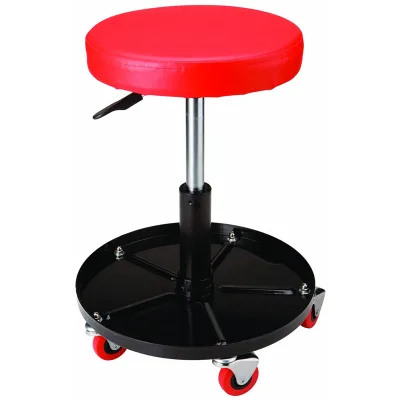
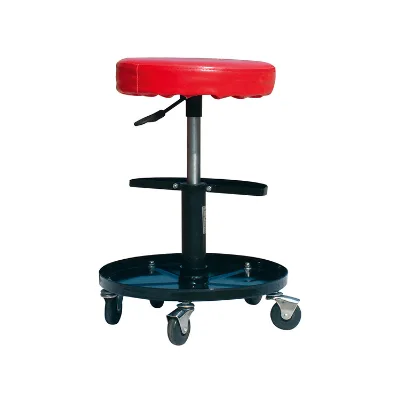
$16.32 - $18.73
MOQ: 100 pieces
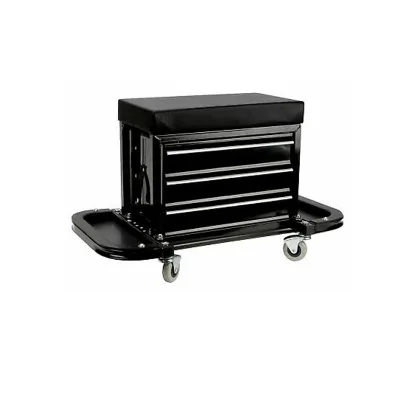
Car Repair Sitting Stool Seat Garage Creeper Chair Tool Box Car Creeper With 3 Drawers
$29.92 - $36.57
MOQ: 100 pieces
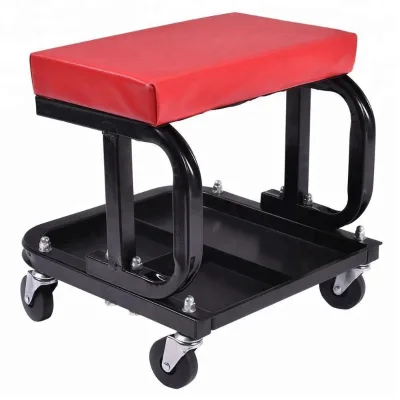
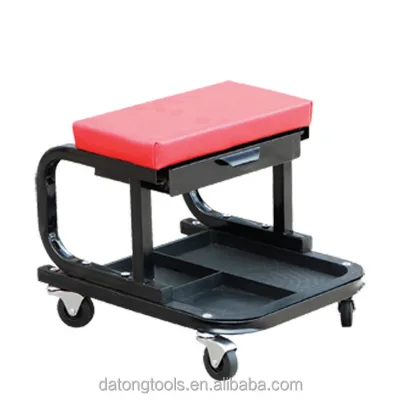
Auto Mobile Mechanic Tools Shop Car Creeper Seat Rolling Vanity Stool With Drawer
$17.95 - $19.29
MOQ: 100
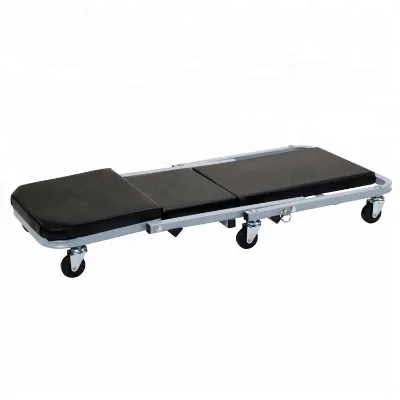
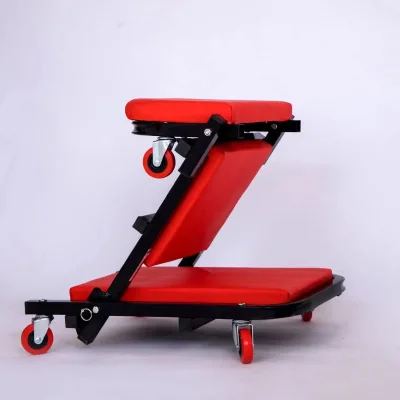
Mechanics Work Tool Garage 40" Foldable Z Creeper Seat Car Rolling Shop
$19.50 - $20.80
MOQ: 100 pieces

Shenzhen Ksd Industry Co., Ltd.
- Manufacturer, Trading Company, Distributor/Wholesaler
- Guangdong, China
- Lead time5 days
- Avg. response≤ 4h
Main productsFoam Guns and Water Spray Guns,Houseware Cleaning,Polisher/ Buffer accessories,Washing Tool Series,Equipment Series
Main marketsNorth America(30.00%), Western Europe(25.00%), Central America(20.00%), South America(5.00%), Northern Europe(5.00%), Oceania(5.00%), Eastern Europe(5.00%), Domestic Market(1.00%), South Asia(1.00%), Southern Europe(1.00%), Eastern Asia(1.00%), Southeast Asia(1.00%)
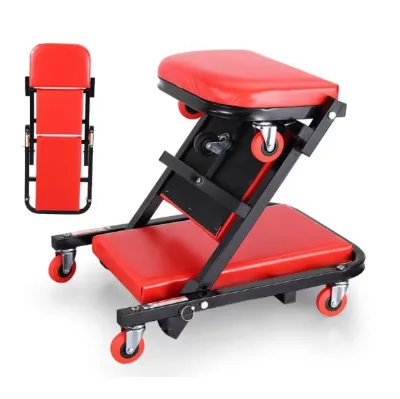
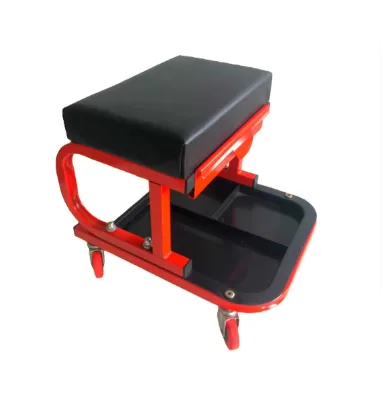
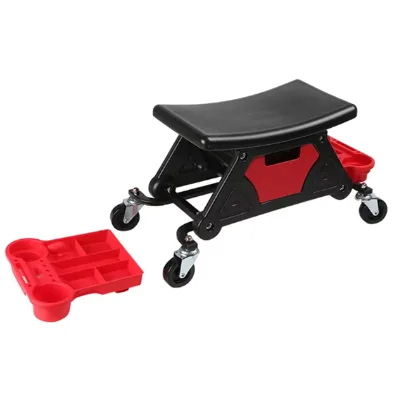
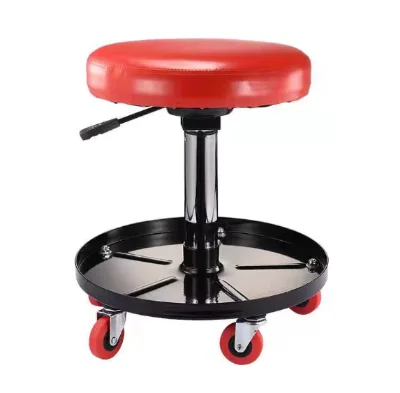
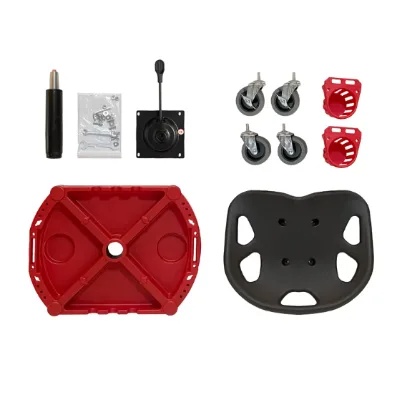
Car Detailing Creeper Chair Garage Seat Stool Car Wash Tool Rolling Wheel Stool
$23.6646 - $26.7514
MOQ: 100 pieces
Ningbo Yinzhou Fengjie Tools Co., Ltd.
- Verified by TüVRheinland
- Manufacturer, Trading Company
- Lead time30 days
- Avg. response≤ 7h
Main productsAuto Tools, Telescoping Products
Main marketsDomestic Market(33%), North America(25%), Western Europe(10%)
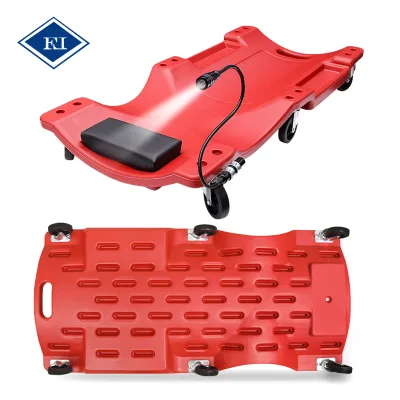
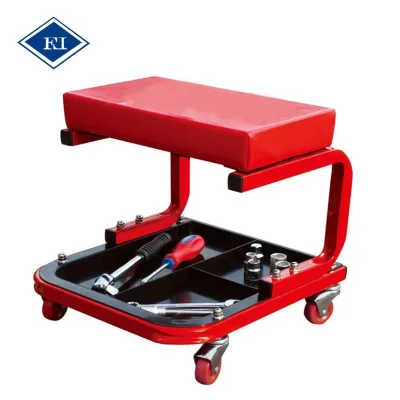
Padded Mechanic Creeper Seat Rolling Garage Work Stool 360° Swivel Casters for Auto Repair Workshop
$12.10 - $15.10
MOQ: 20 pieces
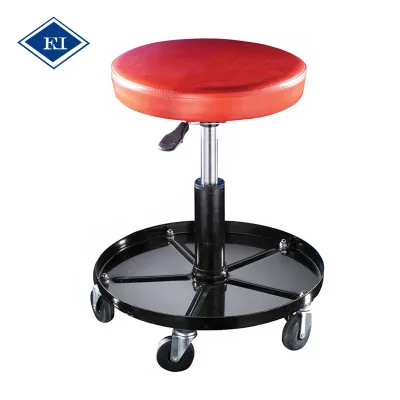
Plastic Car Repair Rolling Creeper Stool Garage Repair Tool
$17.00 - $19.00
Qingdao Ever-Leading Tools Co., Ltd.
- Verified by TüVRheinland
- Manufacturer, Trading Company
- Lead time45 days
- Avg. response≤ 8h
Main productsTool Cart, Bumper Stand, Paper Dispenser, Painting Stand, Welding Cart
Main marketsNorth America(30%), Eastern Europe(20%), Oceania(10%)
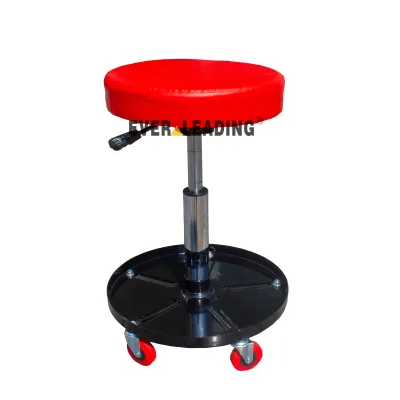
Pneumatic Roller Work Seat Stool Chair Adjustable Car Auto Mechanics Creeper Seat
$28.6496 - $30.1571
MOQ: 50 pieces
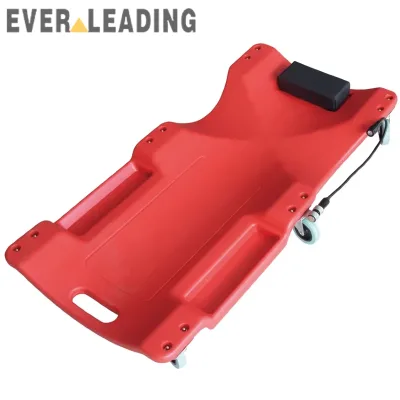

Yongkang Fuou Industry & Trade Co., Ltd.
- Manufacturer
- Zhejiang, China
- Lead time35 days
- Avg. response≤ 5h
Main productsCar Wash Stool,Tool Car,Mov Bucket,car wash bucket,car detailing
Main marketsDomestic Market(85.00%), North America(5.00%), South Asia(2.00%), Southeast Asia(2.00%), Oceania(1.00%), Eastern Europe(1.00%), Southern Europe(1.00%), Northern Europe(1.00%), Eastern Asia(1.00%), Mid East(1.00%)

Henan Hanyin Industrial Co., Ltd.
- Verified by CTI
- Trading Company
- China Henan
- Lead time30 days
- Avg. response≤ 3h
Main productsCar Cleaning Kit, Automatic Car Wash Machine, Car Wash Towel, Auto Detailing Cart, Snow Foam Cannon C
Main marketsEurope

Automotive Mechanic Creeper Seat with Adjustable Seat and Segmented Tool Tray
$13.00 - $16.00
MOQ: 50 Pieces

Hangzhou Changze Trading Co., Ltd.
- Trading Company
- Zhejiang, China
- Lead time25 days
- Avg. response≤ 2h
Main productspaper strainer,wood mixing sticks,paint brush,paint roller,tire cover
Main marketsNorth America(28.00%), South America(20.00%), Northern Europe(8.00%), Eastern Europe(8.00%), Western Europe(6.00%), Southern Europe(6.00%), Eastern Asia(5.00%), Mid East(5.00%), South Asia(3.00%), Oceania(3.00%), Domestic Market(2.00%), Central America(2.00%), Africa(2.00%), Southeast Asia(2.00%)
Wuqiang Hongma Tools Manufacture Co., Ltd.
- Verified by SGS Group
- Manufacturer, Trading Company
- Lead time25 days
- Avg. response≤ 2h
Main productsJack Stand, Farm Jack, Car Creeper, Car Ramps, Tool Trolley
Main marketsSouth America(25%), Eastern Europe(25%), North America(20%)
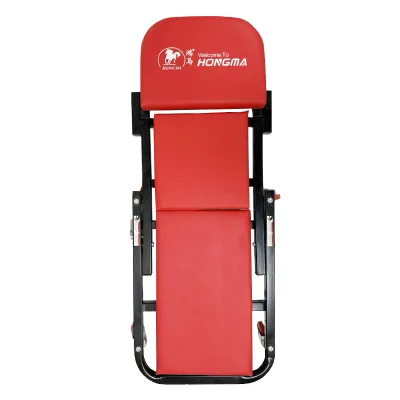
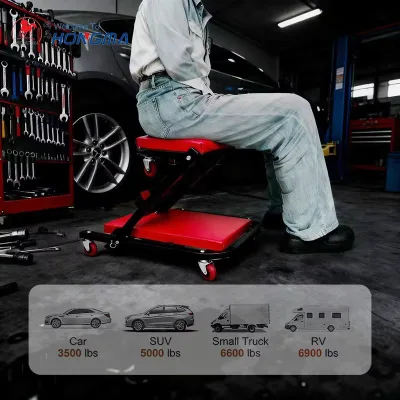
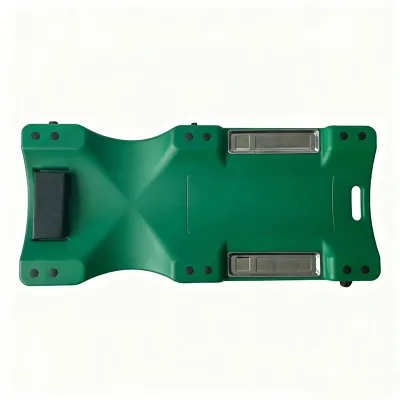
$12.7305 - $13.7484
MOQ: 100 pieces
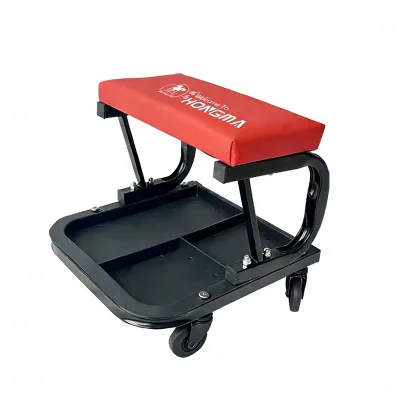
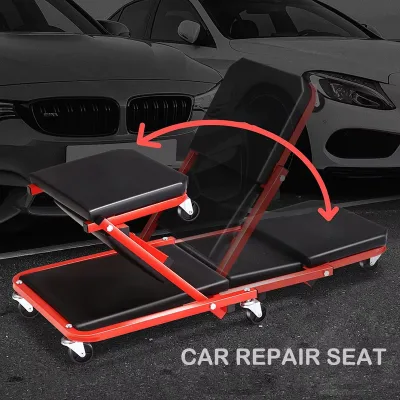
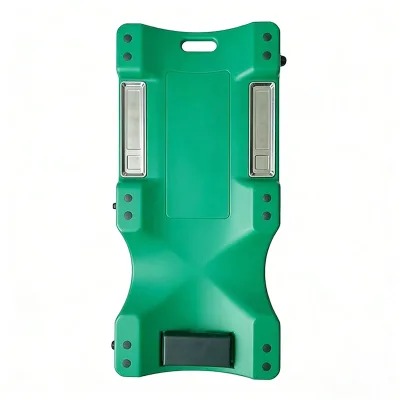
Cangzhou Jiangcheng Machinery Co., Ltd.
- Verified by TüVRheinland
- Manufacturer, Trading Company
- Lead time45 days
- Avg. response≤ 4h
Main productsTire Repair Tools, Engine Crane, Automobile Lift, Car Body Spot Welder, Split Jack
Main marketsDomestic Market(70%), Eastern Europe(12%), North America(10%)
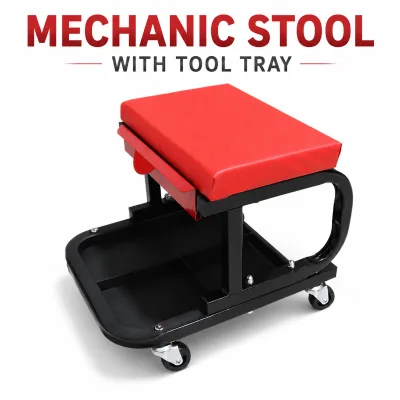
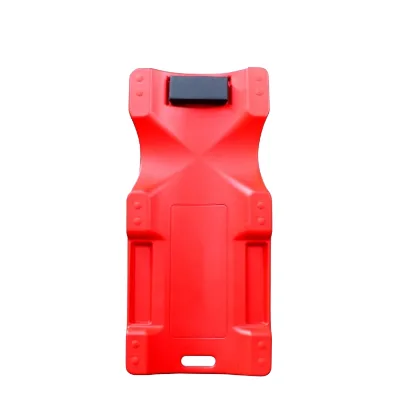
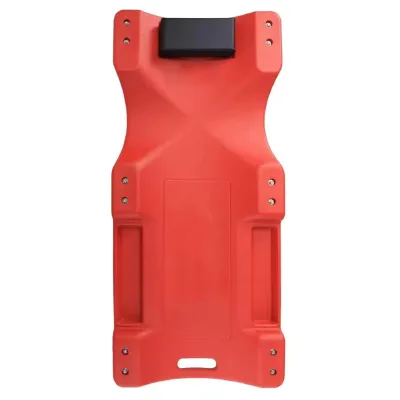
Plastic Auto Plastic Mechanic Creeper for Car Repair Tools
$17.20 - $25.00

Ningbo Jingyan Tools Co., Ltd.
- Verified by SGS
- Manufacturer/Factory
- China Zhejiang
- Lead time45 days
- Avg. response≤ 13h
Main productsWorkbench, Tool Box, Saw Horse, Foldable Trolley, Storage Cart, Plastic Mould, Storage Carts, Moratr Spray Gun, Hardware Tools, Auto Repair Tool
Main marketsSouth America,Eastern Europe,Mid East,North America,Southeast Asia,Eastern Asia,Oceania,Western Europe,Africa

Factory Price Mechanic Sidekick Garage Stool Auto Repair Tools Creeper Seat with Wheels
$18.10 - $20.40
MOQ: 100 Pieces

$15.30 - $17.30
MOQ: 100 Pieces
Hefei Chegongshe Hardware Technology Co., Ltd.
- Verified by Intertek
- Manufacturer, Trading Company
- Lead time7 days
- Avg. response≤ 2h
Main productsJack, Grease Gun, Tool Sets, Dent Repairing Machine, Snow Chain
Main marketsNorth America(20%), South America(20%), Eastern Asia(20%)

Jiangsu Lvcai Intelligent Equipment Technology Co., Ltd.
- Verified by BV
- Manufacturer/Factory
- China Jiangsu
- Lead time15 days
- Avg. response≤ 6h
Main productsCar Spray Booth, Wood Spray Booth, Bus Spray Booth, Industrial Paint Booth, Shot Blast Machine, Sand Blasting Booth, Infrared Heating Curing System, Car Lift, Prep-Station, Paint Mixing Room
Main marketsSouth America,Eastern Europe,Mid East,North America,Southeast Asia,Eastern Asia,Oceania,Western Europe,Africa
Zhejiang Altertool Technology Inc.
- Manufacturer, Trading Company
- Zhejiang, China
- Lead time30 days
- Avg. response≤ 2h
Main productsCar Jack, Car Lift, Shop Press, Motorcycle Tools, Tyre Repair Tools
Main marketsWestern Europe(32.00%), Eastern Europe(32.00%), South America(21.00%), North America(8.00%), Southeast Asia(4.00%), Africa(2.00%), Oceania(1.00%)
Ningbo Zhenhai Toptool Co., Ltd.
- Manufacturer
- Zhejiang, China
- Lead time30 days
- Avg. response≤ 14h
Main productsAutomotive tools
Main marketsWestern Europe(40.00%), Eastern Europe(15.00%), North America(10.00%), South America(10.00%), Southern Europe(5.00%), Eastern Asia(5.00%), South Asia(3.00%), Southeast Asia(3.00%), Oceania(2.00%), Mid East(2.00%)
Wuxi Sunshine Technology Co., Ltd.
- Manufacturer
- Jiangsu, China
- Lead time15 days
- Avg. response≤ 3h
Main productscar washer,foam cannon,pressure gun,foam gun,nozzle
Main marketsWestern Europe(20.00%), Eastern Europe(15.00%), Southern Europe(10.00%), Northern Europe(10.00%), Domestic Market(10.00%), North America(10.00%), Southeast Asia(10.00%), South America(10.00%), Central America(5.00%)
Jiashan Jiuyuan Precision Tooling Co., Ltd.
- Manufacturer, Trading Company
- Zhejiang, China
- Lead time15 days
- Avg. response≤ 5h
Main productsAuto Tools,Stamping Parts,Agricultural Tools,Truck Accessories,Hydraulic Accessories
Main marketsNorth America(40.00%), South Asia(10.00%), Southern Europe(10.00%), Western Europe(10.00%), Oceania(10.00%), Southeast Asia(10.00%), Eastern Europe(10.00%)
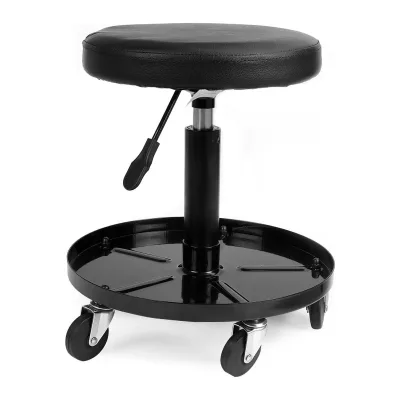
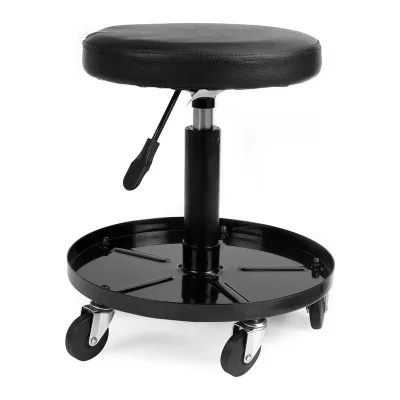
Adjustable Rolling Creeper Seat with Tool Tray for Vehicle Maintenance
$23.8173 - $26.9265
MOQ: 10 pieces
Sichuan Guanghong International Trade Corp.
- Verified by Intertek
- Trading Company
- Lead time35 days
- Avg. response≤ 4h
Main productsBrush, Towel, Sanding Block, Polish Pad, Automobile Radiator
Main marketsEastern Europe(42%), South America(20%), North America(15%)
JIAXING INTOP IMPORT AND EXPORT CO.,LTD
- Verified by Intertek
- Trading Company
- Lead time20 days
- Avg. response≤ 5h
Main productsBottle Jack, Floor Jack, Scissor Jack, Screw Jack
Main marketsAfrica(50%), Mid East(20%), Domestic Market(10%)

- Verified by TUVRHEINLAND
- Trading Company,Manufacturer/Factory
- China Zhejiang
- Lead time45 days
- Avg. response≤ 4h
Main productsElectric Tools, Power Tools, Cordless Tools, Bench Tools, Garden Tools, Gand Tools, Auto Tools, Car Tools, Hydraulic Tools
Main marketsSouth America,Eastern Europe,Oceania,Western Europe


$10.00 - $25.00
MOQ: 100 Pieces


Jinhua Cowin Import & Export Co., Ltd.
- Verified by TUVRHEINLAND
- Trading Company
- China Zhejiang
- Lead time30 days
- Avg. response≤ 6h
Main productsHand Tool, LED Lighting, Car Tool, Hardware, Trailer Light, Trailer Hitch Mount, Power Tool, Garden Tools, Air Tools, Tie Down
Main marketsEurope
Hebei Laiyuan Machinery Manufacturing Co., Ltd.
- Manufacturer, Trading Company
- Hebei, China
- Lead time15 days
- Avg. response≤ 19h
Main productsFloor Jack,Jack Stand,Airbag jack,farm jack,Car Repair Tools
Main marketsSoutheast Asia(15.00%), South Asia(10.00%), Eastern Asia(10.00%), North America(10.00%), Mid East(10.00%), South America(10.00%), Oceania(5.00%), Southern Europe(5.00%), Northern Europe(5.00%), Central America(5.00%), Western Europe(5.00%), Africa(5.00%), Eastern Europe(5.00%)

- Trading Company,Manufacturer/Factory
- China Jiangsu
- Lead time45 days
- Avg. response≤ 14h
Main productsElectric Gasoline Diesel Fuel Transfer Pumps, Electric Barrel Pumps, Electric Adblue Urea Transfer Pumps, Electric Bilge Pumps, Flow Meters, Fuel Delivery Nozzles & Adblue Delivery Nozzles, Military-Spec Jerry Cans & Ammo Cans, Grease Guns & Grease Pumps, Car Repairing Tools, IBC Accessories
Main marketsSouth America,Eastern Europe,Mid East,North America,Southeast Asia,Eastern Asia,Oceania,Western Europe,Africa
- Trading Company
- Jiangsu, China
- Lead time0 days
- Avg. response≤ 3h
Main productsHand Tools,Garden Product,Hose Reel,Power Tools,Car Repair
Main marketsNorth America(50.00%), Western Europe(15.00%), South America(10.00%), Oceania(5.00%), Eastern Europe(5.00%), Eastern Asia(5.00%), Southeast Asia(3.00%), Northern Europe(2.00%), Africa(2.00%), Southern Europe(2.00%), Mid East(1.00%)
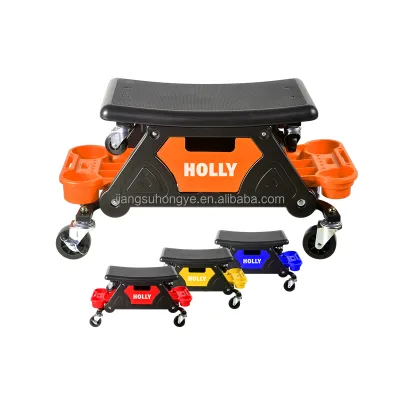
$18.5718 - $24.2304
MOQ: 10 pieces
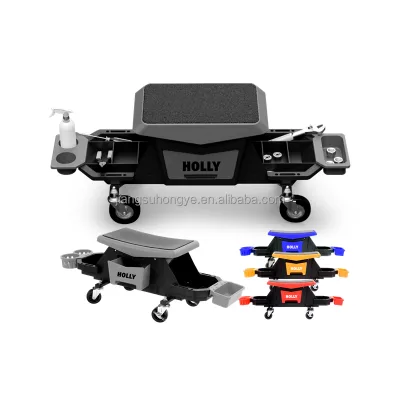


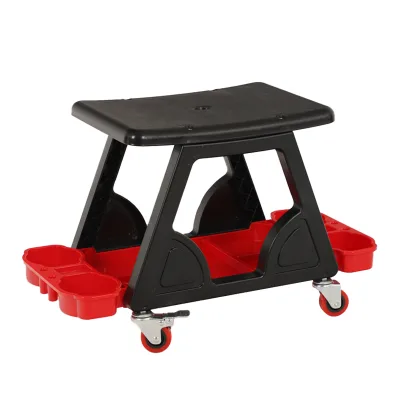
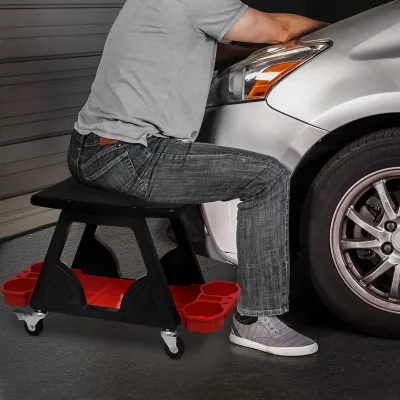
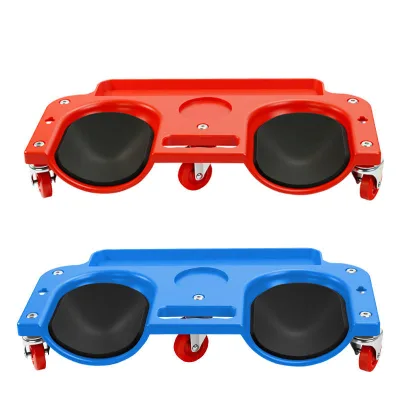
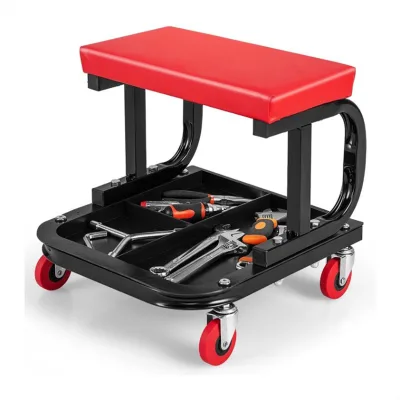


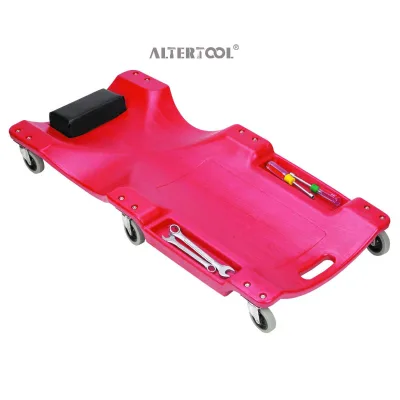
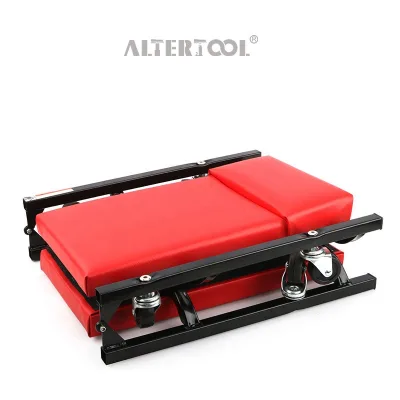
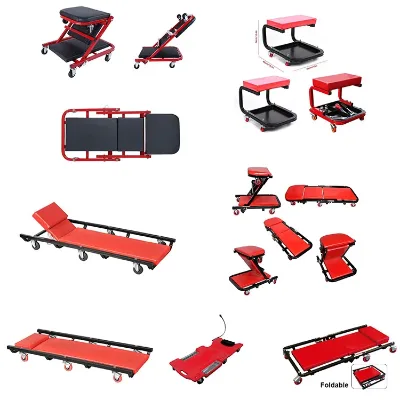
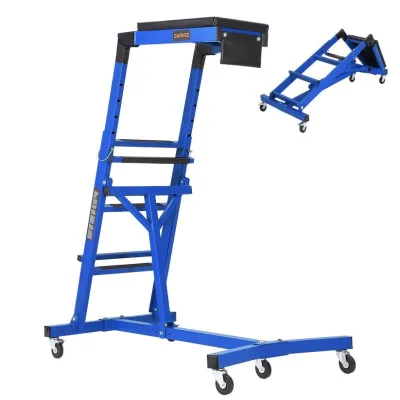
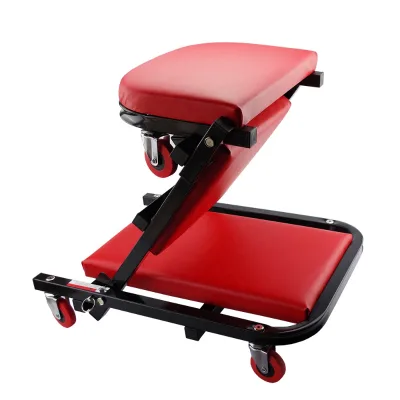
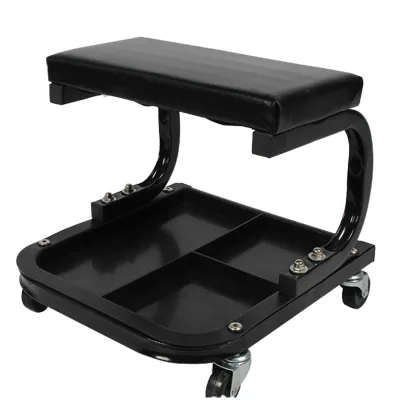




Comprehensive Sourcing Guide
Automotive Repair Plastic Creeper Seat Supplier Concentration and Factory Types
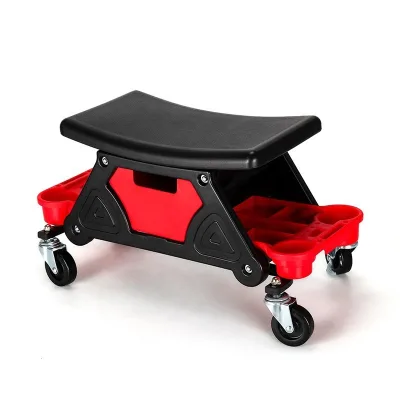
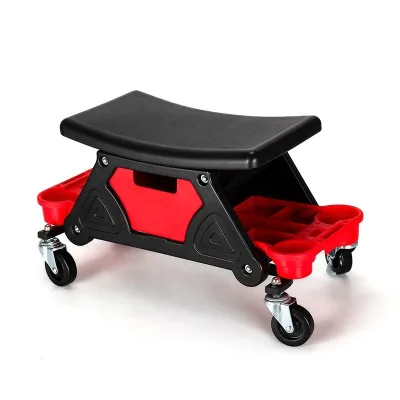
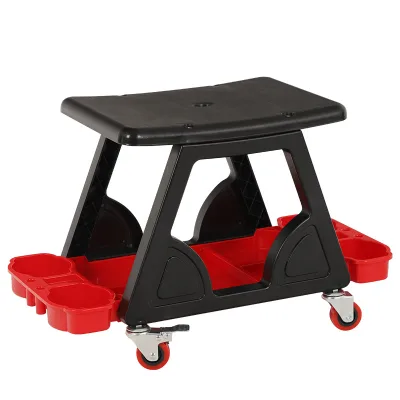
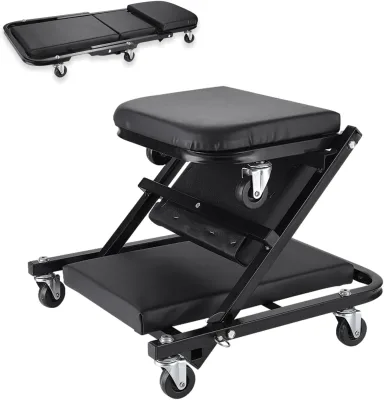
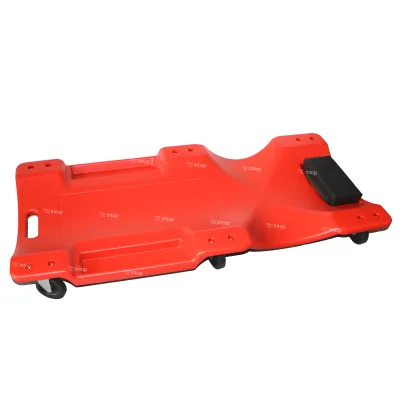
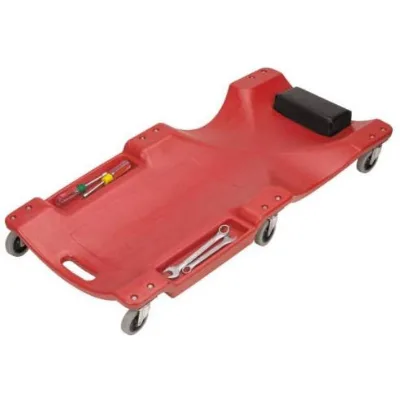
When searching for Automotive Repair Plastic Creeper Seat suppliers, buyers will find that many listings cluster around eastern China, with Zhejiang province appearing repeatedly as a stated origin in supplier results. Zhejiang is known in the results as a source not only for creeper seats but also for adjacent garage equipment such as hydraulic jacks, floor jacks, jack stands, engine hoists and stands, shop presses, motorcycle lifts, service carts, parts washers, sandblast cabinets and car lifts. This means a single sourcing trip or supplier shortlist drawn from this region can cover a workshop-equipment assortment rather than one isolated product. However, location labels are not proof of manufacturing capability on their own, so concentration should be treated as a starting point for sampling rather than a guarantee.
Supplier types in this category typically split between manufacturers/factories and trading companies, and the current results show both labels in use, including companies that declare a combined trading-company-and-manufacturer profile. A pure trading company may aggregate products from several workshops and offer broader catalogs, while a factory profile may allow more direct control over tooling, plastic injection quality and frame welding. Some suppliers list OEM capability, which matters if you need branded packaging, custom colors or modified load ratings. Before shortlisting, confirm which entity actually produces the creeper seats you are quoting, because the displayed company type may not reflect the true factory behind the listing.
How to Verify Automotive Repair Plastic Creeper Seat Suppliers
Verification should start with the credentials a supplier chooses to display and end with evidence you request directly. Some suppliers in this category carry third-party platform verification, for example a TÜV Rheinland verification badge, which confirms a level of business legitimacy but does not certify any particular product. Others show product-level certification claims such as CE marking on specific creeper models; treat these as claims to be documented, not as guarantees across the whole range. Ask each supplier for a valid, dated certificate matching the exact model number you intend to order, and check whether the certificate holder is the same legal entity shown on the account. Also confirm the declared production origin, since results in this category list origins such as Zhejiang, China at the product level.
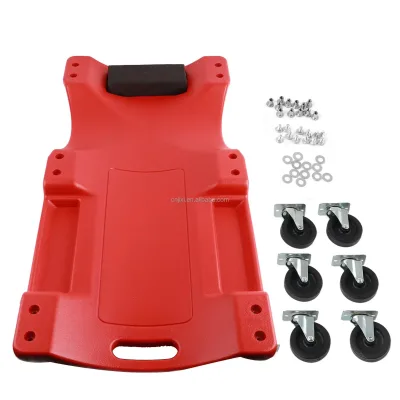
Beyond paperwork, run practical checks tied to this product's construction. Request material specifications for the plastic shell and steel frame, load-capacity test reports, and sample units so you can inspect wheel attachment, seat padding and weld or fastener quality. Ask for photographs or video of active production lines rather than catalog images, and verify consistency between a product's stated model number, package dimensions and net weight — for example, results show models with net weights ranging from about 3.5 kg to 8 kg and varying package sizes, so mismatches in a new quote are a warning sign. Finally, check business age, export history and whether the supplier has previously shipped to your market's compliance regime.
What to Compare Across Automotive Repair Plastic Creeper Seat Suppliers
Build a comparison table from the attributes suppliers actually display, without assuming every supplier shows every attribute. Useful dimensions in the current results include supplier location, company type (manufacturer, factory, trading company or a hybrid), stated response time, quoted lead time, MOQ per model, price range per model and main-product scope. Response times in this category vary meaningfully between suppliers, and slower response on a simple inquiry usually predicts slower problem-solving during production, so weight it in your scoring. One displayed lead time in the results is around 30 days; others may differ, so request lead time per order quantity rather than per catalog page.
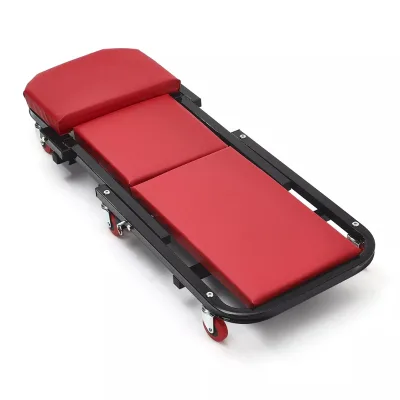
Model-level comparisons matter more than company-level ones for this product. Within the results, creeper seat MOQs range from as low as 50 pieces on some steel repair stools to 100, 200 and 300 pieces on rolling and Z-style creepers, and unit price ranges span roughly one dollar on the low end to around fifty dollars on tool-shelf models — so the same "creeper seat" label covers very different commercial propositions. Compare payload ratings (150 kg appears on several models), wheel sizes, folding mechanisms, tool-shelf inclusion and net weight, then align these with your customer's price tier. Also compare main-product breadth: a supplier listing jacks, stands and hoists alongside creepers may support consolidated container loading, which changes freight economics even when unit prices look similar.
Common Automotive Repair Plastic Creeper Seat Sourcing Risks
The most common risk in this category is specification drift between the quoted sample and the bulk production run. Plastic seat shells, foam padding and casters are all points where a supplier may substitute cheaper inputs after the sample is approved. Protect yourself with a written golden-sample agreement, reference the exact model numbers shown in results (such as the LD-series and DE-series model codes) and specify tolerances for net weight, since published net weights here range widely and weight loss often signals material substitution. A second risk is mixed supplier identities: some accounts combine manufacturer and trading-company roles, so the party issuing the invoice may not be the party operating the injection mold or weld line.
Compliance and load-rating risk follow closely. Payload figures such as 150 kg shown on some models are supplier-declared values; if you resell in markets that require documented static and dynamic load testing, you must commission the testing yourself rather than rely on listing copy. Certification risk is similar — a CE marking on one creeper model does not extend to other models in the same catalog. Logistical risks include damaged cartons, since these are bulky, low-density items often shipped flat-packed; confirm carton strength and stacking limits. Finally, avoid treating any single displayed attribute as universal: not every supplier publishes an MOQ, price range or response time, and missing data should trigger a direct question rather than an assumption.
Automotive Repair Plastic Creeper Seat Regional Sourcing and Logistics
The evidence in this category points to Zhejiang, China as a stated location for both the creeper seat products and the wider garage-equipment assortment offered by these suppliers. Zhejiang's coastal position in eastern China supports containerized export through major nearby ports, which is relevant when you are shipping bulky, stackable items like creepers, jack stands and engine hoists together. Because several suppliers list creepers as one line among many garage tools, a mixed-container strategy is realistic: filling a container with creepers alone may leave you paying for air, while combining them with denser items such as jacks or shop presses improves freight efficiency per unit.
Plan logistics around the packaging data suppliers publish. Package sizes in the results range from compact stool cartons around 38×39×15 cm to longer flat packs around 104×66×13 cm for folding creepers, and gross weights run from roughly 4.5 kg to 9 kg per carton. These figures let you estimate cartons per pallet and containers per order before you negotiate, and they reveal which models ship flat versus assembled. Confirm whether models ship knocked-down, since assembly requirements affect your inbound handling costs. When suppliers declare a lead time — around 30 days appears in the current results — check whether it applies to stocked models or to new production, and ask about peak-season congestion around Chinese holidays that can extend the same lead time in practice.
Automotive Repair Plastic Creeper Seat Commercial Terms and Order Planning
Commercial planning should begin with the MOQ and price spread visible in the results. Creeper seat MOQs range from 50 pieces on lighter steel repair stools to 100–300 pieces on rolling and folding models, and displayed price ranges run from about one dollar at the low end to nearly fifty dollars for tool-shelf-equipped models, with mid-range mechanic creepers clustering in the low-to-high teens. This spread means you can often build a tiered assortment — entry stools, mid-range rolling seats and premium Z-style creepers — from one supplier region, but each model may carry its own MOQ, so a five-model program is not the same commitment as a single-model order. Confirm whether quoted prices are FOB and which costs are excluded.
Order planning should use the available response and lead-time data realistically. Some suppliers in the results respond within a few hours while others take several days, so sequence your inquiries accordingly and expect negotiation cycles to track that behavior. With a stated lead time near 30 days, plan reorders before stock-outs, especially if your models carry higher MOQs. Consider milestone payments tied to golden-sample approval and pre-shipment inspection rather than front-loading deposits, and ask whether the platform or supplier offers transaction protection such as escrow-style arrangements — do not assume it exists; verify it for each account. Finally, reserve budget for samples, load testing and freight before committing to the lowest displayed unit price.
(Word count: approximately 1,400)
FAQs
What is the price range for automotive repair plastic creeper seats?
Prices for these seats typically range from $1.00 to $50.00 per unit depending on the model and specifications. Basic steel repair seats start at the lower end, while specialized rolling or folding models with tool shelves command higher prices. Buyers should check specific product listings for exact pricing tiers.
What is the minimum order quantity for these mechanic seats?
Minimum order quantities vary significantly by supplier and product type. Some manufacturers require a minimum of 50 units for standard steel seats, while others may require 100 or 200 units for specialized rolling models. Buyers must verify the specific MOQ for their chosen product model before placing an order.
Where are these automotive repair tools manufactured?
These automotive repair tools are primarily manufactured in China, specifically in the Zhejiang province. Suppliers in this region offer both trading company and manufacturer options. Buyers can expect products to originate from this location, which is a major hub for vehicle accessories and garage equipment production.
How long does it take to receive an order?
Lead times for these items are generally around 30 days from order confirmation. Response times for supplier inquiries can vary, with some suppliers responding within hours. Buyers should confirm the exact production schedule with the supplier to ensure timely delivery for their specific project requirements.
Are these creeper seats certified for safety standards?
Certification availability depends on the specific supplier and product model. Some rolling creeper seats carry CE certification, indicating compliance with European safety standards. Buyers should request specific certification documents for the model they intend to purchase to ensure it meets their local regulatory requirements.
What weight capacity do these mechanic seats support?
Weight capacities for these seats typically support up to 150kg. This capacity is standard for many rolling and folding models designed for professional garage use. Buyers should verify the specific weight limit for the model they select, as heavier-duty options may have different specifications.