Automotive Diagnostic Battery Tester Suppliers and Manufacturers
Explore 22 verified options for Automotive Diagnostic Battery Tester equipment from China. Compare dimensions like location, response time, lead time, and certifications including ISO9001:2015 and CE. Contact suppliers directly to request quotes for specific models; review the available evidence before requesting comparable quotations from suitable candidates.
Suppliers List

Shandong Lingxiang New Energy Technology Co., Ltd.
- Verified by SGS
- Combined
- China Shandong
- Lead time15 days
- Avg. response≤ 1h
Main productsBattery Testing Equipment, Battery Tester, Test Equipment
Main marketsDomestic

Foshan Lingaode Trading Company Limited
- Verified by SGS
- Trading Company
- China Guangdong
- Lead time15 days
- Avg. response≤ 4h
Main productsVoltage Tester Pen, Electrical Tool
Main marketsOthers(foreignTradeCapacity.exportBusinessCapacityMarketOther),Southeast Asia/ Mideast

Automotive Test Equipment of Car Battery Tester, DC Voltage Tester, 9-14V Automotive Tester
$3.30 - $4.35
MOQ: 100 Pieces


Automotive Tester of Electronic Faults Detector Auto Ignition Coil Tester Tool
$22.00 - $28.00
MOQ: 10 Pieces

Sichuan CNGO New Energy Co.LTD.
- Verified by SGS
- Trading Company
- China Sichuan
- Lead time15 days
- Avg. response≤ 2h
Main productsGas Valve, Oxygen Valve, Cylinder Valve, Filling Valve, Ball Valve, Gas Cylinder Tank, Solenoid Valve, Tank Valve, Tank, Cylinder
Main marketsEurope

Tianchang Zhiyun Electronic Technology Co., Ltd.
- Verified by BV
- Trading Company,Manufacturer/Factory
- China Anhui
- Lead time23 days
- Avg. response≤ 14h
Main productsIntelligent Pulse Repair Battery Chargers, Motorcycle Battery Chargers, Outdoor Power Supply, Battery Detector, Car Jump Starter, Invert Power, Car Battery Charger, Lead Acid Battery, Lead-Acid Battery Charger, Lithium Battery Charger
Main marketsSouth America,Eastern Europe,Mid East,North America,Southeast Asia,Eastern Asia,Oceania,Western Europe,Africa

Digital Smart Car Battery Tester 12V 24V Car Battery Tester Automotive Battery Charging Tester
$8.00 - $11.50
MOQ: 2 Pieces


12V 24V Car Battery Tester 3-200ah CCA Load Tester Automotive Digital Battery Analyzer
$8.00 - $11.50
MOQ: 2 Pieces

$8.00 - $11.50
MOQ: 2 Pieces

Fuzhou Yu Xin Electronic Co., Ltd.
- Verified by SGS Group
- Manufacturer, Trading Company
- Lead time30 days
- Avg. response≤ 1h
Main productsStud Finder, Digital Level, Moisture Meter, Socket Tester, Voltage Tester
Main marketsNorth America(45%), Western Europe(30%), Eastern Europe(20%)
Shenzhen Jiawei Hengxin Technology Co., Ltd.
- Manufacturer, Trading Company
- Guangdong, China
- Lead time3 days
- Avg. response≤ 3h
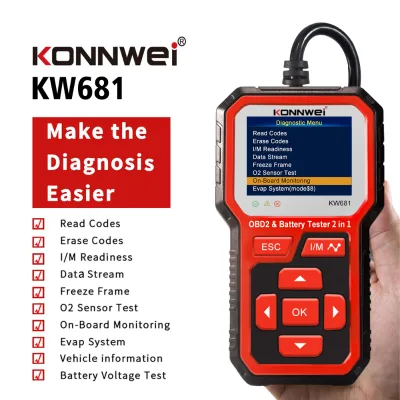
Main productsKW870 Car Diagnostic Scanner, KW720 Car Battery Tester, KDIAG Car Full System Diagnostic Tool, KW520 Smart Battery Charger, KW450 Car OBD2 Full System Diagnostic Scanner
Main marketsNorth America(15.00%), Western Europe(15.00%), South America(10.00%), Southern Europe(10.00%), Africa(10.00%), Eastern Europe(10.00%), Oceania(5.00%), Central America(5.00%), Mid East(5.00%), Southeast Asia(5.00%), Northern Europe(4.00%), South Asia(2.00%), Eastern Asia(2.00%), Domestic Market(2.00%)
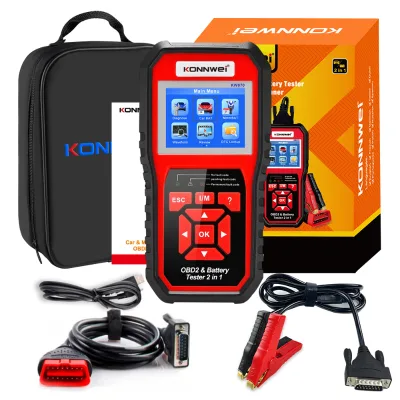
$29.17 - $30.64
MOQ: 2 pieces
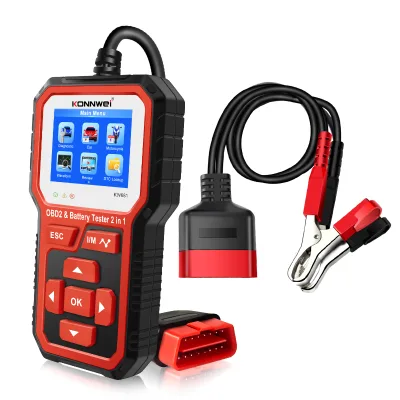
$22.46 - $24.06
MOQ: 2 pieces
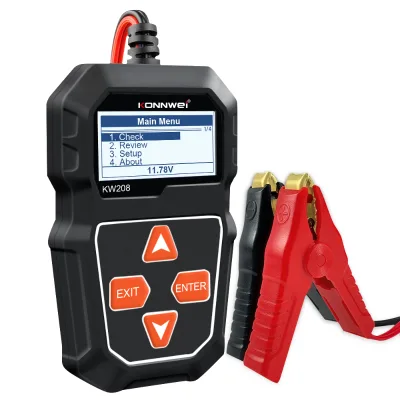
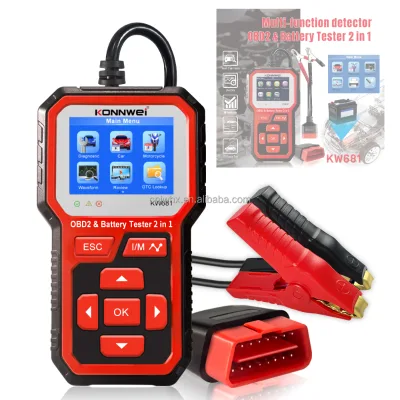

- Verified by BV
- Trading Company
- China Hunan
- Lead time23 days
- Avg. response≤ 7h
Main productsPaint Roller, Putty Knife, Caulking Gun, Paint Brush, Trowel, Bricklaying Trowel, Scraper, Float Trowel, Paint Mixer, Wallpaper Roller
Main marketsSouth America,Southeast Asia/ Mideast,Europe

Hangzhou Tonny Electric & Tools Co., Ltd.
- Verified by TUVRHEINLAND
- Combined
- China Zhejiang
- Lead time30 days
- Avg. response≤ 10h
Main productsBattery Charger, Power Inverter, Fan, Work Light, Forklift Lamp, Emergency Beacon Lights, Tail & Trailer Light Kits Roger, Testing Tools, Trailer Connectors, Vacuum Cleaner
Main marketsSouth America,Africa,East Asia(Japan/ South Korea),Europe,Australia,North America

12V Mini Vehicle Automotive Car Battery Tester, Alternator Voltage Tester, Analyzer with LCD Display
$4.00 - $5.00
MOQ: 500 Pieces

Auto Battery Test 12V 24V Car Digital Battery Tester Analyzer for Cars and Motorcycle
$4.40 - $5.50
MOQ: 500 Pieces


Shenzhen Autool Technology Co., Ltd.
- Verified by Intertek
- Manufacturer, Trading Company
- Lead time15 days
- Avg. response≤ 5h
Main productsAuto Injector Cleaner And Tester, Car Smoke Leak Detector, Auto Carbon Cleaner, Auto Battery Tester, Auto Brake Fluid Bleeder
Main marketsNorth America(16%), South America(10%), Mid East(10%)

Hangzhou FrankEver Imp. & Exp. Co., Ltd.
- Verified by SGS
- Trading Company,Manufacturer/Factory
- China Zhejiang
- Lead time45 days
- Avg. response≤ 6h
Main productsSoldering Tools, Multimeter, Car Installation Accessories, Smart Home, Smart Garden, Car Cable, PCBA, Tester
Main marketsSouth America,Eastern Europe,Mid East,North America,Southeast Asia,Eastern Asia,Oceania,Western Europe,Africa


Dy2015A Automotive Digital Car Lithium Battery Capacity Tester 12V/24V Internal Resistance Tester
$19.39 - $24.17
MOQ: 100 pieces
Hangzhou Frankever Imp. & Exp. Co., Ltd.
- Verified by SGS Group
- Trading Company
- Lead time30 days
- Avg. response≤ 3h
Main productsSoldering Iron, Smart Home Products, Multimeter, Remote control
Main marketsWestern Europe(35%), North America(30%), South America(20%)

YUEQING GUANGTAI IMPORT & EXPORT CO., LTD.
- Verified by CTI
- Trading Company,Manufacturer/Factory
- China Zhejiang
- Lead time23 days
- Avg. response≤ 13h
Main productsDistribution Board, Meter Socket, Load Center, Electrical Accessories, Tools, Hardware
Main marketsSouth America,Eastern Europe,Mid East,North America,Southeast Asia,Eastern Asia,Oceania,Western Europe,Africa

Wenzhou High Fun Electronic Co. Ltd
- Verified by BV
- Trading Company,Manufacturer/Factory
- China Zhejiang
- Lead time23 days
- Avg. response≤ 4h
Main productsTerminal, Busbar, Vinyl Cap, Rubber Cover, Alligator Clip, Test Lead, Cable Tie, Booster Cable, Heat Shrink Tube/Cable Gland, Banana Plug/Binding Post
Main marketsSouth America,Eastern Europe,Mid East,North America,Southeast Asia,Eastern Asia,Oceania,Western Europe,Africa

125A Car Battery Load Tester Auto Battery Capacity Tester for 6V/12V/24V Battery
$7.00 - $10.00
MOQ: 200 Pieces

12V 24V Auto Diagnostic Tool Battery Checker Electronic Automotive Tester with New Copper Clips
$15.40 - $18.20
MOQ: 10 Pieces

Black Truck Car Auto Mini Battery Tester for Battery Cranking Test 6V/12V with Bluetooth
$10.60 - $12.98
MOQ: 10 Pieces

GOLDSOL(WUHAN)HIPOT TEST EQUIPMENT FACTORY
- Verified by SGS
- Trading Company,Manufacturer/Factory
- China Hubei
- Lead time15 days
- Avg. response≤ 2h
Main productsVlf Hipot Testers, AC Hipot Tester, DC Hipot Tester, Resonant Test Set, Micro Ohmmeter, Tan Delta Tester, Primary Current Injection, Secondary Current Injection, CT PT Analyzer, Circuit Breaker Analyzer
Main marketsSouth America,Eastern Europe,Mid East,North America,Southeast Asia,Eastern Asia,Oceania,Western Europe,Africa
Shenzhen Clover Technology Co., Ltd.
- Manufacturer
- guangdong, China
- Lead time7 days
- Avg. response≤ 9h
Main productsAutomotive Diagnostic Tool,DIY Professional Diagnostic Tools,Tire Pressure Monitoring System,OBD2,Elm327
Main marketsNorth America(30.00%), Eastern Europe(15.00%), Southeast Asia(10.00%), Northern Europe(10.00%), Southern Europe(5.00%), South America(5.00%), Central America(5.00%), Western Europe(5.00%), Mid East(5.00%), Oceania(5.00%), Africa(5.00%)

- Verified by TUVRHEINLAND
- Combined
- China Zhejiang
- Lead time30 days
- Avg. response≤ 14h
Main productsPower Inverter, Battery Charger, LED Lamp, Lock
Main marketsSouth America,East Asia(Japan/ South Korea),Europe,North America
- Trading Company
- Hong Kong S.A.R.
- Lead time5 days
- Avg. response≤ 6h
Main productsAir Quality Monitor,Thermometer,Water Quality Meter,Gem Tester,Measuring Instruments
Main marketsSouth Asia(10.00%), Northern Europe(10.00%), Central America(10.00%), Western Europe(10.00%), Eastern Asia(10.00%), Mid East(10.00%), Southeast Asia(10.00%), Eastern Europe(10.00%), South America(10.00%), North America(10.00%)
- Trading Company
- Shanghai, China
- Lead time0 days
- Avg. response≤ 4h
Main productsDiagnostic Tools,Auto Repair Tools,Oil Pump,Oil Funnel,Test Tools
Main marketsNorth America(50.00%), Western Europe(20.00%), South America(15.00%), Eastern Asia(15.00%)

- Verified by SGS
- Trading Company
- China Zhejiang
- Lead time15 days
- Avg. response≤ 19h
Main productsCar Mat, Car Air Freshener, Car Seat Cover, Steering Wheel Cover, Car Phone Holder, Car Roof Tent, Car Sunshade, Jerry Can
Main marketsEurope,Australia


High Quality Factory Direct Sale Car Multi-Functional Circuit Voltage Tester
$2.53 - $2.86
MOQ: 390 Pieces

- Verified by TUVRHEINLAND
- Trading Company,Manufacturer/Factory
- China Zhejiang
- Lead time45 days
- Avg. response≤ 7h
Main productsElectric Tools, Power Tools, Cordless Tools, Bench Tools, Garden Tools, Gand Tools, Auto Tools, Car Tools, Hydraulic Tools
Main marketsSouth America,Eastern Europe,Oceania,Western Europe
- Trading Company
- Guangdong, China
- Lead time7 days
- Avg. response≤ 6h
Main productsCar Diagnostic Tool
Main marketsEastern Europe(15.00%), South America(15.00%), North America(15.00%), Western Europe(10.00%), Oceania(10.00%), Southern Europe(10.00%), Northern Europe(10.00%), Mid East(5.00%), Southeast Asia(5.00%), Central America(4.00%), Domestic Market(1.00%)

Dk Testing Equipment (Hangzhou) Co., Ltd.
- Trading Company,Manufacturer/Factory
- China Zhejiang
- Lead time15 days
- Avg. response≤ 8h
Main productsBattery Tester, Battery Analyzer, Battery Capacity Tester, Battery Test Machine, Battery Test Equipment, Battery Capacity Checker, Battery Charge and Discharge Tester, Battery Charger, Battery Discharger, Battery Charger and Discharger
Main marketsSouth America,Eastern Europe,Mid East,North America,Southeast Asia,Eastern Asia,Oceania,Western Europe,Africa

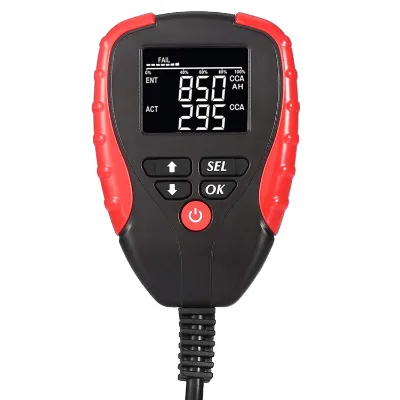
Toyota Hybrid Car Battery Auto Cycler Charge and Discharge Capacity Analyzer Tester
$986.00 - $1130.00
MOQ: 1 Pieces


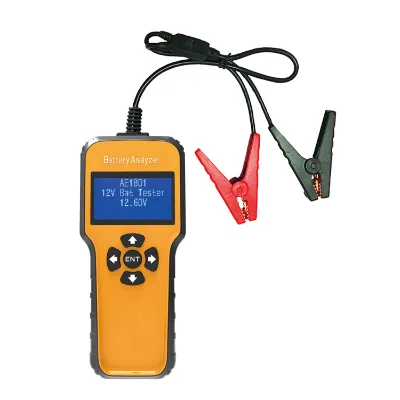


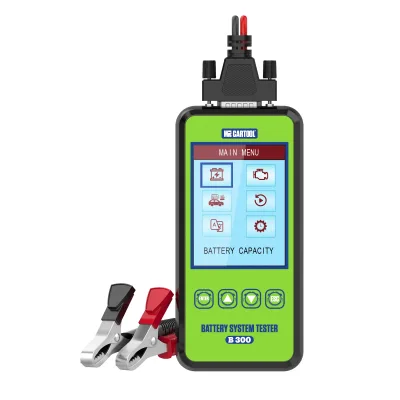
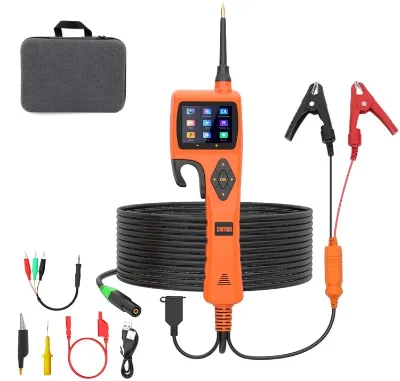
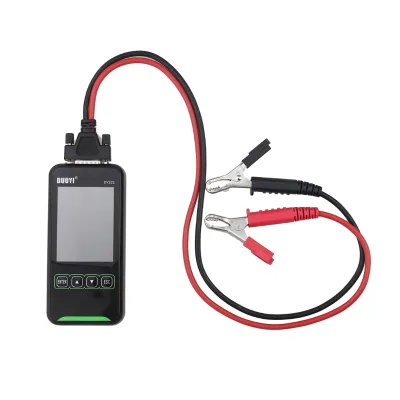




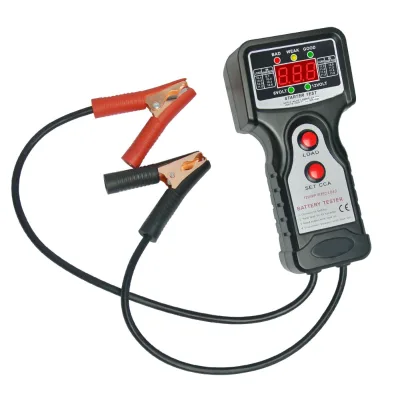
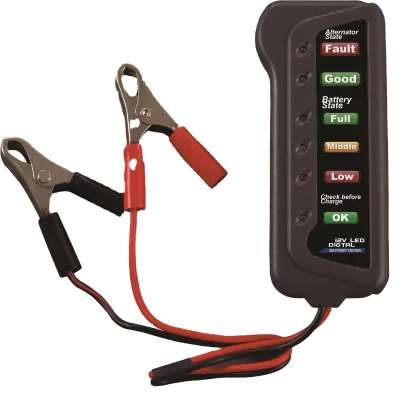
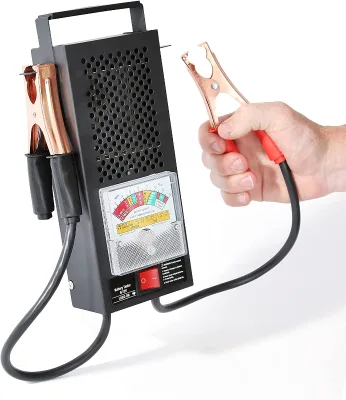


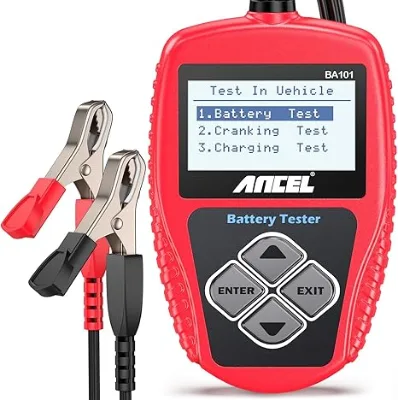
Comprehensive Sourcing Guide
Automotive Diagnostic Battery Tester Supplier Concentration and Factory Types
Current data indicates a concentration of manufacturers in China, specifically within the Shandong and Guangdong provinces. Shandong-based entities often operate as combined entities offering both manufacturing and trading capabilities, while Guangdong suppliers frequently appear as trading companies focusing on voltage testers and electrical tools. This geographic split suggests distinct supply chain structures where Shandong factories may handle complex battery analyzer production, whereas Guangdong traders might aggregate diverse automotive testing tools. Buyers should verify if a supplier's listed location matches their actual production capacity, as trading companies may source from multiple factories without owning the equipment themselves.
Factory types vary significantly across the results, with some suppliers listing ODM and OEM capabilities for custom battery testing solutions. These combined entities often provide customization for specific battery types, such as lithium-ion or lead-acid, and may offer tailored testing regions. In contrast, trading companies typically focus on standard products like automotive voltage testers with fixed specifications. When evaluating concentration, buyers must distinguish between a factory that designs the testing equipment and a trader that simply resells it. This distinction impacts the ability to modify product attributes, such as input voltage ranges or discharge current limits, which are critical for specific automotive diagnostic needs.
How to Verify Automotive Diagnostic Battery Tester Suppliers
Verification processes should prioritize third-party credentials and response metrics found in supplier profiles. Some suppliers display ISO9001:2015 certification, which indicates a standardized quality management system for their production processes. Additionally, verification badges from agencies like SGS provide an external layer of trust regarding the supplier's business legitimacy. Buyers must confirm that these certifications are current and applicable to the specific battery testing equipment being sourced, rather than assuming they cover all product lines. Response times also serve as a proxy for operational efficiency, with some suppliers showing rapid engagement metrics that suggest active sales teams.
Beyond certifications, buyers should scrutinize the specific product attributes listed to ensure they match technical requirements. For instance, checking if a supplier offers customization for battery voltage ranges or discharge currents is essential for compatibility with various vehicle models. The presence of detailed product attributes, such as input voltage specifications or material composition, helps validate the supplier's technical depth. If a supplier claims to be a manufacturer but lacks detailed engineering data or customization options, it may indicate a trading company status. Buyers should request proof of these attributes, such as test reports or engineering drawings, to confirm the supplier's ability to deliver the exact diagnostic tools required for their operations.
What to Compare Across Automotive Diagnostic Battery Tester Suppliers
Key comparison metrics include lead times, minimum order quantities, and pricing structures, which vary widely among suppliers. Lead times can range from standard shipping windows to longer durations depending on customization needs, with some suppliers indicating specific production timelines. Minimum order quantities (MOQ) are another critical factor, as some suppliers require bulk purchases for standard items while others offer low MOQs for customized diagnostic testers. Pricing data shows significant variation, with some units listed at lower price points for basic testers and higher costs for advanced multifunctional equipment. Buyers must align these commercial terms with their inventory strategy and budget constraints.
Response times and main product focus also differentiate suppliers in this category. Suppliers with faster response times may offer better communication channels for resolving technical queries or order issues. The main products listed, such as battery testing equipment versus general automotive voltage testers, indicate the supplier's specialization. A supplier focusing on comprehensive battery analyzers may provide more expertise in lithium-ion testing than one primarily selling simple voltage detectors. Buyers should compare these dimensions to find a partner that balances speed, cost, and technical capability. It is essential to verify that the supplier's stated main products align with the specific diagnostic tools needed for the intended application.
Common Automotive Diagnostic Battery Tester Sourcing Risks
One significant risk involves the discrepancy between a supplier's claimed capabilities and their actual production capacity. Trading companies may list products they do not manufacture, leading to potential delays or quality inconsistencies if the actual factory cannot meet specifications. Buyers should verify the supplier's company type to ensure they are dealing with a direct manufacturer for complex customizations. Another risk is the variability in product standards and certifications. While some suppliers list ISO9001:2015, others may lack specific safety certifications like CE for their automotive testing tools. This inconsistency can lead to compliance issues in different markets, especially when exporting diagnostic equipment.
Customization claims also present a risk if not properly validated. Suppliers may advertise "customized" options, but the actual ability to modify parameters like test regions or battery voltage ranges may be limited. Buyers must confirm the extent of customization available, such as whether the supplier can adjust discharge currents or input voltages to match specific vehicle requirements. Additionally, the lack of detailed product evidence for certain models can obscure the true capabilities of the equipment. Without clear specifications, buyers risk receiving tools that do not function as expected in real-world diagnostic scenarios. Thorough due diligence is required to mitigate these risks before placing orders.
Automotive Diagnostic Battery Tester Regional Sourcing and Logistics
Sourcing from China, particularly from Shandong and Guangdong, offers access to a dense network of battery testing equipment manufacturers. However, logistics planning must account for the specific shipping requirements of electronic testing devices, which may include sensitive components requiring careful handling. Buyers should consider the impact of regional manufacturing clusters on lead times, as suppliers in different provinces may have varying production schedules and shipping capabilities. Understanding the local infrastructure and export procedures is crucial for ensuring timely delivery of diagnostic tools to international markets.
Logistics costs and transit times can vary based on the supplier's location and the chosen shipping method. Suppliers in Shandong may have different port access compared to those in Guangdong, affecting the overall shipping timeline. Buyers should verify the packaging standards, such as box types, to ensure the equipment arrives without damage. Additionally, the origin of the products, often listed as China, influences customs duties and import regulations in the destination country. Planning for these logistical variables is essential to avoid unexpected delays or costs that could disrupt the supply chain for automotive diagnostic equipment.
Automotive Diagnostic Battery Tester Commercial Terms and Order Planning
Commercial terms such as pricing, MOQ, and lead times must be carefully evaluated to align with procurement budgets and timelines. Some suppliers offer competitive pricing for standard models, while customized solutions may command higher costs. Buyers should negotiate based on the specific requirements of their order, considering factors like the number of units and the level of customization needed. Lead times are another critical component, as they determine when the equipment will be available for use. Understanding these terms helps in planning inventory levels and managing customer expectations for delivery schedules.
Order planning should also consider the supplier's capacity to handle volume fluctuations and customization requests. Suppliers with ODM and OEM capabilities may offer more flexibility for large-scale orders or specialized projects. However, buyers must ensure that the supplier can maintain quality standards while scaling production. It is advisable to establish clear communication channels for order updates and to define acceptance criteria for the delivered equipment. By carefully planning commercial terms and order logistics, buyers can secure a reliable supply of automotive diagnostic battery testers that meet their operational needs.
FAQs
What is the lead time for battery testing equipment orders?
The lead time for battery testing equipment orders is 15 days. This duration applies to standard production cycles for automotive lithium battery analyzers. Buyers should confirm specific timelines with suppliers before placing large volume orders to ensure timely delivery.
What is the minimum order quantity for these testers?
The minimum order quantity varies by product model. Some automotive battery testers have an MOQ of 1 unit, while others require 100 units. Buyers must check the specific product listing to determine the exact minimum order requirement for their needs.
Are these battery testers available for customization?
Yes, customization is available for many battery testing models. Suppliers offer customized options for product standards and specific application requirements. Buyers can request tailored solutions for lithium-ion battery testing or specific voltage ranges depending on the manufacturer capabilities.
What certifications do the battery testing suppliers hold?
Suppliers hold ISO9001:2015 system certification and some products carry CE certification. Verification by SGS is also available for certain suppliers. Buyers should request specific certification documents to ensure compliance with international safety and quality standards for their testing equipment.
Where are the battery testing equipment manufacturers located?
Manufacturers are located in China, specifically in Shandong and Guangdong provinces. These regions host combined companies and trading companies specializing in automotive diagnostic tools. Buyers can source directly from these locations to access a wide range of battery testing equipment options.
What is the price range for automotive battery testers?
Prices range from approximately 3.30 to 803.00 depending on the model and functionality. Basic voltage testers start at lower prices, while advanced diagnostic analyzers cost significantly more. Buyers should compare specific product listings to find the best price for their requirements.
How quickly do suppliers respond to inquiries?
Response times vary significantly among suppliers, ranging from 0.01 to 3.13 units of time. Faster response times indicate more active suppliers ready to assist with immediate inquiries. Buyers should prioritize suppliers with shorter response times for urgent sourcing needs.