Birthday Wedding Cake Topper Suppliers and Manufacturers
Explore 26 verified suppliers offering Birthday Wedding Cake Topper options from China. Compare response times, lead times, certifications, and MOQs to find the right partner. Request samples to verify quality before placing orders; review the available evidence before requesting comparable quotations from suitable candidates.
Updated
Suppliers List

Tianjin Smile Imp & Exp Co., Ltd.
- Verified by TUVRHEINLAND
- Trading Company
- China Tianjin
- Lead time30 days
- Avg. response≤ 1h
Main productsBalloon, Curtain, Tablecloth, Iron Arch, Bunting, Paper Garland, Tiara, Paper Tableware, Gift Bag, Confetti
Main marketsOthers(foreignTradeCapacity.exportBusinessCapacityMarketOther),Europe,North America

Hangzhou Xingge Gifts Co., Ltd.
- Trading Company
- Zhejiang, China
- Lead time35 days
- Avg. response≤ 4h
Main productsBalloon Set; Party Tableware; Gifts; Cake Toppers; Party Supplies
Main marketsNorth America(70.00%), Oceania(10.00%), Western Europe(10.00%), Eastern Asia(10.00%)
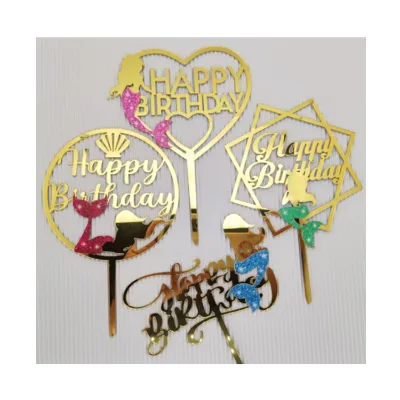
Hot Sale Wedding Party Mermaid Cake Topper Happy Birthday Cake Topper
$0.2262 - $0.6352
MOQ: 20 pieces
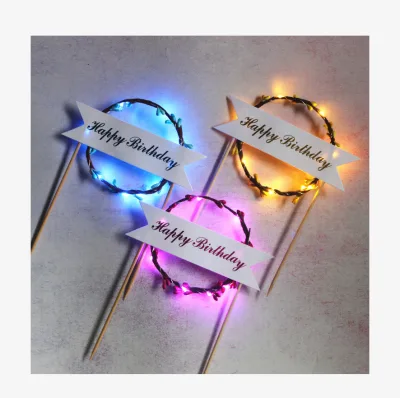


Guangzhou Goldstar Import and Export Company Limited
- Verified by BV
- Trading Company
- China Guangdong
- Lead time23 days
- Avg. response≤ 5h
Main productsParty Supplies Products, Foil Balloon, Foil Curtain, Plate and Cup, Shimmer Wall Panel, Toys
Main marketsSouth America,Eastern Europe,Mid East,North America,Southeast Asia,Eastern Asia,Oceania,Western Europe,Africa

Bow Cake Toppers Black Ribbons Birthday Cake Baby Shower Party Decoration Party Topper
$0.10 - $1.00
MOQ: 1000 Pieces

$0.10 - $1.00
MOQ: 1000 Pieces
- Trading Company
- Zhejiang, China
- Lead time0 days
- Avg. response≤ 7h
Main productsCrown,Cake topper
Main marketsNorth America(20.00%), Eastern Europe(20.00%), Western Europe(20.00%), Southern Europe(20.00%), South America(5.00%), Eastern Asia(5.00%), South Asia(5.00%)
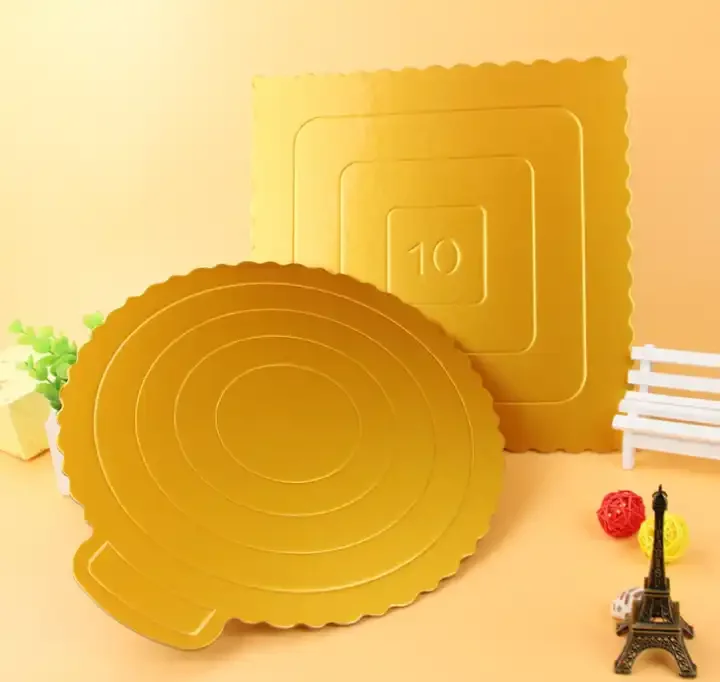
Yiwu Riyuan Goods Trading Co.,Ltd.
- Trading Company
- Zhejiang, China
- Lead time15 days
- Avg. response≤ 6h
Main productsCake Decorating Supplies,cake board,Cake topper,Cake Tools,Baking & Pastry Tools
Main marketsNorth America(20.00%), Southeast Asia(19.00%), South America(16.00%), Western Europe(12.00%), Northern Europe(5.00%), Southern Europe(5.00%), Oceania(5.00%), Eastern Europe(5.00%), Eastern Asia(3.00%), South Asia(3.00%), Africa(3.00%), Central America(2.00%), Mid East(2.00%)
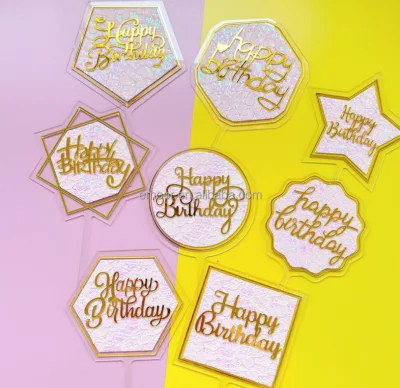
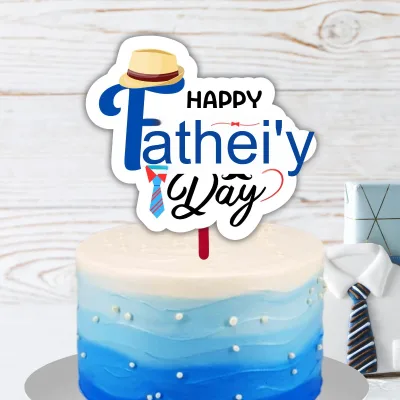
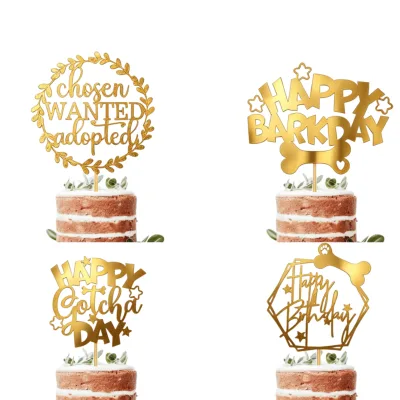
Golden Pet Acrylic Baking Cake Decoration Toppers
$0.23 - $0.25

Baoding Likeparty Trading Co., Ltd.
- Verified by SGS
- Trading Company,Group Corporation
- China Hebei
- Lead time90 days
- Avg. response≤ 4h
Main productsParty Supplies, Birthday Decoration, Foil Curtain, Shimmer Wall, Party Wall Decoration, Balloon Arch Kit, Metal Arch Stand, Balloon Accessories, Tinsel Garland, Balloon Pump
Main marketsSouth America,Eastern Europe,Mid East,North America,Southeast Asia,Eastern Asia,Oceania,Western Europe,Africa


Digital Birthday Glitter Paper Party English Letter Birthday Cake Topper Decoration
$0.13 - $0.15
MOQ: 200 Pieces

Cake Decoration Star Moon Ball Birthday Cake Topper Festive Dessert Table Decoration
$0.09 - $0.22
MOQ: 5 Pieces

Theme Birthday Party Decoration Kulomi Cartoon Theme Flag Balloon Cake Topper
$0.29 - $0.32
MOQ: 1 Pieces

Birthday Cake Decoration Baking Plug-in Colorful Hot Stamping Butterfly Cake Topper
$0.015 - $0.02
MOQ: 10 Pieces
Guangzhou Chenghi Technology Co., Ltd.
- Manufacturer, Trading Company
- Guangdong, China
- Lead time7 days
- Avg. response≤ 3h
Main productsCake decorating tools,baking tools,Kitchen supplies,cake tools
Main marketsDomestic Market(26.00%), North America(15.00%), Western Europe(8.00%), Africa(8.00%), Mid East(8.00%), Eastern Europe(8.00%), Southern Europe(6.00%), Northern Europe(5.00%), South America(5.00%), Southeast Asia(5.00%), South Asia(4.00%), Oceania(1.00%), Eastern Asia(1.00%)
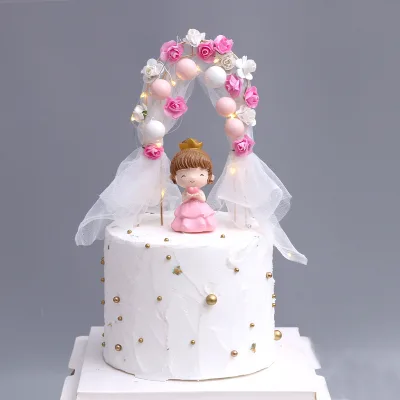
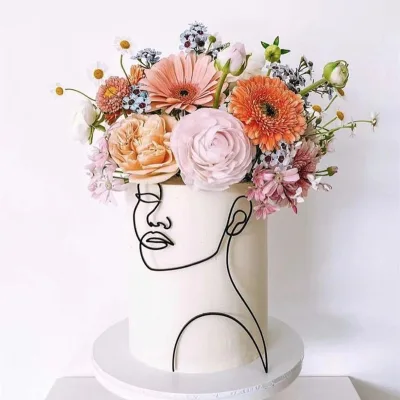
New Style Beautiful Wedding Princess Greenhouse Birthday Cake Decoration, Silk Flowers Cake Topper
$0.6157 - $0.9243
MOQ: 20 pieces
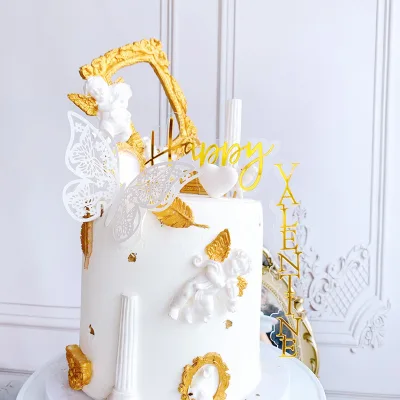
One You Forever , Birthday,anniversary, Fathersday, Happy Valentine Decorating Cake Topper
$0.2067 - $0.2891
MOQ: 50 pieces
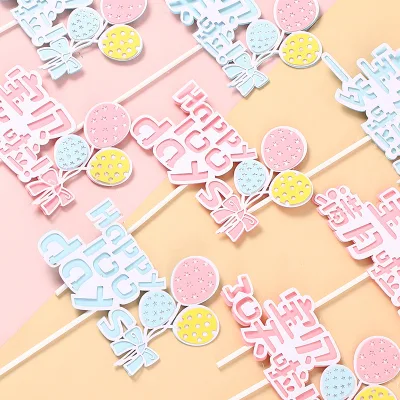
$0.27 - $0.33
MOQ: 50 pieces
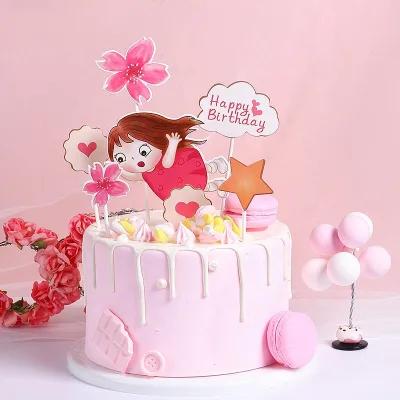
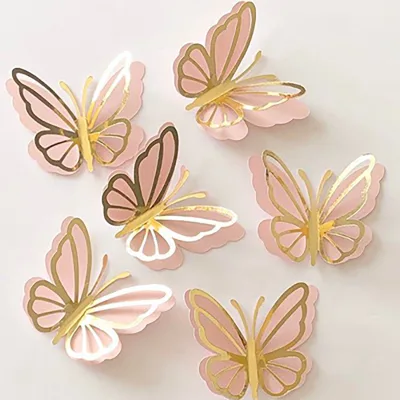


NINGBO EAST ISLAND IMPORT & EXPORT CO., LTD.
- Trading Company
- China Zhejiang
- Lead time30 days
- Avg. response≤ 20h
Main productsPromotion Gift, Umbrella, Charger Plate, Plastic Tray, Picnic Blanket, Manicure Set, Mirror, Pill Box
Main marketsSouth America,Europe,North America


Baking Decor Cupcake Decoration Happy Birthday Wedding Party Anniversary Number Acrylic Cake Topper
$0.17 - $0.28
MOQ: 100 Pieces


Xiamen Canghai Minghui Industry & Trade Co., Ltd.
- Manufacturer, Trading Company
- Fujian, China
- Lead time7 days
- Avg. response≤ 1h
Main productsParty Supplies, Party Decorations, Cake Decorations, Home Decorations, Decor Painting
Main marketsNorth America(95.00%), Western Europe(3.00%), Eastern Europe(2.00%)

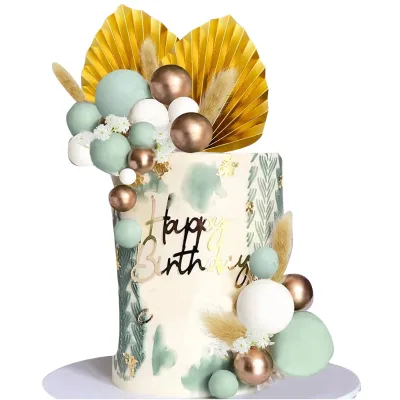
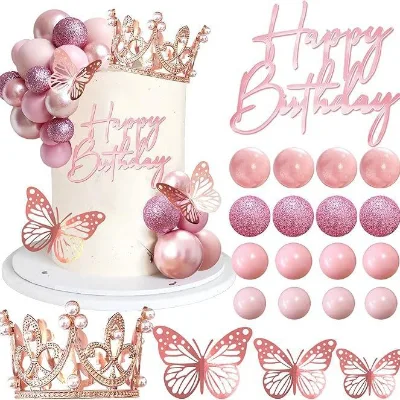


Hollowed Out Butterfly Happy Birthday Cake Decoration Butterfly Wedding Birthday Party Decoration
$0.3191 - $0.3715
MOQ: 20 sets

Guangdong Tangshihoa Industry and Trade Co., Ltd.
- Verified by TUVRHEINLAND
- Combined
- China Guangdong
- Lead time23 days
- Avg. response≤ 8h
Main productsCake Decoration
Main marketsSoutheast Asia/ Mideast


Party Cake Decoration Acrylic Cake Topper Plaque Happy Birthday Decoration
$0.18 - $0.25
MOQ: 50 pieces


Rbaking Cake Decoration Wholesale Birthday Crown Cake Decorating Supplies Birthday Topper
$1.00 - $1.31
MOQ: 30 pieces
Yiwu Qudoo Decoration Co., Ltd.
- Manufacturer, Trading Company
- Zhejiang, China
- Lead time15 days
- Avg. response≤ 1h
Main productsCake Flags,party decoration sets,Acrylic Charms and Ornaments,Wooden pendants and ornaments,Personalized Customized decor and Party Favors
Main marketsNorth America(30.00%), Western Europe(20.00%), South Asia(10.00%), Southern Europe(10.00%), Eastern Europe(10.00%), Central America(9.00%), South America(5.00%), Africa(1.00%), Southeast Asia(1.00%), Northern Europe(1.00%), Oceania(1.00%), Mid East(1.00%), Eastern Asia(1.00%)

$0.24 - $0.29
MOQ: 100 Minimum


$0.10 - $0.15
MOQ: 100 pieces
Ningbo Lixsun Imp. & Exp .co., Ltd.
- Trading Company
- Zhejiang, China
- Lead time10 days
- Avg. response≤ 4h
Main productsKitchenware,Houseware,Bakeware,Cleaning products,Promotional gifts
Main marketsWestern Europe(32.00%), North America(25.00%), South America(10.00%), Mid East(5.00%), Eastern Europe(4.00%), Domestic Market(3.00%), Northern Europe(3.00%), Central America(3.00%), South Asia(3.00%), Southern Europe(3.00%), Oceania(3.00%), Africa(2.00%), Eastern Asia(2.00%), Southeast Asia(2.00%)
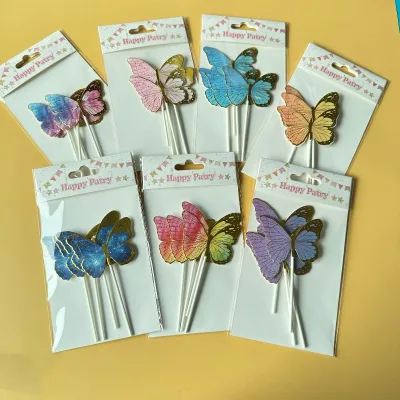
New Gold Butterfly Cake Decoration Wedding Party Cake Toppers Mother's Day Cupcake Topper
$0.412 - $0.6696
MOQ: 50 pieces
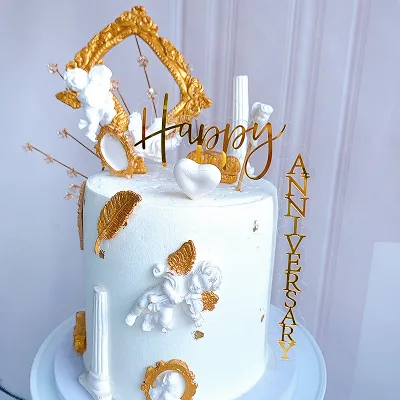
$0.2981 - $0.34
MOQ: 50 pieces
Guangzhou Fuban Garment Accessories Co., Ltd.
- Manufacturer, Trading Company
- Lead time旺季: "10 - 1000":60,"> 1000":"To be negotiated", 淡季: "10 - 1000":60,"> 1000":"To be negotiated"
- Avg. response≤ 4h
Main productsGarments Accessories, Festive & Party Supplies
Henan Huazhihui Trade Co., Ltd.
- Verified by Intertek
- Trading Company
- Lead time7 days
- Avg. response≤ 2h
Main productsBaking Decorations, Cake Topper, Cake Stand, Chocolate Products, Sugar Beads
Main marketsDomestic Market(60%), North America(15%), Southeast Asia(15%)
- Trading Company
- Zhejiang, China
- Lead time15 days
- Avg. response≤ 5h
Main productsBalloons,Party supplies,Christmas Items,Paper Craft,Promotion Gift
Main marketsNorth America(50.00%), Western Europe(30.00%), Southeast Asia(10.00%), Central America(4.00%), Northern Europe(3.00%), Domestic Market(1.00%), Africa(1.00%), Mid East(1.00%)

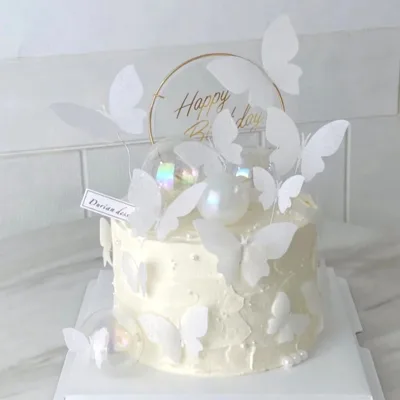
Butterfly Cupcake Toppers Happy Birthday Women's Birthday Cake Party Decorations
$0.05 - $0.10
MOQ: 20 pieces
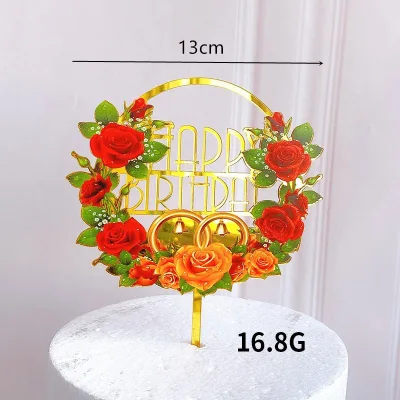
Factory Direct Supply Flower Acrylic Cake Insert Happy Birthday Wedding Cake Toppers Decoration
$0.34 - $0.46
MOQ: 50 pieces
- Verified by TüVRheinland
- Manufacturer, Trading Company
- Lead time30 days
- Avg. response≤ 2h
Main productsBirthday Candle, Cake Candle, Party Banner, Party Wall Decoration, Party Decoration
Main marketsSouth America(35%), North America(25%), Western Europe(20%)

Hefei Sublime International Co., Ltd
- Verified by BV
- Trading Company,Manufacturer/Factory
- China Anhui
- Lead time30 days
- Avg. response≤ 5h
Main productsParty Favour Items, Wooden Decoration, DIY Hobby, Paper Stationery, Wooden Crafts, Paper Crafts, Wooden Gifts, Honeycomb Ball, Tissue Pompon, Paper Bags
Main marketsSouth America,Eastern Europe,Mid East,North America,Eastern Asia,Oceania,Western Europe

Happy Birthday & Anniversary Cake Topper for Celebrating Party Decoration Supplies
$0.20 - $0.30
MOQ: 3000 Pieces


24 Pack Multi Colors Birthday Cake Topper for Celebrating Birthday Anniversary Party
$0.20 - $0.22
MOQ: 1000 Pieces

10cm Cake Insert Toppers Decorations for Birthday Wedding Baby Shower Party
$0.19 - $0.28
MOQ: 1000 Pieces

Liaocheng Boge Jiangxin Arts And Crafts Co., Ltd.
- Trading Company
- Shandong, China
- Lead time8 days
- Avg. response≤ 6h
Main productslaser cut wood,laser etch wood ornament,acrylic ornament,wood card,holiday decorations
Main marketsWestern Europe(40.00%), Southern Europe(25.00%), Northern Europe(20.00%), South America(10.00%), South Asia(5.00%)

Dongyang Walrus Commodity Co., Ltd.
- Trading Company
- Zhejiang, China
- Lead time12 days
- Avg. response≤ 5h
Main productsparty supplies,Daily necessities,baby socks,Face mask,women dress
Main marketsNorth America(50.00%), South America(20.00%), Africa(10.00%), Southeast Asia(10.00%), Eastern Europe(10.00%)
Jinhua Beike Daily- Use Commodity Co., Ltd
- Manufacturer, Trading Company
- Zhejiang, China
- Lead time20 days
- Avg. response≤ 6h
Main productsCake Cup, Baking Cup, Cake Board, Cake Box, Party Decoration Products
Main marketsNorth America(30.00%), Southeast Asia(14.00%), Mid East(10.00%), Domestic Market(7.00%), Africa(6.00%), Eastern Asia(5.00%), South America(5.00%), Central America(5.00%), Western Europe(4.00%), Northern Europe(4.00%), South Asia(3.00%), Southern Europe(3.00%), Oceania(2.00%), Eastern Europe(2.00%)

Zhejiang Drink Paper Products Co., Ltd.
- Verified by BV
- Combined
- China Zhejiang
- Lead time30 days
- Avg. response≤ 1h
Main productsStraw, Cake Cup, Fork
Main marketsEast Asia(Japan/ South Korea),Europe,North America


Rose Pink Butterfly Birthday Party Supplies Plastic Cupcake Decoration Cake Topper
$0.21 - $0.22
MOQ: 5000 Bags

Vibrant Rainbow Cupcake Toppers for Colorful Birthday Party Celebrations
$0.01 - $0.012
MOQ: 50000 Pieces

Party Supply Decoration Pastel Striped Paper Bow Cupcake Toppers Colorful Bow Cake Picks
$0.02 - $0.04
MOQ: 50000 Pieces
- Verified by TüVRheinland
- Trading Company
- Lead time0 days
- Avg. response≤ 3h
Main productsFoil Balloons, Latex Balloons, Balloons Accessories, Party Supplies
Main marketsDomestic Market(50%), Western Europe(12%), North America(10%)

- Verified by SGS
- Trading Company
- China Zhejiang
- Lead time15 days
- Avg. response≤ 13h
Main productsChristmas Decoration, Christmas Tree, Christmas Gift, Party Decoration, Promotional Product, Festival Items, Gift, Valentine, Party Items, Halloween Decorations
Main marketsEurope,Australia

$0.19 - $0.21
MOQ: 5000 Pieces

Wholesale Football Theme Cake Topper Party Decoration Supplies Bakery Birthday Cake Plug-in
$0.20 - $0.23
MOQ: 4400 Pieces
Yiwu Haoway Handicraft Co., Ltd.
- Manufacturer, Trading Company
- Lead time旺季: "1 - 1000":16,"1001 - 2000":20,"2001 - 3000":30,"> 3000":"To be negotiated", 淡季: "1 - 1000":16,"1001 - 2000":20,"2001 - 3000":30,"> 3000":"To be negotiated"
- Avg. response≤ 5h
Main productsHandicrafts, Household Goods, Luggage, Festival Products
Yiwu L&y Import & Export Co., Ltd.
- Trading Company
- Zhejiang, China
- Lead time5 days
- Avg. response≤ 8h
Main productsParty supplies,Wedding Decoration,Gifts & Crafts,Christmas Decoration,Buying Agent
Main marketsNorth America(20.00%), Africa(11.00%), Mid East(11.00%), Western Europe(10.00%), Eastern Europe(10.00%), South America(10.00%), Northern Europe(6.00%), Domestic Market(6.00%), Southern Europe(6.00%), Oceania(5.00%), Southeast Asia(5.00%)
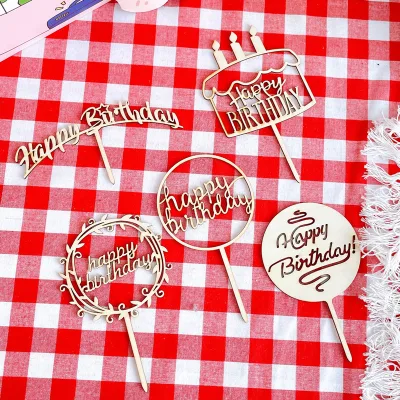
$0.1648 - $0.2052
MOQ: 50 pieces
$0.5123 - $0.7685
MOQ: 30 pieces
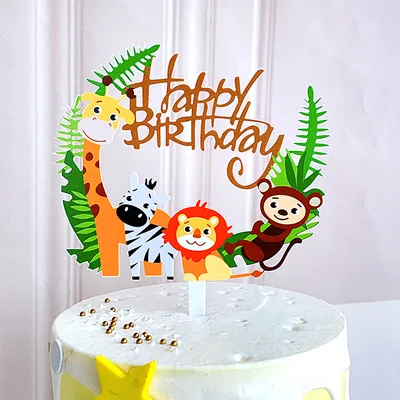
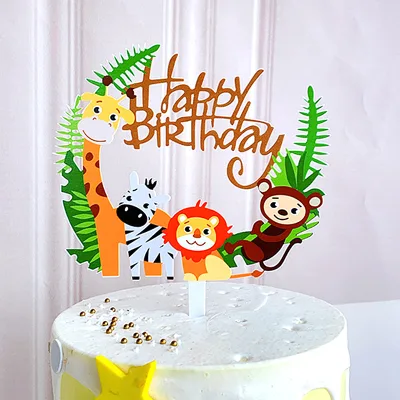
Hot Sale Cartoon Animal Kids Cake Topper Acrylic Color Printing Large Happy Birthday Cake Topper
$0.5003 - $0.6052
MOQ: 20 pieces

Changzhou Runto Imp. and Exp.Co.,Ltd
- Verified by CTI
- Trading Company
- China Jiangsu
- Lead time15 days
- Avg. response≤ 9h
Main productsTote Bag, Caps, Charging Notebook, T-Shirt, Gift Box, Flags, Sunglasses, Silicone Bottle, Stainless Steel Bottle, USB Flash
Main marketsEurope

Cake Accessories Decorations Supplies Cake Topper Happy Birthday Gold Acrylic Cupcake Toppers
$0.20 - $0.40
MOQ: 100 Pieces

Acrylic Happy Birthday Cake Topper Gold Silver Black Cake Topper Party Baking Decoration Supplies
$0.20 - $0.40
MOQ: 100 Pieces








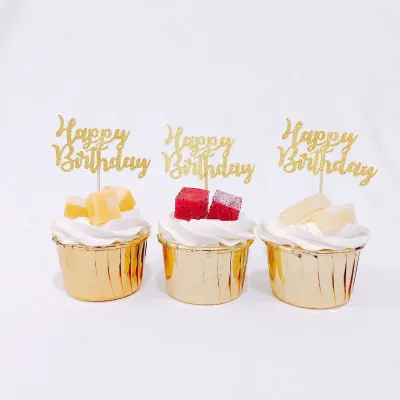
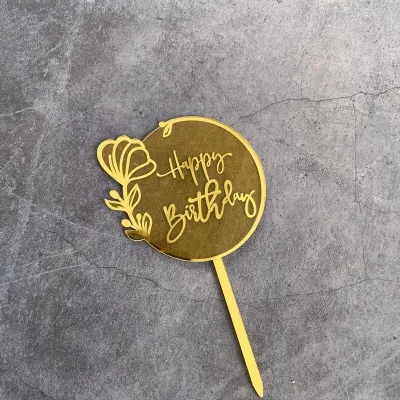
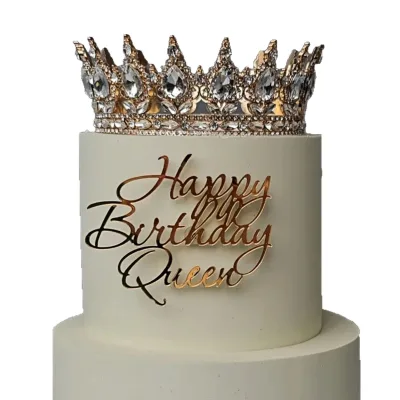
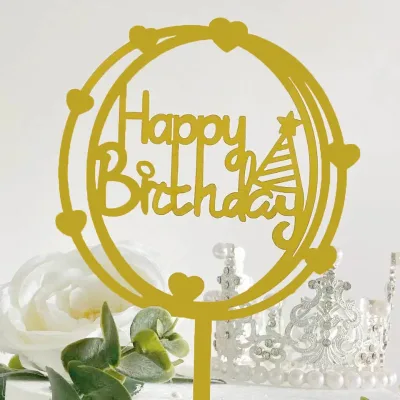
Comprehensive Sourcing Guide
Birthday Wedding Cake Topper Supplier Concentration and Factory Types
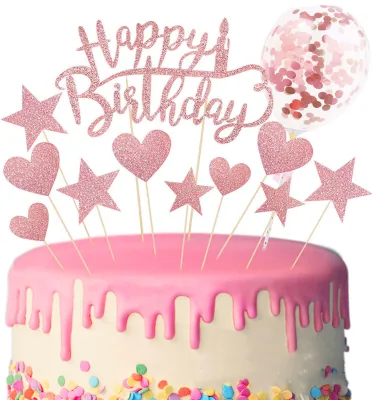
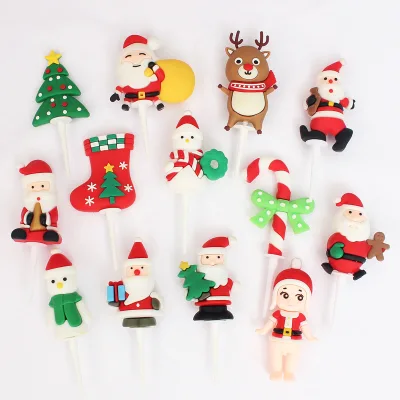
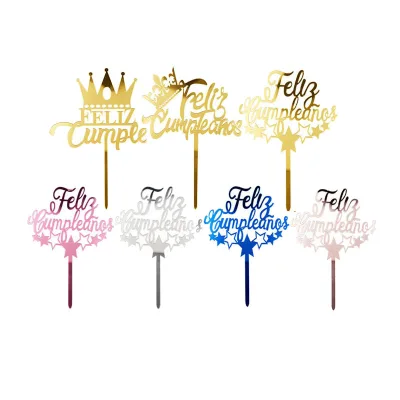
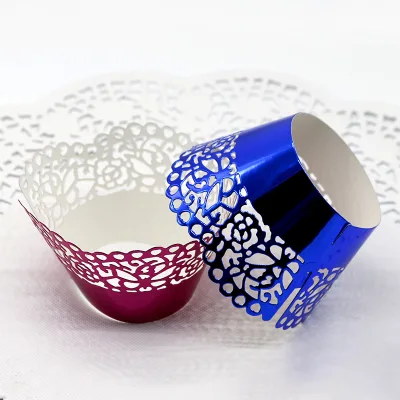
The current supplier landscape for birthday and wedding cake toppers reveals a distinct geographic concentration in China, with active manufacturing and trading hubs identified in Tianjin, Zhejiang, and Guangdong provinces. These regions serve as primary sources for the diverse range of materials used in this category, including acrylic, paper, and foil-based decorations. Buyers should note that the supply chain is dominated by trading companies rather than purely manufacturing entities, which influences how orders are managed and customized. For instance, suppliers in Tianjin are explicitly categorized as trading companies, suggesting they may source from a broader network of factories rather than operating their own production lines. This structure allows for greater flexibility in product variety but requires buyers to verify the actual origin of goods more rigorously. In contrast, suppliers in Zhejiang and Guangdong often highlight specific certifications such as CE and ISO 9000, indicating a focus on quality management systems that may appeal to buyers seeking standardized compliance. The presence of these certifications in Zhejiang and Guangdong suggests that these regions may have more mature industrial ecosystems for party supplies, potentially offering more reliable quality control processes compared to other areas.
Understanding the distinction between trading companies and factories is crucial for effective sourcing. Trading companies, like those identified in Tianjin, often provide a wider array of products, such as balloons, curtains, and tableware, alongside cake toppers, allowing for consolidated shipping. However, this model can introduce additional layers of communication and potential delays. Factories, or suppliers with strong OEM/ODM capabilities, typically offer more direct control over production timelines and customization options. Some suppliers in Guangdong explicitly list OEM and ODM capacities, indicating they can adapt designs to meet specific brand requirements. Buyers should prioritize suppliers who clearly state their manufacturing capabilities, especially if they require custom logos or unique designs. The availability of customization options, such as accepting customized logos or offering various color schemes, is a key differentiator. While some suppliers offer standard products with fixed MOQs, others provide flexible solutions for smaller orders, which can be beneficial for testing the market before committing to large-scale purchases.
How to Verify Birthday Wedding Cake Topper Suppliers
Verification is a critical step in ensuring the reliability of your chosen supplier, particularly when dealing with international trade. One of the most effective ways to assess supplier credibility is by checking for third-party verification badges. For example, some suppliers in the current results are verified by TÜV Rheinland, a globally recognized testing and certification organization. This verification indicates that the supplier has undergone rigorous audits regarding their business operations, quality management, and social responsibility. Similarly, other suppliers may hold Business Verification (BV) certifications, which provide additional assurance of their legitimacy. Buyers should prioritize suppliers with these verifications, as they offer a higher level of trust and reduce the risk of fraud. Additionally, checking for system certifications such as CE and ISO 9000 can provide insights into the supplier’s commitment to quality and safety standards. These certifications are particularly important for products that may come into contact with food, such as cake toppers, as they ensure that materials meet specific regulatory requirements.
Beyond certifications, buyers should evaluate the supplier’s response time and communication efficiency. A quick response time, such as under one hour or within a few hours, indicates a professional and attentive customer service team. In the current data, some suppliers demonstrate response times of less than one hour, while others may take up to seven hours. Faster response times often correlate with better order management and quicker resolution of issues. Buyers should also look for suppliers who provide detailed product information, including clear images, specifications, and customization options. Suppliers who offer comprehensive product details, such as material types, dimensions, and packaging methods, are more likely to be transparent and reliable. Furthermore, checking the supplier’s main products can provide insights into their expertise. Suppliers specializing in party supplies, including balloons, tableware, and decorations, are likely to have more experience and knowledge in the cake topper category. Buyers should avoid suppliers with vague or incomplete product listings, as this may indicate a lack of professionalism or expertise.
What to Compare Across Birthday Wedding Cake Topper Suppliers
When evaluating multiple suppliers, it is essential to compare key operational metrics to identify the best fit for your business needs. One of the most critical factors is the Minimum Order Quantity (MOQ), which varies significantly across suppliers. Some suppliers offer low MOQs, such as 20 or 100 pieces, making them suitable for small businesses or initial market testing. Others may require higher MOQs, such as 500 or 1000 pieces, which can be more cost-effective for larger orders but may pose a risk for new entrants. Buyers should align their MOQ requirements with their sales volume and storage capacity to avoid excess inventory. Additionally, comparing lead times is crucial for ensuring timely delivery. Lead times can range from 15 to 35 days, depending on the supplier’s production capacity and current order backlog. Suppliers with shorter lead times, such as 15 to 23 days, may be preferable for urgent orders or fast-moving products. Buyers should also consider the sample time, which typically ranges from 3 to 7 days, to ensure that product quality meets expectations before placing a large order.
Price is another important factor, but it should be evaluated in conjunction with other metrics. While some suppliers offer competitive prices, such as $0.10 to $0.12 per piece, others may charge higher prices for premium materials or custom designs. Buyers should request detailed quotes that include all costs, such as shipping, taxes, and customization fees, to avoid hidden charges. Additionally, comparing the supplier’s main products can provide insights into their specialization. Suppliers focusing on a wide range of party supplies may offer better bundling opportunities, while those specializing in cake toppers may provide more specialized designs. Buyers should also consider the supplier’s customization capabilities, such as accepting OEM/ODM requests or offering customized logos. Suppliers with flexible customization options can help differentiate your products in the market. Finally, comparing the supplier’s packaging methods can impact product safety and shipping costs. Suppliers offering secure packaging, such as OPP bags or cartons, can help reduce the risk of damage during transit.
Common Birthday Wedding Cake Topper Sourcing Risks
Sourcing cake toppers from international suppliers involves several risks that buyers must mitigate to ensure a smooth procurement process. One common risk is the discrepancy between the ordered product and the delivered item, particularly when dealing with custom designs. Buyers should request physical samples before placing large orders to verify the quality, color, and material of the product. Some suppliers offer sample times of 3 to 7 days, which can be used to assess the product’s suitability. Additionally, buyers should ensure that the supplier provides clear specifications, including dimensions, materials, and color codes, to avoid misunderstandings. Another risk is the delay in production or shipping, which can disrupt your supply chain and customer satisfaction. Buyers should choose suppliers with reliable lead times and track their orders regularly. Suppliers with shorter lead times, such as 15 to 23 days, may be less prone to delays, but buyers should still maintain open communication to address any potential issues promptly.
Quality control is another significant risk, especially when dealing with trading companies that may source from multiple factories. Buyers should verify the supplier’s quality management systems and certifications, such as ISO 9000, to ensure consistent product quality. Additionally, buyers should inspect the packaging to ensure that products are protected during transit. Some suppliers offer secure packaging, such as cartons or OPP bags, which can help prevent damage. Buyers should also be aware of the risk of intellectual property infringement, particularly when ordering custom designs. Ensure that the supplier respects your design rights and does not share your designs with other clients. Finally, buyers should be cautious of suppliers with vague or incomplete product listings, as this may indicate a lack of professionalism or expertise. By addressing these risks proactively, buyers can minimize disruptions and ensure a successful sourcing experience.
Birthday Wedding Cake Topper Regional Sourcing and Logistics
The geographic location of suppliers plays a significant role in determining logistics costs and delivery times. Suppliers in China, particularly in Tianjin, Zhejiang, and Guangdong, offer competitive pricing due to the region’s established manufacturing infrastructure. However, buyers should consider the shipping distance and available logistics channels when selecting a supplier. For instance, suppliers in Guangdong may have better access to major ports, potentially reducing shipping times and costs for international buyers. Additionally, buyers should evaluate the supplier’s shipping methods, such as sea freight or air freight, to balance cost and speed. Sea freight is generally more cost-effective for large orders, while air freight is suitable for urgent or smaller shipments. Buyers should also consider the supplier’s experience with international shipping, as this can impact the reliability of delivery. Suppliers with a proven track record of successful international shipments are more likely to handle customs clearance and documentation efficiently.
Logistics planning should also account for potential delays due to holidays, weather conditions, or supply chain disruptions. Buyers should maintain a buffer in their inventory planning to accommodate these uncertainties. Additionally, buyers should consider the supplier’s ability to handle multiple orders simultaneously, especially during peak seasons. Suppliers with higher production capacities, such as those with OEM/ODM capabilities, may be better equipped to handle large volumes. Buyers should also evaluate the supplier’s packaging methods to ensure that products are protected during transit. Secure packaging, such as cartons or OPP bags, can help prevent damage and reduce the risk of returns. Finally, buyers should consider the supplier’s location in relation to their own distribution centers. Suppliers located closer to major logistics hubs may offer faster and more cost-effective shipping options. By carefully evaluating these logistical factors, buyers can optimize their supply chain and reduce overall costs.
Birthday Wedding Cake Topper Commercial Terms and Order Planning
Effective order planning requires a clear understanding of the commercial terms offered by suppliers, including payment methods, pricing structures, and return policies. Buyers should negotiate favorable payment terms, such as partial payments or escrow services, to mitigate financial risks. Some suppliers may offer discounts for larger orders, which can be beneficial for cost savings. Buyers should also consider the supplier’s pricing transparency, ensuring that all costs, including shipping and taxes, are clearly stated. Additionally, buyers should evaluate the supplier’s return and refund policies to address any potential issues with product quality or delivery. Suppliers with flexible return policies can provide greater peace of mind, especially for new buyers. Buyers should also consider the supplier’s ability to handle custom orders, including design approvals and production timelines. Clear communication regarding customization requirements can help avoid misunderstandings and ensure that the final product meets expectations.
Order planning should also account for seasonal demand and inventory management. Cake toppers are often purchased for specific occasions, such as birthdays and weddings, which can lead to fluctuating demand. Buyers should align their ordering schedule with these seasonal trends to avoid excess inventory or stockouts. Additionally, buyers should consider the supplier’s production capacity and lead times when planning orders. Suppliers with shorter lead times, such as 15 to 23 days, may be preferable for managing seasonal peaks. Buyers should also maintain open communication with suppliers to stay informed about production updates and potential delays. By carefully planning orders and negotiating favorable commercial terms, buyers can optimize their procurement process and ensure a steady supply of high-quality cake toppers. This strategic approach helps minimize risks and maximize profitability in the competitive party supplies market.
FAQs
What is the typical MOQ for birthday cake toppers?
Minimum order quantities vary by supplier and product type. Some manufacturers require 500 pieces for standard acrylic toppers, while others accept orders as low as 20 units. Buyers should check specific product listings to confirm the exact MOQ before placing an order to ensure it aligns with their inventory needs.
How long does production take for custom cake toppers?
Production lead times generally range from 15 to 35 days depending on the supplier's location and order volume. Some suppliers in China offer faster turnaround times of around 23 days, while others may require up to 35 days. Buyers should confirm the specific delivery timeline with the supplier before finalizing the purchase.
Are birthday cake toppers available with custom logos?
Yes, many suppliers accept customized logos for birthday cake toppers. OEM and ODM services are commonly available, allowing buyers to add their branding to the products. This customization is often offered for acrylic or paper toppers, providing a personalized touch for weddings or birthday parties while maintaining high-quality standards.
What is the price range for acrylic cake toppers?
Prices for acrylic cake toppers typically range from $0.10 to $2.89 per unit. Basic designs may cost as little as $0.10, while premium or intricate styles can reach higher price points. Buyers should compare multiple suppliers to find the best value, considering factors like material quality and customization options.
Which certifications are common for party supply suppliers?
Common certifications for party supply suppliers include CE and ISO 9000 standards. These certifications indicate that the manufacturer adheres to specific quality and safety regulations. Buyers should verify these credentials to ensure the products meet international standards, especially when sourcing from different regions like China or Zhejiang.
How quickly do suppliers respond to inquiries?
Supplier response times vary, with some responding within 1 hour and others taking up to 7 hours. Faster response times, such as 0.99 hours, indicate high availability and efficient communication. Buyers should prioritize suppliers with quicker response times to ensure smooth coordination and timely resolution of any questions or concerns during the sourcing process.