Bitumen Test Soil Compaction Hammer Suppliers and Manufacturers
Browse 30 suppliers of Bitumen Test Soil Compaction Hammer equipment and compare verified dimensions including location, response time, lead time, certifications, MOQ, pricing, and product specifications. Request quotes from matched manufacturers to confirm compatibility with your testing standards; review the available evidence before requesting comparable quotations from suitable candidates.
Suppliers List

Hangzhou Civit Instrument Equipment Co., Ltd.
- Trading Company
- China Zhejiang
- Lead time15 days
- Avg. response≤ 8h
Main productsSoil Aggregate Rock Testing Equipment, Cement Mortar Testing Equipment, Concrete Testing Equipment, Asphalt Testing Equipment, Scientific Lab Equipment, Survey Instrument
Main marketsSouth America,Africa,Southeast Asia/ Mideast


4inch Marshall Mould 4.5kgs Hammer Asphalt Marshall Testing Compactor
$800.00 - $1600.00
MOQ: 1 Pieces


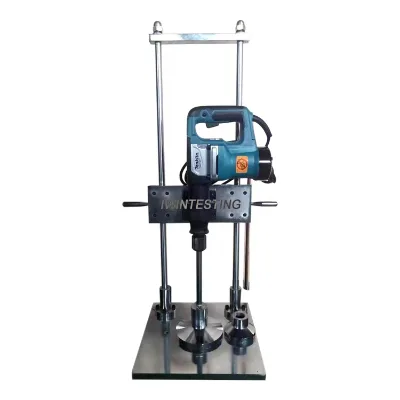
Vibration Compacting Hammer for Compaction Proctor and Cbr Soil Specimens
$600.00 - $800.00
MOQ: 1 Pieces

Shijiazhuang Sanli Grain Sorting Machinery Co., Ltd.
- Verified by SGS
- Manufacturer
- China Hebei
- Lead time15 days
- Avg. response≤ 6h
Main productsSeed Processing Equipment, Seed Cleaning Machine, Seed Gravity Separator, Seed Coating Machine, Bucket Elevator, Destoner, Grains Polishing Machine, Seed Grading Machine, Seed Combined Cleaner, Agricultural Testing Instruments
Main marketsAfrica,Others(foreignTradeCapacity.exportBusinessCapacityMarketOther),Southeast Asia/ Mideast

Digital Soil Hardness Tester Soil Compaction Instrument Measurement Depth: 0-450mm
$380.00 - $440.00
MOQ: 1 Pieces

Hebei Gaotiejian Testing Instrument Co., Ltd.
- Verified by TUVRHEINLAND
- Combined
- China Hebei
- Lead time15 days
- Avg. response≤ 2h
Main productsPile Test Equipment, Concrete Testing Machine, Universal Testing Machine, Soil Testing Equipment
Main marketsDomestic
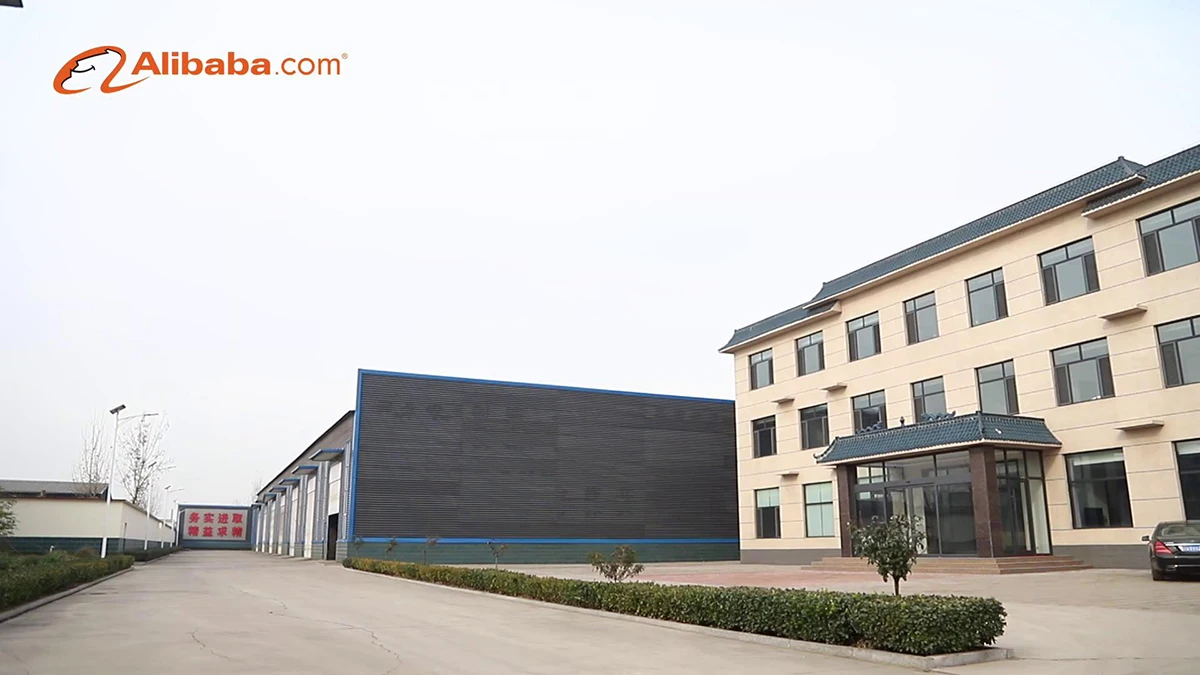
Cangzhou Eternal Test Equipment Co., Ltd.
- Trading Company
- Hebei, China
- Lead time8 days
- Avg. response≤ 3h
Main productsSoil testing equipment,Concrete testing equipment,Asphalt & Bitumen testing equipment,Aggregates Rock testing equipment,Non-destructive testing equipments
Main marketsSoutheast Asia(50.00%), North America(20.00%), South America(10.00%), Eastern Europe(10.00%), Africa(10.00%)

Henan Ideal Machinery Equipment Co., Ltd.
- Combined
- China Henan
- Lead time15 days
- Avg. response≤ 6h
Main productsSteel Bar Cutting Machine, Steel Bar Bending Machine, Steel Bar Straightening and Cutting Machine, Stirrup Bending Machine, Tamping Rammer, Plate Compactor, Trowelling Machine, Concrete Cutting Machine, Road Roller, Concrete Viabratory Screed
Main marketsSouth America,Africa,Southeast Asia/ Mideast,East Asia(Japan/ South Korea),Domestic,Europe,Australia,North America
Xi'an Zealchon Electronic Technology Co., Ltd.
- Verified by BV
- Trading Company,Manufacturer/Factory
- China Shaanxi
- Lead time15 days
- Avg. response≤ 3h
Main productsTesting Machine, Xrf Gold Testing Machine, Bitumen Testing Machine, Asphalt Testing Machine, Soil Lab Testing Machine, Geotechnical Testing Equipment, Civil Engieering Testing Equipment, Driling Fuilds Testing Equipment, Retroreflectometer Road Marking, Static Penetration Test
Main marketsSouth America,Eastern Europe,Mid East,North America,Southeast Asia,Eastern Asia,Oceania,Western Europe,Africa


C031 Soil Shrinkage Tester Soil Liquid Limit Devicefor Undisturbed Soil and The Compaction Clay Soil
$180.00 - $200.00
MOQ: 1 Sets

Cangzhou Oubeiruike Instrument And Equipment Co., Ltd.
- Verified by Intertek
- Trading Company
- Lead time20 days
Main productsClimate Chamber, Ring & Ball Apparatus, Concrete Test Hammer
Main marketsMid East(30%), Southeast Asia(25%), Eastern Asia(15%)
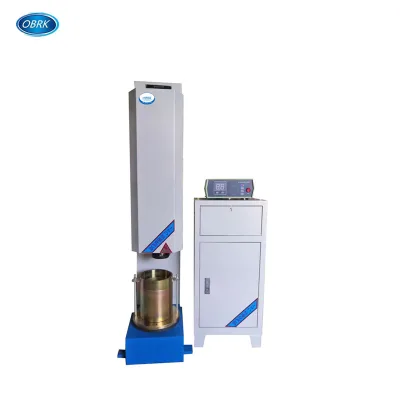
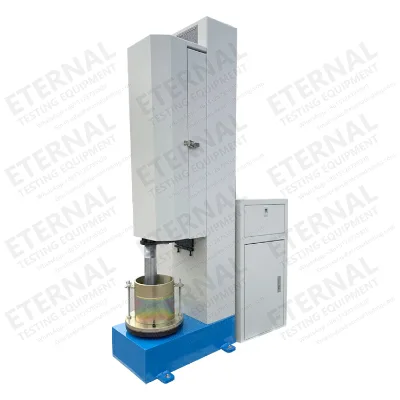
Quality Automatic Compaction Standard Asphalt Compaction Test Apparatus Compaction Test
$950.00 - $1000.00
MOQ: 1
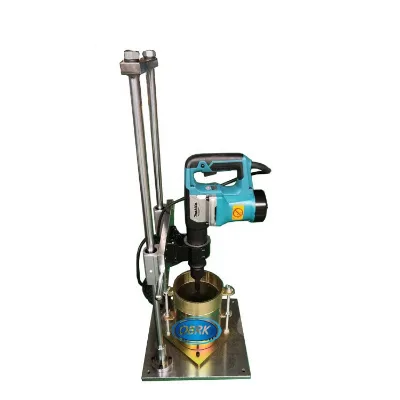
Multi-Functional Soil Compaction Hammer for Lab and Field Use - Waterproof Motor
$765.41 - $816.44
MOQ: 1

High-Precision Vibratory Compactor for Proctor Density Test - CE & ISO Certified
$750.00 - $800.00
MOQ: 1

Zhuozhou Tianpeng Imp. And Exp. Trade Co., Ltd.
- Manufacturer/Factory,Group Corporation
- China Hebei
- Lead time23 days
- Avg. response≤ 4h
Main productsSoil Test Equipment, Asphalt Test Equipment, Concrete Test Equipment, Cement Test Equipment, Rock and Aggregate Test Equipment, Skid Resistance and Friction Tester, Test Mould, Dynamic Probing Rig, Los Angeles Abrasion Machine, Asphalt/Soil Non Nuclear Electric Density Gauge
Main marketsSouth America,Eastern Europe,Mid East,North America,Southeast Asia,Eastern Asia,Oceania,Western Europe,Africa
Henan Weiterui Machinery Co., Ltd.
- Verified by CTI
- Manufacturer/Factory
- China Henan
- Lead time23 days
- Avg. response≤ 2h
Main productsTroweling Machine, Road Roller, Steel Bar Cutter, Bending Machine, Straightener, Brick Cutter, Rebar Bending Machine, Dicing Saw, Pavement Machinery, Compacting Machine
Main marketsSouth America,Eastern Europe,Mid East,North America,Southeast Asia,Eastern Asia,Oceania,Western Europe,Africa

$350.00 - $450.00
MOQ: 1 Pieces

$260.00 - $350.00
MOQ: 1 Pieces

$220.00 - $380.00
MOQ: 1 Pieces
Xianxian Rushi Technology Co., Ltd.
- Trading Company
- Hebei,, China
- Lead time5 days
- Avg. response≤ 2h
Main productsNon-destructive testing instruments,Compression-testing machine,Universal testing machine,Concrete testing instrument,Mortar testing instrument
Main marketsDomestic Market(70.00%), Eastern Europe(7.00%), South Asia(4.00%), North America(3.00%), Central America(3.00%), Africa(2.00%), South America(2.00%), Western Europe(2.00%), Eastern Asia(2.00%), Mid East(2.00%), Northern Europe(1.00%), Southeast Asia(1.00%), Southern Europe(1.00%)

Big Discount Soil Compaction Test Apparatus Electric Vibrating Compaction Hammer
$600.00 - $800.00
MOQ: 1 Minimum
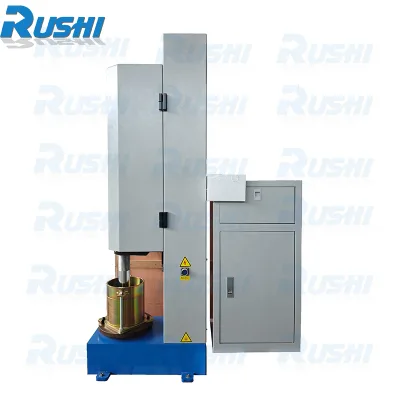
Civil Engineering Automatic Soil Compactor with Round Compaction Hammer
$104.34 - $1252.10
MOQ: 1 Minimum
Hebei Gaotiejian Testing Instrument Co., Ltd.
- Verified by Intertek
- Manufacturer, Trading Company
- Lead time7 days
Main productsUniversal Testing Machine, Concrete Testing Equipment, Pile Testing Equipment, Soil Testing Equipment
Main marketsDomestic Market(50%), South America(15%), Southeast Asia(10%)

Shanghai Super-Above Industry Holdings Co., Ltd.
- Trading Company
- China Shanghai
- Lead time30 days
- Avg. response≤ 6h
Main productsHeavy Equipment, Construction Equipment, Diesel Generator Set, Mining Machinery, Concrete Mixer, Diesel Generator, Bulldozer, Aerial Work Vehicle, Trcuk, Loader
Main marketsOthers(foreignTradeCapacity.exportBusinessCapacityMarketOther),Southeast Asia/ Mideast,Europe,North America

Tamping Compactor with Petrol Engine Soil Compaction
MOQ: 1 Pieces

Tamping Machine Concrete Rammer Soil Compaction
MOQ: 1 Pieces

Forsun Ultra-hard Material Industry Co., Ltd.
- Verified by SGS
- Combined
- China Hunan
- Lead time15 days
- Avg. response≤ 13h
Main productsCore Bit, Core Barrel, Drill Rod, Drilling Accessories, Drilling Tools, Casing Pipe, Spt, Drill Rig, Reaming Shell, Diamond Core Bit
Main marketsSouth America,Africa,Southeast Asia/ Mideast,East Asia(Japan/ South Korea),Domestic,Europe,Australia,North America
Cangzhou Zhulong Engineering Instrument Co., Ltd.
- Manufacturer, Trading Company
- Hebei, China
- Lead time15 days
- Avg. response≤ 6h
Main productsUniversal test machine,compression test machine,Blast drying oven,Box type high temperature furnace,concrete Gas content
Main marketsSoutheast Asia(15.00%), North America(15.00%), Eastern Europe(10.00%), Mid East(10.00%), South America(5.00%), Domestic Market(5.00%), South Asia(5.00%), Southern Europe(5.00%), Northern Europe(5.00%), Central America(5.00%), Western Europe(5.00%), Eastern Asia(5.00%), Oceania(5.00%), Africa(5.00%)
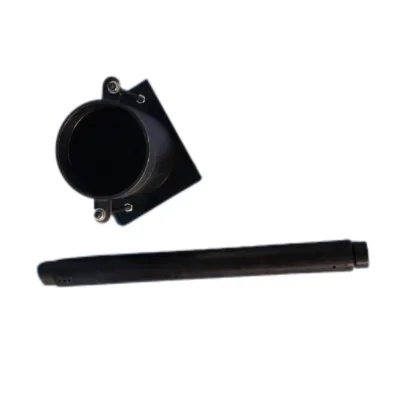
Lightweight Soil Compacting Test Instrument /Portable Proctor Compaction Test
$70.00 - $85.00
MOQ: 5 pieces



SHAOXING KARE INSTRUMENT EQUIPMENT CO., LTD.
- Trading Company
- China Zhejiang
- Lead time15 days
- Avg. response≤ 3h
Main productsTensile Testing Machine, Universal Testing Machine, Compression Testing Machine, Test Equipment, Los Angeles Abrasion Testing Machine, Sieve Shaker, Double-End Grinding Machine, Concrete Mixing Machine, Bitumen Mixing Machine, Marshall Testing Machine
Main marketsSouth America,Africa,Southeast Asia/ Mideast,Domestic,Europe
Hangzhou Civit Instrument Equipment Co., Ltd.
- Verified by SGS Group
- Trading Company
- Lead time7 days
Main productsUniversal Testing Machine, Compression Testing Machine, Soil CBR Tester, Asphalt Marshall Stability Tester, Lab Testing Sieve
Main marketsSoutheast Asia(40%), Eastern Europe(30%), Africa(20%)

Shandong Yifa Casting & Forging Co., Ltd.
- Verified by SGS
- Manufacturer/Factory
- China Shandong
- Lead time45 days
- Avg. response≤ 5h
Main productsRigging Hardware, Shackle G209 G210 G2130 G2150, Load Binder L140 L150 EU. Safety Type, Wire Rope Clip DIN741 DIN1142 JIS Type, Hook G70 G80 Grab Hook Slip Hook Rtj Hook, Power Line Fittings Turnbuckle Wire Rope, Carabiner& Belt Hook Quick Links, Chain En818-2 G100 Alloy Lifting&Lashing DIN766, Stainless Steel Items&Swivel&Thimble&Block, Construction Accessories Links Eyebolt&Nut
Main marketsSouth America,Eastern Europe,Mid East,North America,Southeast Asia,Eastern Asia,Oceania,Western Europe,Africa


Multi Tool Geological Hammer Geology Hammer Tool Geology Hammer with Conjoined Handle
$2.90 - $4.00
MOQ: 100 Pieces
Yantai Zhuoxin Machinery Technology Co., Ltd.
- Verified by BV
- Combined
- China Shandong
- Lead time23 days
- Avg. response≤ 1h
Main productsHydraulic Breaker, Quick Hitch Coupler, Hydraulic Pile Hammer, Hydraulic Shear, Hydraulic Pulverizer, Hydraulic Compactor, Hydraulic Breaker Hammer, Excavator Hydraulic Bucket, Excavator Earth Augers, Hydraulic Breaker Parts
Main marketsEurope

Hydraulic Breaker Hammer for Demolition, Mining, Cement Pavement Crushing
$300.00 - $2000.00
MOQ: 1 Pieces


Zhejiang Tugong Instrument Co., Ltd.
- Combined
- China Zhejiang
- Lead time30 days
- Avg. response≤ 3h
Main productsUniversal Testing Machine, Testing Machine, Soil Testing, Field Test, Aggregate, Asphale Asphalt Mixture, Curing Controller Cabinet, Concrete, Rock, Cement
Main marketsSouth America,Africa,Southeast Asia/ Mideast


MOQ: 1 Pieces
Hebei Zhongke Beigong Testing Instrument Co., Ltd.
- Verified by TüVRheinland
- Manufacturer, Trading Company
- Lead time7 days
Main productsSoil Direct Shear Apparatus, Mechanical Testing Machine, Asphalt Penetration Tester, Drilling Fluid Viscosity Meter, Wear Tester
Main marketsDomestic Market(60%), South America(15%), North America(10%)

Beijing Bond Smart Technology Co., Ltd.
- Manufacturer, Trading Company
- Hebei, China
- Lead time15 days
- Avg. response≤ 2h
Main productsNDT Instrument,Compression Testing Machine,Soil Test Instrument,Asphalt Test Instrument
Main marketsDomestic Market(30.00%), North America(17.00%), South America(15.00%), Mid East(15.00%), Southeast Asia(10.00%), Africa(8.00%), Central America(5.00%)
Hunan Weiping Technology and Development Co., Ltd.
- Verified by CTI
- Combined
- China Hunan
- Lead time15 days
- Avg. response≤ 8h
Main productsHydraulic Power Pack, Hydarulic Breakers, Hydraulic Trash Pump, Hydraulic Cut-off Saws, Hydraulic Post Drive, Hydraulic Diamond Chainsaw, Hydraulic Submersible Pump
Main marketsSouth America,Southeast Asia/ Mideast,East Asia(Japan/ South Korea),Domestic,Europe


Portable Handheld Hydraulic Concrete Rock Breaker for Asphalt Hydraulic Hammer
$1250.00 - $1500.00
MOQ: 5 set

Wuxi Serve Real Technology Co., Ltd.
- Verified by BV
- Trading Company,Manufacturer/Factory
- China Jiangsu
- Lead time15 days
- Avg. response≤ 3h
Main productsConstruction Material Test Equipment, Physical Property Testing Equipment, Quality Test Instruments, Oil Analysis Instruments, Coal & Coke Instruments, Analytical Instruments, General Lab Equipment, Agricultural Instruments
Main marketsSouth America,Eastern Europe,North America,Southeast Asia,Eastern Asia,Oceania,Western Europe,Africa

Concrete Test Hammer Schmidt Hammers Rebound Test Hammerht-225construction Equipment
$100.00 - $1000.00
MOQ: 1 Set

$90.00 - $100.00
MOQ: 1 Set
Ramtec Engineering Machinery Co., Ltd.
- Verified by SGS
- Combined
- China Shandong
- Lead time23 days
- Avg. response≤ 5h
Main productsHydraulic Breaker, Hydraulic Hammer, Hydraulic Rock Hammer, Skid Steer Loader, Jack Hammer, Excavator Attachments, Hydraulic Break Hammer, Skid Loader, Hydraulic Crusher, Demolition Grapple
Main marketsDomestic


$99.00 - $1999.00
MOQ: 1 Pieces
Wuhu Kete Instrument Sales Co., Ltd.
- Verified by BV
- Trading Company
- China Anhui
- Lead time30 days
- Avg. response≤ 3h
Main marketsSoutheast Asia/ Mideast

High Performance Concrete Rebound Tester Testing Equipment Test Hammer Rebound Hammer
$62.00 - $65.00
MOQ: 1 set/sets

Hot Selling ASTM Standard Automatic Soil Compactor Multifunctional Testing Equipment
$920.00 - $950.00
MOQ: 1 set/sets

Yantai Chengtai Construction Machinery Co., Ltd.
- Verified by TUVRHEINLAND
- Trading Company,Manufacturer/Factory
- China Shandong
- Lead time23 days
- Avg. response≤ 7h
Main productsHydraulic Breaker Factory, Hydraulic Rock Breaker Factory, Hydraulic Hammer Factory, Hydraulic Demolition Shears, Excavator Concrete Crusher, Hydraulic Compactor, Hydraulic Breaker Hammer Factory, Earth Auger, China Breaker Hammer Factory, Tilting Quick Hitch
Main marketsSouth America,Eastern Europe,Mid East,North America,Southeast Asia,Eastern Asia,Oceania,Western Europe,Africa
SHANGHAI GUANBO MACHINERY EQUIPMENT CO., LTD.
- Combined
- China Shanghai
- Lead time30 days
- Avg. response≤ 16h
Main productsGrab Buckets, Container Spreader, Hopper, Deck Crane, Hydraulic Crane, Bagging Machine Unit
Main marketsSouth America,Africa,Southeast Asia/ Mideast,East Asia(Japan/ South Korea),Domestic,Europe,Australia,North America

Construction Hydraulic Rock Breaking Hammer
MOQ: 1 Pieces

Mining Use Hydraulic Rock Breaking Hammer
MOQ: 1 Pieces
Yantai Juxiang Construction Machinery Co., Ltd
- Verified by BV
- Combined
- China Shandong
- Lead time30 days
- Avg. response≤ 1h
Main productsVibro Hammer, Hydraulic Breaker, Excavator Long Reach Boom, Primary Crusher, Hydraulic Metal Shear, Secondary Crusher, Screening Bucket, Quick Hitch Coupler, Plate Compactor, Hydraulic Attachments
Main marketsSouth America,Africa,Southeast Asia/ Mideast,East Asia(Japan/ South Korea),Domestic,Europe,Australia,North America


High-Performance Vibro Hammer for Reliable Soil Compaction Services
$22000.00 - $23000.00
MOQ: 1 Pieces
Yantai Shengxin Construction Machinery Co., Ltd
- Verified by SGS
- Combined
- China Shandong
- Lead time23 days
- Avg. response≤ 3h
Main productsHydraulic Breaker, Hydraulic Plate Compactor, Swing Quick Connector, Hammer Back Clamp, Field Mower, Hydraulic Power Shear, Ripper
Main marketsEast Asia(Japan/ South Korea)

Industrial-Grade Excavator Vibratory Hammer for Bridge Abutment & Embankment Compaction
$557.00 - $1286.00
MOQ: 1 Pieces

Heavy-Duty Excavator Hydraulic Vibratory Hammer for Roadbed & Backfill Compaction Projects
$500.00 - $1300.00
MOQ: 1 Pieces
Xianxian Zhonglu Tongda Testing Instrument and Equipment Factory
- Verified by SGS
- Trading Company
- China Hebei
- Lead time45 days
- Avg. response≤ 7h
Main productsExperimental Instruments, Testing Instrument
Main marketsDomestic


Durable 50mm Hammer Face Electric Soil Compactor for Consistent Density
$900.00 - $1200.00
MOQ: 1 Pieces






Comprehensive Sourcing Guide
Bitumen Test Soil Compaction Hammer Supplier Concentration and Factory Types
When sourcing Bitumen Test Soil Compaction Hammer equipment, buyers should first map the geographic distribution of potential suppliers to understand market dynamics. Current data indicates a significant presence of manufacturers and trading companies in specific Chinese provinces, such as Zhejiang and Hebei. These regions often host clusters of industrial machinery producers, which can facilitate easier logistics and potential factory visits. However, not all suppliers in these areas are direct manufacturers; many operate as trading companies that aggregate products from various factories. Distinguishing between a factory and a trader is crucial because it affects customization capabilities, quality control oversight, and pricing structures. A manufacturer typically offers more flexibility in modifying specifications, while a trader may provide a wider range of standard models but with less direct influence on production schedules.
Understanding the company type is the first step in assessing supply chain reliability. In this category, you will encounter both OEM/ODM capable manufacturers and pure trading entities. Manufacturers often hold specific system certifications, such as ISO9001, which signal a structured quality management system. Trading companies may also hold certifications but might source from multiple factories, leading to potential inconsistencies in build quality across different batches. Buyers should request detailed company profiles that clarify the production setup, including whether the supplier owns the machinery or rents it. This distinction helps in evaluating long-term partnership viability. If a supplier claims to be a manufacturer, ask for photos of the production line and specific details about their R&D capacity. This due diligence ensures that the supplier can actually produce the Bitumen Test Soil Compaction Hammer items you require, rather than just reselling them.
How to Verify Bitumen Test Soil Compaction Hammer Suppliers
Verification is a critical step to mitigate the risk of receiving substandard equipment. Start by checking for third-party verification badges, such as SGS verification, which indicates that an independent body has inspected the facility. While not all suppliers will display this badge, its presence adds a layer of trust. Additionally, review the supplier’s system certifications. ISO9001:2015 is a common standard in this sector, indicating adherence to international quality management principles. However, a certificate alone is not proof of current compliance; ask for the certificate number and validity date. Cross-reference this information with the issuing body if possible. For suppliers who do not display specific certifications, request recent audit reports or factory inspection videos. This proactive approach helps confirm that the production environment meets the necessary standards for precision testing instruments.
Beyond paperwork, verify the supplier’s technical competence by requesting sample test reports for the specific Bitumen Test Soil Compaction Hammer models you are interested in. Ask for data on accuracy, range, and durability, particularly for items like rebound hammers or gyratory compactors. If the supplier offers customization, ask for examples of previous custom projects and client feedback. Check the supplier’s response time and communication efficiency; a responsive supplier is often more reliable in handling post-sale issues. Use escrow services for initial orders to protect your payment until the goods are inspected. Finally, consider conducting a video call to tour the factory floor. This real-time interaction can reveal the actual state of the workshop, the condition of the machinery, and the professionalism of the staff. These combined verification steps create a robust profile of the supplier’s reliability and capability.
What to Compare Across Bitumen Test Soil Compaction Hammer Suppliers
When comparing suppliers, focus on key operational metrics that directly impact your procurement costs and timeline. Lead time is a primary factor; some suppliers may quote 15 days for standard items, while others might require longer for custom orders. Always clarify whether the lead time includes shipping or is just production time. Minimum Order Quantity (MOQ) also varies significantly. Some suppliers may accept an MOQ of 1 unit, which is ideal for small labs or pilot projects, while others may require bulk orders to justify production runs. Compare these MOQs against your actual needs to avoid overstocking or under-ordering. Response speed is another indicator of service quality. Suppliers with faster response times, such as under 6 hours, are often better equipped to handle urgent inquiries and technical questions.
Price is a critical comparison point, but it should be evaluated in the context of total cost of ownership. Look at the price range for similar models; for instance, a Marshall compactor might range from $800 to $1,600, while a gyratory compactor could be significantly higher. Ensure that the quoted price includes all necessary accessories, packaging, and shipping costs. Check if the supplier offers customization options, as this can affect both price and lead time. Additionally, compare the warranty terms. A one-year warranty is standard, but some suppliers may offer extended coverage or free spare parts. Review the main products listed by the supplier to ensure they specialize in testing equipment rather than being a generalist. Specialized suppliers often have deeper technical knowledge and better support for specific Bitumen Test Soil Compaction Hammer applications.
Common Bitumen Test Soil Compaction Hammer Sourcing Risks
One of the primary risks in sourcing this equipment is receiving products that do not meet the specified standards. Even if a supplier claims compliance with ASTM or BS standards, discrepancies can occur due to manufacturing variances. To mitigate this, insist on pre-shipment inspection. Request detailed specifications and test results before finalizing the order. Another risk is communication breakdown, especially when dealing with suppliers who have limited English proficiency. This can lead to misunderstandings about technical requirements, such as voltage compatibility or measurement ranges. Always confirm these details in writing and use visual aids if necessary. Additionally, be wary of suppliers who offer prices significantly lower than the market average. This could indicate the use of inferior materials, such as thin steel or low-quality electronics, which may compromise the accuracy and longevity of the Bitumen Test Soil Compaction Hammer.
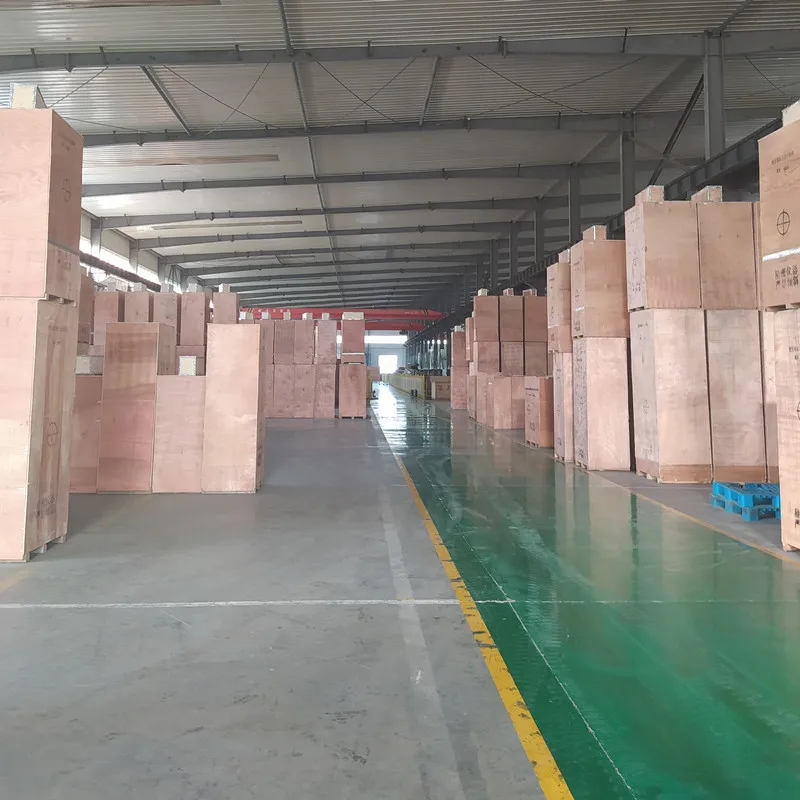
Logistical risks also play a significant role. Shipping heavy machinery like compactors requires robust packaging to prevent damage during transit. Verify that the supplier uses appropriate packaging, such as plywood crates, and that they have experience with international shipping. Delays in customs clearance can also impact your project timeline. Ensure that the supplier provides all necessary documentation, including certificates of origin and compliance documents, to facilitate smooth customs processing. Furthermore, consider the risk of supplier insolvency or operational changes. Diversifying your supplier base can reduce this risk. By identifying and mitigating these common risks, you can ensure a smoother procurement process and receive high-quality equipment that meets your technical requirements.
Bitumen Test Soil Compaction Hammer Regional Sourcing and Logistics
Regional sourcing can significantly impact logistics costs and delivery times. Suppliers located in Zhejiang and Hebei, for example, may offer different logistical advantages depending on your destination. Zhejiang is a major export hub with well-developed port infrastructure, which can facilitate faster sea freight for international buyers. Hebei, while also a significant manufacturing region, may have different shipping routes and costs. Evaluate the proximity of the supplier to major ports and consider the impact on freight costs. For air freight, which is faster but more expensive, the distance to the nearest airport also matters. Calculate the total landed cost, including shipping, insurance, and customs duties, to make an informed decision.
Customs and compliance requirements vary by region and destination country. Ensure that the supplier is familiar with the specific regulations in your country, such as electrical standards or safety certifications. This can prevent delays at the border. Additionally, consider the time zone difference when communicating with the supplier. Suppliers in China operate on a different time zone, which can affect response times and coordination. Establish a clear communication protocol and agree on regular check-ins to keep the project on track. By understanding the regional logistics landscape, you can optimize your supply chain and ensure timely delivery of your Bitumen Test Soil Compaction Hammer equipment.
Bitumen Test Soil Compaction Hammer Commercial Terms and Order Planning
Negotiating commercial terms is essential for a successful procurement process. Start by clarifying the payment terms. Common terms include 30% deposit and 70% balance before shipment, or payment against a copy of the bill of lading. For new suppliers, consider using escrow services to protect your funds. Ensure that the contract clearly outlines the payment schedule, currency, and any applicable fees. Additionally, agree on the Incoterms, such as FOB, CIF, or DDP, to define the responsibilities for shipping and insurance. This clarity helps avoid disputes over who bears the risk during transit.
Order planning should include a detailed timeline for production, inspection, and shipping. Request a production schedule from the supplier and agree on milestones for progress updates. Plan for a buffer period in case of unexpected delays. Ensure that the contract includes provisions for quality assurance, such as the right to reject non-conforming goods. By carefully planning the commercial terms and order process, you can minimize risks and ensure a smooth transaction. This structured approach helps build a strong relationship with the supplier and ensures that you receive the Bitumen Test Soil Compaction Hammer equipment you need, on time and within budget.
FAQs
What types of soil compaction and bitumen testing equipment are available?
Suppliers in these results list vibration compacting hammers for Proctor and CBR soil specimens, Marshall compactors with 4.5kg hammers, gyratory compactors for bitumen asphalt mixtures, rebound hammers for concrete strength, and digital soil hardness testers. This range lets buyers cover asphalt mixture compaction, soil compaction, and non-destructive strength testing within one sourcing category.
What is the typical minimum order quantity and price range?
Listed minimum order quantities are low, including a MOQ of 1 unit on a gyratory compactor, so laboratory buyers can order single machines. Prices in the results range roughly from 50 to 120 US dollars for rebound hammers, 380 to 440 for soil hardness testers, 600 to 800 for vibrating hammers, and 20,000 to 30,000 for gyratory compactors.
Which standards do these compaction and test machines comply with?
Several listings state BS and ASTM standards, and one vibration compacting hammer is listed against ASTM specifically. A digital soil hardness tester is listed with an ISO standard. Buyers should request the exact standard number and any test reports for the model they intend to purchase, since compliance can differ between product lines and configurations.
How long does production and delivery usually take?
One trading company in the results lists a lead time of 15 days, which suggests standard models can ship quickly. Actual timelines depend on customization, order volume, and destination. Buyers should confirm the lead time for their specific configuration in writing before placing an order and ask how shipping time to their port is calculated.
Do suppliers offer customization on test equipment?
Yes, the listed products consistently mark customization as available, and one manufacturer supports ODM and OEM services. Customization may cover voltage, display type, packing, and branding. Buyers should provide their required voltage, test standards, and any logo or packaging preferences early, and confirm in writing what changes affect price, lead time, and warranty terms.
Where are these suppliers located and how fast do they respond?
The suppliers in these results are based in China, with locations in Zhejiang and Hebei. Average response times shown are around 5.85 to 7.95 hours, so buyers can typically expect a reply within the same working day. Response speed can vary with time zones, so batching technical questions into one message speeds up quotations.
What certifications and verification should buyers check?
Listed evidence includes ISO 9001 certification on a gyratory compactor, an ISO9001:2015 system certificate on a manufacturer, and SGS verification for that manufacturer. Buyers should ask for the current certificate documents matching the supplier and the specific product model, check the certificate scope and expiry date, and confirm which quality controls apply to their ordered machines.
How are these machines packed and what details affect shipping?
Packing methods listed include 9mm and 15mm plywood packages, carton packages, and standard export packing. A gyratory compactor weighs about 300kg, so freight cost and handling differ greatly between small hammers and heavy machines. Buyers should confirm gross weight, packed dimensions, and whether sea, air, or express freight is recommended for their order quantity.