Asphalt Mixture Relative Density Tester Suppliers and Manufacturers
Source 29 verified suppliers for Asphalt Mixture Relative Density Tester equipment. Compare key dimensions including location, lead time, MOQ, response time, and certifications. Review product specifications and request quotes to identify the right partner for your testing needs; review the available evidence before requesting comparable quotations from suitable candidates.
Suppliers List

Beijing Bond Smart Technology Co., Ltd.
- Manufacturer, Trading Company
- Hebei, China
- Lead time15 days
- Avg. response≤ 3h
Main productsNDT Instrument,Compression Testing Machine,Soil Test Instrument,Asphalt Test Instrument
Main marketsDomestic Market(30.0%), North America(17.0%), South America(15.0%), Mid East(15.0%), Southeast Asia(10.0%), Africa(8.0%), Central America(5.0%)

Zhejiang Tugong Instrument Co., Ltd.
- Combined
- China Zhejiang
- Lead time30 days
- Avg. response≤ 2h
Main productsUniversal Testing Machine, Testing Machine, Soil Testing, Field Test, Aggregate, Asphale Asphalt Mixture, Curing Controller Cabinet, Concrete, Rock, Cement
Main marketsSouth America,Africa,Southeast Asia/ Mideast
Hebei Zhongke Beigong Testing Instrument Co., Ltd.
- Verified by TüVRheinland
- Manufacturer, Trading Company
- Lead time7 days
- Avg. response≤ 2h
Main productsSoil Direct Shear Apparatus, Mechanical Testing Machine, Asphalt Penetration Tester, Drilling Fluid Viscosity Meter, Wear Tester
Main marketsDomestic Market(60%), South America(15%), North America(10%)

Hunan Gonoava Instrument Co Ltd
- Verified by TUVRHEINLAND
- Trading Company
- China Hunan
- Lead time15 days
- Avg. response≤ 7h
Main productsThermal Gravimetric Analyzer, Differential Scanning Calorimeter, Helium Mass Spectrometer, Xrf Portable Analyzer, Fluorescence Spectrometer, RoHS Environmental Analyzer, Contact Angle Testers, Universal Tensile Compression Testing Machine, Climatic Test Chambers, Plastic Testing Machine
Main marketsSoutheast Asia/ Mideast,East Asia(Japan/ South Korea),North America


$1000.00 - $2000.00
MOQ: 1 Pieces

$1000.00 - $3000.00
MOQ: 1 Pieces

Xi'an Zealchon Electronic Technology Co., Ltd.
- Verified by CTI
- Trading Company,Manufacturer/Factory
- China Shaanxi
- Lead time15 days
- Avg. response≤ 3h
Main productsTesting Machine, Xrf Gold Testing Machine, Bitumen Testing Machine, Asphalt Testing Machine, Soil Lab Testing Machine, Geotechnical Testing Equipment, Civil Engieering Testing Equipment, Driling Fuilds Testing Equipment, Retroreflectometer Road Marking, Static Penetration Test
Main marketsSouth America,Eastern Europe,Mid East,North America,Southeast Asia,Eastern Asia,Oceania,Western Europe,Africa

Wuxi Serve Real Technology Co., Ltd.
- Verified by BV
- Trading Company,Manufacturer/Factory
- China Jiangsu
- Lead time15 days
- Avg. response≤ 3h
Main productsConstruction Material Test Equipment, Physical Property Testing Equipment, Quality Test Instruments, Oil Analysis Instruments, Coal & Coke Instruments, Analytical Instruments, General Lab Equipment, Agricultural Instruments
Main marketsSouth America,Eastern Europe,North America,Southeast Asia,Eastern Asia,Oceania,Western Europe,Africa

Chongqing Gold Mechanical & Electrical Equipment Co., Ltd.
- Trading Company,Manufacturer/Factory
- China Chongqing
- Lead time15 days
- Avg. response≤ 7h
Main productsOil Purifier, Fire Testing Equipment, Petroleum Products Testing Equipment, Electrical Testing Equipment, Transformer Test Set, Oil Test Kit, Fire Retardant Test, Cone Calorimeter, Bdv Tester, Flash Point Tester
Main marketsSouth America,Eastern Europe,Mid East,North America,Southeast Asia,Eastern Asia,Oceania,Western Europe,Africa

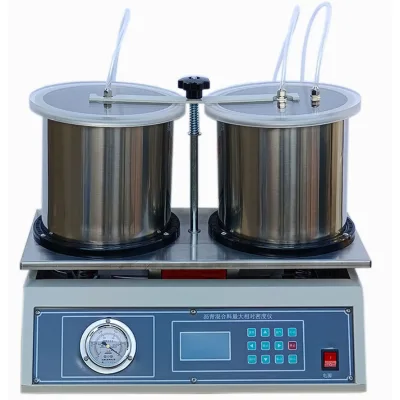
Bitumen Maximum Theoretical Specific Gravity Tester Asphalt Maximum Relative Density Tester
$2000.00 - $5000.00
MOQ: 1 Pieces

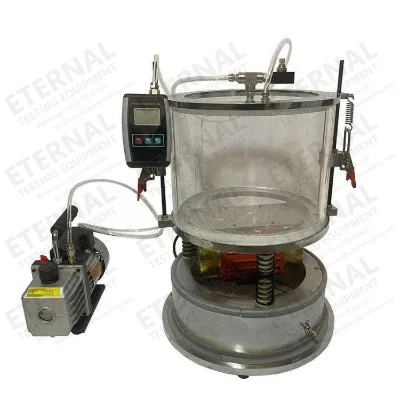
ASTM D2041 Asphalt Mixture Theoretical Maximum Specific Gravity and Relative Density Tester
$1000.00 - $1200.00
MOQ: 1 Pieces

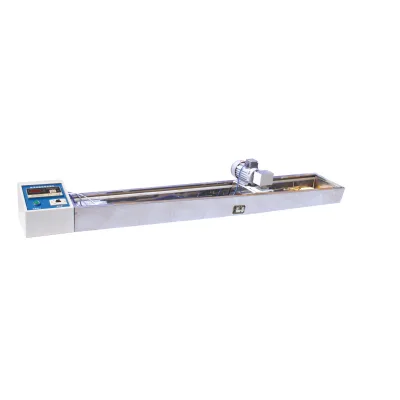
Bitumen Ductility Testing Apparatus Bitumen Ductilometer Tension Testing Machine
$3100.00 - $3200.00
MOQ: 1 Pieces
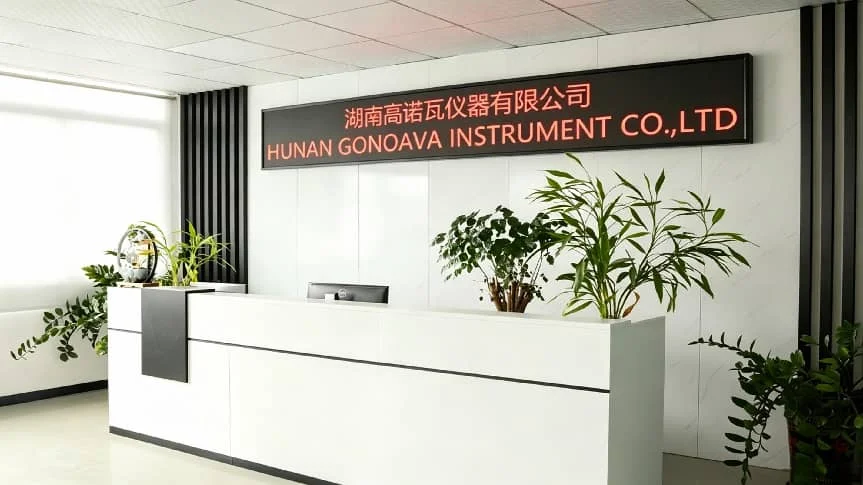
Hunan Gonoava Instrument Co., Ltd.
- Trading Company
- Hunan, China
- Lead time10 days
- Avg. response≤ 4h
Main productsspectrophotometer,Petroleum oil tester,Environmental test chamber,Testing Machine,Contact Angle Tester
Main marketsEastern Asia(20.0%), Northern Europe(10.0%), North America(10.0%), Oceania(10.0%), Domestic Market(5.0%), South Asia(5.0%), Southern Europe(5.0%), Southeast Asia(5.0%), Central America(5.0%), Western Europe(5.0%), Eastern Europe(5.0%), Mid East(5.0%), South America(5.0%), Africa(5.0%)

Shanghai Changji Geological Instrument Co., Ltd.
- Verified by BV
- Combined
- China Shanghai
- Lead time15 days
- Avg. response≤ 10h
Main productsPetroleum Instruments, Bitumen Instruments, Laboratory Instruments, Rotational Visicometer, Geological Equipments, Lab Tester, Petroleum Tester, Asphalt Tester, Bituminous Mixture Tester, Bitumen Machine
Main marketsSouth America,Domestic

Hangzhou Civit Instrument Equipment Co., Ltd.
- Trading Company
- China Zhejiang
- Lead time15 days
- Avg. response≤ 8h
Main productsSoil Aggregate Rock Testing Equipment, Cement Mortar Testing Equipment, Concrete Testing Equipment, Asphalt Testing Equipment, Scientific Lab Equipment, Survey Instrument
Main marketsSouth America,Africa,Southeast Asia/ Mideast


Bitumen Mixture Theoretical Maximum Specific Gravity and Density Tester
$500.00 - $900.00
MOQ: 1 Pieces


$1100.00 - $1300.00
MOQ: 1 Pieces


TRYTE TECHNOLOGY (H.K.) LIMITED
- Trading Company
- China Hunan
- Lead time0 days
- Avg. response≤ 17h
Main productsLab Equipment, Lab Instrument, Testing Machine, Analyzer Instrument, Coal Testing Instrument, Oil Testing Instrument, Petroleum Testing Instrument, Bomb Calorimeter, Medical Equipment, PCB Board Related Equipment

Compacted Bituminous Mixtures Density Tester-Asphalt Mixtures Density Tester
$1.00 - $6860.00
MOQ: 1 Pieces


Xianxian Zhonglu Tongda Testing Instrument and Equipment Factory
- Verified by SGS
- Trading Company
- China Hebei
- Lead time45 days
- Avg. response≤ 5h
Main productsExperimental Instruments, Testing Instrument
Main marketsDomestic

$580.00 - $600.00
MOQ: 1 Pieces


High-Precision Emulsified Asphalt Consistency Tester for Reliable Testing
$80.00 - $90.00
MOQ: 1 Pieces

a Reliable Asphalt Permeability Tester Is Suitable for Pavement Testing.
$2400.00 - $2500.00
MOQ: 1 Pieces

Advanced Shear-Rate Control High-Stability Viscosity Testing Hot Mix Asphalt Viscometer
$2900.00 - $3000.00
MOQ: 1 Pieces


Qingdao Zhongtongluda Testing Instrument Co., Ltd
- Verified by SGS
- Trading Company
- China Shandong
- Lead time30 days
- Avg. response≤ 1h
Main productsTest Equipment
Main marketsDomestic

Single Key Test Cycle Automatic Weight Recording Compacted Asphalt Mixture Density Tester
$6000.00 - $6500.00
MOQ: 1 Pieces

$6000.00 - $6500.00
MOQ: 1 Pieces

Stainless Steel Vacuum Chamber Bubble Free Immersion Compacted Asphalt Mixture Density Tester
$6000.00 - $6500.00
MOQ: 1 Pieces

$6000.00 - $6500.00
MOQ: 1 Pieces

Full Digital Display Vacuum Pressure Control High Precision Timing Asphalt Dynamic Viscosity Tester
$6500.00 - $8000.00
MOQ: 1 Pieces

$6000.00 - $6500.00
MOQ: 1 Pieces

Hebei Gaotiejian Testing Instrument Co., Ltd.
- Verified by TUVRHEINLAND
- Combined
- China Hebei
- Lead time15 days
- Avg. response≤ 4h
Main productsPile Test Equipment, Concrete Testing Machine, Universal Testing Machine, Soil Testing Equipment
Main marketsDomestic

Zhuozhou Tianpeng Imp. And Exp. Trade Co., Ltd.
- Manufacturer/Factory,Group Corporation
- China Hebei
- Lead time23 days
- Avg. response≤ 3h
Main productsSoil Test Equipment, Asphalt Test Equipment, Concrete Test Equipment, Cement Test Equipment, Rock and Aggregate Test Equipment, Skid Resistance and Friction Tester, Test Mould, Dynamic Probing Rig, Los Angeles Abrasion Machine, Asphalt/Soil Non Nuclear Electric Density Gauge
Main marketsSouth America,Eastern Europe,Mid East,North America,Southeast Asia,Eastern Asia,Oceania,Western Europe,Africa


Asphalt Splitter/ Granulator for Asphalt Mixture Specimen Splitter by Bulk Density Test
$1400.00 - $2000.00
MOQ: 1 Sets

Asphalt Mixture Analyzer/Ampt Asphalt Mixture Performance Tester Hthy-8159
$31000.00 - $47000.00
MOQ: 1 Sets

High Precision Asphalt Mixture Performance Tester for Reliable Results
$95000.00 - $110000.00
MOQ: 1 Pieces


SHAOXING KARE INSTRUMENT EQUIPMENT CO., LTD.
- Trading Company
- China Zhejiang
- Lead time15 days
- Avg. response≤ 3h
Main productsTensile Testing Machine, Universal Testing Machine, Compression Testing Machine, Test Equipment, Los Angeles Abrasion Testing Machine, Sieve Shaker, Double-End Grinding Machine, Concrete Mixing Machine, Bitumen Mixing Machine, Marshall Testing Machine
Main marketsSouth America,Africa,Southeast Asia/ Mideast,Domestic,Europe

Theoretical Maximum Relative Density Meter of Asphalt Mixture Test Equipment
$1.00 - $3000.00
MOQ: 1 Set


Cangzhou Eternal Test Equipment Co., Ltd.
- Trading Company
- Hebei, China
- Lead time8 days
- Avg. response≤ 3h
Main productsSoil testing equipment,Concrete testing equipment,Asphalt & Bitumen testing equipment,Aggregates Rock testing equipment,Non-destructive testing equipments
Main marketsSoutheast Asia(50.0%), North America(20.0%), South America(10.0%), Eastern Europe(10.0%), Africa(10.0%)

Win(Tianjin) Machinery Business Co., Ltd
- Verified by CTI
- Trading Company
- China Tianjin
- Lead time15 days
- Avg. response≤ 3h
Main marketsSouth America,Africa,Southeast Asia/ Mideast,East Asia(Japan/ South Korea),Domestic,Europe,Australia,North America

Beijing Samyon Instruments Co., Ltd.
- Verified by SGS
- Trading Company,Manufacturer/Factory
- China Beijing
- Lead time15 days
- Avg. response≤ 3h
Main productsNDT Equipment, Concrete Migration Tester, Concrete Penetration Tester, Pile Intergrity Tester, Cross-Hole Pile Tester, Rebar Locator, Pile Dynamic Analyzer, Drillhole Monitor, Nonmetal Ultrasonic Detector, Magnetometer
Main marketsSouth America,Eastern Europe,Mid East,North America,Southeast Asia,Eastern Asia,Oceania,Western Europe,Africa


Compacted Bituminous Mixtures Density Tester by Surface Drying Method
$1000.00 - $10000.00
MOQ: 1 Pieces
Hebei Gaotiejian Testing Instrument Co., Ltd.
- Verified by Intertek
- Manufacturer, Trading Company
- Lead time7 days
- Avg. response≤ 2h
Main productsUniversal Testing Machine, Concrete Testing Equipment, Pile Testing Equipment, Soil Testing Equipment
Main marketsDomestic Market(50%), South America(15%), Southeast Asia(10%)
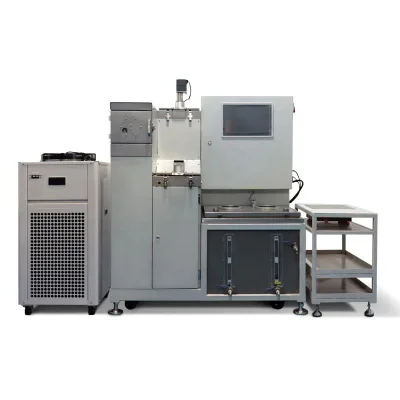
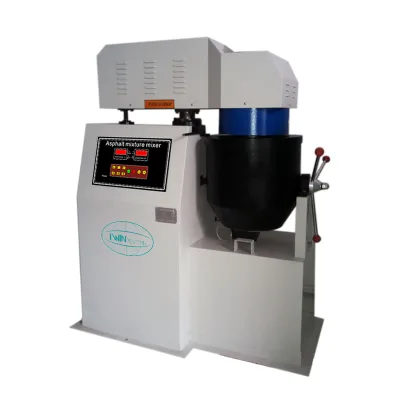
220V Leading Technology Asphalt Mixture Drum Mixer for Sale
$980.00 - $1180.00

CHANGSHA LANGSHUO TECHNOLOGY CO LTD
- Verified by TUVRHEINLAND
- Trading Company
- China Hunan
- Lead time15 days
- Avg. response≤ 8h
Main productsUniversal Tensile Testing Machine, Plastic Test Machine, Packaging Test Machine, Ink Proofers, Contact Angle Testers, Paint Coating Test Machine, Viscometer Densimeter Gloss Meter, Surface Roughness Meter Vibration Meter, Video Measuring Machine Profile Projector, Hardness Tester
Main marketsSouth America,Africa,Southeast Asia/ Mideast,Europe,Australia,North America

$100.00 - $500.00
MOQ: 1 Pieces

$1000.00 - $3000.00
MOQ: 1 Pieces

$1000.00 - $3000.00
MOQ: 1 Pieces

$1000.00 - $3000.00
MOQ: 1 Pieces
Xianxian Rushi Technology Co., Ltd.
- Trading Company
- Hebei,, China
- Lead time5 days
- Avg. response≤ 1h
Main productsNon-destructive testing instruments,Compression-testing machine,Universal testing machine,Concrete testing instrument,Mortar testing instrument
Main marketsDomestic Market(70.0%), Eastern Europe(7.000000000000001%), South Asia(4.0%), North America(3.0%), Central America(3.0%), Africa(2.0%), South America(2.0%), Western Europe(2.0%), Eastern Asia(2.0%), Mid East(2.0%), Northern Europe(1.0%), Southeast Asia(1.0%), Southern Europe(1.0%)

Chongqing Super Mechanical&Electrical Co., Ltd
- Verified by TUVRHEINLAND
- Trading Company
- China Chongqing
- Lead time15 days
- Avg. response≤ 1h
Main productsOil Filtration Machine, Petrochemical Product Testing Equipment, Petroleum Machinery, Oil Testing Equipment, Oil Measurement Equipment
Main marketsSouth America,Others(foreignTradeCapacity.exportBusinessCapacityMarketOther),Southeast Asia/ Mideast,Europe

Good Quality Bitumen Mixtures Theoretical Maximum Specific Gravity Tester for Asphalt
$200.00 - $3000.00
MOQ: 1 Pieces

Factory Direct Bitumen Mixtures Theoretical Maximum Specific Gravity and Density Tester
$200.00 - $3000.00
MOQ: 1 Pieces

Nanjing T-Bota Scietech Instruments & Equipment Co., Ltd.
- Verified by TUVRHEINLAND
- Trading Company,Manufacturer/Factory
- China Jiangsu
- Lead time15 days
- Avg. response≤ 4h
Main productsUniversal Testing Machine, Compression Testing Machine, Soil Testing Instruments, Petrolium Testing Machine, Geo-Technical Testing Machine, Surveying Testing Machine, Non-Destructive Testing Machine, Asphalt&Pavement Testing Machine, Concrete&Cement Testing Machine, Lab Equipment
Main marketsSouth America,Eastern Europe,Mid East,North America,Southeast Asia,Eastern Asia,Oceania,Western Europe,Africa

TBT-0705 Laboratory Bituminous Mixtures Density Tester for Asphalt Testing Equipment
$2000.00 - $8000.00
MOQ: 1 Sets

Liquid Asphalt Distillation Tester Distillation Characteristics for Bitumen and Bituminous Mixture
$1000.00 - $7000.00
MOQ: 1 Sets

Emulsified Asphalt Slurry Seal Mixture Cohesion Tester for Highway Engineering
$1000.00 - $5000.00
MOQ: 1 Pieces

TBT-0603 Asphalt Bitumen Density and Specific Gravity Tester of Bituminous Materials.
$990.00 - $2199.00
MOQ: 1 Sets

Hebei Wanluda Testing Instrument Equipment Co., Ltd.
- Trading Company
- Hebei Province, China
- Lead time30 days
- Avg. response≤ 1h
Main productsElectronic balance series products,Rebound tester series products,Shangyu screening tool,Geotechnical instruments,Press universal machine series
Main marketsDomestic Market(10.0%), Africa(10.0%), Northern Europe(10.0%), Western Europe(10.0%), Mid East(10.0%), North America(10.0%), Oceania(5.0%), South Asia(5.0%), Southern Europe(5.0%), Southeast Asia(5.0%), Central America(5.0%), Eastern Europe(5.0%), Eastern Asia(5.0%), South America(5.0%)
$600.00 - $620.00
Chongqing Gold Mechanical & Electrical Equipment Co., Ltd.
- Manufacturer, Trading Company
- Lead time旺季: "1 - 1":7,"> 1":"To be negotiated", 淡季: "1 - 1":7,"> 1":"To be negotiated"
- Avg. response≤ 3h
Main productsElectrical Testing Equipment,Oil Purifier,Petroleum Testing Equipment,Asphalt Testing Equipment,Fire Testing Equipment

Hefei Zeyuhui Imp.&Exp. Trade Co., Ltd.
- Trading Company
- China Anhui
- Lead time0 days
- Avg. response≤ 1h
Main productsUniversal Testing Machine, Drilling Core Sampler, Multifunctional Compaction Instrument, Universal Material Testing Machine, Pressure Testing Machine, Asphalt Elongation Tester, Standard Curing Room, Cement Curing Box, Asphalt Penetration Tester, Material Mechanics Equipment

Chongqing Advanced Technology Co., Ltd.
- Verified by SGS
- Trading Company
- China Chongqing
- Lead time30 days
- Avg. response≤ 2h
Main productsPetroleum Products Test Equipment, Fire Testing Equipment, Grease Test Apparatus, Lubricating Oil Test Instrument, Oil Analyzer, Cable Testing Equipment, Flammability Test Device
Main marketsAfrica,Others(foreignTradeCapacity.exportBusinessCapacityMarketOther),Southeast Asia/ Mideast,Domestic,Europe,North America

ASTM D5081 Asphalt Viscosity and Tenacity Tester for Bitumen and Bituminous Mixtures
$5000.00 - $8000.00
MOQ: 1 Pieces

Asphalt and Asphalt Mixture Ductility and Elongation Tester with Touch Screen Control
$10000.00 - $20000.00
MOQ: 1 Pieces
Zhuozhou Ding Song Trade Co., Ltd.
- Trading Company
- Hebei, China
- Lead time30 days
- Avg. response≤ 13h
Main productsCube Mould,Civil Engineering equipment,Concrete Mould,Cement Mould,Cement Testing
Main marketsAfrica(30.0%), Mid East(20.0%), Southeast Asia(20.0%), Domestic Market(20.0%), Oceania(10.0%)










Comprehensive Sourcing Guide
Asphalt Mixture Relative Density Tester Supplier Concentration and Factory Types
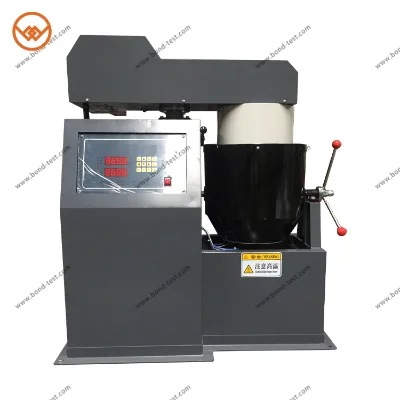
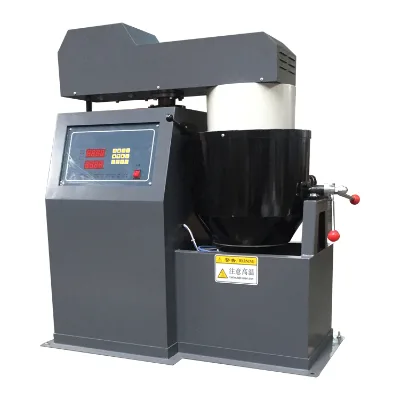
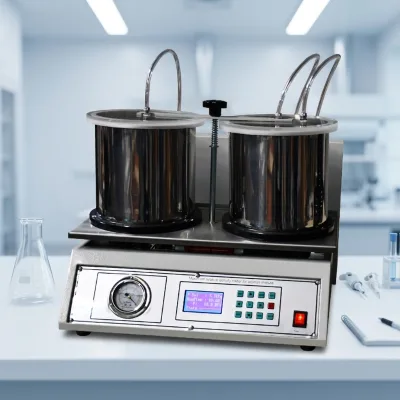
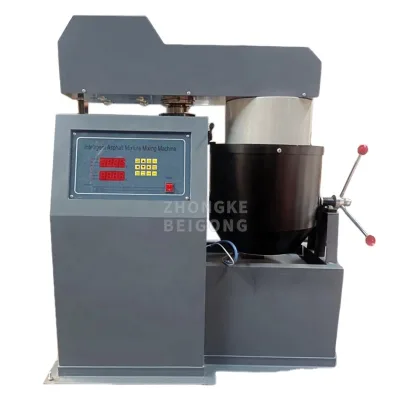
The current supplier landscape for asphalt mixture relative density testers shows a distinct concentration of manufacturing activity in Hebei, China, where specific factories produce instruments like the 20L Lab Digital Bitumen Mixture Mixer. These Hebei-based entities often operate as both manufacturers and trading companies, offering a dual capability to produce equipment directly while managing sales channels. The primary product lines from this cluster include NDT instruments, compression testing machines, and specialized soil and asphalt testing tools, indicating a specialized industrial ecosystem focused on construction material verification. Buyers observing this data should note that the presence of a manufacturer-trading hybrid model suggests a supply chain capable of handling both custom production runs and immediate stock availability for standard models.
In contrast, other regions such as Zhejiang, China, host suppliers with a combined company type that emphasizes a broader range of testing equipment, including universal testing machines and curing controller cabinets. These Zhejiang-based entities often hold ISO9001:2015 and ISO14001:2015 certifications, signaling a focus on standardized quality management systems alongside their product offerings. While the Hebei cluster appears heavily focused on specific asphalt mixing and density instruments, the Zhejiang suppliers demonstrate a wider portfolio that integrates asphalt mixture testing with concrete, rock, and cement analysis. Buyers should verify if a supplier's main product list aligns with their specific testing needs, as the concentration of specialized asphalt equipment varies significantly between these two major Chinese manufacturing hubs.
How to Verify Asphalt Mixture Relative Density Tester Suppliers
Verification of supplier credibility begins with examining response times and lead times, which serve as immediate indicators of operational efficiency. Data indicates that some suppliers in the Hebei region maintain a response time of approximately three days, while others in Zhejiang demonstrate faster engagement with a response time of 1.67 days. These metrics are critical for buyers planning urgent procurement cycles, as a slower response may signal a backlog or less dedicated sales support. Additionally, lead times vary significantly, with some suppliers quoting 15 days for delivery while others require up to 30 days. Buyers must cross-reference these timelines against their project schedules to ensure that the supplier can meet critical deadlines without compromising the integrity of the testing equipment delivery.
Beyond speed, buyers should scrutinize the specific product attributes and certifications listed in supplier profiles to confirm technical competence. For instance, certain models are explicitly described as adhering to ASTM or international standards, with features like IP65 protection classes and precise temperature control accuracies of ±3℃. The presence of OEM and ODM customization support is another vital verification point, as it indicates the supplier's ability to tailor equipment to specific laboratory requirements. Buyers should also check for warranty terms, which currently appear as one year for several models, and verify the voltage specifications to ensure compatibility with local power grids. Confirming these technical details prevents the acquisition of non-compliant equipment that could fail during critical asphalt mixture density testing procedures.
What to Compare Across Asphalt Mixture Relative Density Tester Suppliers
When evaluating multiple suppliers, the price range for asphalt mixture relative density testers offers a primary dimension for comparison, with costs varying from approximately $550 to $1,350 depending on the specific model and features. Some basic density meters are listed with a minimum price near $550, while more complex units with advanced digital displays and higher power ratings can reach up to $1,350. Buyers must analyze whether the price difference correlates with tangible value, such as improved accuracy, larger capacity, or enhanced durability features like the 240kg weight of certain mixers. It is essential to compare the price per unit against the stated capacity, such as 10L or 20L options, to determine the most cost-effective solution for the intended volume of testing.
In addition to pricing, the Minimum Order Quantity (MOQ) and customization capabilities are crucial factors for strategic sourcing decisions. Current data shows an MOQ of 1 for several items, allowing buyers to purchase single units for immediate testing needs without committing to large inventory volumes. However, suppliers offering OEM support may have different thresholds for custom branding or specific technical modifications. Buyers should also compare the main product portfolios to ensure the supplier can provide complementary equipment, such as soil test instruments or compression machines, which might be necessary for a comprehensive laboratory setup. Comparing these commercial terms alongside the technical specifications ensures a balanced evaluation that considers both immediate costs and long-term operational flexibility.
Common Asphalt Mixture Relative Density Tester Sourcing Risks
One significant risk in sourcing asphalt mixture relative density testers involves the potential mismatch between advertised specifications and actual performance capabilities. While product listings may claim high accuracy or specific temperature ranges, such as a heating pot range from room temperature to 250℃, buyers must verify these claims through independent testing or detailed technical documentation. The variation in voltage specifications, ranging from standard 220V to customized options, introduces a risk of equipment incompatibility if the local power supply does not match the supplier's configuration. Without rigorous verification, buyers may receive units that require expensive modifications or fail to operate correctly in their specific laboratory environment, leading to project delays and additional costs.
Another critical risk is the variability in lead times and the potential for supply chain disruptions, particularly when dealing with international shipping from China. While some suppliers offer a 15-day lead time, others may require 30 days, and these timelines can fluctuate based on raw material availability or production capacity. Buyers relying on tight project schedules must account for these potential delays and confirm the supplier's ability to meet deadlines before placing an order. Furthermore, the lack of standardized warranty terms across different suppliers can complicate after-sales support. A one-year warranty is common, but the scope of coverage and the process for claiming repairs or replacements vary, potentially leaving buyers without adequate protection if the equipment malfunctions shortly after installation.
Asphalt Mixture Relative Density Tester Regional Sourcing and Logistics
Sourcing from Hebei, China, presents specific logistical considerations due to the concentration of manufacturers in this region, which often specialize in NDT instruments and asphalt testing equipment. The proximity of these factories to major shipping ports can influence transit times and freight costs, making it a viable option for buyers seeking specialized density meters. However, buyers must verify the exact shipping terms and packaging standards, as some suppliers use standard export wooden packing while others utilize wooden cases for protection. Understanding the specific packaging requirements is essential to ensure that sensitive testing instruments arrive without damage, especially given the weight of some units, which can reach 240kg.
In contrast, sourcing from Zhejiang, China, offers access to suppliers with broader product ranges and established quality certifications like ISO9001:2015. The logistics from this region may differ slightly in terms of port availability and shipping routes, potentially affecting the overall delivery timeline. Buyers should compare the shipping costs and estimated transit times between these two regions to determine the most efficient sourcing strategy. Additionally, the presence of combined company types in Zhejiang suggests a more integrated approach to logistics, potentially offering better support for international orders. Regardless of the region, buyers must confirm the origin of the products, as some listings explicitly state "Made in China" or "Hebei, China," which can impact customs duties and import regulations in the buyer's country.
Asphalt Mixture Relative Density Tester Commercial Terms and Order Planning
Effective order planning for asphalt mixture relative density testers requires a clear understanding of the commercial terms, including payment structures and delivery conditions. While specific payment terms are not detailed in the current data, the availability of single-item selling units suggests flexibility for smaller orders. Buyers should negotiate terms that align with their cash flow, ensuring that the supplier offers secure payment methods such as escrow to protect against non-delivery or quality issues. The variation in lead times, ranging from 15 to 30 days, necessitates early planning to avoid bottlenecks in project timelines. Buyers must factor in these production windows when scheduling laboratory setup and testing activities to ensure equipment availability when needed.
Customization support is another key commercial term that influences order planning, as many suppliers offer OEM services for branding and technical modifications. This flexibility allows buyers to tailor equipment to specific laboratory standards, but it may extend the lead time beyond the standard 15 to 30 days. Buyers should clarify the timeline for custom orders and confirm the additional costs associated with branding or specific feature requests. Additionally, the warranty terms, typically listed as one year, should be reviewed to understand the coverage for repairs and replacements. By carefully planning these commercial aspects, buyers can mitigate risks and ensure a smooth procurement process that aligns with their operational requirements and budget constraints.
FAQs
What is the typical lead time for asphalt mixture testers?
The typical lead time for these machines is 15 days from order confirmation. Some suppliers in Zhejiang offer a 30-day window for customized orders. Buyers should confirm specific timelines based on their chosen model and shipping method before finalizing payment.
Do suppliers offer OEM customization for these testing instruments?
Yes, many manufacturers provide OEM customized support for asphalt mixture density meters. Buyers can request specific branding or technical adjustments to meet their laboratory standards. This service is available for models originating from Hebei and Zhejiang regions in China.
What is the minimum order quantity for asphalt density meters?
The minimum order quantity is typically one single item for most asphalt mixture testers. This allows buyers to purchase a single unit for initial testing or small-scale laboratory needs without requiring bulk inventory commitments from the supplier immediately.
Are these machines certified to international standards like ASTM?
Yes, several models are certified to meet ASTM and international standards for accuracy. These devices ensure reliable results for bitumen theoretical relative density testing. Buyers should verify specific certification documents with the supplier to ensure compliance with their local regulations.
What is the response time for supplier inquiries on this page?
Suppliers on this page typically respond within 1.67 to 3 hours during business days. This fast response time helps buyers clarify technical specifications and pricing details quickly. It ensures efficient communication for urgent procurement needs regarding asphalt testing equipment.
What voltage specifications are common for these laboratory mixers?
Common voltage specifications include 220V with a tolerance of plus or minus 10 percent. Some models offer customized voltage options to match local power grids. Buyers must check the specific product attributes to ensure compatibility with their facility's electrical infrastructure.
What warranty period is provided for asphalt testing machines?
Most suppliers provide a one-year warranty for their asphalt mixture testing instruments. This coverage typically includes defects in materials and workmanship under normal operating conditions. Buyers should review the specific warranty terms to understand the scope of support offered.