Tape Adhesion Tester Suppliers and Manufacturers
Compare 12 verified Tape Adhesion Tester suppliers in China Guangdong based on response times, lead times, certifications, and pricing. Review product specifications like ISO standards and customization options before contacting vendors for quotes; review the available evidence before requesting comparable quotations from suitable candidates.
Suppliers List

Dongguan Huanyi Instrument Technology Co., Ltd.
- Verified by SGS
- Combined
- China Guangdong
- Lead time30 days
- Avg. response≤ 5h
Main productslaboratory instruments and equipment
Main marketsSoutheast Asia/ Mideast,Domestic,North America

PW INSTRUMENTS (GUANGDONG) CO., LTD.
- Verified by BV
- Combined
- China Guangdong
- Lead time23 days
- Avg. response≤ 3h
Main productsUniversal Material Testing Machine, Climate Test Chamber, Optical Measurement Machine, Physical Property Testing Machine
Main marketsSouth America,Africa,Southeast Asia/ Mideast,East Asia(Japan/ South Korea),Domestic,Europe,Australia,North America

180 Degree Peel Adhesion Tester for Pressure Sensitive Adhesive Tape Testing
$7000.00 - $8000.00
MOQ: 1 Pieces

Peel Strength Tester Peel Adhesion Tester High Speed Adhesive Tape Testing Machine
$3000.00 - $10000.00
MOQ: 1 Pieces


Peel Strength Tester High Speed Peel Adhesion Tester for Tape Testing
$3000.00 - $10000.00
MOQ: 1 Pieces


Changzhou United Win Pack Co., Ltd.
- Manufacturer/Factory
- China Jiangsu
- Lead time68 days
- Avg. response≤ 17h
Main productsTape Extrusion Line, Monofilament Extrusion Line, Extrusion Coating Lamination Line, Circular Loom Machine, FIBC Bag Making Machine, Artificial Grass Production Line, Adhesive Tape Making Machine, Automatic Cutting and Sewing Machine, Woven Sack Flexo Printing Machine, Hydraulic Baling Rress Machine
Main marketsMid East,North America,Southeast Asia,Africa

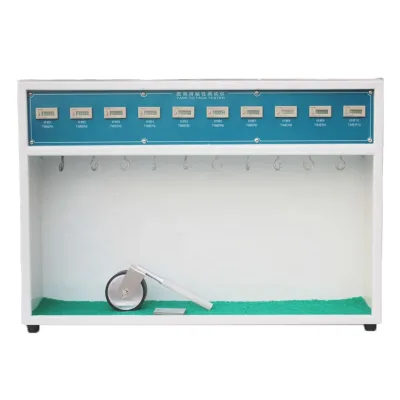
Normal Temperature Adhesion Testing Machine Lasting Adhesive Tape Tester
$900.00 - $1500.00
MOQ: 1 Sets

Adhesive Strength Tape Retention Testing Machine with Temperature Control
$2000.00 - $4000.00
MOQ: 1 Sets

Dongguan Nanxus Information Technology Co., Ltd
- Manufacturer/Factory
- China Guangdong
- Lead time23 days
- Avg. response≤ 7h
Main productsUniversal Testing Equipment, Testing Equipment, Laboratory Equipment, Climatic Chamber, Temperature Controller, Environmental Chamber, Battery Tester, Tensile Testing, Humidity Chamber, Testing Machine
Main marketsSouth America,Eastern Europe,Mid East,North America,Southeast Asia,Eastern Asia,Oceania,Western Europe,Africa


Oven Type Tape Retention Tester Protective Films Thermostatic Adhesive Tape Retention Tester
Contact supplier
MOQ: 1 Pieces


Hangzhou Zhiyi Technology Co., Ltd
- Verified by SGS
- Manufacturer/Factory
- China Zhejiang
- Lead time15 days
- Avg. response≤ 2h
Main productsWhiteness Meter, Environment Chamber, Transmission Densitometer, Tensile Tester, Color Assessment Light Booth, Opacity Meter
Main marketsSouth America,Eastern Europe,Mid East,North America,Southeast Asia,Eastern Asia,Oceania,Western Europe,Africa

$800.00 - $1200.00
MOQ: 1 Pieces

Room Temperature Shear Adhesion Tester of Pressure-Sensitive Tapes Retention Tester (ASTM D3654)
$800.00 - $1200.00
MOQ: 1 Pieces

Paratronix Instruments Co., Ltd
- Verified by TUVRHEINLAND
- Combined
- China Shandong
- Lead time15 days
- Avg. response≤ 5h
Main productsAir Permeability Tester, Water Vapor Transmittance Tester, Oxygen Permeability Tester, Leak Tester, Bone Screw Performance Tester, Catheter Sliding Performance Tester, Thickness Tester, Tensile Tester, Hot Sealing Tester, Tearing Tester
Main marketsDomestic


$799.00 - $999.00
MOQ: 1 Sets

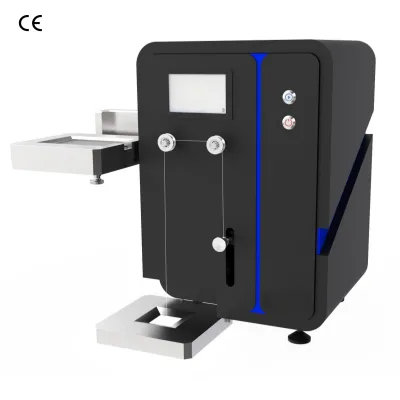
Adhesive Tape and Label Initial Tack Tester Primary Adhesive Tack Tester
$799.00 - $999.00
MOQ: 1 Sets


Suzhou Tophung Machine Equipment Co., Ltd.
- Verified by TUVRHEINLAND
- Combined
- China Jiangsu
- Lead time15 days
- Avg. response≤ 3h
Main productsTesting Machine, Tensile Testing Machine, Universal Testing Machine, Bending Testing Machine, Cable Testing Equipment, Photovoltaic Cell Testing Machine, Dry Chamber, Impact Test, Test Machine, Fatigue Testing Equipment
Main marketsSoutheast Asia/ Mideast,Australia
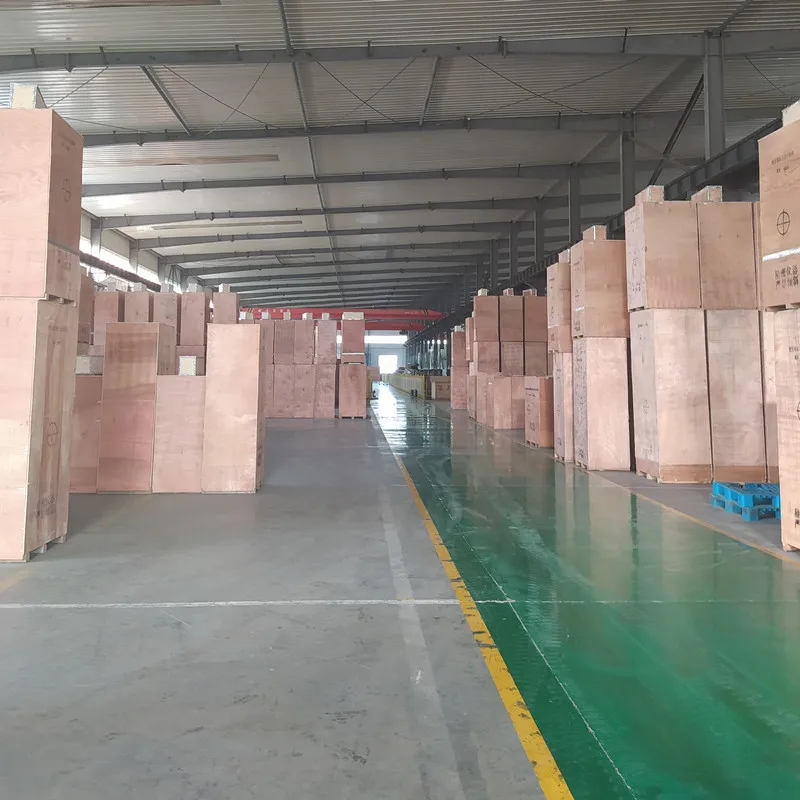
Cangzhou Zhulong Engineering Instrument Co., Ltd.
- Manufacturer, Trading Company
- Hebei, China
- Lead time15 days
- Avg. response≤ 6h
Main productsUniversal test machine,compression test machine,Blast drying oven,Box type high temperature furnace,concrete Gas content
Main marketsSoutheast Asia(15.00%), North America(15.00%), Eastern Europe(10.00%), Mid East(10.00%), South America(5.00%), Domestic Market(5.00%), South Asia(5.00%), Southern Europe(5.00%), Northern Europe(5.00%), Central America(5.00%), Western Europe(5.00%), Eastern Asia(5.00%), Oceania(5.00%), Africa(5.00%)

Suzhou Qiantong Instrument Equipment Co., Ltd.
- Combined
- China Jiangsu
- Lead time23 days
- Avg. response≤ 2h
Main productsUniversal Testing Machine, Solar Cell Temsile Testing Machine, Melt Flow Rate Measurer, Hydraulic Testing Machine
Main marketsSoutheast Asia/ Mideast,East Asia(Japan/ South Korea),Domestic,North America

CHANGSHA LANGSHUO TECHNOLOGY CO LTD
- Verified by TUVRHEINLAND
- Trading Company
- China Hunan
- Lead time15 days
- Avg. response≤ 7h
Main productsUniversal Tensile Testing Machine, Plastic Test Machine, Packaging Test Machine, Ink Proofers, Contact Angle Testers, Paint Coating Test Machine, Viscometer Densimeter Gloss Meter, Surface Roughness Meter Vibration Meter, Video Measuring Machine Profile Projector, Hardness Tester
Main marketsSouth America,Africa,Southeast Asia/ Mideast,Europe,Australia,North America
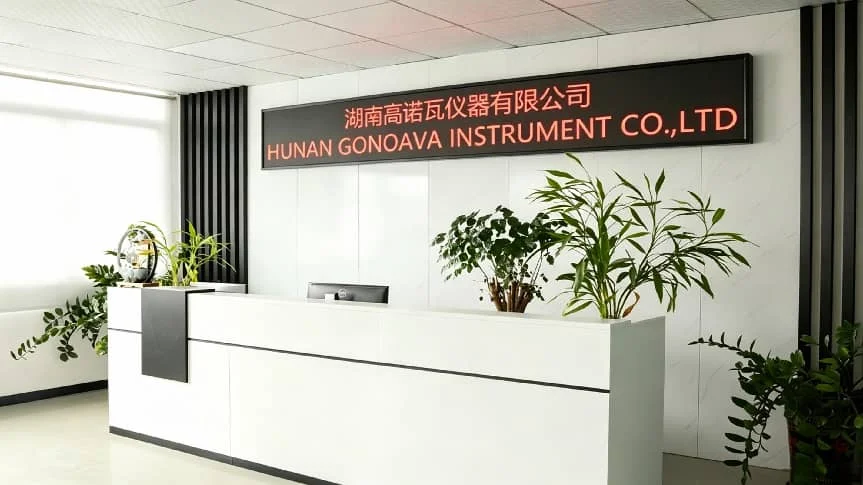
Hunan Gonoava Instrument Co., Ltd.
- Trading Company
- Hunan, China
- Lead time10 days
- Avg. response≤ 4h
Main productsspectrophotometer,Petroleum oil tester,Environmental test chamber,Testing Machine,Contact Angle Tester
Main marketsEastern Asia(20.00%), Northern Europe(10.00%), North America(10.00%), Oceania(10.00%), Domestic Market(5.00%), South Asia(5.00%), Southern Europe(5.00%), Southeast Asia(5.00%), Central America(5.00%), Western Europe(5.00%), Eastern Europe(5.00%), Mid East(5.00%), South America(5.00%), Africa(5.00%)

HAWSON INTERNATIONAL INDUSTRIAL LIMITED
- Trading Company
- China Zhejiang
- Lead time45 days
- Avg. response≤ 25h
Main productsSaddlery, Equestrian Products, Grooming Kit, Whips, Harness, Brush Hoof Pick, Dog Apparel, Girth Halter Lead Rope Bandage, Bag, Horse Stable Rack
Main marketsSouth America,Southeast Asia/ Mideast,Europe


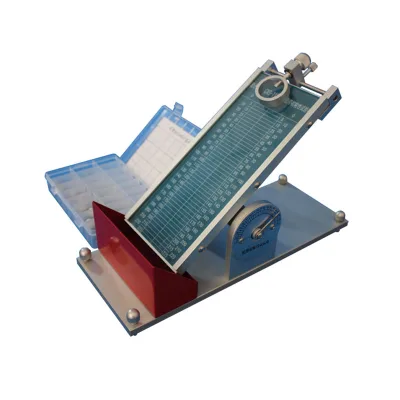
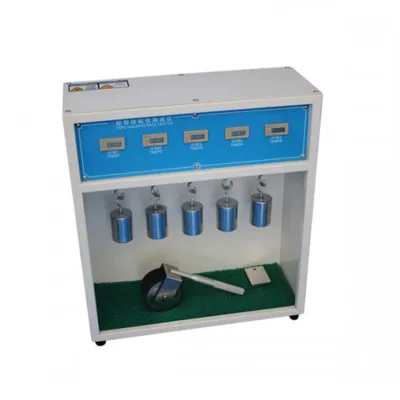




Comprehensive Sourcing Guide
Tape Adhesion Tester Supplier Concentration and Factory Types
The available data indicates a concentration of manufacturers in China Guangdong, specifically noting Dongguan as a specific origin point for certain universal testing machines and adhesive testers. This region hosts combined company types that offer both Original Design Manufacturing and Original Equipment Manufacturing capabilities, suggesting a mature ecosystem for producing laboratory instruments. Buyers should verify if the specific factory they engage operates within this cluster, as proximity to component suppliers often influences lead times and customization flexibility. The presence of ODM and OEM capacities implies these facilities can adapt standard designs for specific market needs, though the extent of this customization varies by vendor.
When assessing factory types, look for suppliers explicitly stating their company structure as combined entities rather than pure trading companies. These combined firms often possess in-house research and development teams capable of handling complex testing equipment like pressure-sensitive tape testers. However, not all suppliers in the results list display the same level of manufacturing depth; some may rely on external partners for specific components. Buyers must confirm whether the supplier's main products include the specific Tape Adhesion Tester model required, as some vendors focus broadly on universal material testing machines while others specialize in adhesive performance instruments.
How to Verify Tape Adhesion Tester Suppliers
Verification of supplier credibility relies heavily on third-party audit results and system certifications found in the product data. Several suppliers in the current results hold ISO9001:2015 and ISO14001:2015 certificates, which indicate adherence to quality management and environmental standards. Others may display verification badges from agencies like SGS or BV, which serve as external validation of the supplier's business legitimacy and operational capacity. Buyers should request current copies of these certificates to ensure they have not expired, as the presence of a badge does not guarantee the validity of the underlying documentation.
Beyond certifications, response time and verification status provide immediate indicators of supplier reliability. Data shows response times ranging from approximately 2.27 to 4.18 hours, which can reflect the efficiency of the sales and technical support teams. A faster response time often correlates with better communication channels, crucial for resolving technical queries regarding testing angles or load methods. Buyers should also check if the supplier offers escrow services or other payment protections, as these mechanisms add a layer of security to the transaction. Always cross-reference the claimed verification status with the supplier's profile to ensure consistency before proceeding with any order.
What to Compare Across Tape Adhesion Tester Suppliers
Comparing suppliers requires a detailed analysis of technical specifications, pricing structures, and production capabilities. The product data reveals a wide price range, with some tape testers listed between $800 and $1500, while high-speed or universal models can reach up to $16,000. Buyers must distinguish between basic adhesion testers and advanced universal testing machines that offer higher load capacities and servo control. It is essential to verify if the price includes necessary accessories like software, connection cables, or specific fixtures, as some listings include these while others may charge extra.
Lead times and minimum order quantities are critical factors in the comparison process. Current data indicates lead times varying from 23 to 30 days, which impacts project scheduling and inventory planning. The minimum order quantity appears to be as low as one unit for many items, offering flexibility for small-scale procurement, but bulk orders might trigger different pricing tiers. Additionally, compare the customization options available; some suppliers offer computer control and digital displays as standard, while others may require specific requests for adjustable testing angles or dynamic load methods. Evaluating these variables side-by-side ensures the selected supplier aligns with both technical requirements and budget constraints.
Common Tape Adhesion Tester Sourcing Risks
One significant risk involves the discrepancy between advertised specifications and actual product performance, particularly regarding testing standards. While some products claim compliance with GB 4852 or JIS Z0237, buyers must verify if the machine has been independently tested against these specific protocols. The data shows varying product standards, with some listed as "Customized" rather than adhering to a fixed international norm. This ambiguity can lead to non-compliance issues if the equipment is intended for regulatory testing or quality assurance in regulated industries. Buyers should explicitly request test reports or calibration certificates to confirm the machine's accuracy and adherence to the claimed standards.
Another risk relates to the warranty and after-sales support structure. While some listings mention a one-year warranty, the scope of coverage often remains undefined in general product descriptions. Buyers need to clarify what components are covered, such as the servo motor or control panel, and whether on-site support is included for complex installations. The absence of detailed warranty terms in the initial data suggests that these agreements are negotiated individually. Furthermore, reliance on a single supplier for critical testing equipment without a backup plan can disrupt operations if the supplier faces production delays or quality issues. Establishing clear service level agreements is essential to mitigate these operational risks.
Tape Adhesion Tester Regional Sourcing and Logistics
Sourcing from the identified region of China Guangdong offers logistical advantages due to established export infrastructure, but buyers must account for specific shipping requirements. The product data indicates that items are typically packed in standard export wooden boxes or strong wooden cases to protect sensitive testing instruments during transit. This packaging is crucial for heavy equipment like universal testing machines, which can weigh up to 1000kg. Buyers should verify if the quoted price includes freight insurance and if the supplier handles customs documentation, as these factors significantly impact the final landed cost.
Logistics planning must also consider the lead time variability observed in the data, which ranges from 23 to 30 days. This production window does not include shipping duration, which can add several weeks depending on the destination port and shipping method selected. Buyers should factor in potential delays caused by customs inspections or port congestion, especially when importing specialized laboratory equipment. It is advisable to confirm the supplier's experience with international shipping to ensure proper handling of fragile components like digital displays and precision sensors. Clear communication regarding delivery timelines and Incoterms is necessary to avoid unexpected costs or delays in receiving the equipment.
Tape Adhesion Tester Commercial Terms and Order Planning
Commercial terms for tape adhesion testers often involve flexible payment structures and detailed customization agreements. The data shows a minimum order quantity of one unit, allowing buyers to test the supplier's capabilities with a single purchase before committing to larger volumes. However, for customized models or bulk orders, buyers should negotiate specific payment milestones that align with production stages. It is vital to confirm whether the price includes all necessary accessories, such as software licenses or specific fixtures, as some listings may exclude these items from the base price. Clear definition of these inclusions prevents disputes during the order fulfillment process.
Order planning should account for the specific technical requirements of the testing environment, such as power source compatibility and control methods. Most listed products operate on AC220V and feature computer control, but buyers must verify voltage compatibility with their local grid to avoid the need for expensive transformers. Additionally, the availability of spare parts and the duration of the warranty period should be integrated into the long-term operational plan. Buyers should also consider the scalability of the supplier's capacity, ensuring they can meet future demand if the initial order is successful. Establishing a robust relationship with the supplier early on facilitates smoother communication and faster resolution of any technical or logistical issues that may arise.
FAQs
What is the price range for tape adhesion testers?
Prices for tape adhesion testers range from 800 to 16,000 units depending on the specific model and capabilities. Basic units start around 800, while high-speed or universal machines can reach 16,000. Buyers should verify exact pricing for their required testing standards before ordering.
How long does it take to receive these testers?
Lead times for delivery vary between 23 and 30 days based on the supplier and product configuration. Some manufacturers offer faster turnaround times around 23 days, while others may require up to 30 days for standard export packaging. Confirm specific schedules with the vendor.
Are these testers available for customization?
Yes, customization is available for many tape adhesion testers to meet specific laboratory requirements. Suppliers offer options for computer control, digital displays, and adjustable testing angles. Buyers can request tailored specifications for power sources or loading methods to fit their unique testing needs.
What certifications do the suppliers hold?
Some suppliers hold ISO9001:2015 and ISO14001:2015 certifications for their quality and environmental management systems. Others may display TUV or CE marks on specific machines. Verification status varies, with some suppliers verified by SGS or BV, so buyers should check individual supplier profiles for current credentials.
Where are these testing instruments manufactured?
These testing instruments are manufactured in China, specifically in the Guangdong region and Dongguan. The products originate from this location and are packed in standard export wooden boxes for safe shipping. Buyers should confirm the exact origin city for logistics planning.
What is the minimum order quantity required?
The minimum order quantity for these testers is typically one unit, allowing for single purchases. This low MOQ makes it accessible for laboratories needing just one machine for specific testing protocols. Buyers can order single units without needing to meet bulk purchase thresholds.
How quickly do suppliers respond to inquiries?
Supplier response times vary, with some responding within 2.27 hours and others taking up to 4.18 hours. Faster response times indicate higher availability for immediate technical support or quotation requests. Buyers should expect responses within this range when contacting potential vendors.