Gas Cylinder Endurance Pressure Test Suppliers and Manufacturers
Find 18 verified suppliers offering Gas Cylinder Endurance Pressure Test equipment with varying lead times, response speeds, and locations in China. Compare specifications like accuracy grades, customization options, and pricing to select the right partner for your testing needs; review the available evidence before requesting comparable quotations from suitable candidates.
Suppliers List

Shandong Terek Fluid Technology Equipment CO., LTD
- Trading Company
- China Shandong
- Lead time15 days
- Avg. response≤ 6h
Main productsBooster Pump, Pneumatic Booster Pump, Hydrostatic Test Bench and Burst Test Equipment, Safety Valve Test Machine, Pressure Test Equipment
Main marketsSouth America,Southeast Asia/ Mideast,Europe

Dongguan Suncenter Fluid Pressure Technology Co., Ltd
- Combined
- China Guangdong
- Lead time23 days
- Avg. response≤ 25h
Main productsGas Booster, Air Driven Liquid Pump, Hydraulic Test Bench, Hydrostatic Test Machine, Valve Test Bench, Pressure Test Equipment
Main marketsSouth America,Southeast Asia/ Mideast,Europe

$4500.00 - $4600.00
MOQ: 1 Pieces


Changshu Evergrande Imp. & Exp. Co., Ltd.
- Verified by TUVRHEINLAND
- Trading Company
- China Jiangsu
- Lead time30 days
- Avg. response≤ 6h
Main productsMetal Etching Panels and Parts, Vegetable Parchment Paper, Tool Carts and Cabinets, Industrial Carpets and Floorings, Spinpack Parts and Accessories
Main marketsEurope

Gas Cylinders Engine Testing Pressure Gauge Compression Tester Diagnostic Tools
$20.00 - $80.00
MOQ: 500 Pieces


Diesel Compression Tester Cylinder Pressure Meter Engine Testing Tools
$20.00 - $80.00
MOQ: 500 Pieces


Hangzhou ChengYingYi Energy Technology Co., Ltd.
- Combined
- China Zhejiang
- Lead time23 days
- Avg. response≤ 21h
Main productsAir Separation Plant, Natural Gas Liquefaction Plant, Psa/Vpsa Oxygen/Nitrogen Generator, LNG/L-CNG Filling Station, CO2 Recovery Liquefaction Plant, Cryogenic Liquid Storage Tank, Cryogenic Liquid Pump, Vaporizer, Gas Compressor, Automatic Gas Filling System
Main marketsSouth America,Africa,Southeast Asia/ Mideast,East Asia(Japan/ South Korea),Domestic,Europe,Australia,North America
Jinan Haideno Machinery Automation Co., Ltd.
- Verified by SGS
- Combined
- China Shandong
- Lead time30 days
- Avg. response≤ 2h
Main productsPressure Testing Equipment, Gas Cylinder Testing Equipment, Gas Filling System Equipment, Valve Test Bench
Main marketsDomestic

Reliable External Measurement Method Water Pressure Testing Machine for Gas Cylinders
$19000.00 - $20000.00
MOQ: 1 Pieces

$19000.00 - $20000.00
MOQ: 1 Pieces

External Measurement Water Pressure Test Equipment for Gas Cylinders Performance Testing
$19000.00 - $20000.00
MOQ: 1 Pieces

Durable Water Pressure Tester for Gas Cylinders with External Measurement System
$19000.00 - $20000.00
MOQ: 1 Pieces

Gas Cylinder Water Pressure Testing Equipment - Factory Automatic, High-Safety External Test
$19000.00 - $20000.00
MOQ: 1 Pieces

Gas Cylinder Hydraulic Pressure Tester with External Measurement Method
$19000.00 - $20000.00
MOQ: 1 Pieces

Taizhou Yuehai Manufacturing Co., Ltd.
- Verified by TUVRHEINLAND
- Manufacturer/Factory
- China Jiangsu
- Lead time60 days
- Avg. response≤ 21h
Main productsLPG Cylinder Production Line, LPG Cylinder Re-Validation Line, LPG Cylinder Welding Machine, Hydrostatic Pressure Testing, Shot Blasting Machine, Zinc Painting Machine, Powder Painting Line, LPG Sphere, LNG Cryogenic Tanks, LPG Cylinder Manufacturing Plant
Main marketsSouth America,Eastern Europe,Mid East,Southeast Asia,Eastern Asia,Oceania,Western Europe,Africa

Jiangsu Wallong-Hsin Machinery Engineering Corporation Ltd.
- Combined
- China Jiangsu
- Lead time45 days
- Avg. response≤ 9h
Main productsUniversal Testing Machine, Test Equipment, Rolling Elements, Transmission Parts, Harvesting Machine, Planting Machine, Agricultural Hub, Pneumatic Actuator, Bearing, Saddle Valve Pairs
Main marketsSouth America,Africa,Southeast Asia/ Mideast,East Asia(Japan/ South Korea),Domestic,Europe,Australia,North America
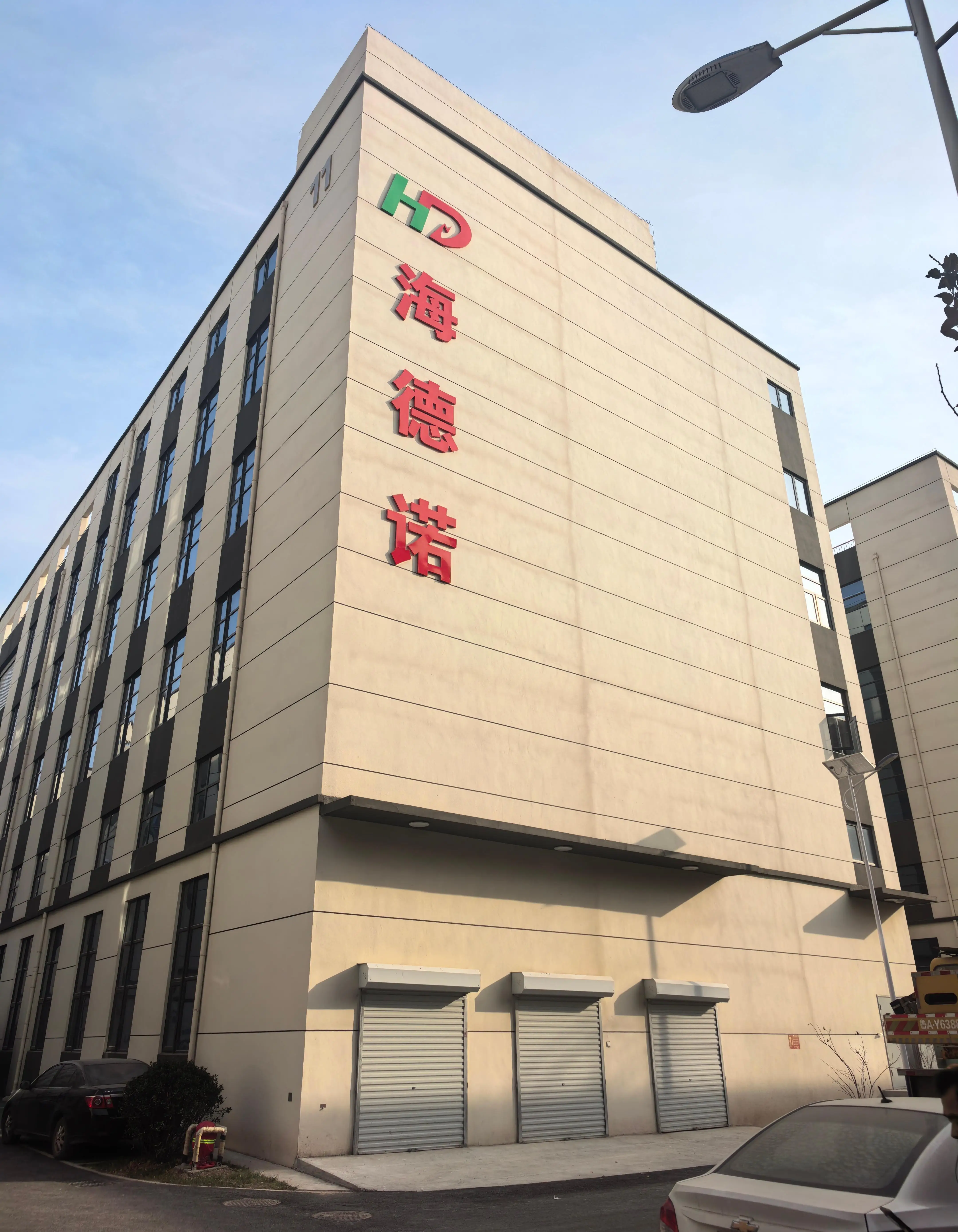
Jinan Haideno Machinery Automation Co., Ltd.
- Manufacturer, Trading Company
- Shandong, China
- Lead time30 days
- Avg. response≤ 1h
Main productsGas cylinder testing equipment,Gas cylinder filling equipment,Pressure testing equipment,Valve testing equipment,Gas cylinder handling equipment
Main marketsDomestic Market(49.00%), Africa(10.00%), South America(7.00%), Eastern Europe(6.00%), Eastern Asia(6.00%), Western Europe(5.00%), Mid East(5.00%), North America(5.00%), Southeast Asia(4.00%), Oceania(3.00%)
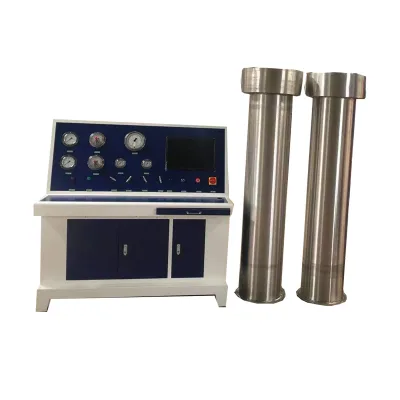
$16500.00 - $16800.00
MOQ: 1
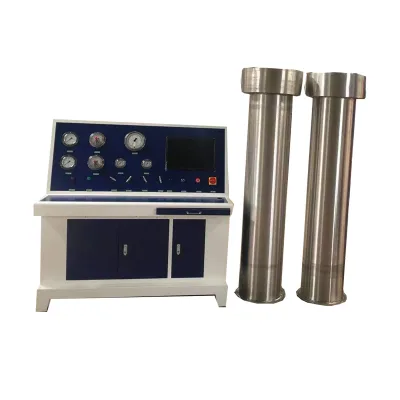
$16500.00 - $16800.00
MOQ: 1
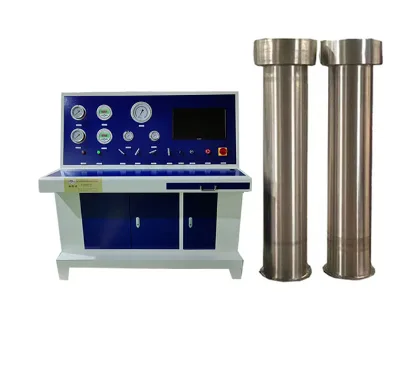
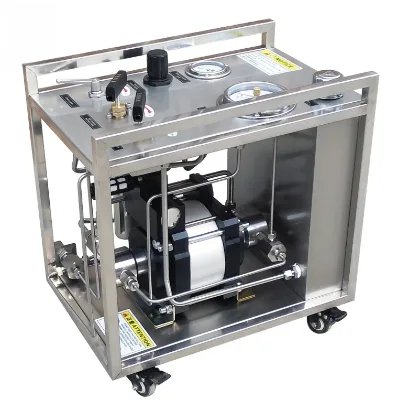

Wuxi Longterm Machinery Technologies Co., Ltd.
- Verified by TUVRHEINLAND
- Manufacturer/Factory
- China Jiangsu
- Lead time90 days
- Avg. response≤ 4h
Main productsLPG Gas Cylinder Production Line, LPG Gas Cylinder Body Welding Line, CNG Cylinder Hot Spinning Machine, Fire Extingushier Forming Machine, Cable Machinery, Cylinder Welding Machine, Steel Drum Machinery, Steel Drum Welding Machine, CNG Tank Forming Machine
Main marketsSouth America,Eastern Europe,Mid East,North America,Southeast Asia,Eastern Asia,Oceania,Western Europe,Africa

LPG Cylinder Air Leakage Testing Machine Unit LPG Cylinder Air Tightness Test
$5000.00 - $35000.00
MOQ: 1 Sets


Shanghai Unitychy International Trade Co., Ltd
- Verified by SGS
- Trading Company
- China Shanghai
- Lead time30 days
- Avg. response≤ 2h
Main productsGas Cylinder Testing Equipment, Gas Filling System Equipment, Manufacturing Inspection Equipment, Carbon Dioxide Filling Equipment, F200 Filling System Equipment, Air Leak Test Machine, Cylinder Pressure Bursting Test, Liquefied Petroleum Gas (LPG) Cylinder Testing E, Seamless Cylinder Testing Equipment
Main marketsSouth America

Reliable Solutions for Gas Cylinder Testing and Maintenance Equipment
$2200.00 - $3550.00
MOQ: 1 Pieces

SHANGHAI RISEON INDUSTRY CO., LTD.
- Verified by TUVRHEINLAND
- Manufacturer
- China Shanghai
- Lead time15 days
- Avg. response≤ 16h
Main productsco2 cylinder

Inexpensive Precision Pressure Test High Pressure CNG Tank Gas Cylinder
$80.00 - $120.00
MOQ: 10 Pieces

Factory Price Precision Pressure Test High Pressure CNG Tank Gas Cylinder
$80.00 - $120.00
MOQ: 10 Pieces


High Quality Precision Pressure Test High Pressure CNG Tank Gas Cylinder
$80.00 - $120.00
MOQ: 10 Pieces

Chengdu Cqmec Machinery and Equipment Co., Ltd.
- Verified by SGS
- Trading Company
- China Sichuan
- Lead time30 days
- Avg. response≤ 2h
Main productsFire Extinguisher, Fire Fighting Equipments
Main marketsSouth America,Africa,Southeast Asia/ Mideast,Domestic,Europe,North America

WOR-BIZ INDUSTRIAL PRODUCT CO., LIMITED (ANHUI)
- Verified by BV
- Trading Company
- China Anhui
- Lead time30 days
- Avg. response≤ 5h
Main productsRough in Plumbing, Gas Fuel Piping, Commercial Cooking, Water Heater Part
Main marketsSoutheast Asia/ Mideast,Europe,North America

Shandong Yongan Special Equipment Co., Ltd.
- Manufacturer
- China Shandong
- Lead time30 days
- Avg. response≤ 13h
Main productsOxygen Cylinder, Gas Cylinder, Argon Cylinder, Nitrogen Cylinder, Mixed Gas Cylinder, LPG, Cylinder Accessories, CO2 Cylinder, Helium Cylinder, Hydrogen Cylinder
Main marketsSouth America,Africa,Southeast Asia/ Mideast,East Asia(Japan/ South Korea),Domestic,Europe,Australia,North America
SHANGHAI JUST BETTER TOOLS CO., LTD.
- Trading Company,Manufacturer/Factory
- China Shanghai
- Lead time0 days
- Avg. response≤ 15h
Main productsPdr Tools, Auto Tools, Paintless Dent Repair Tools, Car Dent Repair Tools, Dent Tool Kit, Dent Puller Kit, Pdr Car Body Repair Tool, Pdr Kit

Cylinder Leakage Tester 2 Gauge
MOQ: 300 Sets

High Pressure Tester for Fuel Circuit
MOQ: 300 Sets
- Verified by SGS
- Combined
- China Hubei
- Lead time15 days
- Avg. response≤ 4h
Main marketsDomestic

Durable Seamless Steel Gas Cylinder with Test Pressure 300 Bar for Safety
$50.00 - $100.00
MOQ: 100 Pieces

High Pressure Gas Cylinder for CO2 Nitrogen and Mixed Gases Wholesale
$50.00 - $100.00
MOQ: 100 Pieces


300 Bar Test Pressure Heavy Duty Industrial Gas Cylinder From China Manufacturer
$50.00 - $100.00
MOQ: 100 Pieces

Trusted Brand Calibration Gas Bottle and Environmental Test Gas Cylinder Supplier
$50.00 - $100.00
MOQ: 100 Pieces
Shandong Yizhong Industrial Co., Ltd
- Manufacturer
- China Shandong
- Lead time15 days
- Avg. response≤ 3h
Main productsYds Liquid Nitrogen Container / Tank / Cylinder, Blast Freezer /IQF Freezer /Tunnel Freezer, Industrial Gases Laboratory Gases, Food Grade Carbon Dioxide, Gas Cylinder /Tank Container /ISO Tank, Ethylene Sulfur Dioxide Argon, Liquid Nitrogen Doser, Oxygen Generators, Alarm Devices for Gas Safety, Vaporizers Pressure Relief Valves
Main marketsDomestic

CBM TECHNOLOGIES (NINGBO) CO., LTD.
- Verified by BV
- Trading Company,Manufacturer/Factory
- China Zhejiang
- Lead time23 days
- Avg. response≤ 7h
Main productsSeamless Steel Gas Cylinders, Aluminum Gas Cylinders, Acetylene Cylinders, Gas Regulators, Gas Cylinder Valves & Parts, Oxygen Cylinder Trolleys, Medical Gas Outlets, Gas Adaptors, Respiratory Products, Gas Equipment Parts
Main marketsSouth America,Eastern Europe,Mid East,North America,Southeast Asia,Eastern Asia,Oceania,Western Europe,Africa


High Strength 80L 267mm High Pressure C02 Gas Cylinders
MOQ: 100 Pieces


Comprehensive Sourcing Guide
Gas Cylinder Endurance Pressure Test Supplier Concentration and Factory Types
Current data indicates a concentration of suppliers in China, specifically within the Shandong and Guangdong provinces, where manufacturers produce pneumatic booster pumps, hydrostatic test benches, and burst test equipment. These regions host companies offering compression testing machines and high-pressure water pumps, which are essential for gas cylinder endurance testing. The supplier base includes trading companies and combined entities that may offer both manufacturing and trading services. Some facilities in Shandong list Jinan as their origin, while others in Guangdong focus on air-driven liquid pumps and valve test benches. This geographic clustering suggests a specialized industrial ecosystem for pressure testing instrumentation, though specific factory locations beyond these provinces remain unverified in the current dataset.
Buyers should identify manufacturing clusters by examining the origin fields in product attributes, such as Jinan or Shandong, rather than relying on general country-level data. The presence of companies with RD capacity for ODM and OEM services indicates a mix of pure trading firms and actual manufacturers. When evaluating concentration, look for suppliers listing main products like hydraulic test benches or gas tightness test equipment, as these are strong indicators of a specialized facility. If a supplier lists diverse unrelated products like metal etching panels or vehicle tools alongside pressure testers, it may signal a trading company rather than a dedicated factory. Verifying the specific province and city of origin is critical to distinguishing between a specialized production hub and a general trading entity.
How to Verify Gas Cylinder Endurance Pressure Test Suppliers
Verification begins with checking for third-party certifications such as TUVRHEINLAND, which appears in the current supplier data as a verified status for certain entities. Buyers must confirm if a supplier holds this specific certification or equivalent standards before proceeding, as it validates their operational compliance. The response time metric, ranging from approximately 5 hours to 25 hours in the observed data, serves as a proxy for operational efficiency and communication reliability. A supplier with a response time under six hours may indicate a more active sales team, whereas longer delays could suggest a larger, less agile organization. Buyers should request proof of these certifications and cross-reference them with the supplier's claimed capabilities to ensure authenticity.
In addition to certifications, buyers should scrutinize the customization availability and product attributes listed in the supplier's catalog. The current data shows that many products offer customization, which is a positive indicator of a flexible manufacturing process. However, buyers must verify if the customization extends to the specific engineering requirements of their gas cylinder endurance tests. Checking the product model numbers, such as LU-LDD-100 or SHT-DGT60-MC, against the supplier's technical documentation can confirm if they are the actual source of the equipment. If a supplier claims to be a manufacturer but lists generic packing or standard dimensions without specific engineering details, it may be a trading intermediary. Always request detailed technical drawings or factory audit reports to confirm the manufacturing capability behind the listed products.
What to Compare Across Gas Cylinder Endurance Pressure Test Suppliers
When comparing suppliers, the lead time is a critical differentiator, with observed ranges spanning from 15 days to 30 days depending on the specific product and location. A supplier in Shandong might offer a 15-day lead time for standard pressure testers, while a facility in Jiangsu could require 30 days for more complex engine testing tools. Buyers must align these timelines with their project schedules, as a shorter lead time does not always guarantee higher quality. It is essential to ask for a detailed production schedule that breaks down the lead time into raw material sourcing, manufacturing, and quality control phases. Comparing these granular timelines helps identify suppliers who can meet urgent delivery needs without compromising on the rigorous testing required for gas cylinders.
Another vital comparison point is the Minimum Order Quantity (MOQ) and pricing structure, which vary significantly across the supplier pool. Some suppliers list an MOQ of just one unit for specific pressure testers, while others require bulk orders of 500 pieces for diagnostic tools. The price range also fluctuates, with some equipment listed at $2,100 and others at $20,000 or more, depending on the complexity and capacity of the test bench. Buyers should calculate the total cost of ownership, including shipping and potential customization fees, rather than focusing solely on the unit price. Comparing the price-to-MOQ ratio helps determine which suppliers offer the best value for small-scale testing needs versus large-scale industrial procurement. Always verify if the quoted price includes standard export plywood wooden case packaging or if additional costs apply for specialized shipping.
Common Gas Cylinder Endurance Pressure Test Sourcing Risks
One significant risk involves the discrepancy between the supplier's main product focus and the specific equipment required for gas cylinder endurance testing. The current data shows suppliers offering a wide array of products, from vegetable parchment paper to high-pressure gas cylinders, which may indicate a lack of specialization. If a supplier's primary business is not pressure testing equipment, they may lack the technical expertise to support complex endurance tests or provide accurate calibration. Buyers should prioritize suppliers whose main products explicitly include hydrostatic test benches, burst test equipment, or safety valve test machines. Relying on a generalist supplier for critical safety testing equipment increases the risk of receiving substandard or incompatible machinery that fails to meet industry safety standards.
Another risk is the potential for inaccurate or incomplete product specifications, particularly regarding accuracy grades and weight capacities. The observed data lists accuracy grades as "0.Display:Needle" or "0.Control:Manual Control," which may not be sufficient for high-precision endurance testing. Buyers must verify the exact accuracy specifications and ensure they match the requirements of their specific gas cylinder testing protocols. Additionally, the weight of the equipment, ranging from 0-100kg to 100-500kg, impacts installation and operational logistics. If a supplier provides vague or inconsistent data on these attributes, it suggests a lack of rigorous quality control. Always request a detailed specification sheet and, if possible, a video demonstration of the equipment in operation to confirm its performance capabilities before finalizing any purchase.
Gas Cylinder Endurance Pressure Test Regional Sourcing and Logistics
Sourcing from China, specifically the Shandong and Guangdong provinces, offers access to a dense network of pressure testing equipment manufacturers. The logistics from these regions are well-established, with suppliers typically using standard export plywood wooden case packaging or wooden crates to protect heavy machinery during transit. However, the distance and shipping costs can vary significantly depending on the final destination. Buyers should factor in the lead time differences between regions, as a supplier in Jiangsu might have a longer lead time of 30 days compared to the 15 days seen in Shandong. Understanding these regional nuances helps in planning the supply chain more effectively and avoiding unexpected delays in receiving critical testing equipment.
Logistics planning must also account for the specific dimensions and weight of the equipment, which can impact shipping costs and handling requirements. The observed data indicates product sizes ranging from compact units to large test benches measuring over 150cm in length. Buyers should verify the exact dimensions and weight of the equipment they intend to purchase to ensure it fits within their facility's space constraints and can be safely transported. Additionally, the origin location, such as Jinan or China, affects the customs clearance process and import duties. Working with a freight forwarder who has experience with industrial machinery from these specific Chinese regions can streamline the logistics process and reduce the risk of damage or delays during transit.
Gas Cylinder Endurance Pressure Test Commercial Terms and Order Planning
Commercial terms for Gas Cylinder Endurance Pressure Test equipment often include specific customization options and packing requirements that must be clearly defined in the purchase order. The current data shows that customization is available for many products, but buyers must specify the exact modifications needed to ensure the equipment meets their testing standards. Packing methods, such as standard export plywood wooden case packaging or wooden crates, are standard but should be confirmed to prevent damage during shipping. Buyers should also clarify the payment terms and whether escrow services are available to protect their investment until the equipment is delivered and verified. Clear communication of these commercial terms is essential to avoid disputes and ensure a smooth transaction.
Order planning should consider the response time and lead time of the supplier to ensure timely delivery and installation. With response times ranging from 5 to 25 hours and lead times from 15 to 30 days, buyers need to plan their procurement timeline accordingly. It is advisable to place orders well in advance to accommodate any potential delays in production or shipping. Additionally, buyers should plan for the installation and calibration of the equipment, which may require specialized technical support from the supplier. Establishing a clear timeline for each stage of the order process, from initial inquiry to final delivery, helps in managing expectations and ensuring that the equipment is ready for use when needed. Always confirm the final delivery date and any potential penalties for delays before signing the contract.
FAQs
Where are gas cylinder pressure test machines manufactured?
Manufacturers are located in China, specifically in Shandong, Guangdong, Jiangsu, and Zhejiang provinces. Jinan in Shandong is a noted origin for specific models. Buyers should verify the exact factory location for each supplier to ensure logistics compatibility.
What is the typical lead time for these testing machines?
Lead times vary by supplier, ranging from 15 days to 30 days. Some manufacturers offer a 15-day turnaround, while others may require up to 30 days. Confirm the specific delivery schedule with the vendor before placing an order to manage project timelines effectively.
What is the minimum order quantity for pressure testers?
Minimum order quantities differ significantly across products. Some single units are available with an MOQ of one, while other kits require a minimum of 10 or 500 pieces. Check the specific product listing to determine the exact MOQ required for your purchase.
Are customization options available for pressure test equipment?
Yes, customization is available for many pressure testing machines and related tools. Suppliers offer tailored solutions for specific workpiece diameters and pressure requirements. Verify the customization scope and any additional costs directly with the manufacturer before finalizing the purchase agreement.
What is the price range for pneumatic pressure test pumps?
Prices for pneumatic pressure test pumps range from approximately 1,700 to 2,100 USD per unit. Higher-end gate valve test machines can cost between 20,000 and 50,000 USD. Specific pricing depends on the model, capacity, and customization features selected by the buyer.
How quickly do suppliers typically respond to inquiries?
Response times vary, with some suppliers replying within 5 hours and others taking up to 25 hours. A response time of around 5 to 6 hours is common for certain vendors. Inquire about current response rates to ensure timely communication during the sourcing process.
What certifications do these testing equipment suppliers hold?
Some suppliers hold TUVRHEINLAND verification status, indicating a level of quality assurance. However, specific certification details for all products are not universally listed. Buyers should request valid certification documents directly from the supplier to confirm compliance with required industry standards.