Digital Soil Nutrient Tester Suppliers and Manufacturers
Explore 20 verified options for Digital Soil Nutrient Tester from Zhejiang and Sichuan. Compare response times, lead times, certifications like ISO9001, and price ranges starting at 50.00. Contact suppliers directly to request quotes; review the available evidence before requesting comparable quotations from suitable candidates.
Suppliers List

Zhejiang Top Cloud-Agri Technology Co., Ltd.
- Combined
- China Zhejiang
- Lead time15 days
- Avg. response≤ 6h
Main productsSoil Nutrient Analyzer, Seed Tester Meter, Chlorophyll Meter, Leaf Area Meter, Fat Analyzer, Fruit Hardness Tester, Incubator, Grain Testing Meter Tester, Plant Physical Tester, Flour and Oil Testing Instrument
Main marketsAfrica,Southeast Asia/ Mideast,Europe

Chengdu Sentec Technology Co., Ltd.
- Verified by BV
- Trading Company,Manufacturer/Factory
- China Sichuan
- Lead time15 days
- Avg. response≤ 10h
Main productsPressure Sensor, Pressure Transmitter, Level Sensor, Level Transmitter, Temperature Sensor, Temperature Transmitter, Flow Meter, Density Meter, Weather Station, Wind Sensor


Sentec China Laboratory Soil pH Analyzer Portable Soil Nutrient Tester for Soil Nutrient Test
$50.00 - $125.00
MOQ: 1 Pieces

Sentec Soil pH Meter Tester Newest 3 in 1 Digital Soil Acidity Density Nutrient Soil Meter
$50.00 - $145.00
MOQ: 1 Pieces

$200.00 - $242.00
MOQ: 1 Pieces

Henan Bingsheng Industrial Co., Ltd.
- Verified by SGS
- Combined
- China Henan
- Lead time15 days
- Avg. response≤ 3h
Main productsSensor
Main marketsSouth America,Southeast Asia/ Mideast,Domestic,Europe,North America


3-in-1 Digital LCD Screen Soil Moisture pH Value Temperature Sensor Soil Tester
$7.80 - $8.10
MOQ: 5 Pieces

Soil Tester for Accurate pH and Nutrient Measurements Battery-Free Soil Tester
$6.60 - $7.80
MOQ: 5 Pieces


Professional Soil pH Tester LCD Digital Display for Moisture & Temp Soil Tester
$7.80 - $8.10
MOQ: 5 Pieces

Xi'an Lonn M&E Equipment Co., Ltd.
- Verified by TUVRHEINLAND
- Combined
- China Shaanxi
- Lead time30 days
- Avg. response≤ 4h
Main productsClamp Meter, Laser Distance Meter, Coating Thickness Gauge, Gas Analyzer, Mass Flowmeter, Digital Food Thermometer, Hygrometer Thermometer, Wireless Bluetooth Thermometer, Weather Station, pH Meter
Main marketsEurope,North America

Digital Soil pH Meter Tester LCD Temperature Sunlight pH Soil Moisture Meter Tester
$12.00 - $16.00
MOQ: 100 Pieces


5 in 1 Digital Soil pH Meter Tester LCD Temperature Sunlight pH Soil Moisture Meter Tester
$11.50 - $15.00
MOQ: 300 Pieces


- Verified by TUVRHEINLAND
- Trading Company,Manufacturer/Factory
- China Hunan
- Lead time38 days
- Avg. response≤ 14h
Main productsMicrocope Centrifuge Water Bath Heating Mantel, Shaker Stirrer Incubator and Oven Freezer Aas, Autoclave &Sterilizer Water Distiller pH Meter, Spectrophotometer Viscometer Balance&Scale HPLC, Lab Glassware; Electrophoresis Suction Machine, ECG Thermometer Ultrasound Scanner, Operating Table Lamp Bed Wheel Chair, Infusion Oxygen Concentrator Cylinder, X-ray Machine Hematology Analyzer, Human Models Medical Disposable
Main marketsSouth America,Eastern Europe,Mid East,North America,Southeast Asia,Eastern Asia,Oceania,Western Europe,Africa

Portable Soil Nutrient Tester Laboratory Agriculture Analyzer Nutrient Soil Testing Equipment
$570.00 - $900.00
MOQ: 1 Pieces

Soil Analysis Device and Nutrient Monitor Soil Nutrient Detector Agricultural Testing Equipment
$600.00 - $800.00
MOQ: 1 Pieces
Zhejiang Top Cloud-Agri Technology Co., Ltd.
- Verified by Intertek
- Manufacturer, Trading Company
- Lead time5 days
- Avg. response≤ 4h
Main productsAgriculture Testing Instrument, Laboratory Equipment, Smart Fertilizer Machine, Water Quality And Environmental Monitoring Equipment, Genetic And Biotechnology Equipment
Main marketsDomestic Market(80%), Southeast Asia(16%), Eastern Europe(1%)

Changsha Suny Electronic Technology Limited
- Verified by SGS
- Combined
- China Hunan
- Lead time15 days
- Avg. response≤ 6h
Main productsPCB Making Machine, Laboratory Instrument, Copper Plating Machine, Through Hole Machine, Etching Machine, Dry Film Laminator
Main marketsSouth America,Africa,Southeast Asia/ Mideast,East Asia(Japan/ South Korea),Domestic,Europe,Australia,North America


Soil Nutrient Tester Analyzer Soil Nutrients Meter (pH, NPK, salinity, ect.)
$1200.00 - $1500.00
MOQ: 1 Pieces

- Verified by SGS
- Manufacturer/Factory
- China Shaanxi
- Lead time0 days
- Avg. response≤ 10h
Main productsPressure Sensor, Pressure Transmitter, Level Measurement, Pressure Transducer, Water Level Sensor, Water Level Meter, Ultrasonic Level Sensor, Radar Level Sensor, Fuel Level Sensor, Flow Meter


Soil Sensor Moisture Analyzer Moisture Nutrient Sensor 8in 1 Soil Tester
$96.00 - $100.00
MOQ: 2 Pieces
- Verified by SGS Group
- Manufacturer, Trading Company
- Lead time10 days
- Avg. response≤ 4h
Main productsTest Instruments, Lab Supplies
Main marketsSoutheast Asia(28%), North America(20%), Africa(15%)

Shijiazhuang Sanli Grain Sorting Machinery Co., Ltd.
- Verified by SGS
- Manufacturer
- China Hebei
- Lead time15 days
- Avg. response≤ 5h
Main productsSeed Processing Equipment, Seed Cleaning Machine, Seed Gravity Separator, Seed Coating Machine, Bucket Elevator, Destoner, Grains Polishing Machine, Seed Grading Machine, Seed Combined Cleaner, Agricultural Testing Instruments
Main marketsAfrica,Others(foreignTradeCapacity.exportBusinessCapacityMarketOther),Southeast Asia/ Mideast

Durable High Quality Water Tester Digital Soil Moisture Tester for Sale
$440.00 - $510.00
MOQ: 1 Pieces

Soil Nutrient Tester Professional Soil Nutrition Detector Test Equipment Soil Analyzer
$2150.00 - $2250.00
MOQ: 1 Pieces

Soil Nutrient Analyzer with Good Quality Agriculture Products Automatic Soil Nutrient Tester
$955.00 - $1100.00
MOQ: 1 Sets


High Quality Durable Handheld Soil Multi-Parameter Soil Moisture Tester
$330.00 - $1020.00
MOQ: 1 Pieces

- Verified by BV
- Combined
- China Shandong
- Lead time30 days
- Avg. response≤ 4h
Main productsLaboratory Equipment, Medical Device, Biochemistry Analyzer, Autoclave, Biological Safety Cabinet, Laminar Flow Cabint, Fume Hood, Centrifuge, Oven, Incubator
Main marketsSouth America,Africa,Southeast Asia/ Mideast,East Asia(Japan/ South Korea),Europe,Australia,North America


Biobase Soil Nutrient Test Soil NPK Fertilizer Testing Soil Nutrient Tester Meter
$300.00 - $900.00
MOQ: 1 Set

- Verified by BV
- Trading Company,Manufacturer/Factory,Group Corporation
- China Henan
- Lead time15 days
- Avg. response≤ 3h
Main productsLaboratory Instrument, Rotary Evaporator, Glass Reactor, Life Science Instruments, Agricultural Instruments, Chemical Analysis Equipments, Thermal Cycler PCR, Petroleum Instruments, Drug Testing Equipment, Physical Testing Instruments
Main marketsSouth America,Eastern Europe,Mid East,North America,Southeast Asia,Eastern Asia,Oceania,Western Europe,Africa
Shandong Fengtu Iot Technology Co., Ltd.
- Verified by Intertek
- Manufacturer, Trading Company
- Lead time5 days
- Avg. response≤ 1h
Main productsMiniature Meteorological Instrument, Small Weather Station, Portable Weather Station, Pesticide Residue Detector, Soil Nutrient Detector
Main marketsDomestic Market(80%), Western Europe(10%), Southeast Asia(5%)

Kunshan Ast Optoelectronics Co., Ltd
- Verified by BV
- Combined
- China Jiangsu
- Lead time30 days
- Avg. response≤ 2h
Main productsAir Monitor Gas Monitor Cotroller, CO2 Temp Rh PAR Monitor
Main marketsDomestic,Europe,North America

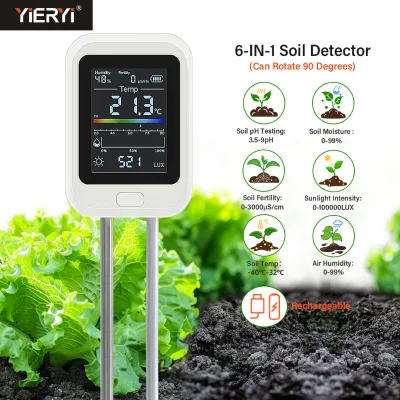
Digital Soil Tester— — 6 Function to Optimize Light, Humidity, Fertility, Temp & Humidity
$10.70 - $13.00
MOQ: 50 Pieces


Shandong Renke Control Technology Co., Ltd.
- Verified by CTI
- Combined
- China Shandong
- Lead time23 days
- Avg. response≤ 7h
Main productsSoil Sensor, Wind Sensor, Weather Station
Main marketsSoutheast Asia/ Mideast,East Asia(Japan/ South Korea),Domestic,Europe,Australia,North America

Ningbo Kejie International Trade Co., Ltd.
- Manufacturer
- China Zhejiang
- Lead time30 days
- Avg. response≤ 22h
Main productsWater Filtration, Filter, Filter Cartridge, RO Water Machine, PP Filter, Carbon Block
Main marketsAfrica,Australia,North America

MOQ: 100 Pieces

MOQ: 100 Pieces

MOQ: 100 Pieces
Shenzhen Yago Technology Limited
- Manufacturer
- Guangdong, China
- Lead time10 days
- Avg. response≤ 7h
Main productsph meter,soil ph meter,refractometer,Patio Sprinkler Timer,moiture meter
Main marketsWestern Europe(60.00%), North America(10.00%), Africa(10.00%), Eastern Europe(10.00%), South America(10.00%)

Zhangzhou Green-Lake Import & Export Co., Ltd.
- Verified by TUVRHEINLAND
- Trading Company
- China Fujian
- Lead time15 days
- Avg. response≤ 19h
Main productsCanned Food
Main marketsSouth America,Eastern Europe,Mid East,North America,Southeast Asia,Eastern Asia,Oceania,Western Europe,Africa


Multifunctions 5 in 1 Soil Analyzer Tester
MOQ: 100 Pieces

Digital Soil Ec Tester Ms/Cm Ec-315
MOQ: 100 Pieces

MOQ: 100 Pieces

TRYTE TECHNOLOGY (H.K.) LIMITED
- Trading Company
- China Hunan
- Lead time0 days
- Avg. response≤ 16h
Main productsLab Equipment, Lab Instrument, Testing Machine, Analyzer Instrument, Coal Testing Instrument, Oil Testing Instrument, Petroleum Testing Instrument, Bomb Calorimeter, Medical Equipment, PCB Board Related Equipment

Changzhou KB Instruments & Meter Co., Ltd.
- Trading Company
- China Jiangsu
- Lead time30 days
- Avg. response≤ 5h
Main productsPressure Gauge, Manometer, V Line Thermometer, Industrial Thermometer, Bimetal Thermometer, Exhaust Gas Thermometer, Digital Pressure Gauge, Digital Thermometer, Nautical Barometer, Nautical Quartz Clock
Main marketsAfrica,Southeast Asia/ Mideast,East Asia(Japan/ South Korea),Domestic,Europe,Australia








Comprehensive Sourcing Guide
Digital Soil Nutrient Tester Supplier Concentration and Factory Types
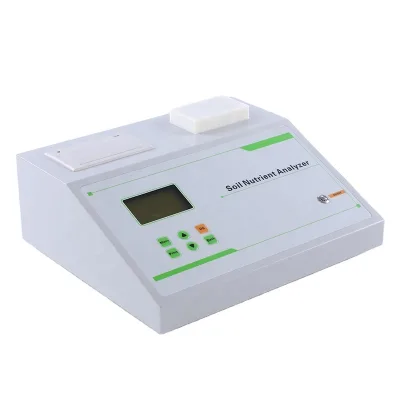
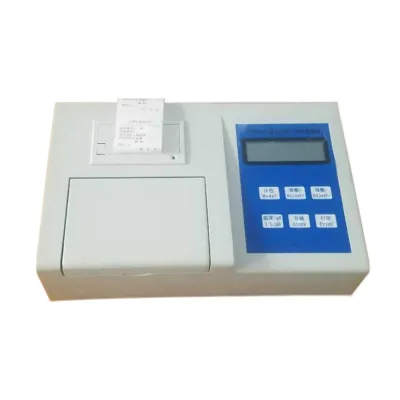
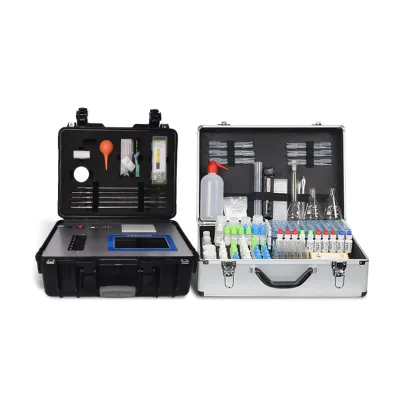
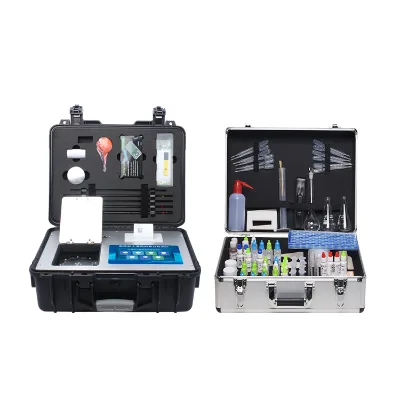
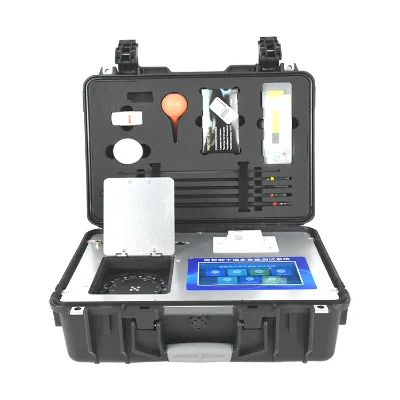
The current supplier landscape for digital soil nutrient testers reveals a distinct concentration of manufacturing activity within China, specifically in the Zhejiang province. This region hosts a significant number of combined company types that function as both manufacturers and trading entities, offering a diverse range of products including soil nutrient analyzers, seed testers, and various plant physical testers. The presence of these combined entities suggests a supply chain capable of handling both direct production and broader distribution needs, which is critical for buyers seeking flexible sourcing options. Fact-based observations confirm that Zhejiang is a primary hub for these instruments, with specific product evidence pointing to origins in this mainland region for items like the New Type Digital Soil Nutrient Tester and the TPY-6A model.
In addition to the Zhejiang cluster, there is evidence of manufacturing presence in Sichuan, particularly in Chengdu, where suppliers offer specialized sensors and meters for smart agriculture. These suppliers often operate as trading companies or manufacturers with their own brands, such as SenTec, indicating a mix of private label and OEM capabilities. The company types observed include those capable of ODM and OEM services, allowing buyers to customize products for specific agricultural needs. While the data highlights these specific locations, buyers should remain aware that supplier distribution can shift, and the primary strategy should be to verify the actual factory location through direct inquiry rather than relying solely on general regional trends. The availability of combined company types in these regions provides a robust foundation for sourcing, but verification of the specific factory's capacity and location remains the first step in the evaluation process.
How to Verify Digital Soil Nutrient Tester Suppliers
Verification of suppliers begins with checking for recognized system certifications that validate their quality management and operational standards. The available data indicates that many suppliers in this sector hold ISO9001:2015, ISO14001:2015, and ISO45001:2016 certificates, which are critical for ensuring consistent product quality and environmental compliance. Buyers should explicitly request copies of these certificates to confirm they are current and cover the specific manufacturing facilities producing the digital soil nutrient testers. Additionally, some suppliers display third-party verification badges, such as BV verification, which adds a layer of trust regarding their business legitimacy. It is essential to cross-reference these claims with the supplier's profile to ensure the certifications apply to the specific product line being sourced, rather than just the parent company's general operations.
Beyond certifications, buyers must assess the supplier's response time and communication reliability as a proxy for their operational efficiency. The observed response times in the current results vary, with some suppliers showing a response time of approximately 5.07 hours, while others may take longer, such as 9.42 hours. A faster response time often correlates with better customer service and a more agile supply chain, which is vital for resolving technical queries or customizing orders. Buyers should test the supplier's responsiveness by sending specific technical questions about the Digital Soil Nutrient Tester's accuracy, power source, or calibration procedures. If a supplier cannot provide detailed answers or takes an excessive amount of time to reply, it may indicate potential issues with their technical support or internal processes. This initial interaction serves as a practical filter to identify suppliers who are capable of maintaining the high standards required for agricultural instrumentation.
What to Compare Across Digital Soil Nutrient Tester Suppliers
When evaluating potential partners, buyers should prioritize a detailed comparison of lead times and minimum order quantities (MOQ) to align with their inventory and cash flow requirements. The data shows that lead times can vary, with some suppliers offering a standard lead time of 15 days, which is a crucial metric for planning production schedules and delivery dates. Regarding MOQ, the current results indicate that some suppliers accept orders as low as one unit, providing flexibility for small-scale testing or pilot projects, while others may have higher thresholds. Buyers must verify these figures directly, as they can fluctuate based on the specific model, customization level, or current production capacity. Comparing these logistical parameters across multiple suppliers helps in identifying those that offer the most favorable terms for the buyer's specific volume needs and timeline constraints.
Another critical dimension for comparison is the range of main products and the depth of customization capabilities offered by each supplier. The observed product portfolios include a wide array of instruments such as chlorophyll meters, fat analyzers, and various soil testing devices, suggesting that some suppliers are well-equipped to provide a comprehensive suite of agricultural tools. Buyers should assess whether a supplier's main products align with their broader sourcing strategy, as a supplier with a diverse catalog may offer better cross-selling opportunities or bundled pricing. Furthermore, the availability of customization options, such as specific display types, power sources, or probe configurations, should be scrutinized. Some suppliers explicitly state that customization is available, while others may have limited flexibility. Understanding these capabilities ensures that the buyer can secure a product that meets precise technical specifications without compromising on quality or delivery schedules.
Common Digital Soil Nutrient Tester Sourcing Risks
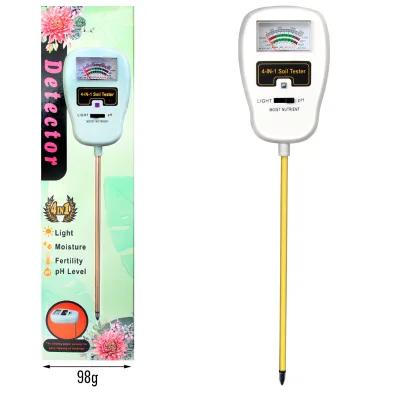
One significant risk in sourcing digital soil nutrient testers involves the potential mismatch between advertised product specifications and actual performance capabilities. The product evidence shows a wide variety of attributes, including different power sources like AC220V or battery, and varying measurement ranges for pH, NPK, and moisture. Buyers must be vigilant in verifying that the specific model they select matches their intended application, such as greenhouse monitoring versus field analysis. There is a risk that a supplier might list a generic product with broad specifications that do not accurately reflect the precision required for specific agricultural tasks. To mitigate this, buyers should request detailed technical datasheets and, if possible, sample units for independent testing before committing to a large order. This due diligence helps prevent the acquisition of equipment that fails to deliver the necessary accuracy for critical soil analysis.
Another prevalent risk is the inconsistency in packaging and shipping standards, which can lead to product damage during transit. The observed product attributes mention packaging details such as "in Carton" or specific dimensions like "15108," but these descriptions can vary significantly between suppliers. Inadequate packaging for sensitive electronic instruments can result in broken probes, damaged screens, or malfunctioning sensors upon arrival. Buyers should explicitly inquire about the packaging standards used for their specific order and request photos of the packaging process if available. Additionally, the risk of receiving products that do not meet the claimed ISO standards or other certifications is a concern. Buyers must ensure that the certification documents provided are valid and correspond to the actual manufacturing batch, as counterfeit or expired certificates can lead to compliance issues and product failures in the field.
Digital Soil Nutrient Tester Regional Sourcing and Logistics
Sourcing from the identified regions of Zhejiang and Sichuan in China offers distinct logistical advantages and challenges that buyers must navigate. The concentration of suppliers in Zhejiang suggests a mature supply chain with established infrastructure for exporting electronic testing instruments, potentially leading to more efficient shipping processes and lower freight costs. However, buyers should verify the specific port of origin for each supplier, as this impacts transit times and customs clearance procedures. The presence of suppliers in Sichuan, particularly in Chengdu, may introduce different logistical dynamics, such as longer overland transport times to major coastal ports. Understanding these regional nuances is essential for accurate cost estimation and delivery planning. Buyers should request detailed shipping terms, including Incoterms, to clarify who is responsible for freight, insurance, and customs duties, ensuring there are no unexpected costs or delays in the supply chain.
Logistics planning also requires careful consideration of the lead time and the supplier's ability to handle international shipping requirements. The observed lead time of 15 days for some suppliers provides a baseline for production scheduling, but buyers must account for additional time required for customs clearance and final delivery. It is crucial to confirm whether the supplier has experience exporting to the buyer's specific region and if they can provide necessary documentation, such as certificates of origin and compliance reports. Buyers should also inquire about the supplier's packaging standards to ensure the digital soil nutrient testers are protected during long-distance transit. By understanding the regional logistics landscape, buyers can better anticipate potential bottlenecks and work with suppliers to develop a robust shipping strategy that minimizes risk and ensures timely delivery of the equipment.
Digital Soil Nutrient Tester Commercial Terms and Order Planning
Commercial terms for digital soil nutrient testers often include specific pricing structures that vary based on order volume and customization requirements. The current data indicates price ranges for certain models, such as a minimum of 535.00 and a maximum of 670.00 for one product line, while another ranges from 350.00 to 1210.00. Buyers must recognize that these figures are indicative and subject to change based on the specific configuration, quantity, and negotiation outcomes. It is imperative to request a formal quotation that details the unit price, total cost, and any applicable taxes or duties. Buyers should also clarify the payment terms, such as the use of escrow services or letters of credit, to ensure financial security throughout the transaction. Understanding the full cost structure is essential for accurate budgeting and avoiding unexpected expenses that could impact the project's financial viability.
Order planning for digital soil nutrient testers requires a strategic approach to managing inventory and production schedules. Given the variability in lead times and MOQs, buyers should develop a flexible ordering strategy that accommodates potential delays or changes in demand. For instance, if a supplier offers a low MOQ of one unit, buyers might consider placing smaller, more frequent orders to maintain agility, whereas larger orders might be more cost-effective for established supply chains. Buyers should also plan for the possibility of customization, which can extend lead times and require additional coordination with the supplier. Establishing a clear communication channel and setting realistic expectations for delivery dates are key components of successful order planning. By carefully managing commercial terms and order logistics, buyers can optimize their procurement process and ensure a steady supply of high-quality digital soil nutrient testers for their agricultural operations.
FAQs
What is the price range for digital soil nutrient testers?
Prices for digital soil nutrient testers typically range from $50 to $1,210 depending on the model and features. Basic handheld meters start around $50, while advanced laboratory-grade analyzers can cost up to $1,210. Buyers should check specific product listings for exact pricing tiers and bulk discounts.
What is the minimum order quantity for these testers?
The minimum order quantity is generally one unit, allowing buyers to purchase single samples for testing. This low MOQ facilitates easy evaluation of product quality before committing to larger orders. Buyers can verify specific supplier requirements on individual product pages to ensure they meet their procurement needs.
How long does delivery take for these instruments?
Standard lead times for these instruments are approximately 15 days. This timeframe allows for production and quality checks before shipment. Buyers should confirm exact delivery schedules with suppliers, as lead times may vary based on customization requests or specific manufacturing capacities available in the supply chain.
Are these testers customizable for specific agricultural needs?
Yes, customization is available for many digital soil nutrient testers. Suppliers offer OEM and ODM services to tailor devices for specific agricultural applications. Buyers can request custom branding, packaging, or functional adjustments to meet unique testing requirements for soil moisture, pH, or nutrient levels in various environments.
What certifications do these soil testing instruments hold?
Many suppliers hold ISO9001:2015, ISO14001:2015, and ISO45001:2016 certifications. These standards ensure quality management, environmental responsibility, and occupational health safety. Buyers should verify specific certificate details on product pages to confirm compliance with international standards for manufacturing and operational safety in industrial and agricultural settings.
Where are these soil testers manufactured?
These testers are primarily manufactured in China, specifically in Zhejiang and Sichuan provinces. Zhejiang is known for testing equipment, while Sichuan hosts manufacturers of sensors and transmitters. Buyers can filter suppliers by location to prioritize regional logistics, shipping costs, and local supply chain efficiency for their procurement strategy.
How quickly do suppliers respond to inquiries?
Supplier response times vary, with some averaging around 5 to 9 hours. Faster response rates indicate active customer service teams ready to assist with technical questions. Buyers should prioritize suppliers with quick response times to ensure efficient communication during the sourcing process and timely resolution of any procurement issues.