Breathable Unisex Infant Baby T-Shirt Suppliers and Manufacturers
Compare 26 verified suppliers offering breathable unisex infant baby t-shirts with varying lead times, MOQs, and response speeds. Review product attributes like material and customization options to select the right factory for your needs; review the available evidence before requesting comparable quotations from suitable candidates.
Updated
Suppliers List

Ningbo V.k. Industry And Trading Co., Ltd.
- Verified by SGS
- Combined
- China Zhejiang
- Lead time60 days
- Avg. response≤ 4h
Main productsFlannel Fleece Blanket, Sherpa Throw Blanket, Dog Waterproof Blanket, Fleece Bathrobe, PVC Leather, TV Blanket, Down Coat, PV Fleece Blanket, Bazin Riche, Ice Bath Tub
Main marketsSouth America,Africa,Southeast Asia/ Mideast,East Asia(Japan/ South Korea),Domestic,Europe,Australia,North America

Shanghai Easun Group Imp & Exp Co., Ltd.
- Verified by BV
- Trading Company
- China Shanghai
- Lead time15 days
- Avg. response≤ 21h
Main productsHoodies, Pajamas, T-Shirt, Bath Robe, Sleepwear, Polo Shirts, Safety Shoes
Main marketsAfrica
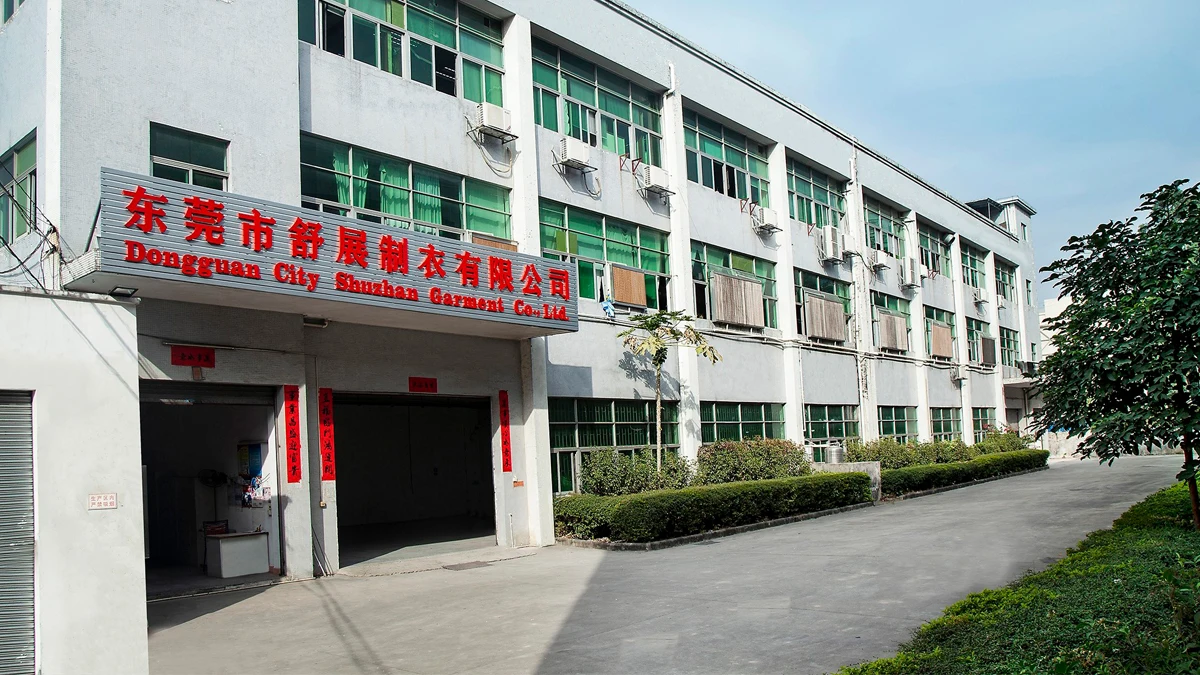
Dongguan Shuzhan Garments Co., Ltd.
- Manufacturer, Trading Company
- Guangdong, China
- Lead time30 days
- Avg. response≤ 1h
Main productsBaby Rompers,Baby Jumpsuit,Baby T-shirt,Baby Pants,Baby Clothes Set
Main marketsSouth America(50.00%), Southeast Asia(40.00%), North America(5.00%), Western Europe(3.00%), Africa(2.00%)
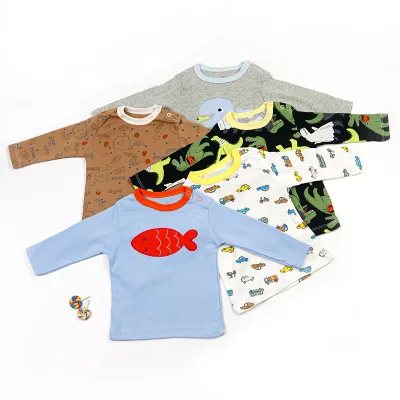
Long Sleeve Printed Embroidery Kids Clothing Ribbed Cotton Newborn Baby T-shirt for Baby Unisex
$0.9266 - $1.0704
MOQ: 12 pieces
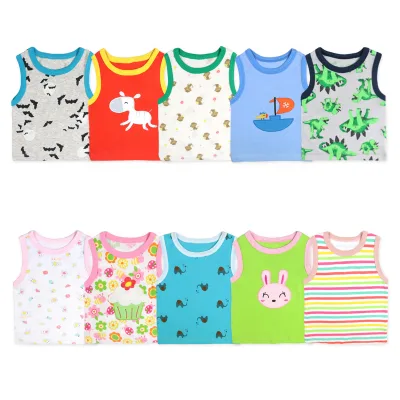
Wholesale Baby Clothes Cartoon Printed Cotton Baby Sleeveless T-Shirt Unisex
$0.8024 - $0.8952
MOQ: 12 pieces
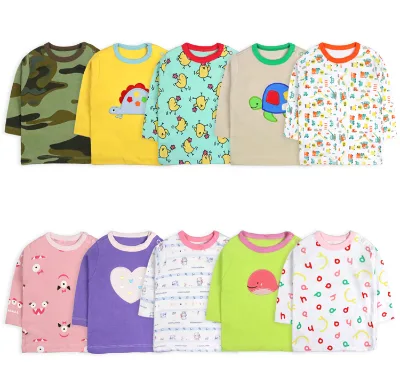
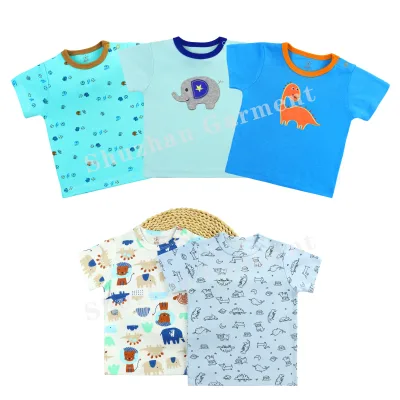
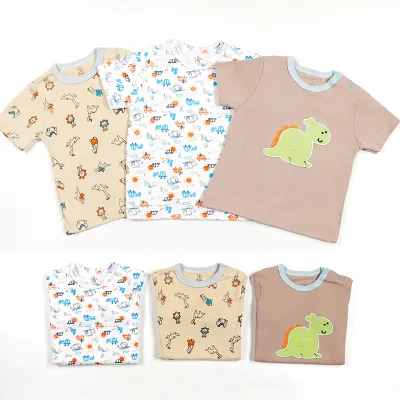
$2.4671 - $2.6826
MOQ: 2 sets

- Verified by TUVRHEINLAND
- Combined
- China Shanghai
- Lead time15 days
- Avg. response≤ 3h
Main productsInfant Clothes, Baby Clothes, Kids Wear, Underwear, Sock, Pajama, Night Dress, Sleep Bag, Yoga Clothes, Nursing Tee
Main marketsEurope,Australia,North America

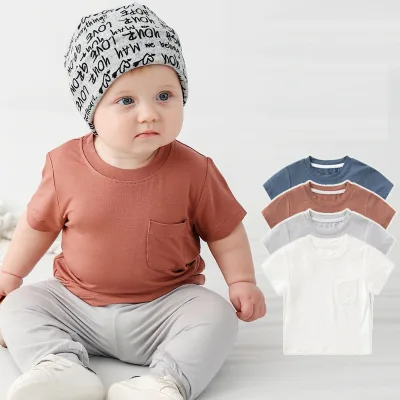
Organic Bamboo Eco-Friendly Baby T-Shirts with Pocket Newborn Clothes Infant Kids T-Shirt
$3.99 - $5.09
MOQ: 50 Pieces

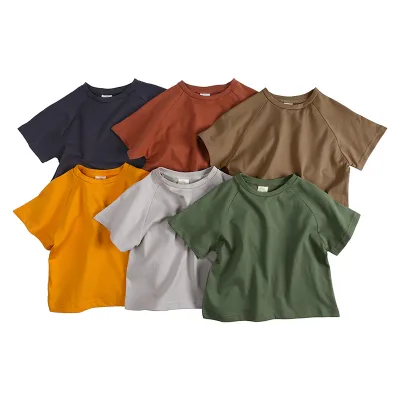
Soft Breathable Bamboo Children T-Shirt Round Neck Kids T-Shirt for Summer
$3.99 - $5.20
MOQ: 100 Pieces


Bamboo Round Neck Toddler T Shirt Custom Eco-Friendly Kids T-Shirt with Pocket
$3.99 - $5.20
MOQ: 100 Pieces


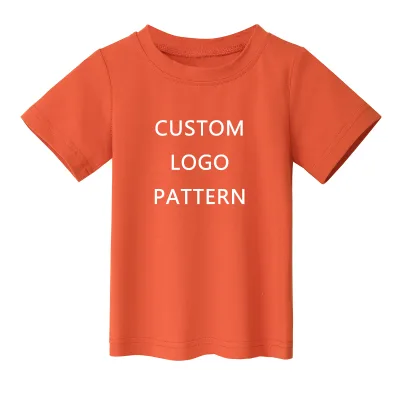
Custom Logo Short Sleeve Children's Clothes Bamboo Kid's T-Shirt Round Neck Toddler T- Shirt
$3.99 - $5.20
MOQ: 100 Pieces

Quanzhou Zonse Garment Co., Ltd.
- Manufacturer/Factory
- China Fujian
- Lead time30 days
- Avg. response≤ 25h
Main productsUnderwear, Boxer Briefs, Boxer Short, Hipster, Panty, T Shirt, Baby Romper, Baby Bibs, Swimwear, Lingerier
Main marketsSouth America,Eastern Europe,Mid East,North America,Southeast Asia,Eastern Asia,Oceania,Western Europe,Africa

Shanghai Hexuan Baby Products Co., Ltd.
- Verified by SGS
- Trading Company
- China Shanghai
- Lead time15 days
- Avg. response≤ 6h
Main productsBaby Wear Baby Cloth Diaper Bibs Baby Rompers
Main marketsSouth America,Africa,Southeast Asia/ Mideast,East Asia(Japan/ South Korea),Europe,Australia,North America


$2.10 - $6.80
MOQ: 5 Pieces
Guangxi Haoding Garment Co., Ltd.
- Verified by TüVRheinland
- Manufacturer, Trading Company
- Lead time7 days
- Avg. response≤ 2h
Main productsBaby Clothing, Kids Clothing
Main marketsNorth America(40%), Southeast Asia(30%), Western Europe(30%)
Yiwu Haohao Garments Co., Ltd.
- Verified by SGS Group
- Manufacturer, Trading Company
- Lead time10 days
- Avg. response≤ 2h
Main productsBaby Romper , Girl Clothing Set, Boy Clothing Set, Baby Sweater, Boy Sport Set
Main marketsOceania(58%), North America(42%)
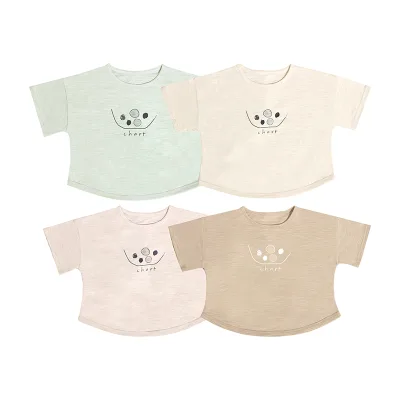
$4.0973 - $5.1242
MOQ: 10 pieces
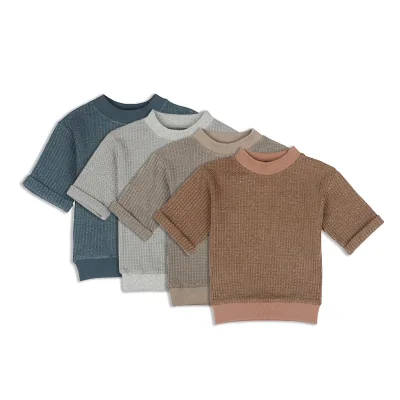
$6.253 - $7.7934
MOQ: 30 pieces
Shanghai Jingzhi Apparel Co., Ltd.
- Verified by Intertek
- Manufacturer, Trading Company
- Lead time35 days
- Avg. response≤ 5h
Main productsKid Clothes
Main marketsMid East(20%), Africa(15%), North America(10%)
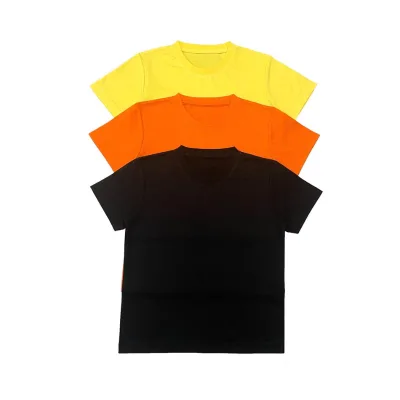
Wholesale 9-12months Breathable O-neck Cotton Polyester Jersey Summer Short Sleeve Baby Boy T-shirt
$1.0284 - $1.4401
MOQ: 1 pieces
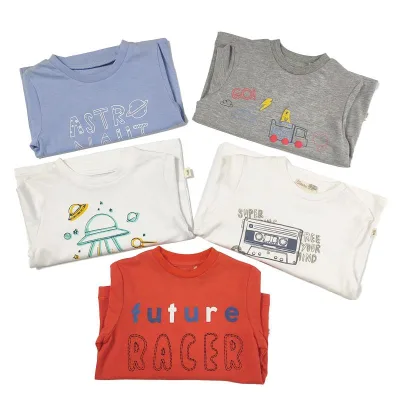
Anti-shrink Soft Casual Polyester/cotton Infant Unisex Long Sleeve Autumn Tops Baby T-shirts
$2.0569 - $2.8174
MOQ: 2 pieces
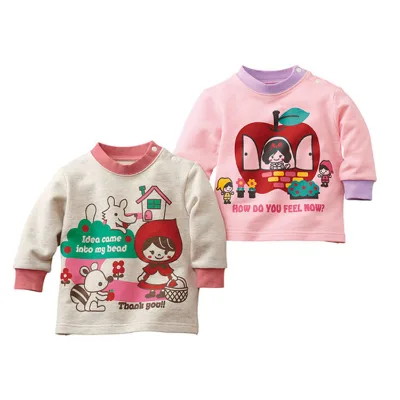
Baby Custom Printing Long Sleeve T Shirt From China Clothing Manufacturer
$3.0853 - $7.1976
MOQ: 200 Minimum
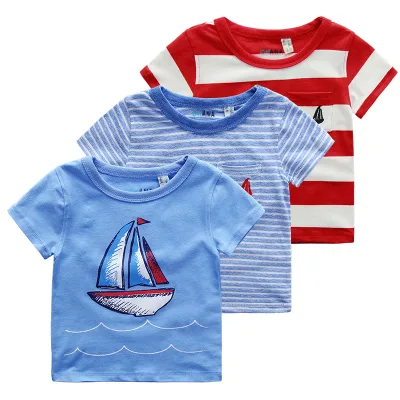
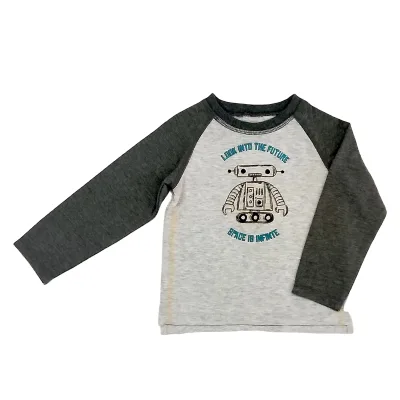
$1.6497 - $6.4955
MOQ: 10 pieces

WEIFANG YIPPEE TEXTILE TECHNOLOGY CO., LTD.
- Trading Company
- China Shandong
- Lead time0 days
- Avg. response≤ 17h
Main productsMuslin Swaddle Blanket, Sweatpants, T-Shirt, Hoodies, Sweatshirt, Shorts, Spunlace Non Woven Fabric, Pajamas, Towels, Blanket

- Verified by CTI
- Trading Company
- China Anhui
- Lead time23 days
- Avg. response≤ 1h
Main productsFurniture, Home Furniture
Main marketsSoutheast Asia/ Mideast


New Fashion Spring Autumn Baby Children Tops Long Sleeve Cotton Print Casual Boys T-Shirts
$1.00 - $6.00
MOQ: 200 Pieces
Hubei Yutong Garment Co., Ltd.
- Trading Company
- Hubei, China
- Lead time0 days
- Avg. response≤ 5h
Main productsBaby Romper, Baby Clothing Set, Baby Sleeping Bag, Baby Bodysuit, T-shirt
Main marketsNorth America(80.00%), Western Europe(10.00%), Mid East(10.00%)
Foshan Nanadi Apparel Co., Ltd.
- Verified by SGS Group
- Manufacturer, Trading Company
- Lead time30 days
- Avg. response≤ 2h
Main productsDress, Tops, Pants, Knit sweater, Blanket
Main marketsNorth America(75%), Oceania(25%)
JINZHAI COUNTY BLOSSOM IMPORT&EXPORT TRADING CO.,LTD
- Trading Company
- Zhejiang Province, China
- Lead time7 days
- Avg. response≤ 3h
Main productsBaby Clothes,Leotards,Headbands,Rompers,leggings
Main marketsDomestic Market(10.00%), Central America(10.00%), Western Europe(10.00%), Eastern Asia(10.00%), Mid East(10.00%), Africa(10.00%), Southeast Asia(10.00%), Eastern Europe(10.00%), South America(10.00%), North America(10.00%)
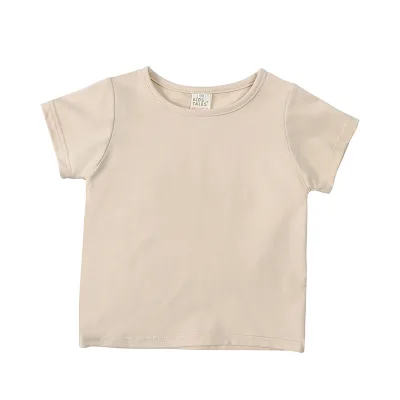
Summer Infant Toddler Boys Girls Short Sleeve Crew Neck T Shirts Blank Baby Tee Cotton T Shirt
$1.99 - $2.30
MOQ: 5 pieces
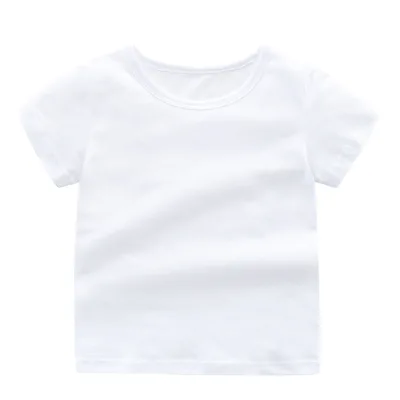

Henan Feishuai Import and Export Trading Co., Ltd.
- Trading Company
- China Henan
- Lead time15 days
- Avg. response≤ 11h
Main productsBaby Clothing, Toddler Clothing, Children's Clothing, Kids Clothing, Baby Shoes, Baby Socks, Headwear, Girls' Clothing
Main marketsSouth America,Eastern Europe,Mid East,North America,Southeast Asia,Eastern Asia,Oceania,Western Europe,Africa


$3.00 - $5.80
MOQ: 100 Pieces


Guangzhou Yinimei Trading Firm
- Trading Company
- China Guangdong
- Lead time30 days
- Avg. response≤ 2h
Main productsApparel & Accessories, Men's Wear, Children's Clothing, Ladies' Clothing, Shoes, Children's Toys, "Bag", Hair
Main marketsSouth America,Eastern Europe,Mid East,North America,Southeast Asia,Eastern Asia,Oceania,Western Europe,Africa
Taian Lianchuang Textile Co., Ltd.
- Manufacturer, Trading Company
- Lead time旺季: "1 - 800":32,"> 800":"To be negotiated", 淡季: "1 - 800":32,"> 800":"To be negotiated"
- Avg. response≤ 3h
Main productsAdult Clothing, Baby Clothing
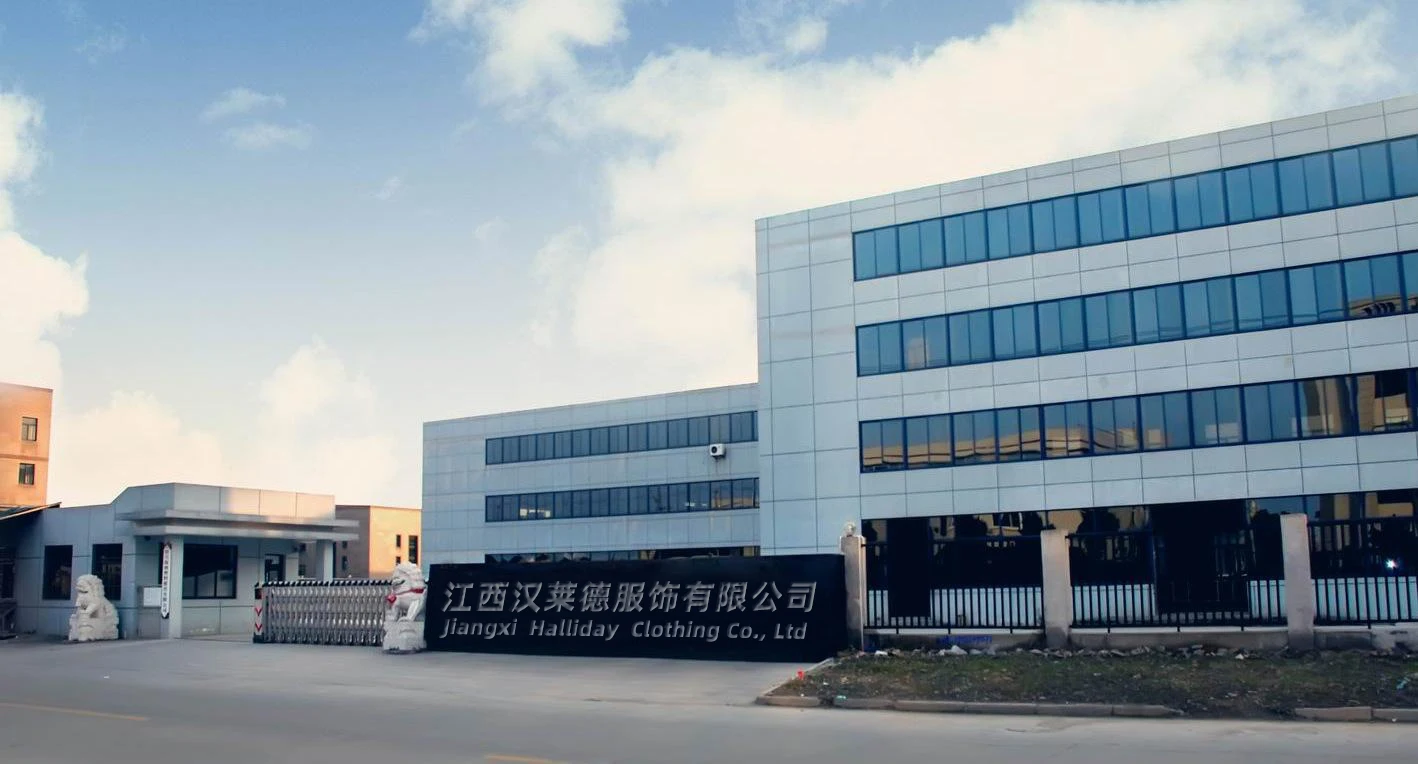
Jiangxi Halliday Garment Co., Ltd.
- Manufacturer, Trading Company
- Jiangxi, China
- Lead time30 days
- Avg. response≤ 6h
Main productsT-shirt,hoodie,Tights shorts jogging pants,Men's shirts,Polo shirt
Main marketsNorth America(35.00%), Eastern Europe(15.00%), Northern Europe(15.00%), South Asia(5.00%), Southern Europe(5.00%), South America(5.00%), Western Europe(5.00%), Mid East(5.00%), Africa(5.00%), Southeast Asia(5.00%)
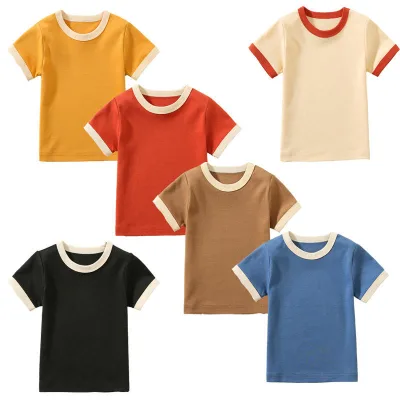
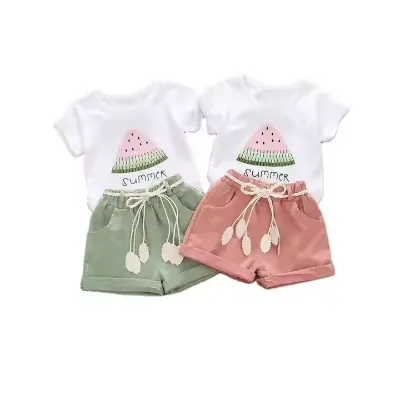
Wholesale Summer Kids t Shirt Toddler Plain T Shirt Tops 100% cotton Short Sleeve T Shirt
$5.80 - $6.80
MOQ: 50 pieces
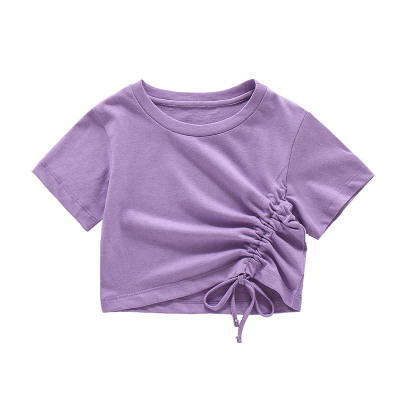
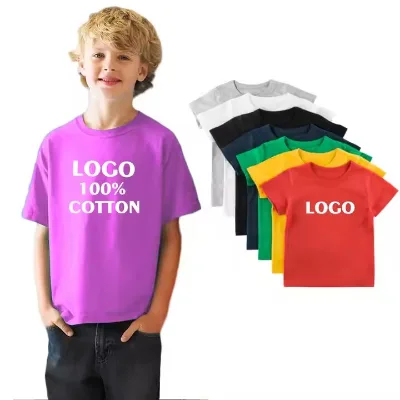
Wholesale 100% Cotton Tshirts costom logo Baby Printed T Shirts short sleeve Children's T-shirts
$4.80 - $6.80
MOQ: 50 pieces
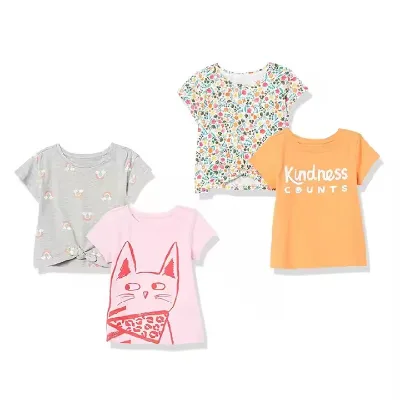
High quality Customized Design Cotton Comfortable Kids t shirt Girl Candy Color tee
$5.80 - $6.80
MOQ: 50 pieces
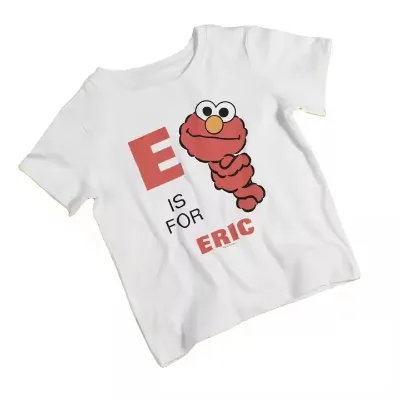

Guangzhou Ouzun Clothing Co., Ltd.
- Verified by CTI
- Combined
- China Guangdong
- Lead time23 days
- Avg. response≤ 3h
Main productsUniforms, Pants, Suits&Blazer, T Shirt, Polo Shirt, Sportswear, Jacket, Hoodies&Sweatshirts
Main marketsDomestic

Eco-Friendly Dye Certified Soft Touch Short Sleeve T-Shirt for Children Age 1-6 Children's T-Shirt
$3.99 - $8.99
MOQ: 100 Pieces

100% Organic Cotton Eco-Friendly Plain T-Shirt for Baby and Kids Clothing Cotton T Shirt
$3.99 - $8.99
MOQ: 100 Pieces

$3.99 - $8.99
MOQ: 100 Pieces

Baby Girls' 100% Organic Cotton T-Shirt with Animal Print for Infant Wear Tshirt for Girls
$3.99 - $8.99
MOQ: 100 Pieces
Hebei Chengji Textile Co., Ltd.
- Verified by Intertek
- Manufacturer, Trading Company
- Lead time15 days
- Avg. response≤ 2h
Main productsApron, Chef's Hat, Sleeve Covers
Main marketsDomestic Market(80%), North America(5%), Western Europe(5%)
Jiangmen Jianbaostar Garments Co., Ltd.
- Verified by SGS Group
- Manufacturer, Trading Company
- Lead time15 days
- Avg. response≤ 5h
Main productsBaby Romper, Kids Pajamas Set, Dress & Bloomers Set, Baby Newborn Gift Set, Baby Accessories
Main marketsNorth America(15%), Oceania(15%), Southeast Asia(10%)

Quanzhou Everbest Garment Manufacturing CO.,LTD
- Verified by CTI
- Trading Company,Manufacturer/Factory
- China Fujian
- Lead time45 days
- Avg. response≤ 4h
Main productsKids Clothes, Baby Clothes, Sports Shoes, Gym Clothes, Baby Accessories, Fitness Equipment, Sport Wear
Main marketsSouth America,Eastern Europe,Mid East,North America,Southeast Asia,Eastern Asia,Oceania,Western Europe,Africa

Summer Baby Boy Children Clothes T-Shirt Top Truck Short Sleeve Raglans T-Shirt Cotton Boy Clothing
$4.10 - $4.60
MOQ: 10 piece

$5.00 - $8.00
MOQ: 10 piece


$2.30 - $2.60
MOQ: 10 piece

Guangzhou Jingsheng Garment Co., Ltd.
- Verified by CTI
- Trading Company
- China Guangdong
- Lead time15 days
- Avg. response≤ 17h
Main productsGarment
Main marketsDomestic,Australia,North America

XIAMEN TOPSUN APPAREL CO., LTD.
- Verified by TUVRHEINLAND
- Trading Company,Manufacturer/Factory
- China Fujian
- Lead time60 days
- Avg. response≤ 18h
Main productsJacket, Sport Wear, Swimwear, Workwear, Trouser, Casual Wear, Sweatshirt, T Shirt, Jogging Suit, Yoga Wear
Main marketsSouth America,Eastern Europe,Mid East,North America,Southeast Asia,Eastern Asia,Oceania,Western Europe,Africa

$1.87 - $2.23
MOQ: 1000 PCS


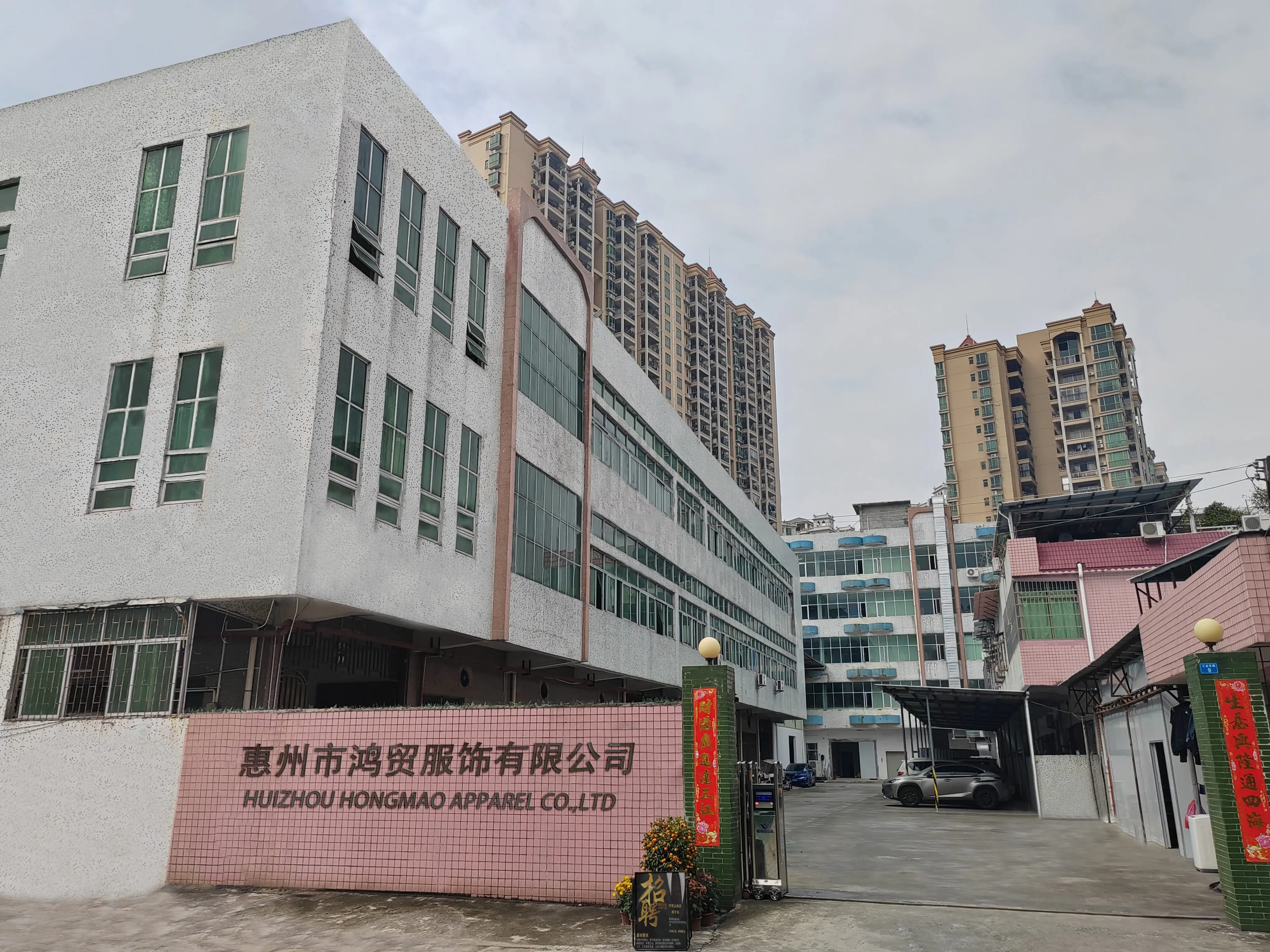
Huizhou Hongmao Apparel Co., Ltd.
- Manufacturer, Trading Company
- Guangdong, China
- Lead time30 days
- Avg. response≤ 9h
Main productsbaby Clothing,kids Clothing,Toddler Clothing,kids dresses,Children's pajamas
Main marketsNorth America(27.00%), Oceania(20.00%), Eastern Europe(19.00%), Western Europe(14.00%), Southeast Asia(6.00%), Eastern Asia(4.00%), South America(4.00%), Southern Europe(2.00%), Domestic Market(1.00%), South Asia(1.00%), Mid East(1.00%), Northern Europe(1.00%)
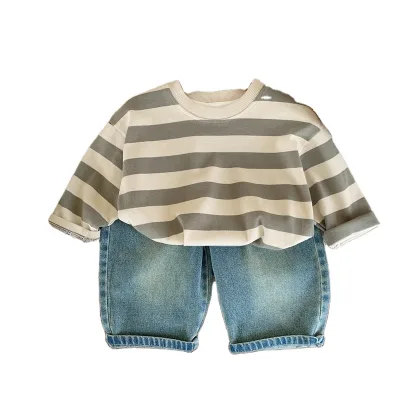
$4.9326 - $7.0898
MOQ: 50 pieces
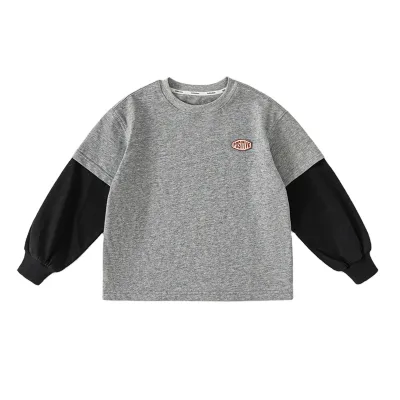
$8.9835 - $11.5643
MOQ: 50 pieces
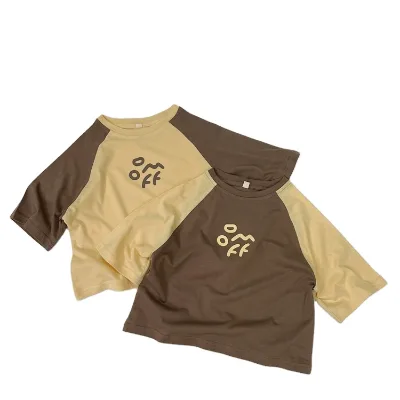
- Verified by Intertek
- Trading Company
- Lead time15 days
- Avg. response≤ 5h
Main productsTowel, Baby romper, Blanket, Kid sweater, Accessories
Main marketsNorth America(50%), Oceania(30%), South Asia(6%)
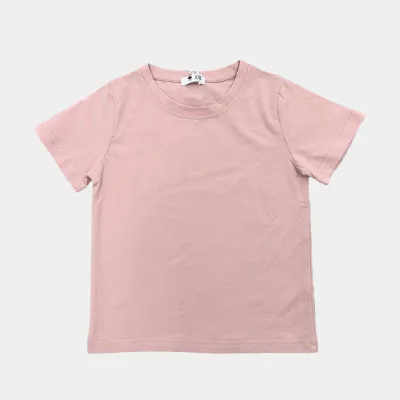
Boys Girls Baby Toddler Solid Color Cotton Clothes Children Boy Oversize T Shirt
$3.6018 - $3.9102
MOQ: 50 pieces
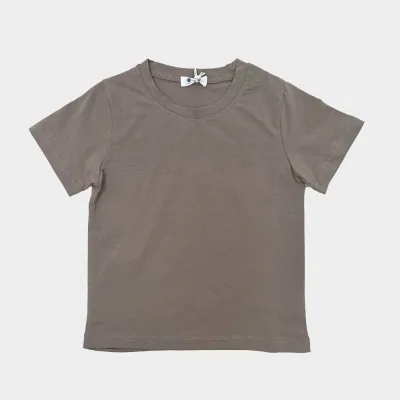
Customization High Quality Summer Girls Short Sleeve Cotton t Shirt for Baby Boy
$3.5748 - $3.8817
MOQ: 50 pieces
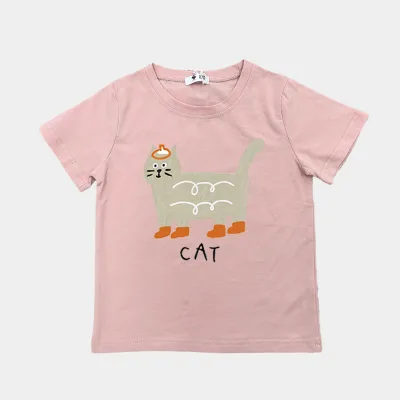
Custom Cotton Plain Tee Shirts Tshir Manufacturers Kids Toddler Tshirt
$3.6018 - $3.9102
MOQ: 50 pieces








Comprehensive Sourcing Guide
Breathable Unisex Infant Baby T-Shirt Supplier Concentration and Factory Types
When sourcing breathable unisex infant baby t-shirts, buyers will notice that listed suppliers in this category cluster in a few Chinese provinces. Results in the current search show suppliers located in Zhejiang, Shanghai, and Guangdong, which are recognized apparel and garment-producing regions. Zhejiang appears with a combined manufacturer-trader profile carrying an unusually broad main-product list that extends far beyond knitwear, while Shanghai listings lean toward trading companies with multi-product apparel catalogs including hoodies, pajamas, polo shirts, and sleepwear alongside baby t-shirts. Guangdong entries are concentrated in baby-specific goods such as rompers, jumpsuits, baby pants, and clothing sets, indicating a closer fit for infant-focused programs. Understanding which profile fits your program matters: a trading company can consolidate mixed apparel orders, whereas a manufacturer focused on baby garments may offer tighter process control for infant-grade fabric and trim.
Concentration, however, is something you should verify rather than assume from a single search page. Search result counts shift with filters and refreshes, so treat the visible supplier list as a starting sample, not a census. To identify true clusters, run repeated category searches, note where repeated supplier locations overlap, and cross-check with export data or industry association directories. Also distinguish company_type labels carefully: a listing marked "Manufacturer, Trading Company" may subcontract part of production, so ask which processes—knitting, dyeing, cutting, sewing, printing—happen in-house before you commit to a supplier based on its label alone.
How to Verify Breathable Unisex Infant Baby T-Shirt Suppliers
Verification begins with the credentials displayed on the listing, but you must understand what each badge actually covers. In the current results, one Zhejiang supplier shows SGS verification and a Shanghai trading company shows BV verification—these indicate third-party business audits of legal existence and basic operations, not product safety testing. For infant apparel, that distinction is critical: a verified business identity does not certify that fabric is skin-safe or that dyes meet restrictive infant-wear limits. Treat platform verification as a screening filter that removes anonymous sellers, then independently request test documentation for the specific fabric composition and finish you intend to order, especially when listings advertise 100% cotton or breathable constructions.
Beyond badges, verify operational claims through direct questioning and evidence requests. Several listings state "Customization: Available" and note logo options such as print or embroidery, so ask for proof of custom work: photos of past custom production, a sample run, or a pre-production approval process in writing. Check response behavior against the displayed response_time figures—results range from roughly one hour for a Guangdong baby-clothing supplier to over twenty hours for a Shanghai trader—and use that spread to calibrate expectations for communication during production, not just at quotation. Confirm export experience by requesting references for shipments to your market, and ask which entity will appear on documents. Finally, validate that the product actually matches the listing: one listed baby t-shirt is attributed to Zhejiang origin within a Shanghai supplier's catalog, so clarify where production physically occurs before signing anything.
What to Compare Across Breathable Unisex Infant Baby T-Shirt Suppliers
Build a comparison sheet across the dimensions actually displayed in results rather than assumptions. Lead times in the current listings range widely: 60 days for the Zhejiang combined-profile supplier, 15 days for the Shanghai trading company, and 30 days for the Guangdong baby-garment supplier. MOQs also vary sharply by listing—from as low as 10 pieces on one mixed-color baby t-shirt, to 100 on a 100% cotton children's t-shirt, 300 on a unisex baby t-shirt with print-or-embroidery logos, and 500 to 1,000 on custom printed styles. Price bands span roughly $0.70 to $5.00 per piece across listings. Record these per listing, per product, because a supplier's cheapest listing may carry its highest minimum.
Compare attributes against your spec, not against each other blindly. Some listings specify 100% cotton, round neck, short sleeve, polybag or paper carton packing, and breathable or moisture-absorption features—map each to your requirement for a breathable unisex infant garment and note where material is unstated or generic. Response time is another practical column: a one-hour responder is easier to develop than a twenty-hour one when you need fast sample iterations. Company type and main-products breadth tell you whether infant t-shirts are core business or a catalog filler; the Guangdong supplier whose main products are all baby garments is structurally different from a Zhejiang supplier listing flannel blankets and PVC leather alongside t-shirts. Never assume every supplier displays a given attribute—absence itself is a signal to ask.
Common Breathable Unisex Infant Baby T-Shirt Sourcing Risks
The most common risk in this category is material ambiguity. Several listings identify cotton generically or promise "as customer request" standards, and only some state 100% cotton explicitly. For infant wear, ambiguous fabric claims translate directly into safety risk: an unspecified blend may behave differently in breathability, shrinkage, and skin contact. Related to this is the origin mismatch risk—listings sometimes show a product attributed to one province under a supplier registered elsewhere, which can mean subcontracting you have not vetted. If you require a specific production site for audit purposes, confirm the physical factory address in writing and require it on commercial documents.
Other risks are commercial rather than technical. Low advertised minimums, such as 10 or 100 pieces, may apply only to stock colors or existing patterns, while fully custom printed styles at 500-piece or 1,000-piece minimums carry longer setup and higher rejection rates. Packing claims also deserve scrutiny: polybag packing is listed on some items and paper cartons on others, and infant apparel often requires specific polybag safety features your market may regulate. Verification badges can create false comfort—an SGS or BV business verification says nothing about fabric testing. Finally, watch lead-time drift: a 15-day quoted lead time from a trading company may depend on upstream mills the trader does not control, while a 60-day lead time may already include buffer. Ask what happens at each stage if a deadline slips, and put remedies in the contract rather than relying on promises made in chat.
Breathable Unisex Infant Baby T-Shirt Regional Sourcing and Logistics
Within the current results, three provinces anchor the supply side: Zhejiang, Shanghai, and Guangdong. Each carries logistical implications worth weighing before you shortlist. Zhejiang is inland-adjacent to major Yangtze Delta ports and hosts the supplier with the longest listed lead time at 60 days, which may reflect either combined-product complexity or production scheduling—clarify the cause before assuming it is fixed. Shanghai-based suppliers benefit from direct access to one of the world's largest container ports, and the listed 15-day lead time there is plausibly supported by dense local fabric markets, though you should confirm how much of production is truly local. Guangdong's supplier, with baby garments as its entire main-product list and a 30-day lead time, sits in a province with deep textile infrastructure and strong export forwarding services.
Plan logistics around product specifics, not just geography. Infant t-shirts are lightweight and compress well, so freight cost per unit is modest, but carton dimensions matter—one listing cites a 40x50x50cm packing standard—so calculate container utilization from actual master-carton specs, not estimates. Match the trade lane to your market: Yangtze Delta shipments and Pearl Delta shipments serve different sailing schedules and consolidation options. When comparing suppliers, ask each to quote delivered terms from their actual dispatch point, because a lower unit price from a location with slower consolidation can lose its advantage. Also confirm who books freight and who clears export customs, since trading companies and manufacturers often differ on this and it changes both cost and control.
Breathable Unisex Infant Baby T-Shirt Commercial Terms and Order Planning
Order planning should start from the MOQ-to-price relationship visible in the results. The lowest advertised minimum, 10 pieces at roughly $0.90–$3.50, is attractive for sampling or small retail tests, while 100-piece minimums on cotton styles and 300-piece minimums on unisex print-or-embroidery options represent the practical entry point for real programs. Custom designs push minimums to 500 or 1,000 pieces with prices from about $0.98 to $2.50 in one listing. Structure your first order accordingly: buy a small quantity from a low-MOQ listing to validate quality, then scale into custom production only after the sample passes your checks. Never treat a listed price as final—confirm what fabric weight, printing method, and packing level it assumes.
Payment and milestone planning deserve equal discipline. Given the spread in response times—from about one hour to more than twenty hours among current listings—build communication lag into your timeline, especially if you need approvals between production stages. Reconcile lead-time quotes with your launch calendar: a 15-day, 30-day, and 60-day lead time all appear among current suppliers, and your choice affects reorder cadence more than unit price does. Request a payment structure tied to verifiable milestones—deposit against proforma invoice, balance against passed inspection or shipping documents—and ask whether escrow or platform-backed trade protection is offered, since some listings display such mechanisms while others do not. Finally, put the confirmed MOQ, price validity window, packing standard, and production origin into the contract, then reconfirm all four in writing before deposit, because catalog listings can change between quotation and order.
FAQs
What is the price range for breathable unisex infant baby t-shirts?
Prices typically range from $0.70 to $5.00 per unit depending on material and customization. Basic cotton options start around $0.90, while premium blends or custom prints may cost up to $3.50. Buyers should verify specific quotes based on order volume and design complexity to ensure accurate budgeting for their procurement needs.
What are the minimum order quantities for these t-shirts?
MOQs vary significantly by supplier, ranging from 10 pieces for small batches to 1000 pieces for large orders. Some manufacturers require 300 units, while others accept just 10. Buyers must check individual listings to confirm the exact threshold, as lower MOQs often apply to standard stock items rather than custom designs.
How long does production take for these garments?
Lead times generally span 15 to 60 days depending on the supplier and order size. Some factories offer rapid 15-day turnaround, while others require up to 60 days for complex production. Buyers should confirm specific timelines with their chosen vendor to align with their inventory planning and delivery schedules effectively.
Are these t-shirts available for customization?
Yes, customization is widely available, including logo printing, embroidery, and custom designs. Many suppliers offer ODM and OEM services to tailor products to specific brand requirements. Buyers can request custom colors, sizes, and packaging options, ensuring the final product matches their unique market needs and branding guidelines precisely.
Where are these suppliers located?
Suppliers are primarily located in China, specifically in Zhejiang, Shanghai, and Guangdong provinces. These regions are known for strong textile manufacturing capabilities. Buyers can filter results by location to prioritize suppliers based on logistical preferences or regional trade advantages for their specific sourcing strategy.
What certifications do these suppliers hold?
Many suppliers hold third-party verification from SGS or BV, indicating compliance with quality standards. Buyers should verify specific certifications relevant to infant clothing safety and material standards. These verifications help ensure that the products meet international safety requirements and quality expectations for baby garments.