Eco-Friendly Reusable Baby Bibs Suppliers and Manufacturers
Compare 20 verified suppliers offering Eco-Friendly Reusable Baby Bibs with details on location, lead times, certifications, and response times. Review product specifications like material and customization options to select the right factory for your needs; review the available evidence before requesting comparable quotations from suitable candidates.
Suppliers List

PUYANG SELFAIDING INDUSTRIAL CO., LTD.
- Verified by SGS
- Manufacturer
- China Henan
- Lead time15 days
- Avg. response≤ 3h
Main productsAdult Bib, Pet Pad, Underpad, Baby Bib, Protective Panties, Washable Sanitary Pad, Compression Stockings, Patient Care Clothing, Pet Nest, Pet Toy

Shanghai Hexuan Baby Products Co., Ltd.
- Verified by SGS
- Trading Company
- China Shanghai
- Lead time15 days
- Avg. response≤ 5h
Main productsBaby Wear Baby Cloth Diaper Bibs Baby Rompers
Main marketsSouth America,Africa,Southeast Asia/ Mideast,East Asia(Japan/ South Korea),Europe,Australia,North America
Pujiang Longxiang Industry & Trade Co., Ltd.
- Manufacturer, Trading Company
- Zhejiang, China
- Lead time0 days
- Avg. response≤ 5h
Main productsCloth Diaper,Baby Bib,Swaddle Blanket,Diaper Wet Bag,Baby Clothing
Main marketsNorth America(50.00%), Western Europe(22.00%), Southeast Asia(12.00%), South America(10.00%), Eastern Europe(6.00%)

Jinjiang Jiaxing Supply Management Co., Ltd.
- Verified by TUVRHEINLAND
- Trading Company
- China Fujian
- Lead time30 days
- Avg. response≤ 1h
Main productsEVA Clogs, Flip Flop, Shoe Charms, Shopping Bags, Wristbands, Gifts, Promotional Gifts, Slipper, Sport Cap, Ball
Main marketsNorth America
Lanxi Aiwang Industrial Co., Ltd.
- Verified by TüVRheinland
- Manufacturer, Trading Company
- Lead time60 days
- Avg. response≤ 4h
Main productsBaby Products
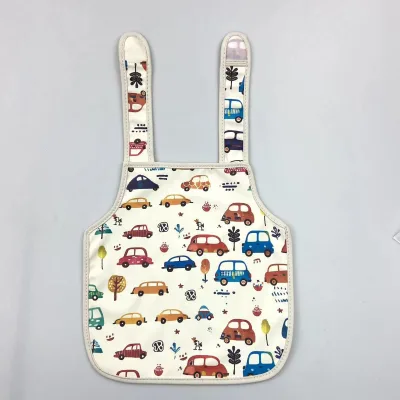
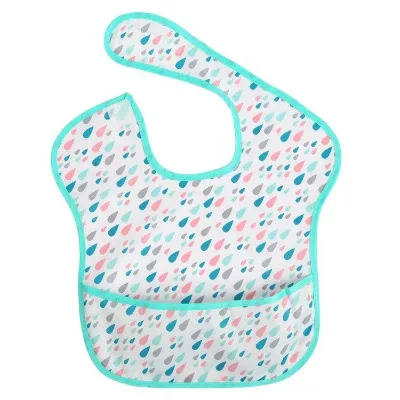
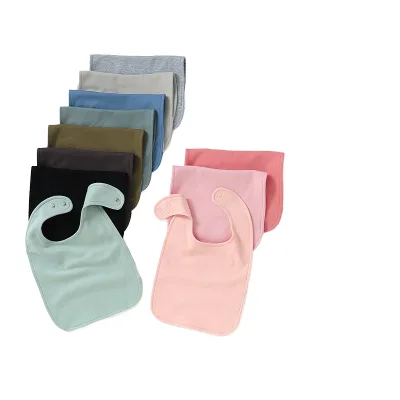
Factory Price Rotatable Round Waterproof Anti-Bacterial Eco-Friendly Unisex Baby Bib
$0.46 - $1.43
MOQ: 10 pieces

Ningbo Riway Industrial Co., Ltd.
- Verified by TUVRHEINLAND
- Combined
- China Zhejiang
- Lead time30 days
- Avg. response≤ 3h
Main productsWet Wipes, Nonwoven Folding Machines, Nonwoven Wet Machines, Towel Rolls
Main marketsDomestic

Anhui JM Healthcare Products Co., Ltd.
- Verified by SGS
- Trading Company,Manufacturer/Factory
- China Anhui
- Lead time0 days
- Avg. response≤ 2h
Main productsDental Bibs, Disposable Bed Sheets/Cover, Headrest Cover, Examination Table Bed Sheet Roll, Dental Apron, Disposable Toilet Seat Cover, Disposable Underpad, Disposable Face Mask, Isolation Gown, Dental Tray Cover
Main marketsSouth America,Eastern Europe,Mid East,North America,Southeast Asia,Eastern Asia,Western Europe

Skin-Friendly Baby Bib 3 Layer Waterproof Non Woven Disposable Baby Bibs
$0.04 - $0.06
MOQ: 50000 Pieces


Ningbo E-Shine Daily Product Co., Ltd.
- Trading Company
- Zhejiang, China
- Lead time15 days
- Avg. response≤ 15h
Main productsBaby Product,toys,plastic product,rubber product,gift
Main marketsWestern Europe(11.11%), Eastern Asia(11.11%), Mid East(11.11%), Oceania(11.11%), Africa(11.11%), Southeast Asia(11.11%), Eastern Europe(11.11%), South America(11.11%), North America(11.11%)
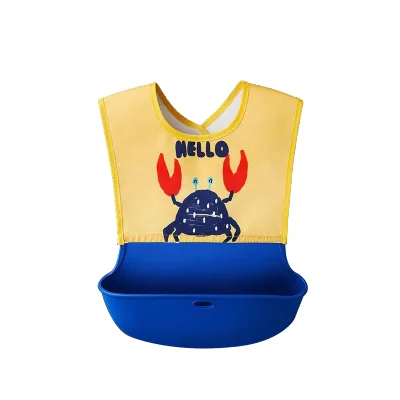
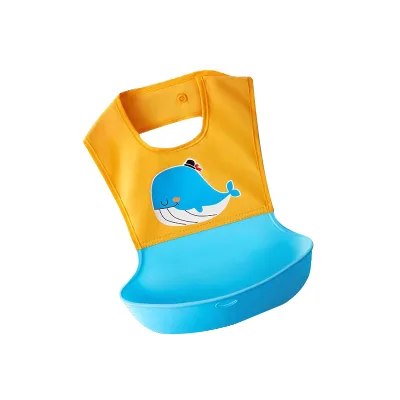
Baby Bibs Waterproof Disposable New Fashion High Quality Coloful Baby Bibs
$0.70 - $0.75
MOQ: 50 pieces
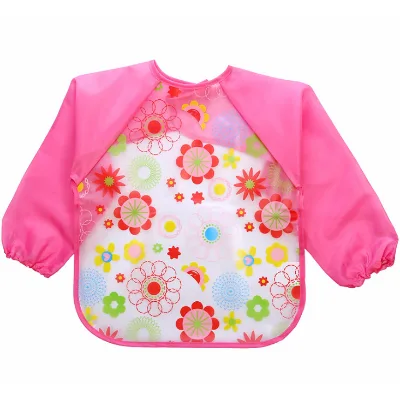
Wholesale Adjustable Absorbent Custom Good Price Full Sleeve Wearable Baby Bib
$0.87 - $0.92
MOQ: 50 pieces

Zhejiang Gangju Import & Export Co., Ltd
- Verified by SGS
- Combined
- China Zhejiang
- Lead time15 days
- Avg. response≤ 5h
Main productsCloth Diaper, Bib, Swaddle Blanket, Changing Mat, Wet Dry Bag, Baby Clothing, Baby Blanket
Main marketsSouth America,Africa,Europe,Australia,North America


Customizable Polyester Baby Bibs with Practical Print Design for Infants
$0.94 - $1.12
MOQ: 500 Pieces


HEFEI TELIJIE SANITARY MATERIAL CO., LTD.
- Verified by BV
- Trading Company,Manufacturer/Factory
- China Anhui
- Lead time15 days
- Avg. response≤ 2h
Main productsRaw Material of Scrim Reinforced Paper, Surgical/Medical Hand Paper Towel, Scrim Reinforced Exam Gown, Industrial Paper Wiper, Kitchen Paper Wipes, Wet Tissue, Facial Paper Towel, Disposable Bib, Couch Cover Roll, Dental Bib
Main marketsSouth America,Eastern Europe,Mid East,North America,Southeast Asia,Eastern Asia,Oceania,Western Europe,Africa


Customized Multicolor Superior Quality Health Care Multi Purpose Baby Bib
$0.02 - $0.03
MOQ: 100000 Piece

Customized Many Colors Superior Quality Multi Purpose Baby Bib for Children
$0.02 - $0.03
MOQ: 100000 Piece

Customized Multicolor Superior Quality Medical Health Multi Purpose Baby Bib
$0.02 - $0.03
MOQ: 100000 Piece

Customized Multicolor Superior Quality Manufacture Multi Purpose Baby Bib
$0.02 - $0.03
MOQ: 100000 Piece

Customizable Eco-Friendly Portable Nonwoven Baby Bibs for Easy Cleanup During Meals
$0.04 - $0.06
MOQ: 100000 Pieces

Shenzhen Color Life Lighting Co., Ltd
- Trading Company
- China Guangdong
- Lead time15 days
- Avg. response≤ 4h
Main productsLED Beauty Mask, LED Silicone Facial Mask, Slow Feeder Silicone Bowl, Silicone Bath Toys, Silicone Pet Use Accessories, Silicone Stacking Toy, Silicone Baby Plate, Silicone Pet Bowl, LED Silicone Face Mask, Red Light Therapy Mask
Main marketsSoutheast Asia/ Mideast,East Asia(Japan/ South Korea),Europe,Australia,North America

Xiamen Neway Rubber & Plastic Products Co., Ltd.
- Verified by BV
- Combined
- China Fujian
- Lead time15 days
- Avg. response≤ 3h
Main productsPlastic Injection Molding, Plastic Parts, Silicone Rubber Parts, Gasket Seals, Rubber Grommet, Mould, O Ring, Extrusion Strip, Metal Parts, Suction Cup
Main marketsSouth America,Africa,Southeast Asia/ Mideast,East Asia(Japan/ South Korea),Europe,Australia,North America

Custom Silicone Baby Bib Baby Feeding Bib Goods Soft Waterproof Baby Bibs
$0.50 - $2.00
MOQ: 500 Pieces

$0.20 - $1.00
MOQ: 500 Pieces

Customized Waterproof Baby Bibs BPA Free Adjustable Easy Clean Comfortable Soft Baby Silicone Bib
$0.50 - $2.00
MOQ: 500 Pieces
DX Rubber&Plastic Products Co., Ltd.
- Manufacturer, Trading Company
- Guangdong, China
- Lead time30 days
- Avg. response≤ 7h
Main productsSilicone Baby Bib, Silicone Baby Bowl, Silicone Baby Plate, Baby Pacifier, Silicone Teether
Main marketsNorth America(40.00%), Western Europe(20.00%), Domestic Market(15.00%), South Asia(5.00%), South America(5.00%), Oceania(5.00%), Northern Europe(5.00%), Eastern Europe(5.00%)
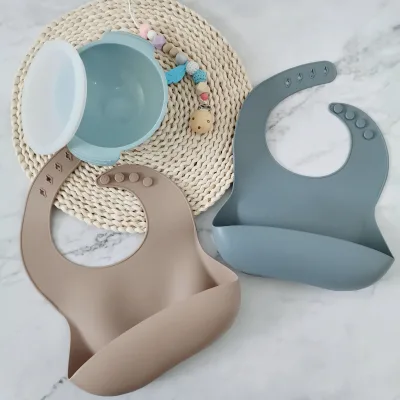
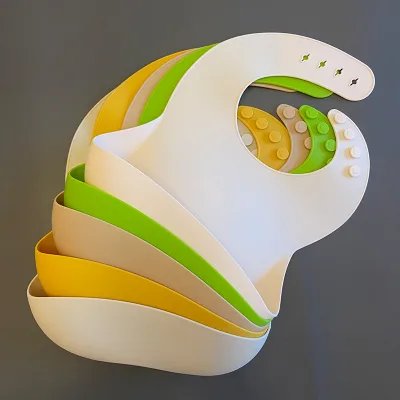
$1.06 - $1.33
MOQ: 50 pieces

Suzhou Honychem Specialties Manufacture Co., Ltd.
- Verified by BV
- Trading Company,Manufacturer/Factory
- China Jiangsu
- Lead time15 days
- Avg. response≤ 3h
Main productsSilicone Seal, Rubber Seal, Silicone Parts, Silicone Tube, Rubber O Ring, Silicone Keyboard, Silicone Rubber Keyboard Button, Rubber Gasket, Silicone Rubber, Rubber Parts
Main marketsSouth America,Eastern Europe,Mid East,North America,Southeast Asia,Eastern Asia,Oceania,Western Europe,Africa
- Verified by Intertek
- Trading Company
- Lead time15 days
- Avg. response≤ 1h
Main productsBaby Bedding, Muslin Swaddle, Baby Bibs, Baby Bath Towels, Baby Blankets
Main marketsOceania(30%), Southeast Asia(20%), Mid East(10%)

Xiamen Newtop Material Company
- Verified by TUVRHEINLAND
- Combined
- China Fujian
- Lead time15 days
- Avg. response≤ 2h
Main productsSilicone Pet Prodcuts, Silicone Housewares Product, Silicone Baby Product, Silicone Parts, Silicone Cap, Silicone Breast Pump, Slow Feeder, Silicone Pet Mat, Silicone Gasket, Silicone Hose
Main marketsEurope,North America

Jinjiang Naike Eco Technology Co., Ltd.
- Verified by SGS
- Trading Company
- China Fujian
- Lead time30 days
- Avg. response≤ 1h
Main productsKeychain, Promotional Gifts, Shoes Charm, Straw Toppers, Pencil Toppers, Christmas Decoration, Party Decoration, Toy, Metal Craft, Silicone Products
Main marketsEurope,North America

Custom Logo BPA Free Baby Silicone Bibs Waterproof Lightweight Reusable Baby Bib for Baby Products
$1.05 - $1.10
MOQ: 500 Pieces

Hot Sale Custom BPA Free Unisex Adjustable Bibs Soft Waterproof Baby Silicone Bib
$1.17 - $1.23
MOQ: 500 Pieces

Kingsun Baby Products Co., Ltd.
- Verified by TUVRHEINLAND
- Trading Company,Manufacturer/Factory
- China Guangdong
- Lead time23 days
- Avg. response≤ 5h
Main productsBaby Bottle, Nipple, Pacifier, Breast Pump, Teethers, Baby Water Bottle, Nasal Aspirator, Baby Dinner Set, Baby Products, Feeding Accessories
Main marketsSouth America,Eastern Europe,Mid East,North America,Southeast Asia,Oceania,Western Europe,Africa

Chiaus (Fujian) Industrial Development Co., Ltd.
- Verified by BV
- Combined
- China Fujian
- Lead time23 days
- Avg. response≤ 2h
Main productsBaby Diapers, Disposable Diapers, Nappy Pads, Adult Diapers, Wet Wipes, Baby Wipes, Pet Diapers, Baby Nappies, Baby Goods, Incontinent Products
Main marketsSouth America,Africa,Southeast Asia/ Mideast,East Asia(Japan/ South Korea),Europe,Australia,North America

Dongguan Dingman Toy And Gift Co., Ltd.
- Verified by TUVRHEINLAND
- Combined
- China Guangdong
- Lead time30 days
- Avg. response≤ 5h
Main productsStuffed Toy, Plush Toy, Stuffed Animal, Play Mat, Soft Book, Cloth Doll, Plush Bag, Pillow, Cloth Masks, Soft Toys
Main marketsOthers(foreignTradeCapacity.exportBusinessCapacityMarketOther),Domestic


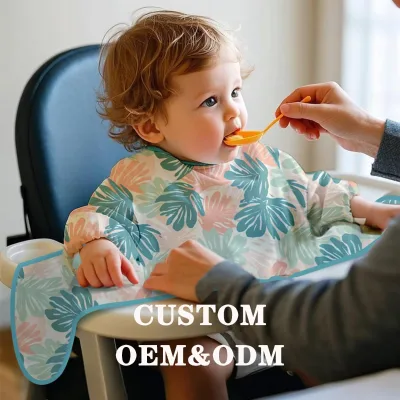
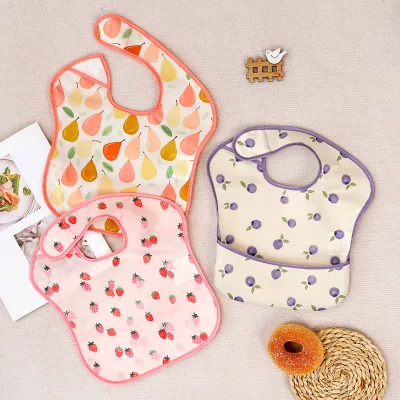


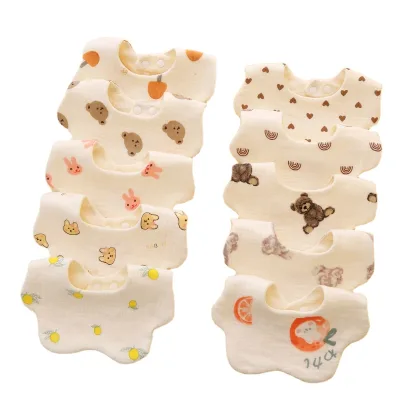
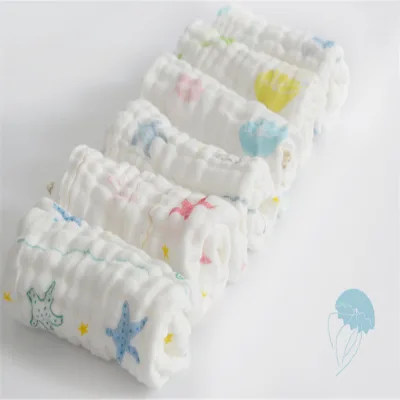


Comprehensive Sourcing Guide
Eco-Friendly Reusable Baby Bibs Supplier Concentration and Factory Types
Current data indicates a concentration of manufacturing activity in China, specifically within the Henan and Zhejiang provinces, where suppliers list locations such as Zhejiang, China, and Henan. These regions host a mix of company types, including pure manufacturers and entities operating as both manufacturers and trading companies. The observed product evidence confirms that facilities in Zhejiang produce items like silicone and EVA baby bibs, with specific models such as BB-1507 and BB-1509 originating from this area. In contrast, suppliers located in Shanghai are identified as trading companies focusing on baby wear and cloth diaper bibs, suggesting a regional split between production hubs and distribution centers.
Buyers should verify the specific factory type before committing to a partnership, as the distinction impacts production control and pricing structures. While some suppliers explicitly state they are manufacturers with ODM and OEM capabilities, others function as trading companies that may source from multiple factories. The presence of ISO9001:2015 certification in the data suggests that at least some facilities adhere to international quality management standards, but this is not universal across all listed entities. When evaluating potential partners, it is essential to confirm whether the supplier is the actual producer or an intermediary, as this affects the ability to customize materials like silicone or EVA and manage the supply chain directly.
How to Verify Eco-Friendly Reusable Baby Bibs Suppliers
Verification processes should prioritize checking for third-party validation and system certifications that are explicitly listed in supplier profiles. The available data shows that some suppliers hold SGS verification status and ISO9001:2015 certificates, which serve as concrete indicators of operational reliability and quality control systems. Buyers must request proof of these specific credentials rather than accepting general claims, as the presence of a certificate does not guarantee that every product line meets the same standard. Additionally, the response time metric, observed at values like 2.72 hours or 4.71 hours, can serve as a proxy for operational efficiency and communication reliability, though this should be validated through direct inquiry.
Beyond certifications, buyers should assess the supplier's ability to provide detailed product attributes that align with eco-friendly and reusable requirements. The data reveals specific material claims, such as silicone and EVA, along with features like washability and anti-bacterial properties, which are critical for this product category. It is vital to confirm that the "Eco-Friendly" designation is supported by tangible evidence, such as the use of food-grade materials or specific manufacturing techniques like digital printing. Buyers should also verify the supply type, looking for ODM or OEM services that indicate a capacity for customization, and ensure that the supplier can provide samples with a defined lead time, such as the seven-day sample order support noted in some profiles.
What to Compare Across Eco-Friendly Reusable Baby Bibs Suppliers
When comparing suppliers, the minimum order quantity (MOQ) is a primary differentiator that significantly impacts inventory planning and cash flow. The observed data shows a wide range, with some suppliers requiring an MOQ of 500 units while others accept orders as low as 2 pieces or 10 units. This variance allows buyers to select partners based on their specific volume needs, whether they are testing a new market with small batches or scaling up for mass distribution. Alongside MOQ, the unit price range must be evaluated, as costs fluctuate between approximately $0.53 and $2.60 depending on the material, size, and customization level, such as logo printing or specific packaging requirements.
Lead times and response speeds are equally critical factors that influence the overall supply chain efficiency and the ability to meet market demand. The data indicates lead times ranging from immediate availability to 15 days, with some suppliers offering zero-day lead times for in-stock items. Response times vary from roughly 2.7 hours to 5 hours, which can affect the speed of negotiation and problem resolution. Buyers should also compare the main products offered, as some suppliers specialize in baby bibs while others offer a broader range including pet pads or patient care clothing. A supplier with a diverse product line might offer better cross-selling opportunities, but a specialized manufacturer may provide deeper expertise in specific bib materials and designs.
Common Eco-Friendly Reusable Baby Bibs Sourcing Risks
One significant risk involves the discrepancy between the stated location of the supplier and the actual origin of the product. The data shows suppliers located in Henan or Shanghai listing products with origins in Zhejiang, which can complicate logistics and quality assurance if the buyer assumes a single point of contact. This geographic separation may lead to communication gaps or delays in resolving production issues, as the trading company in one city may not have direct oversight of the manufacturing facility in another province. Buyers must clarify the exact production site to ensure that the claimed certifications and quality standards apply to the specific batch being manufactured.
Another risk pertains to the consistency of material quality and the validity of eco-friendly claims. While some products are described as made from silicone or EVA with specific weights and dimensions, the lack of standardized testing results in the provided data means buyers cannot assume all items meet the same safety or durability benchmarks. The variation in packaging, from OPP polybags to frosted zipper bags, also suggests differences in handling and protection during transit. Without verified test results for food safety or chemical composition, there is a risk that the "Eco-Friendly" label may not reflect the actual environmental impact or safety profile of the final product, necessitating rigorous pre-shipment inspections.
Eco-Friendly Reusable Baby Bibs Regional Sourcing and Logistics
Sourcing from China, particularly from the Zhejiang and Henan provinces, offers access to established manufacturing clusters but requires careful logistics planning. The data indicates that products originate from Zhejiang, while suppliers may be based in Henan or Shanghai, creating a multi-node supply chain that can impact shipping times and costs. Buyers should account for the fact that lead times can vary from zero days for in-stock items to 15 days for custom orders, which affects the overall delivery schedule. Understanding the specific origin of the goods is crucial for calculating accurate freight costs and estimating arrival dates at the destination port.
Logistics efficiency is further influenced by the supplier's response time and their ability to coordinate shipping details. Suppliers with faster response times, such as those under three hours, may be better equipped to handle urgent shipping requests or last-minute changes to order specifications. However, the presence of trading companies in Shanghai suggests that some orders may be consolidated from multiple sources, potentially adding complexity to the shipping process. Buyers should verify the packaging standards, such as the use of OPP bags or zipper bags, to ensure that the products are protected during transit and that the packaging aligns with their own branding or sustainability goals.
Eco-Friendly Reusable Baby Bibs Commercial Terms and Order Planning
Commercial terms regarding pricing and payment structures must be clearly defined to avoid unexpected costs. The observed price ranges, from $0.53 to $2.60 per unit, indicate that costs are highly dependent on the specific model, material, and customization options selected. Buyers should negotiate based on the volume they intend to order, as the MOQ can range from 2 pieces to 1000 units, directly influencing the unit price. It is essential to confirm whether the quoted price includes logo printing, specific packaging, or other value-added services, as these factors can significantly alter the final cost per unit.
Order planning should also consider the supplier's capacity and their ability to scale production to meet demand. The data shows supply abilities ranging from 5000 sets per week to immediate availability of 10,000 sets, which provides flexibility for different order sizes. However, buyers must verify if these capacities are sustainable during peak seasons or if they are subject to change based on raw material availability. Additionally, the availability of sample orders with a seven-day lead time allows for quality verification before committing to larger volumes. Buyers should establish a clear timeline that accounts for sample approval, production lead times, and shipping durations to ensure timely delivery to the market.
FAQs
What materials are used for eco-friendly reusable baby bibs?
Suppliers offer bibs made from silicone and EVA materials. These options provide waterproof protection while remaining safe for babies. Many products feature printed designs and come in various sizes to fit different age groups effectively.
What is the minimum order quantity for these bibs?
Minimum order quantities vary significantly by supplier and product type. Some listings require 500 units, while others accept orders as low as 2 pieces. Buyers should check specific product pages to confirm the exact MOQ before placing an order.
How long does it take to receive an order?
Lead times depend on the specific supplier and product configuration. One manufacturer lists a standard lead time of 15 days. Another supplier indicates a 7-day sample order lead time is supported for quick prototyping needs.
Are these bibs customizable with logos or designs?
Yes, customization is widely available across multiple supplier listings. Buyers can request logo printing using digital printing or other techniques. Custom sizes and specific packaging requirements are often accommodated to meet unique brand standards.
Where are the manufacturers of these bibs located?
Manufacturers are primarily located in China, specifically in Henan, Shanghai, and Zhejiang provinces. Some suppliers operate as manufacturers while others function as trading companies. All listed origins confirm production within these specific Chinese regions.
What certifications do the suppliers hold?
Certifications vary by supplier but include ISO9001:2015 system certification. Some suppliers also hold CPC and CE certifications for their products. Verification services like SGS are used to confirm supplier status and product quality standards.
What is the price range for reusable baby bibs?
Prices range from approximately 0.53 to 2.60 per unit depending on material and features. Silicone and EVA options typically fall between 0.95 and 1.24. Cotton or specialized designs may command higher prices up to 2.60 per unit.