Brushless Electronic Speed Control ESC Suppliers and Manufacturers
Compare 23 verified suppliers offering Brushless Electronic Speed Control ESC with varying lead times, MOQs, and certifications. Review response times and product specs to select a partner in Guangdong, China, then request quotes for your specific voltage and current needs.
Updated
Suppliers List

Shenzhen Gorrwix Electronics Co., Ltd.
- Verified by SGS
- Trading Company
- China Guangdong
- Lead time15 days
- Avg. response≤ 2h
Main productsCommunication Antenna, Fpv Antenna, Fpv Motor, Drone Accessories, 4G/5g Antenna
Main marketsNorth America

High Efficiency 120A Electronic Speed Controller for Drone Brushless Motor ESC
$46.00 - $47.00
MOQ: 500 Pieces


120A High Current Brushless ESC for Drone Brushless Motor 3-6s Electronic Speed Controller
$55.00 - $57.00
MOQ: 500 Pieces


120A Brushless Electronic Speed Controller ESC for Uav Drone 3-6s Lipo
$55.00 - $57.00
MOQ: 500 Pieces

Shenzhen Full Depth Technology Co., Ltd.
- Verified by SGS
- Trading Company,Manufacturer/Factory
- China Guangdong
- Lead time23 days
- Avg. response≤ 2h
Main productsUnderwater Robot, Underwater Camera, Underwater Light, Underwater Thruster, Underwater Connector, Buoyancy, Neutral Buoyancy Cables, Underwater Servo, Ethernet Through Powerline Module, Electronic Speed Controller (ESC)
Main marketsSouth America,Eastern Europe,Mid East,North America,Southeast Asia,Eastern Asia,Oceania,Western Europe,Africa
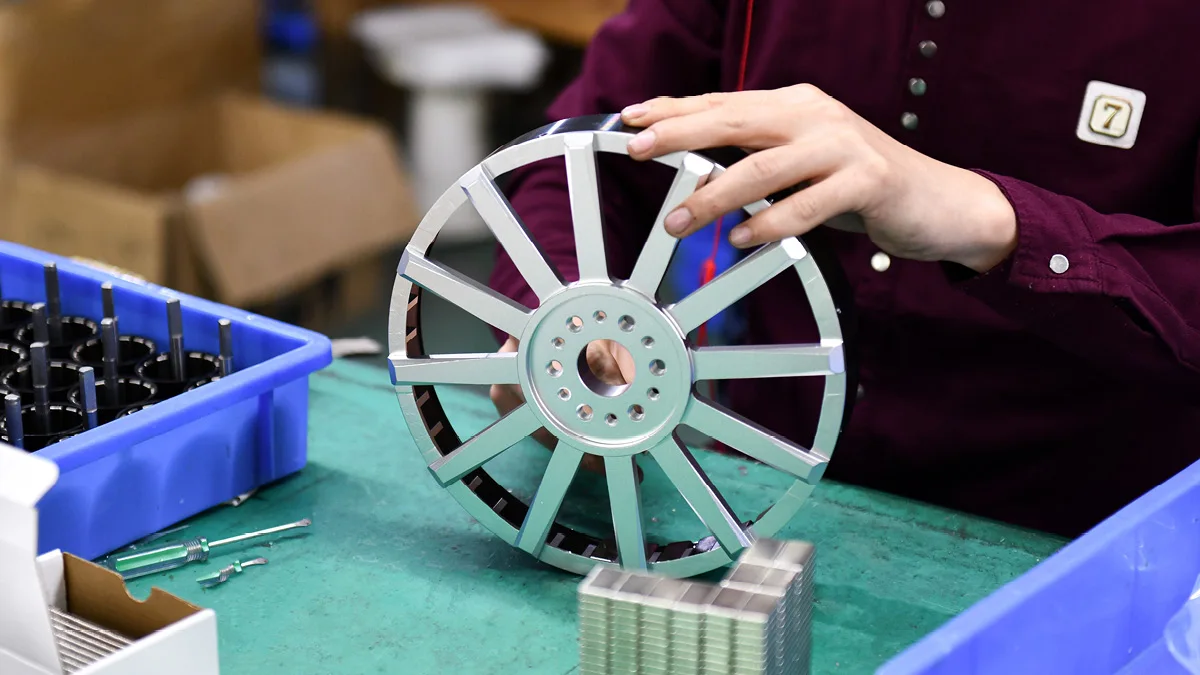
Dongguan Furious Technology Co., Ltd.
- Manufacturer, Trading Company
- Guangdong, China
- Lead time15 days
- Avg. response≤ 11h
Main productsBrushless DC motor,motor controller,propeller,motor accessories,propulsion system
Main marketsDomestic Market(32.00%), North America(18.00%), Western Europe(12.00%), Eastern Europe(6.00%), Southern Europe(6.00%), Northern Europe(6.00%)
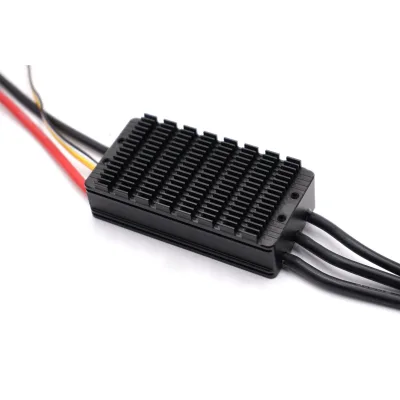
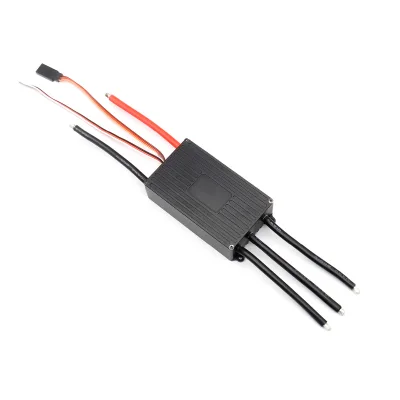
High Efficiency 14S 80A HV Electric ESC for E-foil Surfboard Fast Dissipation Motor Controller
$139.6671 - $160.3571
MOQ: 5 pieces
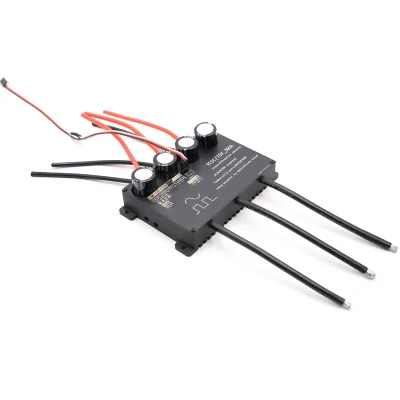
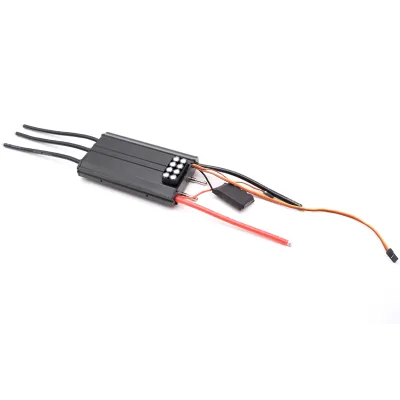
$265.5633 - $327.084
MOQ: 5 pieces
Shenzhen Cool-Young Technology Co., Ltd.,
- Manufacturer, Trading Company
- Guangdong, China
- Lead time0 days
- Avg. response≤ 3h
Main productsDrone,Anti-Drone,Drone Accessories,Drone Antennas,Drone Signal Amplifier
Main marketsSouth America(30.00%), North America(30.00%), Northern Europe(10.00%), Western Europe(10.00%), South Asia(5.00%), Africa(5.00%), Central America(5.00%), Southeast Asia(5.00%)

Shenzhen Nereus Industrial Co., Ltd.
- Verified by TUVRHEINLAND
- Trading Company
- China Guangdong
- Lead time15 days
- Avg. response≤ 2h
Main productsDrone, Electronic Speed Controller, Flight Controller, Brushless Motor, Servo Motor, Video Transmission System, Drone Camera Module, Fpv Camera Module
Main marketsNorth America


$79.00 - $89.50
MOQ: 1 Pieces
WuHan Aismartlink Intelligent Technology Co., Ltd.
- Verified by Intertek
- Trading Company
- Lead time4 days
- Avg. response≤ 2h
Main productsTire Pressure Detector, Raspberry Pi Development Board, Sensor Module, PCB electronic Board, LCD Display Screen
Main marketsNorth America(15%), South America(10%), Central America(10%)
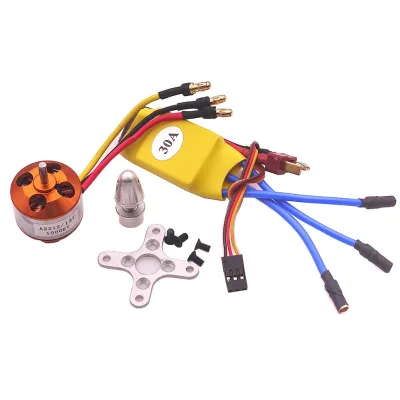
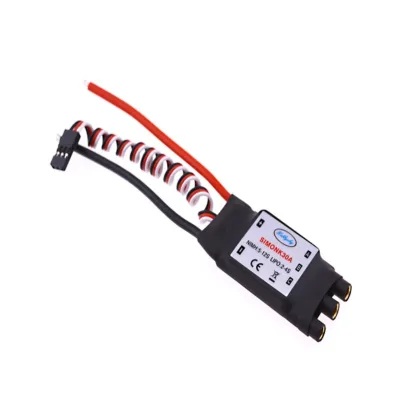
$4.9775 - $10.1601
MOQ: 2 Minimum
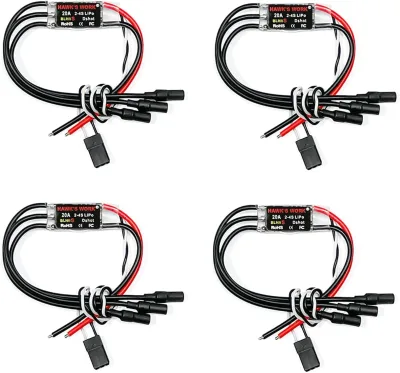

Shenzhen Wanweisi Technology Co., Ltd.
- Manufacturer
- Guangdong, China
- Lead time15 days
- Avg. response≤ 10h
Main productselectronic product,digital product,phone accessories,Computer Accessories,Home appliance accessories
Main marketsNorth America(40.00%), South Asia(10.00%), Southern Europe(10.00%), Northern Europe(10.00%), Western Europe(10.00%), Oceania(10.00%), Eastern Europe(10.00%)
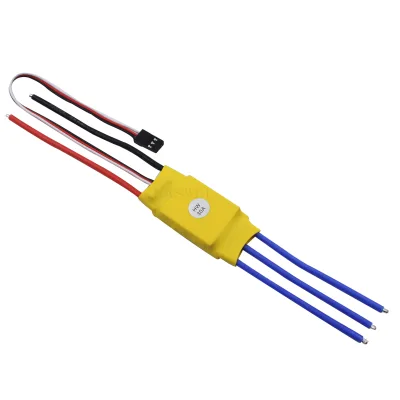
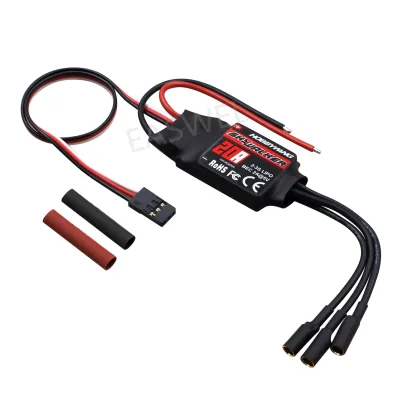
Universal for SkyWalker UBEC 20A BEC 2-6S Lipo Speed Controller Brushless ESC
$5.9042 - $6.0284
MOQ: 50 pieces
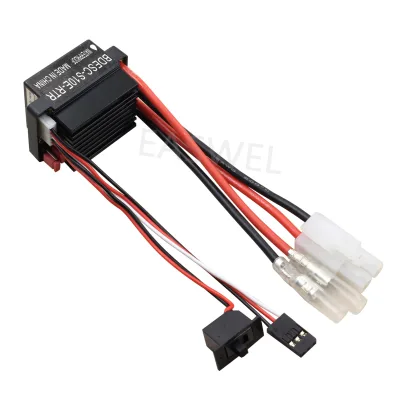

Shenzhen Fulaiou Electronics Co., Ltd.
- Manufacturer
- Guangdong, China
- Lead time7 days
- Avg. response≤ 3h
Main productsBrushless Electronic Speed Controller,Brushless esc,BLDC controller,Electronic speed controller,Motor controller
Main marketsWestern Europe(40.00%), North America(20.00%), South America(10.00%), Northern Europe(10.00%), Eastern Europe(10.00%), South Asia(5.00%), Mid East(5.00%)
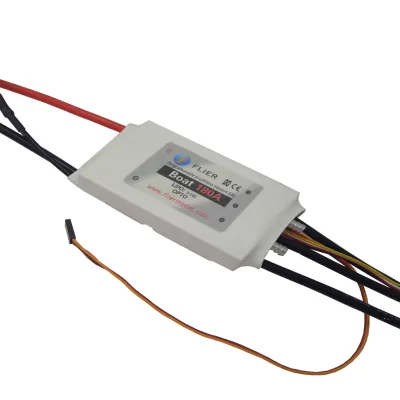
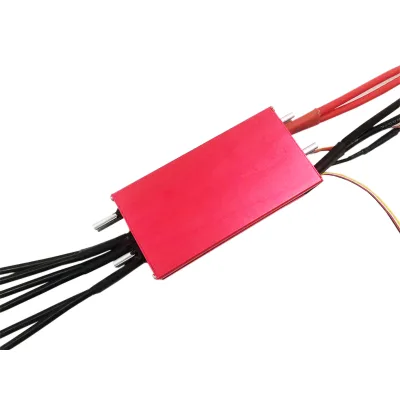
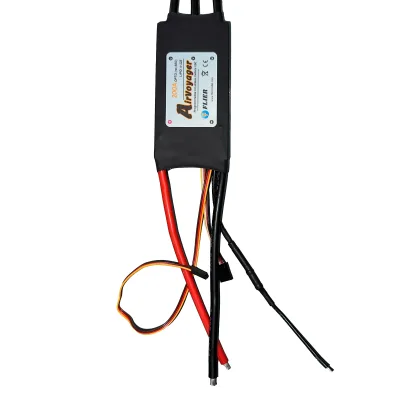
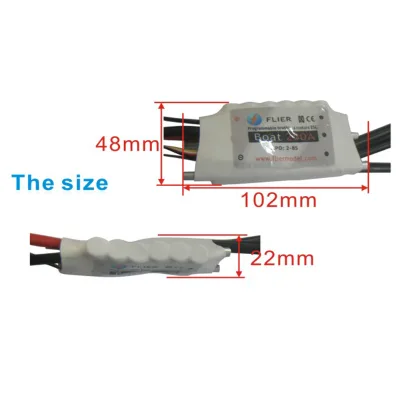
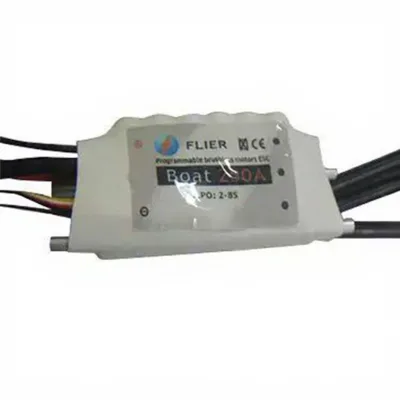
250A Brushless Motor 8S ESC Combo Motor Controller with Toro Program Card for 1/5 RC Boat
$108.9112 - $121.2405
MOQ: 1 pieces
Shenzhen Full Depth Technology Co., Ltd.
- Manufacturer, Trading Company, Distributor/Wholesaler
- GUANGDONG, China
- Lead time0 days
- Avg. response≤ 4h
Main productsunderwater thruster,underwater camera,ROV UUV,underwater light,underwater components
Main marketsMid East(20.00%), Western Europe(20.00%), Eastern Asia(20.00%), Southern Europe(10.00%), Northern Europe(10.00%), Eastern Europe(10.00%), North America(10.00%)
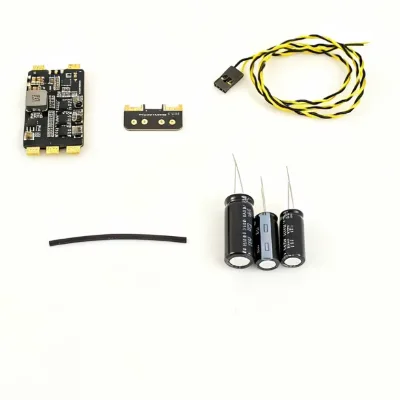
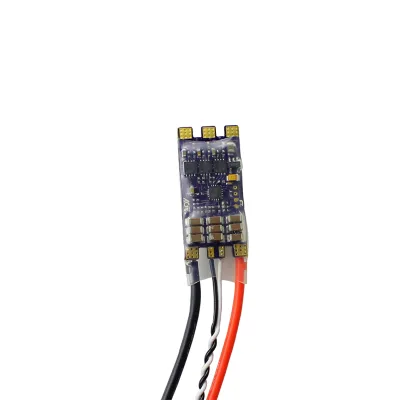
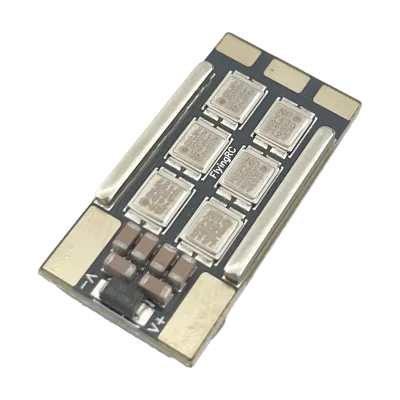
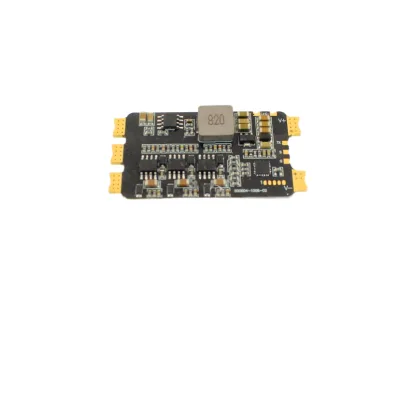
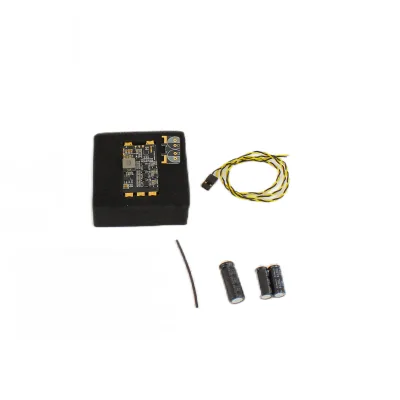
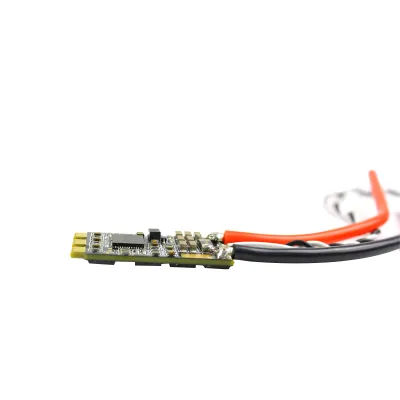
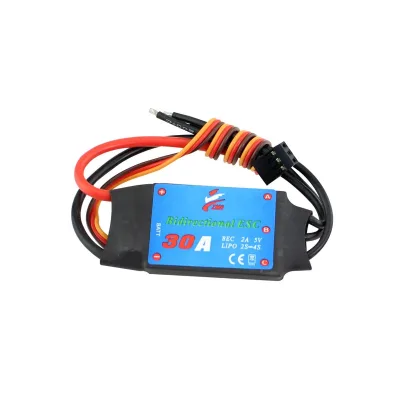
Hot-Selling 30A Brushless Two-Way Electric Adjustment for Underwater ROV Model Connector Accessories
$15.00 - $19.00
MOQ: 1 pieces
GuangDong Flipsky Technology Company Limited
- Manufacturer
- Guangdong, China
- Lead time7 days
- Avg. response≤ 3h
Main productsElectric speed controller,BLDC motors,Anti-spark switch,remote controller,esurf/efoil ESC
Main marketsNorth America(35.00%), Domestic Market(5.00%), South Asia(5.00%), Southern Europe(5.00%), Northern Europe(5.00%), Central America(5.00%), Western Europe(5.00%), Eastern Asia(5.00%), Mid East(5.00%), Oceania(5.00%), Africa(5.00%), Southeast Asia(5.00%), Eastern Europe(5.00%), South America(5.00%)
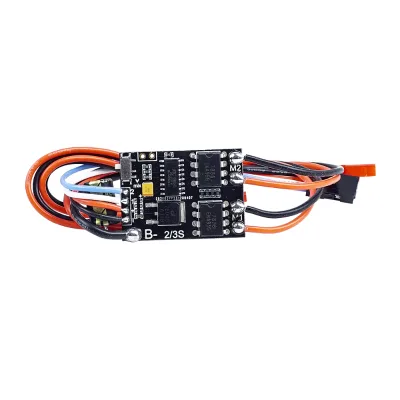
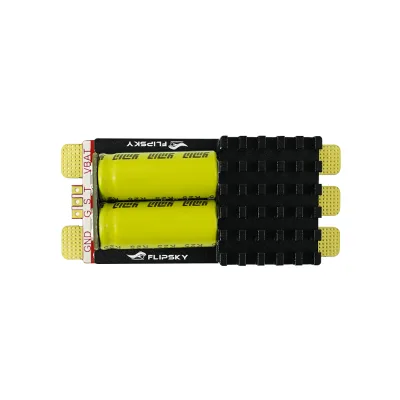
Brushed ESC Dual Way Speed Controller 2S-3S 5AX2 ESC Speed Control for RC Vehicle Car Airplane
$3.0838 - $5.0359
MOQ: 2 pieces
$35.9609 - $53.0178
MOQ: 2 pieces
$195.2163 - $297.9614
MOQ: 1 pieces
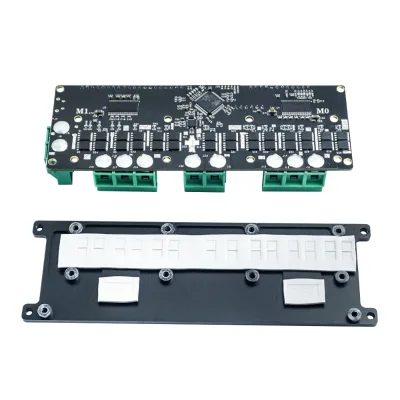
Flipsky Dual ESC ODESC3.6 Based on OD Driver 56V 50A Robotics Controller
$85.00 - $95.00
MOQ: 2 pieces

Guangdong Flipsky Technology Company Ltd.
- Verified by SGS
- Manufacturer
- China Guangdong
- Lead time15 days
- Avg. response≤ 1h
Main productsESC, Motor, Anti Spark Switch, Electric Speed Controller, Skateboard
Main marketsSouth America,Africa,Southeast Asia/ Mideast,East Asia(Japan/ South Korea),Domestic,Europe,Australia,North America


Flipsky Efficient Motor ESC FT85GS ESC 85V 400A Electronic Speed Controller
$128.00 - $200.00
MOQ: 1 Pieces


Flipsky ESC 110200 Electronic Speed Controller 110V Vesc Agv Speedfighter Robots Drive
$92.00 - $165.00
MOQ: 1 Pieces
Dongguan Freerchobby Model Co., Ltd.
- Manufacturer, Trading Company
- Guangdong, China
- Lead time10 days
- Avg. response≤ 7h
Main productsDC Motor,Motor Controller,Propeller
Main marketsNorth America(30.00%), Northern Europe(10.00%), Western Europe(10.00%), Mid East(10.00%), Southeast Asia(10.00%), Domestic Market(10.00%), Southern Europe(10.00%), Eastern Europe(5.00%), South America(5.00%)
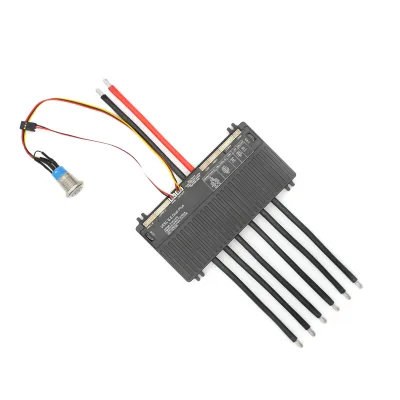
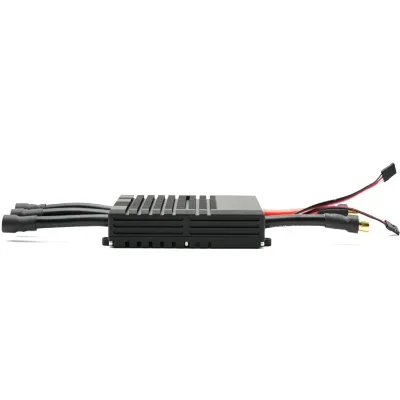
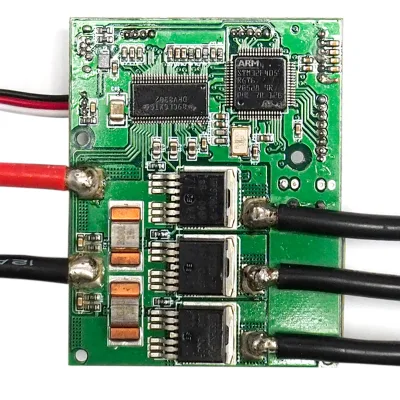
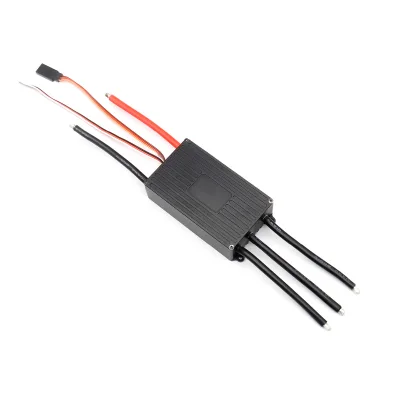
$307.1799 - $322.5391
MOQ: 1 pieces
Wuhan Darmi Technology Co., Ltd.
- Trading Company
- Hubei, China
- Lead time0 days
- Avg. response≤ 6h
Main productsDrones Accessories,Flight controller,remote controller,motor and ESC,Battery and charger
Main marketsEastern Europe(30.00%), Western Europe(20.00%), Southern Europe(10.00%), North America(10.00%), South Asia(5.00%), Southeast Asia(5.00%), Central America(5.00%), South America(5.00%), Mid East(5.00%), Africa(5.00%)
Shenzhen Fx Dynamics Technology Co., Ltd.
- Verified by Intertek
- Trading Company
- Lead time0 days
- Avg. response≤ 2h
Main productsServo, RC Model Parts, Hardware Products, RC Car Parts, Battery Charger
Main marketsNorth America(30%), South America(10%)
Wuhan Huinong UAV Technology Co., Ltd.
- Verified by SGS Group
- Manufacturer, Trading Company
- Lead time7 days
- Avg. response≤ 2h
Main productsPayload Drone, Agricultural Drone, Drone Accessories, Brushless Motor, FPV Drone
Main marketsEastern Europe(30%), North America(30%), Southeast Asia(10%)
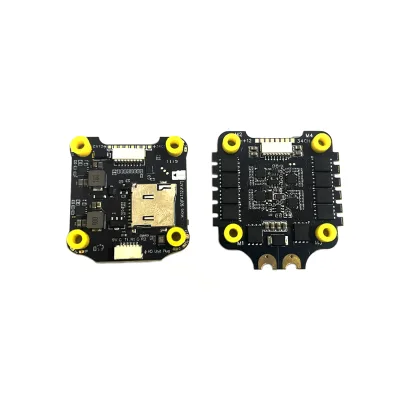
Brushless Esc Speedybee F405 V3 Stack 50A Flight Controller and Esc for Rc Fpv Drone
$38.91 - $66.5566
MOQ: 1 Minimum
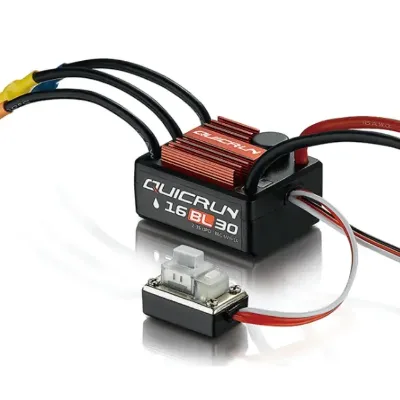
$24.1122 - $26.208
MOQ: 2 pairs

- Verified by TUVRHEINLAND
- Combined
- China Guangdong
- Lead time15 days
- Avg. response≤ 5h
Main productsBrushless Motor, ESC, Propeller, Drone, Unmanned Aerial Vehicle, Model Power, Robot Dynamics, Underwater Power, Skatboard, Propulsion System
Main marketsDomestic

400V 160A Brushless Flight Controller ESC for Heavy Lift Drone and Robot/Agv/Surfboard /Vtol
$2760.00 - $2898.00
MOQ: 4 Pieces


75V 200A Brushless Flight Controller ESC for Heavy Lift Drone and Robot/Agv/Surfboard Drone Motor
$246.00 - $266.00
MOQ: 9 Pieces
Shenzhen Diamond Dynamics Technology Co., Ltd.
- Manufacturer, Trading Company
- Guangdong, China
- Lead time30 days
- Avg. response≤ 8h
Main productsunderwater Ppropulsorler,brushless Motor,ESC,Waterproof Motor,Servo
Main marketsNorth America(30.00%), Western Europe(10.00%), Mid East(10.00%), Eastern Europe(10.00%), Eastern Asia(8.00%), Southern Europe(5.00%), Northern Europe(5.00%), Central America(5.00%), South Asia(5.00%), Oceania(5.00%), Southeast Asia(5.00%), Africa(2.00%)
$50.2438 - $70.7916
MOQ: 1 pieces
Shenzhen Xinke Xincheng Technology Co., Ltd.
- Verified by TüVRheinland
- Trading Company
- Lead time2 days
- Avg. response≤ 1h
Main productsIC, MCU, Capacitor, Resistor, Drone Accessories
Main marketsEastern Europe(30%), South Asia(30%), North America(20%)

Shenzhen Zemei Technology Co., Ltd.
- Verified by SGS
- Trading Company
- China Guangdong
- Lead time15 days
- Avg. response≤ 22h
Main productsUav Drone Accessories, Fpv Drone Accessories, Drone Remote Controller, Drone Propellers, Drone Motors, Drone Mounts, Drone Gimbal Camera, Drone Frame, Agriculture Drone Uav Engine, Drone Flight Control
Main marketsSoutheast Asia/ Mideast
Guangzhou Yuli Intelligent Technology Co., Ltd.
- Manufacturer, Trading Company
- Guangdong, China
- Lead time15 days
- Avg. response≤ 1h
Main productsMotor,magnetic encoder,rotary speed sensor,motor control,motor resolver
Main marketsDomestic Market(25.00%), North America(20.00%), Western Europe(20.00%), Eastern Europe(10.00%), Northern Europe(10.00%), Oceania(5.00%), Southeast Asia(5.00%), South America(5.00%)
Shenzhen Hi-Link Electronic Co., Ltd.
- Manufacturer, Trading Company
- Guagndong, China
- Lead time5 days
- Avg. response≤ 2h
Main productsCommunication WiFi Module, AC-DC Power Module, DC-DC Power Module, Sensor Module
Main marketsDomestic Market(30.00%), North America(20.00%), Western Europe(20.00%), Southeast Asia(10.00%), South America(5.00%), Oceania(5.00%), Southern Europe(5.00%), Mid East(5.00%)

- Verified by SGS
- Combined
- China Jiangsu
- Lead time23 days
- Avg. response≤ 2h
Main productsMotor BLDC Motor, Controller, Gear Box, Rear Axle
Main marketsSoutheast Asia/ Mideast


New Arrival Stable Controller for Brushless Motor 1200W High-Efficiency Wired Electric Controller
$17.00 - $33.00
MOQ: 100 Pieces

$17.00 - $33.00
MOQ: 100 Pieces

Motor Controller High-Quality Brushless Motor Controller 1200W Efficient Electric Motor Controller
$17.00 - $33.00
MOQ: 100 Pieces
Shenzhen Jiaxinjie Technology Co., Ltd.
- Trading Company, Agent, Distributor/Wholesaler
- Guang Dong, China
- Lead time3 days
- Avg. response≤ 5h
Main productsElectronic products,Electronic module,IC Chip,Capacitance & Resistance,Medical equipment
Main marketsDomestic Market(10.00%), South Asia(10.00%), Southern Europe(10.00%), Eastern Europe(10.00%), South America(10.00%), North America(10.00%), Oceania(5.00%), Africa(5.00%), Southeast Asia(5.00%), Northern Europe(5.00%), Central America(5.00%), Western Europe(5.00%), Eastern Asia(5.00%), Mid East(5.00%)
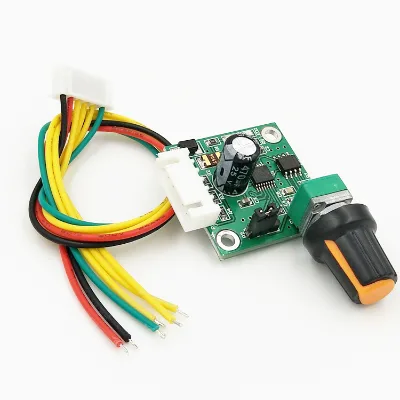
BLDC DC Brushless Motor Controller
$3.00 - $4.00


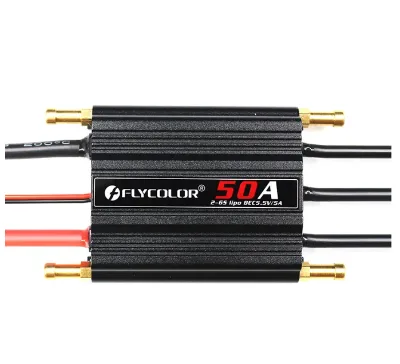
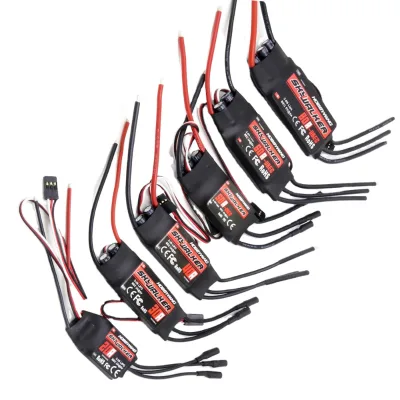
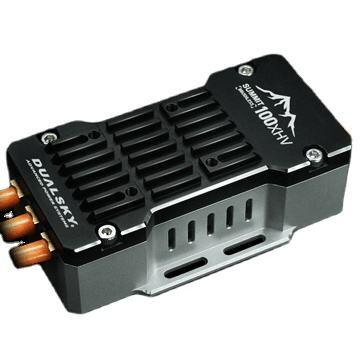
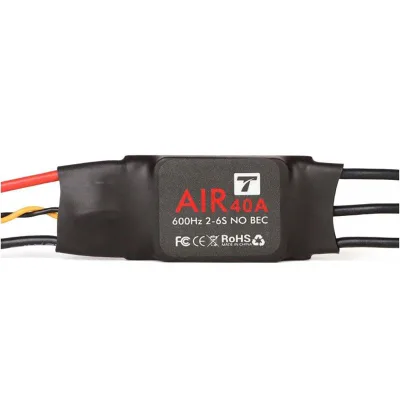


Comprehensive Sourcing Guide
Brushless Electronic Speed Control ESC Supplier Concentration and Factory Types
The available data indicates a significant concentration of suppliers operating from Guangdong, China, specifically within the context of drone and underwater robotics components. This region hosts a mix of trading companies and manufacturers, with some entities listing themselves as both factory and trading partners to offer broader inventory access. The primary product focus for these suppliers often includes communication antennas, drone accessories, and specialized electronic speed controllers for both aerial and underwater applications. Buyers should note that while some suppliers explicitly state a manufacturing capability, others function primarily as trading entities that aggregate products from various factories.
When evaluating the factory type, it is essential to distinguish between pure trading companies and those with direct production lines. The observed supplier profiles show a blend of company types, where some claim "Manufacturer/Factory" status while others are listed strictly as "Trading Company." This distinction impacts the ability to customize products and the depth of technical support available. For instance, suppliers offering OEM/ODM services often have closer ties to production facilities, whereas trading companies may rely on third-party manufacturers for such requests. Buyers must verify the actual production capacity and ownership structure to ensure the supplier can meet specific volume and customization requirements without unnecessary intermediaries.
How to Verify Brushless Electronic Speed Control ESC Suppliers
Verification of supplier credibility relies heavily on third-party audit reports and specific certification claims found in the product data. One observed supplier holds an SGS verification status, which serves as a tangible indicator of business legitimacy and operational stability. Additionally, some suppliers in the underwater robotics segment display ISO 9001 system certification, suggesting adherence to international quality management standards. Buyers should prioritize suppliers who provide these specific, verifiable credentials rather than relying on general claims of quality. The presence of ISO certification, particularly for industrial applications like underwater thrusters, often correlates with more rigorous internal quality control processes.
Beyond certifications, response time and verification status offer critical insights into supplier reliability. The data shows response times ranging from approximately 1.43 to 1.60 hours, indicating a generally responsive market for this category. However, buyers must confirm that these response metrics are current and representative of the specific sales representative they will engage with. A fast response time is a positive signal, but it should be cross-referenced with the supplier's verification status. If a supplier claims ISO certification but lacks a third-party verification badge like SGS, the buyer should request the actual certificate documents before proceeding. This dual-check approach ensures that the supplier's claims are backed by independent validation rather than self-declaration.
What to Compare Across Brushless Electronic Speed Control ESC Suppliers
Comparing suppliers requires a detailed analysis of lead times, minimum order quantities, and pricing structures, as these vary significantly across the market. Lead times observed in the data range from 15 days to 23 days, depending on the specific product and supplier capacity. Minimum order quantities also differ, with some suppliers requiring 500 units for standard drone ESCs while others accept orders as low as one unit for specialized underwater applications. Buyers must align their order volume with these MOQs to avoid unnecessary costs or stockouts. The price range for similar specifications, such as 120A ESCs, can vary from 46 to 57 units of currency, highlighting the need for precise specification matching before requesting quotes.
In addition to logistics and pricing, product attributes and customization options are vital comparison points. The data reveals variations in input voltage support, such as 3-6s Lipo versus 5-12s, and different mounting dimensions like 30.5 × 30.5 mm or 42 × 20 mm. Some suppliers offer "Not Universal" products, while others provide "OEM/ODM Available" customization. Buyers should compare these technical specifications against their specific project requirements to ensure compatibility. Furthermore, the availability of specific certifications like ISO for industrial applications should be weighed against the supplier's main product focus. A supplier specializing in drone accessories might not have the same depth of expertise in underwater thruster ESCs as a dedicated underwater robotics manufacturer.
Common Brushless Electronic Speed Control ESC Sourcing Risks
One significant risk involves the discrepancy between claimed capabilities and actual product specifications, particularly regarding voltage support and current ratings. The data shows products labeled as 120A or 80A ESCs with varying input voltage ranges, such as 3-6s or 5-12s. If a buyer selects a supplier based on a generic keyword without verifying the exact voltage range, the component may fail in their specific application. This risk is compounded when suppliers list multiple product types, such as both drone and underwater ESCs, which may require different engineering standards. Buyers must meticulously review the product attributes, including input voltage and mounting hole dimensions, to prevent compatibility issues.
Another risk stems from the variability in lead times and the potential for supply chain disruptions. While some suppliers offer a 15-day lead time, others require 23 days, and this difference can impact project timelines significantly. Trading companies may face additional delays if they need to coordinate with multiple factories to fulfill an order. Furthermore, the lack of universal product standards means that a component from one supplier may not fit a frame designed for another. Buyers should account for these lead time variations in their production schedules and verify the supplier's ability to meet deadlines. Relying on a single supplier without a backup plan increases the risk of delays if that supplier encounters production bottlenecks or logistical issues.
Brushless Electronic Speed Control ESC Regional Sourcing and Logistics
The primary sourcing hub for these components is identified as Guangdong, China, a region known for its dense electronics manufacturing ecosystem. This concentration allows for efficient logistics and a wide variety of product options, from standard drone accessories to specialized underwater robotics parts. Suppliers in this region often benefit from established supply chains for raw materials like metal and electronic components, which can help maintain consistent production quality. However, buyers should be aware that the specific location within Guangdong can influence shipping times and costs, especially for international orders. Understanding the regional logistics network is crucial for planning delivery schedules and managing inventory levels effectively.
When sourcing from this region, buyers must consider the specific packaging and shipping standards associated with different product types. The data indicates that products are often packed in standard packaging boxes or cartons, with dimensions varying based on the ESC model. For example, some underwater thruster ESCs have a single gross weight of 1kg, while others are lighter. Buyers should verify the packaging details to ensure that the products can be shipped safely and cost-effectively. Additionally, the origin of the product, such as Guangdong, China, should be confirmed to ensure compliance with any import regulations or trade agreements. Proper logistics planning can mitigate risks associated with damage during transit and ensure that the products arrive on time for integration into the final system.
Brushless Electronic Speed Control ESC Commercial Terms and Order Planning
Commercial terms for these products often include specific pricing tiers based on order volume, with minimum order quantities ranging from one unit to 500 units. The observed price ranges for 120A ESCs span from 46 to 57 units of currency, while 80A models show a range of 47 to 59 units. Buyers should plan their orders to align with these MOQs to secure the best pricing and avoid the need for excessive inventory. For smaller projects, suppliers with low MOQs are preferable, whereas large-scale production may benefit from the economies of scale offered by higher volume orders. Understanding these commercial terms is essential for budgeting and financial planning before placing an order.
Order planning must also account for the customization options and lead times provided by the supplier. Some suppliers offer OEM/ODM services, which can extend the lead time beyond the standard 15 to 23 days observed in the data. Buyers should factor in these additional days when scheduling production and delivery. Furthermore, the availability of specific certifications, such as ISO, may influence the commercial terms, particularly for industrial applications. Buyers should negotiate clear terms regarding quality assurance, warranty, and after-sales support to ensure a smooth transaction. By carefully planning the order based on these commercial and logistical factors, buyers can minimize risks and ensure a successful procurement process.
FAQs
What is the price range for 120A brushless ESCs?
Prices for 120A brushless electronic speed controllers typically range from $46 to $57 per unit. This pricing applies to standard models designed for drone applications. Buyers should verify specific costs based on order volume and customization requirements before finalizing procurement decisions.
What is the minimum order quantity for these ESCs?
The minimum order quantity varies significantly by supplier and product type. Standard drone ESCs often require a minimum of 500 units. However, specialized underwater thruster ESCs may have a minimum order quantity of just one unit. Always confirm the MOQ with the specific supplier.
How long does production take for these controllers?
Lead times for manufacturing these electronic speed controllers generally range from 15 to 23 days. This duration depends on the specific supplier and the complexity of the order. Buyers should account for this timeframe when planning inventory and project schedules for drone or underwater applications.
Are these ESCs suitable for underwater ROV applications?
Yes, several suppliers offer specialized brushless ESCs designed for underwater ROV and thruster applications. These units often feature waterproofing and support voltages ranging from 3-6s to 5-12s Lipo. They are engineered for constant speed operation in industrial underwater environments.
What certifications do these suppliers hold?
Supplier certifications vary, with some holding ISO 9001 system certification. Other suppliers may display SGS verification status. Product-specific certifications like ISO are also listed for certain underwater models. Buyers should verify current certification status directly with the supplier to ensure compliance with their standards.
Where are these ESC manufacturers located?
The primary manufacturing location for these electronic speed controllers is Guangdong, China. Suppliers in this region specialize in both drone accessories and underwater robotics components. Buyers sourcing from this area can access a wide variety of brushless motor controllers and related drone accessories.
What input voltage ranges do these ESCs support?
Most 120A and 80A brushless ESCs support input voltages of 3-6s Lipo batteries. Specialized underwater models may support higher voltages, such as 5-12s. Always check the specific product attributes to ensure compatibility with your power system before purchasing.