Cyber Model RC Off-Road Truck Suppliers and Manufacturers
Compare 24 verified suppliers of cyber model rc off-road truck based on location, lead time, and certification. Review product specs like scale and remote distance, then request quotes for 1:24 or 1:12 models; review the available evidence before requesting comparable quotations from suitable candidates.
Updated
Suppliers List

Shantou Chenghai Jiuyi Toy Factory
- Verified by BV
- Combined
- China Guangdong
- Lead time15 days
- Avg. response≤ 1h
Main productsDrone
Main marketsSouth America,Africa,Southeast Asia/ Mideast,Europe,Australia,North America

- Manufacturer, Trading Company
- Guangdong, China
- Lead time20 days
- Avg. response≤ 3h
Main productsRC Drone,RC Car,RC Helicopter,RC Tank,RC Quadcopter
Main marketsWestern Europe(16.67%), Mid East(16.67%), Oceania(16.67%), South America(16.67%), North America(16.67%)
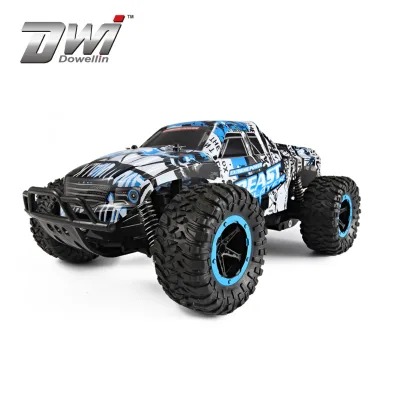
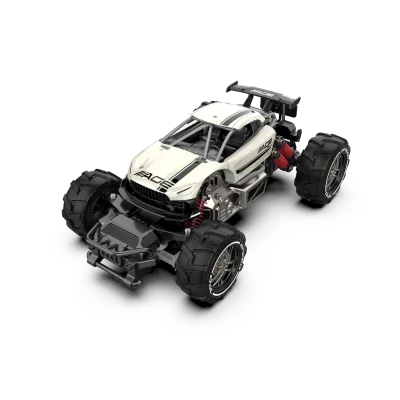
$14.3562 - $14.5613
MOQ: 3 pieces
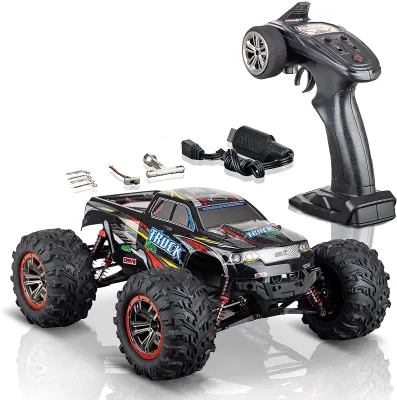
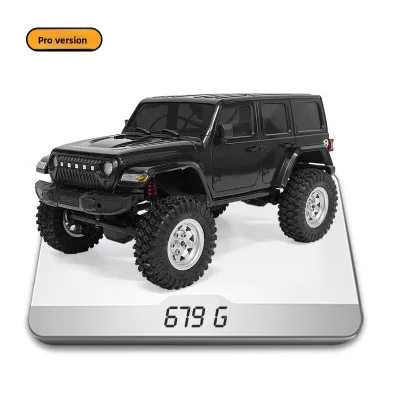
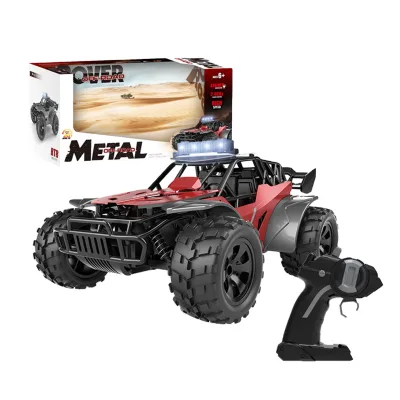
1:10 Scale RC Truck 4x4 High Speed Hobby Grade RC Car 4 Level Pro Waterproof Off Road 4WD Truck
$60.13 - $68.2153
MOQ: 40 pieces
Shantou Rongheqiang Trade Co. Ltd
- Verified by TüVRheinland
- Trading Company
- Lead time7 days
- Avg. response≤ 1h
Main productsToys
Main marketsNorth America(50%), Western Europe(30%), Southeast Asia(10%)

Shantou Gaozheng Trading Co., Ltd.
- Trading Company,Manufacturer/Factory
- China Guangdong
- Lead time60 days
- Avg. response≤ 4h
Main productsToy, Educational Toy, Building Blocks, Puzzle Toy, OEM/ODM, Baby Toy, Plastic Toy, Board Games, RC Toy, Transformer Toy
Main marketsSouth America,Eastern Europe,Mid East,North America,Southeast Asia,Eastern Asia,Oceania,Western Europe,Africa

$38.58 - $42.09
MOQ: 4 Pieces


$28.43 - $31.02
MOQ: 120 Pieces


Shantou Chenghai Pengcheng Toy Ind. Co., Ltd.
- Verified by BV
- Combined
- China Guangdong
- Lead time23 days
- Avg. response≤ 6h
Main productsToys, Plastic Toy, Baby Toy, RC Toy, Educational Toys, Toy Car, Doll, RC Toys, Ride on Car, RC Helicopter
Main marketsSouth America,Africa,Southeast Asia/ Mideast,East Asia(Japan/ South Korea),Europe,Australia,North America

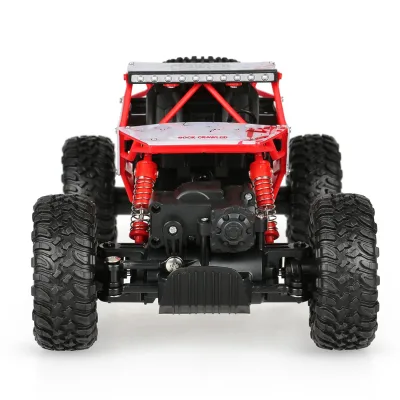
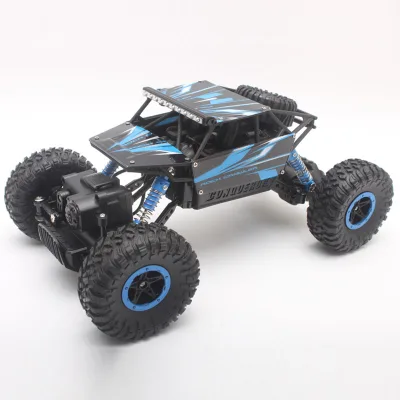
1: 16 6-Wheel RC Climbing Car with Spray, 4WD Remote Control off-Road Monster Truck
$7.80 - $8.50
MOQ: 120 Sets

1: 8 Scale RC Monster Truck, 2.4G High Speed Remote Control off-Road Car
$185.30 - $202.20
MOQ: 10 Sets


Shenzhen KidsMind Manufacturing Technology Co., Ltd.
- Verified by SGS
- Trading Company
- China Guangdong
- Lead time15 days
- Avg. response≤ 4h
Main productsGame Console, Electronic Drum, LCD Writing Tablet, Hair Clipper, Gaming Microphone
Main marketsOthers(foreignTradeCapacity.exportBusinessCapacityMarketOther)


RC Monster Truck for Boys, Fast Remote Control Car with Stunts, LED Lighting and off Road Adventure
$1.00 - $100.00
MOQ: 10 Pieces


Shantou Chenghai Xaqi Toys Industrial Co., Limited
- Verified by BV
- Combined
- China Guangdong
- Lead time23 days
- Avg. response≤ 5h
Main productsRemote Control Car, Educational Toy, Sport Toy, Pretend Play Toys, Remote Contro Toy, Baby Toy, Summer Toy, B/O Toy
Main marketsSoutheast Asia/ Mideast,Domestic,Europe

Remote Control Car 2.4G Dinosaur Truck Side Travel RC off-Road Vehicle Toy
$9.45 - $10.45
MOQ: 60 Pieces

Remote Control Toys 2.4G Big Wheel Monster Truck Toy RC off-Road Vehicle
$11.81 - $12.81
MOQ: 120 Pieces

2.4GHz Remote Control Car RC Rock Crawler 4WD Monster Car Truck off-Road Vehicle Toy
$8.10 - $9.10
MOQ: 90 Pieces


- Verified by SGS Group
- Trading Company
- Lead time15 days
- Avg. response≤ 3h
Main productsRC Drone, RC Car, RC Boat, RC Robot, RC Airplane
Main marketsNorth America(20%), Domestic Market(15%), South America(10%)
Xi'an Cowrie Import And Export Trading Co., Ltd.
- Trading Company
- Shaanxi, China
- Lead time7 days
- Avg. response≤ 1h
Main productsPlush toys,Gun Toys,Car toys,Puzzle toys,Electric toys
Main marketsNorth America(19.00%), South America(11.00%), Domestic Market(10.00%), Southeast Asia(10.00%), Eastern Europe(10.00%), Africa(9.00%), Oceania(9.00%), Mid East(8.00%), Eastern Asia(5.00%), Central America(3.00%), Western Europe(2.00%), Northern Europe(2.00%), Southern Europe(1.00%), South Asia(1.00%)
Shantou Dreamhouse Toys Industrial Co., Ltd.
- Verified by SGS Group
- Manufacturer, Trading Company
- Guangdong, China
- Lead time30 days
- Avg. response≤ 6h
Main productsRemote Control Toys
Main marketsNorth America(60%), Eastern Europe(18%), Domestic Market(12%)
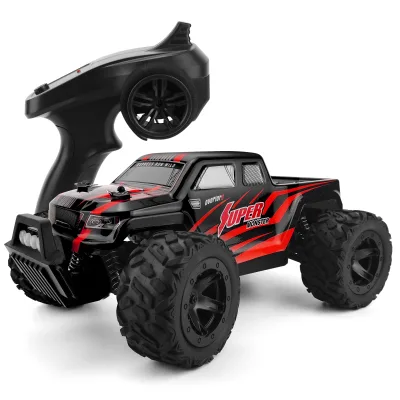
$19.00 - $21.50
MOQ: 12 pieces
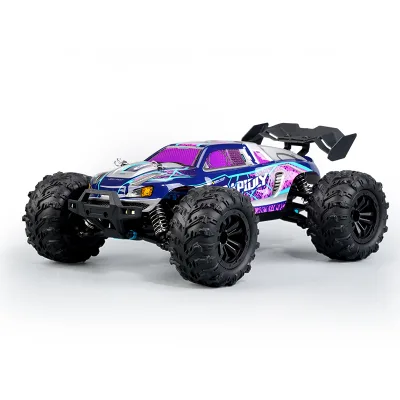

Hengjun Plastic Toys Manufactory
- Verified by CTI
- Manufacturer/Factory
- China Guangdong
- Lead time15 days
- Avg. response≤ 17h
Main productsEducational Toys, RC Toys, Bo Toys, Candy Toys, Die Cast Toys, Baby Toys, Summer Toys, Promotion Toys & Gifts, Pretend Play Toys, Outdoor & Sport Toys
Main marketsSouth America,Eastern Europe,Mid East,North America,Southeast Asia,Eastern Asia,Oceania,Western Europe

- Verified by TUVRHEINLAND
- Combined
- China Guangdong
- Lead time15 days
- Avg. response≤ 5h
Main marketsSouth America,Southeast Asia/ Mideast,Europe,North America

$30.40 - $33.19
MOQ: 12 Pieces

$59.95 - $69.95
MOQ: 8 Pieces

$4.19 - $4.79
MOQ: 96 Pieces

$28.99 - $31.99
MOQ: 120 Pieces

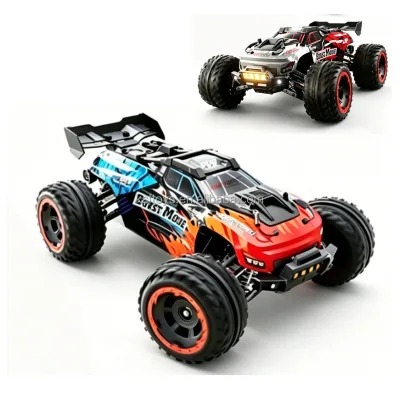
Aijh 20km/H Remote Control Car 1/10 off-Road RC Truck Racing Model Toys Rechargeable RC Drift Car
$14.99 - $17.49
MOQ: 120 Pieces

$52.59 - $56.99
MOQ: 120 Pieces
Shenzhen Aidisheng Trading Co., Ltd.
- Trading Company
- Guangdong, China
- Lead time15 days
- Avg. response≤ 1h
Main productsRC Airplanes,Toy Guns,Fidget Toys,RC Cars,Cosmetic Toys
Main marketsNorth America(30.00%), Africa(10.00%), Southern Europe(10.00%), Southeast Asia(10.00%), Eastern Europe(10.00%), Western Europe(10.00%), South America(10.00%), Mid East(4.00%), Oceania(4.00%), Northern Europe(2.00%)
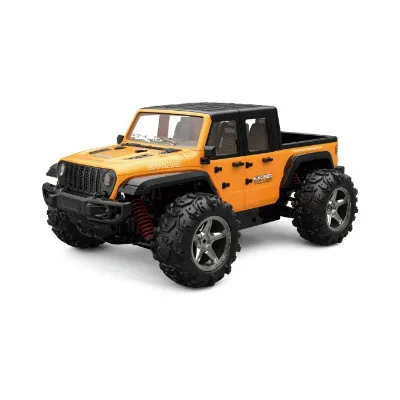
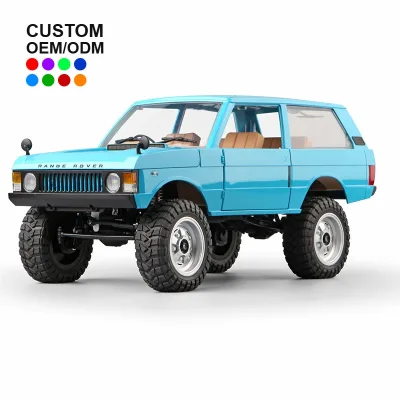
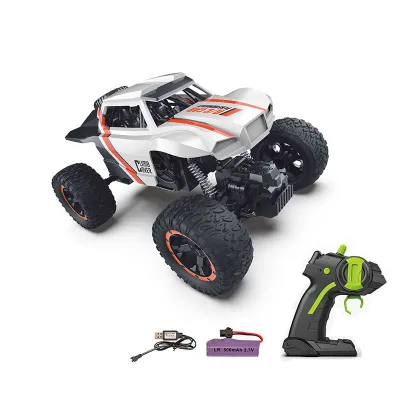
High Quality 4CH RC Monster 4WD Buggy Model Car Children Remote Control Truck
$4.30 - $5.07
MOQ: 3 pieces
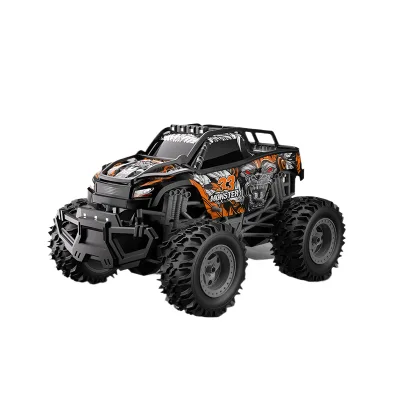
SHANTOU BHX TECHNOLOGY CO., LTD.
- Manufacturer, Trading Company
- Lead time旺季: "1 - 120":31,"> 120":"To be negotiated", 淡季: "1 - 120":31,"> 120":"To be negotiated"
- Avg. response≤ 4h
Main productsGun Toy, Educational Toy, Outdoor Toy, Baby Toy, Remote Control Toy

- Verified by SGS
- Manufacturer
- China Guangdong
- Lead time30 days
- Avg. response≤ 11h
Main productsRC Toys, Drone
Main marketsDomestic,Europe,Australia,North America

$18.80 - $21.99
MOQ: 40 Pieces


Shantou Qiaobai Toys Co., Ltd.
- Verified by SGS Group
- Trading Company
- Lead time30 days
- Avg. response≤ 3h
Main productsEducational Toys, Pretend Play, Baby Toys, Blocks Building Toys, Puzzle
Main marketsEastern Europe(25%), North America(20%), Eastern Asia(20%)

- Verified by SGS
- Trading Company
- China Guangdong
- Lead time15 days
- Avg. response≤ 4h
Main productsPhone Accessories, Consumer Electronics, Car Accessories, Household Appliances, Mobile Phone Cases, Tablet Case, Wireless Charger, Bluetooth Speaker, Security Cameras, Power Bank
Main marketsOthers(foreignTradeCapacity.exportBusinessCapacityMarketOther),Europe

20km/H 1: 20 2.4G Remote Racing Car RC Toy Electric Monster Truck off-Road Vehicle
$10.50 - $11.28
MOQ: 1 Pieces

20km/H 1: 20 2.4G Remote Racing Car RC Electric Monster Truck off-Road Vehicle - Blue
$10.68 - $11.28
MOQ: 1 Pieces
- Verified by SGS Group
- Trading Company
- Lead time15 days
- Avg. response≤ 3h
Main productsPlastic Toys, RC Cars, Sport Toys, Sand Beach Toys, Pretend Play Toys
Main marketsWestern Europe(84%), North America(5%), Eastern Europe(2%)

Shantou S-Partner Toys Co., Ltd.
- Verified by CTI
- Trading Company
- China Guangdong
- Lead time30 days
- Avg. response≤ 7h
Main marketsSouth America,Southeast Asia/ Mideast,East Asia(Japan/ South Korea),Europe,North America
- Verified by Intertek
- Manufacturer, Trading Company
- Guangdong, China
- Lead time10 days
- Avg. response≤ 6h
Main productsRC Airplanes, RC Boat & Ship, RC Cars, RC Robot, Quadcopter
Main marketsNorth America(42%), Domestic Market(30%), Western Europe(17%)
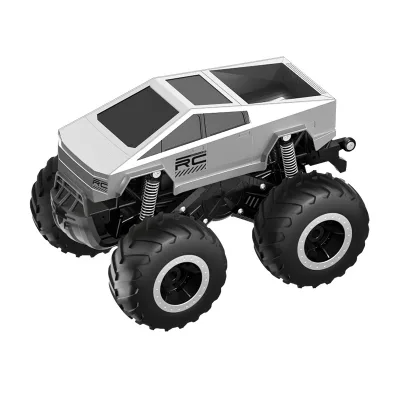
$13.8712 - $15.9266
MOQ: 2 pieces
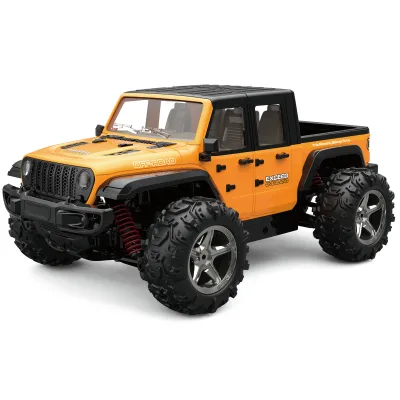
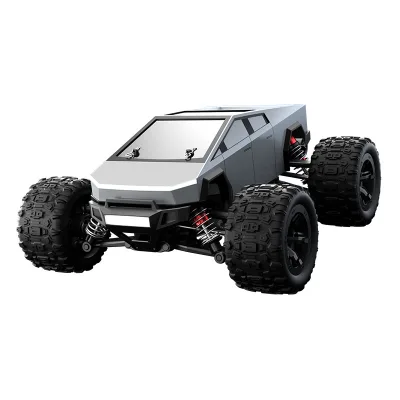
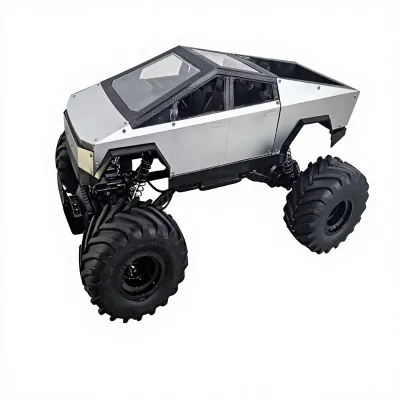
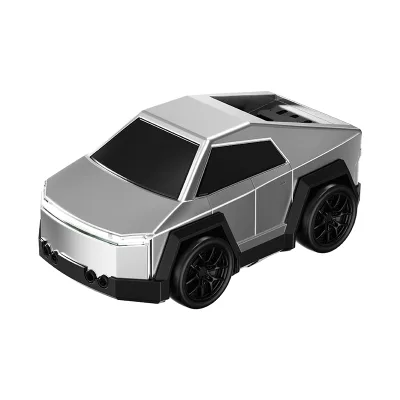
1/20 Full Scale RC Off-Road Cyber Pickup Truck 2.4G 4WD 30KM/H High Speed Climbing Car With Lights
$23.00 - $26.00
MOQ: 2 pieces
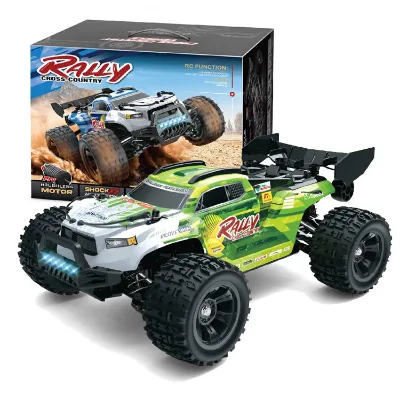
$47.0253 - $53.9055
MOQ: 2 pieces
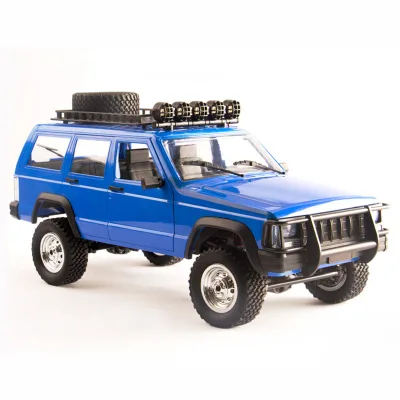
$35.9609 - $40.5852
MOQ: 2 pieces
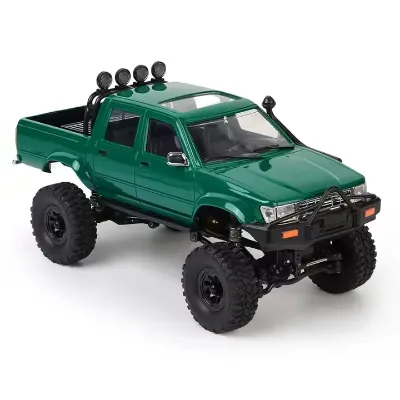
$26.6601 - $29.7349
MOQ: 2 pieces
Shantou Chenghai Hua Nuo Intelligent Technology Co., Ltd.
- Verified by SGS Group
- Manufacturer, Trading Company
- Lead time20 days
- Avg. response≤ 4h
Main productsKid Makeup Toy, Educational Toy, Water Gun, RC Toy-RC Car, Bubble Toys
Main marketsNorth America(40%), Eastern Europe(20%), South America(10%)
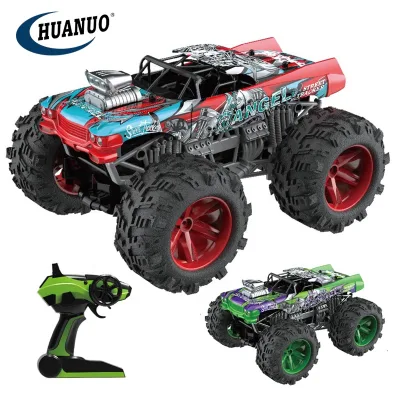
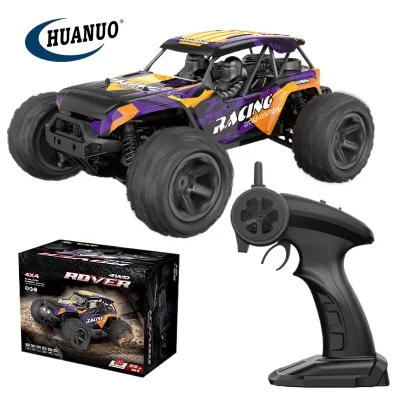
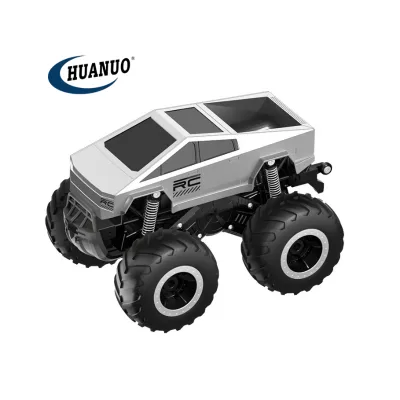
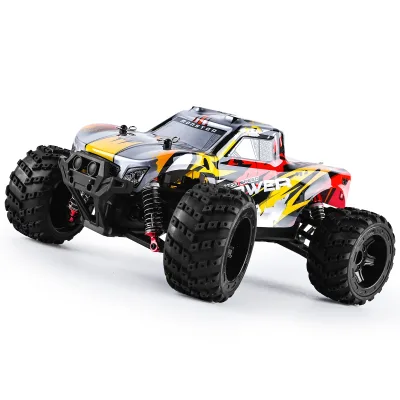
$28.43 - $33.60
MOQ: 6 pieces
Shantou Chuangqi Intelligent Technology Co., Ltd.
- Verified by TüVRheinland
- Trading Company
- Lead time30 days
- Avg. response≤ 2h
Main productsDrone, Quadcopter, RC Car, Remote Control Toys
Main marketsDomestic Market(30%), South America(20%), North America(10%)
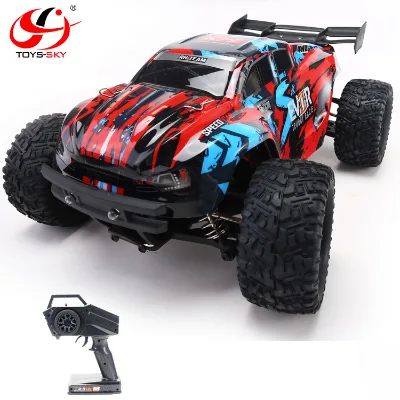
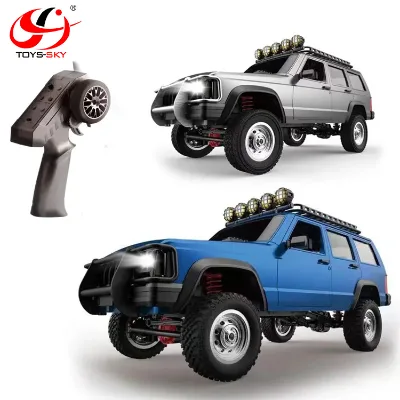
$34.6346 - $35.669
MOQ: 120 pieces
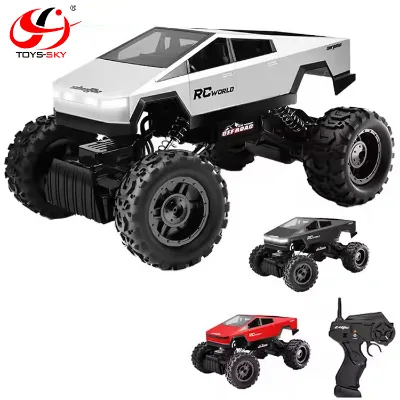
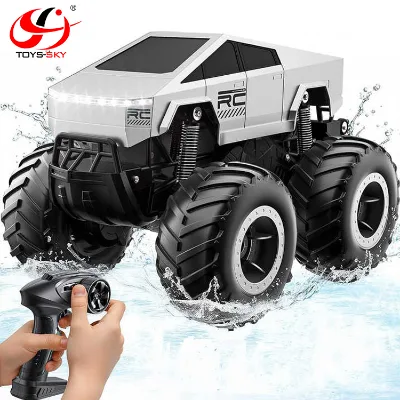
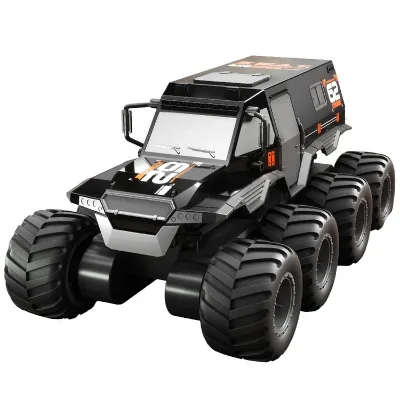
2.4G 1/16 All Terrain 4WD Off-Road Remote Control Cyber Trucks Toys Amphibious Waterproof RC Car
$11.50 - $13.50
MOQ: 60 pieces
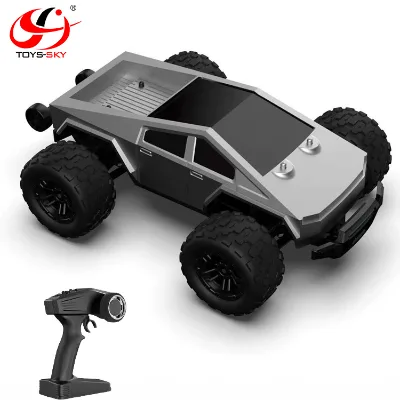
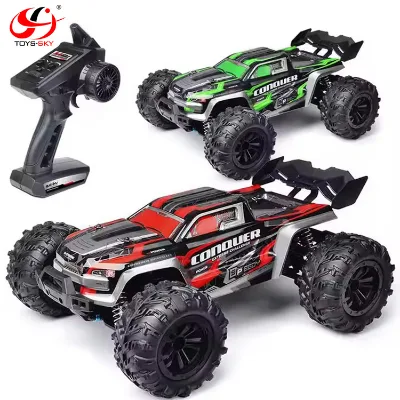
$27.0613 - $29.6137
MOQ: 40 pieces

Shantou Nanhuang Toys Co., Ltd.
- Verified by TUVRHEINLAND
- Trading Company
- China Guangdong
- Lead time15 days
- Avg. response≤ 3h
Main productsToys
Main marketsSoutheast Asia/ Mideast,Europe

Four Wheel Drive RC Car High Speed off-Car Remote Control Monster Truck
$47.30 - $49.90
MOQ: 40 pieces

1/18 Scale 2.4G Remote Control Car High-Speed off-Road Truck at 52km Speed
$47.80 - $50.80
MOQ: 40 pieces
Shantou Chenghai Happy Sun Toys Co., Ltd.
- Trading Company
- Guangdong, China
- Lead time14 days
- Avg. response≤ 5h
Main productsplastic toys,electronic products,hobby model,fishing,gift
Main marketsEastern Europe(21.00%), North America(17.00%), South America(11.00%), Western Europe(9.00%), Central America(8.00%), Southeast Asia(6.00%), Oceania(5.00%), Southern Europe(5.00%), Northern Europe(5.00%), Mid East(5.00%), Eastern Asia(4.00%), South Asia(3.00%), Africa(1.00%)
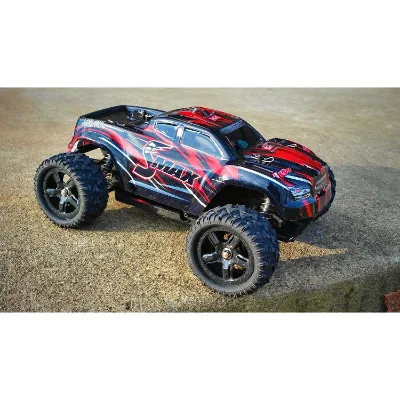
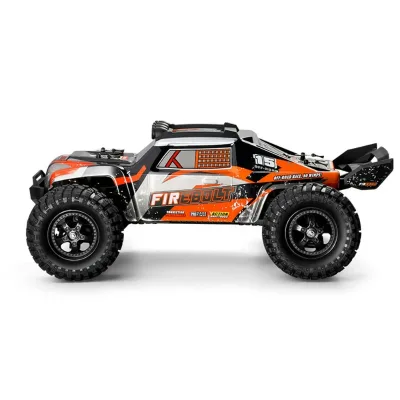
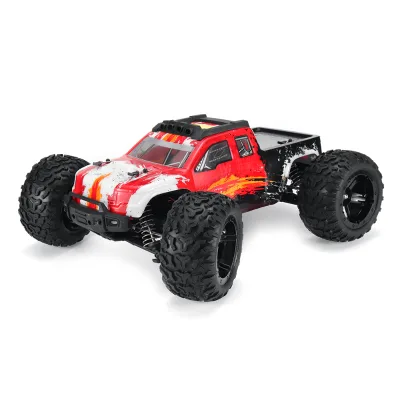
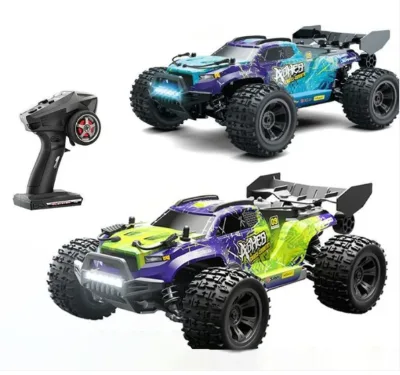
$23.4804 - $26.5568
MOQ: 2 pieces


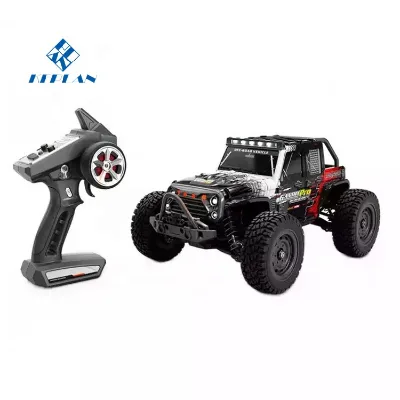
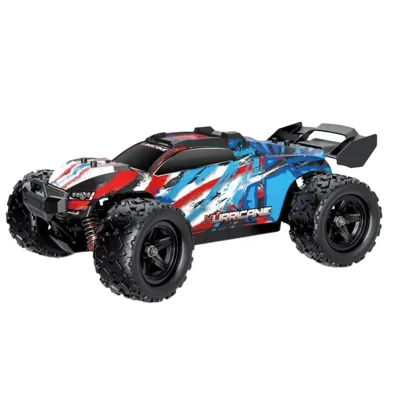
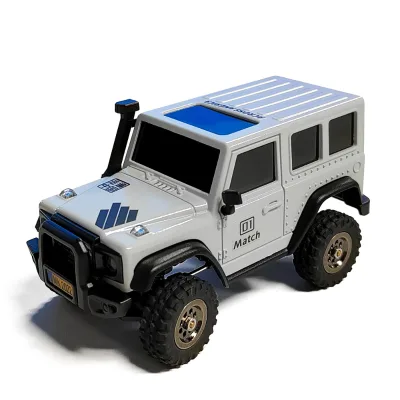

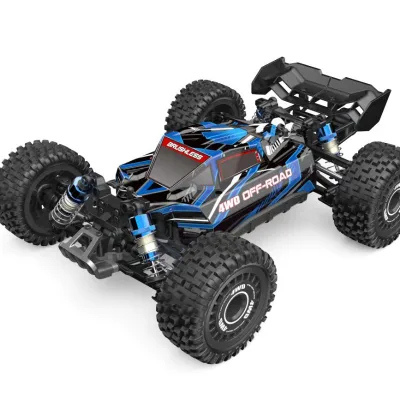


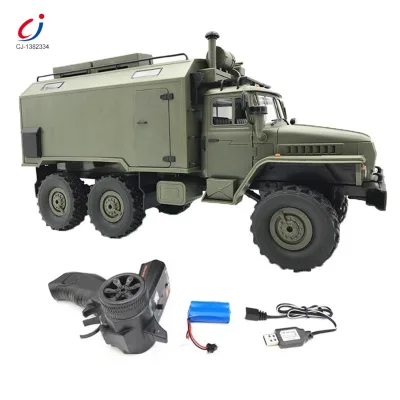
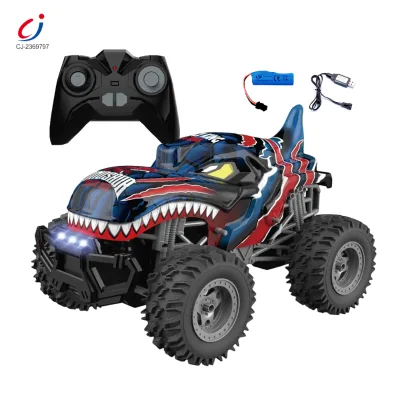
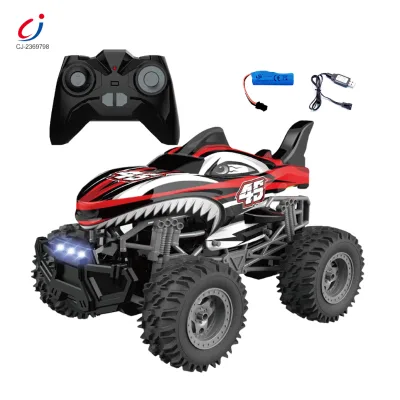
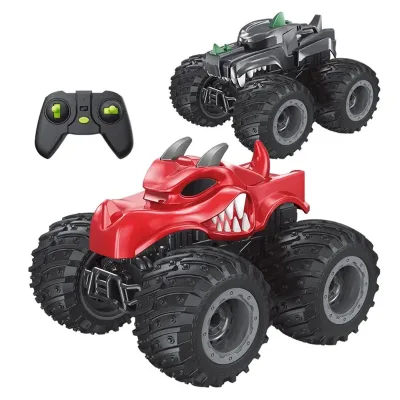


Comprehensive Sourcing Guide
Cyber Model Rc Off-Road Truck Supplier Concentration and Factory Types
Buyers searching this category should note that the supplier results in view point to a single confirmed sourcing region: Guangdong, China. Guangdong is a well-established production area for remote-control toys, and several of the listed suppliers state product origins there, with one listing an explicit Guangdong place-of-origin attribute on its off-road models. When a region is not clearly displayed on a supplier profile, buyers should treat cluster identification as their own task: check the place-of-origin field on individual product listings, ask where final assembly occurs, and request the factory address rather than only a sales-office address.
The company-type labels in these results matter as well. At least one supplier is classified as a combined operation, meaning manufacturing and trading roles may overlap, so buyers should ask directly which items are produced in-house and which are resourced from other workshops. Another signal worth checking is the stated main product line: one supplier lists drones as its main products while also offering RC off-road trucks, which can indicate a multi-category trading operation rather than a dedicated truck factory. That is not automatically negative, but it changes which questions to ask. Buyers should also note research-and-development capabilities where shown, such as ODM, OEM, and own-brand designations, because these labels help distinguish a design-capable manufacturer from a catalogue reseller before any samples are requested.
How to Verify Cyber Model Rc Off-Road Truck Suppliers
Verification should start with the credentials actually displayed in the results, then move to evidence the buyer must request. One supplier in this set carries third-party business verification from BV, which typically confirms company registration and a site visit rather than product quality. Separately, a system certification field shows NIL for at least one supplier, meaning no ISO-style management system certificate is displayed. Buyers should not assume an unverified field means a certificate is absent; they should ask the supplier to produce the document and, where possible, confirm the certificate number against the issuing body's database.
Product-level evidence is a different layer. One listed off-road truck carries an attribute string citing EN71, EN IEC 62115, CE, ASTM, CPSIA, CPC, and UKCA. These are product certification claims for that listing, not company-wide guarantees, and they should be checked on the sample and the shipment, not just accepted from the listing. Ask the supplier for the specific test report covering the exact model number you intend to order, since a report for a sibling model does not automatically cover your variant. Finally, verify operational identity: confirm the business name on the invoice matches the verified entity, ask how long the company has operated under that name, and confirm that the Guangdong address shown on product origin fields is a real production or inspection address you can visit or have audited before committing to larger orders.
What to Compare Across Cyber Model Rc Off-Road Truck Suppliers
Build a side-by-side comparison using the attributes that are actually displayed, without assuming every supplier publishes every field. Lead time is one anchor: at least one supplier in this set shows a 15-day lead time, which is a useful benchmark for mid-range RC toy orders but should be confirmed for your specific model and order volume. Response speed is another useful discriminator; one supplier shows a response time of roughly 0.81 hours, and buyers should test responsiveness themselves with a technical question rather than a generic inquiry.
Price and MOQ comparisons reveal product tiers. The current results show a 1:24-scale graffiti off-road buggy priced at 5.40 with a minimum order of 5 pieces, a 1:12 brushless 4WD model at 22.00 with a 12-piece minimum, and a 1:16 stunt truck at 16.75. These illustrate how scale, drivetrain complexity, and features drive both price and MOQ, so compare suppliers at matching product tiers rather than across tiers. Also compare: whether customization is marked available on the listing; whether the supplier offers ODM, OEM, or own-brand capability; the stated company type (manufacturer, trader, or combined); the verified location; and whether the main products align with RC vehicles. Finally, note which certifications each product listing cites, and record gaps in the displayed data as questions to send, not as assumptions about a supplier's actual capability.
Common Cyber Model Rc Off-Road Truck Sourcing Risks
The most visible risk in this dataset is category mismatch. At least one supplier listing RC off-road trucks shows drones as its main products, which suggests the trucks may not be a core line. For a buyer, this raises the risk of limited after-sales parts, weaker engineering support for drivetrain or radio issues, and inconsistent stock. Mitigate by asking what percentage of output the specific truck model represents and requesting the factory's own product list separate from the marketplace listing.
Certification risk is second. A system certification field showing NIL means there is no displayed management-system credential, and product certification strings can be misapplied across models. A report citing EN71 or CE for one model number does not guarantee your order passes the same scope; batches can drift, and rebranded models sometimes skip retesting. Third, spec drift risk: attribute sheets in this category carry many details—remote distance, scale, battery type, packing—and errors between listing and shipment are common, so confirm the specification in a signed document. Fourth, MOQ misunderstanding: displayed minimums as low as 1 piece on one model and 12 on another may be sample-level or carton-level figures; confirm whether MOQ applies per model, per color, and per order. Finally, beware of treating displayed response times and lead times as guarantees; they are historical or advertised figures, and both should be retested with a live inquiry and a trial order.
Cyber Model Rc Off-Road Truck Regional Sourcing and Logistics
Guangdong is the only confirmed region in the current results, appearing both as a supplier location and as a product place-of-origin attribute. This concentration is operationally convenient for buyers: a single province covers production, inspection, and export handling, which shortens pre-shipment inspection trips and allows combining multiple RC truck models from different workshops into one consolidation point. When comparing suppliers outside any displayed region, buyers should identify clusters themselves by checking place-of-origin fields on listings, asking for the assembly address, and confirming whether the supplier can support a third-party inspection visit at that address.
Logistics planning should use the carton-level data visible in the listings. One 1:16 stunt truck shows a carton of 24 by 20 by 26 centimeters with 18 pieces per carton and gross weight figures around 17 to 19 kilograms per unit context, while an amphibious model lists a 32 by 22 by 24 centimeter carton with 12 pieces per carton and roughly 2 kilograms single gross weight. These figures vary widely, so compute chargeable volume per model rather than estimating from the truck size alone. The displayed 15-day lead time provides a planning baseline, but battery-containing shipments may face air-freight restrictions, so confirm how cells ship—installed, separate, or excluded—and whether the controller batteries noted as "not included" on some listings affect your retail market's compliance and labeling requirements.
Cyber Model Rc Off-Road Truck Commercial Terms and Order Planning
Commercial planning should start from the price and MOQ bands visible in the results. Entry pricing for the listed off-road models runs from 5.40 for a 1:24 buggy to 22.00 for a 1:12 brushless 4WD truck, with MOQs ranging from 1 to 12 pieces depending on the model. Use these as reference points when negotiating: a supplier quoting far above these bands at the same scale and feature set should justify the difference, and a quote far below should trigger quality scrutiny. Confirm whether quoted prices are per piece, per carton, and on what incoterm basis, since none of the displayed prices state shipping terms.
Order sequencing matters in this category. Place a paid sample first for the exact model number, verify the certification documents against that model, then run a small pilot order at or near the displayed MOQ before scaling. Where a marketplace offers an escrow-style payment arrangement, verify that the arrangement is active on your specific order rather than assuming it applies platform-wide; this set of results does not confirm escrow status for any supplier, so make it an explicit question. On customization, listings here mark customization as available, but confirm whether customized packaging, colors, or branding change the MOQ and lead time beyond the 15-day baseline. Finally, lock specification sheets—including scale, remote distance, battery configuration, and packing format—into the proforma invoice so that the shipped goods, not the listing page, define the contract.
-word-count-check-
FAQs
What is the typical lead time for RC off-road trucks?
The typical lead time for these vehicles is 15 days. This duration allows suppliers to prepare inventory and arrange logistics for international shipping. Buyers should confirm specific timelines with the manufacturer before placing orders to ensure timely delivery for their projects.
What is the minimum order quantity for these RC trucks?
The minimum order quantity varies by product, ranging from 1 piece to 12 pieces. Some models allow single-unit purchases for testing, while others require bulk orders. Buyers should check the specific MOQ for each item to plan their procurement strategy effectively.
Are these RC trucks suitable for beginners?
Yes, many models are designed for beginners, intermediate, and expert users. Features like 4WD and stable handling make them accessible for new operators. Some kits are ready-to-go, requiring no assembly, which simplifies the experience for users with varying skill levels.
What certifications do these RC trucks hold?
Certifications include EN71, ENIEC 62115, CE, ASTM, CPSIA, CPC, and UKCA. These standards ensure safety and quality for international markets. Buyers should verify specific certificates for their target regions to ensure compliance with local regulations and import requirements.
Where are these RC trucks manufactured?
These vehicles are manufactured in Guangdong, China. This region is known for its robust electronics and toy manufacturing infrastructure. Buyers can expect consistent production capabilities and access to a wide range of components and finished goods from suppliers in this area.
What is the price range for these RC trucks?
Prices range from approximately $5.40 to $22.00 per unit. The cost depends on the scale, features, and complexity of the model. Buyers can find budget-friendly options as well as more advanced models with brushless motors and higher performance capabilities.