Carved Bamboo Bread Box Suppliers and Manufacturers
Source 26 verified suppliers for Carved Bamboo Bread Box products. Compare key dimensions including BSCI certification, CTI verification, OEM capabilities, and lead times ranging from 45 days. Review pricing and MOQs to identify the right partner for your sourcing needs.
Suppliers List

Xiamen Ebei Import & Export Co., Ltd.
- Verified by CTI
- Trading Company,Manufacturer/Factory
- China Fujian
- Lead time45 days
- Avg. response≤ 2h
Main productsEco-Friendly Products, Bamboo Tableware, Bamboo Furniture, Bamboo Kitchenware, Bamboo Office Supply, Bamboo Fibre Products, Biodegradable Products, Bamboo Towel, Solar Energy Products, Bamboo Garden Products
Main marketsSouth America,Eastern Europe,Mid East,North America,Southeast Asia,Eastern Asia,Oceania,Western Europe,Africa


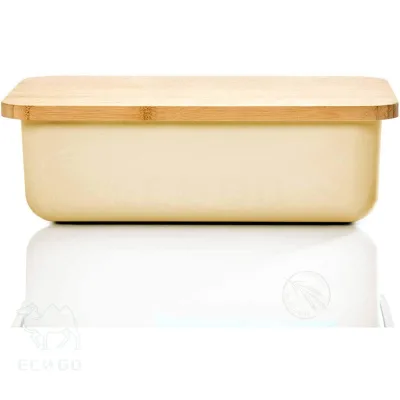
Bamboo Ceramic Bread Box Bread Bin
MOQ: 500 Pieces

Bamboo Triangle Bread Box /Kitchen Storage Box
MOQ: 200 Sets

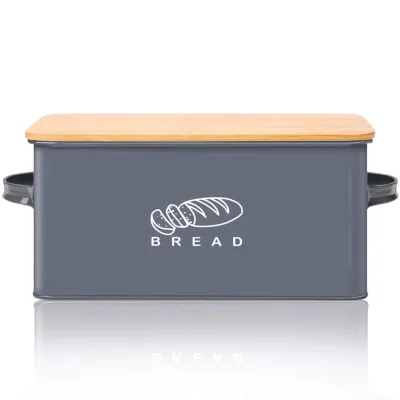
Bamboo Fiber Bread Bin Bread Box with Bamboo Board Lid
MOQ: 1000 Pieces
Xiamen Eco Go Industry Co., Ltd.
- Verified by Intertek
- Trading Company
- Lead time0 days
- Avg. response≤ 4h
Main productsBamboo and Wooden Kitchenware, Bamboo and Wooden Office Items, Bamboo and Wooden Bathroom Items, Bamboo and Wooden Household Items
Main marketsNorth America(50%), Western Europe(38%), Northern Europe(5%)
Ningbo Toprank Imp. & Exp. Co., Ltd.
- Verified by Intertek
- Trading Company
- Lead time30 days
- Avg. response≤ 9h
Main productsPlastic Storage Box, Food Storage and Containers, Storage Rack, Cosmetics Storage, Coffee Table
Main marketsNorth America(25%), Eastern Europe(25%), Africa(23%)
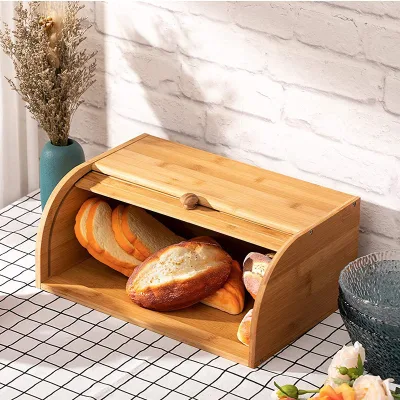
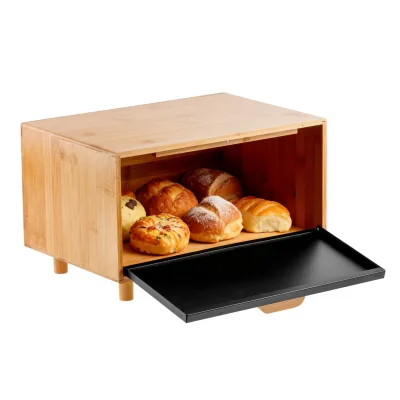
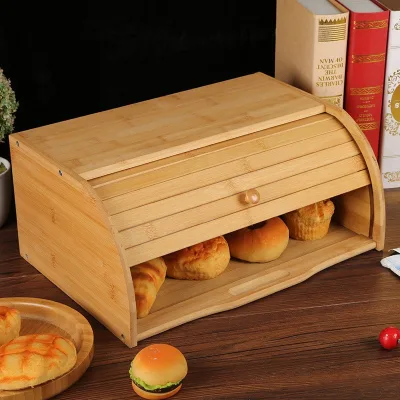
Bamboo Bread Box Kitchen Dustproof Bread Storage Box Food Storage Box Bamboo Kitchen Snack Storage
$10.08 - $20.12
MOQ: 1000 Minimum

Shaowu Han Well Import and Export Trade Co., Ltd.
- Trading Company
- China Fujian
- Lead time23 days
- Avg. response≤ 7h
Main productsChopping Boards, Serving Boards, Bamboo Skewer, Bamboo Stick, Tray, Cutting Board, Box, Utensil Tool, Bamboo Chopsticks, Coffee Stirrers
Main marketsEast Asia(Japan/ South Korea),Europe,Australia,North America

XIAMEN TWO CITY IMP AND EXP CO., LTD.
- Verified by SGS
- Trading Company
- China Fujian
- Lead time30 days
- Avg. response≤ 4h
Main productsBamboo Panel, Bamboo Plywood, Bamboo Cutting Board, Bamboo Chopping Board, Bamboo Products, Bamboo Kitchenware, Bamboo Tableware, Bamboo Furniture, Wood Product, Wood Root Carving Product
Main marketsSoutheast Asia/ Mideast,Europe,North America

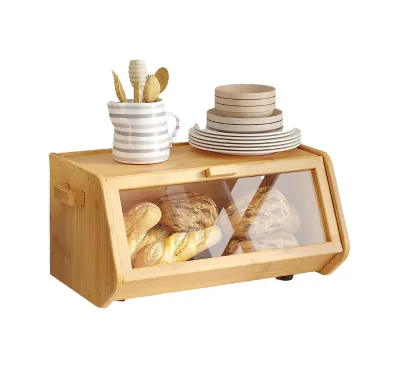
Hot Selling Bamboo Bread Box, Bamboo Bread Container Storage Bins, Kitchen Countertop Bread Box
$6.18 - $8.18
MOQ: 500 Pieces

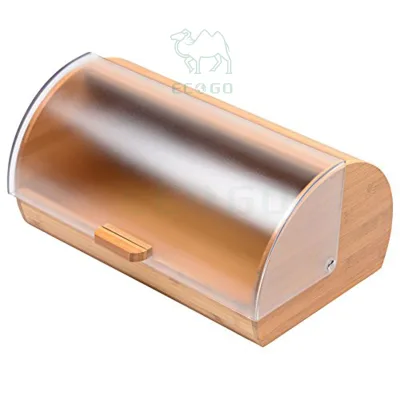
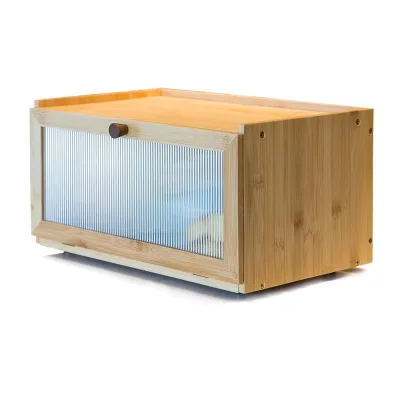
Bamboo Bread Box for Kitchen Counter-Large Capacity Bread Storage Container Window Bread Holder
$4.99 - $6.92
MOQ: 500 Pieces


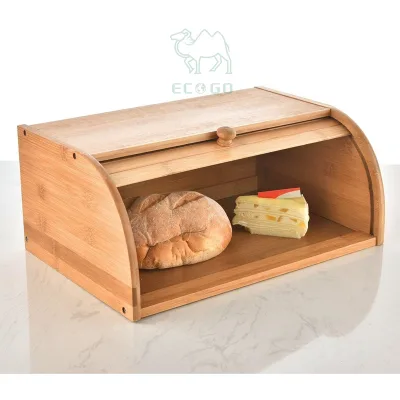
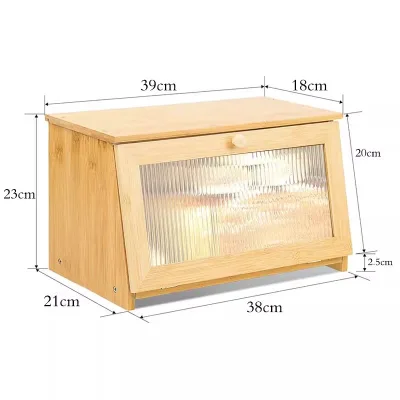
Wholesale Bamboo Bread Box Countertop Bread Storage Bin Rolltop Breadbox
$4.58 - $6.08
MOQ: 500 Pieces

$4.18 - $6.18
MOQ: 500 Pieces


Fujian Hoyee Household Items Co., Ltd.
- Verified by BV
- Manufacturer/Factory
- China Fujian
- Lead time0 days
- Avg. response≤ 11h
Main productsBamboo Products, Cutting Board, Bathtub Caddy, Bath Mat, Bath Towel Rack, Shoes Rack, Office Organizer, Desk Organizer, Cheese Board, Serving Tray

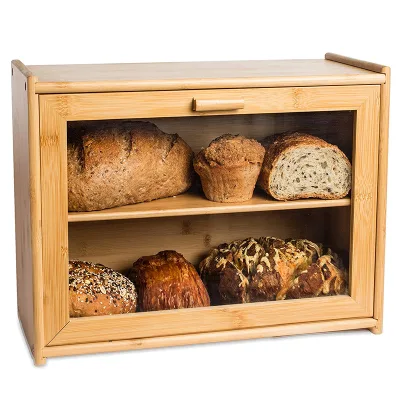
Bamboo Bread Box Large Bread Box for Kitchen Countertop Farmhouse Retro Bread Box W/Clear Roll Top
$9.50 - $11.00
MOQ: 500 Pieces


Best Selling Natural Bamboo Rolltop Bread Storage Box Large Modern Bread Box
$6.80 - $7.50
MOQ: 2000 Pieces

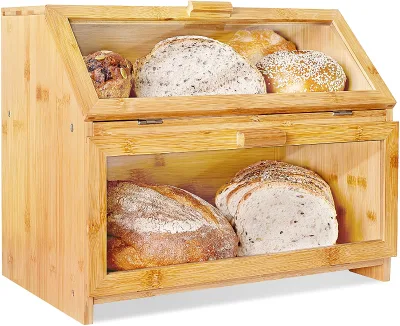
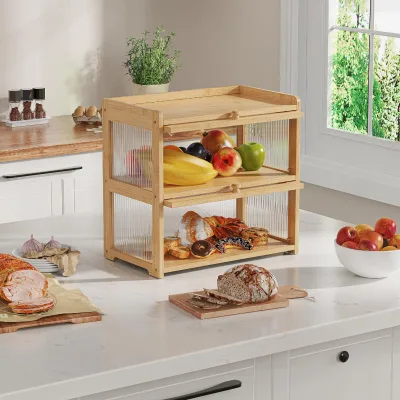
Bamboo Bread Box for Kitchen Counter Double Layer Bread Storage with Clear Windows
$8.90 - $12.79
MOQ: 500 Pieces


Bamboo Large Capacity Bread Box/ Countertop Bread Storage for Kitchen Counter Retro Bread Bin
$6.50 - $7.50
MOQ: 500 Pieces
Cao County Jinpengyuan Container Packaging Co., Ltd.
- Verified by SGS Group
- Manufacturer, Trading Company
- Lead time30 days
- Avg. response≤ 4h
Main productsOak Barrel, Wooden Box, Wood Tray, Fumigator, Cutting Board
Main marketsDomestic Market(30%), North America(15%), South America(10%)
$5.80 - $6.40
MOQ: 300 pieces
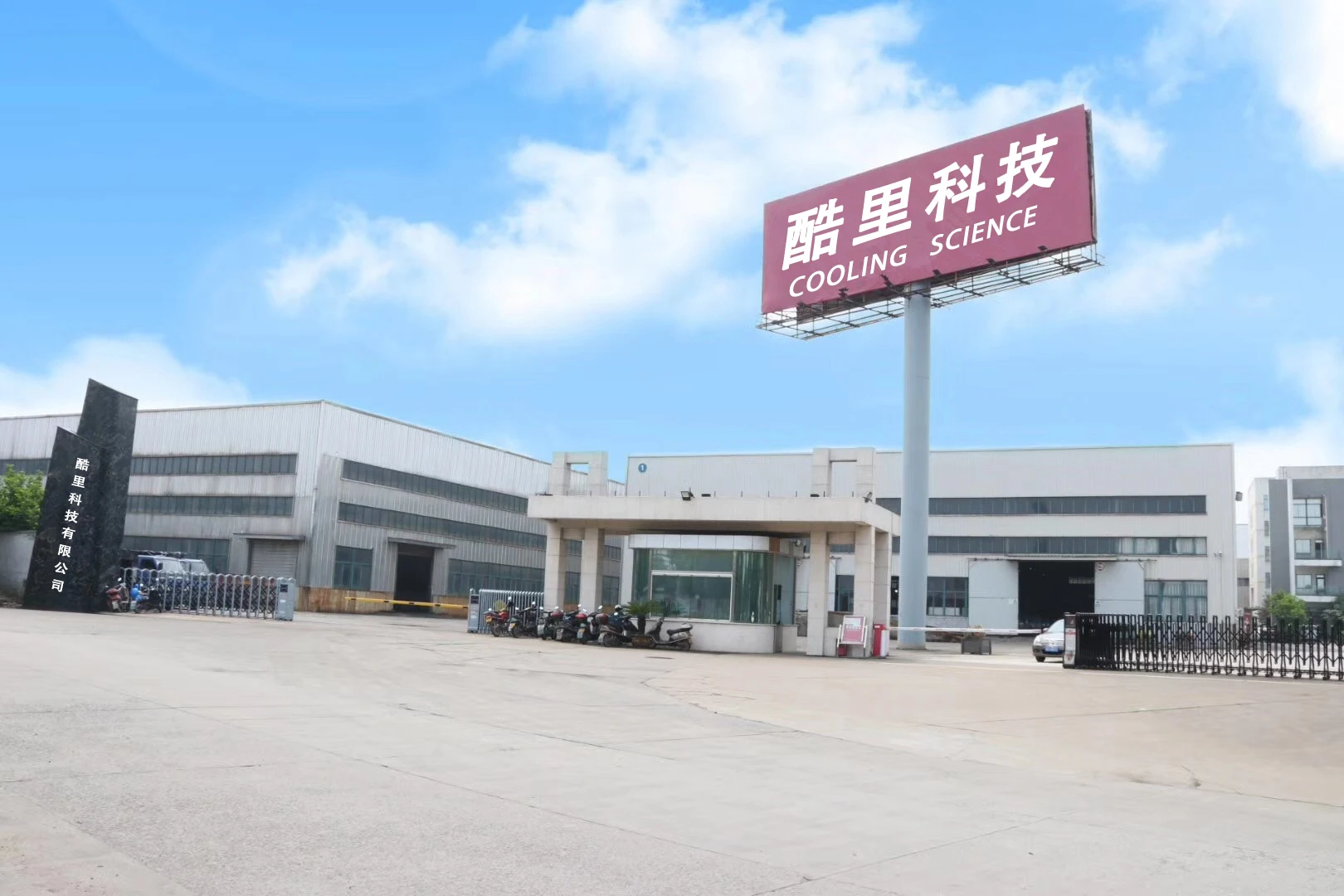
Hefei Cooling Science And Technology Co., Ltd.
- Manufacturer, Trading Company
- Anhui, China
- Lead time50 days
- Avg. response≤ 10h
Main productsTableware,Organizer,Home decoration,Kitchenware,Servingware
Main marketsEastern Europe(25.00%), Western Europe(15.00%), Southern Europe(15.00%), North America(12.00%), Northern Europe(11.00%), Central America(9.00%), Southeast Asia(8.00%), South America(5.00%)
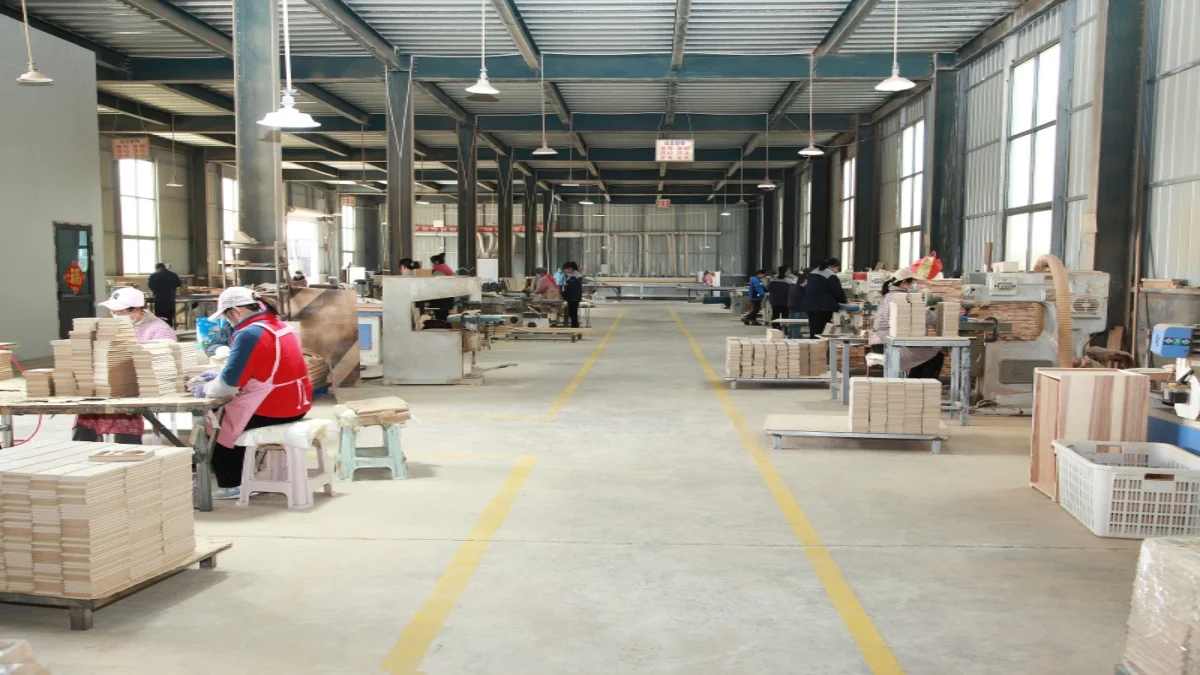
Caoxian Dongxing Arts And Crafts Co., Ltd.
- Manufacturer, Trading Company
- Shandong, China
- Lead time30 days
- Avg. response≤ 4h
Main productswooden craft,wooden tray,wooden box,wooden home decor,wooden shelf
Main marketsNorth America(50.00%), Eastern Asia(30.00%), Western Europe(20.00%)
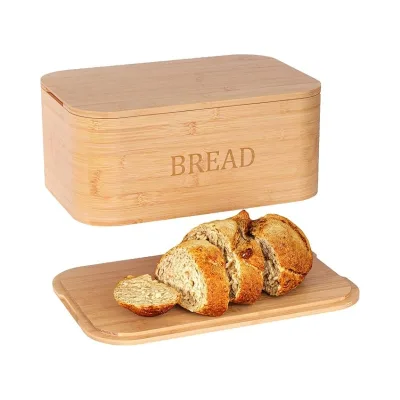
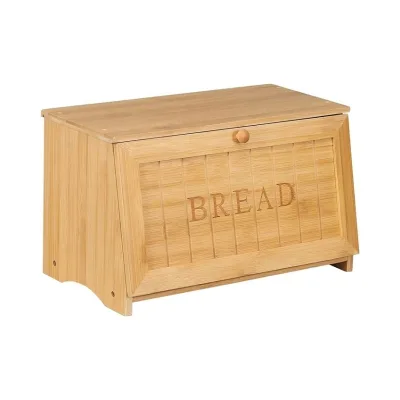
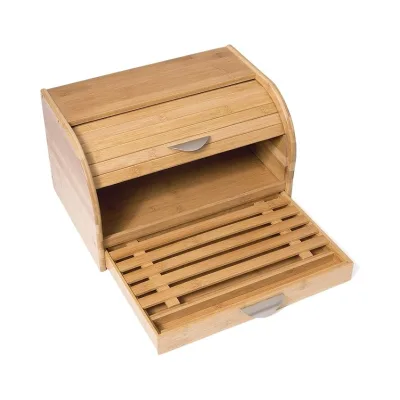
Wholesale Bamboo Bread Box for Kitchen Countertop Curved Bamboo Bread Boxes with Cutting Board Lid
$7.11 - $7.55
MOQ: 500 pieces
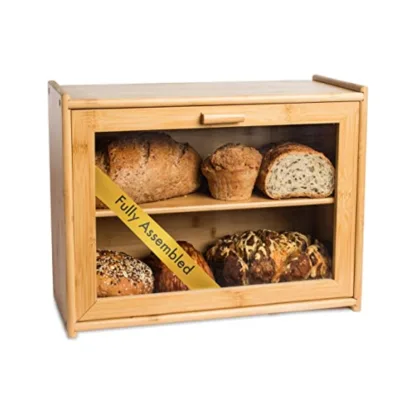
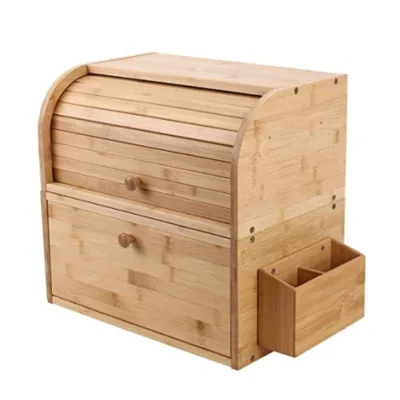
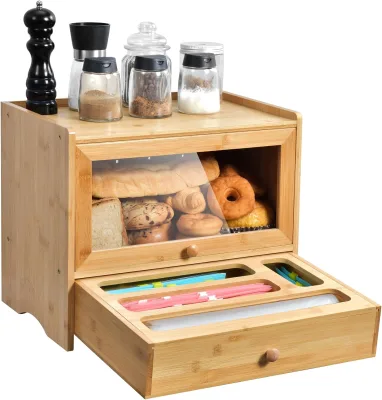
Wholesale Custom Made International Bamboo Roll-top Breadbox with Drawer
$17.10 - $17.50
MOQ: 500 pieces
Caoxian Shuanglong Arts & Crafts Plant
- Verified by SGS Group
- Manufacturer, Trading Company
- Lead time30 days
- Avg. response≤ 1h
Main productsWooden packaging, Wooden pet products, Wooden holiday decoration, Wooden home decoration, Wooden box
Main marketsDomestic Market(45%), North America(8%), Southeast Asia(8%)
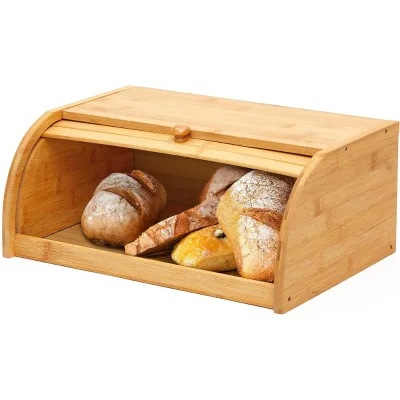
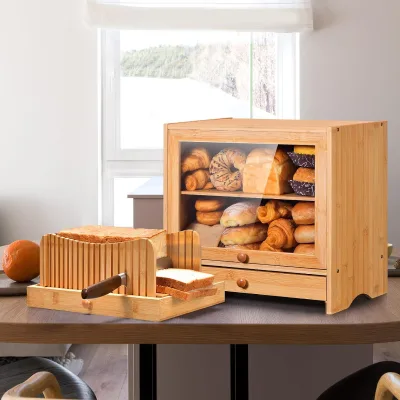
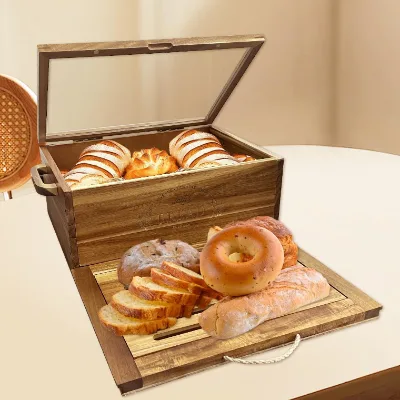
Bread Box, Wooden Bread Box for Kitchen Table Storage, Fresh Bread Storage, Homemade Food Box
$9.49 - $10.29
MOQ: 200 pieces
Caoxian Deqian Wood Products Co., Ltd.
- Manufacturer, Trading Company
- Shandong Province, China
- Lead time0 days
- Avg. response≤ 12h
Main productsWooden tray, Wooden box, Cutting boards, Wooden decor, Wooden holder
Main marketsDomestic Market(100.00%)

- Manufacturer/Factory
- China Fujian
- Lead time45 days
- Avg. response≤ 9h
Main productsBamboo Chopping Board, Bamboo Box, Bamboo Tray, Bamboo Bottle, Bamboo Products, Bamboo Cutlery, Bamboo Plywood, Bamboo Furniture, Bamboo Plate, Bamboo Broom
Main marketsSouth America,Eastern Europe,Mid East,North America,Southeast Asia,Oceania,Western Europe,Africa


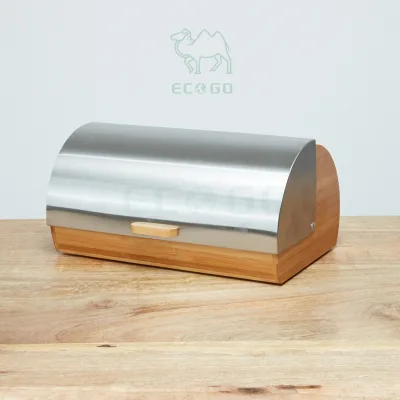
Bread Box Bamboo Large Metal Bread Box Kitchen Counter Storage Bins with Bamboo Lid
$1.00 - $5.40
MOQ: 300 Pieces


Caoxian Harmony Home Crafts Co., Ltd.
- Manufacturer, Trading Company
- Shandong, China
- Lead time0 days
- Avg. response≤ 1h
Main productsCrafts
Main marketsSouth America(40.00%), Eastern Asia(10.00%), Mid East(10.00%), Oceania(10.00%), Africa(10.00%), Eastern Europe(10.00%), North America(10.00%)
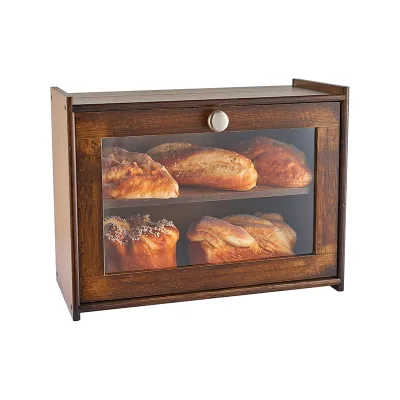
Bamboo Bread Storage Box Wood Bread Boxes for Kitchen Counter Top 2-Layer Large Capacity Bread Shelf
$7.59 - $9.59
MOQ: 100 pieces
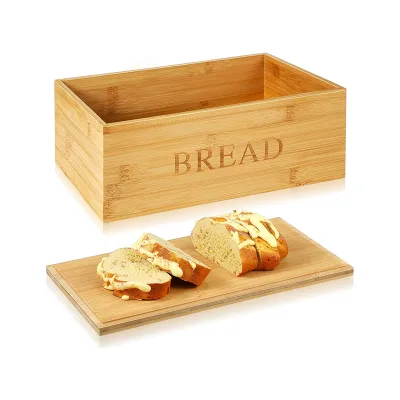
Bamboo Wood Bread Box for Kitchen with Cutting Board Lid Wood Bread Bin Bread Holder
$1.62 - $3.97
MOQ: 100 pieces

Caoxian Huashen Arts And Crafts Co., Ltd.
- Manufacturer, Trading Company
- Shandong, China
- Lead time30 days
- Avg. response≤ 1h
Main productsCustom Wooden Gift Box,Wooden Storage Rack & Shelf,Wooden Home Decor,Wooden Pet Product,Wooden Garden Planter
Main marketsNorth America(29.00%), Eastern Europe(12.00%), Oceania(12.00%), Western Europe(10.00%), Eastern Asia(9.00%), Southeast Asia(7.00%), South America(5.00%), Northern Europe(5.00%), Southern Europe(5.00%), South Asia(2.00%), Central America(2.00%), Africa(1.00%), Mid East(1.00%)
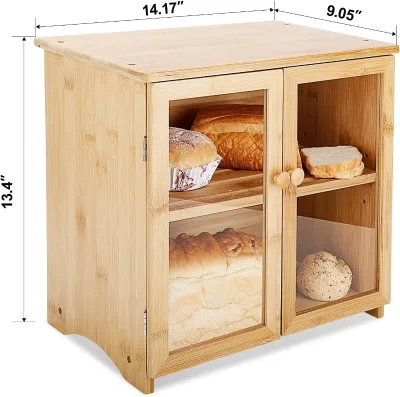
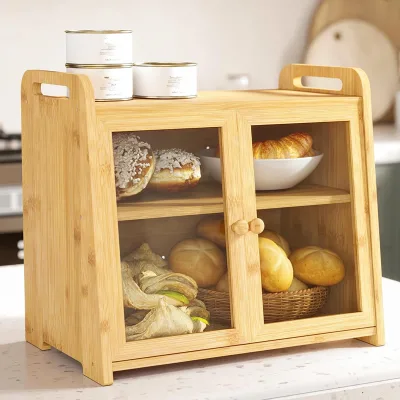
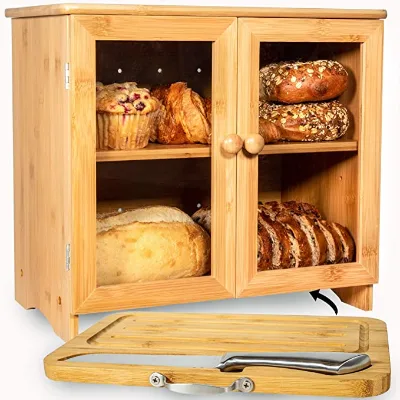
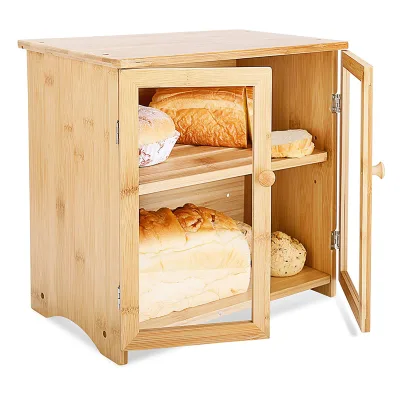
Bamboo Bread Cabinet a Bread Box with a clear Window a Large Bread Storage Box
$9.65 - $10.27
MOQ: 200 pieces
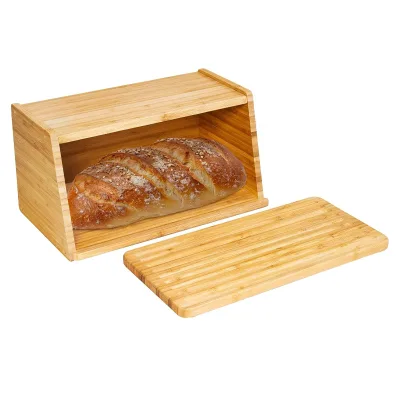
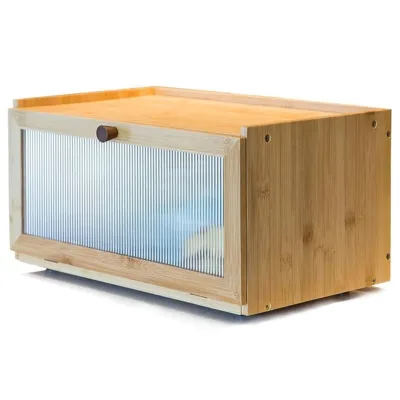
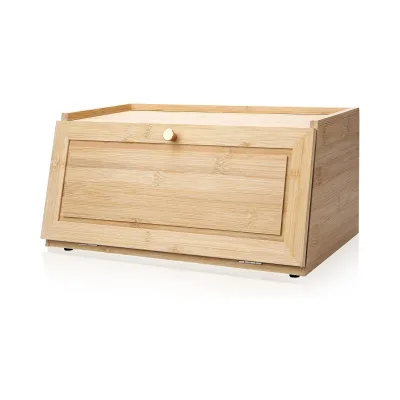
$5.62 - $6.20
MOQ: 200 pieces
Cao County Lianchuang Wood Craft Packaging Co., Ltd.
- Verified by SGS Group
- Manufacturer, Trading Company
- Lead time30 days
- Avg. response≤ 3h
Main productsWooden Pallets, Wooden Cutting Boards, Wooden Jars, Kitchen Storage Rack, Wooden Crafts
Main marketsDomestic Market(100%)
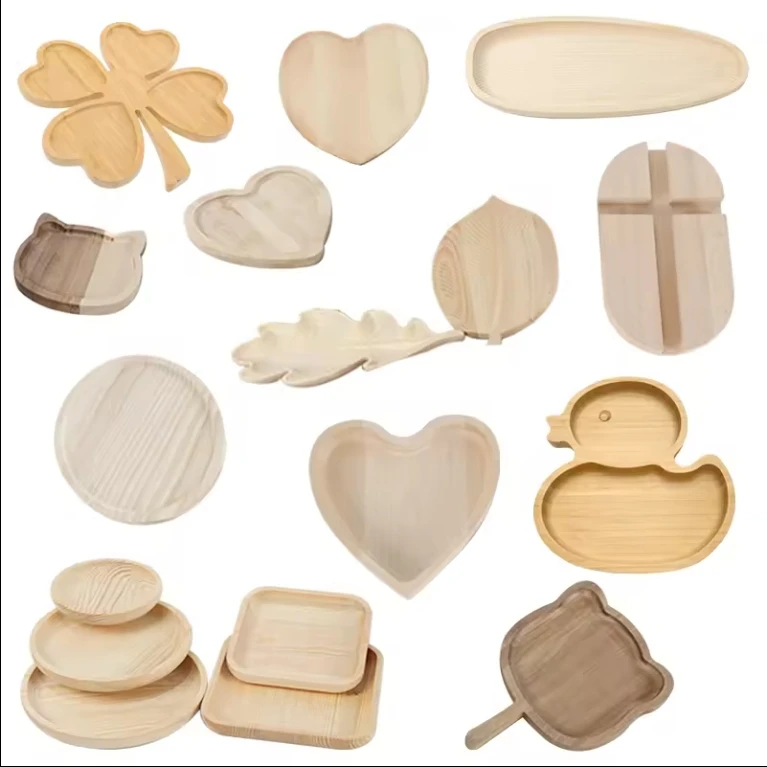
Cao County Huiyifeng Crafts Co., Ltd.
- Manufacturer, Trading Company
- Shandong, China
- Lead time25 days
- Avg. response≤ 4h
Main productswood decor,wood box,wood coaster,wood craft,wood shelf
Main marketsNorth America(35.00%), Eastern Europe(20.00%), Western Europe(10.00%), Eastern Asia(10.00%), Central America(5.00%), Southeast Asia(5.00%), Northern Europe(4.00%), Mid East(3.00%), Africa(3.00%), South America(3.00%), Oceania(2.00%)
Yifeng Jiaxing Craft Co., Ltd.
- Manufacturer, Trading Company
- Jiangxi, China
- Lead time0 days
- Avg. response≤ 2h
Main productsshoe rack,cloth rack,flower stand,plant stand,home storage
Main marketsCentral America(40.00%), Western Europe(15.00%), Eastern Europe(10.00%), Domestic Market(10.00%), Northern Europe(10.00%), Mid East(5.00%), North America(5.00%), Southeast Asia(5.00%)

Shuifu Huiyang Agricultural Technology Co., Ltd.
- Verified by SGS
- Trading Company
- China Yunnan
- Lead time23 days
- Avg. response≤ 3h
Main productsBamboo Products, Bamboo Crafts, Bamboo Chopsticks, Bamboo Skewers, Bamboo Weaving, Bamboo Tray, Bamboo Box, Bamboo Placemat, Bamboo Fruit Bowl, Lamp Shades
Main marketsDomestic

Xiamen Chengfengxin Industry & Trade Co., Ltd.
- Verified by BV
- Trading Company
- China Fujian
- Lead time23 days
- Avg. response≤ 16h
Main productsBamboo Cutting Board, Bamboo Bathtub Rack Caddy, Bamboo Tablet Computer Desk, Bamboo Kitchenwares Holder Organization, Bamboo Home Storage, Home Office Collection, Eco-Friendly Kitchen Products, Bamboo Kitchen Tools, Bamboo Diffuser, Eco-Friendly Green Products
Main marketsSoutheast Asia/ Mideast,Europe,Australia,North America


New Crate & Barrel Bread Box with Bamboo Natural Finish Roll Top Lid Metal Handle Bb-7012
$1.00 - $3.00
MOQ: 500 Pieces
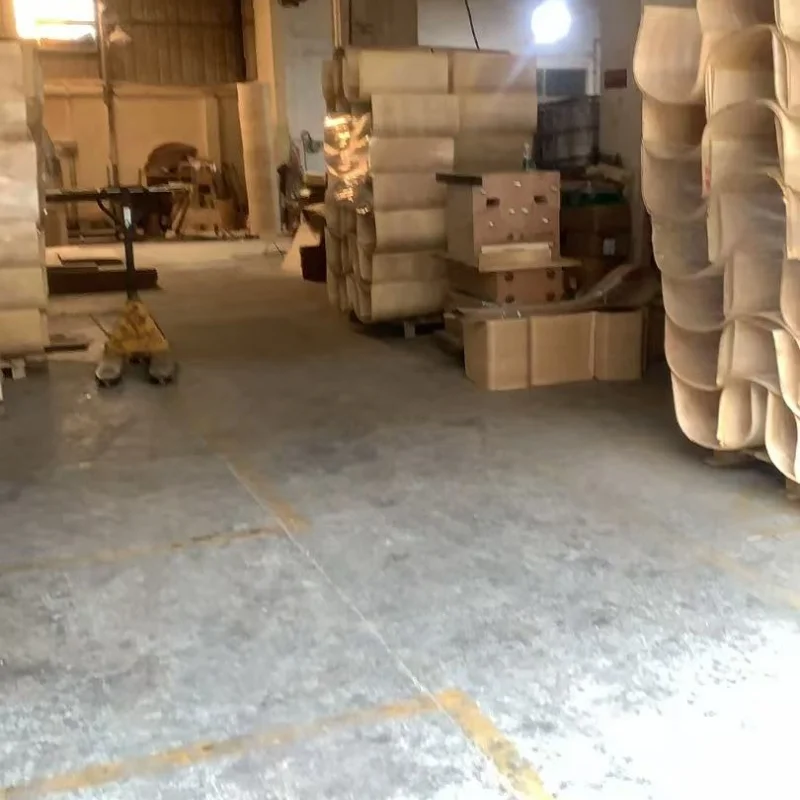
Dongguan Fangjin Wood Industry Co., Ltd.
- Manufacturer, Trading Company
- Guangdong, China
- Lead time15 days
- Avg. response≤ 3h
Main productsOEM/ODM Custom Wood Products,wood crafts,wooden home decor,custom wooden box,sporting goods
Main marketsNorth America(15.00%), Southeast Asia(12.00%), Eastern Europe(12.00%), South America(12.00%), Central America(8.00%), Western Europe(8.00%), Southern Europe(6.00%), Mid East(6.00%), Northern Europe(5.00%), South Asia(5.00%), Domestic Market(4.00%), Eastern Asia(3.00%), Oceania(2.00%), Africa(2.00%)
Fuzhou Jiashu Import And Export Co.,ltd.
- Trading Company
- Fujian, China
- Lead time40 days
- Avg. response≤ 6h
Main productsWood/Bamboo Cutting Board, Wood/Bamboo Cheese Board Set, Wood/Bamboo Tray, Wood/Bamboo Bowls, Wood/Bamboo Cake Stand
Main marketsNorth America(35.00%), Western Europe(35.00%), Mid East(30.00%)

Huizhou Minxu Home Products Co., LTD
- Verified by BV
- Combined
- China Guangdong
- Lead time30 days
- Avg. response≤ 3h
Main productsWine Rack, Wall Mounted Wine Rack, Wine Pegs, Wine Glass Holder, Wine Cabinet, Wine Cellar, Pet Cabinet
Main marketsAustralia
Shandong Lufan Trading Co., Ltd.
- Verified by SGS Group
- Manufacturer, Trading Company
- Lead time25 days
- Avg. response≤ 5h
Main productsWooden Products, Home Decorations, Outdoor Garden Furniture, Kitchen Home Storage, Hotel and Bar Supplies
Main marketsWestern Europe(20%), Southern Europe(20%), North America(10%)
Cao County Kailiyang Handicrafts Co., Ltd.
- Manufacturer, Trading Company
- Shandong, China
- Lead time0 days
- Avg. response≤ 3h
Main productsWood Box,Wood Tray,Wood Shelf,Wood Craft
Main marketsNorth America(45.00%), Oceania(15.00%), Domestic Market(10.00%), Eastern Europe(5.00%), Southeast Asia(5.00%), Eastern Asia(5.00%), Western Europe(5.00%), Northern Europe(5.00%), South Asia(5.00%)
Ninghai County Bohong Crafts Co., Ltd.
- Verified by SGS Group
- Manufacturer, Trading Company
- Lead time25 days
- Avg. response≤ 4h
Main productsWooden Toy, Bamboo Craft;Wooden Crafts, Wooden Furniture, Wooden Sports Product, Bamboo Shelf
Main marketsNorth America(20%), South America(10%), Northern Europe(10%)

Jiangmen Kamstrong Metal Products Co., Ltd
- Verified by SGS
- Manufacturer/Factory
- China Guangdong
- Lead time45 days
- Avg. response≤ 7h
Main productsToilet Paper Holder, Bread Bin, Step Bin, Ice Bucket, Tissue Holder, Canisters, Trash Can, Waste Bin, Bread Box, Wine Cooler
Main marketsSouth America,Eastern Europe,Southeast Asia,Africa
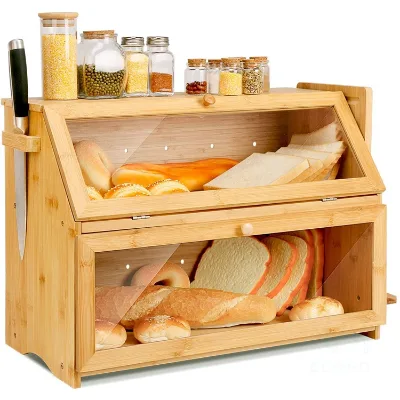
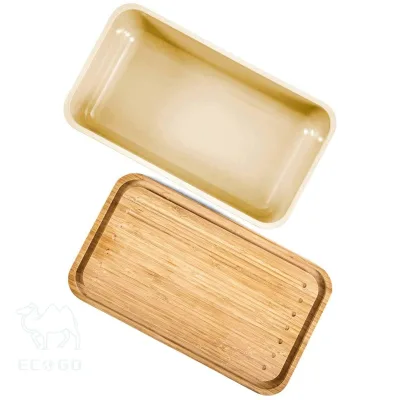


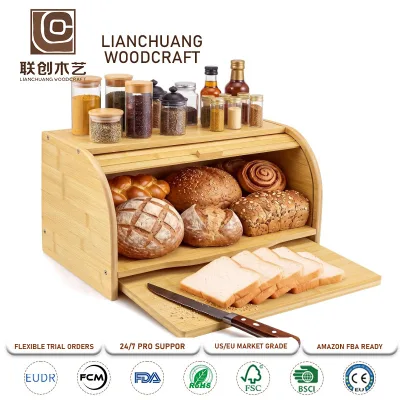
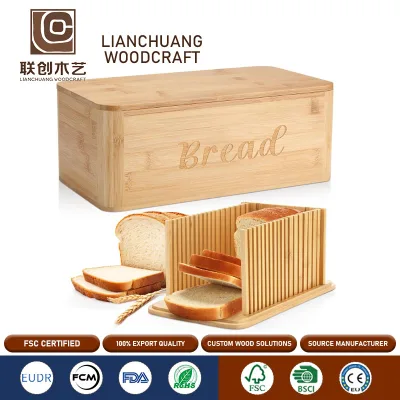
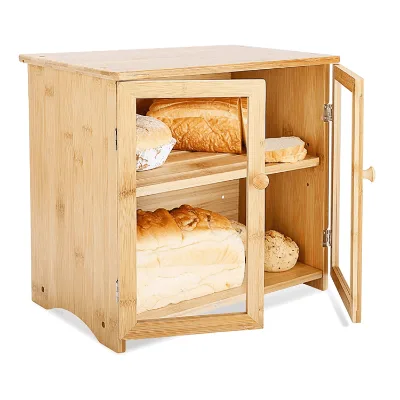
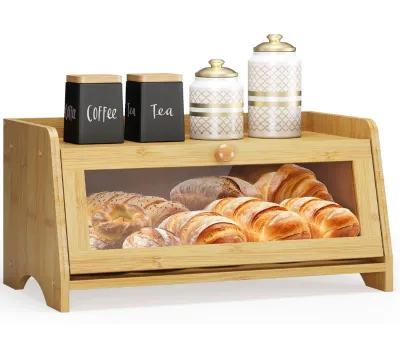




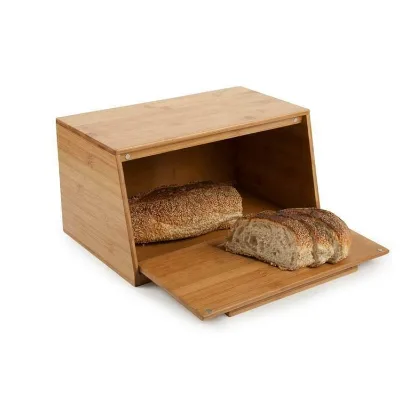
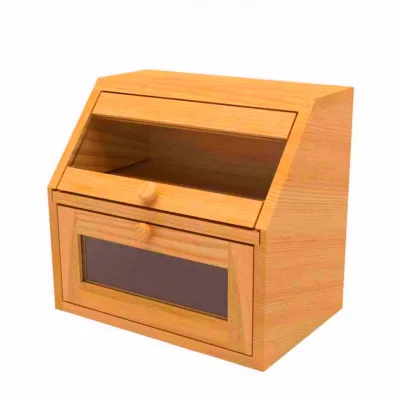
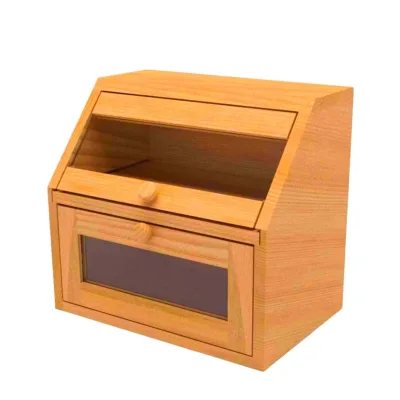


Comprehensive Sourcing Guide
Carved Bamboo Bread Box Supplier Concentration and Factory Types
The Carved Bamboo Bread Box category is concentrated in Fujian, China, where listed suppliers combine bamboo tableware, kitchenware and eco-friendly household production with both manufacturing and trading capabilities. This dual company type matters: some listings are pure factories with bamboo fiber and wooden kitchenware lines, while others are trading companies that consolidate carved, roll-top and fiber-based bread bins from multiple workshops. When you shortlist, read the company type field first, because a trading company can broaden your design options across carving styles, while a factory may offer tighter control over carving depth, finishing and moisture content on the bamboo itself.
Suppliers in this cluster typically list bread boxes alongside bamboo office supplies, garden products and furniture, so the bread box is often one SKU within a wider bamboo program. Treat that breadth as a signal: a supplier producing bamboo kitchenware at scale is more likely to hold consistent bamboo stock and stable finishing processes than one selling bread boxes as an occasional item. Also note whether OEM capability is stated, since carved decoration is usually custom work. If a region claim is missing from a profile, do not assume a location; instead, confirm the factory address, ask whether carving is done in-house or subcontracted, and verify the workshop's proximity to bamboo supply. That verification protects carving quality more than any region label on a listing.
How to Verify Carved Bamboo Bread Box Suppliers
Verification for Carved Bamboo Bread Box suppliers should start with third-party verification status. Some profiles carry an on-platform verification mark such as CTI, which indicates an independent inspection body has checked business registration details. A system certification such as BSCI, where displayed, addresses social compliance auditing rather than product testing, so treat it as evidence of factory standards, not of food-contact safety. For product-level assurance, some bread box listings cite SGS as a declared standard; ask for the actual report rather than accepting the attribute line, and clarify which tests it covers.
Next, verify production claims directly. Request recent photos or video of the carving and assembly workshop, confirm whether bamboo is kiln-dried on site, and ask how carved panels are checked for splinters, cracks and glue residue. For food storage products, ask what food-contact documentation exists for finishes and adhesives; where a listing is silent, obtain written confirmation before sampling. Cross-check the company name on the profile against the name on any invoice or license copy you receive, especially for hybrid trading-manufacturing businesses. Finally, test responsiveness under real conditions: some suppliers in this category respond in under two hours on average, so a slow first reply to a technical question is a meaningful data point. Keep a verification log per supplier covering registration, certification scope, workshop evidence and contact consistency, and require every claim to be documented before you move to sampling.
What to Compare Across Carved Bamboo Bread Box Suppliers
Build a comparison sheet using attributes actually shown on listings, without assuming every supplier displays every field. Core dimensions include location, company type, main products, lead time, MOQ, response speed, verification status, system certification and establishment year. In this category, displayed lead times range widely: one product listing shows 45 days, while delivery-detail lines on individual bread box listings run from roughly 7 to 35 days after order confirmation. Reconcile those figures with your own timeline and ask what drives the difference, such as carving complexity or seasonal bamboo availability.
Compare commercial specifics per SKU, not per supplier. Displayed MOQs for bamboo bread box items in these results vary from 200 to 1000 units, and unit prices shown for comparable bread boxes fall between roughly 7.06 and 7.50 dollars, so price alone is not decisive; check what MOQ, packaging and customization sit behind each quote. Evaluate customization evidence: listings state customization is available, with logo options such as laser engraving or silkscreen, and OEM status on some profiles. Also compare sample timelines, where one listing declares 10 to 15 days, and check whether sample cost is credited against bulk orders. Finally, weigh category fit by reviewing whether a supplier's main products center on bamboo kitchenware or spread across unrelated goods, then rank suppliers on total evidence rather than the lowest number on the sheet.
Common Carved Bamboo Bread Box Sourcing Risks
The most frequent risk in Carved Bamboo Bread Box sourcing is conflating a trading company with the actual carving workshop. When carving is subcontracted, you may never see the process that determines quality, and defects such as shallow carving, rough edges or inconsistent motif depth can appear mid-production. Mitigate by asking whether carving is in-house, requesting process photos, and naming your acceptance criteria, including carving depth tolerance, sanding grade and finish coverage, before deposit payment.
Second, bamboo-specific quality risks are easy to underestimate. Bamboo can crack or warp if moisture content is wrong, and carved panels are more vulnerable than flat ones because material is removed unevenly. Ask how the supplier controls humidity, whether finished units are inspected piece by piece, and whether QC is performed by experienced staff; some listings claim all products are checked by experienced QC and meet export standard, so convert that language into an inspection checklist you can audit. Third, timeline risk: displayed delivery windows vary from about 7 to 35 days, with one supplier-level figure of 45 days, and sample times of 10 to 15 days add up. Confirm lead time against your launch date in writing. Fourth, compliance risk on food-contact finishes, since not every listing displays certifications. Where evidence is absent, request test reports before mass production. Finally, avoid judging suppliers by MOQ alone; a 200-unit MOQ with weak QC costs more than a 500-unit MOQ with documented inspection.
Carved Bamboo Bread Box Regional Sourcing and Logistics
Fujian is the documented sourcing region for the Carved Bamboo Bread Box suppliers visible here, and it functions as a bamboo-working cluster where tableware, kitchenware and eco-friendly products are produced together. Sourcing within an established cluster helps because nearby material supply, finishing workshops and export forwarders are already embedded in local practice. However, do not assume every listing labeled with a region is a factory at that address; trading companies share the label, so confirm the physical site before planning any visit.
For logistics, start from product characteristics. Bamboo bread boxes are lightweight but bulky relative to weight, and carved surfaces are vulnerable to compression and abrasion, so packaging engineering matters as much as freight choice. Listings show carton or brown-box packing; ask for drop-test evidence or at least a packaging spec with inner protection around carved edges, then confirm whether retail-ready packaging is included or quoted separately. On shipping, decide early between sea freight for full-carton economics and air for samples, and ask each supplier to quote FOB terms so forwarder comparisons stay consistent. Coastal Fujian origins generally support straightforward container consolidation, but verify the loading port and whether the factory can deliver goods to your forwarder's warehouse. Build buffer time into schedules: with supplier-level lead times around 45 days and product-level windows of roughly 7 to 35 days, carved or customized runs deserve the longer end of that range.
Carved Bamboo Bread Box Commercial Terms and Order Planning
Plan commercial terms around the evidence each listing provides rather than around assumptions. Where prices are displayed for bamboo bread box models in this category, they sit around 7 to 7.50 dollars per unit, but always request a written quotation specifying unit price at your volume, packaging type, carving or logo cost, and validity period. Clarify Incoterms, currency and payment structure explicitly; escrow-style protection is available on some platforms, so check whether a given supplier supports it and treat escrow eligibility as a comparison dimension alongside verification status and certification.
For order planning, sequence your commitments. Start with a paid sample against a declared sample time of roughly 10 to 15 days where stated, then approve a golden sample covering carving quality, finish, dimensions and packaging before any deposit. Note that customization is listed as available on multiple bread box products, so define exactly which elements, including logo method and carved pattern, are custom and priced accordingly. Set a production window in the contract using the supplier's own figures, whether that is 45 days at supplier level or 7 to 35 days on product listings, and add inspection and shipping time on top. Align MOQ with your sell-through: displayed MOQs of 200, 300, 500 and 1000 units suggest room to negotiate, but only against realistic demand forecasts. Finally, define remedies in writing for moisture damage, carving defects and late delivery so enforcement does not depend on goodwill.
FAQs
What is the typical lead time for bamboo bread boxes?
Manufacturers generally require 45 days for production. Some suppliers offer faster delivery within 15 to 35 days after order confirmation. Others may take 30 to 35 days. Buyers should verify specific timelines with their chosen supplier before placing bulk orders to ensure timely delivery.
What certifications do bamboo bread box suppliers hold?
Many suppliers hold BSCI system certification for ethical manufacturing. Products often meet FDA and LFGB standards for food safety. Some items comply with SGS standards and export requirements. Buyers should request valid certificates to ensure compliance with local regulations and quality expectations for their market.
What is the minimum order quantity for these products?
Minimum order quantities vary significantly by product type. Some rectangular boxes require 300 units, while round styles need 500 units. Triangle designs may start at 200 units. Fiber-based bins often require 1000 units. Buyers must check specific product pages to confirm the exact MOQ for their selection.
Where are these bamboo bread boxes manufactured?
Most suppliers are located in Fujian, China. This region specializes in bamboo and wooden kitchenware production. The origin is consistently listed as China or Fujian China. Buyers sourcing from this area benefit from established supply chains and specialized manufacturing expertise in eco-friendly bamboo products.
What is the price range for bamboo bread boxes?
Prices typically range from $5.00 to $7.50 per unit. Stainless steel options with bamboo lids start around $5.00. Pure bamboo storage boxes often cost $7.06. Larger rectangular models may reach $7.50. Costs depend on material, size, and customization options requested by the buyer.
Can suppliers customize the logo on bread boxes?
Customization is widely available for most bamboo bread boxes. Buyers can add laser logos or silkscreen prints. Options include adding specific branding to the product surface. Suppliers confirm that customization is available for various shapes and materials. Buyers should discuss design files and proofing processes with the supplier directly.