Internal Laptop RFID Reader Suppliers and Manufacturers
Explore 17 verified options for Internal Laptop RFID Reader solutions from factories in China Fujian and Guangdong. Compare response times, lead times, certifications, and product specifications to identify suitable partners for your project needs today; review the available evidence before requesting comparable quotations from suitable candidates.
Suppliers List

Quanzhou Hecere Electronic Co., Ltd.
- Verified by TUVRHEINLAND
- Manufacturer/Factory
- China Fujian
- Lead time0 days
- Avg. response≤ 9h
Main productsPlastic Business/Gift/Membership Card, Membership Cards Promotional Cards, VIP Cards Photo Cards, Promotional/VIP/Photo/Discount Cards, Sle4428(Blank Card)/Sle4428/Sle4442, MIFARE/Ti High(Low) Frequency IC / I-Cod, MIFARE/I-Code Sli IC Cards, Contactless ID /RFID/RFID Smart Card Co, Contactless ID /RFID/RFID Smart Card, Die Cut/Metal Card Card Reader
Main marketsSouth America,Eastern Europe,Mid East,North America,Southeast Asia,Eastern Asia,Oceania,Africa


Smart Modern Library Books Automation Management Equipment RFID Reader
$998.00 - $1307.00
MOQ: 1 Pieces


Shenzhen rCloud Technology Co., Ltd
- Manufacturer
- China Guangdong
- Lead time15 days
- Avg. response≤ 8h
Main productsCard Reader, RFID Card Reader, Magnetic Card Reader, IC Card Reader, Hybrid Card Reader, DIP Card Reader, Bar Type LCD Display, Double Sided Monitor, LED Gaming Monitor, Curved Gaming Monitor
Main marketsSouth America,Southeast Asia/ Mideast,Europe,North America

IDeal Intelligent Technology Co., Ltd.
- Verified by TUVRHEINLAND
- Manufacturer/Factory
- China Guangdong
- Lead time15 days
- Avg. response≤ 4h
Main productsBarrier Radar Detector, RFID Readers, RFID Cards, Barrier Gate, Loop Detector, Face Recognition, Access Control, Turnstile Gate, Parking System, Parking Equipments
Main marketsSouth America,Eastern Europe,Mid East,North America,Southeast Asia,Eastern Asia,Oceania,Western Europe

Shenzhen Dwell Electronics Co., Limited
- Verified by BV
- Trading Company,Manufacturer/Factory
- China Guangdong
- Lead time15 days
- Avg. response≤ 11h
Main productsAccess Control, Access Control Reader, Access Controller, Smart Card Reader, RFID Card Reader, RFID Reader, Single Door Access Controller, Standalone Access Controller, Lock, Access Control Card Reader
Main marketsSouth America,Eastern Europe,Mid East,North America,Southeast Asia,Eastern Asia,Oceania,Western Europe,Africa


Easy Taken Tag213 Chip NFC USB Desktop RFID Reader Can Work with Andriod and PC Function
$9.00 - $10.00
MOQ: 1 Pieces


Jinjiang Conghe Technology Co., Ltd
- Verified by SGS
- Trading Company,Manufacturer/Factory
- China Fujian
- Lead time15 days
- Avg. response≤ 2h
Main productsRFID Tag, NFC Tag, RFID Card, RFID Wristband, RFID Reader, Uhg Tag, Active Tag
Main marketsSouth America,Eastern Europe,Mid East,North America,Western Europe

Desktop RFID 13.56 MHz Reader Contactless USB ISO15693 RFID Reader for Library
$29.00 - $45.00
MOQ: 5 Pieces


Guangzhou DAILY RFID CO.,LIMITED
- Trading Company,Manufacturer/Factory,Group Corporation,Other
- China Guangdong
- Lead time68 days
- Avg. response≤ 11h
Main productsNFC Tag, RFID Card, RFID Label, RFID Tag, Smart Card, RFID Reader, UHF RFID Reader, Long Range Reader, RFID Clear Tag, RFID Disc Tag
Main marketsSouth America,Eastern Europe,Mid East,North America,Southeast Asia,Eastern Asia,Oceania,Western Europe,Africa

Shenzhen A. N. G Technology Co., Ltd.
- Verified by TUVRHEINLAND
- Trading Company,Manufacturer/Factory
- China Guangdong
- Lead time23 days
- Avg. response≤ 2h
Main productsSmart Card, RFID Card, RFID Tag, NFC Tag, RFID Sticker, RFID Keyfob, RFID Wristband, RFID Blocking Card, RFID Reader, NFC Reader
Main marketsSouth America,Eastern Europe,Mid East,North America,Southeast Asia,Eastern Asia,Oceania,Western Europe,Africa

JingZhou SynTek Smart Technology Co., Ltd.
- Combined
- China Hunan
- Lead time15 days
- Avg. response≤ 4h
Main productsRFID Cards, RFID Ear Tags, RFID Wristbands, RFID Animal Microchips, iButton Keys, iButton Probe Readers, RFID Keyfobs, RFID Epoxy Keychains, RFID Animal Readers, RFID Reader Writer Duplicators
Main marketsEurope

Zuden Technology (HK) Co., Limited
- Verified by CTI
- Combined
- China Guangdong
- Lead time15 days
- Avg. response≤ 7h
Main productsAlarm System, Access Control, Electromagnetic Lock, Home Security System, Alarm Strobe Siren, Magnetic Contact, WiFi Home Security Wireless Burglar GSM Alarm, Home Security Wireless Burglar GSM Alarm System, Metal Standalone RFID Door Access Control, Smart Home
Main marketsSouth America,Southeast Asia/ Mideast,Europe,Australia

Shenzhen Tesike Electronic Co., Ltd.
- Verified by SGS
- Manufacturer/Factory
- China Guangdong
- Lead time23 days
- Avg. response≤ 1h
Main productsLf/Hf/UHF RFID Reader, RFID Card, RFID Keyfob Tag, RFID Sticker Tag, RFID Silicone Wristband, RFID Microchip Tag with Syringe, RFID Scanner, RFID Animal Microchip, 125kHz & 13.56MHz RFID Module, 125kHz RFID Reader
Main marketsSouth America,Eastern Europe,Mid East,North America,Southeast Asia,Eastern Asia,Oceania,Western Europe,Africa


Desktop Wireless RFID Reader 13.56MHz WiFi TCP/IP Ethernet Network Reader
$32.00 - $120.00
MOQ: 1 Pieces

Wireless NFC RFID Reader TCP/IP RJ45 WiFi Communication for Access Control System
$45.00 - $120.00
MOQ: 1 Pieces

13.56MHz RFID Card Reader Support WiFi TCP/IP for Guest Registration System
$45.00 - $120.00
MOQ: 1 Pieces

- Verified by BV
- Combined
- China Guangdong
- Lead time23 days
- Avg. response≤ 1h
Main productsRFID & Mobile ID Access Control Reader, Osdp Wiegand Access Control Reader, Qr Code Access Control Reader, HTTP Web Access Control Terminal, Wireless Access Control System, Biometric Access Control System, Time Attendance Terminal, RFID Smart Card Reader, RFID NFC Desktop Reader Writer, Customized IoT Devices
Main marketsSoutheast Asia/ Mideast,North America

- Manufacturer/Factory
- China Guangdong
- Lead time15 days
- Avg. response≤ 17h
Main productsAccess Control, Electromagnetic Lock, UHF Long Range Reader, RFID Access Control, Em Lock, Automatic Swing Door Opener, Frameless Bolt Lock, Glass Door Lock, Power Supply Controller, Access Exit Push Button
Main marketsSouth America,Eastern Europe,Mid East,North America,Southeast Asia,Eastern Asia,Oceania,Western Europe,Africa
Shenzhen V-Star Technology Co., Ltd.
- Manufacturer, Trading Company
- Guangdong, China
- Lead time7 days
- Avg. response≤ 2h
Main productsSmart Home,Computer Hardware & Software,Commonly Used Accessories & Parts,Video Games & Accessories,Smart Electronics
Main marketsNorth America(38.00%), Western Europe(21.00%), South America(10.00%), Mid East(6.00%), Central America(6.00%), Southeast Asia(6.00%), Southern Europe(3.00%), Eastern Europe(3.00%), Eastern Asia(3.00%), Northern Europe(2.00%), Domestic Market(1.00%), Africa(1.00%)

- Verified by TUVRHEINLAND
- Trading Company,Manufacturer/Factory
- China Shandong
- Lead time15 days
- Avg. response≤ 3h
Main productsRFID Card, RFID Tag, RFID Label, RFID Inlay, RFID Wristband, UHF Reader, RFID Tunnel Reader, RFID Handheld Reader, RFID Antennas, RFID Printer
Main marketsSouth America,Eastern Europe,Mid East,North America,Southeast Asia,Eastern Asia,Oceania,Western Europe,Africa

Techcrepower Technologies Limited
- Trading Company,Manufacturer/Factory
- China Guangdong
- Lead time15 days
- Avg. response≤ 6h
Main productsSoft Magnetic Eyelashes, Hard Magnetic Eyelashes, Beauty Makeup, Eyelashes Extension, Self Adhesive Lashes, Strip Lashes Glue, Full Lashes, Half Lashes, Cluster Lashes, Eyelashes Tool
Main marketsSouth America,Eastern Europe,Mid East,North America,Southeast Asia,Eastern Asia,Oceania,Western Europe,Africa

- Trading Company,Manufacturer/Factory
- China Shanghai
- Lead time15 days
- Avg. response≤ 17h
Main productsFingerprint Access Control, Fingerprint Time Attendance, Acess Control Systems, RFID Access Control, Fingerprint Lock, Proximity Card Reader, Magnetic Lock, Electric Lock, Guard Tour Patrol System, Fingerprint
Main marketsSouth America,Eastern Europe,Mid East,North America,Southeast Asia,Eastern Asia,Oceania,Western Europe,Africa

Shenzhen HCC Technology Co., Ltd.
- Verified by BV
- Manufacturer/Factory
- China Guangdong
- Lead time15 days
- Avg. response≤ 3h
Main productsPOS Terminal, Unattended Payment Terminal, Thermal Printer, EMV Card Reader, IC Card Reader, Bus Ticket Validator, Passport Scanner, Smart Card Reader, Barcode Scanner, PDA
Main marketsSouth America,Eastern Europe,Mid East,Southeast Asia,Eastern Asia,Oceania,Western Europe,Africa




Comprehensive Sourcing Guide
Internal Laptop RFID Reader Supplier Concentration and Factory Types
The available supplier data indicates a concentration of manufacturing capabilities within China, specifically highlighting facilities located in Fujian and Guangdong provinces. These regions host factories that list main products including various card readers, RFID modules, and access control systems, which are directly relevant to Internal Laptop RFID Reader components. The supplier types observed are predominantly manufacturers and factories, suggesting that buyers can source directly from production lines rather than through trading intermediaries. This direct factory access often implies greater control over the production process and potential for customization, as evidenced by the listed OEM and ODM capacities found in the supplier profiles.
When evaluating the factory types, it is crucial to distinguish between entities that design and build the hardware versus those that simply resell existing stock. The observed supplier profiles explicitly state capabilities for OEM and ODM services, indicating that these factories can adapt internal RFID reader designs to specific laptop form factors or branding requirements. However, not all suppliers in the broader market may offer these specific manufacturing services, and the presence of a factory label does not guarantee a specific internal laptop reader capability without further verification. Buyers should prioritize suppliers who explicitly list card readers and RFID modules as core products to ensure the facility has the necessary technical expertise for internal integration.
How to Verify Internal Laptop RFID Reader Suppliers
Verification of supplier credibility relies heavily on checking for third-party audit reports and system certifications that are explicitly displayed in the supplier profile. The current data shows that some suppliers hold ISO 9001 system certification and have undergone verification by entities like TÜV Rheinland, which serves as a concrete indicator of quality management standards. Buyers must confirm that these certifications are current and specifically cover the manufacturing of electronic components like RFID readers, rather than being generic business licenses. The absence of such specific verification badges in a supplier profile should prompt a direct request for documentation before proceeding with any order, as unverified claims about quality or capacity cannot be assumed.
Response time and lead time data provide additional layers of verification regarding a supplier's operational readiness and reliability. The observed response times vary, with some suppliers showing a response metric around 8.81, while others indicate a lead time of zero or fifteen days, which requires careful interpretation. A lead time of zero might indicate a stock item ready for immediate shipment, whereas a fifteen-day lead time suggests a production cycle that needs scheduling. Buyers should verify these numbers by requesting a specific production schedule for their order volume, as generic lead time figures may not reflect the actual time required for custom internal laptop reader integration. Confirming the actual response time through direct communication is essential to gauge the supplier's responsiveness to technical inquiries.
What to Compare Across Internal Laptop RFID Reader Suppliers
Comparing suppliers requires a detailed analysis of product specifications, pricing structures, and minimum order quantities to ensure alignment with project requirements. The data reveals a wide range of product attributes, including interface types like USB and Serial Port, and frequencies such as 13.56 MHz or 860-960 MHz, which are critical for internal laptop compatibility. Pricing varies significantly, with some desktop readers listed between 3.00 and 12.50, while more complex library workstations range from 360.00 to 1307.00. Buyers must compare these price points against the specific technical needs of an internal laptop reader, ensuring that the selected unit supports the required interface and frequency without unnecessary cost inflation.
Minimum order quantities (MOQ) and customization availability are equally critical factors in the comparison process. The observed MOQs range from as low as one unit for certain library solutions to ten units for standard desktop readers, indicating flexibility in order sizing. Suppliers explicitly state that customization is available for many products, which is a vital feature for integrating RFID readers into specific laptop chassis designs. However, buyers should verify if the customization fee applies to the internal reader specifically, as some suppliers may only offer customization for external casing or branding. Comparing the total cost of ownership, including the MOQ impact on unit price and the feasibility of custom engineering, will help identify the most suitable supplier for the specific internal laptop application.
Common Internal Laptop RFID Reader Sourcing Risks
One significant risk in sourcing internal laptop RFID readers is the potential mismatch between advertised product specifications and the actual physical dimensions required for laptop integration. The product data lists various standard sizes, such as 12.54.58.5cm for desktop readers or 946010mm for other models, which may be too large for internal laptop compartments. Buyers must verify the exact physical dimensions and mounting requirements of the specific model before ordering, as assuming a standard reader will fit an internal slot can lead to costly redesigns or rejected shipments. The risk is compounded if the supplier does not explicitly confirm that their product can be modified to fit a specific internal form factor.
Another critical risk involves the reliability of communication protocols and interface compatibility within the laptop environment. While suppliers list interfaces like USB and Serial Port, the actual data transmission mode and baud rates, such as 9600 to 115200 BPS, must be compatible with the laptop's operating system and hardware drivers. There is a risk that a supplier's claimed protocol support, such as ISO15693 or EPC Global Gen2, may not function correctly in a closed internal system without proper driver installation. Buyers should request detailed technical documentation and driver compatibility lists to ensure the RFID reader will communicate effectively with the laptop's internal bus, avoiding the risk of hardware that is technically sound but functionally incompatible with the target device.
Internal Laptop RFID Reader Regional Sourcing and Logistics
The regional sourcing landscape for these components is heavily concentrated in China, with specific manufacturing hubs identified in Fujian and Guangdong provinces. These regions offer a dense ecosystem of suppliers specializing in card readers and RFID technology, which can streamline the logistics of sourcing internal laptop components. However, the distance from these manufacturing centers to international markets introduces variables in shipping times and costs that buyers must account for. The observed lead times, ranging from immediate availability to fifteen days, suggest that logistics planning should begin well in advance of the production start date to avoid delays in the supply chain.
Logistics planning must also consider the specific packaging and handling requirements for sensitive electronic components like RFID readers. The product data indicates that items are packed in standard factory boxes or cartons, which provides a baseline for shipping protection. However, for internal laptop readers, additional protective measures might be necessary to prevent damage during transit, especially if the components are small and delicate. Buyers should verify the packaging standards with the supplier to ensure that the internal reader is protected against static electricity and physical shock. Understanding the regional logistics capabilities of the supplier, including their experience with international shipping and customs clearance, is essential for a smooth delivery process.
Internal Laptop RFID Reader Commercial Terms and Order Planning
Commercial terms for internal laptop RFID readers often involve specific pricing tiers based on order volume and customization levels. The observed price ranges, from 3.00 to 1307.00 depending on the product type, indicate that buyers should negotiate based on the specific model and quantity required. For internal laptop readers, which may require custom engineering, the price might be higher than standard off-the-shelf units. Buyers should clarify whether the quoted price includes tooling costs for custom molds or if these are separate charges, as this can significantly impact the overall budget. Understanding the payment terms and currency of the transaction is also vital to avoid financial discrepancies during the order process.
Order planning must account for the lead times and production capacity of the selected supplier to ensure timely delivery. The data shows lead times of zero or fifteen days, but these figures may not include the time required for custom design approval or prototype testing. Buyers should plan for a buffer period to accommodate any potential delays in the production cycle or quality assurance checks. Additionally, the response time of the supplier, which varies between 7.31 and 8.81, should be factored into the timeline for resolving technical issues or changes during the order process. Effective order planning involves coordinating with the supplier to establish a clear timeline from order placement to final delivery, ensuring that the internal laptop RFID readers are ready for integration when needed.
FAQs
Can RFID readers listed here be installed inside a laptop?
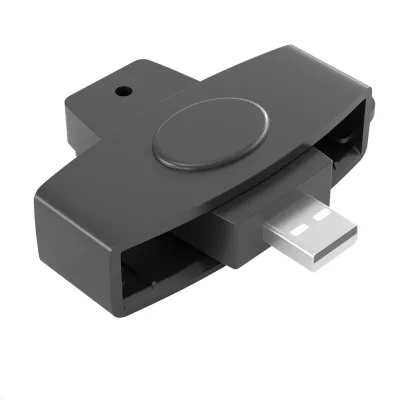
Most RFID readers in these results are external units that connect through USB or serial ports rather than internal laptop modules. If you need an internal installation, confirm the physical form factor, connector type, and driver support with the supplier before ordering. Customization is listed as available, so ask specifically about embedded or flush-mount housing options for laptop integration.
Which RFID frequencies do the available readers support?
The listed readers cover 13.56 MHz high-frequency models, one library unit supporting 13.56 MHz or 860-960 MHz, and a 125 kHz EM-card reader with keypad. Protocols mentioned include ISO15693 and EPC Gen2. Match the frequency to your card type first, then confirm protocol compatibility with your existing cards or tags before requesting a quotation.
What is the typical minimum order quantity for RFID readers?
Minimum order quantities vary by model in these results: one unit for the library automation equipment, three for the RFID library work station, and ten for the desktop 13.56 MHz reader. Low MOQs make sampling practical, so order a small batch first to test read range and software integration before committing to volume production quantities.
How much do the RFID card readers cost?
Prices in the results range widely by product type. Compact USB desktop readers list between roughly 3 and 12.50 dollars per unit, the 125 kHz keypad reader sits around 9.50 to 11.80 dollars, and complete library stations or solutions run from several hundred to over a thousand dollars. Quote exact unit pricing based on your volume and configuration.
What lead times should buyers expect for RFID reader orders?
One manufacturer in the results reports a lead time of 15 days, while another reports no stated lead time value. Production time will also depend on customization level and order size. Request written confirmation of the lead time for your specific configuration, including any tooling or firmware work, and build in buffer time before your deployment deadline.
Do these suppliers hold any certifications or verifications?
Yes, the observed results include one supplier with ISO 9001 system certification and TUV Rheinland verification, plus manufacturer and factory type classifications. Certifications apply per company, so verify which credential belongs to the specific supplier you contact. Ask for a copy of the current certificate and confirm it covers the production site making your readers.
Can buyers get customized or OEM RFID reader hardware?
Customization is listed as available across the reader products, and supplier capabilities include OEM and ODM capacity with one factory noting its own brand. This can cover housing, interface, and firmware adjustments. Provide your frequency, interface, mounting, and software requirements in detail, then request samples to validate the customized design before mass production.
How quickly do these RFID reader suppliers respond to inquiries?
Average response times recorded in the results are 8.81 hours for one supplier and 7.31 hours for another, both under twelve hours. Actual replies vary by workload and time zone, especially for technical questions about integration. Send complete specifications in your first message covering frequency, interface, and quantity to reduce back-and-forth and receive accurate quotes faster.