Eco-Friendly Cooling Diatomaceous Earth Mat Suppliers and Manufacturers
Source 18 verified suppliers for Eco-Friendly Cooling Diatomaceous Earth Mat. Compare key dimensions including ISO certifications, response times, and lead times. Review product specifications and pricing to identify the right partner for your procurement needs; review the available evidence before requesting comparable quotations from suitable candidates.
Suppliers List

BEIJING NORTH REFRACTORIES CO., LTD.
- Verified by TUVRHEINLAND
- Manufacturer/Factory
- China Beijing
- Lead time45 days
- Avg. response≤ 23h
Main productsCeramic Fiber Blankets, Calcium Silicate Board, Fiber Cement Board, Ceramic Fiber Board, Calcium Silicate Pipe Section, Aluminum Non Wetting Calcium Silicate Board, Microporous Insulation Board, Rigid Refractory Board, Thermal Insulation Silicate Board, Pcw Blanket
Main marketsSouth America,Eastern Europe,Mid East,North America,Southeast Asia,Eastern Asia,Oceania,Western Europe,Africa


Diatomaceous Earth Mat Factory Wholesale Best Quality Diatomite Bath Mat
$1.00 - $5.00
MOQ: 1000 Pieces


Zhangjiagang Leader New Construction Material Co., Ltd.
- Combined
- China Jiangsu
- Lead time23 days
- Avg. response≤ 10h
Main productsMGO Board, Magnesium Oxide Board, Fireproof Board, SIP Sandwich Panel, Fiber Cement Cladding, Fiber Cement Board/Calculate, T-Grid, Grey MGO Board, MGO Flooring
Main marketsDomestic

Guizhou Fuding Rubber & Plastic Co., Ltd.
- Verified by SGS
- Combined
- China Guizhou
- Lead time23 days
- Avg. response≤ 6h
Main productsMouse Pad, Yoga Mat, Door Mat, Chair Mat, Bed Runner, Chess Mat, Floor Mat, Rubber Roll Material
Main marketsSouth America,Others(foreignTradeCapacity.exportBusinessCapacityMarketOther),Southeast Asia/ Mideast,East Asia(Japan/ South Korea),Domestic,Europe,Australia,North America

$0.65 - $1.25
MOQ: 50 Pieces

Super Absorbent Quick-Drying Non-Slip Bathroom Mat Thick Bathroom Carpet Diatomaceous Earth Bath Mat
$0.82 - $1.25
MOQ: 100 Pieces

Wholesale Custom Design Bathroom Diatomaceous Earth Bath Mat Absorbent Stone Bath Mat
$0.65 - $1.25
MOQ: 50 Pieces

Diatomaceous Earth Bath Mat Non-Slip Super Absorbent Quick Dry Toilet Floor Mat Shower Bath Mat
$0.65 - $1.25
MOQ: 50 Pieces

Non-Slip Super Absorbent Quick Dry Toilet Floor Mat Bathroom Rug Carpet Diatomaceous Earth Bath Mat
$0.65 - $1.25
MOQ: 50 Pieces


- Verified by BV
- Trading Company
- China Liaoning
- Lead time30 days
- Avg. response≤ 3h
Main productsCitric Acid, Xanthan Gum, Vitamin C Ascorbic Acid, Aspartame, Phosphoric Acid, Sodium Benzoate, Msg/Monosodium Glutamate, TCCA, Ringtab Bottle Cap, Beverage Production Line
Main marketsAfrica,Southeast Asia/ Mideast


Factory Price Best Quality Agricultural Grade Diatomaceous Earth Diatomite
$220.00 - $360.00
MOQ: 10 Tons

Low Price High Grade Diatomite /Diatomaceous Earth Filter Aid for Industry
$220.00 - $360.00
MOQ: 10 Tons

Changsha Chengtong Technology Co., Ltd.
- Verified by SGS
- Trading Company
- China Hunan
- Lead time15 days
- Avg. response≤ 6h
Main productsCutting Board, Vegetable Chopper, Measuring Cup, Milk Frother, Measuring Spoon, Vegetable Peeler, Kitchen Scissors, Knife Sharpener
Main marketsSoutheast Asia/ Mideast

- Verified by SGS
- Manufacturer/Factory
- China Jiangsu
- Lead time45 days
- Avg. response≤ 13h
Main productsHome Textiles, Household Products, Outdoor Product, Sport, Pet, Heated Products
Main marketsSouth America,Eastern Europe,Mid East,North America,Southeast Asia,Eastern Asia,Oceania,Western Europe,Africa

Shaoxing City Xinlan Textile CO., LTD.
- Verified by TUVRHEINLAND
- Combined
- China Zhejiang
- Lead time23 days
- Avg. response≤ 2h
Main productsHome Textile, Curtain, Cushion Cover, Shower Curtain, Macrame Handmade Products, Curtain Fabric, Tablecloth, Placemat, Blankets, Bedding
Main marketsNorth America


$2.07 - $2.84
MOQ: 100 meters


- Verified by SGS
- Trading Company
- China Zhejiang
- Lead time30 days
- Avg. response≤ 5h
Main productsHousehold
Main marketsNorth America

Hebei Yingrui Imp&Exp Trade Co., Ltd.
- Verified by TUVRHEINLAND
- Trading Company
- China Hebei
- Lead time15 days
- Avg. response≤ 2h
Main productsVermiculite, Mica Powder, Perlite, Bentonite, Sepiolite, Fireproof Coating, Insulation Materials, Horticlture Merterials, Vermiculite Concrete Materials, Color Sand Minerals
Main marketsAfrica,Southeast Asia/ Mideast,East Asia(Japan/ South Korea),Europe,Australia

Agriculture Enhancer Soil Conditioner Grade Diatomaceous Earth Diatomite
$300.00 - $580.00
MOQ: 20 Tons


Eco-Friendly Diatomaceous Earth for Agriculture and Water Treatment Use
$300.00 - $580.00
MOQ: 20 Tons

Nutri-Rich Soil Conditioner Grade Diatomaceous Earth Diatomite for Agriculture
$300.00 - $580.00
MOQ: 20 Tons

Premium Quality Filter Diatomaceous Earth Soil Diatomite for Agriculture
$300.00 - $580.00
MOQ: 20 Tons

Qingyuan Xingxiang Hardware Products Co., Ltd
- Verified by SGS
- Combined
- China Guangdong
- Lead time30 days
- Avg. response≤ 6h
Main productsShower Caddy Shelves, Hanging Hook, Coffee Pod Holder, Tissue Paper Towel Holder, Wire Storage Basket, Mutifunction Storage Rack, Cup Holder, Dish Drying Rack, Office Accessories, Watering Can
Main marketsEurope,North America

New Design Fast Drying Thin Stone Diatomaceous Earth Bath Mat for Bathroom
$2.90 - $3.50
MOQ: 200 Pieces


Hebei Runhuabang New Material Technology Co., Ltd.
- Verified by TUVRHEINLAND
- Combined
- China Hebei
- Lead time15 days
- Avg. response≤ 3h
Main productsDiatomite Powder, Talc Powder, Tourmaline, Color Sand
Main marketsSouth America,Southeast Asia/ Mideast,East Asia(Japan/ South Korea),Europe,Australia,North America

Hebei Hezhen Industrial Co., Ltd.
- Verified by SGS
- Combined
- China Hebei
- Lead time15 days
- Avg. response≤ 2h
Main productsIron Oxide Pigment, Diatomite, Silica Powder, Bentonite Powder, Talc Powder, Kaolin Clay, Tourmaline Powder
Main marketsSouth America,Southeast Asia/ Mideast,Europe

Ningbo Quanwei Rubber Products Co., Ltd.
- Verified by BV
- Combined
- China Jiangsu
- Lead time15 days
- Avg. response≤ 7h
Main marketsDomestic

Wholesale Bathroom Floor Mat Bathroom Door Mats Diatomite Diatomaceous Earth Bath Mat
$0.60 - $1.40
MOQ: 50 Pieces

$0.60 - $1.40
MOQ: 50 Pieces

Jilin Joy Link International Trade Co., Ltd.
- Trading Company
- Jilin, China
- Lead time0 days
- Avg. response≤ 5h
Main productsballpoint pen,notebook,water bottle,home products,Bar tools
Main marketsEastern Europe(20.00%), North America(20.00%), Mid East(15.00%), South America(15.00%), Southeast Asia(10.00%), Oceania(10.00%), Africa(10.00%)

Shijiazhuang Huabang Mineral Products Co., Ltd.
- Verified by BV
- Combined
- China Hebei
- Lead time15 days
- Avg. response≤ 4h
Main productsMica, Kaolin, Bentonite, Talc, Graphite Powder, Iron Oxide Pigment, Cenosphere, Diatomite Powder, Calcium Carbonate
Main marketsSouth America,Africa,Others(foreignTradeCapacity.exportBusinessCapacityMarketOther),Southeast Asia/ Mideast,East Asia(Japan/ South Korea),Domestic,Europe,Australia,North America


Ultra-Fine Diatomaceous Earth for Polishing Diatomite for Industrial Dehydration
$372.00 - $378.00
MOQ: 5 Tons


Calcined Diatomite Is Used for Food Filtration/Vinegar Filtration/Water Absorption Floor Mat
$372.00 - $378.00
MOQ: 5 Tons
Beijing Yixin Technology Co., Ltd.
- Verified by Intertek
- Trading Company
- Lead time7 days
- Avg. response≤ 1h
Main productsArea Rugs & Sets, Wall-to-Wall Carpets, Door Mats, Kitchen Mats, Bath Mats
Main marketsNorth America(40%), Domestic Market(35%), Mid East(25%)
- Verified by SGS Group
- Manufacturer, Trading Company
- Lead time25 days
- Avg. response≤ 6h
Main productsFloor Mat, Bathroom Mat, Door Mat, Cup Mat, Kitchen Mat
Main marketsNorth America(48%), Western Europe(20%), Northern Europe(15%)

LIAOYANG JIAXIN CARBIDE CO., LTD.
- Verified by SGS
- Trading Company
- China Liaoning
- Lead time23 days
- Avg. response≤ 3h
Main productsSic Heater, Mosi2 Heating Element, Silicon Carbide Tube, Graphite Sagger, Graphite Part for Vacuum Furnace, PVC Carpet Double Stripe Carpet with PVC Bottom, Aluminium Clamp and Braid, Sports Flooring, PVC Floor, Bathroom Mat
Main marketsSouth America,Africa,Southeast Asia/ Mideast,East Asia(Japan/ South Korea),Domestic,Europe,North America


Customized Non-Slip Waterproof Absorbent Rugs Diatom Mud Bathroom Floor Door Mat
$3.85
MOQ: 100 Pieces


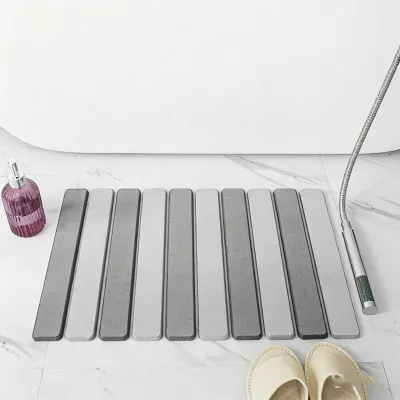
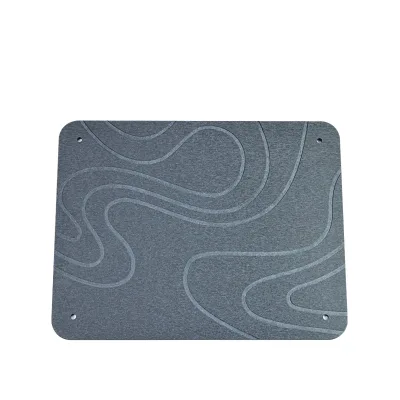
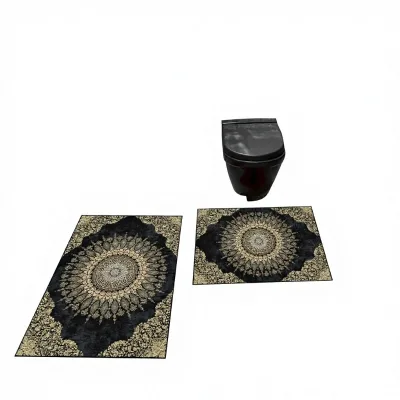

Comprehensive Sourcing Guide
Eco-Friendly Cooling Diatomaceous Earth Mat Supplier Concentration and Factory Types
Current data indicates that manufacturers of eco-friendly cooling diatomaceous earth mats are concentrated in specific Chinese regions, with Beijing and Jiangsu emerging as key hubs for production. Factories in Beijing often list diverse insulation products alongside bath mats, suggesting a broader industrial base that may include specialized thermal materials. In contrast, suppliers in Jiangsu, particularly those in Zhangjiagang, appear to focus heavily on diatomite mats with specific model numbers like YH31 and YH04, indicating a cluster of specialized producers in that area. Buyers should verify if a supplier's main product list includes these specific items to confirm their relevance to the sourcing request.
The company types observed range from pure manufacturers to combined entities that may handle both production and trading. Some suppliers in the results are identified as manufacturers with their own brands, offering OEM and ODM capabilities, which allows for customization of size, pattern, and color. Others are listed as combined companies, which might imply a different operational structure or a broader product portfolio that includes items like MGO boards or rubber mats. When evaluating potential partners, buyers must distinguish between a factory that owns the production line and a trading company that aggregates goods, as this distinction impacts quality control and direct communication regarding the manufacturing process.
How to Verify Eco-Friendly Cooling Diatomaceous Earth Mat Suppliers
Verification of supplier credibility relies heavily on third-party audit reports and system certifications found in the search results. Several suppliers in the dataset have undergone verification by recognized bodies such as TÜV Rheinland and SGS, which provides a baseline of trust regarding their business operations. Additionally, system certifications like ISO 9001, ISO 9000, and ISO 14000 are present for some manufacturers, indicating adherence to quality management and environmental standards. Buyers should request current copies of these certificates to ensure they are valid and specifically cover the production of diatomaceous earth mats, rather than just general company registration.
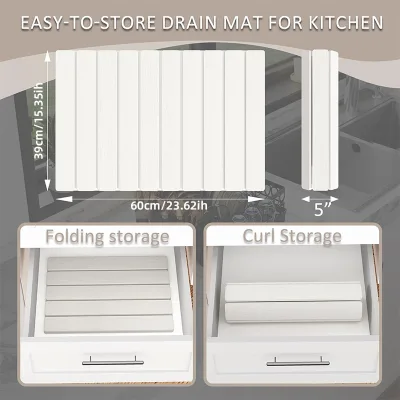
Beyond certifications, the response time and product attributes serve as practical indicators of supplier reliability. The data shows response times varying significantly, with some suppliers responding in under ten minutes while others take over twenty minutes, which can impact the speed of negotiation and order processing. Buyers should also scrutinize product evidence for specific details like origin, such as "China, Zhangjiagang," and material composition, such as "Nature Rubber" backing. Confirming that the supplier can provide detailed product attributes, including standard sizes like 60x39cm or custom dimensions, is essential to ensure they can meet specific project requirements without ambiguity.
What to Compare Across Eco-Friendly Cooling Diatomaceous Earth Mat Suppliers
When comparing suppliers, lead time and minimum order quantity (MOQ) are critical commercial variables that differ across the market. The observed data reveals lead times ranging from 23 days to 45 days, which directly affects inventory planning and delivery schedules. Similarly, MOQs vary widely, with some suppliers requiring orders as low as one unit while others demand a minimum of 1,000 pieces. Buyers must align these constraints with their own volume needs, as a high MOQ might be prohibitive for small businesses, whereas a low MOQ could result in higher per-unit costs. It is vital to calculate the total landed cost based on these specific thresholds before committing to an order.
Price ranges and customization options also require careful comparison to ensure value alignment. The product evidence shows price points ranging from $1.00 to $5.00 per unit, depending on the specific model, color, and size specifications. Some suppliers offer solid patterns in white or blue, while others provide printed designs, and customization is frequently listed as available. Buyers should compare the cost implications of customizing size, such as 50x80cm versus standard 60x39cm, and verify if the price includes specific packaging like cartons. Understanding the full scope of customization, including pattern and style, helps in selecting a supplier that offers the best balance of cost and product specification.
Common Eco-Friendly Cooling Diatomaceous Earth Mat Sourcing Risks
One significant risk involves the discrepancy between claimed main products and actual inventory availability. While some suppliers list insulation boards and fireproof materials as their primary offerings, they may also list diatomite mats, which could indicate a secondary product line with less specialized expertise. Buyers should verify if the diatomite mats are a core competency or a peripheral item by examining the depth of product details provided, such as specific model numbers and thickness specifications. A lack of detailed product attributes or vague descriptions of the material composition can signal a higher risk of receiving substandard goods that do not meet the "eco-friendly" or "cooling" claims.
Another risk pertains to the consistency of quality standards and the reliability of the supply chain. The absence of specific certifications like ISO 14001 for some suppliers suggests a potential gap in environmental compliance, which is crucial for eco-friendly products. Furthermore, variations in response times and lead times can lead to logistical bottlenecks, especially if a supplier fails to meet the 23-day lead time benchmark observed in some cases. Buyers must assess whether the supplier has the capacity to handle ODM and OEM requests consistently, as inconsistent production capacity can lead to delays and quality fluctuations that disrupt the buyer's business operations.
Eco-Friendly Cooling Diatomaceous Earth Mat Regional Sourcing and Logistics
Sourcing from China offers distinct logistical advantages, with specific regions like Beijing and Jiangsu serving as primary manufacturing clusters. Suppliers in Beijing often have access to a broader range of industrial materials, while those in Jiangsu, particularly Zhangjiagang, appear to specialize in diatomite mats with specific dimensions and models. Buyers should consider the proximity of the factory to major ports when calculating shipping costs and transit times, as regional differences can impact the overall logistics efficiency. Verifying the exact origin, such as "China Mainland" or specific cities, helps in estimating the distance to the destination port and planning the subsequent inland transportation.
Logistics planning must also account for the specific packaging and dimensions of the products to optimize container loading. The product evidence indicates that mats are often packed in cartons with standard dimensions like 60cm39cm0.9cm, which allows for predictable volume calculations. However, custom sizes and varying thicknesses, such as 0.3-0.8cm, can alter the packing density and require different shipping strategies. Buyers should confirm the packing details with the supplier to ensure that the goods fit efficiently into standard containers, minimizing shipping costs and reducing the risk of damage during transit. Understanding these regional and logistical nuances is key to a smooth import process.
Eco-Friendly Cooling Diatomaceous Earth Mat Commercial Terms and Order Planning
Commercial terms regarding payment and order planning are heavily influenced by the MOQ and price structure observed in the supplier data. With MOQs ranging from single units to 1,000 pieces, buyers must determine their optimal order size to balance inventory costs with unit pricing. The price range of $1.00 to $5.00 suggests that volume discounts may be available, but buyers should verify the specific pricing tiers for different order quantities. Planning the order to meet the supplier's minimum requirements while maximizing the benefit of bulk pricing is essential for maintaining healthy profit margins and ensuring supply continuity.
Lead time and response speed are also critical factors in order planning and contract negotiation. The data shows lead times between 23 and 45 days, which must be factored into the production schedule to avoid stockouts. Suppliers with faster response times, such as those under 10 minutes, may offer better communication channels for resolving issues quickly. Buyers should include clear clauses in their contracts regarding lead time penalties and response time expectations to protect against delays. Additionally, verifying the supplier's capacity for ODM and OEM services ensures that they can scale production as demand grows, providing flexibility for future order planning.
FAQs
What is the typical lead time for eco friendly cooling diatomaceous earth mats?
Lead times vary by supplier, with observed ranges from 23 to 45 days. Some manufacturers offer faster response times around 9 hours, while others take over 22 hours. Buyers should confirm specific delivery schedules based on order volume and customization needs before placing an order.
Are there minimum order quantities for purchasing diatomaceous earth bath mats?
Minimum order quantities differ significantly among suppliers. Some vendors require a minimum of 1000 units, while others accept orders as low as 1 unit. Buyers must check individual product listings to determine the specific MOQ applicable to their desired size, color, and customization options.
What certifications do manufacturers of diatomaceous earth mats typically hold?
Many suppliers hold ISO 9000, ISO 9001, and ISO 14000 certifications for quality and environmental management. Some facilities are verified by third parties like TÜV Rheinland or SGS. Buyers should verify current certification status directly with the supplier to ensure compliance with specific regional standards.
Where are the primary manufacturing locations for these mats?
Manufacturers are primarily located in China, with facilities in Beijing, Jiangsu, and Guizhou provinces. Specific products may originate from Zhangjiagang in Jiangsu. Buyers should confirm the exact origin of the goods to understand shipping logistics and potential tariffs associated with the specific manufacturing region.
What price range can buyers expect for wholesale diatomaceous earth mats?
Prices generally range from 1.00 to 5.00 USD per unit depending on size and features. Specific listings show costs between 1.80 and 3.90 USD for standard models. Custom sizes, colors, and packaging options may influence the final unit price, so detailed quotes are necessary for accurate budgeting.
Can buyers request custom sizes and colors for these mats?
Yes, customization is widely available for size, color, and pattern. Suppliers offer options like solid or printed designs in white or blue. Standard dimensions include 60x39cm or 50x80cm, but custom sizes are often supported. Buyers should specify exact requirements to ensure the manufacturer can meet their unique design needs.
What materials are used for the backing of these eco-friendly mats?
Some mats feature a nature rubber backing to enhance grip and durability. Other products may use different materials depending on the specific model and manufacturer. Buyers should verify the backing material composition to ensure it meets safety and performance requirements for their intended use in bathrooms or hotels.