CE Certified Personal Alarm Suppliers and Manufacturers
Source 20 verified suppliers for CE Certified Personal Alarm systems. Compare grounded dimensions including ISO 9001 certification, GSM and WiFi networking modes, and response times. Review specific product specs and lead times to identify suitable partners for your security needs.
Suppliers List

Shenzhen Chitongda Electronic Co., Ltd.
- Verified by BV
- Trading Company,Manufacturer/Factory
- China Guangdong
- Lead time23 days
- Avg. response≤ 13h
Main productsAlarm System, Burglar Alarm, Security System, GSM Alarm System, Wireless Home Security, Car GSM Alarm, Home / Commercial Alarm, CCTV System, Detector, Surveillance Equipment
Main marketsSouth America,Eastern Europe,Mid East,North America,Southeast Asia,Eastern Asia,Oceania,Western Europe,Africa

Jingjiang Dengtu Outdoor Equipment Co., Ltd
- Verified by SGS
- Trading Company
- China Jiangsu
- Lead time15 days
- Avg. response≤ 4h
Main productsSelf Defense Equipment, Outdoor Products, Tactical Equipment, Metal Tool, Flashlight, Detector, Sport Equipment, Keychain Kit Crafts, Security Equipment, Traffic Equipment
Main marketsAfrica,Domestic
Shenzhen Dowdon Technology Co., Ltd.
- Manufacturer, Trading Company, Distributor/Wholesaler
- Lead time旺季: "1 - 100":3,"101 - 500":5,"501 - 1000":7,"> 1000":"To be negotiated", 淡季: "1 - 100":3,"101 - 500":5,"501 - 1000":7,"> 1000":"To be negotiated"
- Avg. response≤ 14h
Main productsPhone & Computer Accessories,Consumer Electronic Products,Security & Protection,Electrical Supplies,Lights & Lighting

Shenzhen Slinya Electronic Co., Ltd.
- Trading Company
- China Guangdong
- Lead time15 days
- Avg. response≤ 20h
Main productsMobile Phone Accessories, Computer Accessories, Consumer Electronics, Cable & Networking, Lights & Lighting, Security & Protection, Cameras & Photo Accessories, Home & Garden
Main marketsSouth America,Southeast Asia/ Mideast,East Asia(Japan/ South Korea),Domestic,Europe,Australia,North America

DONGGUAN HUI TAI TONG TECHNOLOGY CO., LIMITED
- Manufacturer/Factory
- China Guangdong
- Lead time23 days
- Avg. response≤ 7h
Main productsPlastic Toy, Children Toy, Educational Toy, Action Figure, PVC Figure, Promotional Gift, Sport Figure
Main marketsNorth America,Eastern Asia,Western Europe

Beijing Vacuum Electronic Technology Co., Ltd.
- Verified by BV
- Combined
- China Beijing
- Lead time30 days
- Avg. response≤ 6h
Main productsX-ray Baggage Scanner, Vehicle Inspection System, Container Scanner System, Walk-Through Metal Detector
Main marketsSoutheast Asia/ Mideast,East Asia(Japan/ South Korea),Domestic,North America

NINGBO FBELE ELECTRONICS CO., LTD.
- Trading Company
- China Zhejiang
- Lead time15 days
- Avg. response≤ 13h
Main productsSolar Cell, Buzzer, Fuse and Fuse Holder, Terminal Block, Switch, Speaker, Telephone Receiver, Siren, Rj, USB Connector
Main marketsSouth America,Southeast Asia/ Mideast,Europe

Xuzhou Dragon Guard Industrial Co., Ltd.
- Verified by SGS
- Combined
- China Jiangsu
- Lead time15 days
- Avg. response≤ 5h
Main productssecurity products and solutions
Main marketsAfrica,Southeast Asia/ Mideast,Domestic,Europe,North America

Ningbo Kingdun Electronic Industry Co., Ltd.
- Verified by BV
- Combined
- China Zhejiang
- Lead time30 days
- Avg. response≤ 16h
Main productsSmoke Detector, Wireless Online Smoke Alarm, Carbon Monoxide Alarm, Gas Alarm, Power Meter
Main marketsEurope

HEFEI LONG RIVER ELECTRICAL CO., LTD.
- Trading Company
- China Anhui
- Lead time23 days
- Avg. response≤ 6h
Main productsDoorbell, Alarm, LED Sensor Bulb, Cable Ties, Cable Clips, Dry Cell, School Bell, Fire Bell, LED Bulb
Main marketsSouth America,Eastern Europe,Mid East,North America,Southeast Asia,Eastern Asia,Oceania,Western Europe,Africa
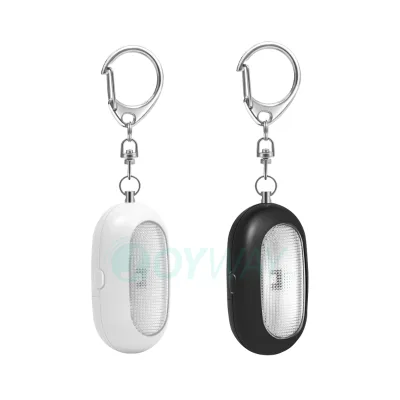
Shenzhen Joyway Technology Co., Ltd.
- Verified by SGS Group
- Manufacturer, Trading Company
- Lead time7 days
- Avg. response≤ 4h
Main productsSmart Pet Water Fountains And Feeder, Smart Pet Environment Monitor, Smart Pet Badge, Smart Fishing Barometer, Smart Pet Toy
Main marketsNorth America(40%), Eastern Asia(20%), South America(10%)

Mantern Industrial Co., Limited
- Trading Company
- China Henan
- Lead time23 days
- Avg. response≤ 9h
Main productsGas Detector, Call Point, Carbon Monoxide Detector, Manual Operated Siren, Gas Timer Valve, Fire Hose Nozzle, Fire Alarm Bell, Smoke Detector, Gas Alarm, Gas Detector Alarm
Main marketsSouth America,Eastern Europe,Mid East,North America,Southeast Asia,Eastern Asia,Oceania,Western Europe,Africa

Zhejiang Shuntong Electric Co., Ltd.
- Verified by BV
- Trading Company,Manufacturer/Factory
- China Zhejiang
- Lead time23 days
- Avg. response≤ 5h
Main productsTransformers, Frequency Inverter, Inverter, Voltage Stabilizer, Fan
Main marketsSouth America,Eastern Europe,Mid East,North America,Southeast Asia,Eastern Asia,Oceania,Western Europe,Africa

Yueqing Shuntong Imp. & Exp. Co., Ltd.
- Combined
- China Zhejiang
- Lead time15 days
- Avg. response≤ 8h
Main productsWarning Light, Siren, Switch, Socket, Voltage Stabilizer/Regulator, Audible Visual Alarm, Cooling Fans, Computer Parts, Strobe Light, Breaker
Main marketsSouth America,Southeast Asia/ Mideast,Europe
Guangdong Meizhongkai Security Technology Co., Ltd
- Verified by CTI
- Combined
- China Guangdong
- Lead time15 days
- Avg. response≤ 9h
Main productsBird Spikes, Dummy Camera, Personal Alarm, Cat Spikes, Battery Storage Box, Flashlight
Main marketsDomestic,Europe,North America

Changzhou Wujin Yueda Electroacoustic Equipment Co., Ltd.
- Verified by BV
- Combined
- China Jiangsu
- Lead time30 days
- Avg. response≤ 2h
Main productsBack-up Alarm, Reversing Alarm, Travel Buzzer, Talking Alarm, Multimedia Speaker, Raw Speaker, TV Speaker, Mylar Speaker, Micro Speaker
Main marketsDomestic,Europe

Ningbo Ambest Electronics Co., Ltd.
- Verified by BV
- Combined
- China Zhejiang
- Lead time23 days
- Avg. response≤ 16h
Main productsAddressable Fire Alarm System, Non-Addressable Fire Alarm System, Residential Alarm Products, Heat Detector, Fire Alarm Control System, Gas Detector, Flame Detector, Fire Alarm, Conventional Smoke Detector, Addressable Smoke Detector
Main marketsSouth America,Africa,Southeast Asia/ Mideast,Europe,Australia
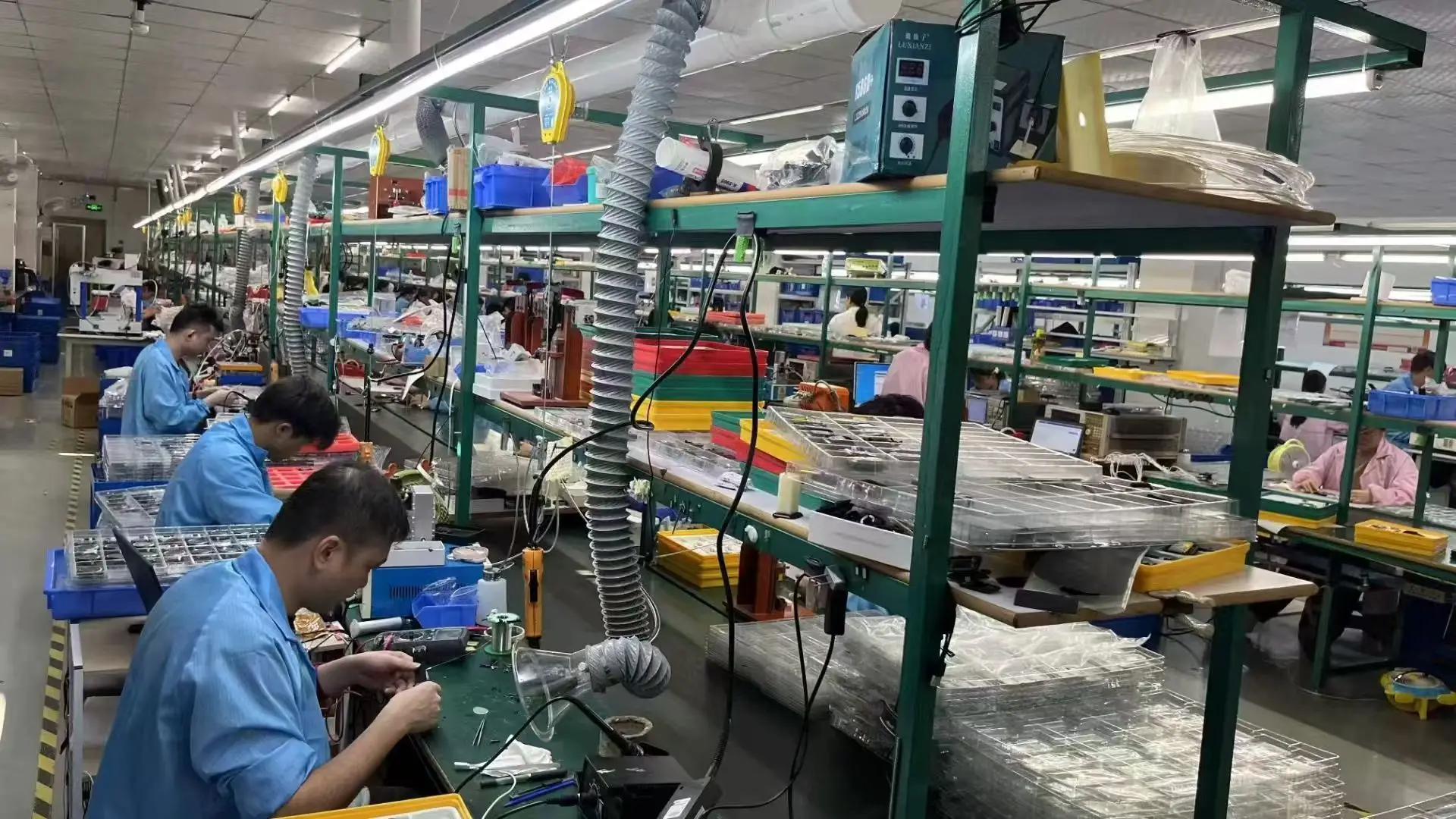
- Manufacturer, Trading Company
- Guangdong, China
- Lead time3 days
- Avg. response≤ 2h
Main productsPersonal gps tracker,pet gps tracker,vehicle gps tracker,gps watch,platform tracking
Main marketsSouthern Europe(18.0%), North America(15.0%), Central America(15.0%), South Asia(8.0%), Eastern Europe(8.0%), Western Europe(8.0%), Oceania(4.0%), Africa(4.0%), Northern Europe(4.0%), South America(4.0%), Southeast Asia(4.0%), Eastern Asia(4.0%), Mid East(4.0%)
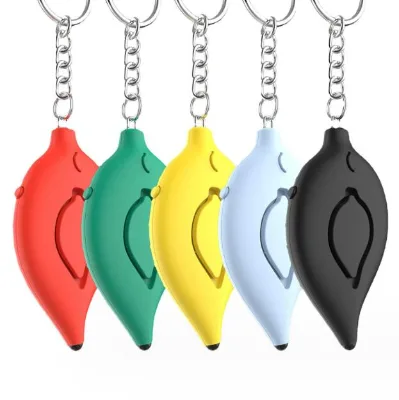
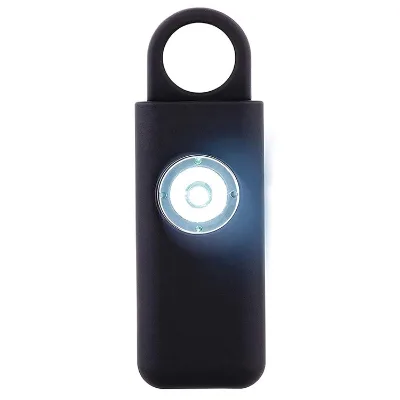
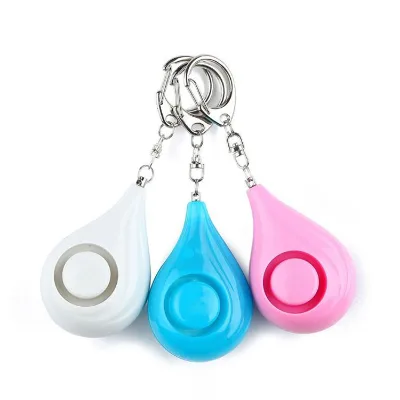
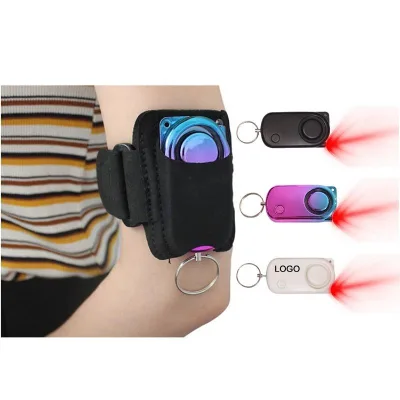
LED Wristband Personal Alarm Emergency Device
$1.20 - $2.30

Zuden Technology (HK) Co., Limited
- Verified by CTI
- Combined
- China Guangdong
- Lead time15 days
- Avg. response≤ 8h
Main productsAlarm System, Access Control, Electromagnetic Lock, Home Security System, Alarm Strobe Siren, Magnetic Contact, WiFi Home Security Wireless Burglar GSM Alarm, Home Security Wireless Burglar GSM Alarm System, Metal Standalone RFID Door Access Control, Smart Home
Main marketsSouth America,Southeast Asia/ Mideast,Europe,Australia

Shenzhen Asenware Test and Control Technology Co., Ltd.
- Verified by CTI
- Trading Company,Manufacturer/Factory
- China Guangdong
- Lead time15 days
- Avg. response≤ 13h
Main productsFire Alarm System, Smoke Detector, Fire Alarm Control Panel, Fire Alarm, FM200, Fire Pump, Flame Detector, Fire Hose Reel, Emergency Light System, Beam Smoke Detector
Main marketsSouth America,Eastern Europe,Mid East,North America,Southeast Asia,Eastern Asia,Oceania,Western Europe,Africa


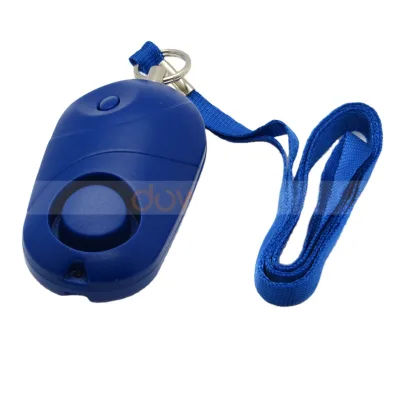
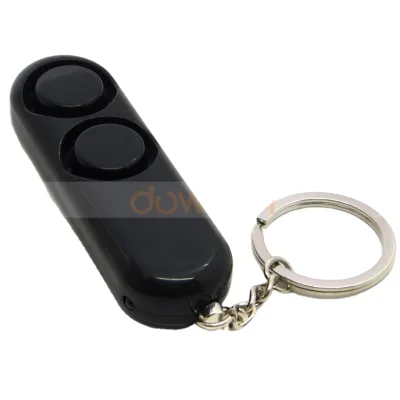
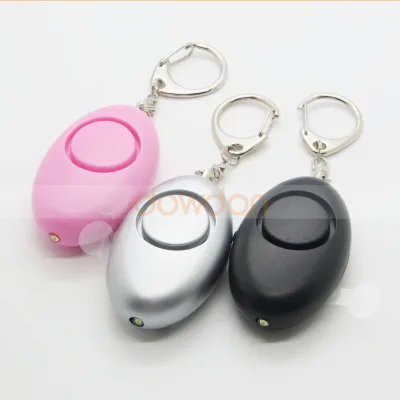


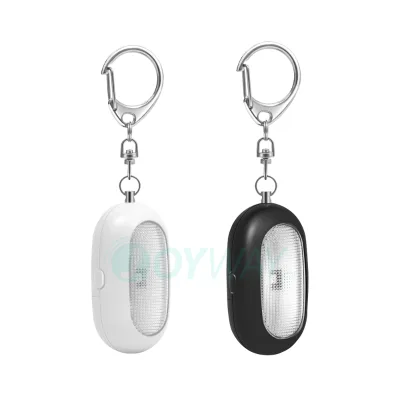


Comprehensive Sourcing Guide
CE Certified Personal Alarm Supplier Concentration and Factory Types
The available data indicates a specific manufacturing cluster for these devices located in China, specifically within the Guangdong province. This region hosts a mix of trading companies and manufacturers that produce alarm systems, burglar alarms, and security equipment. When evaluating potential partners, buyers should look for entities that explicitly state their location as Shenzhen or Guangdong, as this aligns with the observed supply chain concentration for wireless home security and GSM alarm systems. The presence of these facilities suggests a mature ecosystem for producing components like detectors, surveillance equipment, and personal alarm units.
Suppliers in this region often operate as both trading companies and manufacturers, offering a blend of direct production capabilities and broader sourcing networks. Some entities in the results list capabilities for OEM, ODM, and own-brand production, with specific brand names like Wolf-Guard appearing in product attributes. This dual structure allows for flexibility in order sizes and customization levels. Buyers must verify if a supplier is a direct factory or a trading intermediary, as this distinction impacts lead times and communication efficiency. The concentration of these facilities in Guangdong provides a logistical advantage for sourcing complex electronic security devices that require precise assembly and testing.
How to Verify CE Certified Personal Alarm Suppliers
Verification of supplier credentials is critical when sourcing CE certified personal alarms, as the market contains various levels of compliance. The observed data shows that many suppliers hold ISO 9000 and ISO 9001 system certifications, which indicate a baseline for quality management. Additionally, specific product attributes list CE, FCC, RoHS, and CCC certifications, which are essential for market access in Europe and other regions. Buyers should request current certification documents that match the specific product model, such as the LB-01WF or WS-03, to ensure the CE mark is valid for the exact unit being ordered.
Beyond documentation, buyers should assess the verification status provided by third-party inspection agencies. Some suppliers in the results are marked as verified by BV, a recognized third-party verification service. This status adds a layer of confidence regarding the supplier's business legitimacy and operational stability. However, verification status alone is not a guarantee of product quality. Buyers must cross-reference the BV verification with the specific product test reports and ensure the certifications listed in the product attributes, such as the 24G hz sensor or GSM alarm systems, are current and applicable to the intended export markets.
What to Compare Across CE Certified Personal Alarm Suppliers
When comparing suppliers, buyers should prioritize key operational metrics such as lead time, minimum order quantity, and response speed. The data reveals a lead time of approximately 23 days for certain orders, while response times vary, with some suppliers showing a response metric around 12.37. These figures are crucial for planning inventory and managing customer expectations. Buyers must compare these numbers across different vendors to find a balance between speed and cost, as faster response times or shorter lead times may come with higher pricing or stricter MOQ requirements.
Another vital comparison point is the establishment year and the scope of main products offered. One supplier in the results lists an establishment year of 1998, suggesting significant industry experience, while others may be newer entities. Buyers should also evaluate the range of main products, which often includes alarm systems, burglar alarms, and CCTV equipment. A supplier with a broad product line may offer better integration options for a complete security solution. Additionally, comparing the specific product attributes, such as defense zones, battery types, and network support like WiFi or GSM, ensures the selected supplier can meet the technical requirements of the specific personal alarm project.
Common CE Certified Personal Alarm Sourcing Risks
One significant risk in sourcing these devices involves the variability of certification claims across different product lines. While some products list comprehensive certifications like CE, ISO, FCC, RoHS, and CCC, others may only list partial compliance. Buyers must be vigilant to ensure that the specific model ordered, such as the Human Presence Falling Detection Alarm or the WiFi Security Alarm, carries the necessary certifications for the target market. Relying on a general company certification without verifying the specific product certificate can lead to customs delays or legal issues in the destination country.
Another risk relates to the customization and production capacity of the supplier. Although many suppliers offer OEM and ODM services, the actual capacity to handle custom requests varies. Some products indicate customization is available, but the lead time and minimum order quantities for custom runs may differ significantly from standard stock items. Buyers should also be aware of the potential for discrepancies in product specifications, such as the alarm volume or receive frequency, which are listed as specific attributes. Failing to confirm these details before placing an order can result in receiving products that do not meet the functional requirements of the end-user.
CE Certified Personal Alarm Regional Sourcing and Logistics
Sourcing from the identified cluster in China, specifically Guangdong, offers logistical advantages but requires careful planning for international shipping. The product origin is consistently listed as Shenzhen or China, which are major hubs for electronics manufacturing. Buyers should factor in the time required for production, which is observed to be around 23 days, and add the transit time for shipping from this region to their destination. Understanding the specific port of origin and the shipping methods available from Guangdong is essential for accurate delivery estimates.
Logistics planning must also account for the packaging and unit dimensions provided in the product attributes. For instance, some items are packed in color boxes or gift boxes with specific carton quantities, such as 20 sets per carton. These details affect the total volume and weight of the shipment, which directly influences freight costs. Buyers should verify the packing standards and dimensions, such as the 818146mm standard for sensors, to ensure efficient container loading. Proper logistics planning ensures that the supply chain remains smooth and that the cost per unit remains competitive after accounting for shipping and handling fees.
CE Certified Personal Alarm Commercial Terms and Order Planning
Commercial terms for these products vary significantly based on the specific model and supplier capabilities. Price ranges observed in the data span from approximately $21 to $65 per unit, depending on the complexity and features of the alarm system. Minimum order quantities also differ, with some products requiring as few as 5 units, while others demand orders of 500 units. Buyers must align their order volume with the supplier's MOQ to avoid unnecessary costs or the inability to place an order. Understanding these financial thresholds is the first step in effective order planning.
In addition to pricing and MOQ, buyers should consider the warranty and service terms offered by the supplier. Some products in the results include a two-year warranty, which is a valuable indicator of product reliability and supplier confidence. Service options like OEM/ODM are also available, allowing for brand customization. Buyers should negotiate these terms clearly before finalizing the contract. It is also important to verify the payment terms and the availability of escrow services to protect the transaction. Clear commercial terms ensure that both parties understand their obligations and that the project proceeds without financial disputes.
FAQs
What certifications do the personal alarms hold?
The personal alarms carry CE, ISO, FCC, RoHS, and CCC certifications. These standards ensure safety and compliance for global markets. Buyers should verify specific product listings to confirm which certifications apply to their chosen model before placing an order.
Where are these alarm systems manufactured?
Manufacturing takes place in Shenzhen, Guangdong, China. This location supports the supply chain for GSM and wireless security devices. Buyers can expect products to originate from this region when sourcing from verified trading companies and manufacturers in the area.
What is the minimum order quantity for these alarms?
Minimum order quantities vary by product type. Some models require as few as five units, while others may need 500 units. Buyers must check the specific product page to determine the exact MOQ applicable to their selected alarm system configuration.
How long does it take to receive the order?
Lead times for these security systems are approximately 23 days. This duration covers production and preparation for shipment. Buyers should account for this timeframe when planning inventory replenishment or project timelines for their security installations.
Do suppliers offer customization for these alarms?
Customization is available for many of the personal alarm models. Suppliers support OEM and ODM services to meet specific branding or functional needs. Buyers should confirm customization options directly with the supplier to ensure their requirements can be met.
What is the response time for supplier inquiries?
Suppliers typically respond within 12.37 hours to buyer inquiries. This rapid response helps facilitate quick communication regarding product details and pricing. Buyers can expect timely updates when contacting verified suppliers for their security system sourcing needs.
Are these alarms compatible with smart home systems?
Many models support integration with Android and iOS systems. Some units also work with Alexa and Google Home for smart control. Buyers should verify the specific network and app compatibility listed on the product page before purchasing.