CE Certified Palm Fruit Thresher Suppliers and Manufacturers
Explore 26 verified suppliers offering CE Certified Palm Fruit Thresher units with ISO 9001 certification and SGS verification. Compare response times, lead times, and product specifications like voltage and capacity before contacting factories in Henan, China for quotes; review the available evidence before requesting comparable quotations from suitable candidates.
Suppliers List
ZHENGZHOU MAICHENG MACHINERY CO.,LTD
- Verified by SGS
- Trading Company,Manufacturer/Factory
- China Henan
- Lead time23 days
- Avg. response≤ 7h
Main productsAutomatic Cartoning Machine, Packing Machine, Food Processing Machine, Disposable Wooden/Bamboo Cutlery Processing Mach, Charcoal/Coal Briquette Machine, Agriculture Machine, Waste Recycling Machine
Main marketsSouth America,Eastern Europe,Mid East,North America,Southeast Asia,Eastern Asia,Oceania,Western Europe,Africa

Diesel Engine Palm Fruit Bunch Thresher Machine Fresh Palm Fruit Threshing Machine
$1720.00 - $2260.00
MOQ: 1 SET

High Efficiency Fruit Palm Threshing Machine Palm Fruit Thresher to Separate Palm Bunches
$1720.00 - $2260.00
MOQ: 1 SET


Professional Automatic Palm Fruit Sheller Machine Thresher Machine for Palm
$1720.00 - $2260.00
MOQ: 1 SET

High Performance Palm Fresh Fruit Thresher Palm Bunches Separate Machine
$1720.00 - $2260.00
MOQ: 1 SET
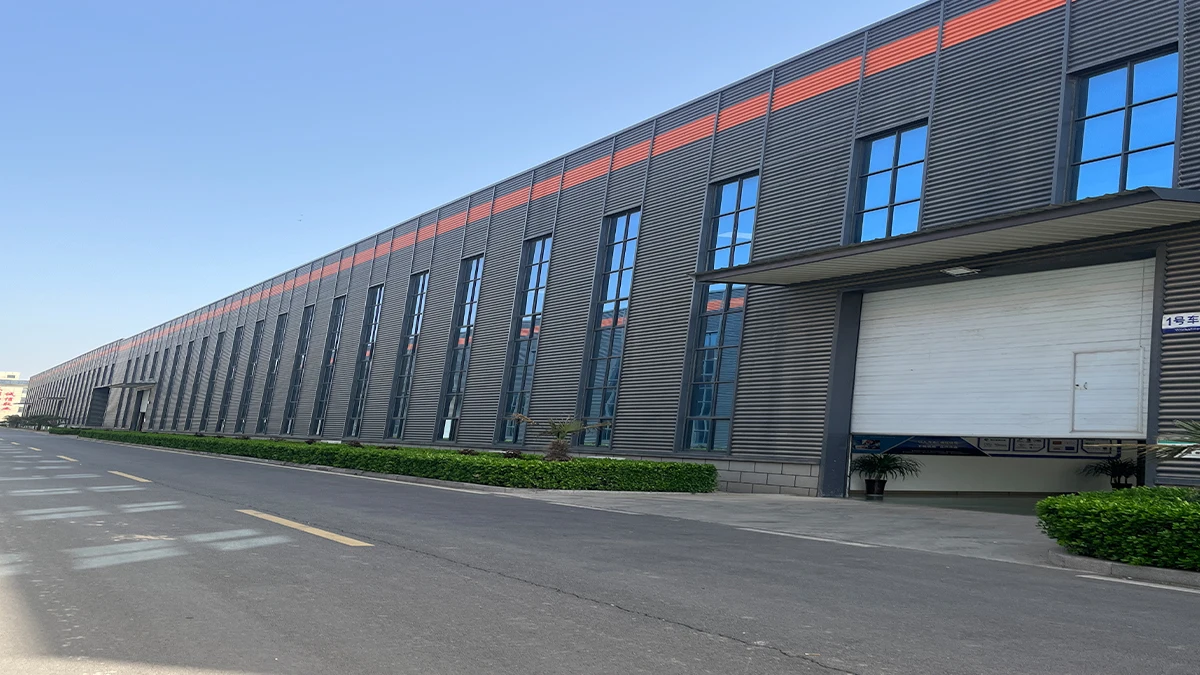
Henan Daheng Machinery Co., Ltd.
- Trading Company
- Henan, China
- Lead time3 days
- Avg. response≤ 6h
Main productsFood Machine,Farm Machine,Packaging Machine,Coal and Charcoal Briquette Machine,Plastic Recycling Machine
Main marketsAfrica(30.00%), South America(25.00%), Domestic Market(15.00%), Mid East(8.00%), Eastern Asia(5.00%), Southeast Asia(3.00%), Eastern Europe(2.00%), South Asia(2.00%), Southern Europe(2.00%), Northern Europe(2.00%), Western Europe(2.00%), North America(2.00%), Oceania(2.00%)
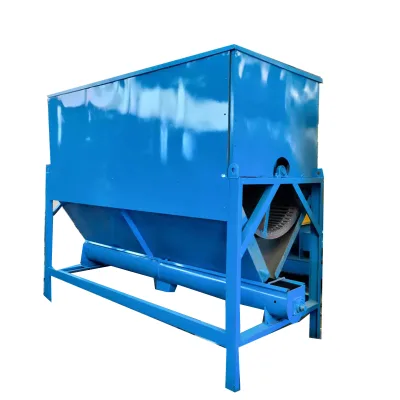
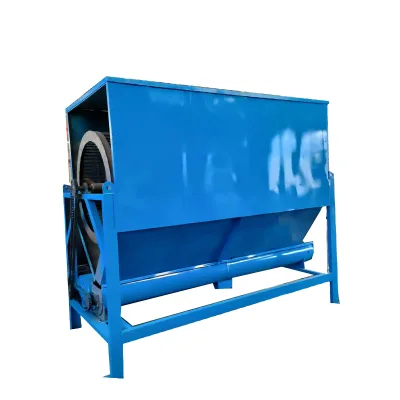
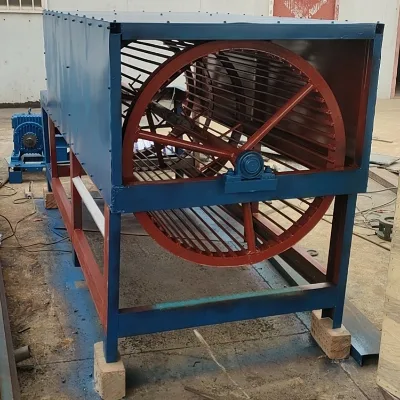
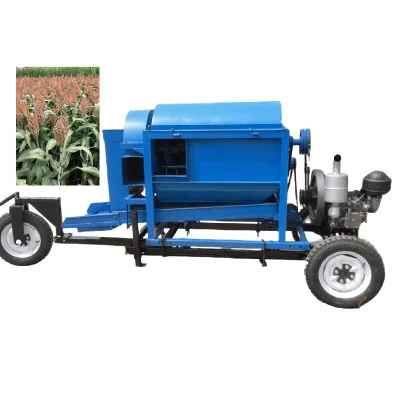
Hot Product Pepper Thresher Machine Thresher Machine Palm Dry Bean Thresher
$558.63 - $761.77
MOQ: 1 sets

- Verified by BV
- Trading Company,Manufacturer/Factory
- China Henan
- Lead time15 days
- Avg. response≤ 4h
Main productsOil Expeller, Oil Press Machine, Oil Refinery, Pellet Machine, Food Processing Machine, Animal Feed Machine, Packing Machine, Filling Machine, Briquette Machine, Brick Machine
Main marketsSouth America,Eastern Europe,Mid East,North America,Southeast Asia,Eastern Asia,Oceania,Western Europe,Africa


2tph Corn thresher 1tph sorghum soybean thresher soybean threshing machine
$550.00 - $600.00
MOQ: 1 Sets

Henan Doing Environmental Protection Technology Co., Ltd.
- Trading Company
- Henan, China
- Lead time20 days
- Avg. response≤ 4h
Main productsCooking Oil Machinery,Starch Machinery,Cassava Processing Machinery,Pyrolysis machine,lithium battery recycling machine
Main marketsAfrica(16.00%), Eastern Asia(12.00%), North America(12.00%), South America(10.00%), Domestic Market(10.00%), Southeast Asia(9.00%), Eastern Europe(8.00%), South Asia(7.00%), Oceania(6.00%), Mid East(5.00%), Northern Europe(4.00%), Western Europe(1.00%)

- Manufacturer/Factory,Group Corporation
- China Hubei
- Lead time23 days
- Avg. response≤ 6h
Main productsAgro Machine, Food Machine, Milking Machine, Tractor, Parboiled Rice Milling Machine, Thresher, Harvester, Solar Dryer, Seeder, Biogas Products
Main marketsSouth America,Eastern Europe,Mid East,North America,Southeast Asia,Eastern Asia,Oceania,Western Europe,Africa
ZHE CHENG HONGXIN MACHINRERY FACTORY
- Verified by TüVRheinland
- Manufacturer, Trading Company
- Lead time15 days
- Avg. response≤ 3h
Main productsIntestine Case Cleaning Machine, Sesame Peeling Machine, Cardboard Expanding Shredder Machine, Flax Brake, Grain Thresher Machine
Main marketsNorth America(20%), Southeast Asia(20%), Africa(20%)
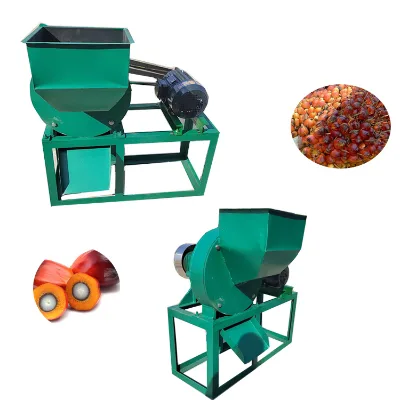
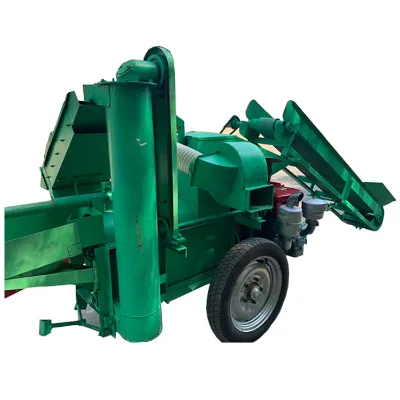
Hot Sale Professional Manufacture Agricultural Machinery Corn Thresher
$1600.00 - $2000.00
MOQ: 1 sets
Zhengzhou Changsheng Machinery Equipment Co., Ltd
- Verified by SGS
- Trading Company,Manufacturer/Factory
- China Henan
- Lead time23 days
- Avg. response≤ 4h
Main productsOil Press Machine/Oil Extractor/Oil Mill Plant, Edible Cooking Oil Refinery Machine Plant Line, Oil Production Line Oil Processing Machine, Palm Fruit Oil Press Milling Processing Machine, Palm Kernel Oil Extraction Processing Machine, Sunflower Seeds Shelling Dehulling Machine, Plate Frame Oil Filter Press/Edible Oil Filter, Edible Oil Filling Machine, Clay Brick Machine/Clay Roof Tile Machine, Pet Food Fish Feed Snack Food Extruder Machine
Main marketsSouth America,Southeast Asia,Africa

Shandong Grander Equipment Co., Ltd.
- Verified by TUVRHEINLAND
- Trading Company
- China Shandong
- Lead time15 days
- Avg. response≤ 7h
Main productsWood Chipper, Safety Products, Garden Tools, Disc Mower, Drum Mower, Tiller, Safety Gloves, Farm Machine, Garden Machine, Safety Shoes
Main marketsSouth America,Southeast Asia/ Mideast,Europe

Zhengzhou Faithin Machinery Equipment Co., Ltd
- Verified by SGS
- Manufacturer/Factory
- China Henan
- Lead time15 days
- Avg. response≤ 3h
Main productsChaff Cutter, Pellet Machine, Mixing Machine, Rice Mill Machine, Oil Press Machine, Disc Mill Machine, Hammer Mill Machine, Hammer Crusher, Jaw Crusher
Main marketsSouth America,Eastern Europe,Mid East,North America,Southeast Asia,Eastern Asia,Oceania,Western Europe,Africa

Corn Threshing Machine Maize Thresher Fruit Corn Thresher Fresh Maize Thresher Machine
$2700.00 - $3500.00
MOQ: 1 Pieces

Fruit Corn Thresher Machine Corn Threshing Machine Electric Fresh Maize Thresher Machine
$2700.00 - $3500.00
MOQ: 1 Pieces

Yucheng Hengshing Machinery Co., Ltd.
- Verified by BV
- Combined
- China Shandong
- Lead time30 days
- Avg. response≤ 20h
Main productsPlow, Disc Plough, Disc Harrow, Cultivator, Farm Mower, Farm Trailer, Potato Harvester, Potato Planter, Corn Thresher, Peanut Thresher
Main marketsSouth America,Africa,Southeast Asia/ Mideast,Europe,Australia,North America


Contact supplier

Agricultural Corn Thresher for Electric Motor
Contact supplier

Farm Wheat Grain Thresher for Tractor
Contact supplier

Yantai Lansu Measurement & Control Equipment Co., Ltd.
- Verified by CTI
- Trading Company,Manufacturer/Factory,Other
- China Shandong
- Lead time23 days
- Avg. response≤ 16h
Main productsAgricultural Machine, Tractor, Sprayer Machine, Cultivator, Power Tiller, Walking Tractor, Thresher Machine, Diesel Engine
Main marketsSouth America,Eastern Europe,Mid East,North America,Southeast Asia,Eastern Asia,Oceania,Western Europe,Africa
Jinan Xinyiyin Import and Export Trading Co., Ltd.
- Verified by CTI
- Combined
- China Shandong
- Lead time23 days
- Avg. response≤ 3h
Main productsDisc Harrow, Disc Plough, Irrigation System, Harvesting Machine, Mower, Grain Cart, Manure Fertilizer Spreader, Farm Trailer, Land Leveler, Stone Picker
Main marketsDomestic

Zhengzhou Bogen Machinery Equipment Co., Ltd.
- Verified by CTI
- Trading Company
- China Henan
- Lead time30 days
- Avg. response≤ 3h
Main productsPeanut Butter Machine, Spice Grinder, Meat Grinder, Meat Slicer, Meat Chopper, Potato Washing and Peeling Machine, Vegetables and Fruits Cutting Machine, Sausage Stuffer, Sausage Filler, Sausage Making Machine
Main marketsAfrica,Europe,North America
Shandong Unio Machinery Equipment Co., Ltd.
- Manufacturer, Trading Company
- Shandong, China
- Lead time10 days
- Avg. response≤ 2h
Main productsAgriculture machine
Main marketsAfrica(20.00%), Southern Europe(15.00%), Central America(10.00%), Domestic Market(5.00%), South Asia(5.00%), Northern Europe(5.00%), North America(5.00%), Western Europe(5.00%), Eastern Asia(5.00%), Mid East(5.00%), Eastern Europe(5.00%), Oceania(5.00%), South America(5.00%), Southeast Asia(5.00%)

Qingdao Henry Industry Co., Ltd.
- Verified by TUVRHEINLAND
- Trading Company,Manufacturer/Factory,Group Corporation
- China Shandong
- Lead time30 days
- Avg. response≤ 7h
Main productsAgricultural Machinery, Four Wheel Tractor, Walking Tractor, Seeds Planter Seeder/Thresher, Power Tiller/Cultivator/Motocultor, Farm Accessories, Trailers, Rubber Wheels/PU Wheel, PU Sheel, Fertilizer
Main marketsSouth America,Eastern Europe,Mid East,North America,Southeast Asia,Eastern Asia,Oceania,Western Europe,Africa


$1500.00 - $2000.00
MOQ: 1 Pieces

Zhengzhou Runxiang Machinery Equipment Co., Ltd.
- Verified by TUVRHEINLAND
- Trading Company,Manufacturer/Factory
- China Henan
- Lead time15 days
- Avg. response≤ 4h
Main productsFeed Pellet Machine, Snack Food Machine, Briquette Processing Machine, Grinder Crusher Machine, Vegetable Processing Machine, Dryer Machine, Construction Machine
Main marketsSouth America,Eastern Europe,Mid East,North America,Southeast Asia,Eastern Asia,Oceania,Western Europe,Africa

Guang Zhou Ulink Foodtec Co., Ltd.
- Combined
- China Guangdong
- Lead time30 days
- Avg. response≤ 3h
Main productsVegetable Cleaning Equipment, Packing Equipment, Vegetable Fruit Washig Machine, Meat Cutting Machine, Vegetable and Fruit Cutting Machine, Meat Grinder Machine, Peeling Machine, Food Processing Machine, Vegetable Fruit Washing Machine, Vegetable Fruit Packing Machine
Main marketsSouth America,Africa,Southeast Asia/ Mideast,East Asia(Japan/ South Korea),Domestic,Australia,North America

Hunan Dongfanghong Electromechanical Manufacturing Co., Ltd.
- Combined
- China Hunan
- Lead time30 days
- Avg. response≤ 11h
Main productsChaff Cutter, AC Motor, Corn Sheller, Feed Pellet Machine, Rice Milling Machine, Potato Grater, Feed Granulator, Fodder Chopper, Grinder Machine
Main marketsSoutheast Asia/ Mideast,Domestic,North America


Latest super practical corn thresher Best Preferential price, best quality
$36.00 - $38.00
MOQ: 10 Pieces

Shandong Luzoom Economic and Trade Co., Ltd.
- Verified by CTI
- Combined
- China Shandong
- Lead time15 days
- Avg. response≤ 9h
Main productsCold-Rolled Sheet Plate, Hot-Rolled Coil, Stamping Parts, Agricultural Machinery, Flags
Main marketsDomestic

Tree and Fruit Branch Crusher Peach Branch and Willow Tree Crusher Mobile Chipper
$460.00 - $980.00
MOQ: 1 Pieces


Zhengzhou Xiangkun Machinery Co., Ltd.
- Verified by TUVRHEINLAND
- Trading Company
- China Henan
- Lead time0 days
- Avg. response≤ 2h
Main productsFeed Pellet Machine, Oil Press, Packing Machine, Toothpick Machine, Coal Briquette Machine, Threshing Machine, Fruit Core Remover, Fish Feed Machine, Nut Shelling Machine
Henan Sincerely Industrial Co., Ltd.
- Manufacturer, Trading Company
- Henan, China
- Lead time10 days
- Avg. response≤ 3h
Main productsfarm machinery,agricultural machinery,forklift,animal husbandry machinery,grass cutters
Main marketsSouth America(20.00%), South Asia(10.00%), Africa(10.00%), Eastern Asia(10.00%), Southern Europe(8.00%), Western Europe(6.00%), Northern Europe(5.00%), Central America(5.00%), Southeast Asia(5.00%), North America(5.00%), Mid East(5.00%), Oceania(4.00%), Domestic Market(4.00%), Eastern Europe(3.00%)
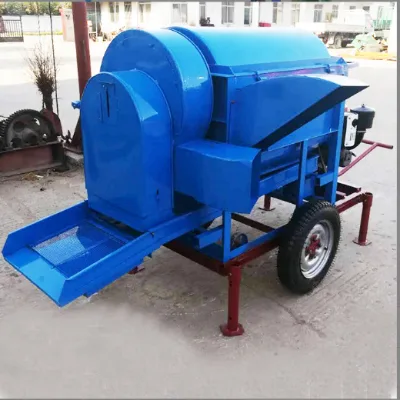
90 type thresher, soybean and broad bean thresher, multifunctional sesame thresher
$800.00
MOQ: 1 Minimum
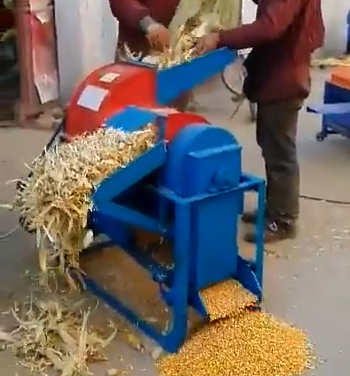
Hot Selling Multi Purpose in Africa Multifunction Small Rice Paddy Thresher
$520.00 - $580.00
MOQ: 1 sets
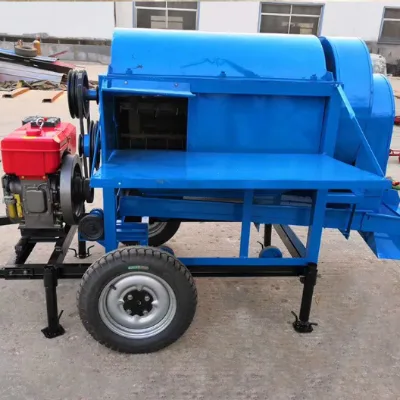
Henan Hongen Machinery Equipment Co., Ltd.
- Manufacturer, Trading Company
- Henan, China
- Lead time0 days
- Avg. response≤ 2h
Main productsConstruction machinery equipment,Engineering machinery equipment,Agricultural machinery equipment,Food processing equipment
Main marketsAfrica(40.00%), Western Europe(20.00%), South America(10.00%), Mid East(10.00%), North America(10.00%), Southeast Asia(10.00%)

Zhengzhou Gashili Machinery Co., Ltd.
- Manufacturer/Factory
- China Henan
- Lead time23 days
- Avg. response≤ 4h
Main productsInstant Noodle Making Line, Oil Pressing Machine, Peanut Butter Making Line, Candle Making Machine, Paper Cone Making Machine for Textile, Nut Processing Equipment, Vegetable and Fruit Processing Equipment, Wood Pallet Making Machine, Waste Recycling Equipment, Fertilizer Production Line
Main marketsSouth America,Eastern Europe,Mid East,North America,Southeast Asia,Eastern Asia,Oceania,Western Europe,Africa
Henan Formend Imp. & Exp. Co., Ltd
- Verified by SGS Group
- Trading Company
- Lead time10 days
- Avg. response≤ 3h
Main productsTractor, Sprayer, Grass Mower, Rice Mill, Disc Mill
Main marketsAfrica(40%), Southeast Asia(30%), Eastern Europe(10%)
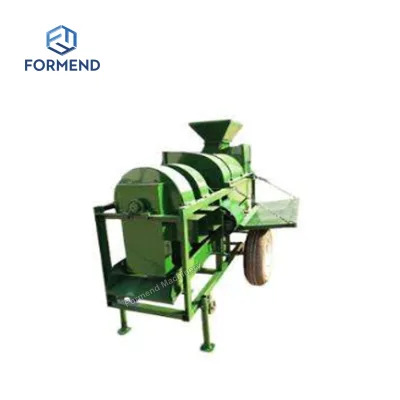
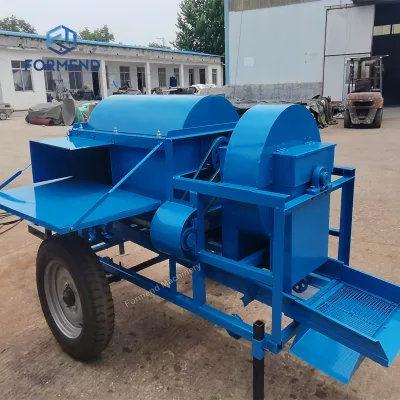
Hot Selling Electric Starting Corn Thresher Stainless Steel Soybean Thresher Factory Direct Sales
$968.87 - $1223.83
MOQ: 1 sets
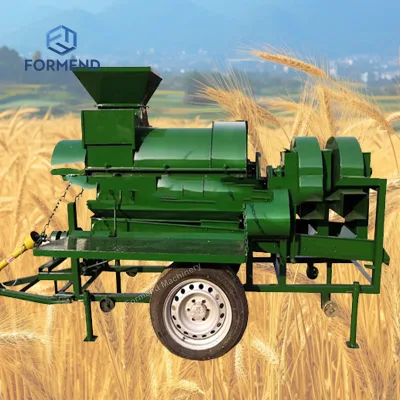
Hot Selling New diesel or Electric Engine Agricultural Small Wheat and Multi Crop Threshers
$968.87 - $1223.83
MOQ: 1 sets
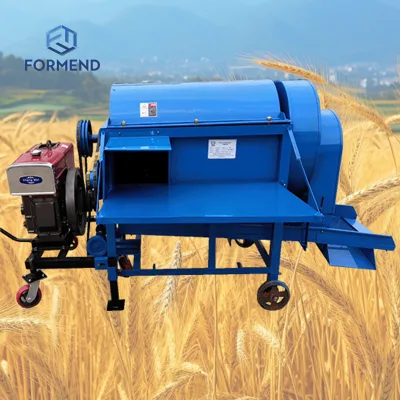
$970.86 - $1226.35
MOQ: 1 sets

Hunan Nongbole Agriculture Mechanical Technology Co., Ltd.
- Verified by SGS
- Combined
- China Hunan
- Lead time15 days
- Avg. response≤ 11h
Main productsChaff Cutter
Main marketsOthers(foreignTradeCapacity.exportBusinessCapacityMarketOther),Southeast Asia/ Mideast,Domestic,North America

Zhengzhou Lerford Machinery Equipment Co., Ltd.
- Verified by SGS
- Trading Company
- China Henan
- Lead time15 days
- Avg. response≤ 5h
Main productsPellet Machine, Packing Machine, Vegetable Processing Machine, Fruit Washing Machine, Dryer Machine, Briquette Machine, Toothpick Machine, Snack Machine, Oil Press, Potato Chips Machine
Main marketsSouth America,Africa,Others(foreignTradeCapacity.exportBusinessCapacityMarketOther),Europe,North America
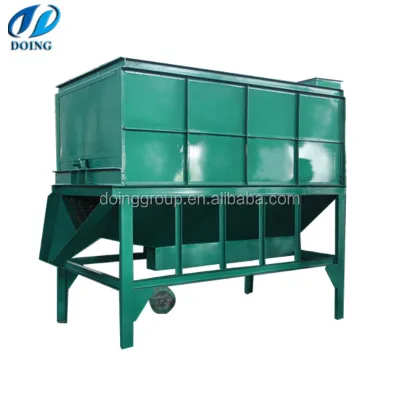
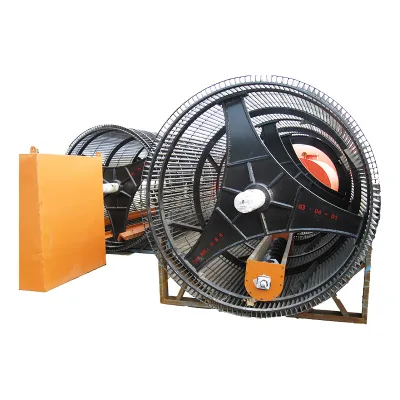
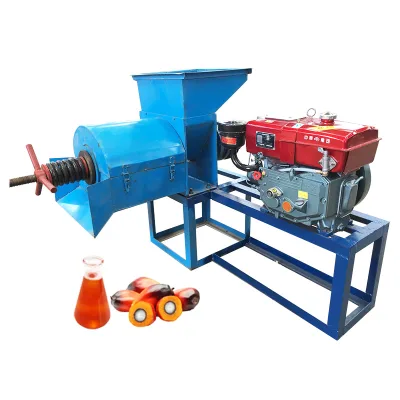
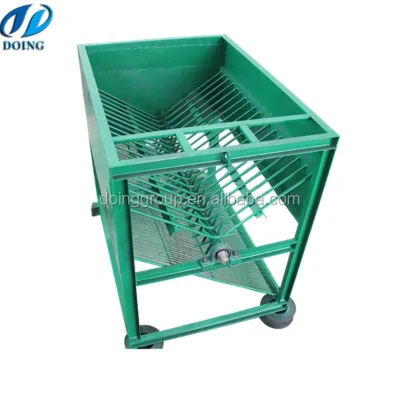






Comprehensive Sourcing Guide
CE Certified Palm Fruit Thresher Supplier Concentration and Factory Types
Suppliers listing palm fruit threshers in the current results are concentrated in Henan, China, making this province the primary cluster to investigate for this machinery. Henan hosts a broad base of agricultural and food-processing equipment makers, and the listings here show companies that pair thresher production with adjacent lines such as packing machines, briquette machines, and plastic recycling equipment. This mix is typical of Henan machinery trading firms and factories that serve diversified agricultural markets rather than palm oil specialists alone. Buyers should treat the visible cluster as a starting point and confirm which companies actually manufacture threshers in-house versus reselling from nearby workshops.
Company types in the results include both trading companies and manufacturer/factory operations, and some listings combine both roles. A factory listing may offer deeper technical control and customization, while a trading company may aggregate several workshop sources and respond faster to mixed-product orders. One listed supplier carries ISO 9001 system certification and SGS verification, which are useful screening signals but not substitutes for a CE conformity assessment of the specific thresher model. Since the keyword centers on CE certification, buyers should ask each candidate whether the CE mark covers the exact machine model quoted, and request the declaration of conformity and notified-body involvement details before shortlisting.
How to Verify CE Certified Palm Fruit Thresher Suppliers
Begin verification with the credentials actually displayed in supplier profiles. In the current results, some suppliers show SGS verification and ISO 9001 system certification, and one reports a response time of roughly six to seven hours. Confirm these claims independently by requesting the certificate numbers and checking them against the issuing bodies' databases. For the CE-specific question, ask for the declaration of conformity naming the thresher model, the applicable directives, and any test reports; a machinery test report is listed as provided in at least one product listing, which you should request as a document, not accept as a statement.
Next, verify production reality. Listings in Henan describe machines with horizontal structures, 380V or 220V/380V voltage options, 2.2kW power, and capacities ranging from a few hundred kilograms to several tonnes per hour, with model references such as MCTG-500 and DHZL-500. Ask each supplier to confirm which of these specifications apply to their own production and whether customization is genuinely available, since one listing states customization is available. Request a live video walkthrough of the workshop, a video outgoing inspection before shipment, and references from prior palm-oil-sector buyers. Cross-check the stated place of origin, warranty terms of one year reported in several listings, and after-sales service commitments against your contract documents.
What to Compare Across CE Certified Palm Fruit Thresher Suppliers
Build a comparison sheet using the attributes suppliers actually display, while noting that not every supplier publishes every field. Useful dimensions from the current results include lead time, which ranges widely here from as short as 3 days to around 23 days; response time, with figures near six to seven hours among listed suppliers; MOQ, where several thresher listings state 1 set; and price, where comparable threshers are quoted between roughly 1,700 and 2,260 dollars. Treat each of these as a data point to confirm, since displayed values may reflect only one product variant or promotional condition rather than your configured order.
Beyond commercial fields, compare technical and service attributes. Capacity claims in the results span 300–500 kg/h on one listing, 500–5000 kg/h on another, and up to 1000 kg/h maximum on a third, so align the quoted capacity with your fresh fruit bunch volume. Compare build details such as carbon steel construction, motor and gear core components, machine weight around 300 kg, and overall dimensions near 2650×1050×1550 mm versus a smaller 2200×850×1200 mm frame. Also compare warranty length, after-sales service terms, supply ability figures such as 200 sets per month, packing in export-standard wooden cases, and whether CE documentation, video inspection, and machinery test reports are included for the exact model.
Common CE Certified Palm Fruit Thresher Sourcing Risks
The most significant risk for this keyword is certification mismatch. A supplier may hold ISO 9001 or SGS verification—both present in the current results—without holding CE conformity for the thresher itself, since ISO 9001 is a quality-management standard and SGS verification typically concerns the company profile rather than product compliance. Another risk is specification drift: listings show overlapping model names and similar dimensions from different sellers, so a quoted "same" machine may differ in capacity, engine option (one listing shows an 8HP diesel alternative to the 2.2kW electric motor), or voltage configuration. Confirm the exact model number and full specification sheet before paying.
Additional risks include capacity overstatement, where the spread from 300 kg/h to 5000 kg/h across listings suggests headline figures may describe different configurations; warranty and after-sales gaps, since one-year warranties are common but enforcement across borders is difficult; and packaging or shipping damage, mitigated only if export-standard wooden cases and pre-shipment video inspection are contractually required. Also watch for trading companies presenting themselves as factories, and for single-listing prices that exclude customization, spare parts, or the CE documentation you need. Require every verbal assurance—CE scope, capacity, warranty, inspection—to be written into the proforma invoice and sales contract.
CE Certified Palm Fruit Thresher Regional Sourcing and Logistics
Because the verified suppliers in these results are based in Henan, China, plan logistics around inland dispatch. Henan-origin machinery typically moves by road or rail to a major coastal port before ocean freight, which adds domestic transit time to the quoted lead time. Reported lead times among these suppliers range from about 3 to 23 days, but clarify whether that period covers production only or includes booking and port handling. Machine dimensions of roughly 2650×1150×1780 mm packed, and weights around 300 kg, mean units ship as breakbulk or in less-than-container loads rather than as parcel freight.
When evaluating logistics, ask each supplier to quote on an agreed Incoterm and to state what the export-standard wooden case packing includes—bracing, moisture protection, and labeling for destination-market inspection. Confirm the machine's electrical configuration matches your grid: listings show 380V as standard with 220V/380V options and voltage customization mentioned, and one diesel-engine variant suits sites without reliable power. For CE-related logistics, remember that conformity documentation must accompany the shipment for customs and end-use compliance, so require the declaration of conformity, manuals in your required language, and test reports to be packed and also sent digitally before departure. If you source beyond this cluster, apply the same origin-verification steps rather than assuming comparable infrastructure and documentation discipline.
CE Certified Palm Fruit Thresher Commercial Terms and Order Planning
Plan orders around the commercial terms visible in supplier listings, confirming each before commitment. MOQs of 1 set appear on several thresher listings, which suits pilot-scale buyers and lets you validate a supplier before scaling. Indicative prices for comparable models fall between roughly 1,700 and 2,260 dollars, but treat these as baseline quotes; final pricing will shift with capacity configuration, diesel versus electric drive, voltage customization, and CE documentation costs. Response times of around six hours among listed suppliers are a practical signal of communication quality—test each shortlisted supplier with detailed technical questions before negotiating.
Structure payment and delivery protections deliberately. Use staged payments tied to milestones such as production completion and passed pre-shipment inspection, and prefer secure payment arrangements with fund protection where the platform offers them, since escrow availability is a displayed attribute you should confirm per supplier rather than assume. Put the one-year warranty and after-sales terms seen in several listings into the contract, including spare-part availability and remote support commitments. For planning, anchor your timeline on the confirmed lead time (3 to 23 days in current listings), add inland transport to port and ocean freight, and schedule installation and operator training at destination. Order spare wear parts with the first machine to avoid a second minimum-order transaction.
CE Certified Palm Fruit Thresher Supplier Concentration and Factory Types
Suppliers listing palm fruit threshers in the current results are concentrated in Henan, China, making this province the primary cluster to investigate for this machinery. Henan hosts a broad base of agricultural and food-processing equipment makers, and the listings here show companies that pair thresher production with adjacent lines such as packing machines, briquette machines, and plastic recycling equipment. This mix is typical of Henan machinery trading firms and factories that serve diversified agricultural markets rather than palm oil specialists alone. Buyers should treat the visible cluster as a starting point and confirm which companies actually manufacture threshers in-house versus reselling from nearby workshops.
Company types in the results include both trading companies and manufacturer/factory operations, and some listings combine both roles. A factory listing may offer deeper technical control and customization, while a trading company may aggregate several workshop sources and respond faster to mixed-product orders. One listed supplier carries ISO 9001 system certification and SGS verification, which are useful screening signals but not substitutes for a CE conformity assessment of the specific thresher model. Since the keyword centers on CE certification, buyers should ask each candidate whether the CE mark covers the exact machine model quoted, and request the declaration of conformity and notified-body involvement details before shortlisting.
How to Verify CE Certified Palm Fruit Thresher Suppliers
Begin verification with the credentials actually displayed in supplier profiles. In the current results, some suppliers show SGS verification and ISO 9001 system certification, and one reports a response time of roughly six to seven hours. Confirm these claims independently by requesting the certificate numbers and checking them against the issuing bodies' databases. For the CE-specific question, ask for the declaration of conformity naming the thresher model, the applicable directives, and any test reports; a machinery test report is listed as provided in at least one product listing, which you should request as a document, not accept as a statement.
Next, verify production reality. Listings in Henan describe machines with horizontal structures, 380V or 220V/380V voltage options, 2.2kW power, and capacities ranging from a few hundred kilograms to several tonnes per hour, with model references such as MCTG-500 and DHZL-500. Ask each supplier to confirm which of these specifications apply to their own production and whether customization is genuinely available, since one listing states customization is available. Request a live video walkthrough of the workshop, a video outgoing inspection before shipment, and references from prior palm-oil-sector buyers. Cross-check the stated place of origin, warranty terms of one year reported in several listings, and after-sales service commitments against your contract documents.
What to Compare Across CE Certified Palm Fruit Thresher Suppliers
Build a comparison sheet using the attributes suppliers actually display, while noting that not every supplier publishes every field. Useful dimensions from the current results include lead time, which ranges widely here from as short as 3 days to around
FAQs
What does a palm fruit thresher actually do?
A palm fruit thresher separates fresh palm fruit from the harvested fruit bunches before pressing begins. The bunches are fed into a horizontal drum where rotating blades or pegs strip the fruit away from the stalks. Capacities on listed machines range from about 300 kg up to 5000 kg per hour, so you should match the drum size to your daily harvest volume and mill throughput.
How much does a palm fruit thresher cost?
Listed models range roughly from 1,700 to 2,260 US dollars per unit depending on capacity and configuration. Smaller machines around 500 to 1000 kg per hour sit at the lower end, while higher-capacity or diesel-engine versions cost more. Treat listed prices as reference points, and confirm the final quotation directly with suppliers since freight, voltage customization, and optional features affect the total.
What is the typical MOQ for a palm fruit thresher?
The minimum order quantity is commonly one set, which suits small mills and first-time buyers testing a new machine. Ordering a single unit lets you evaluate threshing performance before committing to a larger order. If you plan to buy several units, ask suppliers whether bulk pricing, spare parts packages, or consolidated shipping can be arranged for a multi-set purchase.
How long does production and delivery take?
Listed lead times for these machines are around 23 days after order confirmation, though the exact schedule depends on production load and customization requests. Machines are normally packed in export-standard wooden cases for sea freight. Add shipping time from Chinese ports to your destination, and confirm the promised dispatch date in writing before paying any deposit.
Should I choose an electric or diesel engine model?
Choose an electric model if your site has a stable 380V three-phase power supply, which keeps operating costs low. Choose a diesel-engine version, such as those fitted with an 8HP engine, if you work in remote plantations without reliable electricity. Diesel units cost more upfront but give you placement flexibility in the field where the bunches are harvested.
Where are these palm fruit thresher suppliers located?
The suppliers in these results are based in Henan, China, a major hub for agricultural and food processing machinery. Many operate as manufacturers or manufacturer-trading combinations, so factory visits or third-party inspections are realistic options. Henan's machinery cluster also means competitive pricing and access to spare parts, but you should still verify each factory's actual production capability before ordering.
What certifications and verifications should I check?
Check that the supplier holds ISO 9001 system certification and has been verified by an independent inspection body such as SGS. For the machine itself, request a machinery test report and video of outgoing inspection before shipment. If your market requires CE compliance, ask the supplier for the CE certificate covering the specific thresher model rather than accepting general claims.
What after-sales support and warranty can I expect?
Listed machines typically come with a one-year warranty covering core components such as the motor and gears. Many suppliers provide a machinery test report, video outgoing inspection, and English operation manuals. Before ordering, clarify in writing how spare parts are supplied, whether remote technical guidance is available, and who pays for shipping replacement parts during the warranty period.