CE Certified Portable Gas Stove Suppliers and Manufacturers
Source CE Certified Portable Gas Stove products from 21 listed suppliers and compare them on MOQ, lead time, response speed, certifications and customization options such as OEM and ODM. Review the grounded product specifications, then contact shortlisted manufacturers to request quotes.
Suppliers List

Sunbird Technology Development Co., Limited
- Manufacturer/Factory
- China Guangdong
- Lead time45 days
- Avg. response≤ 12h
Main productsBBQ Grill, Free Standing Oven, Coffee Maker, Rice Cookers, Induction Cookers, Gas Cookers, Electric Oven, Pizza Oven, Deep Fryer, Bread Maker
Main marketsSouth America,Eastern Europe,Mid East,North America,Southeast Asia,Eastern Asia,Oceania,Western Europe,Africa

Zhongshan Jiaye Electric Appliance Co., Ltd.
- Verified by SGS
- Combined
- China Guangdong
- Lead time23 days
- Avg. response≤ 9h
Main productsGas Hob, Gas Stove, Range Hood, Built-in Oven, Microwave Oven, Induction Cooker, Ceramic Hob
Main marketsSouth America,Africa,Southeast Asia/ Mideast,Europe
Shandong Wilk Kitchen Equipment Co., Ltd
- Verified by SGS
- Trading Company
- China Shandong
- Lead time15 days
- Avg. response≤ 1h
Main productsStainless Steel Worktable, Stainless Steel Sink, Stainless Steel Shelf, Commercial Rice Steamer, Commercial Gas Stove, Refrigeration Equipment, Western Kitchen Equipment, Bakery Equipment, Cleaning&Sterilizing Equipment, Changing Room Equipment
Main marketsSoutheast Asia/ Mideast

Hunan Aoyan Kitchen Electric Appliance Co., Ltd.
- Trading Company
- Hunan, China
- Lead time20 days
- Avg. response≤ 1h
Main productsC30 Burner, GB01 Gas Stove, GB13 Gas Stove, 31A Gas Stove, 380 Burner
Main marketsDomestic Market(50.00%), Southeast Asia(20.00%), Mid East(15.00%), North America(5.00%), South America(5.00%), Africa(5.00%)
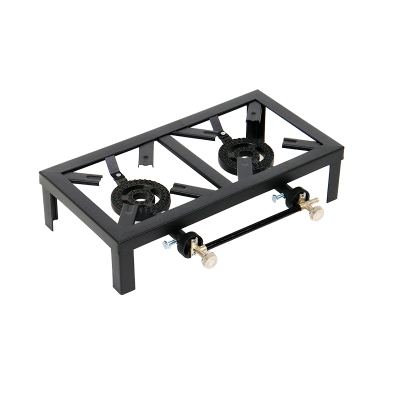
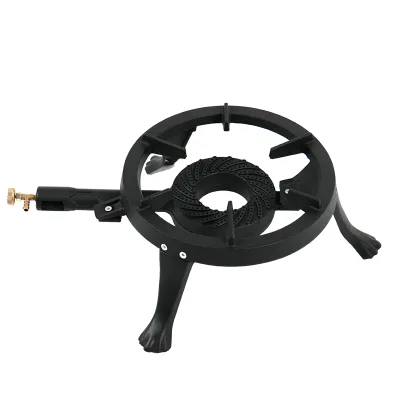
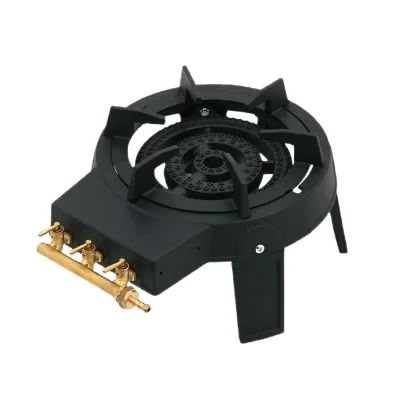
Triangle Bracket Stove Portable Outdoor Gas Stove Bbq burner Gas Stove Burners Kitchen
$16.57 - $18.02
MOQ: 100
- Verified by BV
- Combined
- China Guangdong
- Lead time15 days
- Avg. response≤ 2h
Main productsHood Type Dishwasher, Conveyor Type Dishwasher, Ultrasonic Dishwasher, Undercounter Dishwasher, Bakery Equipment, Food Processor
Main marketsSouth America,Africa,Others(foreignTradeCapacity.exportBusinessCapacityMarketOther),North America
Tongling Dingyan Import and Export Trading Co., Ltd.
- Trading Company
- China Anhui
- Lead time0 days
- Avg. response≤ 1h
Main productsOutdoor Fryer & Burners, Turkey Fryer, Seafood Pot Kit, Burners

Ningbo Yinzhou Yuanming Hardware Co., Ltd.
- Verified by SGS
- Combined
- China Zhejiang
- Lead time15 days
- Avg. response≤ 6h
Main productsThermocouples, Pilot Burners, Gas Appliance, Gas Magnet Units, Gas Safetyvalve, Gas Valve, Fire Pits, Fireplace, Gas Stove, Gas Adapter
Main marketsDomestic


Portable Outdoor Cooker Gas Stove for Camping Small Gas Cookers with 20psi Regulator and Gas Hose
$17.50 - $18.50
MOQ: 500 Pieces


- Verified by SGS
- Manufacturer/Factory
- China Guangdong
- Lead time90 days
- Avg. response≤ 3h
Main productsGas Stove, Gas Water Heater, Range Hood, Induction Cooker, Infrared Cooker, Gas Hob, Gas Cooker, Induction Cooktop, Ih PCBA, Induction Cooker PCBA
Main marketsSouth America,North America,Southeast Asia

Portable Folding Gas Stove for Outdoor Use and Kitchen Appliances Gas Stove
$19.81 - $29.81
MOQ: 500 Units

- Verified by TUVRHEINLAND
- Trading Company
- China Zhejiang
- Lead time30 days
- Avg. response≤ 11h
Main productsSports and Outdoor
Main marketsSoutheast Asia/ Mideast,Europe
Ningbo Chanceca Import & Export Co., Ltd.
- Verified by TUVRHEINLAND
- Trading Company
- China Zhejiang
- Lead time30 days
- Avg. response≤ 4h
Main productsTrekking Poles, Camping Tent, Camping Furniture, Camping Gear, Sleeping Gear, Waterproof Dry Bag
Main marketsSouth America,Africa,Southeast Asia/ Mideast,East Asia(Japan/ South Korea),Europe,Australia,North America

Portable Backpacking Pocket Camping Gas Cooking Stove Mini Camping Gas Stove
$3.20 - $3.35
MOQ: 300 Pieces


Kinggear Camping Gas Stove Folding Camping Stove Applicable to Long Gas Tank
$6.56 - $6.89
MOQ: 100 Pieces

- Manufacturer, Trading Company
- Guangdong, China
- Lead time0 days
- Avg. response≤ 9h
Main productsBBQ Grill,Gas Stove,Oven,Camping Lantern,Heater
Main marketsNorth America(50.00%), Western Europe(15.00%), Southern Europe(5.00%), Oceania(5.00%), South America(5.00%), Mid East(3.00%), Northern Europe(3.00%), Domestic Market(2.00%), South Asia(2.00%), Africa(2.00%), Central America(2.00%), Southeast Asia(2.00%), Eastern Europe(2.00%), Eastern Asia(2.00%)
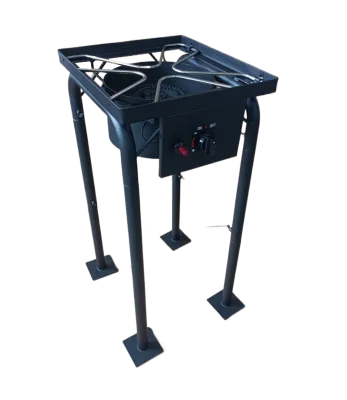
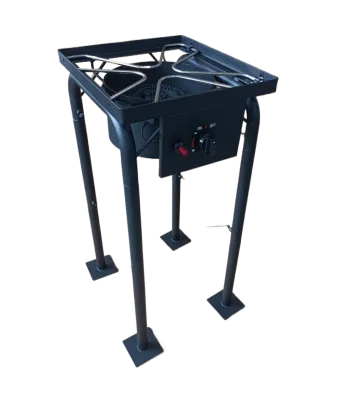
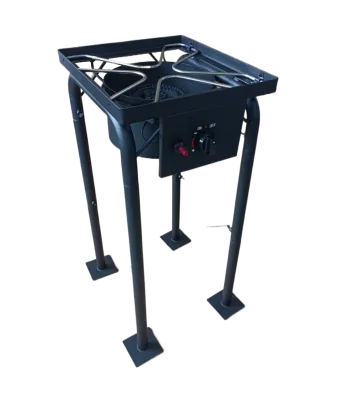
$50.00

Guangdong Zhongxi Electric Co., Ltd.
- Verified by BV
- Manufacturer/Factory
- China Guangdong
- Lead time23 days
- Avg. response≤ 9h
Main productsRange Hood, Gas Stove, Gas Water Heater, Induction Cooker, Infrared Cooker, Gas Hobs, Freestanding Stove
Main marketsSouth America,Eastern Europe,Mid East,North America,Southeast Asia,Eastern Asia,Oceania,Western Europe,Africa


Double Burner Stainless Steel Portable Gas Stove Camping Gas Stove Burner
$13.00 - $15.00
MOQ: 200 Pieces

Foshan City YIGOU Electrical Appliances Co., Ltd
- Verified by CTI
- Combined
- China Guangdong
- Lead time30 days
- Avg. response≤ 11h
Main productsGas Stove, Cooktop Gas Stove
Main marketsAfrica,Southeast Asia/ Mideast,Australia

ZHONG SHAN MEILONG ELECTRONIC CO.,LTD
- Verified by BV
- Combined
- China Guangdong
- Lead time30 days
- Avg. response≤ 3h
Main productsGas Stove, Range Hoods, Induction
Main marketsSouth America,Africa,Southeast Asia/ Mideast
Ningbo Thrive Imp & Exp Co., Ltd.
- Verified by BV
- Trading Company
- China Zhejiang
- Lead time30 days
- Avg. response≤ 4h
Main productsMilitary Tent, Camouflage Net, Folding Cot/Chair/Bed, Camping Product, Sleeping Bag, Protective Case, Auditorium Chair, Military Command Table, Backpack, Tool Box
Main marketsSouth America,Africa,Southeast Asia/ Mideast,Europe,North America


High Power Portable Windproof Strong Gas Stove Fierce Fire Stove Camping Stove
$55.00 - $59.00
MOQ: 1000 Pieces

Zhengzhou Hento Machinery Co., Ltd.
- Verified by SGS
- Trading Company,Manufacturer/Factory,Group Corporation
- China Henan
- Lead time15 days
- Avg. response≤ 6h
Main productsMeat Processing Machinery, Egg Processing Machinery, Dairy Processing Machinery, Fruit & Vegetable Processing Machinery, Grain Product Making Machines, Snack Machines, Nuts Processing Machinery, Packing Machines, Drying Machines, Commodity Making Machines
Main marketsSouth America,Eastern Europe,Mid East,North America,Southeast Asia,Eastern Asia,Oceania,Western Europe,Africa

Foshan Nanhai Flamemax Catering Equipment Co., Ltd.
- Verified by SGS
- Combined
- China Guangdong
- Lead time30 days
- Avg. response≤ 2h
Main productsConvection Oven, Pizza Oven, Rotisserie, Gas Stove, Shawarma Machine, Fryer, Hot Air Oven, Bakery Oven, Bakery Equipment, Kitchen Equipment
Main marketsSouth America,Africa,Southeast Asia/ Mideast

Guangzhou Sunrry Kitchen Equipment Co., Ltd.
- Verified by CTI
- Trading Company,Manufacturer/Factory
- China Guangdong
- Lead time30 days
- Avg. response≤ 3h
Main productsCommercial Kitchen Solutions, Turnkey Kitchen Solutions, Catering Equipment, Restaurant Equipment, Commercial Refrigeration Equipment, Commercial Bakery Equipment, Commercial Cooking Equipment, Stainless Steel Equipment, Commercial Food Prep Equipment, Commercial Kitchen Equipment
Main marketsSouth America,Eastern Europe,Mid East,North America,Southeast Asia,Eastern Asia,Oceania,Western Europe,Africa

JIANGMEN LONG TERM TRADING CO.,LTD
- Trading Company,Manufacturer/Factory
- China Guangdong
- Lead time45 days
- Avg. response≤ 7h
Main productsBlender, Ceiling Fan, Juicer, Food Processor, Food Chopper, Hand Mixer and Stand Mixer, Meat Grinder, Coffee Maker, Ice Crusher Blender, Hand Blender
Main marketsSouth America,Eastern Europe,Mid East,North America,Southeast Asia,Eastern Asia,Oceania,Western Europe,Africa

Single Copper Firing Head Outdoor Stove Portable Gas and Small Gas Cylinder Gas Stove
$4.85 - $5.40
MOQ: 2600 Pieces

Portable Butane Gas Stove with Carrying Case Butane Gas Stove with Carrying Case
$4.80 - $5.40
MOQ: 2600 Pieces

Shaanxi Ruitai Kitchen Industry Co., Ltd.
- Verified by SGS Group
- Manufacturer, Trading Company
- Lead time7 days
- Avg. response≤ 2h
Main productsKitchen Equipment, Kitchenware, Wok Stove
Main marketsSoutheast Asia(40%), North America(30%), Africa(10%)
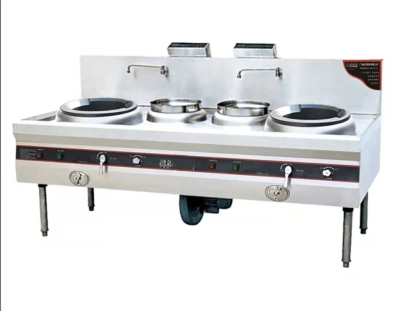
Multiple Burner Gas Stove with High Quality
$740.43 - $802.13
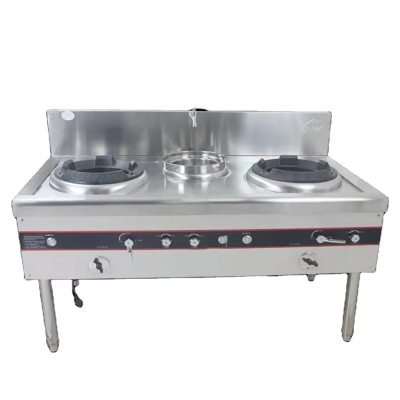
Cooking Stoves /Stainless Steel Kind Gas
$720.00 - $780.00
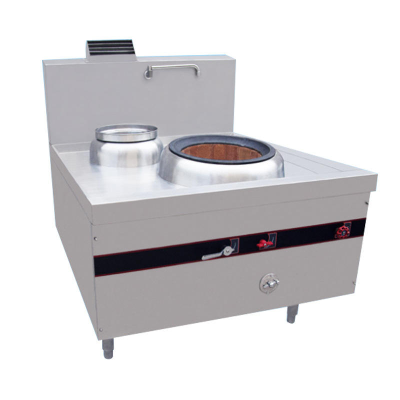
Gas Stove High Quality Stand Major Kitchen Appliances
$720.00 - $780.00
Kaesid Kitchen Equipment (Shenzhen) Co., Ltd.
- Verified by TUVRHEINLAND
- Manufacturer/Factory
- China Guangdong
- Lead time0 days
- Avg. response≤ 6h
Main productsKitchen Equipment, Catering Equipment, Kitchen Furniture, Ice Cream Maker, Refrigerator, Bakery Equipment, Ice Maker, Home Appliances, Electric Griddle, Electric Pressure Cooker


Comprehensive Sourcing Guide
CE Certified Portable Gas Stove Supplier Concentration and Factory Types
Suppliers of portable camping gas stoves and ovens in these results are concentrated in Guangdong, China, which is a reliable signal that this region is a genuine manufacturing base for the category. The listed suppliers are not all built the same, however. Some identify themselves as manufacturers or factories, while one operates as a combined company that both manufactures and trades. This distinction matters when you evaluate CE Certified Portable Gas Stove sourcing: a factory can often accommodate custom branding and engineering changes directly, while a combined supplier may offer a wider product portfolio and handle mixed-container orders across multiple product lines. Both models are legitimate, but they behave differently on sampling speed, minimum order quantities, and accountability for quality defects.
The product breadth shown by these suppliers helps you read their specialization. Several list gas stoves, gas hobs, built-in ovens, barbecue grills, and camping cookers as their main products, indicating deep gas-appliance experience. Others extend into rice cookers, induction cookers, coffee makers, and deep fryers, which suggests a broader small-kitchen-appliance assembly capability. When a supplier's core line matches the product you want, engineering support and spare-part availability are usually stronger. Before committing, confirm the exact factory address and whether the production line making your stove is the same facility that passed the audit. Where location data is not displayed for a given listing, ask directly rather than assuming a cluster.
How to Verify CE Certified Portable Gas Stove Suppliers
Verification starts with the credentials that are actually displayed. In these results, one supplier carries ISO 9000, ISO 14001, and ISO 9001 system certifications plus BSCI, while another lists an ISO 9001:2015 certificate and holds SGS verification. These are meaningful baselines: ISO 9001 addresses quality management systems, ISO 14001 addresses environmental management, and BSCI addresses social compliance, which many European retail chains require. None of these substitute for product-level CE documentation. Some listings state CE as a product standard, and one lists CE, LFGB together, while another shows CE/CB/RoHS. Ask each supplier for the actual CE Declaration of Conformity and the test report behind it, and check that the notified body and standard versions are current.
Beyond documents, verify who you are dealing with. Confirm the legal entity name on the business license matches the name on quotations and invoices. Ask whether the supplier is a factory, a combined manufacturer-trader, or a trading intermediary, since the product pages in this category show all types. Request references or export records for your target market so you can confirm the supplier has shipped CE-compliant gas appliances to similar regulatory environments. For gas products specifically, ask how safety-critical components—regulators, hoses, valves, ignition systems—are sourced and whether they carry their own approvals. A short video audit or third-party inspection of the assembly line gives further confidence that the certificates on paper reflect the units that will actually ship.
What to Compare Across CE Certified Portable Gas Stove Suppliers
Build a side-by-side comparison using the attributes that appear in supplier profiles: lead time, minimum order quantity, response speed, certification, verification status, location, and main products. These results show wide variation. Displayed lead times range from roughly 23 days to 45 days, a difference that can determine whether you hit a camping-season order window. Response times range from about 8 hours to 12 hours, which signals how quickly issues get resolved during production. MOQs vary enormously: one compact stove model lists an MOQ of 1 unit, another lists 1600 units, and others sit at 168 or 500 units. Never assume a displayed MOQ applies to your chosen model—confirm it per SKU.
Compare the product specifics that appear in the listings. Two-burner camping gas cookers in this category list stainless steel burners, piezoelectric ignition, 3 kW power, tempered glass panels, chrome-coated cooking grids, and a one-year warranty, while a camping gas oven lists 5500 BTU output, electronic ignition, and stainless steel panels. Model numbers such as SB-136, SB-668, SB-C380, SB-PTS07, and SB-238 let you reference exact configurations in negotiations. Also compare customization availability, which these listings generally mark as available, and whether the supplier supports OEM, ODM, or own-brand production. Finally, compare the main product lines: a supplier whose catalog is dominated by gas appliances will usually outperform a generalist on burner engineering and gas safety testing.
Common CE Certified Portable Gas Stove Sourcing Risks
The most serious risk in this category is certificate mismatch: a listing displays CE as a product standard, but the shipped units, the burner configuration, or the gas-regulator components differ from what was tested. This happens when suppliers modify designs between certification and mass production. Mitigate it by requiring the exact model number and its certificate to be referenced in your purchase contract, and by reserving the right to retest production samples. A second risk is gas-safety workmanship—leaks at hose connections, faulty piezoelectric or electronic ignition, or uneven flame distribution—which factory inspection often catches only if you specify leak and ignition testing on a defined sample size.
Other risks are commercial rather than technical. Low displayed MOQs, such as a single-unit minimum on one stove model, may apply only to stock items and not to customized or certified configurations; confirm before planning a product launch. Packing choices matter: some models ship in color boxes or gift boxes with cartons, and inadequate packing leads to damaged glass panels or bent grids in transit. Warranty terms also vary—a one-year warranty is displayed on some models but absent from others—so clarify warranty scope, spare-parts supply, and defect handling before signing. Finally, beware of suppliers whose primary product line lies far outside gas appliances, since their gas-safety engineering and testing infrastructure may be thin. Always verify, never assume.
CE Certified Portable Gas Stove Regional Sourcing and Logistics
Guangdong is the confirmed sourcing region in these results, with products explicitly listed as originating in Guangdong, China. This matters for logistics planning: Guangdong sits directly on China's export corridor, with access to major container ports serving Europe and North America, so buyers can usually arrange FOB, CIF, or door-to-door shipments without long inland legs. That same proximity supports faster factory visits, third-party inspections, and courier shipments of samples. When you shortlist suppliers, confirm the specific city and port of loading, since freight quotes, consolidation options, and inspection-travel costs all depend on the exact location rather than the province label alone.
Product characteristics shape your freight plan. Portable camping gas ovens in these listings measure around 63 by 42 by 49.2 centimeters and ship in gift boxes with cartons, while compact two-burner stoves ship in color boxes—both are volume-driven cargo, so calculate cubic meters per unit before comparing prices. A critical logistics constraint is gas itself: portable gas appliances are typically shipped empty and without fuel canisters, and regulators or hoses may face additional rules in destination markets, so clarify what is included and confirm compliance for shipping without fuel. With displayed lead times between roughly 23 and 45 days, build buffer time for production, CE-related documentation checks, and pre-shipment inspection before your peak camping retail season.
CE Certified Portable Gas Stove Commercial Terms and Order Planning
Order planning should anchor on the numbers suppliers actually publish, then verify the rest. In these results, displayed unit prices span a wide range: a compact portable stove lists around USD 6–7, two-burner camping gas cookers list roughly USD 20–30, and full camping gas ovens list around USD 65–100, with one model at USD 80–85. Treat these as indicative only—prices shift with configuration, order volume, gas-type variants, and packaging. One supplier displays lead times near 23 days and another near 45 days, so align your order calendar with the specific supplier's stated production window and add time for inspection and shipping.
On commercial terms, negotiate payment structure, inspection rights, warranty, and customization explicitly, since listings show customization available and OEM/ODM capability but not payment conditions. Ask whether escrow-style payment protection is available through the platform you use, and do not assume it unless it is displayed. Sequence your first order conservatively: request samples of the exact model number, run leak and ignition tests, confirm CE documentation, then scale. Because MOQs in this category range from 1 to 1600 units depending on model, you may be able to test two suppliers in parallel before committing volume. Finally, lock packaging specifications, spare-part availability, and warranty claims procedures into the contract so post-shipment support does not depend on goodwill alone.
| Word count check: approximately 1,385 words |
FAQs
What does CE certification mean for a portable gas stove?
CE certification indicates the stove meets European safety, health, and environmental requirements for sale in EU markets. For buyers, it signals the product passed conformity assessment for gas safety and construction. Always request the actual CE declaration of conformity and test reports from the supplier before ordering, and confirm which directive or standard the certificate covers.
What is the typical price range for a CE Certified Portable Gas Stove?
Prices vary widely by type and features. Simple single-burner portable camping stoves can list from around 6 to 7 dollars per unit, while larger two-burner camping gas ovens can range from roughly 65 to 100 dollars. Request quotations based on your specifications, order quantity, and destination market to get accurate current pricing.
What minimum order quantities apply to portable camping gas stoves?
MOQs depend on the product model. Listed examples range from as low as 1 unit for a basic portable gas stove, to 168 units for a camping gas oven, 500 units for a two-burner gas BBQ, and 1,600 units for a folding camping gas stove. Confirm the exact MOQ per model directly with each manufacturer before planning your purchase.
Can portable camping gas stoves be customized with my own brand?
Yes, several manufacturers offer OEM and ODM services, and some also produce under their own brand. Customization is explicitly available on multiple listed models, covering branding, packing, and specifications. Discuss customization scope, tooling costs, sample approval, and labeling requirements early, since customization can affect unit price, minimum order quantity, and production lead time.
How long is the typical production lead time for these stoves?
Lead times differ by manufacturer. Factories in the supplied results report lead times of roughly 23 days and 45 days respectively. Lead time usually starts after order confirmation and deposit payment. Ask each supplier to confirm the current lead time for your specific model, quantity, and any customization, and factor in shipping time separately.
Which materials and features should I check when sourcing these stoves?
Common specifications include stainless steel burners, chrome-coated cooking grids, tempered glass or stainless steel panels, and piezoelectric or electronic ignition. Useful features to compare include burner power, gas consumption rates, drip trays, toast racks, and warranty terms. Match these against your target market's requirements and ask for full specification sheets with each quotation.
What quality certifications besides CE should I look for?
Listed products carry standards such as CE, LFGB, CB, and RoHS, and some manufacturers hold system certifications like ISO 9001, ISO 14001, and BSCI. Product certificates show compliance with safety and food-contact rules, while system certifications indicate factory quality management. Request copies of current certificates, check validity, and verify which models each certificate actually covers.
Where are these portable gas stove manufacturers located?
The manufacturers featured here are based in Guangdong, China, a major hub for gas appliance and camping equipment production. Locating near industrial clusters can simplify factory visits and product inspections. Confirm the exact factory address and arrange an audit or third-party inspection before placing a large order, especially if you plan long-term cooperation.