Compressed Pineapple Bear Towel Suppliers and Manufacturers
Source 13 suppliers for Compressed Pineapple Bear Towel products. Compare specifications like GSM, material, and certifications such as ISO 9001. Verify lead times and MOQs to find the right factory; review the available evidence before requesting comparable quotations from suitable candidates.
Suppliers List

Hangzhou Linan Huasheng Daily Necessities Co., Ltd.
- Manufacturer/Factory
- China Zhejiang
- Lead time23 days
- Avg. response≤ 11h
Main productsCompressed Towels, Face Mask, Dry Wipes, Cleaning Wipes, Disposable Compressed Towel, Nonwoven Dry Wipes, Roll Towels, Bamboo Product, Canister Wipes, Makeup Remover
Main marketsSouth America,Eastern Europe,Mid East,North America,Southeast Asia,Eastern Asia,Oceania,Western Europe,Africa

WEIFANG YIPPEE TEXTILE TECHNOLOGY CO., LTD.
- Trading Company
- China Shandong
- Lead time0 days
- Avg. response≤ 21h
Main productsMuslin Swaddle Blanket, Sweatpants, T-Shirt, Hoodies, Sweatshirt, Shorts, Spunlace Non Woven Fabric, Pajamas, Towels, Blanket

Ningbo Riway Industrial Co., Ltd.
- Verified by TUVRHEINLAND
- Combined
- China Zhejiang
- Lead time30 days
- Avg. response≤ 4h
Main productsWet Wipes, Nonwoven Folding Machines, Nonwoven Wet Machines, Towel Rolls
Main marketsDomestic
Hangzhou Kaibei Trading Co., Ltd.
- Trading Company
- Zhejiang, China
- Lead time10 days
- Avg. response≤ 3h
Main productsnewborn bedding,custom knit products,baby accessories,pacifier & rattle toys,kids clothing
Main marketsSouth America(24.00%), North America(19.00%), Central America(12.00%), Eastern Europe(11.00%), Southern Europe(9.00%), Northern Europe(9.00%), Western Europe(7.00%), Eastern Asia(5.00%)

AnQing Jiaxin Medical Technology Co., Ltd.
- Combined
- China Anhui
- Lead time15 days
- Avg. response≤ 3h
Main productsCotton Pad, Cotton Tissue, Cotton Ball, Cotton Non Woven Fabric, Cotton Tip Applicator
Main marketsSouth America,Southeast Asia/ Mideast,East Asia(Japan/ South Korea),Europe,Australia,North America

Shenzhen Fly-High Industry Co., Ltd.
- Trading Company,Manufacturer/Factory,Group Corporation
- China Guangdong
- Lead time23 days
- Avg. response≤ 25h
Main productsT-Shirt, Polo Shirt, Promotional Items, Cap, Apron, Jacket, Scarf, Singlet, Towel, Hat
Main marketsSouth America,Eastern Europe,Mid East,North America,Southeast Asia,Eastern Asia,Oceania,Africa

Jiangmen Xinwei Cosmetics Co., Ltd.
- Manufacturer/Factory
- China Guangdong
- Lead time45 days
- Avg. response≤ 4h
Main productsParaffin Wax, Depilatory Wax, Hard Wax, Wet Wipes, Neck Paper, Waxing Paper Roll, Cosmetics Products
Main marketsEastern Europe,Mid East,North America,Southeast Asia,Eastern Asia,Africa


Bamboo Fiber Compressed Towel Softly Felling Degradable Compressed Towel
$0.04 - $0.07
MOQ: 300000 Pieces

Bamboo Fiber Compressed Towel Cleaning Disposable Towel for Traveling for Hotel
$0.03 - $0.03
MOQ: 100000 Pieces


Quanzhou Changyi Crafts Gifts Limited
- Verified by TUVRHEINLAND
- Manufacturer/Factory
- China Fujian
- Lead time23 days
- Avg. response≤ 7h
Main productsBallpoint Pen, Silicone Bracelet, Name Card Holder, Luggage Tag, Gift Set, Mobile Phone Accessory, Passport Cover, Ceramic Coaster, Gift Bag, Gift Box
Main marketsSouth America,Mid East,North America,Southeast Asia,Eastern Asia,Oceania,Western Europe,Africa

Yangjiang C&B Consumer Product Limited
- Combined
- China Guangdong
- Lead time150 days
- Avg. response≤ 5h
Main productsBarbecue Tongs, Grilling Brushes, Outdoor Shovel, Grilling Tools, Kitchen Ware, Outdoor Products, Pizza Tools, Knife Set
Main marketsSouth America,Southeast Asia/ Mideast,Domestic,Europe,Australia,North America

Quanzhou Jiewei Nonwoven Products Co., Ltd
- Verified by SGS
- Manufacturer/Factory
- China Fujian
- Lead time15 days
- Avg. response≤ 6h
Main productsNonwoven Fabric, PP Spunbond Nonwoven Fabric, Interlining, Spunlace Nonwoven Fabric, Needle Punch Nonwoven Fabric, Disposable Bedsheets, Mask Material, Disposable Table Cloth, Nonwoven Bags
Main marketsSouth America,Eastern Europe,Mid East,North America,Southeast Asia,Eastern Asia,Oceania,Western Europe,Africa

Hangzhou An Bo Textile Co., Ltd.
- Verified by BV
- Trading Company
- China Zhejiang
- Lead time30 days
- Avg. response≤ 16h
Main productsSocks, T Shirt, Caps, Beanie, Scarf, Fanny Bag, Shoulder Bag, Paper Soap, Underwear, Ties
Main marketsEurope,North America

Custom Mini Compressed Bath Towel Magic Cotton Disposable Compressed Towel
$0.08 - $0.75
MOQ: 10000 Pieces

Customized Promotion Logo Disposable Compressed Bath Towel for Travel Use
$0.08 - $0.75
MOQ: 10000 Pieces


Hebei Eastsun International Co., Ltd.
- Verified by TUVRHEINLAND
- Trading Company
- China Hebei
- Lead time15 days
- Avg. response≤ 5h
Main productsMicrofiber Towel, Kitchen Towel, Car Wash Towel, PVA Series, Bath Towel, Beach Towel, Sport Towel, Car Wash Set
Main marketsEurope,North America

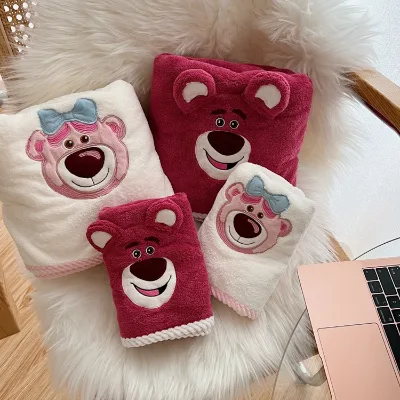
Wholesale Bear Cartoon Embroidered Coral Velvet Thickened Soft Absorbent Adults Bath Towel
$2.75 - $3.15
MOQ: 500 Pieces


Zhejiang Wipex New Material Technology Co., Ltd.
- Verified by SGS
- Combined
- China Zhejiang
- Lead time30 days
- Avg. response≤ 8h
Main productsIndustrial Wipes, Household Wipes, Beauty Care Products, Disposable Towels, Depilatory Products
Main marketsSouth America,Africa,Southeast Asia/ Mideast,East Asia(Japan/ South Korea),Domestic,Europe,Australia,North America


70*140cm Compressed Large Size Bath Disposable Towel for Hotel Sports Hiking
$0.95 - $1.20
MOQ: 5000 Pieces





Comprehensive Sourcing Guide
Compressed Pineapple Bear Towel Supplier Concentration and Factory Types
The current supplier landscape for Compressed Pineapple Bear Towel products reveals a distinct concentration of manufacturing capabilities within specific geographic regions, primarily identified as China Zhejiang. This regional clustering suggests a mature industrial ecosystem where raw material sourcing, production infrastructure, and logistical networks are optimized for high-volume output. Buyers evaluating suppliers should recognize that this concentration often correlates with specialized expertise in nonwoven fabric processing and compression molding techniques. The presence of numerous manufacturers in this area indicates that the supply chain is well-established, allowing for efficient scaling of production runs. However, buyers must verify that the specific supplier they engage with is indeed located in this cluster, as some trading companies may list themselves as factories while operating from different locations. Understanding this geographic reality helps in assessing the reliability of lead times and the potential for factory audits. The density of suppliers in Zhejiang implies competitive pricing but also requires diligent due diligence to distinguish between genuine production facilities and intermediaries. Buyers should prioritize suppliers who can provide verifiable proof of their physical presence in these known manufacturing hubs. This verification step is crucial for ensuring that the quoted prices reflect actual production costs rather than added margins from multiple layers of distribution. Furthermore, the regional focus allows for easier comparison of supplier capabilities based on local industry standards and practices. It also facilitates more straightforward communication regarding production schedules and quality control measures, as time zone differences and cultural nuances are minimized. By focusing on suppliers within this identified cluster, buyers can leverage the collective knowledge and infrastructure of the local industry to secure better terms and more consistent product quality.
In terms of company types, the available data indicates a mix of manufacturers and factories that offer various service models, including OEM and ODM capabilities. This diversity allows buyers to choose between suppliers who provide ready-made solutions and those who offer customized production services tailored to specific brand requirements. The presence of OEM and ODM options suggests that many suppliers in this sector are equipped to handle custom branding, packaging, and product specifications. Buyers interested in private labeling should look for suppliers who explicitly state their ability to handle these services, as not all manufacturers may have the necessary infrastructure or willingness to support such requests. The distinction between pure manufacturers and those offering broader service packages is important for aligning supplier capabilities with business goals. Some suppliers may focus solely on high-volume production of standard items, while others may specialize in smaller, customized batches. Understanding this spectrum helps buyers select partners that match their order volume and customization needs. Additionally, the availability of own brand services indicates that some suppliers may have their established product lines, which could be beneficial for buyers looking for proven, market-tested items. However, buyers should carefully evaluate whether these own brands align with their quality expectations and market positioning. The flexibility offered by OEM and ODM services can be a significant advantage for brands seeking to differentiate their offerings in a competitive market. It allows for greater control over product design, material selection, and final appearance. Buyers should inquire about the minimum order quantities associated with these customized services, as they often differ from standard product orders. This understanding ensures that the chosen supplier can accommodate the buyer’s specific business model and growth trajectory.
How to Verify Compressed Pineapple Bear Towel Suppliers
Verifying the legitimacy and capability of Compressed Pineapple Bear Towel suppliers requires a multi-faceted approach that goes beyond simple online profiles. One critical step is to confirm the supplier’s business type and location through independent verification methods. Buyers should request detailed company profiles that include business licenses, factory photos, and video tours to ensure that the entity is indeed a manufacturer or factory as claimed. The presence of ISO 9001 certification is a positive indicator of quality management systems, but buyers should verify the validity of this certification through official databases. This verification process helps to ensure that the supplier adheres to recognized international standards for quality control and operational efficiency. Additionally, buyers should check for other relevant certifications such as CE, FDA, MSDS, and SGS, which may be required depending on the target market and product usage. These certifications provide assurance that the products meet specific safety and regulatory requirements. It is also important to verify the supplier’s response time and communication efficiency, as a quick and professional response often indicates a well-organized and customer-focused operation. Buyers should initiate contact with multiple suppliers to gauge their responsiveness and willingness to provide detailed information. This initial interaction can reveal a lot about the supplier’s professionalism and reliability. Furthermore, buyers should ask for references or case studies from previous clients to gain insights into the supplier’s track record. Speaking with existing customers can provide valuable information about product quality, delivery reliability, and after-sales support. This step helps to validate the supplier’s claims and reduces the risk of engaging with unreliable partners. Buyers should also consider using third-party inspection services to verify the supplier’s production capabilities and quality control processes before placing large orders. These inspections can provide an objective assessment of the supplier’s operations and help identify any potential issues early in the relationship. By taking these comprehensive verification steps, buyers can build a more secure and transparent supply chain.
Another essential aspect of verification is assessing the supplier’s production capacity and technological capabilities. Buyers should inquire about the supplier’s equipment, production lines, and quality control measures to ensure that they can meet the required volume and quality standards. The availability of advanced machinery and automated processes can indicate a supplier’s ability to maintain consistency and efficiency in production. Buyers should also ask about the supplier’s experience in producing Compressed Pineapple Bear Towel products, as this specific expertise can impact product quality and performance. Suppliers with a long history in this niche are likely to have refined their processes and developed better solutions for common challenges. Additionally, buyers should verify the supplier’s ability to handle custom orders, including logo printing, packaging design, and material selection. This verification ensures that the supplier can meet the buyer’s specific branding and marketing needs. It is also important to check the supplier’s sample availability and quality, as samples provide a tangible representation of the final product. Buyers should request samples from multiple suppliers to compare quality, packaging, and overall presentation. This comparison helps in making an informed decision about which supplier to partner with. Furthermore, buyers should verify the supplier’s ability to provide detailed product specifications and technical data sheets. These documents provide crucial information about the product’s composition, dimensions, and performance characteristics. By thoroughly verifying these aspects, buyers can mitigate risks and ensure that they are working with competent and reliable suppliers. This diligence is essential for building a successful and sustainable business relationship in the competitive market for Compressed Pineapple Bear Towel products.
What to Compare Across Compressed Pineapple Bear Towel Suppliers
When evaluating multiple suppliers for Compressed Pineapple Bear Towel products, buyers must systematically compare key operational and commercial metrics to identify the most suitable partner. One of the primary dimensions for comparison is the minimum order quantity (MOQ), which varies significantly across suppliers. Some suppliers may offer lower MOQs, making them suitable for smaller businesses or trial orders, while others may require higher volumes, which can be more cost-effective for large-scale operations. Buyers should align their order volume with the supplier’s MOQ requirements to optimize costs and inventory management. Another critical factor is the lead time, which indicates how quickly the supplier can deliver orders after confirmation. Suppliers with shorter lead times can help buyers respond more rapidly to market demands and reduce inventory holding costs. Buyers should compare lead times across different suppliers to ensure that they can meet their sales cycles and customer expectations. Additionally, the response time of the supplier is an important indicator of their customer service quality. Suppliers who respond quickly and professionally are more likely to provide better support throughout the procurement process. Buyers should track response times during the initial inquiry phase to gauge the supplier’s efficiency and attentiveness. This metric can also reflect the supplier’s overall organizational structure and resource allocation. By comparing these operational metrics, buyers can identify suppliers that best fit their logistical and operational needs. It is also important to consider the supplier’s main products and specialization, as suppliers who focus on compressed towels may offer better quality and expertise than those with a broader, less focused product range. This specialization can lead to more consistent product quality and better innovation in the specific niche.
Price is another crucial dimension for comparison, but buyers should look beyond the unit price to consider the total cost of ownership. This includes factors such as shipping costs, packaging fees, and any additional charges for customization or samples. Suppliers may offer competitive unit prices but have higher ancillary costs, which can negate the initial savings. Buyers should request detailed quotations that break down all costs to make accurate comparisons. The price range for Compressed Pineapple Bear Towel products can vary based on material quality, packaging options, and order volume. Buyers should compare prices across suppliers with similar specifications to ensure a fair comparison. Additionally, buyers should consider the supplier’s payment terms and financial stability, as these factors can impact the overall risk of the transaction. Suppliers who offer flexible payment terms may be more attractive to buyers with cash flow constraints. It is also important to compare the supplier’s certification status and quality assurance measures, as these can affect the long-term reliability and compliance of the products. Suppliers with robust quality control systems and relevant certifications may charge a premium, but this can be justified by reduced risk and higher product consistency. Buyers should weigh these factors against the price to determine the best value proposition. Furthermore, buyers should compare the supplier’s customization capabilities, including logo printing, packaging design, and material options. Suppliers who offer extensive customization options can help buyers differentiate their products in the market. By systematically comparing these dimensions, buyers can make informed decisions that balance cost, quality, and service. This comprehensive approach ensures that the selected supplier aligns with the buyer’s strategic objectives and operational requirements.
Common Compressed Pineapple Bear Towel Sourcing Risks
Sourcing Compressed Pineapple Bear Towel products from international suppliers involves several inherent risks that buyers must proactively manage to ensure a smooth procurement process. One significant risk is the potential for quality inconsistencies, which can arise from variations in raw materials, production processes, or quality control measures. Buyers should be aware that not all suppliers may adhere to the same quality standards, leading to discrepancies in product performance and appearance. This risk is particularly relevant for customized orders, where specific requirements must be met precisely. To mitigate this risk, buyers should establish clear quality specifications and conduct regular inspections during production. Another common risk is the delay in delivery, which can disrupt supply chains and impact sales. Lead times may vary based on production capacity, material availability, and logistical constraints. Buyers should monitor production progress closely and maintain open communication with suppliers to anticipate and address potential delays. Additionally, there is a risk of intellectual property infringement, especially when working with suppliers who offer OEM services. Buyers should ensure that their designs and branding are protected through appropriate legal agreements and confidentiality clauses. This protection is crucial to prevent unauthorized use of proprietary information by suppliers or other parties. Furthermore, buyers should be cautious of suppliers who may not comply with international trade regulations or ethical standards. This non-compliance can lead to legal issues, reputational damage, and supply chain disruptions. Buyers should verify the supplier’s compliance with relevant laws and standards, including labor practices and environmental regulations. This due diligence helps to ensure that the supply chain is ethical and sustainable. By identifying and addressing these risks early in the sourcing process, buyers can build a more resilient and reliable supply chain.
Another critical risk is the potential for financial fraud or non-performance by suppliers. Buyers should be vigilant about verifying the legitimacy of suppliers and their financial stability before entering into contracts. This verification helps to prevent scams and ensures that the supplier has the resources to fulfill orders. Additionally, there is a risk of currency fluctuation and exchange rate volatility, which can impact the final cost of goods. Buyers should consider hedging strategies or negotiating fixed-price contracts to mitigate this financial risk. Furthermore, buyers should be aware of the risks associated with shipping and logistics, including damage to goods, loss of shipments, and customs delays. These risks can be
FAQs
What is the typical lead time for compressed towel orders?
The observed lead time for these compressed towel products is 23 days. This duration covers production and preparation for shipment. Buyers should confirm this timeline with the supplier during the quote stage to ensure it aligns with their inventory planning and restocking schedules.
What is the minimum order quantity for these towels?
Minimum order quantities vary by specific product model, with observed values ranging from 100,000 to 200,000 units. Some listings indicate that small quantities may be accepted for samples or initial trials. Buyers should verify the exact MOQ for their desired customization and packaging options before placing an order.
What materials are used in these compressed towels?
The towels are primarily made from spunlace non-woven fabric or 100% cotton. These materials offer biodegradable and compostable features suitable for eco-conscious buyers. The weight typically ranges from 40 to 65 GSM, providing a balance between absorbency and portability for travel or hotel use.
Are custom logos and packaging options available?
Yes, customization is available for both logos and packaging. Suppliers can print logos on the top of the compressed towels or emboss them. Packaging options include OPP bags, candy bags, sealed bags, tubes, and foil. Buyers can request specific packaging configurations to match their brand identity and retail requirements.
What certifications do these compressed towels hold?
The products are associated with ISO 9001 system certification. Specific product listings also reference standards such as CE, FDA, MSDS, and SGS. These certifications indicate compliance with international quality and safety standards. Buyers should request current certificates to verify the specific standards applicable to their target market.
What is the average response time from suppliers?
The observed average response time for supplier inquiries is 10.18 hours. This metric reflects the speed at which suppliers typically reply to initial contact. A faster response time can help buyers accelerate the sourcing process and resolve technical questions regarding product specifications and logistics more efficiently.
What are the common sizes for these towels?
Common open sizes include 18x24cm, 20x22cm, and 22x24cm. The compressed size is often around 2cm in diameter, resembling a coin. These dimensions are standard for travel, hotel, and restaurant use. Buyers can request specific sizes if their application requires a different format or thickness.
What is the price range for these compressed towels?
The observed price range is between $0.011 and $0.0185 per unit. Prices vary based on material, weight, and customization requirements. Bulk orders generally result in lower unit costs. Buyers should request a detailed quote that includes packaging and shipping costs to determine the total landed cost.