Compression Heel Spurs Socks Suppliers and Manufacturers
Source Compression Heel Spurs Socks from 24 verified suppliers in China. Compare lead times, MOQs, certifications, and response rates to find the right partner. Review product specs and request samples to verify quality before placing orders; review the available evidence before requesting comparable quotations from suitable candidates.
Suppliers List

- Verified by CTI
- Trading Company
- China Beijing
- Lead time23 days
- Avg. response≤ 7h
Main productsMerino Wool Underwear, Sweatproof Undershirt, Briefs & Boxer, Socks, Thermal Underwear
Main marketsSoutheast Asia/ Mideast,Domestic,Europe,Australia,North America

Shanghai Jspeed Industry Co., Ltd.
- Verified by BV
- Trading Company
- China Shanghai
- Lead time60 days
- Avg. response≤ 3h
Main productsMen/Women Swimwear, Underwear, Bra, Socks, Men/Women Pants, Men/Women Jackets, Dress, Sportwear, Skirt, Shirt
Main marketsEurope

Ningbo Ulrich Imp. & Exp. Co., Ltd.
- Verified by TUVRHEINLAND
- Manufacturer/Factory
- China Zhejiang
- Lead time15 days
- Avg. response≤ 14h
Main productsApparel, Pet Clothing, Socks and Tights, Shoes and Hats, Pet Toys, Pet Food Bowl, Pet Beds
Main marketsSouth America,Eastern Europe,Mid East,North America,Southeast Asia,Eastern Asia,Oceania,Western Europe,Africa

HANGZHOU WEIZE IMP & EXP CO., LTD.
- Verified by TUVRHEINLAND
- Trading Company
- China Zhejiang
- Lead time30 days
- Avg. response≤ 4h
Main productsProtective Mask
Main marketsAfrica,Southeast Asia/ Mideast,Europe,North America

- Verified by CTI
- Trading Company
- China Anhui
- Lead time23 days
- Avg. response≤ 1h
Main productsFurniture, Home Furniture
Main marketsSoutheast Asia/ Mideast

PUYANG SELFAIDING INDUSTRIAL CO., LTD.
- Verified by SGS
- Manufacturer
- China Henan
- Lead time15 days
- Avg. response≤ 2h
Main productsAdult Bib, Pet Pad, Underpad, Baby Bib, Protective Panties, Washable Sanitary Pad, Compression Stockings, Patient Care Clothing, Pet Nest, Pet Toy

Nantong Bi'antong Textile Fabrics Trade Co., Ltd.
- Verified by SGS
- Trading Company
- China Jiangsu
- Lead time0 days
- Avg. response≤ 23h
Main productsCotton Socks, Hat, Scarf, Blanket, Knee Pad, Cap, Underwear, Wash Accessories, Fabric, Tool Bag
Shijiazhuang Cearth Imp & Exp Co., Ltd.
- Trading Company
- Hebei, China
- Lead time15 days
- Avg. response≤ 3h
Main productsSport Protective Gear,Bodyshaper,Socks,Waist Trainer,Belly Belt
Main marketsNorth America(30.0%), Eastern Europe(20.0%), South America(20.0%), Southeast Asia(10.0%), Western Europe(8.0%), Eastern Asia(3.0%), Africa(3.0%), Oceania(2.0%), South Asia(1.0%), Mid East(1.0%), Southern Europe(1.0%), Central America(1.0%)

- Verified by CTI
- Trading Company
- China Zhejiang
- Lead time30 days
- Avg. response≤ 4h
Main productsSocks, Men Socks, Sports Socks, Cotton Socks, Custom Socks, Women Socks, Baby Socks, Grip Socks, Crew Socks, Dress Socks
Main marketsSoutheast Asia/ Mideast


Running Compression Stockings Men Women Hiking Socks Marathon Knee High Sports Socks
$0.45 - $1.93
Moq: 200

Shijiazhuang Aofeite Imp & Exp Co., Ltd.
- Manufacturer, Trading Company
- Lead time旺季: "1 - 1000":31,"> 1000":"To be negotiated", 淡季: "1 - 1000":31,"> 1000":"To be negotiated"
Main productsKnee Brace, Lumbar Support Belt

Foshan Wise Import&Export Co., Ltd.
- Verified by SGS
- Trading Company
- China Guangdong
- Lead time15 days
- Avg. response≤ 4h
Main productsChildren Shoes, Baby Shoes, Kid Shoes, Toddler Shoes, Infant Shoes, Pre-Walker Shoes, Newborn Shoes, Sock Shoes
Main marketsNorth America

Foshan Youyan Clothing Co., Ltd.
- Combined
- China Guangdong
- Lead time30 days
- Avg. response≤ 8h
Main productsHeadband, Scrunchies, Hair Tie, Hair Clip, Hairband
Main marketsSouth America,Africa,Southeast Asia/ Mideast,East Asia(Japan/ South Korea),Domestic,Europe,Australia,North America

Sungnan Import & Export Co., Ltd.
- Verified by TUVRHEINLAND
- Combined
- China Zhejiang
- Lead time30 days
- Avg. response≤ 8h
Main productsScarf, Socks, China Scarf, Leggings, Hats, Bags, Gloves
Main marketsNorth America

Ankle Socks Compression Running Moisture Wicking Socks Low Cut Athletic Cushioned
$0.45 - $0.59
Moq: 500


XIAMEN DORRELLA HEALTH TECHNOLOGY CO.,LTD
- Verified by SGS
- Trading Company,Manufacturer/Factory,Group Corporation
- China Fujian
- Lead time23 days
- Avg. response≤ 8h
Main productsOrthotic Brace, Ankle Brace, Arm Brace, Back Brace, Cervical Collar, Finger Splint, Hip Abduction Braces, Hand and Wrist Brace, Post-Op Shoes, Orthopedic Waiking Boot
Main marketsSouth America,Eastern Europe,Mid East,North America,Southeast Asia,Eastern Asia,Oceania,Western Europe,Africa
Shijiazhuang Aofeite Imp & Exp Co., Ltd.
- Manufacturer, Trading Company
- Lead time旺季: "1 - 1000":30,"> 1000":"To be negotiated", 淡季: "1 - 1000":30,"> 1000":"To be negotiated"
Main productsBack support belt, Lumbar Support Belt, Knee pads, Ankle brace, Wrist guard

Hangzhou Wehere Medical Technology Co., Ltd.
- Verified by BV
- Trading Company
- China Zhejiang
- Lead time30 days
- Avg. response≤ 2h
Main productsProtective Gown, Face Mask, Thermometer, Dust Mask, Respirator, Pulse Oximeter, Forehead Thermometer, Cadaver Bag, Isolation Gown, Surgical Drape
Main marketsSouth America,Africa,East Asia(Japan/ South Korea),Europe

- Verified by TUVRHEINLAND
- Trading Company,Manufacturer/Factory
- China Chongqing
- Lead time38 days
- Avg. response≤ 4h
Main productsBaseball Cap, Beanie Hat, Trucker Hat, Bucket Hat, Snapback Hat, Scarf, Gloves, Apron, Sock, T Shirt&Polo Shirt
Main marketsSouth America,Eastern Europe,Mid East,North America,Southeast Asia,Eastern Asia,Oceania,Western Europe,Africa

PLANET (ANHUI) INTERNATIONAL CO., LTD.
- Verified by BV
- Combined
- China Jiangsu
- Lead time60 days
- Avg. response≤ 1h
Main productsBandage, First Aid Kits, Band Aid, Wound Dressing, Foot Patch, Knee Brace, Knee Support, Knee Pad, Adhesive Tape, Compression Stocks
Main marketsNorth America


Hot Sale Over Knee High Elastic Sports Long Socks Running Compression Stocking
$2.53 - $2.82
Moq: 2000

Hangzhou Fishjumping Industry Co., Ltd.
- Verified by Intertek
- Manufacturer, Trading Company
- Lead time30 days
Main productsSports Socks, Compression Socks, Yoga Pants, Tights, Pantyhose
Main marketsNorth America(65%), Eastern Europe(14%), Eastern Asia(6%)

YANCHENG HAPPYNESS IMP. AND EXP. CO. LTD
- Verified by SGS
- Trading Company
- China Jiangsu
- Lead time15 days
- Avg. response≤ 4h
Main productsCustom Slides Slippers, Custom Indoor Slippers, Custom Socks, Custom Caps, Custom Clothing, Custom Rainboots, Custom Winter Boots, Custom Shoes, Custom Slippers, Custom Flipflops
Main marketsSouth America,Africa,Southeast Asia/ Mideast,East Asia(Japan/ South Korea),Domestic,Europe,Australia,North America

- Verified by BV
- Combined
- China Zhejiang
- Lead time30 days
- Avg. response≤ 8h
Main productsMen Sock, Baby Clothes, Baby Products, Baby Romper, Sock, Baby Bibs, Cotton Socks, Women Socks, Sports Socks, Kids Wear
Main marketsEurope

Shenzhen Villsun Sports Technology Co., Ltd
- Verified by SGS
- Trading Company
- China Guangdong
- Lead time23 days
- Avg. response≤ 2h
Main productsFitness Equipment, Yoga Mats, Resistance Bands, Yoga Ball, Shin Guards, Knee Pads, Elbow Pads, Strength Fitness Equipment, Hand Grip, Yoga Wear
Main marketsSouth America,Southeast Asia/ Mideast,Europe,Australia,North America

Zhuji Juncai Knitting Co., Ltd.
- Verified by BV
- Trading Company
- China Zhejiang
- Lead time23 days
- Avg. response≤ 3h
Main productsSocks, Men's Socks, Women's Socks, Kids Socks, Infant Socks, Sports Socks, Soccer Socks, Basketball Socks, Fuzzy Socks, Trampoline Socks
Main marketsEurope,North America
- Verified by TüVRheinland
- Manufacturer, Trading Company
- Lead time20 days
Main productsBamboo Socks, Compression Socks, Soccer Socks, Wool Socks, Children Socks
Main marketsNorth America(25%), Northern Europe(25%), Western Europe(20%)


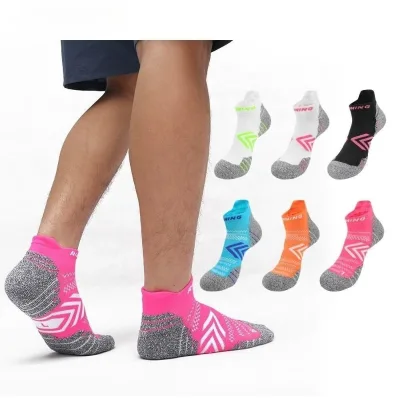
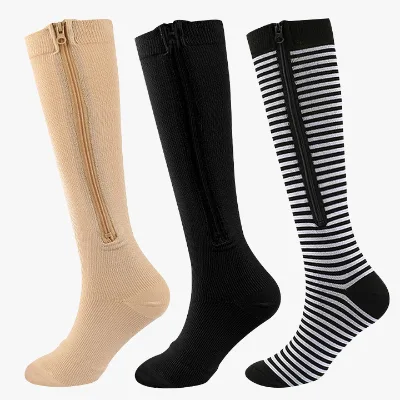
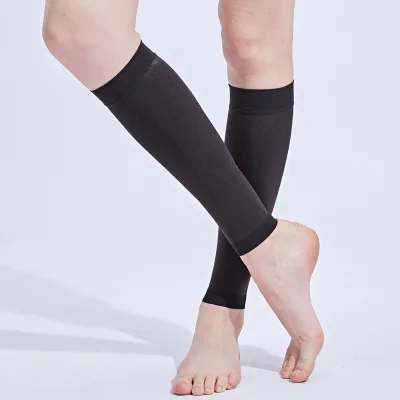
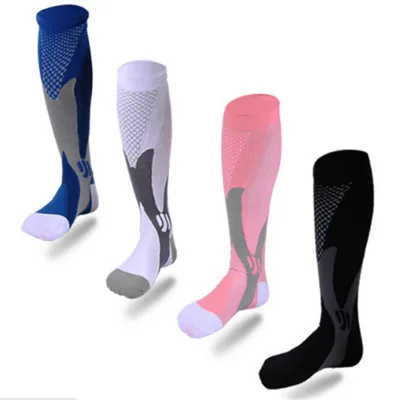

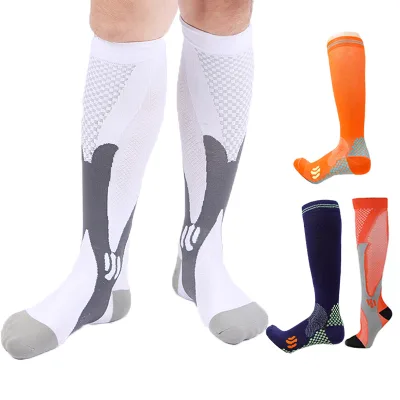


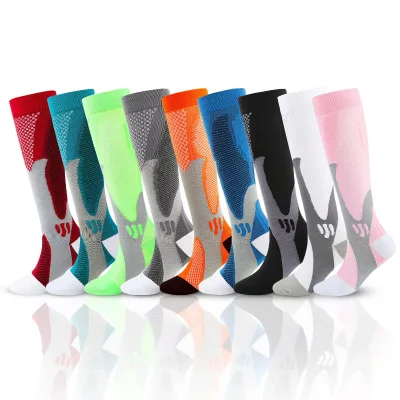
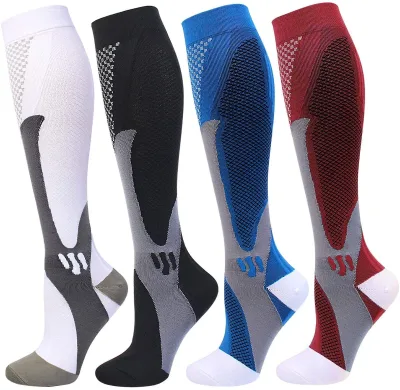
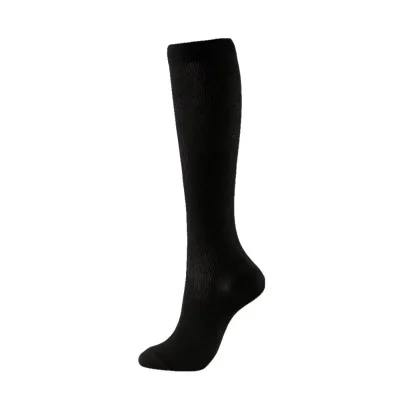
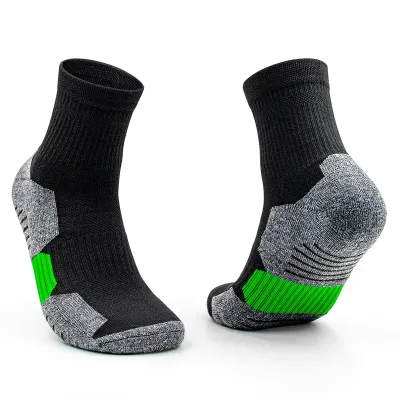


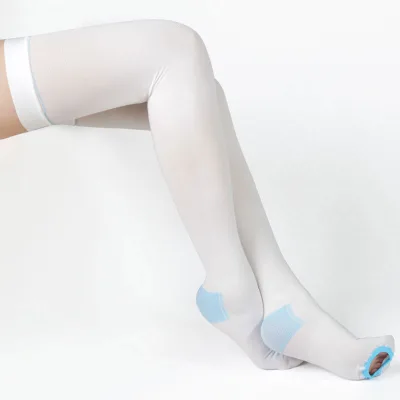
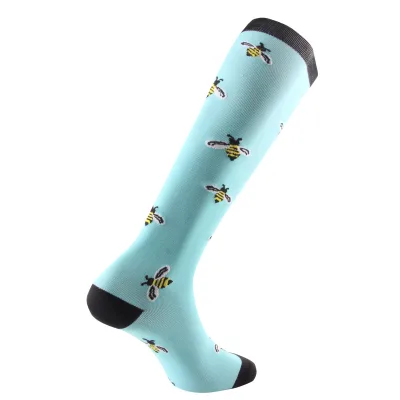


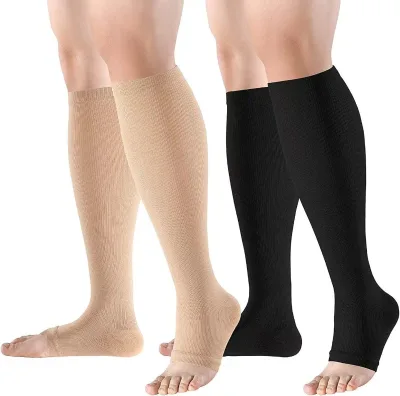
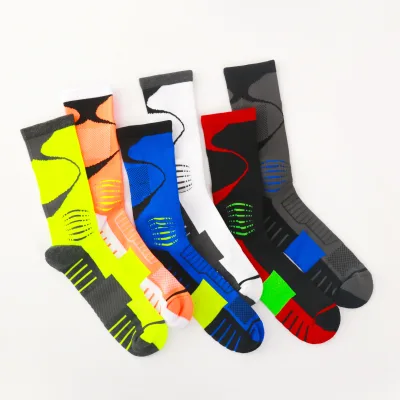
Comprehensive Sourcing Guide
Compression Heel Spurs Socks Supplier Concentration and Factory Types
When buyers search for Compression Heel Spurs Socks on B2B platforms, the results are typically a blend of manufacturers, trading companies, and hybrid suppliers, and understanding that mix is the first step in shortlisting. In the current results, location data points to Beijing and Shanghai, with one listed product originating from Zhejiang, which suggests that suppliers cluster in eastern coastal regions while trading companies operate from major commercial hubs. A Beijing-based trading company in the results lists merino underwear, sweatproof undershirts, briefs, socks, and thermal underwear as its main products, showing how compression socks often sit inside a broader hosiery and innerwear portfolio rather than defining a specialist factory.
Factory type matters for this category because compression grading, heel cushioning zones, and arch support panels require knitting competence that a pure trader may only broker. Check each supplier profile's company type label: where it reads "Trading Company," ask directly whether production is in-house or subcontracted, and request the actual factory address. Where a supplier lists ODM or OEM capacity, that signals development support for custom compression zones and private-label packaging. Main-product lists are also a useful proxy for specialization; a supplier whose catalog is dominated by swimwear and dresses will likely outsource your socks, while one listing socks and thermal underwear among core lines is closer to the knitted-goods supply chain you need.
How to Verify Compression Heel Spurs Socks Suppliers
Verification on this category starts with third-party badges and system certifications shown on the supplier profile. In the current results, one Beijing trading company carries a CTI verification badge together with ISO9001:2015 and ISO14001:2015 certificates, while a Shanghai supplier shows a BV verification mark. These signals mean an auditing body has reviewed the company, but they do not certify product-level compression performance, so treat them as a screening filter rather than proof that a 20-30 mmHg sock is graded accurately. Always download the certificate files, check the scope and expiry date, and confirm the certified legal entity matches the name on your quotation and contract.
Beyond badges, verification should be physical and behavioral. Ask the supplier for a video walkthrough or third-party inspection of the knitting floor, and request the business license to confirm registered scope covers hosiery manufacture or export. Response behavior is a practical verification signal: in these results, recorded average response times range from roughly three hours to nearly seven, and a supplier who answers a sampling question slowly before you pay will rarely improve after the deposit. Order a pre-production sample of the heel spurs socks and evaluate stitch density, heel padding, and whether the stated compression level feels consistent from cuff to footbed. Finally, verify export experience by asking which markets the supplier currently ships to and whether documentation for your destination market can be produced.
What to Compare Across Compression Heel Spurs Socks Suppliers
Build a comparison sheet from the attributes suppliers actually display, and mark fields as "not shown" rather than guessing. Useful label dimensions in these results include lead time, MOQ, response time, location, main products, verification status, and company type. Lead times vary sharply: one listed supplier shows a 23-day lead time while another shows 60 days, a difference that determines whether you can restock within a season. MOQs also differ dramatically by product line, with figures such as 100 pairs on a printed compression sock, 500 pairs on a quick-dry sport style, and as low as 3 or 6 units on stocked items, so match the MOQ to your pilot-order strategy before negotiating.
Response time and company type should be compared together: a trading company replying in under three hours may still add communication hops to the factory, while a slower direct factory may give cleaner technical answers about compression zones. Compare product evidence side by side as well. Some listed styles state a compression level such as 15-20 mmHg or 20-30 mmHg, while others omit it entirely, and material compositions like nylon/spandex appear on some listings but not others. Where a listing shows ODM/OEM capability, weigh that higher for custom heel-cushioning designs. Price ranges in these results span from roughly $1.57 to $19.24 per pair, so compare what each price tier actually includes: grading accuracy, custom logo, packaging, and sample policy all vary per listing.
Common Compression Heel Spurs Socks Sourcing Risks
The dominant risk in this category is compression grading that does not match the claimed mmHg range. Some listings in the current results state a compression class, such as 15-20 mmHg or 20-30 mmHg, while others describe themselves simply as compression or sports socks without any graded figure. A sock marketed for heel spurs relief but knitted without true graduated pressure will generate returns and reviews that no discount can fix. Require a written specification of pressure at the ankle and calf, and test received samples with a compression tester or an independent lab before scaling. A related risk is specification drift between the approved sample and bulk production, especially when a trading company relays requirements to a subcontracted mill.
Other recurring risks are visible in the listing data itself. One product explicitly states that 7-day sample orders are not supported, meaning sampling will take longer than the buyer might assume, so never build a launch calendar around fast samples without written confirmation. MOQ surprises are common when a supplier advertises low minimums on in-stock items but applies higher minimums to customized colors or logos. Size and fit errors matter too: listed size runs vary, with men's EU39-43, women's EU39-41, and general S-XL ranges appearing on different items, so confirm which size chart applies to your market. Finally, confirm the origin and shipping responsibility per model, since some products list a provincial origin different from the supplier's registered city, which can lengthen inland transit.
Compression Heel Spurs Socks Regional Sourcing and Logistics
The location data in these results shows suppliers registered in Beijing and Shanghai, with a listed product origin in Zhejiang, and that pattern is worth using in logistics planning. Registration city and production origin are not the same thing: a Beijing or Shanghai trading company may source knitted goods from provinces with dense hosiery manufacturing, adding an inland leg before export. Ask every shortlisted supplier to state the actual production location for your specific model and to estimate the transit time from that facility to the departure port. This matters for Compression Heel Spurs Socks because re-knits or size corrections during production will consume schedule margin faster than in simpler knit categories.
Lead-time comparisons should be read in a logistics context. A supplier quoting a 23-day production lead time ships roughly twice as fast as one quoting 60 days, but the shorter figure may exclude sampling, quality inspection, and port drayage, so always convert quoted lead times into a door-to-door estimate for your lane. Where a listing shows in-stock items, small trial quantities can move quickly, while fully customized compression zones will follow the standard production clock. Confirm packing dimensions as well, since listed carton sizes and per-unit weights in these results vary from about 0.06 kg to 1 kg gross, which affects freight class. Match Incoterms to your capability, and verify who books the freight when the origin is a province away from the coast.
Compression Heel Spurs Socks Commercial Terms and Order Planning
Plan your first order around the MOQ and price structure the supplier actually publishes, then negotiate only what the listing leaves open. The current results show published price bands from roughly $1.57-$1.69 and $2.02-$2.49 on entry compression styles up to $2.66-$3.56 on a printed knee-high and $8.95-$19.24 on a 20-30 mmHg dropship style, with MOQs of 100 pairs, 500 pairs, and single-digit minimums on stocked goods. Use a small stocked-item order to validate the relationship, then move to a customized run once the heel and arch construction has passed your sample review, and confirm in writing whether customization changes the MOQ.
Term discipline protects margin in this category. Put the compression specification, size chart, material composition, and packing dimensions into the contract annex, and tie the balance payment to inspection against those documents. Sample policy varies by listing, with one style offering a free sample and another explicitly not supporting 7-day sample orders, so budget both time and money for sampling rather than assuming either model. Confirm what verification and certification documents the supplier can issue with shipment, since profile badges such as ISO9001:2015 or ISO14001:2015 cover the management system, not each batch. Finally, plan reorder cadence against the quoted lead time, adding buffer for peak knitting season, and agree a price-validity window so repeat orders are not repriced unexpectedly.
FAQs
What compression level should heel spur socks have?
Most heel spur socks use moderate graduated compression, commonly in the 15-20 mmHg range for daily wear and sports, while 20-30 mmHg options suit users who need firmer support. Buyers should confirm the level in product specifications, since listings may not state it explicitly, and check whether the compression is graduated from ankle to calf.
Can compression heel spur socks be customized with my logo?
Yes, customization is available on many listings, with logo placement options such as the body or the cuff and techniques including embroidery or print. Knitted and woven constructions are both offered. Request a pre-production sample to verify logo quality, and confirm whether customization changes the minimum order quantity or the quoted unit price before placing an order.
What is the typical minimum order quantity for these socks?
Minimum order quantities vary widely by product, with observed listings ranging from 3 units up to 500 pairs. Stock in-season items often carry lower MOQs, while fully customized runs sit at the higher end. Ask each supplier to confirm the MOQ for your specific size range, compression level, and branding requirements before negotiating terms.
What lead times should buyers expect for production?
Lead times reported by listed suppliers range from roughly 23 days to 60 days, depending on order complexity and customization. Note that some product listings state that 7-day sample orders are not supported, so sample timing may differ from bulk production. Confirm both sample and bulk timelines in writing before committing to a purchase order.
Which sizes and heights are commonly available?
Knee-high and crew lengths are the most common heights, with sizes spanning men's EU39-43, women's EU39-41, and general S, M, L, and XL ranges. Some ankle-length sports styles are also listed. Always request a size chart for each model, since sizing differs between knitted and woven constructions and between unisex and gender-specific patterns.
How do I evaluate whether a supplier is reliable?
Check verified status from third-party inspection bodies such as CTI or BV, and ask for system certifications like ISO9001:2015 quality management or ISO14001:2015 environmental certificates. Review response times, which in current listings range from under 3 to about 7 hours, and compare stated lead times. Verify each claim directly with the supplier before ordering.
What materials work best for compression heel spur socks?
Nylon and spandex blends are common because they hold elastic compression through repeated wear, and some sport models add copper-infused nylon with quick-dry, breathable, anti-slip, and anti-bacterial features. Confirm the exact composition percentage with the supplier, ask how the fabric performs after repeated washing, and consider requesting samples to test durability yourself.
What price range can buyers expect per pair?
Observed unit prices range from about 1.57 to 19.24 US dollars depending on compression level, materials, and features. Basic knitted sports styles sit near the low end, while 20-30 mmHg dropship-oriented stockings command higher prices. Treat listed prices as reference points and request quotations tied to your quantity, size mix, and customization needs.