Computer Blue Light Blocking Glasses Suppliers and Manufacturers
Explore 26 verified suppliers offering Computer Blue Light Blocking Glasses with varying lead times, certifications, and response speeds. Compare dimensions like location, MOQ, and pricing to select the right partner for your optical needs today; review the available evidence before requesting comparable quotations from suitable candidates.
Suppliers List

Guangzhou USOM Glasses Co., Ltd.
- Verified by SGS
- Trading Company,Manufacturer/Factory
- China Guangdong
- Lead time23 days
- Avg. response≤ 15h
Main productsSunglasses, Sport Sunglasses, Military Goggles, Anti-Blue Eyeswear, Ski Goggles, Motorcycle Goggles, Safety Goggles, Metal Fashion Sunglasses, Snow Board Goggles, Fishing Sunglasses
Main marketsSouth America,Eastern Europe,Mid East,North America,Southeast Asia,Eastern Asia,Oceania,Western Europe,Africa

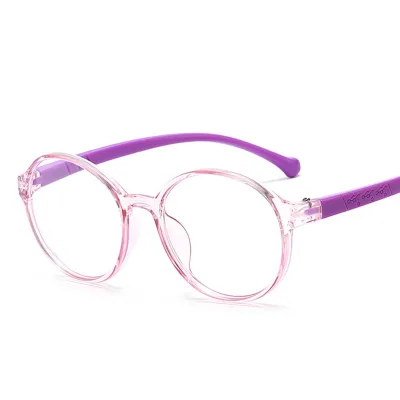
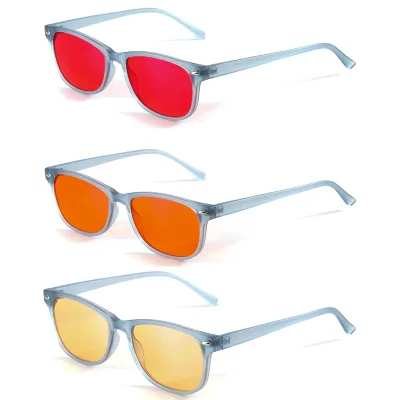
Blue Light Blocking Glasses Optical Frame Fashion Anti Blue Light Blocking Computer Glasses
$1.88 - $3.04
MOQ: 100 Pieces

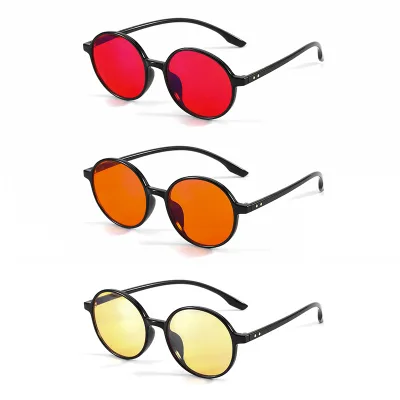
Round Eyeglasses Frame Computer Gaming Sunglasses Blue Light Blocking Glasses
$1.88 - $3.04
MOQ: 100 Pieces


Anti Eyestrain Anti Blue Light Eyewear Computer Reading Gaming TV Phones Anti Blue Light Glasses
$1.88 - $3.04
MOQ: 100 Pieces

OEM Fashion Customized High Quality Unisex Anti Blue Light Blocking Computer Glasses
$1.88 - $3.04
MOQ: 100 Pieces

- Verified by SGS
- Trading Company
- China Zhejiang
- Lead time30 days
- Avg. response≤ 3h
Main productsOptical Frames, Sunglasses, Reading Glasses, Blue Block Glasses, Glasses Cases, Clean Cloth, Glasses Accessories, Clip on Glasses, Glasses Lenses
Main marketsSouth America,Africa,Southeast Asia/ Mideast,Europe,North America

Blue Light Blocking Computer Glasses Anti Blue Light Blocking PC Optical Glasses for Women
$1.48 - $2.35
MOQ: 12 Pieces

Wholesale Clear Bluelight Eyewear Anti Blue Light Computer Eyeglasses Blue Light Blocking Glasses
$1.58 - $2.88
MOQ: 12 Pieces

$4.20 - $6.80
MOQ: 12 Pieces

Zlin Eyewear Blue Light Blocking Square Glasseswomen Anti-Fatigue Computer Gaming Glasses
$3.00 - $4.50
MOQ: 12 Pieces
Yiwu Givenmoe Trading Corporation
- Verified by TüVRheinland
- Trading Company
- Lead time30 days
- Avg. response≤ 3h
Main productsGlasses
Main marketsNorth America(20%), Western Europe(20%), Eastern Europe(15%)
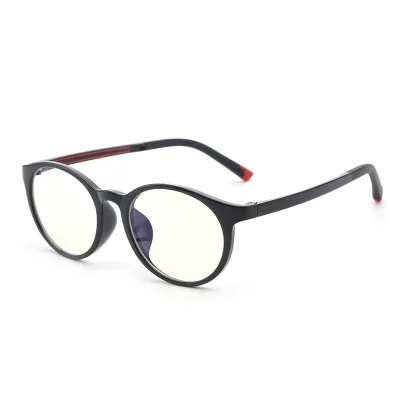
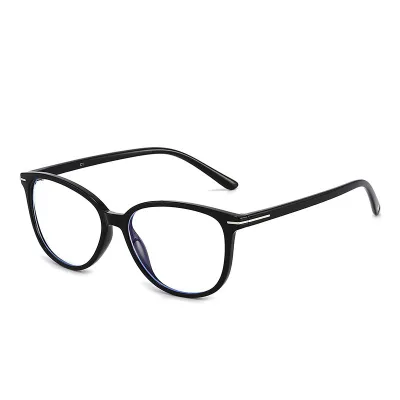
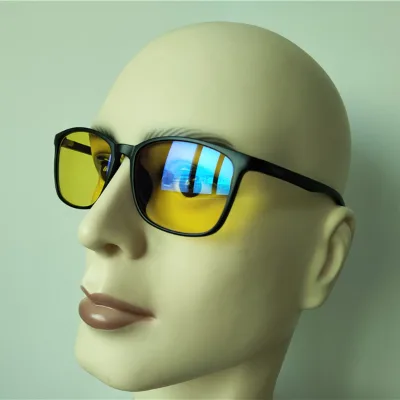
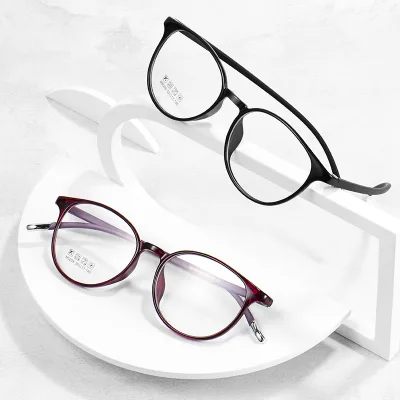
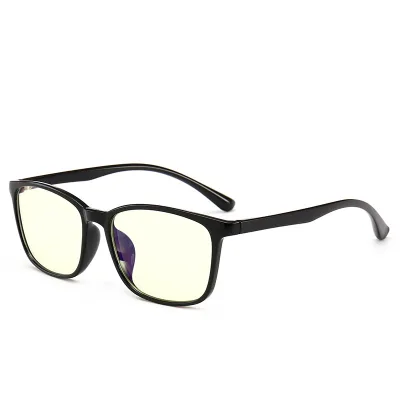
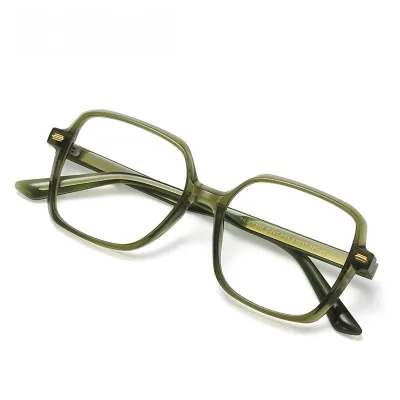
New Arrival Fashion Custom Glasses Men Anti Blue Light Reading Glasses Computer Blue Light Glasses
$1.28 - $1.73
MOQ: 24 pieces

- Trading Company
- China Zhejiang
- Lead time0 days
- Avg. response≤ 4h
Main productsOptical Glasses, Reading Glasses, Sunglasses, Blue Light Blocking Glasses, Eyeglasses Frames, Kid's Sunglasses, Titanium Optical Frame, Women Reading Glasses, Mens Spectacles Frames, Fashion Sunglasses


Fashion Computer Optical Frame Anti Blue Light Blocking Glasses Eyeglasses Frame
$1.90 - $2.30
MOQ: 1200 Pieces
Yiwu Conchen Glasses Co., Ltd.
- Verified by SGS Group
- Manufacturer, Trading Company
- Lead time20 days
- Avg. response≤ 4h
Main productsSunglasses, Eyeglasses frame, Bamboo Wood Sunglasses, Eyewear accessories, Sports sunglasses
Main marketsWestern Europe(25%), North America(20%), Northern Europe(15%)

- Verified by BV
- Trading Company
- China Zhejiang
- Lead time30 days
- Avg. response≤ 6h
Main productsSunglass, Optical Frame, Sports Sunglasses, Kid's Optical Frames, Reading Glasses, Polarized Sunglasses, Eyeglasses Frame, Sun Glasses, Eyewear Frame, Sunglasses Case
Main marketsEurope,North America


Blue Light Blocking Spectacles Eyeglass Computer Frame Protection Optical Glasses
$4.99 - $5.50
MOQ: 20 Pieces


Wenzhou Youge Eyewear Co., Ltd.
- Verified by SGS
- Trading Company
- China Zhejiang
- Lead time15 days
- Avg. response≤ 4h
Main productsOptical Frame, Sunglasses, Reading Glasses, Sports Sunglasses, Kids Eyewear, Anti Blue Light Glasses, Safety Protection Glasses, Packaging Accessories, Eyeglasses Cases & Boxes, Cleaning Cloth
Main marketsEurope

Fashion Computer Blue Light Blocking Eyeglasses Frames Women Anti Blue Light Glasses
$1.60 - $2.30
MOQ: 12 Pieces

$1.30 - $2.00
MOQ: 12 Pieces


AC Acrylic Lens Material Women Blue Light Blocking Glasses for Computer Office
$1.50 - $2.20
MOQ: 12 Pieces

Adult Size Clear Lenses Color Computer Anti Blue Light Glasses for Unisex
$1.30 - $2.00
MOQ: 12 Pieces
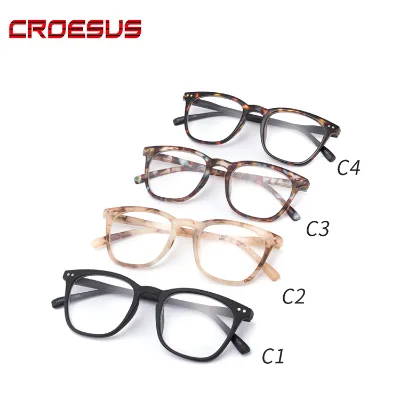
Wenzhou Croesus Optical Co., Ltd.
- Verified by Intertek
- Manufacturer, Trading Company
- Lead time30 days
- Avg. response≤ 6h
Main productsReading Glasses, Blue Light Glasses, Sunglaases, Optical Frame
Main marketsNorth America(35%), Western Europe(35%), South America(5%)
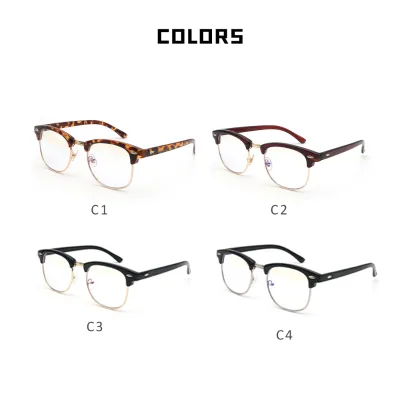
Wholesale Hot PC Metal Square Anti Bluelight Blue Light Blocking Blocker Gamer Computer Glasses
$2.15 - $2.53
MOQ: 2 pieces

Yiwu Friends Glasses Co., Ltd.
- Trading Company
- Zhejiang, China
- Lead time3 days
- Avg. response≤ 4h
Main productsGlasses,Sunglasses,GLasses Frames,Glasses Accessories,Glasses Cases
Main marketsNorth America(39.00%), Western Europe(15.00%), South America(15.00%), Eastern Europe(8.00%), Southeast Asia(8.00%), Mid East(5.00%), Central America(3.00%), South Asia(3.00%), Domestic Market(2.00%), Africa(2.00%)
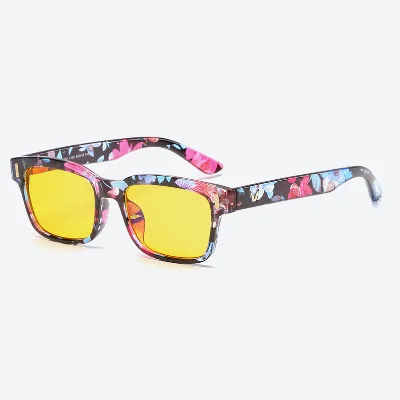
Classic Blue Light Blocking Computer Glasses Anti Blue Light Trendy Eyewear
$2.10 - $2.30
MOQ: 2 pieces
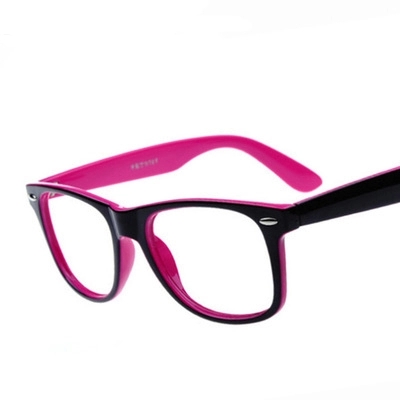

Wenzhou Sunray Technology Co., Ltd.
- Verified by SGS
- Manufacturer/Factory
- China Zhejiang
- Lead time23 days
- Avg. response≤ 5h
Main productsSunglasses, Custom Sunglasses, Polarized Sunglass, Reading Glasses, Jewelry Boxes, Paper Boxes, Gift Boxes, Packaging Box, Custom Packaging Box, Packing Box
Main marketsSouth America,Eastern Europe,Mid East,North America,Southeast Asia,Eastern Asia,Oceania,Western Europe,Africa

Shenzhen Yahao Glasses Manufacturing Co., Ltd
- Verified by CTI
- Trading Company
- China Guangdong
- Lead time15 days
- Avg. response≤ 5h
Main productsCar Key Programmer, Marine Scanner, Airbag Reset, Obdstar DC706, Obdstar X300m, Obdstar P50, Obdstar G3, Obdstar Ms80, Obdstar Iscan, Auto Diagnostic Tool
Main marketsDomestic

Computer Glasses Office Ultra Light Half Frame Blue Light Blocking Lenses
$4.37 - $5.12
MOQ: 10 Pieces

Optical Acetate Material Ultra Light Half Frame Blue Light Blocking Lenses Computer Glasses Office
$4.37 - $5.12
MOQ: 10 Pieces

Shenzhen Supplier Ultra Light Half Frame Blue Light Blocking Computer Glasses Office Use
$4.37 - $5.12
MOQ: 10 Pieces
Changsha Shen Rui Technology Co., Ltd.
- Trading Company
- Hunan, China
- Lead time15 days
- Avg. response≤ 3h
Main productssunglasses,Eyeglasses Parts,reading glasses,eyeglass frame,anti blue light glasses
Main marketsWestern Europe(25.00%), North America(25.00%), Domestic Market(18.00%), Eastern Asia(10.00%), Eastern Europe(3.00%), South America(3.00%), Southeast Asia(3.00%), Mid East(3.00%), Oceania(3.00%), South Asia(3.00%), Central America(1.00%), Africa(1.00%), Southern Europe(1.00%), Northern Europe(1.00%)
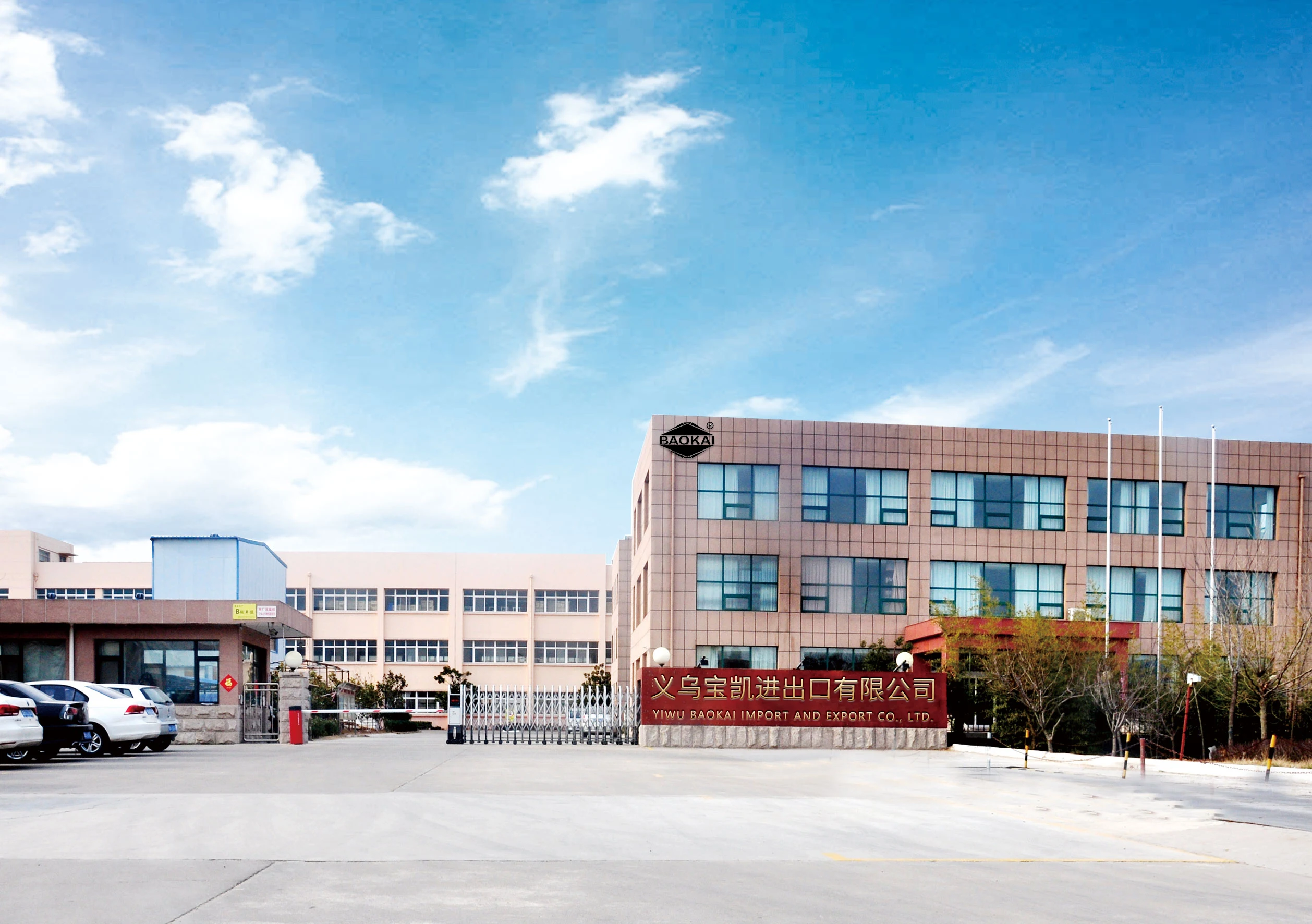
Yiwu Baokai Import And Export Co., Ltd.
- Trading Company
- Zhejiang, China
- Lead time5 days
- Avg. response≤ 1h
Main productsglass,Sunglasses,glass box,glass tissue,Eyewear
Main marketsNorth America(20.00%), Eastern Europe(18.00%), Africa(14.00%), Western Europe(10.00%), Southeast Asia(5.00%), Southern Europe(5.00%), Mid East(5.00%), Northern Europe(5.00%), South America(5.00%), South Asia(4.00%), Central America(4.00%), Eastern Asia(3.00%), Domestic Market(1.00%), Oceania(1.00%)

Wenzhou Dilicn Optical Co., Ltd
- Verified by TUVRHEINLAND
- Trading Company
- China Zhejiang
- Lead time15 days
- Avg. response≤ 7h
Main productssports sunglasses, reading glasses, optical frames
Main marketsSouth America,Europe,North America


Stylish Blue Light Blocking Reading Glasses for Men and Women Computer Use.
$0.83 - $0.93
MOQ: 12 Pieces


New High-Definition PC Ultra-Light Anti-Blue Light Neutral-Spectrum Reading Glasses
$0.33 - $0.35
MOQ: 1200 Pieces

Reading Glasses Unisex 22g Lightweight Blue Light Blocking & Anti-Glare Readers
$1.50 - $1.90
MOQ: 12 Pieces
Wenzhou Kangjing Optics Co., Ltd.
- Manufacturer, Trading Company
- Lead time旺季: "1 - 300":15,"301 - 1200":45,"> 1200":"To be negotiated", 淡季: "1 - 300":15,"301 - 1200":45,"> 1200":"To be negotiated"
- Avg. response≤ 2h
Main productsSunglasses, Reading Glasses, Optical Frames, Sports Sunglasees

Wenzhou Readsun Optical Co., Ltd.
- Verified by SGS
- Trading Company,Manufacturer/Factory
- China Zhejiang
- Lead time60 days
- Avg. response≤ 7h
Main productsSunglasses, Reading Glasses, Optical Frame, Plastic Sunglasses, Kid's Sunglasses, Metal Sunglasses, Sport Sunglasses, Titanium Optical Frame, LED Reading Glasses, Promotion Sunglasses
Main marketsSouth America,Eastern Europe,Mid East,North America,Southeast Asia,Eastern Asia,Oceania,Western Europe,Africa

Plastic Round Reading Glasses Computer Glasses Anti-Radiation Anti Blue Light Reading Glasses
$0.80 - $1.00
MOQ: 1200 Pieces


Fashionable Computer Reading Glasses Blue Light Blocking PC Lens for Office Use
$0.85 - $1.00
MOQ: 1200 Pieces


$0.95 - $1.05
MOQ: 1200 Pieces

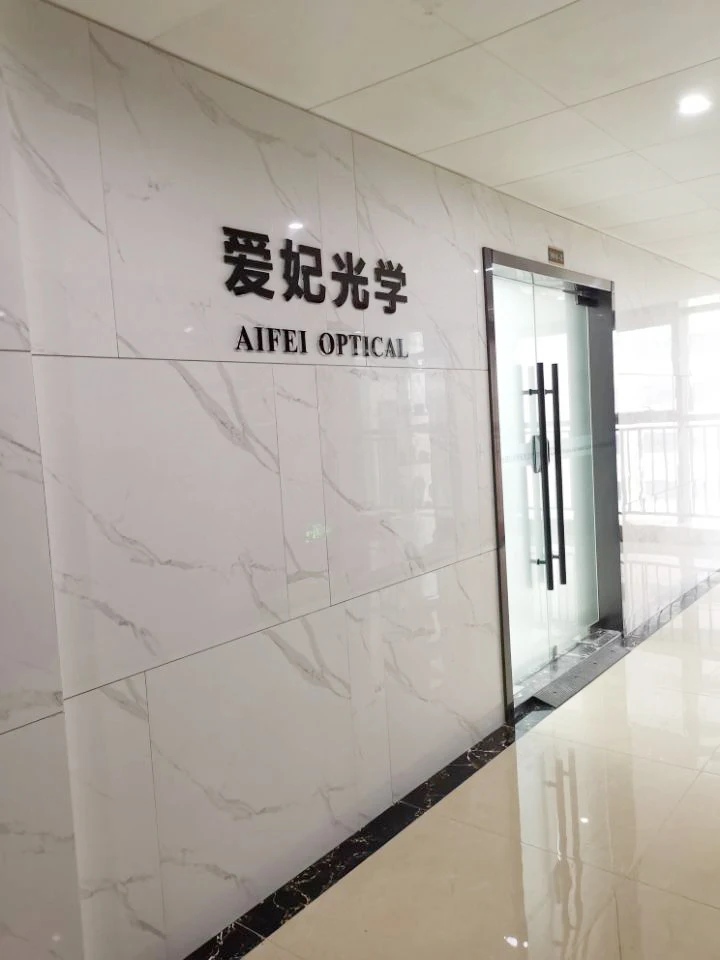
Wenzhou Aifei Optical Co., Ltd.
- Trading Company
- Zhejiang, China
- Lead time45 days
- Avg. response≤ 6h
Main productsSunglasses,Reading Glasses,Optical Frame,Anti blue glasses,Sports eyewear
Main marketsNorth America(40.00%), Eastern Europe(20.00%), South America(10.00%), Southern Europe(5.00%), Northern Europe(5.00%), Central America(5.00%), Western Europe(5.00%), Mid East(5.00%), Southeast Asia(5.00%)
Taizhou Shuochun Glasses Technology Co., Ltd.
- Trading Company
- Zhejiang, China
- Lead time25 days
- Avg. response≤ 11h
Main productsSunglasses, Optical Eyewear, Sports Eyewear, Eyeglasses Frames, Eyeglasses Cases
Main marketsNorth America(25.00%), Eastern Europe(10.00%), Southeast Asia(10.00%), Northern Europe(8.00%), Western Europe(7.00%), Domestic Market(7.00%), South Asia(5.00%), Eastern Asia(5.00%), South America(5.00%), Africa(5.00%), Mid East(5.00%), Oceania(3.00%), Southern Europe(3.00%), Central America(2.00%)

Wenzhou Nighthawk Glasses Co., Ltd
- Verified by BV
- Trading Company
- China Zhejiang
- Lead time15 days
- Avg. response≤ 1h
Main productsSunglasses, Optical Frames, Reading Glasses, Eyewear Cases, Kids Frames
Main marketsNorth America
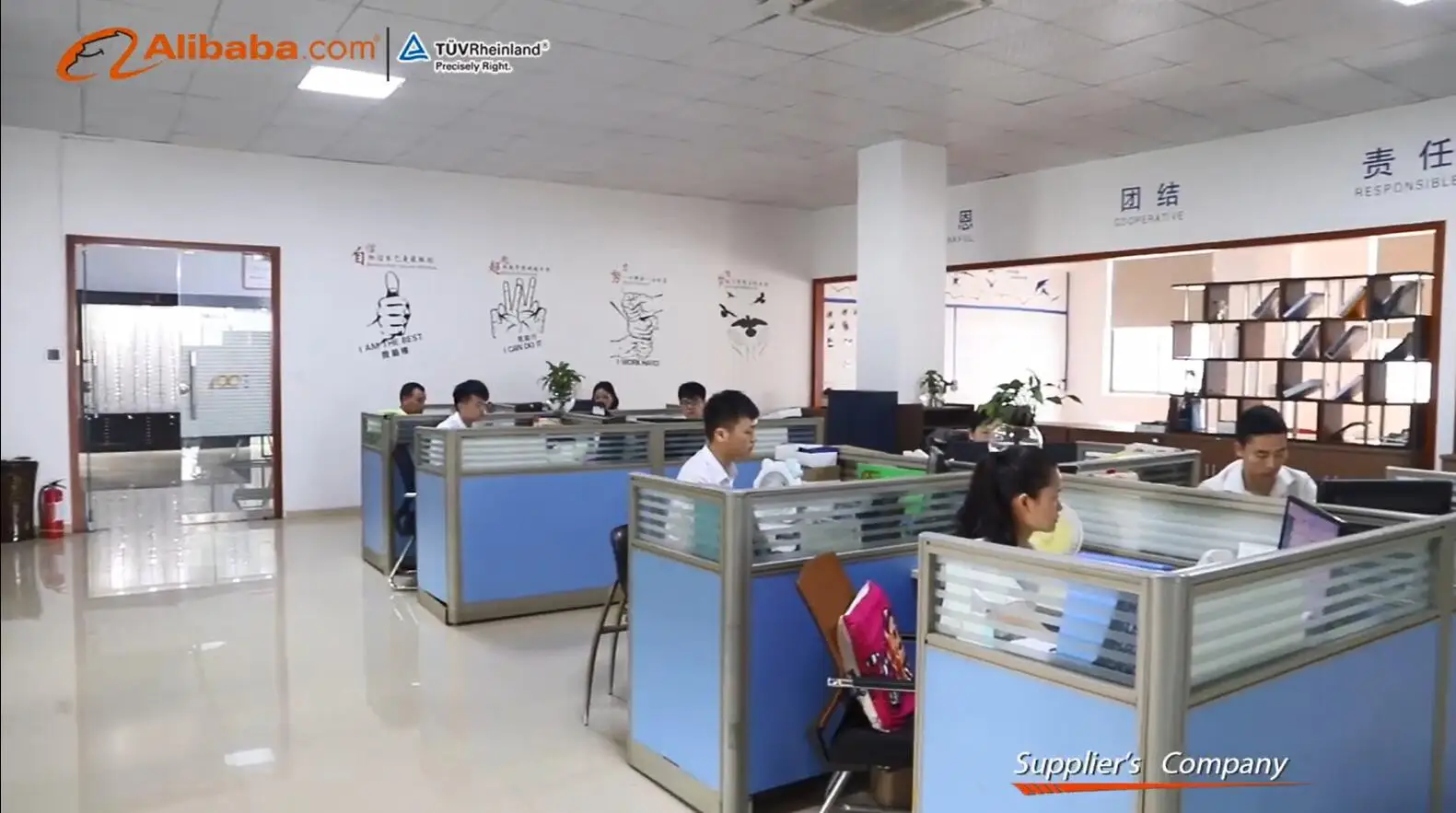
Wenzhou Centar Optics Co., Ltd.
- Trading Company
- Zhejiang, China
- Lead time25 days
- Avg. response≤ 5h
Main productsReading Glasses,Spectacles Frame,Sunglasses,Glaases Mould,Glasses accessories
Main marketsSouth America(22.00%), North America(15.00%), Domestic Market(10.00%), Western Europe(10.00%), Central America(10.00%), Eastern Europe(10.00%), Southern Europe(5.00%), Northern Europe(5.00%), Oceania(3.00%), Eastern Asia(3.00%), Southeast Asia(3.00%), Mid East(2.00%), South Asia(2.00%)
Shenzhen Aochi Optical Manufactory
- Verified by TüVRheinland
- Manufacturer, Trading Company
- Lead time45 days
- Avg. response≤ 2h
Main productsAnti Blue Light Glasses, Sunglasses, TR90 Glasses Frames, Titanium Glasses Frames, Acetate Glasses Frames
Main marketsNorth America(28%), Northern Europe(12%), Domestic Market(12%)

Wenzhou Yangming Eyewear Accessories Co., Ltd
- Verified by SGS
- Combined
- China Zhejiang
- Lead time30 days
- Avg. response≤ 3h
Main marketsDomestic


Stylish Ultra-Light Blue Light Blocking Reading Glasses for Eye Protection
$1.30 - $1.50
MOQ: 12 Pieces


Wenzhou Croesus Optical Co., Ltd.
- Verified by SGS
- Combined
- China Zhejiang
- Lead time30 days
- Avg. response≤ 25h
Main marketsEurope,Australia,North America


Unisex Computer Glasses Lightweight Full-Frame Anti-Blue Light Blocking Eyeglasses for Adults
$1.30 - $1.50
MOQ: 1 Pieces


Wenzhou Ouyuan Optical Co., Ltd.
- Verified by SGS
- Trading Company
- China Zhejiang
- Lead time60 days
- Avg. response≤ 5h
Main productsSunglasses, OEM ODM Sunglasses, Custom Sunglasses, Glasses, Eyeglass, Glasses Case, Estuche Para Gafas, Reading Glasses, Polarized Lens, Gafas De Sol
Main marketsEurope,North America

Wenzhou Yogi International Trade Co., Ltd.
- Verified by BV
- Trading Company
- China Zhejiang
- Lead time30 days
- Avg. response≤ 3h
Main productsReading Glasses, Sunglasses, Glasses, Sports Sunglasses, Eyewear, Optical Frame
Main marketsEurope
- Verified by TüVRheinland
- Manufacturer, Trading Company
- Lead time40 days
- Avg. response≤ 3h
Main productsReading Glasses, Sunglasses, Optical Frame Kid Glasses, Glasses Accessories, Kid Glasses
Main marketsNorth America(37%), South America(20%), Western Europe(20%)






Comprehensive Sourcing Guide
Computer Blue Light Blocking Glasses Supplier Concentration and Factory Types
The current supplier landscape for Computer Blue Light Blocking Glasses shows a distinct concentration of manufacturing and trading entities within China, specifically in the Guangdong and Zhejiang provinces. Fact-based observations confirm that suppliers in Guangdong operate as both trading companies and manufacturers, offering a diverse range of eyewear including sport sunglasses, military goggles, and specialized anti-blue light optical frames. This region demonstrates a robust capacity for OEM and ODM services, with some entities maintaining their own brands alongside custom production capabilities. The presence of these dual-role suppliers suggests a supply chain that can accommodate both direct factory pricing and flexible trading arrangements for buyers seeking varied product mixes.
In contrast, suppliers located in Zhejiang are identified primarily as trading companies, focusing on optical frames, reading glasses, and blue light blocking solutions. These entities often list specific certifications such as CE and TüVRheinland verification, indicating a different compliance profile compared to their Guangdong counterparts. While the Guangdong cluster emphasizes a broad product range from fashion sunglasses to safety goggles, the Zhejiang suppliers appear to concentrate more narrowly on optical and computer-specific eyewear. Buyers should verify the specific factory type for each potential partner, as the distinction between a pure trading company and a manufacturer with factory capabilities directly impacts lead times, customization flexibility, and the ability to handle complex ODM requests for unique frame materials or lens treatments.
How to Verify Computer Blue Light Blocking Glasses Suppliers
Verification of suppliers in this category requires a rigorous check of system certifications and third-party audit results, as these documents provide the only concrete evidence of operational standards. Some suppliers in the current results hold ISO 9001 and ANSI/ESD certifications, while others display CE marks or verification from TüVRheinland. It is critical to confirm that these certifications are current and specifically cover the production of optical frames and blue light filtering lenses, rather than being generic company registrations. The absence of listed certifications, such as the "NIL" status observed for some trading companies, does not automatically disqualify a supplier but necessitates a deeper inquiry into their quality control processes and whether they can provide recent test reports for their specific anti-blue light products.
Beyond certifications, buyers must validate the response time and verification status of each supplier to gauge reliability and communication efficiency. Data indicates response times ranging from approximately 2 hours to over 14 hours, with some suppliers verified by SGS or TüVRheinland. A faster response time often correlates with better project management and quicker resolution of technical queries regarding lens specifications or frame customization. However, a slow response time does not inherently indicate poor quality, but it does suggest a potential bottleneck in communication that could delay order processing. Buyers should prioritize suppliers with verified status and documented response metrics, ensuring that the communication channel is active and capable of handling the specific technical requirements of blue light blocking eyewear production.
What to Compare Across Computer Blue Light Blocking Glasses Suppliers
When evaluating potential partners, the primary comparison points should include lead times, minimum order quantities (MOQ), and pricing structures, as these factors vary significantly across the supplier base. Lead times observed in the current data range from 15 to 30 days, with some suppliers offering expedited delivery windows of 10 to 15 days for specific models. MOQs also differ, with some suppliers requiring orders as low as 12 pieces, while others set thresholds at 100 or 24 pieces. These variations directly impact inventory planning and cash flow, making it essential to align supplier capabilities with the buyer's volume requirements. Buyers should not assume all suppliers offer the same flexibility; instead, they must request specific quotes that detail the lead time and MOQ for their desired frame models and customization levels.
Pricing and product attributes provide another critical layer for comparison, with unit costs ranging from approximately $1.48 to $6.80 depending on the frame material and design complexity. Suppliers offering frames made from PC or TR90 materials often present lower price points, while those utilizing stainless steel or specialized optical treatments command higher rates. Additionally, the availability of customization services, such as logo printing or specific frame color options, can influence the final cost and production timeline. Buyers must compare the total value proposition, including the frame material, lens technology, and customization options, rather than focusing solely on the base price. A lower unit cost may come with higher MOQs or longer lead times, so a holistic view of the commercial terms is necessary to determine the most suitable supplier for the specific project needs.
Common Computer Blue Light Blocking Glasses Sourcing Risks
One significant risk in sourcing Computer Blue Light Blocking Glasses involves the discrepancy between claimed product attributes and actual manufacturing capabilities, particularly regarding lens technology and frame durability. While many suppliers list "Anti Blue Light" as a core feature, the specific wavelength blocking capabilities and lens material quality can vary widely. Some products are described with generic terms like "Anti Eyestrain" or "Light Blocker," but without standardized test results or specific technical data sheets, buyers cannot verify the efficacy of the blue light filtering. This ambiguity creates a risk of receiving products that do not meet the intended health or performance standards, potentially leading to customer dissatisfaction or returns. Buyers must explicitly request technical specifications and test reports to confirm the actual performance of the blue light blocking lenses before placing an order.
Another prevalent risk is the inconsistency in delivery timelines and payment terms, which can disrupt supply chain planning. While some suppliers offer delivery times of 10 to 15 days, others require up to 30 days, and payment terms vary from 100% upfront to 50% deposit structures. These variations can lead to cash flow issues or delays in product availability, especially if the supplier fails to meet the agreed-upon schedule. Furthermore, the reliance on trading companies rather than direct manufacturers can introduce additional layers of communication and potential miscommunication regarding order details. Buyers should mitigate these risks by establishing clear contractual terms, verifying the supplier's track record for on-time delivery, and ensuring that payment terms align with the project's financial constraints and risk tolerance.
Computer Blue Light Blocking Glasses Regional Sourcing and Logistics
Sourcing from China, specifically the Guangdong and Zhejiang provinces, offers distinct logistical advantages and challenges that buyers must navigate carefully. The concentration of suppliers in these regions provides access to a mature supply chain with established infrastructure for exporting eyewear. However, the distance and shipping times from these locations to international markets can impact the overall lead time and cost structure. Buyers should account for the time required for ocean freight or air shipping, which can add several weeks to the total delivery timeline. Additionally, the specific location of the supplier within these provinces may influence the efficiency of customs clearance and the availability of local logistics partners, making it essential to verify the exact shipping origin and preferred freight forwarders for each supplier.
Logistics planning also involves understanding the packaging and handling requirements for fragile eyewear products. Suppliers in the current results indicate various packing standards, such as 12 pieces per box or 50 pieces per case, which can affect the number of containers required and the overall shipping cost. Buyers must ensure that the packaging is robust enough to prevent damage during transit, especially for glass or high-quality plastic frames. Furthermore, the origin of the products, confirmed as China in the data, means that buyers need to be aware of any import duties or tariffs that may apply to eyewear in their destination country. Proactive planning for these logistical factors can help avoid unexpected costs and delays, ensuring a smoother supply chain from the factory floor to the final destination.
Computer Blue Light Blocking Glasses Commercial Terms and Order Planning
Commercial terms for Computer Blue Light Blocking Glasses often include specific payment structures and delivery conditions that must be clearly defined to avoid disputes. Some suppliers require 100% payment before shipping, while others accept a 50% deposit with the balance due upon completion. These terms can significantly impact the buyer's financial exposure and cash flow management. Buyers should negotiate payment terms that balance risk and trust, potentially utilizing escrow services if available, to ensure that funds are only released upon satisfactory delivery of the goods. Additionally, the delivery time, which ranges from 10 to 30 days, must be factored into the order planning to ensure that products arrive in time for market launches or seasonal demands.
Order planning also requires a detailed understanding of the minimum order quantities and customization options offered by each supplier. With MOQs ranging from 12 to 100 pieces, buyers can tailor their orders to match their inventory needs, but they must be prepared to meet the minimum thresholds to secure production slots. Customization options, such as logo printing or specific frame colors, may incur additional costs or extend the lead time, so these details should be confirmed early in the negotiation process. Buyers should also verify the production capacity of the supplier to ensure they can handle the order volume within the requested timeframe. By carefully planning the order details and commercial terms, buyers can optimize their sourcing strategy and minimize the risks associated with international procurement.
FAQs
What is the price range for Computer Blue Light Blocking Glasses?
Prices typically range from $1.48 to $6.80 per unit depending on frame material and customization options. Basic PC frames start around $1.48, while stainless steel or specialized TR90 models may cost up to $6.80. Bulk orders often secure lower rates within these bounds.
What is the minimum order quantity for these glasses?
Minimum order quantities vary significantly by supplier, ranging from 12 pieces to 100 pieces. Some manufacturers accept small batches of 12 units for testing, while others require 100 units for standard production. Always verify the specific MOQ with the supplier before placing an order.
How long does production and delivery take?
Lead times generally span 15 to 30 days, with some suppliers offering faster turnaround of 10 to 15 days. The average response time is approximately 2 to 14 hours. Confirm exact delivery schedules with the supplier, as they depend on order volume and customization needs.
Are these glasses suitable for all face shapes?
Many models are designed for general use and fit oval or all face shapes. Specific styles like rectangular frames may suit certain preferences better. Customization options allow for tailored fits. Check product attributes to ensure the frame shape and size match your specific facial requirements.
What certifications do these suppliers hold?
Certifications vary by manufacturer, with some holding ISO 9001, ANSI/ESD, or CE marks. Others may have no listed system certifications. Verification services like SGS or TÜV Rheinland are also available for select suppliers. Always request current certification documents to ensure compliance with your market standards.
Can I customize the logo and frame color?
Yes, most suppliers offer OEM and ODM services with custom logo printing and frame color options. Materials like PC or TR90 can be tailored to your brand. Customization is available for both fashion and optical styles. Confirm specific design capabilities and minimum requirements for custom orders with the supplier.