Lab Created Zircon Christian Ring Suppliers and Manufacturers
Compare 29 Lab Created Zircon Christian Ring suppliers on location, main products, response times, lead times, certifications, pricing and MOQ ranges. Review detailed product evidence for plating, materials and ring sizes, then shortlist suppliers and send inquiries to verify customization options.
Updated
Suppliers List
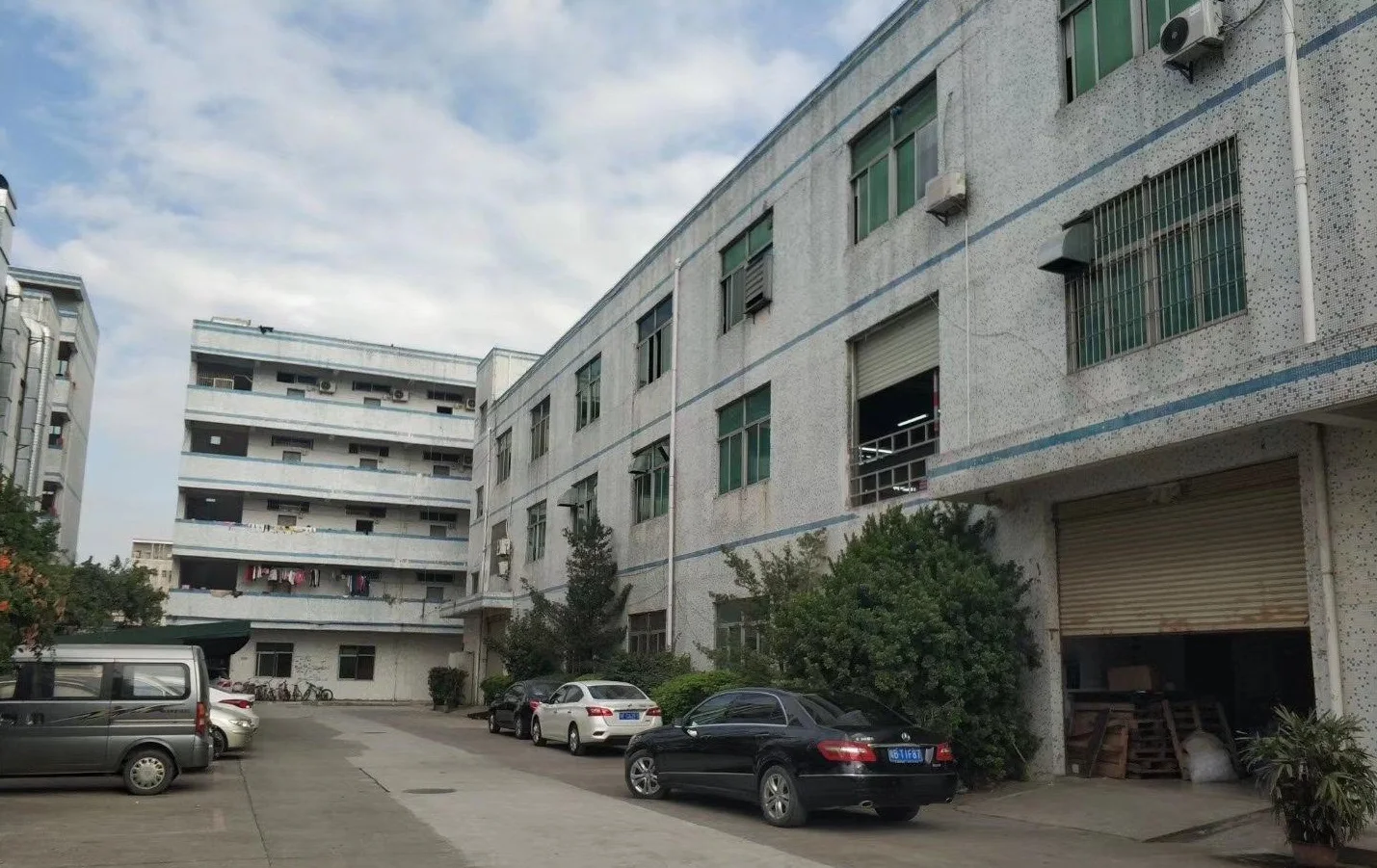
Guangzhou Divine Trading Co., Ltd.
- Trading Company
- Guangdong, China
- Lead time30 days
- Avg. response≤ 4h
Main productsBracelet,Pendant,Ring,Necklace,Earring
Main marketsNorth America(80.00%), Western Europe(10.00%), South America(10.00%)

Jinjiang Jiaxing Supply Management Co., Ltd.
- Verified by TUVRHEINLAND
- Trading Company
- China Fujian
- Lead time30 days
- Avg. response≤ 1h
Main productsEVA Clogs, Flip Flop, Shoe Charms, Shopping Bags, Wristbands, Gifts, Promotional Gifts, Slipper, Sport Cap, Ball
Main marketsNorth America

Guangzhou Jml Jewelry Co., Ltd.
- Trading Company
- Guangdong, China
- Lead time0 days
- Avg. response≤ 2h
Main productsNecklace,Earrings,bracelet,Pendant,Jewelry Set
Main marketsNorth America(62.00%), South America(20.00%), Central America(5.00%), South Asia(3.00%), Southeast Asia(3.00%), Oceania(3.00%), Western Europe(2.00%), Mid East(2.00%)

Longyuan (Guangzhou) Industrial Development Co., Ltd.
- Verified by TUVRHEINLAND
- Manufacturer/Factory
- China Guangdong
- Lead time23 days
- Avg. response≤ 7h
Main productsJewelry, Fashion Watch, Hair Accessories, Men Jewelry, Women Jewelry, Pendants, Brooches, Bracelets, Crowns, Necklaces
Main marketsSouth America,Eastern Europe,Mid East,North America,Western Europe
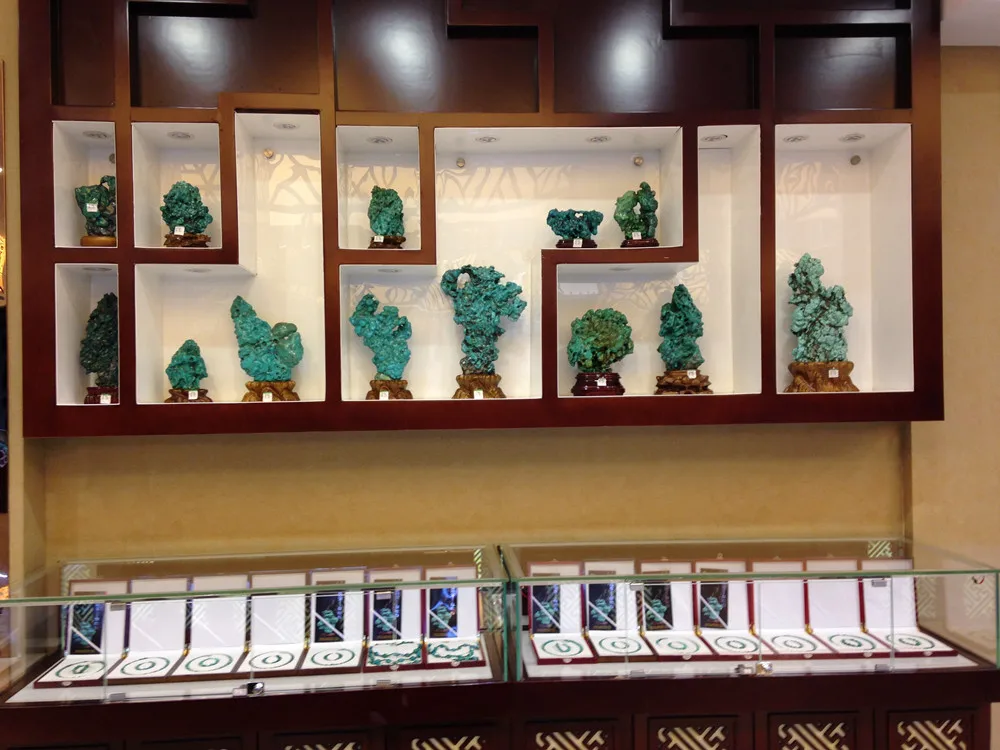
Guangzhou Lizhizhu Jewelry Co., Ltd.
- Manufacturer, Trading Company, Distributor/Wholesaler
- Guangdong, China
- Lead time10 days
- Avg. response≤ 8h
Main productsfashion jewelrys,jewelry findings,stone loose beads,glass beads,jewelry packages
Main marketsNorth America(20.00%), Western Europe(12.00%), Southeast Asia(12.00%), Mid East(10.00%), Eastern Europe(10.00%), South America(10.00%), Domestic Market(6.00%), Central America(6.00%), Eastern Asia(6.00%), Northern Europe(5.00%), Southern Europe(3.00%)

Guangzhou Panyu Longlong Jewelry Factory
- Verified by CTI
- Combined
- China Guangdong
- Lead time15 days
- Avg. response≤ 6h
Main productsPendants Necklaces Earrings Rings Bracelets
Main marketsAfrica,Southeast Asia/ Mideast,Domestic,Europe,North America


Wedding Anniversary 925 Sterling Silver Solitaire Ring Cubic Zircon Moissanite Engagement Rings
$4.50 - $4.90
MOQ: 30 Pieces

$5.25 - $5.55
MOQ: 30 Pieces

White Gold Minimalist Silver Ring 31pieces Round Cubic Zirconia Sterling Silver Ring for Men
$2.83 - $3.40
MOQ: 10 Pieces


GOODLINESS JEWELLERY CO., LIMITED
- Verified by SGS
- Manufacturer
- China Guangdong
- Lead time23 days
- Avg. response≤ 6h
Main products925 Silver Ring, Brass Jewelry, 925 Silver Earring, 925 Silver Necklace, 925 Silver Set, 925 Silver Bangle, Customer's Design, 925 Silver Bracelet, Silver Accessory, Brass Accessory
Main marketsSoutheast Asia/ Mideast,Europe,North America

- Verified by BV
- Trading Company,Manufacturer/Factory
- China Guangdong
- Lead time0 days
- Avg. response≤ 8h
Main productsSilver Jewelry, Brass Jewelry, Fashion Jewelry, Semi-Precious
Main marketsSouth America,Eastern Europe,Mid East,Southeast Asia,Eastern Asia,Oceania,Western Europe,Africa


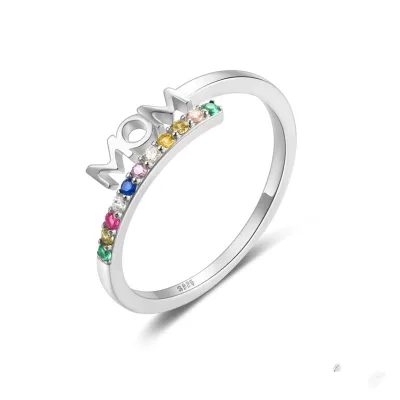
Elegant vintage gold ring colored zirconia ring for wearing with accessories
$14.38 - $19.68
MOQ: 1 Pieces


925 Sterling Silver Rings Engagement Jewelry Sets Crystal Cubic Zircon Ring
$12.10 - $14.10
MOQ: 15 Pieces
Guangzhou Liwan Di Fei Ya Jewellery Firm
- Verified by Intertek
- Manufacturer, Trading Company
- Lead time40 days
- Avg. response≤ 6h
Main productsSilver Ring, Silver Necklace, Silver Brooch, Silver Bracelet, Silver Earrings
Main marketsNorth America(25%), Mid East(15%), Eastern Europe(15%)

Qingdao Gemopia Jewelry Co., Ltd.
- Combined
- China Shandong
- Lead time30 days
- Avg. response≤ 3h
Main productsGold Jewelry, Silver Ring
Main marketsSouth America,Africa,Southeast Asia/ Mideast,East Asia(Japan/ South Korea),Domestic,Europe,Australia,North America

925 Sterling Silver Cubic Zirconia Religious Jewelry Light Ring for Women
$10.00 - $18.00
MOQ: 5 Pieces


Dongguan Dciya Jewelry Co., Ltd.
- Trading Company
- Guangdong, China
- Lead time15 days
- Avg. response≤ 4h
Main productsSilver Jewelry,Silver Necklace,Silver Earrings,Silver Rings,Silver bracelet
Main marketsNorth America(30.00%), Mid East(10.00%), South Asia(10.00%), Central America(10.00%), South America(10.00%), Southeast Asia(5.00%), Southern Europe(5.00%), Northern Europe(5.00%), Eastern Europe(5.00%), Western Europe(5.00%), Eastern Asia(5.00%)

Yiwu Phonbon Import & Export Co., Ltd.
- Trading Company
- Zhejiang, China
- Lead time15 days
- Avg. response≤ 7h
Main productsmedal,lapel pin,metal coins,cross,rosary
Main marketsWestern Europe(16.67%), Southeast Asia(16.67%), Southern Europe(15.00%), Eastern Europe(15.00%), South America(10.00%), Africa(5.00%), Northern Europe(5.00%), Central America(5.00%), North America(5.00%), Mid East(3.00%), Eastern Asia(2.00%), South Asia(1.00%), Oceania(0.66%)
Shenzhen Es Jewelry And Gift Co., Ltd.
- Verified by TüVRheinland
- Trading Company
- Lead time20 days
- Avg. response≤ 7h
Main productsRings, Bracelets, Necklace, Pendants, Earrings
Main marketsNorth America(30%), Eastern Europe(20%), Northern Europe(20%)
- Verified by SGS Group
- Trading Company
- Lead time25 days
- Avg. response≤ 4h
Main productsNecklace; Bracelet; Earring; Rings; Fashion Jewelry
Main marketsCentral America(35%), South America(12%), Domestic Market(12%)

Guangzhou Baobaili Jewelry Co., Ltd.
- Verified by SGS
- Combined
- China Guangdong
- Lead time15 days
- Avg. response≤ 9h
Main marketsDomestic,North America
- Trading Company
- Lead time旺季: "1 - 60":14,"> 60":"To be negotiated", 淡季: "1 - 60":14,"> 60":"To be negotiated"
- Avg. response≤ 5h
Main productsfashion jewelry,women necklace,women earrings,fashion rings jewelry,fashion bracelets jewelry
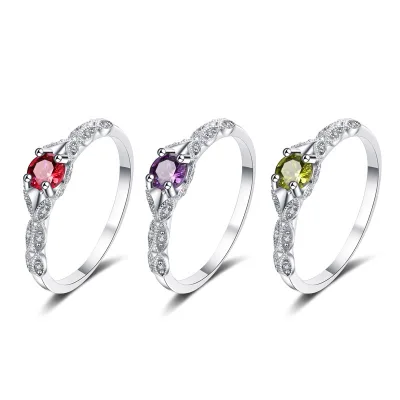
$7.6572 - $7.967
MOQ: 36 pieces
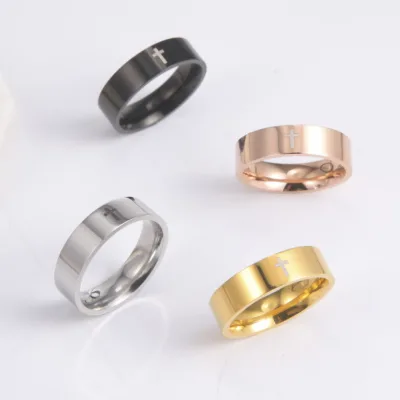
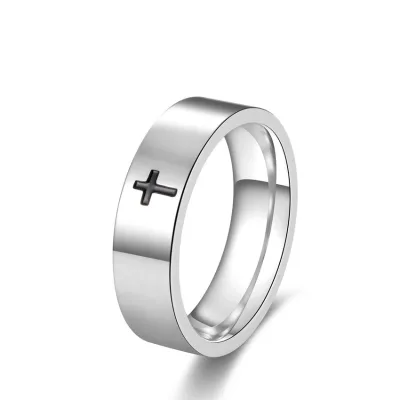
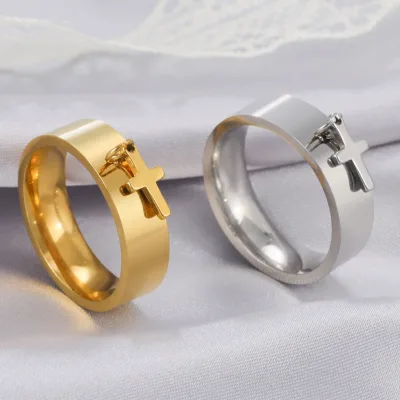
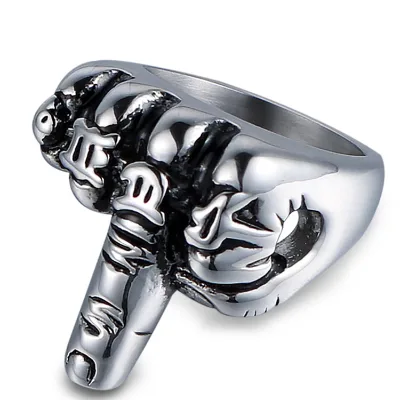
Wholesale Women Religious Jewelry Stainless Steel Christian Cross Dangle Charm Finger Band Ring
$1.20 - $1.50
MOQ: 2 pieces
Guangzhou Favorite Jewelry Co., Ltd.
- Trading Company
- Guangdong, China
- Lead time20 days
- Avg. response≤ 2h
Main productsNecklace,Anklet,Bracelet,Ring,Earring
Main marketsNorth America(55.00%), Oceania(10.00%), Western Europe(10.00%), South America(5.00%), Northern Europe(5.00%), Eastern Europe(3.00%), Domestic Market(2.00%), Eastern Asia(2.00%), Southern Europe(2.00%), Southeast Asia(2.00%), Central America(1.00%), South Asia(1.00%), Africa(1.00%), Mid East(1.00%)

Dongguan Garrywell Technology Co., Ltd.
- Manufacturer, Trading Company
- Guangdong, China
- Lead time0 days
- Avg. response≤ 7h
Main productsNecklace,Earrings,Bracelets,Rings,Jewelry
Main marketsWestern Europe(35.00%), North America(32.00%), Mid East(10.00%), South Asia(6.00%), Oceania(3.00%), South America(2.00%)
Yiwu Silverworks Jewelry Co., Ltd.
- Trading Company
- Zhejiang, China
- Lead time25 days
- Avg. response≤ 2h
Main productsStainless Steel Jewelry,Stainless steel chain,Custom service,925 Sterling Silver Charm,925 Sterling Silver Jewelry
Main marketsSouthern Europe(11.11%), Northern Europe(11.11%), Central America(11.11%), Western Europe(11.11%), Oceania(11.11%), Southeast Asia(11.11%), Eastern Europe(11.11%), South America(11.11%), North America(11.11%)

Yiwu Beidifu Jewelry Co., Ltd.
- Trading Company
- Zhejiang, China
- Lead time7 days
- Avg. response≤ 5h
Main productsNecklace; Bracelets; Ring; Earrings; Brooches
Main marketsNorth America(55.00%), Western Europe(15.00%), Eastern Europe(10.00%), South America(5.00%), Domestic Market(5.00%), Southeast Asia(5.00%), Mid East(3.00%), Africa(2.00%)

Guangzhou Huifu Jewelry Co., Ltd.
- Verified by BV
- Manufacturer/Factory
- China Guangdong
- Lead time90 days
- Avg. response≤ 3h
Main productsJewelry, Stainless Steel Jewelry, Stainless Steel Ring, Stainless Steel Pendant, Stainless Steel Earring, Fashion Jewelry, Ring, Necklace, Pendant, Bracelet
Main marketsEastern Europe,Mid East,North America,Western Europe,Africa
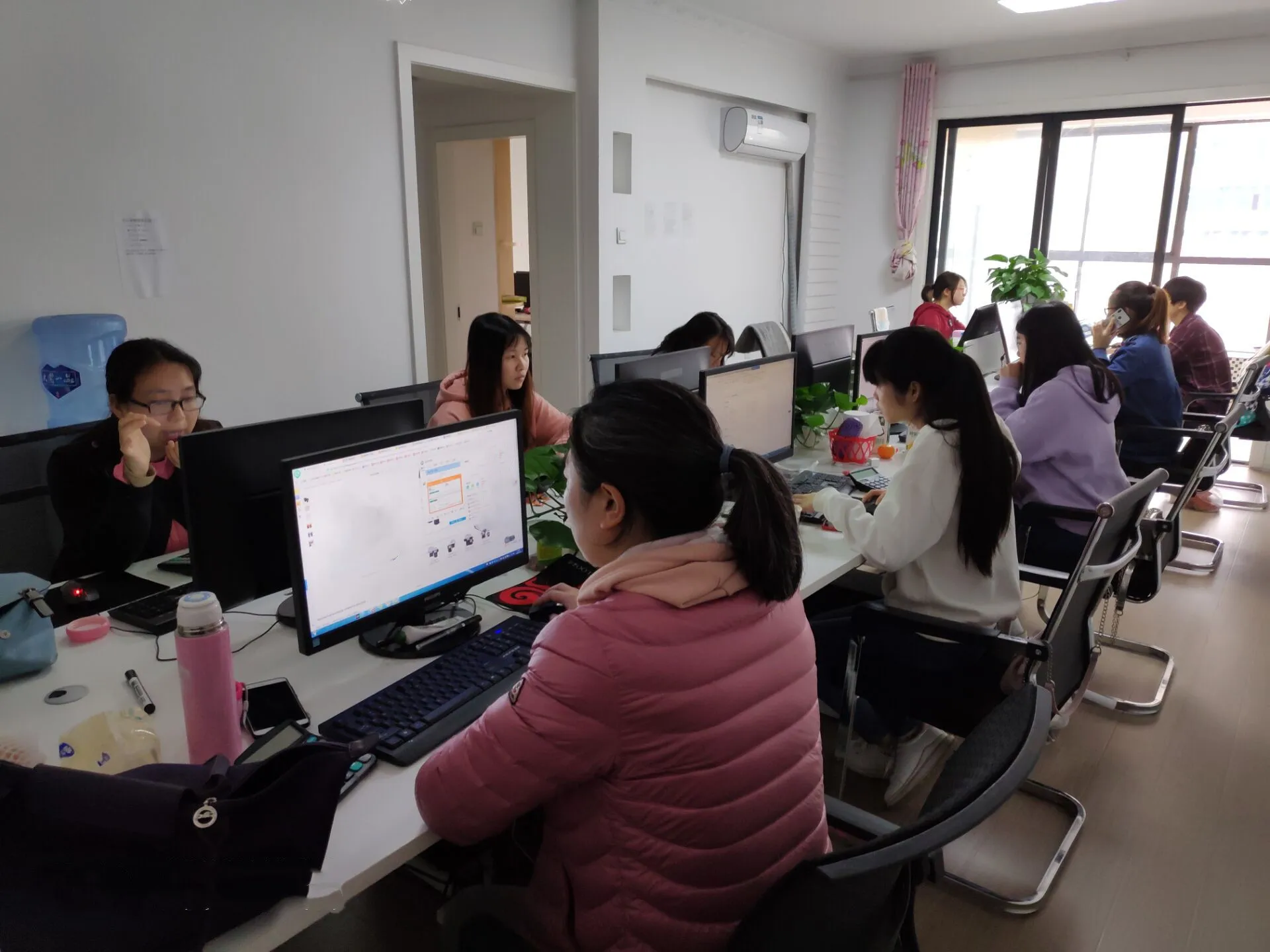
Yiwu Chenyan Jewelry Co., Ltd.
- Trading Company
- Zhejiang, China
- Lead time20 days
- Avg. response≤ 3h
Main products925 silver jewelry,Rings,charms & pendant,necklace,bracelet & bangle
Main marketsNorth America(50.00%), Eastern Europe(10.00%), Oceania(10.00%), Southern Europe(5.00%), Northern Europe(5.00%), Western Europe(5.00%), Mid East(5.00%), South America(5.00%), Africa(5.00%)

- Combined
- China Guangdong
- Lead time15 days
- Avg. response≤ 3h
Main productsOpal
Main marketsDomestic,Europe,North America


Elegant Lab Diamond Ring 925 Sterling Silver Wedding Jewelry Engagement Ring for Lady
$3.20 - $3.70
MOQ: 30 pcs
- Verified by Intertek
- Manufacturer, Trading Company
- Lead time15 days
- Avg. response≤ 2h
Main productsNecklaces, Rings, Earrings, Bracelets, Jewelry Accessories
Main marketsNorth America(41%), Western Europe(18%), Oceania(10%)
- Verified by TüVRheinland
- Manufacturer, Trading Company
- Lead time30 days
- Avg. response≤ 3h
Main productsBracelet, Earrings, Ring, Necklace, Brooches
Main marketsWestern Europe(43%), North America(14%), Mid East(10%)
Guangzhou Bei Yan Jewelry Limited
- Verified by Intertek
- Manufacturer, Trading Company
- Lead time5 days
- Avg. response≤ 3h
Main productsStainless Steel Necklaces, Stainless Steel Bracelet, Stainless Steel Set, Stainless Steel Pendant, Stainless Steel Earing
Main marketsNorth America(30%), Domestic Market(25%), Southeast Asia(10%)

Dongguan Allen House Of Jewelry & Findings Co., Ltd.
- Trading Company
- Guangdong, China
- Lead time7 days
- Avg. response≤ 4h
Main productsJewelry Findings,earrings,Pendant & charms,Bracelet bangles,Necklace
Main marketsNorth America(40.00%), Southern Europe(10.00%), Northern Europe(10.00%), Eastern Europe(10.00%), Western Europe(10.00%), Oceania(5.00%), Africa(5.00%), South America(5.00%), Mid East(5.00%)
Foshan Qinhan Jewelry Co., Ltd.
- Manufacturer, Trading Company
- GUANGDONG, China
- Lead time0 days
- Avg. response≤ 2h
Main productsNecklace, Bracelet, Ring, Earring, Pendant
Main marketsNorth America(40.00%), South America(10.00%), Western Europe(10.00%), Northern Europe(10.00%), Eastern Asia(5.00%), Oceania(5.00%), Southern Europe(5.00%), Eastern Europe(5.00%), Mid East(5.00%), Southeast Asia(5.00%), South Asia(0.00%), Central America(0.00%), Africa(0.00%), Domestic Market(0.00%)
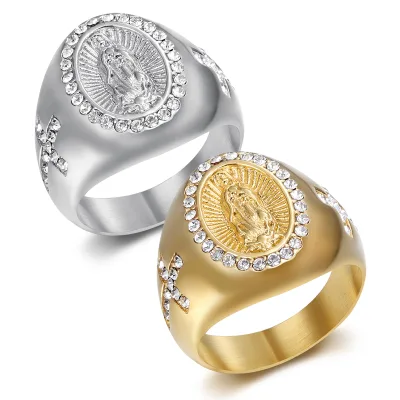
$2.3982 - $2.7889
MOQ: 6 pieces
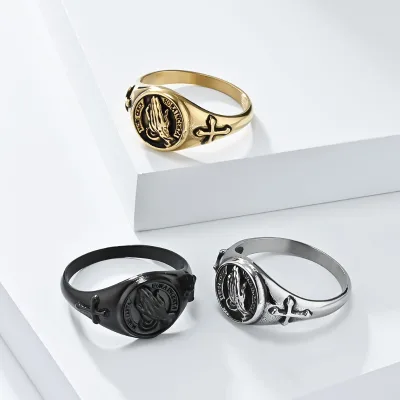
$2.7036 - $3.1542
MOQ: 6 pieces
Guangzhou Hanhan Jewelry Co., Ltd.
- Manufacturer, Trading Company
- Guangdong, China
- Lead time10 days
- Avg. response≤ 10h
Main productsJewelry,Necklace,Earrings,Bracelet,Pendant
Main marketsNorth America(50.00%), Western Europe(10.00%), Mid East(10.00%), Africa(10.00%), Southeast Asia(10.00%), South America(10.00%)










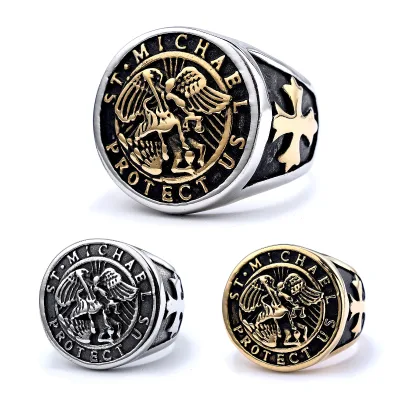
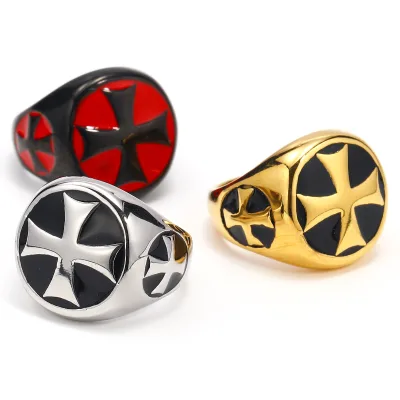
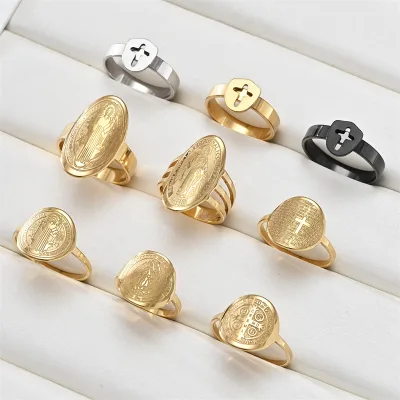
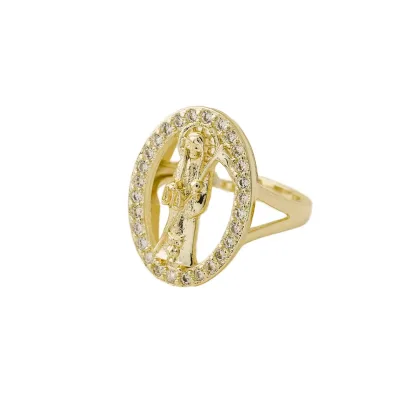
Comprehensive Sourcing Guide
Lab Created Zircon Christian Ring Supplier Concentration and Factory Types
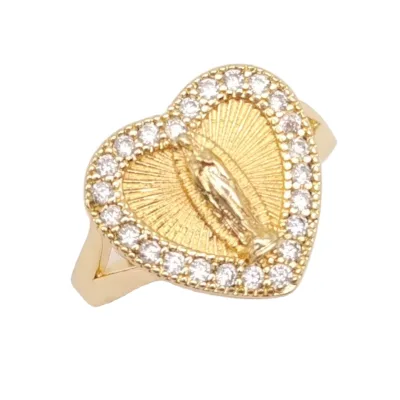
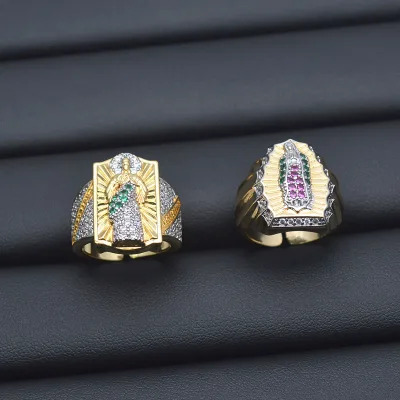
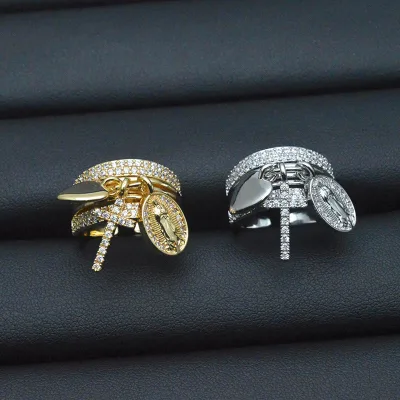
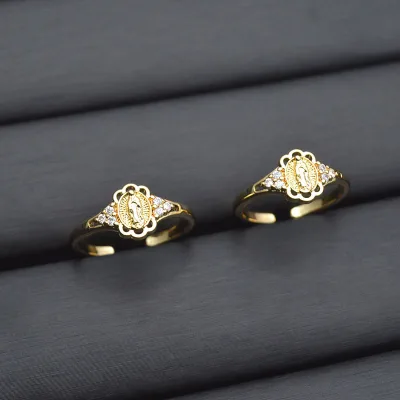
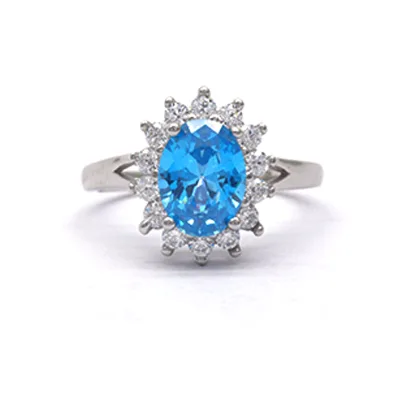
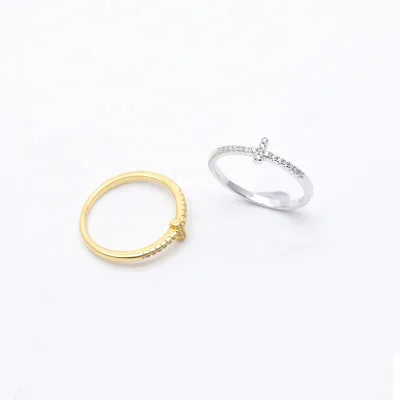
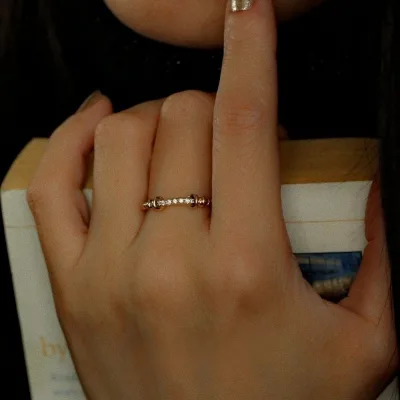
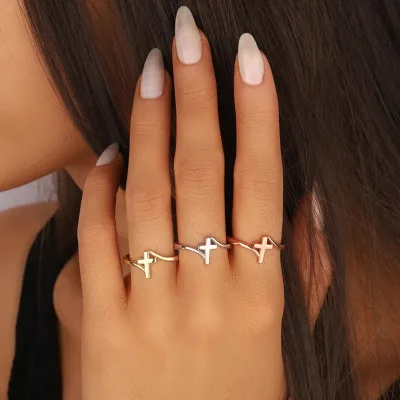
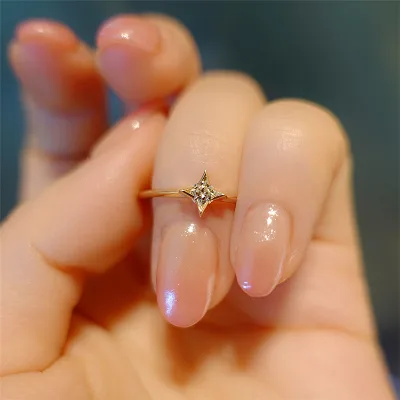
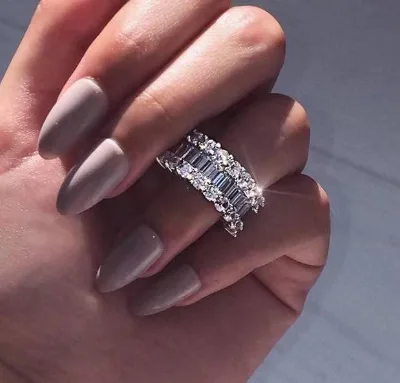
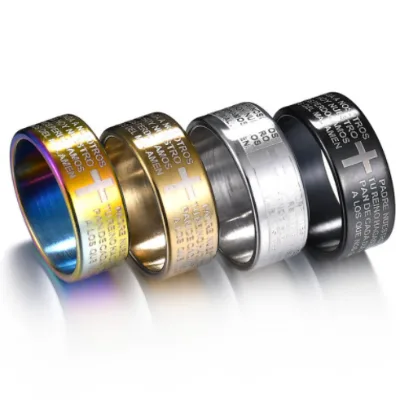
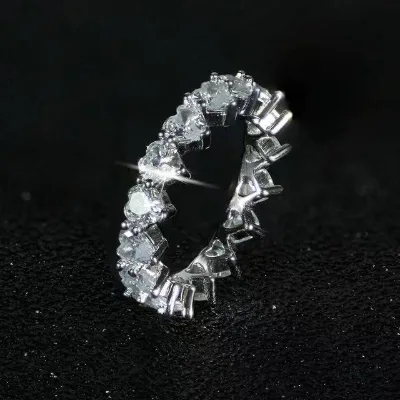
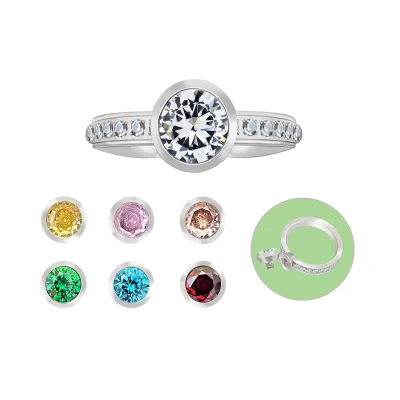
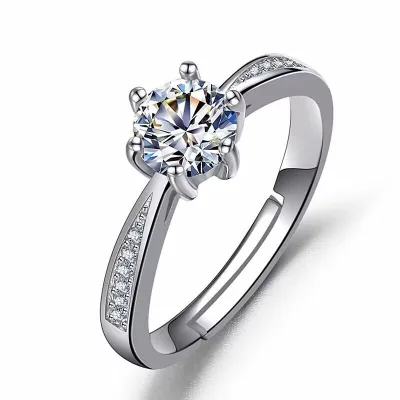
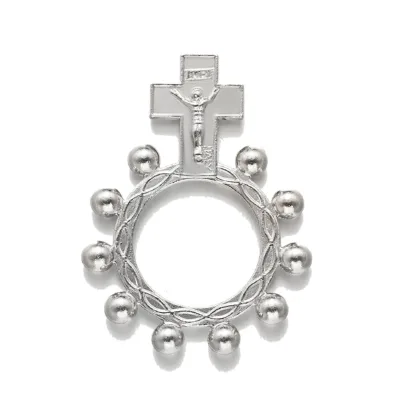
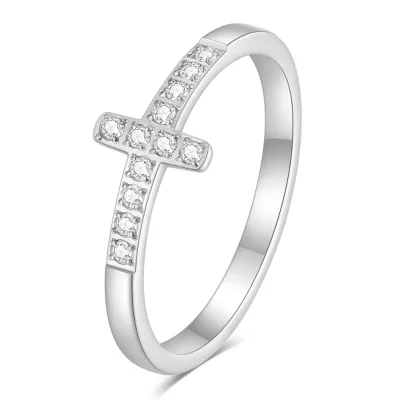
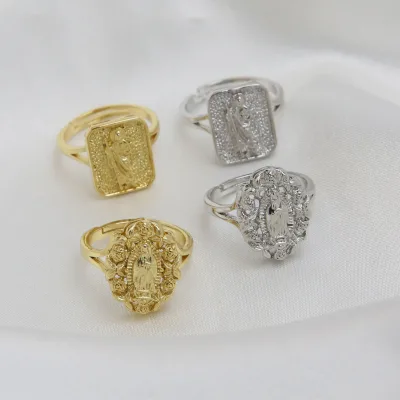
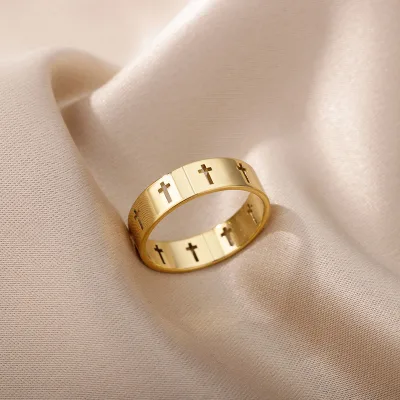
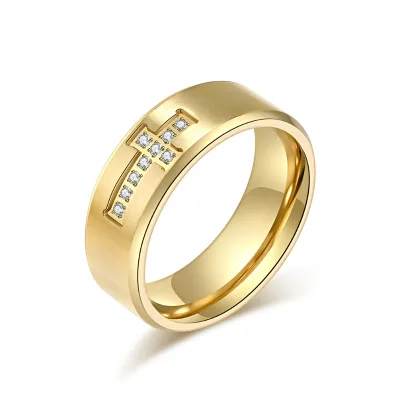
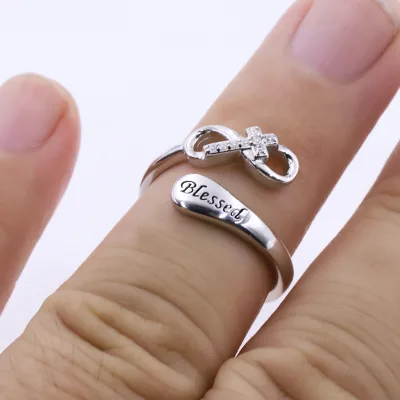
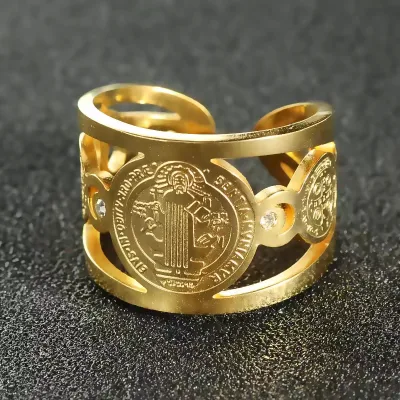
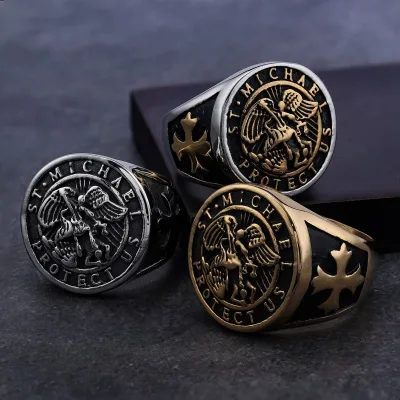
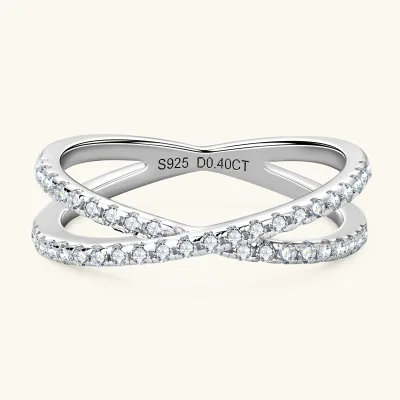
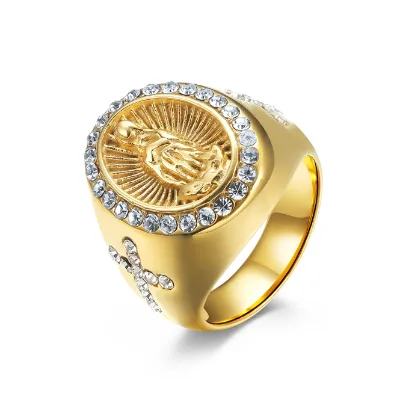
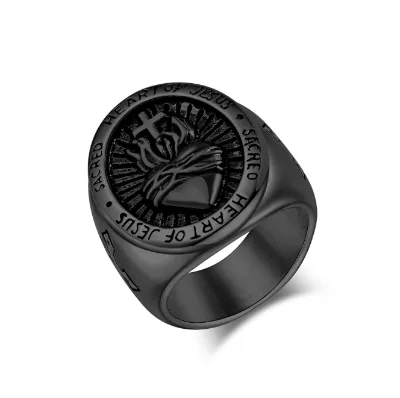
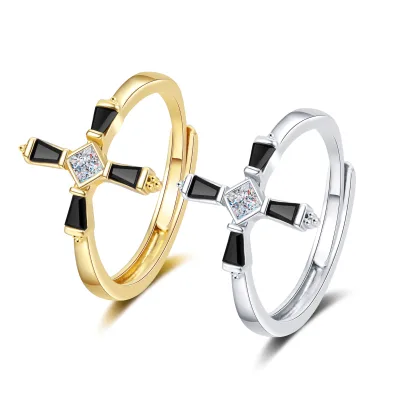
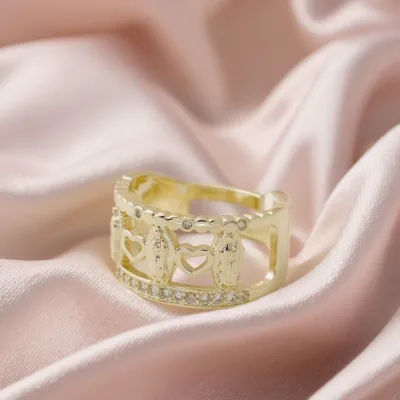
Current data indicates a concentration of suppliers in Guangdong, China, specifically within the jewelry manufacturing cluster. These entities often list main products including bracelets, pendants, rings, necklaces, and earrings, suggesting a diversified production capability rather than a single-product factory. The observed company types are predominantly trading companies, which implies they may source finished goods from various workshops rather than operating a single in-house manufacturing line for every item. This structure allows for a broader catalog of religious jewelry, such as rings featuring zircon stones and gold plating, but requires buyers to verify the actual production origin of specific items.
In contrast, some results show suppliers located in Fujian, China, offering a different regional profile for sourcing. These suppliers often specialize in specific product lines like fashion jewelry or promotional gifts, which may include the requested Christian rings. The distinction between trading companies and direct manufacturers is critical when evaluating the supply chain depth. A trading company might offer faster response times, such as the four-hour window observed in some profiles, while a factory might provide more control over material specifications like 14k gold plating or sterling silver content. Buyers must determine if the supplier's primary focus aligns with high-volume religious jewelry production or if they are a generalist trading firm aggregating goods from multiple sources.
How to Verify Lab Created Zircon Christian Ring Suppliers
Verification begins with checking for recognized third-party certifications, as some suppliers display verification badges from entities like TÜV Rheinland. This credential serves as a tangible indicator of quality management systems or factory audits, providing a baseline of trust that is absent in unverified profiles. When a supplier claims to be a verified entity, buyers should request the specific audit report to confirm the scope of the certification covers the manufacturing of religious jewelry and the handling of materials like zircon and gold plating. Without such evidence, the claim of quality assurance remains unproven and should be treated as a standard marketing statement rather than a verified fact.
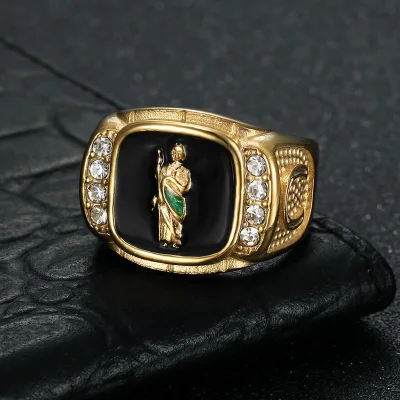
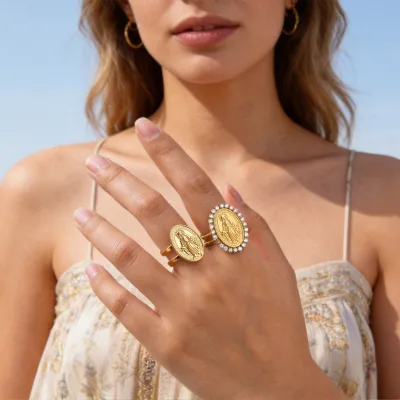
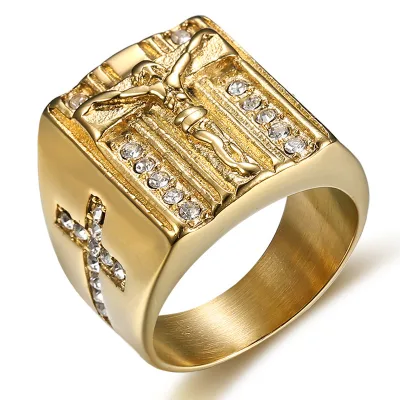
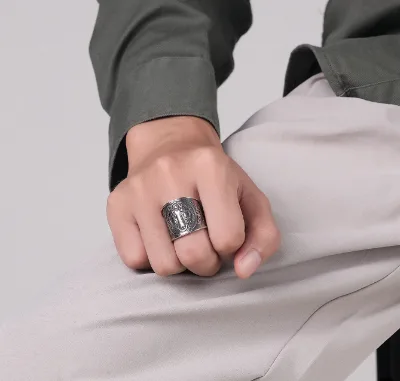
Beyond certifications, buyers must scrutinize product attributes and customization capabilities listed in the supplier catalog. Evidence shows that some suppliers offer customized logos, OEM services, and specific material options like 925 sterling silver or stainless steel with electroplating. These details indicate a level of operational maturity capable of handling bespoke orders for Christian rings. However, the presence of customization options does not guarantee the quality of the lab-created zircon or the durability of the plating. Buyers should request physical samples to verify the color accuracy, such as gold or silver tones, and the ring size availability, which often ranges from size 7 to 9 in observed listings.
What to Compare Across Lab Created Zircon Christian Ring Suppliers
When evaluating potential partners, response time is a critical metric for assessing operational efficiency. Data shows significant variance, with some suppliers responding within 0.13 hours while others take up to four hours. A faster response time often correlates with a dedicated sales team and better communication channels, which is essential for resolving issues regarding ring designs or religious symbolism. Buyers should prioritize suppliers who demonstrate quick engagement, as this suggests a higher capacity to handle urgent orders or last-minute changes to the product specifications for Christian-themed jewelry.
Lead times and minimum order quantities (MOQ) are equally vital for planning production schedules. Observed lead times vary, with some suppliers indicating a thirty-day window while others show zero days, likely reflecting stock availability versus custom production. MOQs also differ substantially, ranging from 100 pieces for fashion rings to 1000 or even 5000 pieces for specific silver wedding rings. Buyers must align these constraints with their inventory needs; a low MOQ allows for testing the market with diverse designs, while a high MOQ may be necessary to secure lower unit prices. Comparing these logistical parameters helps identify suppliers that can meet both volume requirements and delivery deadlines without compromising the supply chain.
Common Lab Created Zircon Christian Ring Sourcing Risks
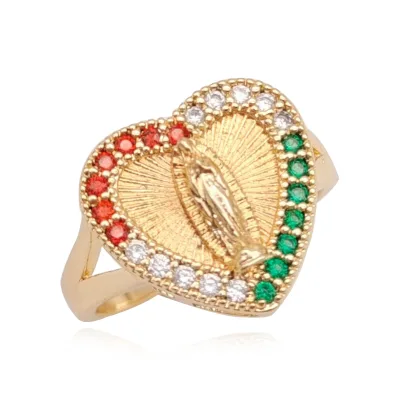
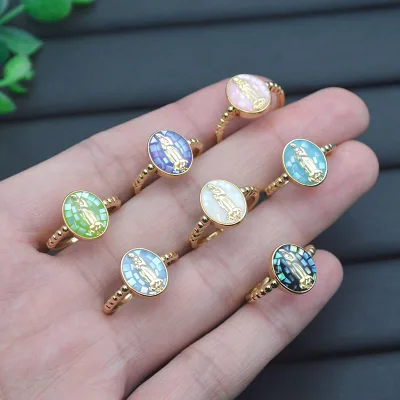
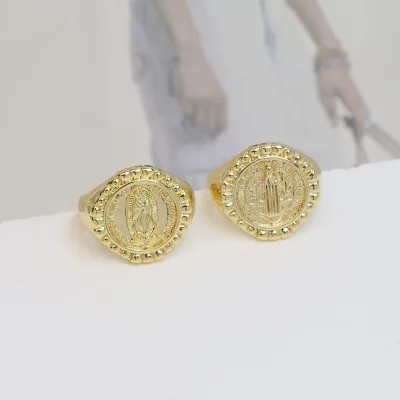
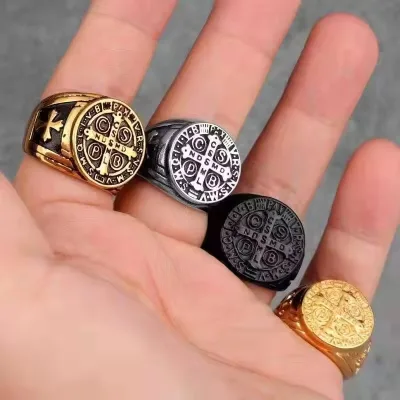
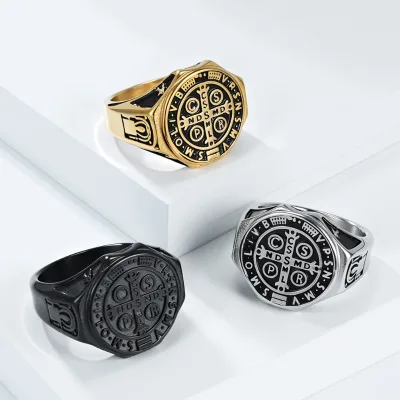
One significant risk involves the discrepancy between product descriptions and actual material quality. Listings often mention "14k gold laminated" or "gold plated" finishes, but the thickness and durability of these platings can vary widely between suppliers. Without a standardized test result or certification for plating thickness, buyers risk receiving rings that tarnish quickly or lose their religious aesthetic appeal. The variation in product attributes, such as color options ranging from gold to white or colorful crystals, further complicates quality control, as the visual representation in the catalog may not match the physical sample received.
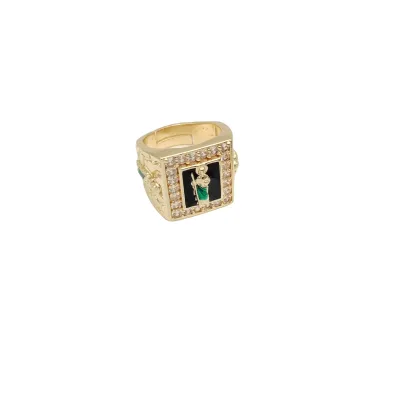
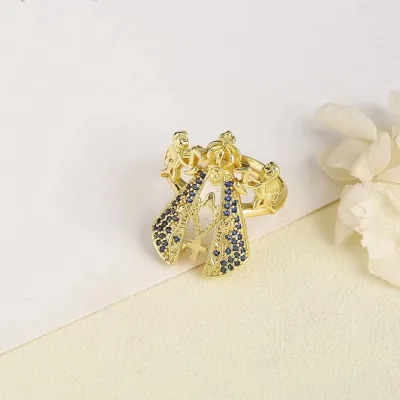
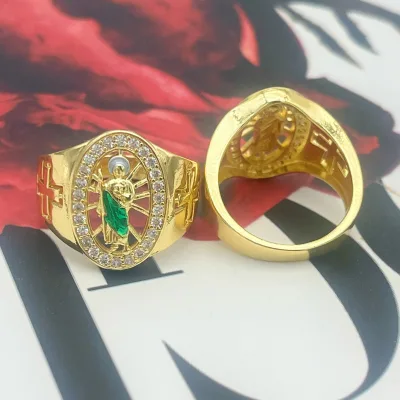
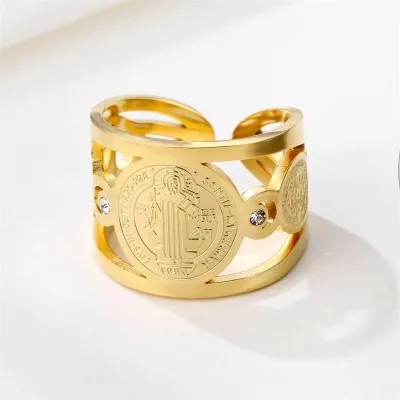
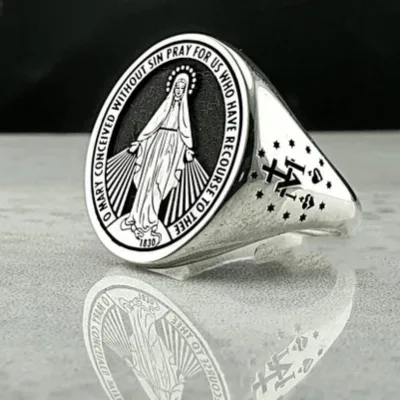
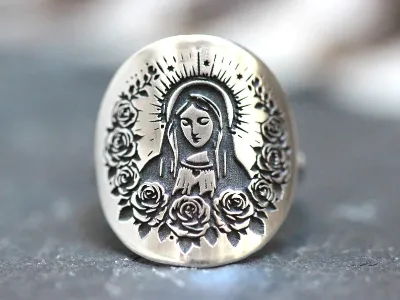
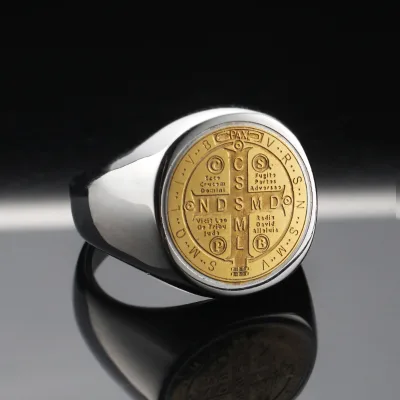
Another risk stems from the reliance on trading companies that may not have direct control over the manufacturing process. If a supplier is a trading company, the actual factory producing the zircon rings might be a different entity, introducing potential communication gaps and quality inconsistencies. This is particularly relevant for religious jewelry where specific iconography, such as the Virgin Mary or Saint Jude, must be rendered accurately. If the trading company does not enforce strict quality checks on the factory floor, the final product may fail to meet the buyer's expectations regarding craftsmanship or religious accuracy. Buyers should explicitly ask for factory details to mitigate this supply chain opacity.
Lab Created Zircon Christian Ring Regional Sourcing and Logistics
Geographic location plays a pivotal role in determining shipping costs and delivery speed. The concentration of suppliers in Guangdong and Fujian, China, suggests that most shipments will originate from these coastal manufacturing hubs. Guangdong is a major jewelry center, often offering established logistics networks that can expedite international shipping. However, buyers should verify the specific port of origin for each supplier, as this impacts transit times and customs clearance procedures. Understanding the regional logistics capabilities helps in estimating the total landed cost, which includes freight, insurance, and potential tariffs for importing religious jewelry into the destination market.
Logistics planning must also account for the packaging and handling requirements of delicate jewelry items. Product evidence indicates that some suppliers use customized packing, while others utilize standard PP bags or specific batch packaging sizes like 13x8x9 cm. For fragile items like zircon rings, the choice of packaging is critical to prevent damage during transit. Buyers should confirm that the supplier uses protective packaging suitable for international shipping, especially if the order involves multiple units with varying ring sizes. Ensuring that the packaging meets safety standards reduces the risk of loss or damage, which is a common concern when sourcing small, high-value items from distant manufacturing regions.
Lab Created Zircon Christian Ring Commercial Terms and Order Planning
Commercial terms, particularly pricing and payment structures, require careful analysis to ensure cost-effectiveness. Price ranges observed in the data vary from approximately $0.85 to $7.50 per unit, depending on the material and design complexity. Lower-priced items often involve stainless steel or basic plating, while higher-priced options may feature 925 sterling silver or more intricate zircon settings. Buyers must calculate the total cost of ownership, including the impact of MOQs on unit pricing, to determine the most economical sourcing strategy. Understanding the price floor and ceiling helps in negotiating better terms and avoiding suppliers who may inflate prices without offering corresponding quality improvements.
Order planning should also consider the establishment year and stability of the supplier, although this specific data point is not always explicitly provided in the current results. A supplier with a longer track record is generally more reliable for fulfilling large orders consistently. Buyers should inquire about the supplier's history and capacity to handle peak demand periods, especially for religious holidays when demand for Christian rings may surge. Additionally, verifying the availability of escrow services or secure payment methods is essential to protect financial interests. By aligning commercial terms with realistic production timelines and quality expectations, buyers can build a sustainable sourcing relationship for their lab-created zircon Christian ring inventory.
FAQs
What is the price range for zircon rings?
Prices for zircon rings vary significantly based on material and design. Basic stainless steel options start around $0.85 per unit, while 925 sterling silver pieces range from $2.01 to $4.02. Premium 14k gold-plated brass rings are available at approximately $7.50 per unit, depending on customization and order volume.
What materials are used for these rings?
Manufacturers offer rings in various materials including stainless steel, 925 sterling silver, and brass with 14k gold plating. Some pieces feature 14k gold-filled settings. Buyers can select from silver, gold, rose gold, or colorful finishes, with options for round, oval, or baroque shapes to suit different aesthetic preferences.
What are the minimum order quantities?
Minimum order quantities depend on the specific product and customization level. Standard fashion rings often require a minimum of 100 units, while more complex sterling silver designs may require 1,000 units. High-volume wedding bands can have minimums of 500 or up to 10,000 units, so buyers should verify requirements per item.
Where are these suppliers located?
Suppliers offering these rings are primarily located in Guangdong and Fujian, China. These regions are known for their jewelry manufacturing capabilities. Buyers can expect products originating from these specific Chinese provinces, which are central hubs for fashion jewelry production and export within the global supply chain.
How fast do suppliers respond?
Response times vary among suppliers, ranging from 0.13 hours to 4 hours. Some verified suppliers provide rapid responses within minutes, while others may take up to four hours. Buyers seeking quick communication should prioritize suppliers with lower response times to ensure efficient negotiation and order processing.
Is customization available for these rings?
Yes, customization is widely available for most ring styles. Suppliers offer customized logos, packaging, and specific product models. Buyers can request OEM services and tailored designs, including specific shapes, colors, and plating options. This flexibility allows for branded jewelry lines that meet specific market demands and aesthetic requirements.
What is the typical lead time?
Lead times for production vary, with some suppliers indicating a standard lead time of 30 days. However, certain suppliers may list zero days for specific ready-stock items or express services. Buyers should confirm exact lead times with suppliers to align production schedules with their inventory needs and market launch dates.