Construction Vehicle Wiper Motor Suppliers and Manufacturers
Compare 25 verified suppliers offering construction vehicle wiper motors with varying lead times, certifications, and response speeds. Review specifications like voltage and power ratings to select the right option for your needs; review the available evidence before requesting comparable quotations from suitable candidates.
Suppliers List

Jiangsu Excellens Auto Electric Appliance Co.,Ltd
- Verified by BV
- Trading Company,Manufacturer/Factory
- China Jiangsu
- Lead time45 days
- Avg. response≤ 4h
Main productsAlternator, Starter, Electric Steering Pump, Wiper Motor, Car Window Lifter
Main marketsSouth America,Eastern Europe,Mid East,North America,Southeast Asia,Eastern Asia,Oceania,Western Europe,Africa

Lianzhong Automotive Technology (Shandong) Co., Ltd.
- Verified by SGS
- Trading Company
- China Shandong
- Lead time15 days
- Avg. response≤ 7h
Main productsDump Truck, Tractor Truck, Special Truck, Semi-Trailer, Construction Machinery
Main marketsSouth America,Africa

Hangzhou Lectstyle Trade Co., Ltd.
- Verified by CTI
- Trading Company,Manufacturer/Factory
- China Zhejiang
- Lead time45 days
- Avg. response≤ 2h
Main productsDC Motor, Wheelchair Motor, Electric Transaxle, Wind Turbine, Windshield Wiper Motor, Agricultural Roller Chain, Conveyor Chain, Planetary Gearbox, Commutator, Seal Component
Main marketsSouth America,Eastern Europe,North America,Southeast Asia,Eastern Asia,Western Europe

Ningbo Sinomore Motor Co., Ltd.
- Verified by SGS
- Trading Company
- China Zhejiang
- Lead time30 days
- Avg. response≤ 9h
Main productsCommutator Magnet Motor Motor Winding Machine
Main marketsSouth America,Southeast Asia/ Mideast,East Asia(Japan/ South Korea),Europe
Hebei Leadstar Auto Parts Co., Ltd.
- Verified by CTI
- Combined
- China Hebei
- Lead time30 days
- Avg. response≤ 1h
Main productsAir Filter, Oil Filter, Fuel Filter, Truck Filter, Truck Parts, Lubricating Oil, Spare Parts of Truck, Automotive Engine Accessories, Spare Parts of Engineering Vehicle, Engineering Vehicle Engine Accessories
Main marketsOthers(foreignTradeCapacity.exportBusinessCapacityMarketOther),Europe

Chengdu Wanguo Youpei Import and Export Trade Co., Ltd
- Verified by SGS
- Trading Company
- China Sichuan
- Lead time15 days
- Avg. response≤ 15h
Main productsStarter, Brake Pad, Alternator, Brake Disc, Filter
Main marketsSouth America,Eastern Europe,Mid East,North America,Southeast Asia,Eastern Asia,Western Europe,Africa

Ningbo Zhongda Leader Intelligent Transmission Co., Ltd.
- Verified by BV
- Combined
- China Zhejiang
- Lead time23 days
- Avg. response≤ 14h
Main productsGear Motor, AC Motor, DC Motor, Planetary Gear Motor, Planetary Gearbox, Gearbox, Motor, Brushless Motor, Small AC Gear Motor, Transmission Planetary Gear Motor
Main marketsSouth America,Australia,North America

Yongji (Ningbo) Auto Parts Co., Ltd.
- Verified by TUVRHEINLAND
- Combined
- China Zhejiang
- Lead time15 days
- Avg. response≤ 3h
Main productsWiper Blade, Soft Wiper, Traditional Wiper Blade, Universal Wiper, Windshield Wiper, Car Accessories, Auto Parts, Auto Accessories, Car Wiper, Window Wiper Blade
Main marketsDomestic

Jinan Taixi International Trading Co., Ltd.
- Verified by TUVRHEINLAND
- Trading Company
- China Shandong
- Lead time30 days
- Avg. response≤ 2h
Main productsTruck Part, Excavator Parts, Engine Parts, Hydraulic Cylinder, Hydraulic Pump, Turbo Charger, Solenoid Valve, Crankshaft, Oil Filter, Fuel Injection Pump
Main marketsSouth America,Eastern Europe,Mid East,North America,Southeast Asia,Eastern Asia,Oceania,Western Europe,Africa

Ruian Sanrun Autoparts Co., Ltd.
- Verified by BV
- Trading Company
- China Zhejiang
- Lead time30 days
- Avg. response≤ 2h
Main productsOil Filter, Auto Filter, Fuel Filter, Air Filter, Sensor, Hydraulic Filter, Tank Cap, Soleniod Valve, Cabin Filter, Water Filter
Main marketsSoutheast Asia/ Mideast,Domestic,Europe,North America
Quanzhou Deyuan Engineering Machinery Co., Ltd.
- Trading Company
- Fujian, China
- Lead time15 days
- Avg. response≤ 7h
Main productsHino Truck Auto Parts/Isuzu Truck Auto Parts/Benz Truck Auto Parts/Sany Truck Auto Parts/Nissan Truck Auto Parts,Isuzu Truck spare parts,brake chamber,tie rod end,body parts
Main marketsDomestic Market(50.0%), Southeast Asia(30.0%), Africa(15.0%), Eastern Europe(5.0%)
Guangzhou Hangji Trading Co., Ltd.
- Trading Company, Distributor/Wholesaler, Business Service (Transportation, finance, travel, Ads, etc)
- Lead time旺季: "1 - 2":15,"3 - 10":20,"> 10":"To be negotiated", 淡季: "1 - 2":15,"3 - 10":20,"> 10":"To be negotiated"
- Avg. response≤ 4h
Main productstruck spare parts,truck parts,Chinese truck spares,truck accessories,International Truck Parts

Shandong Lianwo Heavy Truck Components Co., Ltd.
- Trading Company
- China Shandong
- Lead time15 days
- Avg. response≤ 3h
Main productsTruck Part, Truck Spare Part, Sinotruk HOWO, Gear Box, Mining Truck, Axle Part
Main marketsAfrica,Southeast Asia/ Mideast,Europe


Wiper Motor Wg1642741008 Heavy Truck Spare Parts
Contact supplier
Wuyuan Joy Automobile Electric Appliances Co., Ltd.
- Verified by SGS Group
- Manufacturer, Trading Company
- Lead time30 days
- Avg. response≤ 2h
Main productsAutomotive and motorcycle parts, Automotive seat motor, Wiper motor and wiper assembly, Windshield Wipers, Fasteners and automotive parts
Main marketsDomestic Market(80%), North America(8%), Western Europe(7%)

Jinan Zhixing Tianxia Automotive Parts Co., Ltd.
- Verified by CTI
- Trading Company
- China Shandong
- Lead time23 days
- Avg. response≤ 5h
Main productsTruck Parts, Weichai Engine, Sinotruk Parts, Shacman Parts, Fast Gearbox, Hande Axle, Mining Truck Parts
Main marketsSouth America,Africa,Southeast Asia/ Mideast,Domestic,Europe

- Verified by CTI
- Trading Company
- China Shanghai
- Lead time15 days
- Avg. response≤ 6h
Main productsDump Truck, Tractor Truck, Concrete Mixer Truck, Mining Truck, Water Tanker Truck, Oil Tank Truck, Sweeper Truck, Compression Garbage Truck, High Pressure Cleaning Vehicles, Snow Removal Vehicles
Main marketsSouth America,Africa,Southeast Asia/ Mideast,East Asia(Japan/ South Korea),Domestic,Europe
Heilongjiang Langci Technology Development Co., Ltd.
- Verified by SGS Group
- Trading Company
- Heilongjiang, China
- Lead time15 days
- Avg. response≤ 1h
Main productsPiston, Piston Ring, Clutch Plate, Crankshaft, Starter
Main marketsEastern Europe(81%), Mid East(19%)
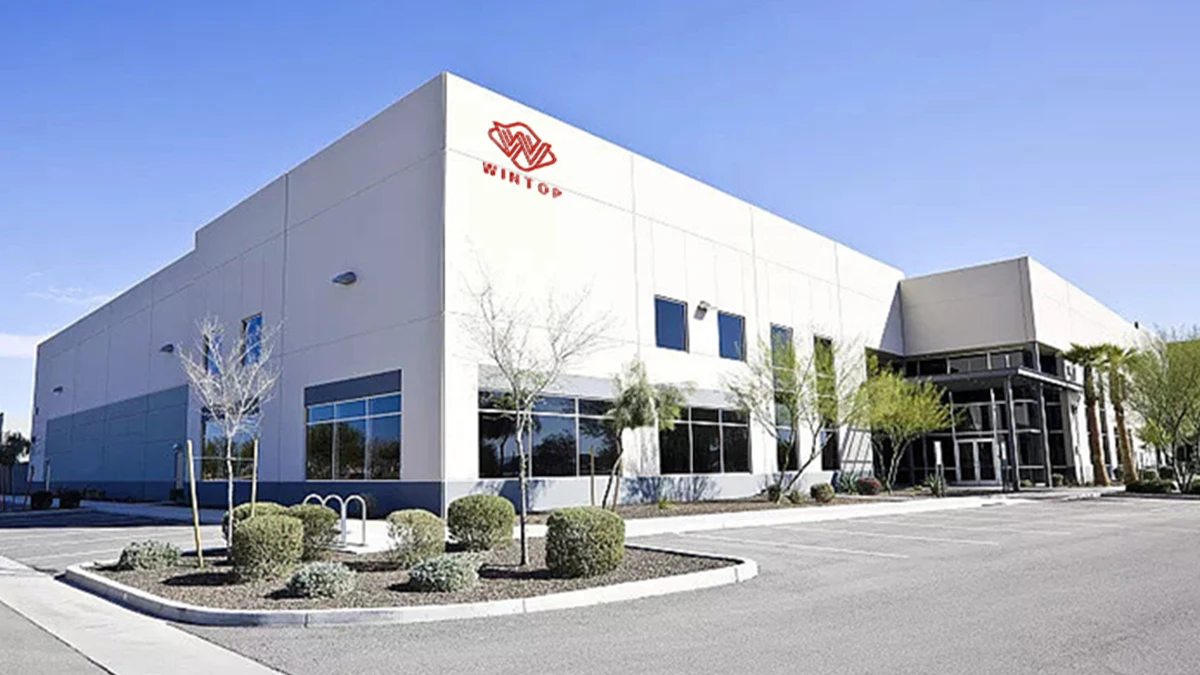
Ruian Wintop International Trade Co., Ltd.
- Trading Company
- Zhejiang, China
- Lead time30 days
- Avg. response≤ 3h
Main productsTruck Body Parts, Sensor, Filters, Suspension Parts, Engine Parts
Main marketsMid East(30.0%), South America(20.0%), Africa(20.0%), North America(10.0%), Eastern Europe(10.0%), Southeast Asia(10.0%)

Ningbo City Beilun Blue Sea Port Machinery Co., Ltd.
- Verified by SGS
- Trading Company
- China Zhejiang
- Lead time30 days
- Avg. response≤ 7h
Main productsMachinery Part
Main marketsSoutheast Asia/ Mideast
Guangzhou Tianhe District Zhu Ji Ka Fu Engineering Machinery Parts Department
- Buying Office
- Guangdong, China
- Lead time0 days
- Avg. response≤ 4h
Main productsSENSOR,SOLENOID VALVE,THROTTLE MOTOR,MONITOR,CONTROLLER
Main marketsSoutheast Asia(30.0%)
Xingtai Zeno Import & Export Co., Ltd.
- Trading Company
- Hebei, China
- Lead time25 days
- Avg. response≤ 7h
Main productsTruck Headlight,Truck Bumper,Truck Grille,American truck Parts,Turbo Charger
Main marketsNorth America(80.0%), South America(10.0%), Central America(8.0%), Africa(2.0%)
Guangzhou Chaohuite Machinery Engineering Co., Ltd.
- Manufacturer, Trading Company, Distributor/Wholesaler
- Guangdong, China
- Lead time5 days
- Avg. response≤ 1h
Main productswater oil pump,oil cooler,fuel injection pump,throttle motor,soleniod valve
Main marketsDomestic Market(25.5%), Southeast Asia(12.0%), Mid East(10.0%), North America(9.0%), Eastern Europe(6.0%), South Asia(6.0%), Oceania(4.5%), Southern Europe(4.0%), Africa(3.5000000000000004%), Western Europe(3.5000000000000004%), South America(3.0%), Northern Europe(2.5%), Eastern Asia(2.5%), Central America(2.0%)
Forydar Precision Tools (qingdao) Co., Ltd.
- Verified by SGS Group
- Trading Company
- Lead time35 days
Main productsTurning Tool, Milling Cutter, Boring Tools, Carbide Drill Bits for Machine Tool
Main marketsWestern Europe(25%), North America(20%), Northern Europe(10%)

Hangzhou Yes New Energy Tech Co., Ltd.
- Verified by SGS
- Combined
- China Zhejiang
- Lead time30 days
- Avg. response≤ 4h
Main productsConstruction Machine Parts, Agricultural Machine Parts, Diesel Engine Parts, Aerial Work Platform Parts, Generator Parts, ATV UTV Parts
Main marketsSoutheast Asia/ Mideast,Europe,North America

Guangzhou 329 Engineering Machinery Parts Company
- Trading Company,Manufacturer/Factory
- China Guangdong
- Lead time38 days
- Avg. response≤ 1h
Main productsExcavator, Track, Engine, Hydraulic Pump, Hydraulic Motor, Radiator, Filter, Motor, Sensor, Seal
Main marketsSouth America,Mid East,North America,Southeast Asia,Eastern Asia,Oceania,Western Europe,Africa


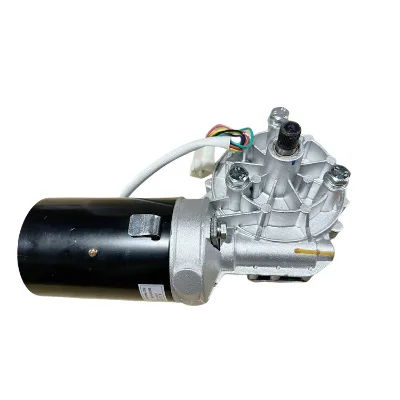
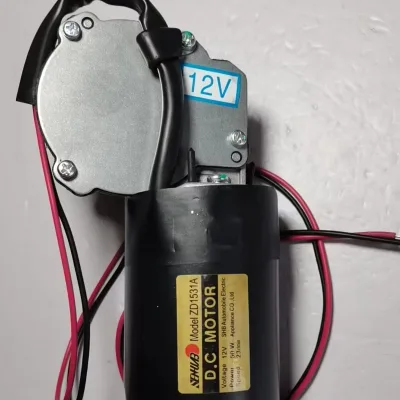
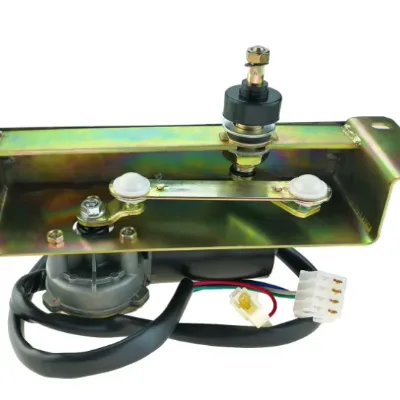
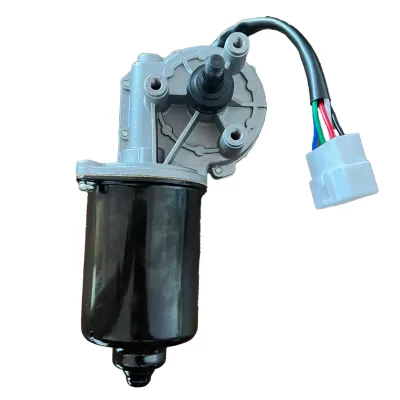
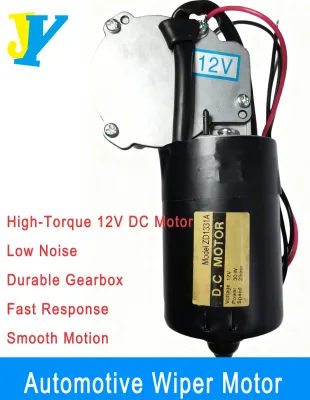
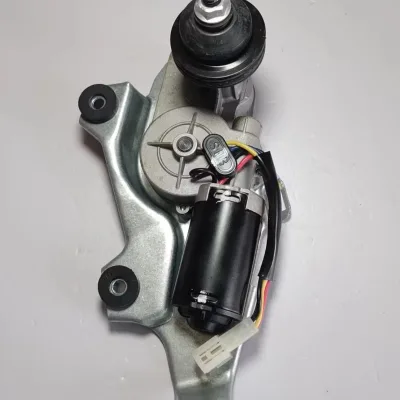


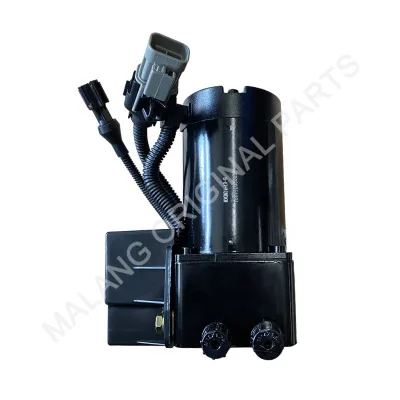
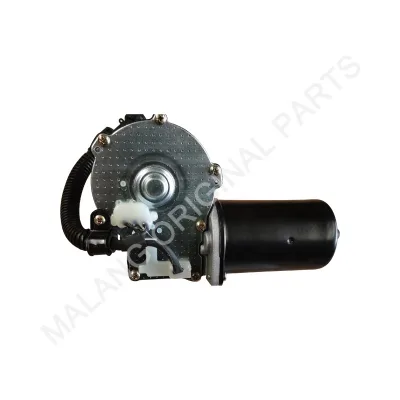
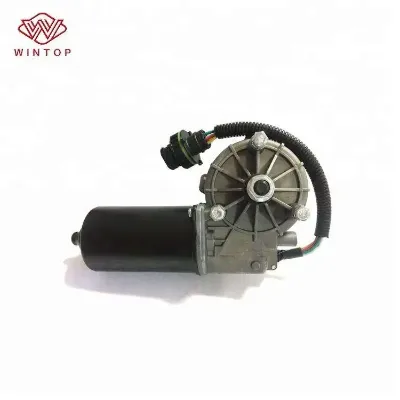
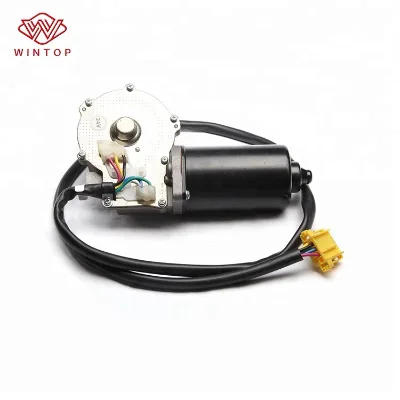
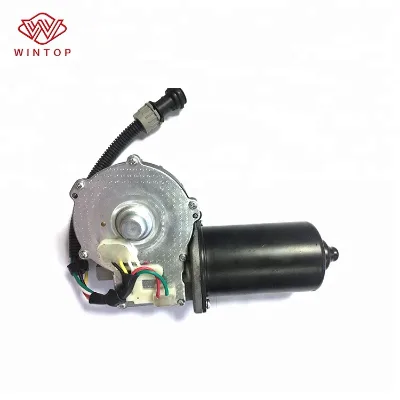


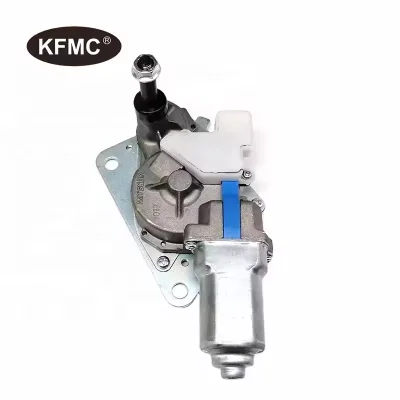
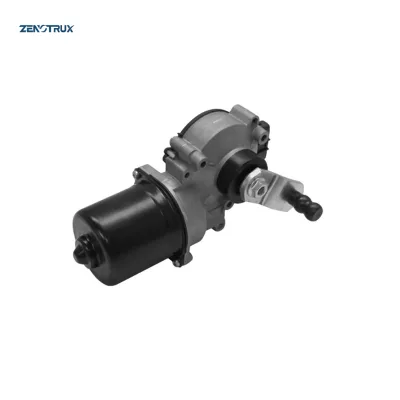
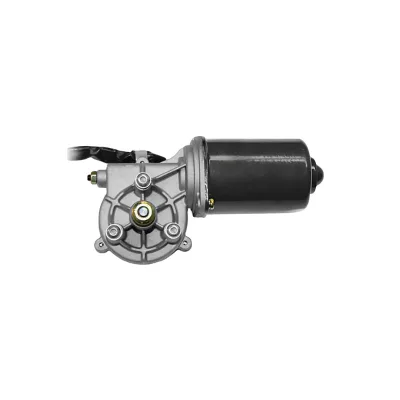
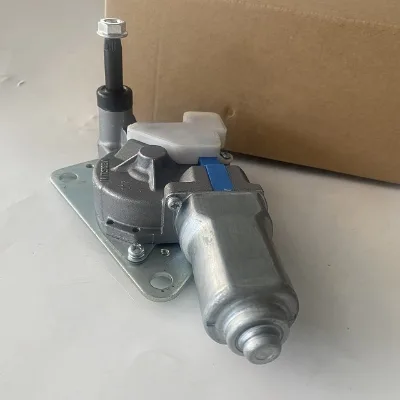
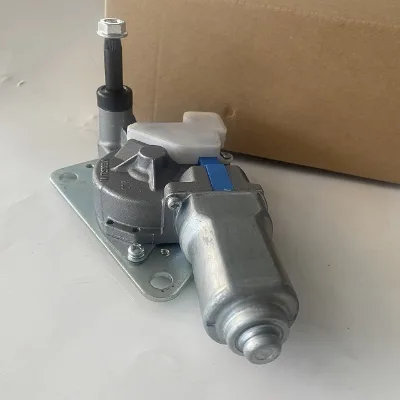


Comprehensive Sourcing Guide
Construction Vehicle Wiper Motor Supplier Concentration and Factory Types
Current data indicates a concentration of suppliers in China Jiangsu, China Shandong, and China Zhejiang, where manufacturers and trading companies operate within the automotive electrical systems sector. In Jiangsu, facilities often list main products including alternators, starters, and electric steering pumps alongside wiper motors, suggesting a specialized cluster for vehicle electrical components. Shandong-based entities frequently focus on heavy-duty applications, with product lines extending to dump trucks, tractor trucks, and construction machinery parts, indicating a regional strength in supporting large vehicle fleets. Zhejiang suppliers demonstrate a broader capacity, offering DC motors, wheelchairs, and wind turbines, which implies a versatile manufacturing base capable of adapting to diverse construction vehicle requirements.
Buyers should verify if a supplier's primary factory location aligns with their specific vehicle type needs, as the Jiangsu cluster may offer specialized automotive electrical expertise while Shandong facilities might provide better integration with heavy truck components. The company types observed range from pure trading companies to manufacturers with their own brands, such as SHB, which can influence production control and customization capabilities. When evaluating concentration, look for suppliers who explicitly list construction vehicle parts in their main product portfolio rather than general auto accessories. This distinction helps identify factories that understand the rigorous demands of off-road and heavy-duty environments, ensuring the wiper motors selected are built for durability and performance in challenging conditions.
How to Verify Construction Vehicle Wiper Motor Suppliers
Verification processes for Construction Vehicle Wiper Motor suppliers rely heavily on third-party audit results and system certifications found in supplier profiles. Several observed suppliers hold BV, SGS, or CTI verification badges, which serve as external validations of their business legitimacy and operational stability. System certifications like TS 16949, ISO 9000, ISO 9001, and ISO 14001 are critical indicators of quality management systems that meet international automotive standards. Buyers must confirm that these certifications are current and specifically cover the manufacturing of electrical components, as general ISO certification may not guarantee adherence to the specific tolerances required for construction vehicle wiper motors.
Response time metrics provide another layer of verification regarding supplier reliability and communication efficiency. Data shows response times varying from approximately 1.95 to 6.92 hours, with faster responses often correlating with higher engagement levels and better customer service readiness. A supplier with a response time under two hours may indicate a dedicated sales team capable of handling urgent inquiries for construction projects. Buyers should also check for customization availability, as many suppliers list this as an available feature, which is essential for adapting wiper motors to specific vehicle models. Always request proof of these certifications and response time logs before proceeding to ensure the supplier can meet the strict timelines and quality standards of the construction industry.
What to Compare Across Construction Vehicle Wiper Motor Suppliers
Comparing suppliers requires a detailed analysis of lead times, minimum order quantities, and pricing structures to ensure alignment with project budgets and schedules. Lead times observed in the current results range from 15 days to 45 days, a significant variance that impacts production planning and inventory management. Suppliers with shorter lead times, such as those offering 15-day delivery, may be better suited for urgent replacement needs, while those with 45-day lead times might offer more competitive pricing for bulk orders. Minimum order quantities also vary widely, with some suppliers requiring 1000 units while others accept orders as low as one unit, allowing flexibility for different procurement strategies and budget constraints.
Pricing and product specifications must be evaluated alongside logistical capabilities to determine the true cost of ownership. Price ranges for wiper motors can span from $1.00 to $50.00, depending on voltage, power rating, and customization options. Specific models like the 24V/80W motor or the 12V/50W variant offer different power outputs suitable for various vehicle sizes. Buyers should compare attributes such as voltage (12V vs 24V), rated power (21W to 80W), and operating speed to ensure compatibility with their fleet. Additionally, packaging standards like polybag, carton, or fumigation-free wooden cases affect shipping costs and product safety, making it essential to compare these details across multiple suppliers to find the most cost-effective solution.
Common Construction Vehicle Wiper Motor Sourcing Risks
One significant risk in sourcing construction vehicle wiper motors is the potential mismatch between product specifications and actual vehicle requirements, particularly regarding voltage and power ratings. Some product listings show attributes like "Brush" structure and "Closed Type" casing, which are standard, but buyers must verify if these match the specific electrical systems of their construction machinery. Inconsistencies in model numbers, such as 001-608 versus 001-1004, can lead to ordering incorrect parts if not carefully cross-referenced with vehicle manuals. This risk is compounded when suppliers list multiple voltage options without clear differentiation, potentially resulting in motors that fail to operate correctly in the field.
Another critical risk involves the reliability of lead times and the consistency of quality control across different manufacturing batches. While some suppliers claim a 15-day lead time, others list 45 days, and actual delivery may vary based on raw material availability and production capacity. The presence of certifications like TS 16949 suggests a commitment to quality, but buyers should verify if these standards are actively maintained during production. Furthermore, the origin of products, listed as Zhejiang or China, may affect shipping logistics and import regulations. Buyers must ensure that the supplier's stated origin matches the actual manufacturing location to avoid unexpected customs delays or quality discrepancies that could halt construction operations.
Construction Vehicle Wiper Motor Regional Sourcing and Logistics
Regional sourcing strategies should prioritize suppliers located in China Jiangsu, China Shandong, and China Zhejiang, as these areas have established infrastructure for automotive parts manufacturing and export. Jiangsu suppliers often specialize in electrical systems, offering a concentrated supply chain for components like wiper motors, which can streamline logistics and reduce lead times. Shandong-based suppliers, with their focus on heavy trucks and construction machinery, may offer better integration for large vehicle fleets, potentially reducing the complexity of sourcing multiple parts from different regions. Zhejiang suppliers provide a diverse range of motor products, which can be advantageous for buyers needing a single source for various electrical components.
Logistics planning must account for specific packaging requirements and shipping methods to ensure product integrity during transit. Observed packaging options include polybag, carton, and fumigation-free wooden cases, each offering different levels of protection against moisture and physical damage. Shipping methods such as ocean freight are common for international orders, but buyers should verify if the supplier offers expedited options for urgent needs. The origin of the product, whether Zhejiang or China, influences customs clearance times and import duties. Buyers should calculate total landed costs by factoring in shipping fees, insurance, and potential tariffs, ensuring that the regional choice of supplier aligns with their logistical capabilities and budget constraints for efficient delivery.
Construction Vehicle Wiper Motor Commercial Terms and Order Planning
Commercial terms for Construction Vehicle Wiper Motor orders often include specific conditions regarding customization, payment, and delivery schedules. Many suppliers indicate that customization is available, allowing buyers to tailor motor specifications to their unique vehicle requirements. However, buyers must clarify the scope of customization, including any additional costs or extended lead times associated with custom orders. Payment terms and escrow services should be verified to ensure financial security, especially when dealing with large orders or new suppliers. Understanding the supplier's capacity for OEM and own-brand production helps in negotiating favorable terms that align with long-term procurement strategies.
Order planning requires a clear understanding of minimum order quantities and pricing tiers to optimize inventory and cash flow. With MOQs ranging from 1 to 1000 units, buyers can choose between small, frequent orders or larger, consolidated shipments based on their storage capacity and demand forecasts. Pricing structures vary significantly, with some models priced as low as $1.00 and others up to $50.00, necessitating a detailed cost-benefit analysis. Buyers should also consider the supplier's response time and lead time when planning orders, as delays can impact project timelines. By carefully evaluating these commercial terms and aligning them with project schedules, buyers can mitigate risks and ensure a steady supply of high-quality wiper motors for their construction vehicles.
FAQs
What voltage options are available for construction vehicle wiper motors?
Manufacturers supply 12V and 24V wiper motors suitable for various heavy-duty applications. The 24V models typically feature 80W rated power, while 12V variants offer 50W or 21W options. These specifications ensure compatibility with different truck and engineering vehicle electrical systems.
What is the typical lead time for manufacturing these wiper motors?
Production lead times vary by supplier location and capacity. Suppliers in Jiangsu and Zhejiang report lead times of 45 days, while Shandong-based trading companies offer faster turnaround times of 15 days. Buyers should confirm specific schedules based on order volume and customization needs.
What is the minimum order quantity for bulk purchases?
Minimum order quantities depend on the supplier type and product specifications. Standard manufacturing facilities typically require a minimum order of 1000 units. However, some trading companies may accept orders as low as one unit, providing flexibility for smaller procurement needs or sample testing.
Are these wiper motors customizable for specific vehicle models?
Yes, customization is available for most wiper motor products. Suppliers offer tailored solutions including specific sweep angles, bone configurations, and mounting standards. Buyers can request modifications to fit particular coach, truck, or engineering vehicle requirements, ensuring optimal performance and integration with existing systems.
What certifications do these wiper motor suppliers hold?
Reputable suppliers hold various quality and system certifications. Some manufacturers possess TS 16949 certification, while others maintain ISO 9000, ISO 9001, and ISO 14001 standards. These certifications indicate adherence to international quality management and environmental protection protocols for automotive component production.
How quickly do suppliers typically respond to inquiries?
Response times vary significantly among suppliers. Some Zhejiang-based manufacturers respond within approximately 1.95 hours, while Jiangsu suppliers average around 3.79 hours. Shandong trading companies may take longer, averaging 6.92 hours. Faster response times often correlate with dedicated customer service teams.