Construction Laser Level Suppliers and Manufacturers
Explore 31 verified suppliers offering Construction Laser Level tools with varying lead times, response speeds, and certifications. Compare specifications like beam color, accuracy, and working distance to select the right partner for your project needs today; review the available evidence before requesting comparable quotations from suitable candidates.
Updated
Suppliers List

Kales Tool Industry & Trade Co., Ltd.
- Verified by SGS
- Trading Company
- China Zhejiang
- Lead time30 days
- Avg. response≤ 12h
Main productsMeasuring Tools, Garden Tools, Handware Tools, Diamond Tools, Spirit Levels, Hand Tools
Main marketsSouth America,Southeast Asia/ Mideast,Europe


$18.50 - $19.00
MOQ: 500 Pieces

Nantong Perfect Trade Company Limited
- Verified by SGS
- Trading Company,Manufacturer/Factory
- China Jiangsu
- Lead time23 days
- Avg. response≤ 7h
Main productsLaser Level, Laser Distance Meter, Airless Paint Sprayer, Power Tools, Power Tools and Spare Parts, Cordless Chainsaw, Cordless Wrench, Cordless Rotary Hammer, Cordless Drill
Main marketsSouth America,Eastern Europe,Mid East,North America,Southeast Asia,Eastern Asia,Oceania,Western Europe,Africa
Changzhou Xincong Hardware Co., Ltd.
- Trading Company
- Jiangsu, China
- Lead time0 days
- Avg. response≤ 8h
Main productsPower Tools,Hand Tools,Measuring Tools,Hardware,Other Tools
Main marketsNorth America(40.00%), Domestic Market(10.00%), Western Europe(10.00%)
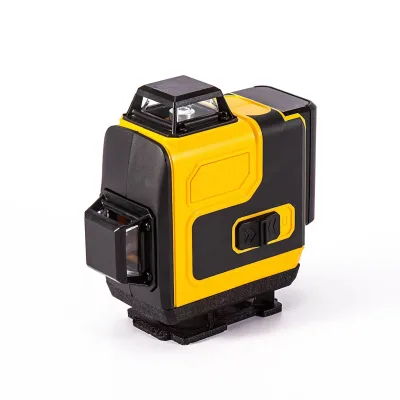
Wholesale of New Products Construction Laser Level Tool Water Level With Laser
$23.90 - $26.00
MOQ: 100 sets
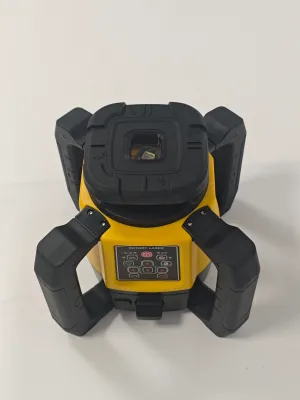
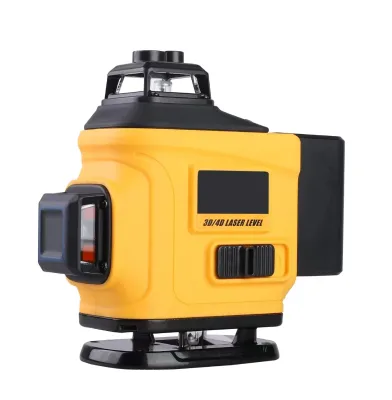
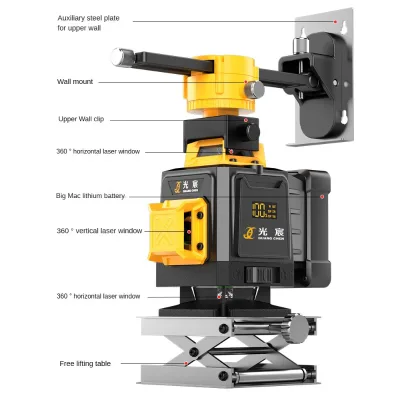
Professional Laser Construction Level With Wall Bracket Laser Land Leveling for Sale
$26.00 - $28.50
MOQ: 100 sets
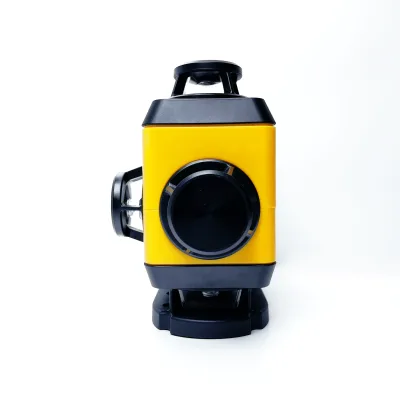

Changzhou Skyvictor Import and Export Co., Ltd.
- Verified by BV
- Trading Company
- China Jiangsu
- Lead time23 days
- Avg. response≤ 25h
Main productsLaser Level, Rotary Laser Level, Surveying Instrument, Laser Distance Meter, Electrical Measuring Meter, Multimeter, Total Station, Machine Control System, EDM, Electronic Tools
Main marketsSoutheast Asia/ Mideast

Factory Outlets Self-Leveling Cross Line Laser Level for Construction Level
$150.00 - $200.00
MOQ: 20 Pieces


Yongkang Daqi Industry And Trade Co., Ltd.
- Manufacturer, Trading Company
- Zhejiang, China
- Lead time30 days
- Avg. response≤ 5h
Main productsPaint Sprayer,Drywall Sander,Wall Chaser,grouting machine,smoothing blades
Main marketsEastern Europe(30.00%), Southeast Asia(30.00%), South Asia(10.00%), Domestic Market(5.00%), South America(5.00%), Southern Europe(5.00%), Western Europe(5.00%), Oceania(5.00%), North America(5.00%)

Shandong Xiangjin International Trade Co., Ltd.
- Verified by BV
- Trading Company
- China Shandong
- Lead time15 days
- Avg. response≤ 3h
Main productsCement Mixer Truck, Concrete Mixer Truck, Tracked Carrier, Spider Crane, Cement Mixer Drum, Cement Mixer, Concrete Mixer Drum, Loader, Backhoe Loader, Concrete Pump
Main marketsAfrica,Others(foreignTradeCapacity.exportBusinessCapacityMarketOther),Southeast Asia/ Mideast,Europe,Australia

SHANGHAI TECHWAY INDUSTRIAL CO., LTD.
- Verified by BV
- Trading Company
- China Shanghai
- Lead time15 days
- Avg. response≤ 4h
Main productsSanders, Polishers, Vacuum Cleaner, Car Films, Sandpaper, Pdr Tools, Tile Cutter, Tile Vibrator, Hot Glue Gun, Suction Cup
Main marketsSouth America,Europe,North America

- Verified by TUVRHEINLAND
- Trading Company,Manufacturer/Factory
- China Zhejiang
- Lead time45 days
- Avg. response≤ 4h
Main productsElectric Tools, Power Tools, Cordless Tools, Bench Tools, Garden Tools, Gand Tools, Auto Tools, Car Tools, Hydraulic Tools
Main marketsSouth America,Eastern Europe,Oceania,Western Europe

Cross Line Laser Level Self-Leveling Construction Laser Level (LLE-T96 30)
$37.00 - $39.00
MOQ: 500 Pieces

1mm Accuracy 1X360° Cross Laser Level for Indoor Construction (LLE-L08)
$50.00 - $63.34
MOQ: 1000 Pieces

Qidong Junyang Electromechanical Technology Co., Ltd
- Verified by CTI
- Combined
- China Jiangsu
- Lead time23 days
- Avg. response≤ 5h
Main productsPower Tools, Laser Level, Garden Tools, Electric Tools, Hand Tools, Electric Wrench, Electric Saw, Electric Hammer, Electric Drill, Chainsaw
Main marketsDomestic


Green 4 OEM China Rotary Durable Laser System Construction Level with Factory Price
$13.00 - $15.00
MOQ: 1 Pieces

China 4 OEM High Precision Laser Digital Construction Level with Factory Price
$13.00 - $15.00
MOQ: 1 Pieces


Huipu Opto-Electronic Instrument (Zhenjiang) Co., Ltd.
- Manufacturer, Trading Company
- Jiangsu, China
- Lead time0 days
- Avg. response≤ 8h
Main productsLaser Levels/Laser Distance Meters/Rotary Lasers/Total Station/Laser Rangefinder/Theodolite/Auto Level/Analyzers/Test Instrument,Total Station,Rotary laser level,Analyzers/Metal Detectors,Physical Measuring Instruments
Main marketsEastern Europe(30.00%), Western Europe(20.00%), Eastern Asia(14.00%), South America(10.00%), Southern Europe(5.00%), Southeast Asia(5.00%), North America(5.00%), Africa(3.00%), South Asia(2.00%), Mid East(2.00%), Northern Europe(2.00%), Oceania(2.00%)
Jiangsu Guangchen Electronic Technology Co., Ltd.
- Verified by TüVRheinland
- Manufacturer, Trading Company
- Lead time7 days
- Avg. response≤ 1h
Main productsLaser Level, Impact Wrench, Power Drill, Chain Saw, Electric Pruning Shears
Main marketsDomestic Market(100%)
Shenzhen Jiulingsheng Technology Co., Ltd.
- Trading Company
- Guangdong, China
- Lead time0 days
- Avg. response≤ 5h
Main productsScrewdriver,Scraper,Suction Cup,Screwdriver Set,Tweezers
Main marketsSouth America(100.00%), Africa(100.00%), Domestic Market(50.00%), South Asia(20.00%), North America(10.00%), Mid East(4.00%), Southern Europe(2.00%), Eastern Europe(2.00%), Northern Europe(2.00%), Central America(2.00%), Western Europe(2.00%), Eastern Asia(2.00%), Oceania(2.00%), Southeast Asia(2.00%)

Nantong Full Optoelectronics Technology Co., Ltd.
- Manufacturer, Trading Company
- Jiangsu, China
- Lead time30 days
- Avg. response≤ 1h
Main productsLaser Level,Cordless Drill,brushless drill,cordless wrench,cordless angle grinder
Main marketsWestern Europe(30.00%), Northern Europe(20.00%), North America(15.00%), Eastern Europe(10.00%), Southeast Asia(10.00%), Domestic Market(5.00%), South Asia(5.00%), South America(5.00%)
Yangzhou Boka Photoelectric Technology Co., Ltd.
- Verified by TüVRheinland
- Manufacturer, Trading Company
- Lead time15 days
- Avg. response≤ 4h
Main products2D / 3D / 4D Laser Level, Power Tools
Main marketsEastern Europe(20%), Eastern Asia(20%), North America(10%)
Jinan Hehong Electric Tools Co., Ltd.
- Trading Company
- Shandong, China
- Lead time10 days
- Avg. response≤ 9h
Main productsNail guns,Power tools,Hand tool boxes,Measuring tools,Insulation tools
Main marketsAfrica(30.00%), Mid East(20.00%), Eastern Asia(10.00%), Southeast Asia(8.00%), South Asia(5.00%), Northern Europe(5.00%), Eastern Europe(5.00%), Oceania(5.00%), Domestic Market(5.00%), North America(5.00%), South America(2.00%)
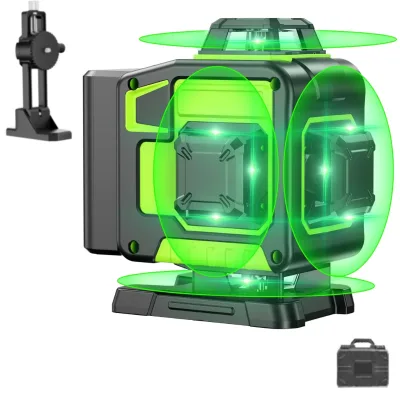
$13.4401 - $19.6436
MOQ: 10 pieces
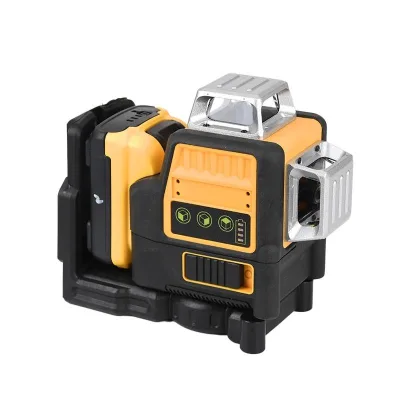
Nantong Perfect Trade Co., Ltd.
- Verified by TüVRheinland
- Manufacturer, Trading Company
- Lead time20 days
- Avg. response≤ 2h
Main productsLaser Level, Airless Paint Sprayer, Laser Distance Meter, Power Tool, Cordless Tool
Main marketsNorth America(30%), Southeast Asia(26%), Mid East(6%)
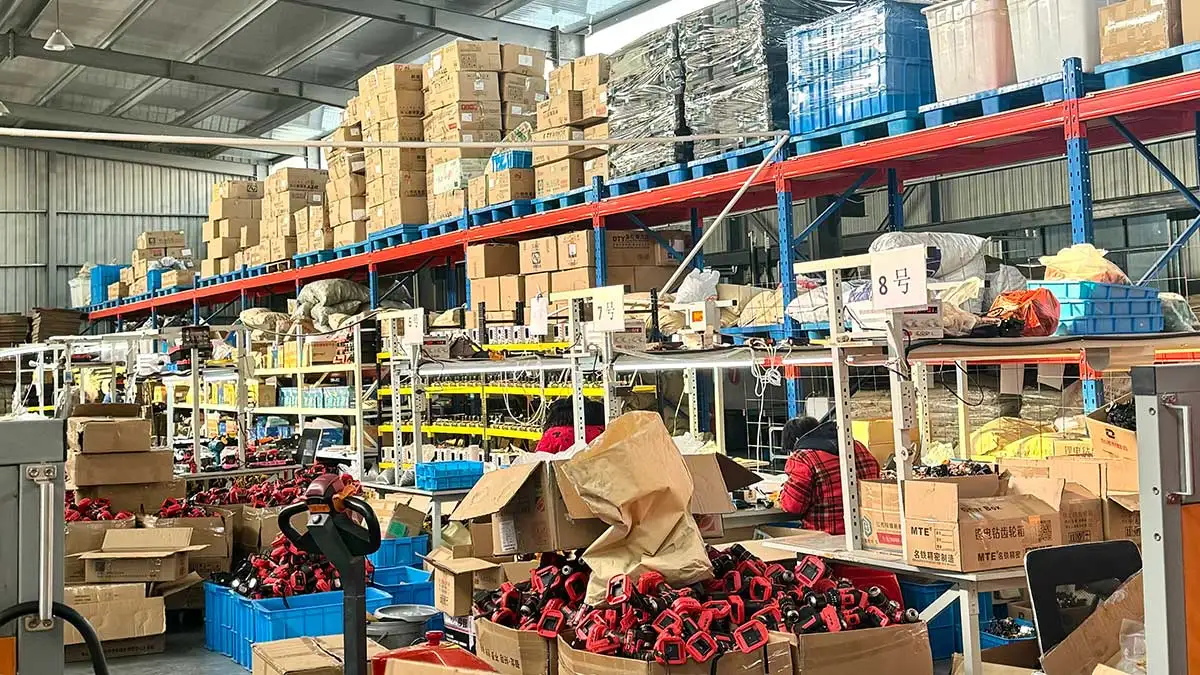
Hangzhou Yujie Intelligent Technology Co., Ltd.
- Trading Company
- Zhejiang, China
- Lead time30 days
- Avg. response≤ 3h
Main productsPower Tools and Accessories,Air Tools,Garden Tools,Hand Tools,Welding Machines
Main marketsOceania(30.00%), Eastern Europe(30.00%), Mid East(30.00%), North America(10.00%)
Nantong Dauerhaft International Trade Co., Ltd.
- Verified by SGS Group
- Manufacturer, Trading Company
- Lead time0 days
- Avg. response≤ 6h
Main productsHand drill, Power Wrenches, Angle Grinder
Main marketsDomestic Market(100%)
Hangzhou Degeneracy Lasers Technology Co., Ltd.
- Verified by SGS Group
- Manufacturer, Trading Company
- Lead time25 days
- Avg. response≤ 3h
Main productsLaser Level, Lnfrared Lens, Lithium Power Tools
Main marketsDomestic Market(90%), Eastern Asia(10%)
Jinhua Kacy International Co., Ltd.
- Manufacturer, Trading Company
- Zhejiang, China
- Lead time15 days
- Avg. response≤ 5h
Main productsbubble level,bubble vials,metal level bubble,mini spirit level,plastic spirit level
Main marketsNorth America(50.00%), South America(15.00%), Northern Europe(10.00%), Western Europe(10.00%), Domestic Market(5.00%), Southeast Asia(5.00%), Eastern Europe(5.00%)
Guangzhou Chengtong Trading Co., Ltd.
- Trading Company
- Guangdong, China
- Lead time7 days
- Avg. response≤ 2h
Main productsCutting Machine,Drill,Laser Level,Diamond Bit,Nail Guns
Main marketsNorthern Europe(30.00%), Oceania(15.00%), South Asia(10.00%), Africa(10.00%), Southeast Asia(5.00%), Southern Europe(5.00%), North America(5.00%), Western Europe(5.00%), Mid East(5.00%), South America(5.00%), Eastern Europe(5.00%)

Nantong Gaide Machinery Co., Ltd.
- Verified by TUVRHEINLAND
- Trading Company
- China Jiangsu
- Lead time30 days
- Avg. response≤ 6h
Main productsLaser Level, Laser Distance Meter, Laser Level Meter, Laser Meter, Laser Distance, Laser Measure, Red Laser Level, Green Laser Level, Laser Level 3D
Main marketsAfrica,East Asia(Japan/ South Korea),Europe,North America

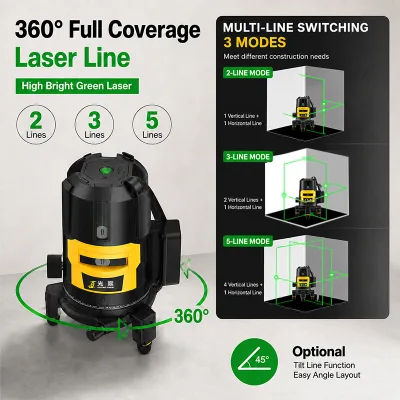
Laser Construction Level /5/3/2 Lines Cross Over Rotary Laser Level for Outdoor
$18.50 - $21.00
MOQ: 1 Pieces

Nantong Fanstar Trade Co., Ltd.
- Trading Company
- Jiangsu, China
- Lead time7 days
- Avg. response≤ 5h
Main productsCordless tools, Laser levels, Laser distance meter, Airless paint sprayer
Main marketsWestern Europe(70.00%), North America(10.00%), Eastern Asia(10.00%), Mid East(10.00%)
Shangqiu Dinglian International Trade Co., Ltd.
- Verified by Intertek
- Trading Company
- Lead time0 days
- Avg. response≤ 2h
Main productsPneumatic Tools, Measuring And Gauging Tools, Power Tools, Hand Tools, Personal Protective Equipment
Main marketsAfrica(20%), South America(15%), Mid East(13%)
Nantong Desihen Precision Tools Co., Ltd.
- Verified by TüVRheinland
- Manufacturer, Trading Company
- Lead time7 days
- Avg. response≤ 4h
Main productsPower Tools, Gardening Tool, Laser Level, Hand Tools, Pneumatic Tools
Main marketsSoutheast Asia(30%), Western Europe(25%), South America(20%)
Fuzhou Hongtianjin Trading Co., Ltd.
- Verified by TüVRheinland
- Trading Company
- Lead time15 days
- Avg. response≤ 2h
Main productsLithium Electric Wrench, Lithium Hand Drill, Lithium Laser Level, Lithium Hair Dryer, Lithium Electric Screwdriver
Main marketsWestern Europe(45%), North America(35%), Mid East(20%)
Shenzhen Handiier Technology Co.,Ltd
- Manufacturer, Trading Company
- Guangdong, China
- Lead time10 days
- Avg. response≤ 13h
Main productsshaver,shaving accessories,hair trimmer,Vacuum Cleaner Parts,Air Purifier Parts
Main marketsNorth America(50.00%), Eastern Europe(10.00%), South America(10.00%), Northern Europe(5.00%), Central America(4.00%), Western Europe(3.00%), South Asia(3.00%), Southern Europe(3.00%), Oceania(3.00%), Eastern Asia(2.00%), Mid East(2.00%), Southeast Asia(2.00%), Domestic Market(2.00%), Africa(1.00%)

- Trading Company
- China Zhejiang
- Lead time30 days
- Avg. response≤ 3h
Main productsElectric Tools, Power Tools, Cordless Tools, Bench Tools, Garden Tools, Gand Tools, Auto Tools, Car Tools, Hydraulic Tools
Main marketsSouth America,Europe,North America


1X360° Cross Laser Level Accuracy 1mm IP54 for Indoor Construction Site (LLE-L08)
$50.00 - $63.34
MOQ: 1000 Pieces
Shangrao Haodi Imp & Exp Trading Co., Ltd.
- Verified by Intertek
- Trading Company
- Lead time旺季: "1 - 10":10,"> 10":"To be negotiated", 淡季: "1 - 10":10,"> 10":"To be negotiated"
- Avg. response≤ 2h
Main productsGNSS RTK, Total Station, Auto Level, SLAM Scanner, Survey Accessories
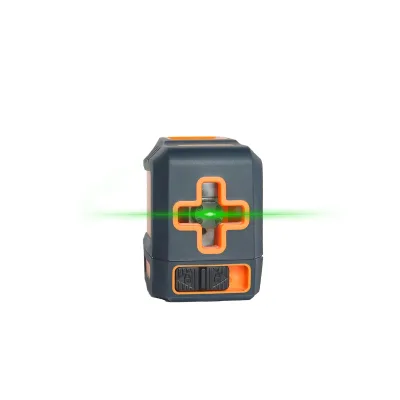
$26.8143 - $30.9415
MOQ: 10 units
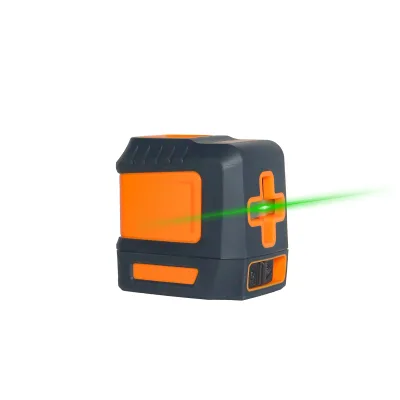
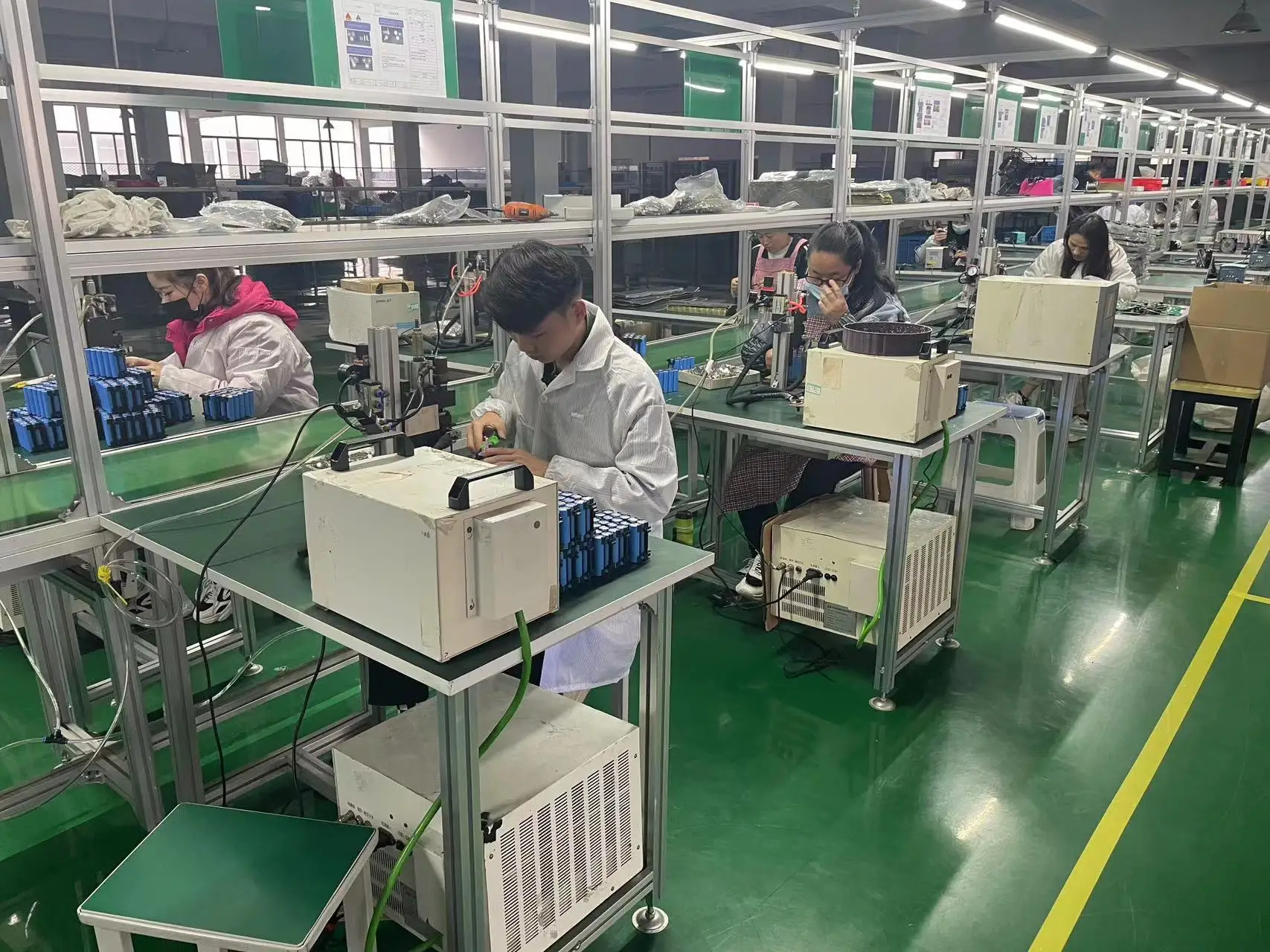
Nantong Wall Gold Tools Co., Ltd.
- Manufacturer, Trading Company
- Jiangsu Province, China
- Lead time15 days
- Avg. response≤ 3h
Main productsElectric Drill, Electric Wrench, Laser Level, Chain Saw, Pruning Scissors
Main marketsNorth America(30.00%), Domestic Market(30.00%), Northern Europe(20.00%), South America(10.00%), Western Europe(10.00%)
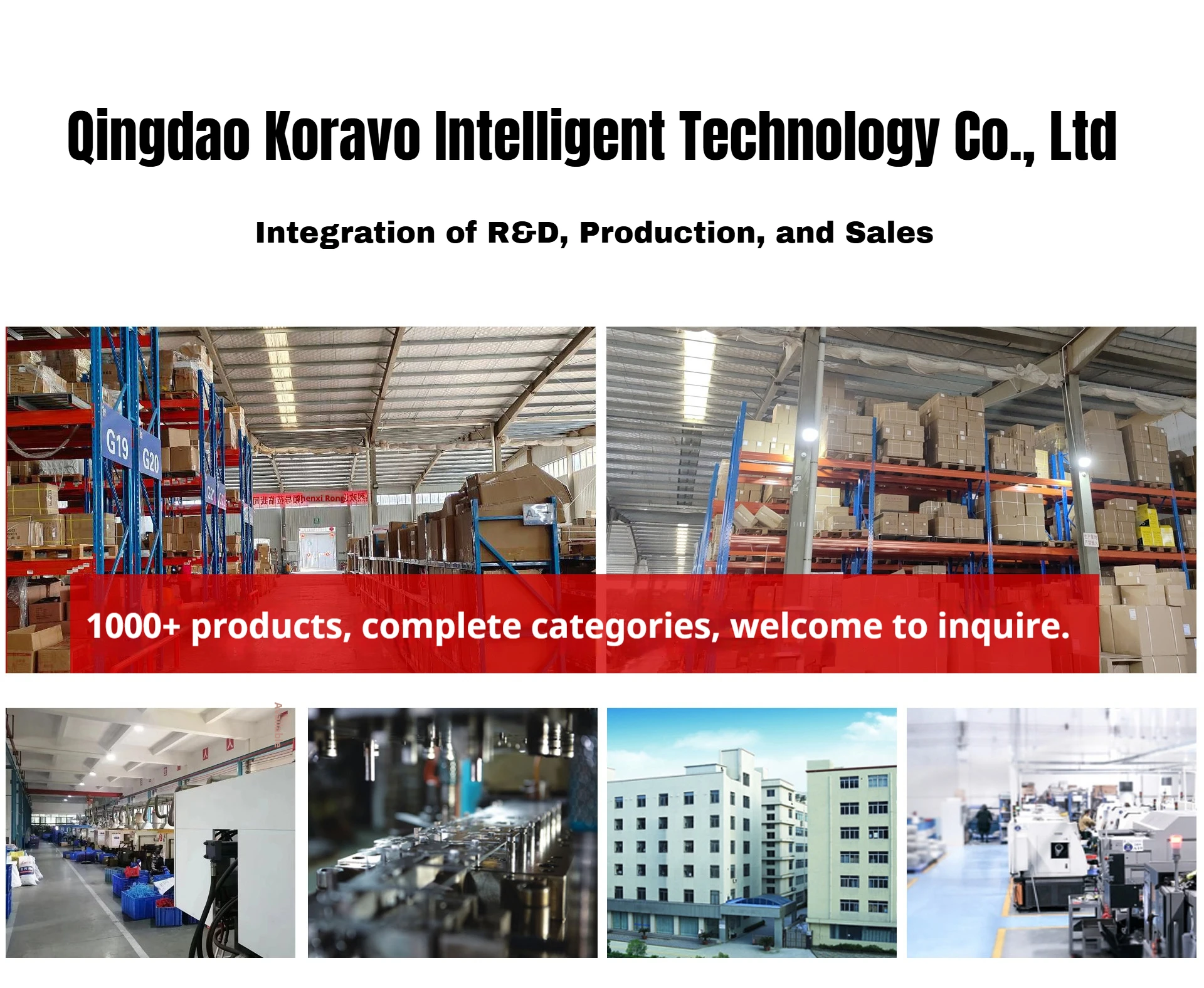
Qingdao Keruiwo Intelligent Technology Co., Ltd.
- Trading Company
- Shandong, China
- Lead time15 days
- Avg. response≤ 1h
Main productsMeasuring tools,digital caliper,micrometer,Instruments and meters,Hardware Tools
Main marketsDomestic Market(20.00%), Northern Europe(20.00%), Eastern Europe(10.00%), North America(10.00%), Western Europe(10.00%), Eastern Asia(10.00%), Mid East(10.00%), Southeast Asia(10.00%)




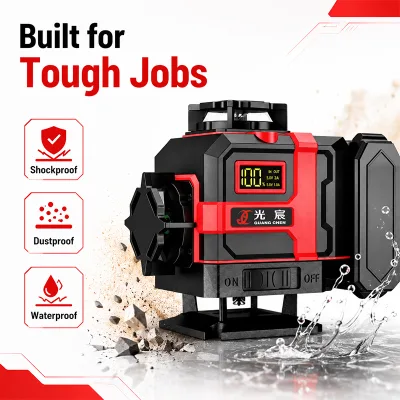
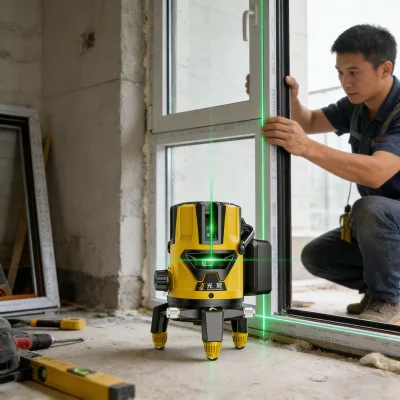
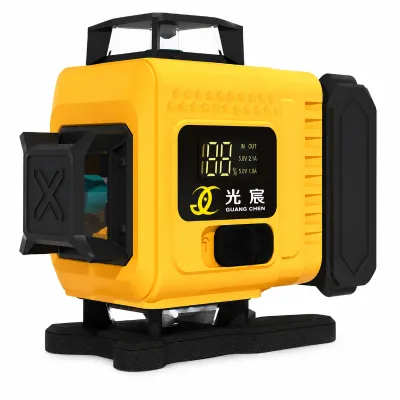
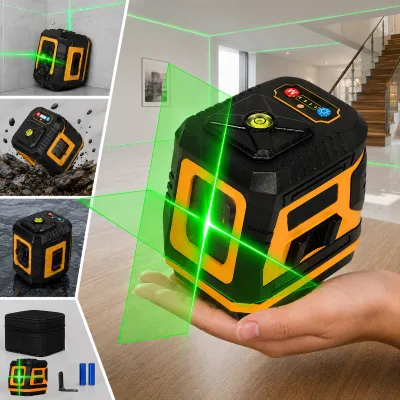
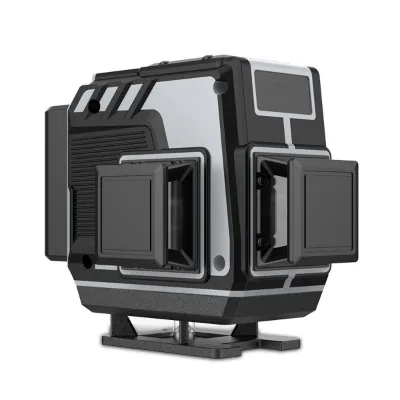
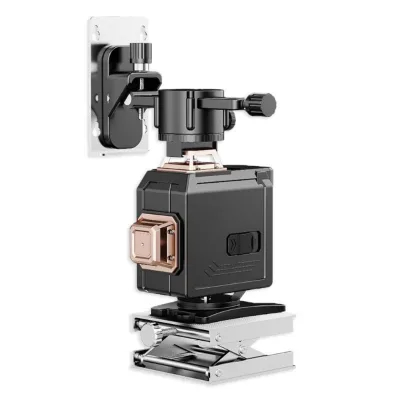
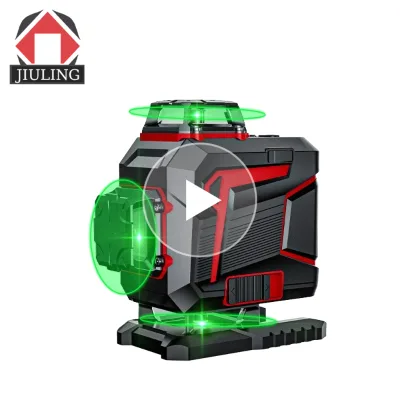
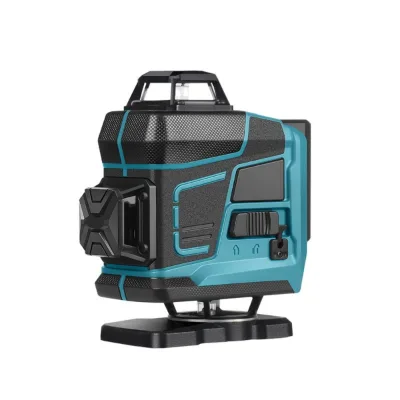
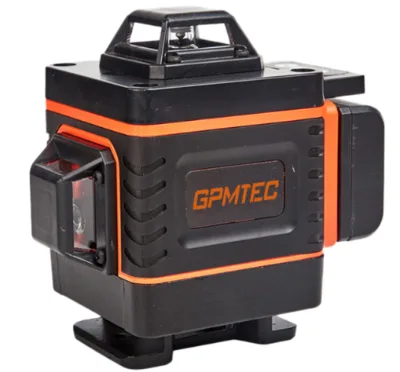
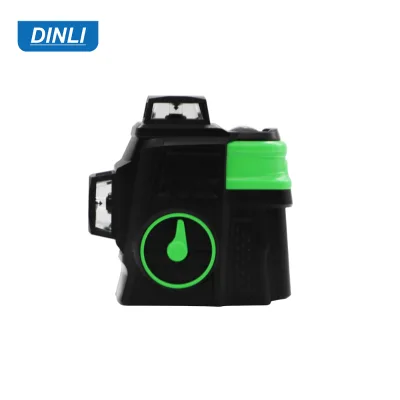
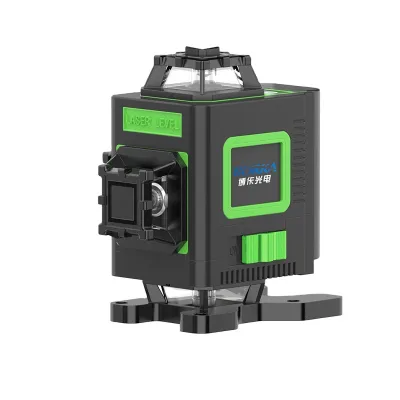
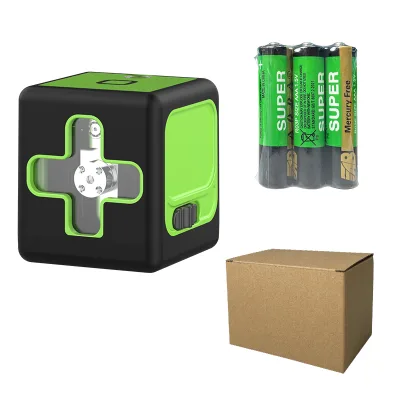
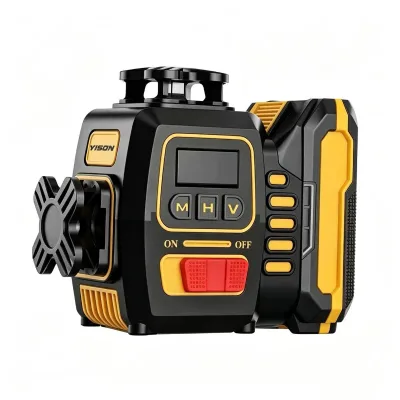
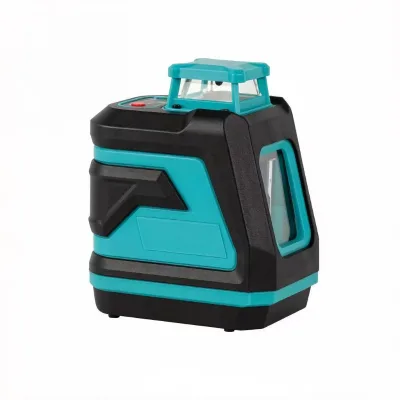
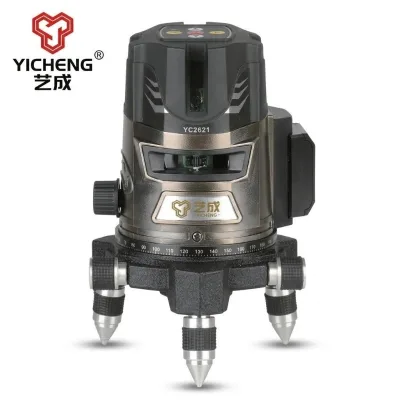
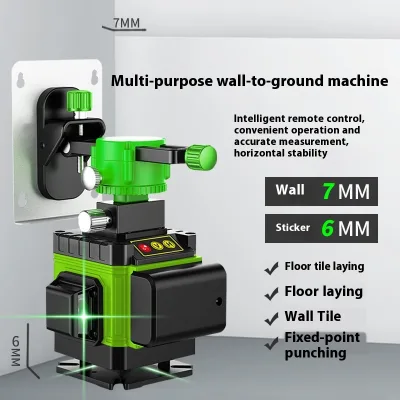
Comprehensive Sourcing Guide
Construction Laser Level Supplier Concentration and Factory Types
The current supplier landscape for construction laser levels reveals a distinct geographic concentration in China, with specific hubs identified in Zhejiang and Jiangsu provinces. Suppliers in Zhejiang, particularly those originating from Jinhua, often operate as trading companies that aggregate products from local manufacturing networks. These entities typically focus on a broad range of hardware, including measuring tools, garden tools, and handware, positioning laser levels as part of a diversified catalog rather than a specialized niche. This structure allows for flexible sourcing but may introduce layers of intermediation between the buyer and the actual production line. In contrast, suppliers located in Jiangsu demonstrate a hybrid operational model, identifying as both trading companies and manufacturers. This dual classification suggests a more direct connection to production capabilities, potentially offering greater control over quality assurance and customization processes. The presence of both pure trading entities and mixed-operation firms indicates that buyers must carefully distinguish between the source of the product and the entity managing the transaction. Understanding this distinction is critical for evaluating the true value proposition, as trading companies may offer broader logistical support while manufacturers might provide deeper technical integration and brand ownership.
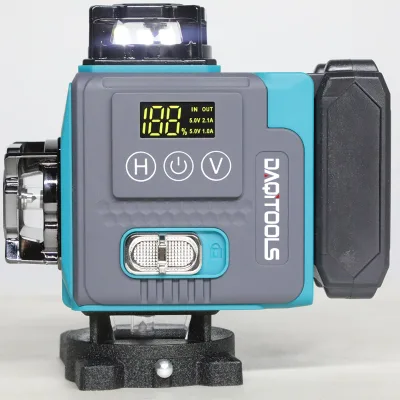
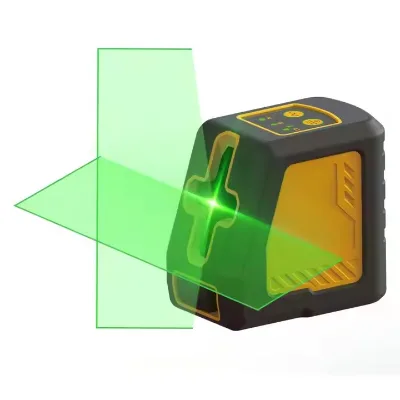
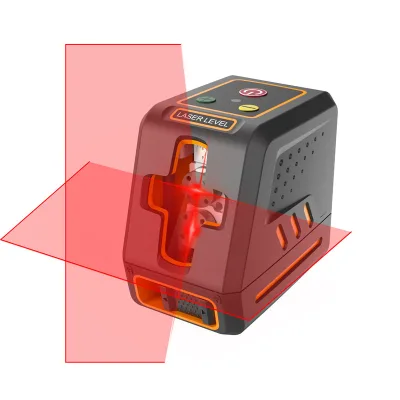
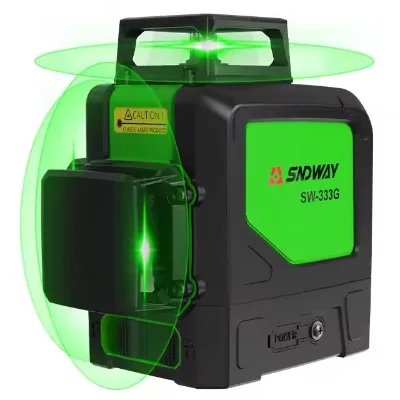
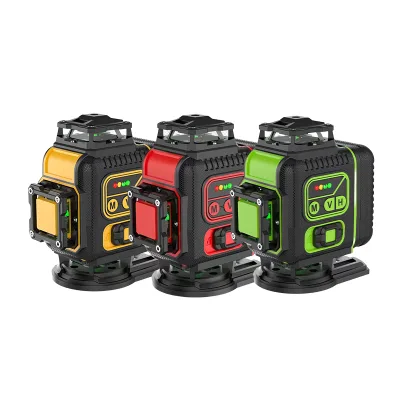
Factory types vary significantly in their capacity for original equipment manufacturing and original design manufacturing. Some suppliers explicitly list capabilities for OEM and ODM services, indicating they can adapt existing designs or create custom solutions for private labeling. This is particularly relevant for buyers seeking to establish their own brand identity in the construction tools market. The ability to customize beam colors, line configurations, and packaging is a key differentiator among these factory types. For instance, some manufacturers offer red beam options with specific line configurations, while others specialize in green beam technology for enhanced visibility in bright conditions. The variation in company types also extends to the range of main products offered. While some suppliers focus exclusively on laser levels and distance meters, others include power tools, paint sprayers, and cordless equipment in their portfolio. This breadth of product offering can simplify logistics for buyers who require multiple tool categories but may dilute the specialized expertise associated with laser leveling technology. Buyers should assess whether the supplier’s primary focus aligns with their specific quality and technical requirements, as specialized factories often maintain stricter quality controls for precision instruments compared to general hardware traders.
How to Verify Construction Laser Level Suppliers
Verification of Construction Laser Level suppliers requires a multi-layered approach that goes beyond basic company registration checks. One critical step is to examine third-party verification badges, such as SGS, which provide an additional layer of trust regarding the supplier’s operational legitimacy. However, verification badges alone do not guarantee product quality or technical compliance. Buyers must delve deeper into the specific product attributes and technical specifications provided in the supplier’s listings. For example, detailed product data often includes laser class information, such as Class II, which is a standard safety classification for visible laser products. Verifying that the supplier consistently provides accurate and detailed technical data is a strong indicator of their professionalism and reliability. Additionally, buyers should look for certifications like CE and RoHS, which are essential for market access in many regions and indicate compliance with safety and environmental standards. The presence of these certifications in the product attributes suggests that the supplier is aware of and adheres to international regulatory requirements. It is also important to check for warranty terms, such as a one-year warranty, which reflects the supplier’s confidence in their product’s durability and performance.
Response time and communication efficiency are also vital indicators of supplier reliability. A supplier’s average response time, such as 6.04 hours or 11.32 hours, can provide insight into their operational efficiency and customer service quality. Faster response times often correlate with better project management and quicker resolution of technical queries. Buyers should also assess the supplier’s ability to provide detailed product documentation, including operating temperatures, storage conditions, and battery specifications. For instance, some laser levels are specified to operate within a temperature range of -10°C to +50°C, which is crucial for construction environments that may experience extreme weather conditions. Verifying these details ensures that the product will perform reliably in the intended application. Furthermore, buyers should inquire about the supplier’s after-sales service capabilities, including the availability of spare parts and technical support. A supplier that offers comprehensive after-sales support is more likely to maintain long-term customer relationships and resolve issues promptly. By combining verification of credentials with an assessment of technical detail and communication speed, buyers can build a more accurate picture of a supplier’s reliability and suitability for their sourcing needs.
What to Compare Across Construction Laser Level Suppliers
When evaluating multiple suppliers for construction laser levels, buyers should prioritize a comparative analysis of key operational metrics, including lead times, minimum order quantities, and pricing structures. Lead times can vary significantly, with some suppliers offering a 23-day turnaround while others may require up to 30 days. This difference can impact inventory planning and project timelines, making it essential to align supplier capabilities with production schedules. Minimum order quantities (MOQ) are another critical factor, ranging from as low as one unit for sample orders to 500 units for bulk purchases. Suppliers with lower MOQs offer greater flexibility for testing new markets or fulfilling small-scale projects, while those with higher MOQs may provide better economies of scale for large-volume orders. Pricing should be analyzed in conjunction with these volume thresholds, as unit costs often decrease with increased order sizes. For example, prices may range from $16.50 to $23.00 depending on the model and quantity. Buyers should request detailed quotes that break down costs by unit, packaging, and shipping to ensure a transparent comparison.
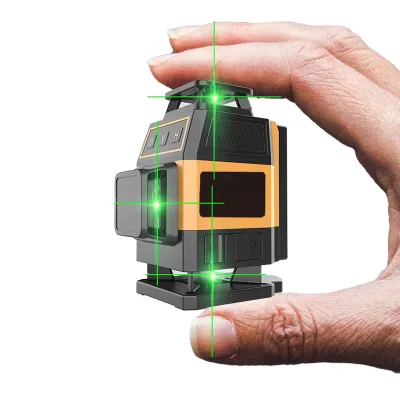
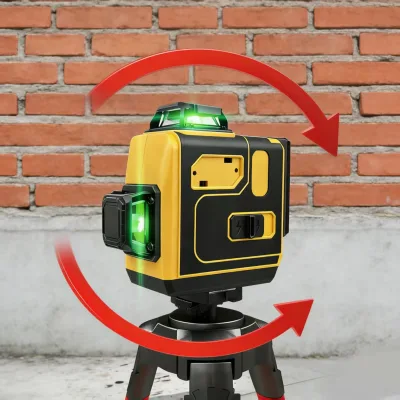
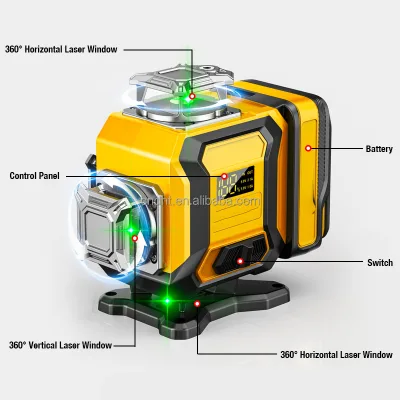
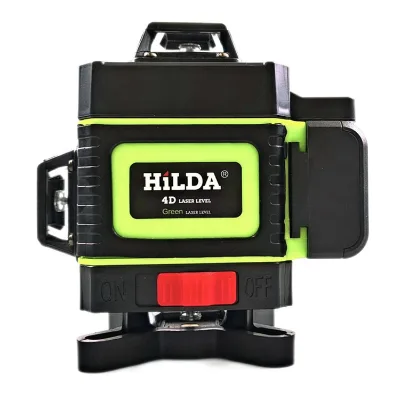
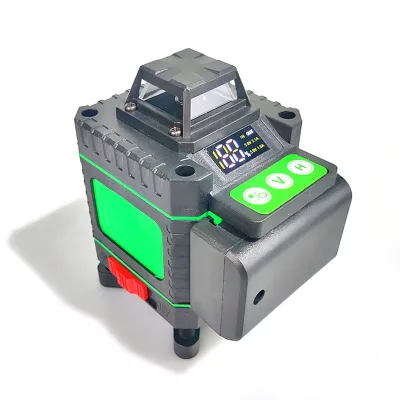
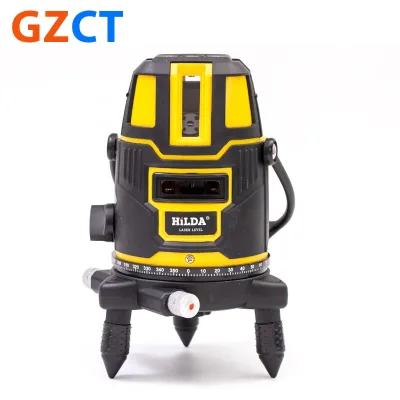
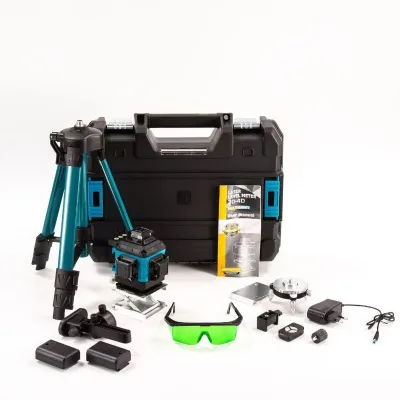
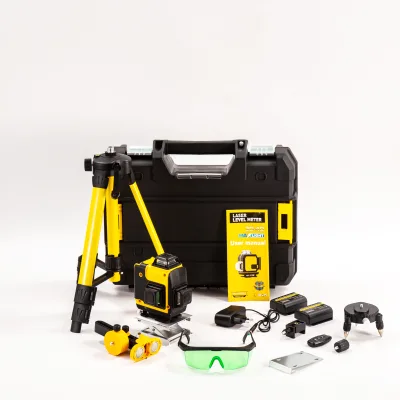
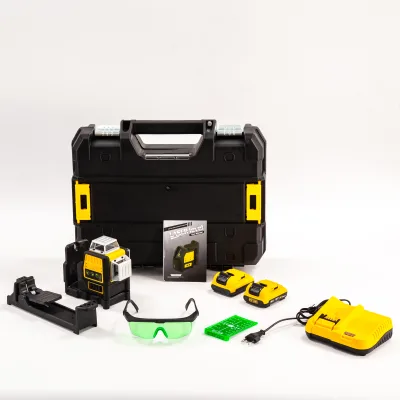
Beyond basic metrics, buyers should compare the technical specifications and customization options available from different suppliers. Attributes such as beam color, line configuration, and accuracy levels are key differentiators. Some suppliers offer red beam lasers with specific line configurations, such as one vertical and one horizontal line, while others provide green beam options with multiple lines for enhanced visibility. Accuracy specifications, such as 3 mm / 10 m or 2 mm / 5 m, should be matched to the precision requirements of the buyer’s applications. Additionally, the availability of customization services, including OEM and ODM, allows buyers to tailor products to their brand identity. Buyers should also compare the packaging options, which can range from simple carton boxes to high-grade plastic or aluminum cases, impacting both product protection and perceived value. The inclusion of accessories, such as tripods, goggles, and batteries, can also influence the overall value proposition. By systematically comparing these technical and commercial attributes, buyers can identify suppliers that offer the best balance of quality, flexibility, and cost-effectiveness for their specific sourcing requirements.
Common Construction Laser Level Sourcing Risks
Sourcing construction laser levels involves several inherent risks that buyers must proactively manage to ensure product quality and supply chain stability. One significant risk is the variability in product quality across different suppliers, particularly when dealing with trading companies that may source from multiple factories. Without direct oversight of the manufacturing process, buyers may receive products that do not meet their specified technical standards, such as accuracy or durability requirements. This risk is exacerbated by the lack of standardized testing protocols across the industry. Buyers should mitigate this by requesting detailed test reports and verifying that products comply with relevant safety standards, such as laser class classifications. Another risk is the potential for miscommunication regarding customization requirements. Suppliers may interpret specifications differently, leading to products that do not align with the buyer’s expectations. Clear and detailed technical drawings and specifications are essential to avoid discrepancies. Buyers should also be cautious of suppliers who offer unusually low prices, as this may indicate compromised quality or hidden costs.
Logistical risks are also prevalent in the sourcing of construction laser levels, particularly due to the sensitive nature of electronic components. Laser levels contain delicate optical and electronic parts that can be damaged during transit if not packaged appropriately. Buyers should verify that suppliers use robust packaging, such as high-grade plastic boxes or foam-lined cartons, to protect the products. Additionally, the risk of supply chain disruptions, such as delays in production or shipping, can impact project timelines. Buyers should assess the supplier’s production capacity and inventory management practices to ensure they can meet demand fluctuations. Another risk is the potential for intellectual property infringement, particularly when working with suppliers who offer OEM services. Buyers should ensure that their brand designs and specifications are protected through appropriate legal agreements. Finally, buyers should be aware of the risk of non-compliance with local regulations in their target markets. Suppliers may not always be aware of specific regional requirements, so buyers must verify that products meet all necessary certification and safety standards before importation. By identifying and addressing these risks early in the sourcing process, buyers can build a more resilient and reliable supply chain.
Construction Laser Level Regional Sourcing and Logistics
Regional sourcing strategies for construction laser levels are heavily influenced by the geographic concentration of suppliers in China, particularly in Zhejiang and Jiangsu provinces. Suppliers in Zhejiang, often based in Jinhua, benefit from established manufacturing clusters that provide access to raw materials and skilled labor. This concentration can lead to competitive pricing and efficient production cycles. However, buyers must consider the logistical implications of sourcing from these regions, including transportation costs and lead times. Jiangsu-based suppliers, with their hybrid manufacturing and trading models, may offer different logistical advantages, such as proximity to major ports and transportation hubs. This can facilitate faster shipping and more flexible logistics options. Buyers should evaluate the supplier’s location in the context of their overall supply chain strategy, considering factors such as shipping routes, customs clearance times, and local infrastructure. Understanding the regional strengths and weaknesses of different supplier locations can help buyers optimize their sourcing decisions and reduce logistical costs.
Logistics planning also involves coordinating with suppliers to ensure timely delivery and proper handling of goods. Buyers should establish clear communication channels with suppliers to track production progress and shipping status. This is particularly important for large orders or time-sensitive projects. Buyers should also consider the supplier’s packaging standards, as improper packaging can lead to product damage during transit. Suppliers in these regions typically use carton boxes, plastic cases, or aluminum boxes, but buyers should verify that the packaging meets their specific requirements for protection and sustainability. Additionally, buyers should be aware of the environmental conditions that may affect the products during storage and transit, such as temperature and humidity. Some laser levels have specific operating and storage temperature ranges, which must be considered when planning logistics. Buyers should also explore options for consolidated shipping, where multiple products from different suppliers are combined into a single shipment to reduce costs. By carefully planning regional sourcing and logistics, buyers can ensure that their construction laser levels arrive on time, in good condition, and at a competitive cost.
Construction Laser Level Commercial Terms and Order Planning
Commercial terms and order planning are critical components of successful sourcing for construction laser levels. Buyers must negotiate clear payment terms, delivery schedules, and warranty conditions to protect their interests. Lead times, such as 23 or 30 days, should be factored into order planning to ensure timely delivery. Buyers should also consider the impact of seasonal demand fluctuations on production capacity and pricing. Suppliers may offer discounts for bulk orders, so buyers should plan their purchases to maximize cost savings. Minimum order quantities, ranging from one to 500 units, should be aligned with the buyer’s inventory management strategy. Buyers with limited storage space may prefer smaller, more frequent orders, while those with large warehouses may benefit from bulk purchases. It is essential to establish a clear understanding of the supplier’s production capacity and ability to handle rush orders, as this can impact flexibility and responsiveness.
Warranty and after-sales service terms are also key commercial considerations. Buyers should verify the duration and scope of warranties, such as a one-year warranty, and understand the process for claiming repairs or replacements. Suppliers that offer comprehensive after-sales support, including technical assistance and spare parts, can reduce the total cost of ownership. Buyers
FAQs
What is the price range for construction laser levels?
Prices for construction laser levels typically range from $16.50 to $23.00 per unit. This range covers various models, including red beam and green beam options. Buyers should note that specific pricing depends on the selected model, beam color, and order quantity. Minimum order quantities often start at one unit for some suppliers, while others require higher volumes.
What are the lead times for manufacturing laser levels?
Manufacturing lead times for laser levels generally range from 23 to 30 days. These timelines depend on the supplier's location and production capacity. Suppliers in Jiangsu often report faster turnaround times compared to those in Zhejiang. Buyers should confirm exact delivery schedules with the supplier before placing orders to ensure project timelines are met.
What is the minimum order quantity for laser levels?
Minimum order quantities vary significantly among suppliers. Some manufacturers accept orders as low as one unit, facilitating small-scale testing or sampling. Other suppliers require a minimum of 500 units for standard production runs. Buyers should verify the MOQ with the specific supplier to align with their inventory needs and budget constraints.
What beam colors are available for construction laser levels?
Construction laser levels are available in both red and green beam colors. Red beams typically operate at wavelengths between 630-670 nm, while green beams use 532 nm wavelengths. Green beams offer higher visibility in bright conditions, whereas red beams are standard for indoor use. Buyers can choose based on their specific working environment and visibility requirements.
What accuracy levels do these laser levels provide?
Laser level accuracy typically ranges from 1.5 mm to 3 mm over 10 meters. Some high-precision models offer 2 mm accuracy over 5 meters. The leveling accuracy is often specified as ±1 mm/7m or ±3 mm/10m. Buyers should check the specific model specifications to ensure the accuracy meets their construction or surveying project requirements.
What certifications do these laser levels hold?
Many laser levels hold CE and RoHS certifications, ensuring compliance with European safety and environmental standards. Suppliers may also be verified by SGS for quality assurance. Buyers should request certification documents to verify compliance with local regulations. These certifications indicate that the products meet specific safety and performance criteria for industrial and construction use.