Contemporary Napoleon Chair Suppliers and Manufacturers
Explore 20 verified suppliers offering Contemporary Napoleon Chair options from China. Compare lead times, certifications like SGS and CE, and pricing ranges to find the right fit. Contact suppliers directly to request quotes and verify customization availability; review the available evidence before requesting comparable quotations from suitable candidates.
Suppliers List

- Verified by TUVRHEINLAND
- Trading Company,Manufacturer/Factory
- China Shandong
- Lead time23 days
Main productsFolding Table, Chiavari Chair, Beer Table, Louis Chair, Bentwood Chair, Cross Back Chair, Stainless Steel Chair, Bamboo Folding Table and Chair
Main marketsSouth America,Eastern Europe,Mid East,North America,Southeast Asia,Eastern Asia,Oceania,Western Europe,Africa
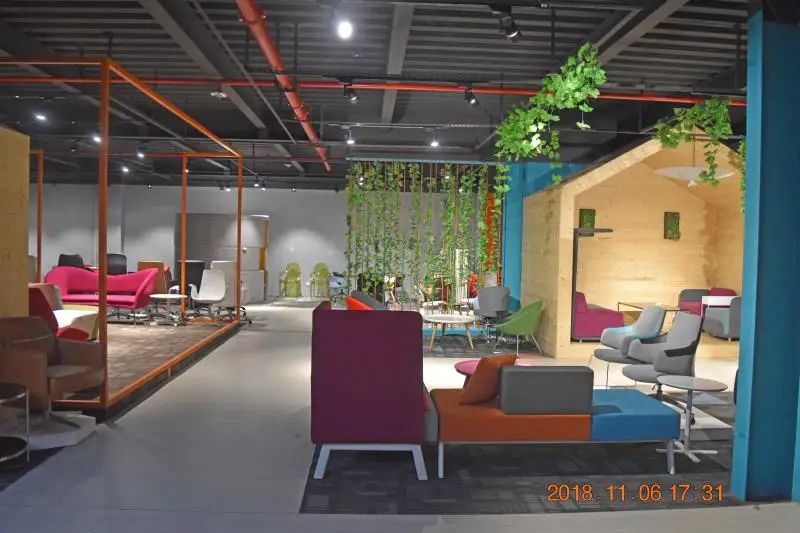
Foshan Lvye Furniture Co., Ltd.
- Manufacturer, Trading Company
- Guangdong, China
- Lead time18 days
- Avg. response≤ 9h
Main productsOffice Chair,furniture hardware,office furniture,interior design,Office Desk
Main marketsNorth America(18.00%), Eastern Europe(15.00%), Mid East(13.00%), Northern Europe(13.00%), Southeast Asia(12.00%), Western Europe(8.00%), Southern Europe(7.00%), Africa(3.00%), South America(3.00%), South Asia(2.00%), Oceania(2.00%), Eastern Asia(2.00%), Central America(2.00%)
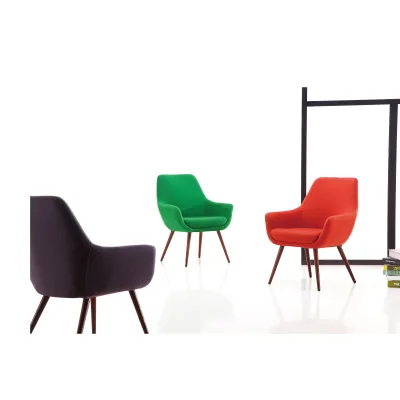
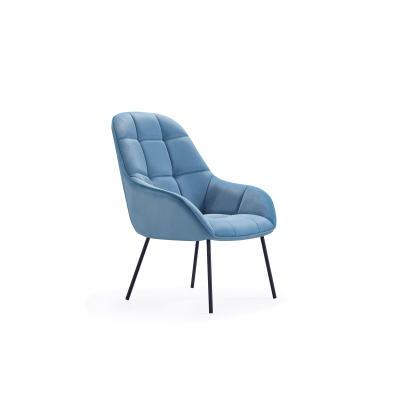
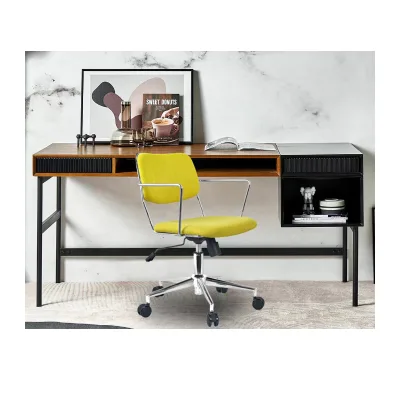
Classical Modern Home Office Chair
$45.00 - $45.10

- Verified by CTI
- Trading Company
- China Anhui
- Lead time23 days
Main productsFurniture, Home Furniture
Main marketsSoutheast Asia/ Mideast

Langfang Ruiyi Furniture Co., Ltd.
- Verified by TUVRHEINLAND
- Trading Company,Manufacturer/Factory
- China Hebei
- Lead time60 days
Main productsDining Chair, Dining Table, Accent Chair, Sofa Chair, Coffee Table, Lounge Chair, Cabinet, Glass TV Stand, Side Table, Tea Table
Main marketsSouth America,Eastern Europe,Mid East,North America,Southeast Asia,Eastern Asia,Oceania,Western Europe,Africa

Foshan Beshine Furniture Limited
- Verified by TUVRHEINLAND
- Combined
- China Guangdong
- Lead time30 days
Main productsBanquet Chair, Chiavari Chair, Wedding Chair, Church Chair, Aluminum Chair, Wood-Look Powder Chair, Hotel Furniture, Stainless Steel Chair, Banquet Furniture, Plastic Chair
Main marketsDomestic


Modern New Design Metal Legs with Acrylic Resin Back Napoleon Hotel Chair
$19.86 - $21.32
MOQ: 100 Pieces


Foshan Yichuang Furniture Co., Ltd.
- Verified by TUVRHEINLAND
- Combined
- China Guangdong
- Lead time23 days
Main productsHotel Furniture, Hotel Chair, Banquet Chair, Banquet Table, Aluminum Chair, Chiavari Chair, Wedding Chair, Dining Chair, Metal Chair, Chair
Main marketsSouth America,Africa,Southeast Asia/ Mideast,East Asia(Japan/ South Korea),Domestic,Europe,Australia,North America

Modern New Style Iron Art Hotel Restaurant Banquet Hotel Napoleon Dining Chair
$29.90 - $34.00
MOQ: 2 Pieces


Xuzhou Risen Industry and Supply Co., Ltd
- Verified by TUVRHEINLAND
- Trading Company
- China Jiangsu
- Lead time30 days
Main productsHousehold Adornment, Household Supplies, Home Decoration, Compressed Sofa, Dining Furniture, Bothroom Organizer, Kitchen Storage, Glass Ornaments, Ceramic Tableware, Home Fragrance
Main marketsSouth America

Fujian Dongyi Shenghui International Trade Co., Ltd.
- Verified by SGS
- Combined
- China Fujian
- Lead time15 days
Main productsHotel Furniture, Apartment Furniture, Dining Restaurant Banuqet Furniture, Church Furniture, Movie Theater Furniture, Opera House Furniture, KTV Furniture, Office School Stadium Furniture
Main marketsEurope

Foshan Shuaige Furniture Co., Ltd.
- Verified by TUVRHEINLAND
- Combined
- China Guangdong
- Lead time23 days
Main productsWedding Chair, Wedding Table, Dining Furniture, Dining Chair, Dining Table Set, Stainless Steel Chair, Wedding Furniture, Wedding Backdrop, Banquet Furniture, Hotel Chair and Table
Main marketsDomestic

Tianjin Kingnod Furniture Co., Ltd.
- Verified by BV
- Manufacturer/Factory
- China Tianjin
- Lead time23 days
Main productsDining Chair, Restaurant Chair, Office Chair, Bar Stool, Game Chair, Plastic Chair, Metal Chair, Dining Table, Gaming Table, Barstool
Main marketsSouth America,Eastern Europe,Mid East,North America,Southeast Asia,Eastern Asia,Oceania,Western Europe,Africa

Bazhou Henglead Furniture Co., Ltd
- Verified by TUVRHEINLAND
- Combined
- China Hebei
- Lead time15 days
Main productsDining Table, Coffee Table, Dining Chair, Iorn Dining Table, Light Luxury Dining Table, Simple Dining Table, Upholstered Chair, Table and Chairs, Salon Chair, Barber Chair
Main marketsDomestic
Bazhou Kaisanda Furniture Co., Ltd.
- Trading Company
- China Hebei
- Lead time0 days
Main productsChairs, Gaming Chair, Sofa Chair, Home


Hot Selling Modern Contemporary Dining Chair for Living Room Restaurant
$10.00 - $18.00
MOQ: 100 Pieces

Contemporary Modern Wooden Dining Chair with Upholstered Seat for Hotel Cafe
$10.00 - $18.00
MOQ: 100 Pieces


Tianjin Bchair Import and Export Trade Co., Ltd.
- Verified by SGS
- Trading Company
- China Tianjin
- Lead time23 days
Main productsDining Chairs, Dining Table, Benches, Ottomans, Tolix Chairs, Bar Table, Restaurant Chair, Lounge Chair
Main marketsSouth America,Eastern Europe,Mid East,North America,Western Europe


Contemporary Dining Chairs with Comfortable Backrest for Luxury Spaces
$10.00 - $15.00
MOQ: 100 Pieces

Foshan Comfort Home Furniture Co., Ltd
- Verified by BV
- Manufacturer/Factory
- China Guangdong
- Lead time30 days
Main productsDining Table, Dining Chair, Dining Furniture, Compressed Sofa, Compressed Mattress
Main marketsSouth America,Eastern Europe,Mid East,North America,Southeast Asia,Eastern Asia,Oceania,Western Europe,Africa

Hangzhou Zhuoli Furniture Co., Ltd.
- Trading Company
- Zhejiang, China
- Lead time45 days
- Avg. response≤ 4h
Main productsDining Chair,Dining Table,living Room Sofa,Lounge Chiar,Bedroom Furniture
Main marketsNorth America(25.00%), Mid East(20.00%), South America(15.00%), Eastern Europe(10.00%), Domestic Market(10.00%), Northern Europe(8.00%), Western Europe(8.00%), Africa(4.00%)
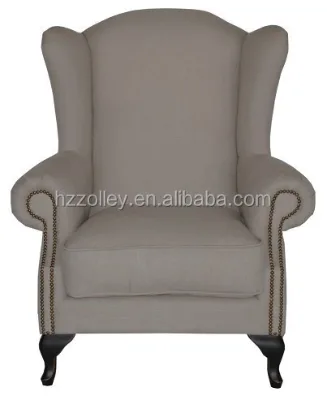
Antique home furniture classical chair high backed upholstered leisure chairs
$182.06 - $273.09
MOQ: 2 Minimum
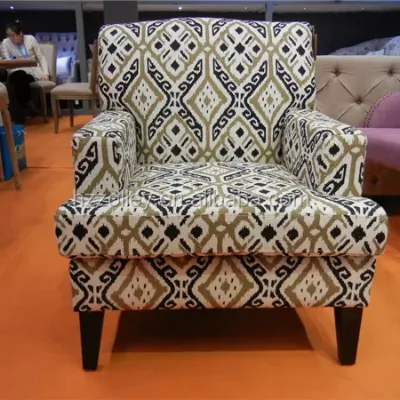

Tianjin Runduo Import and Export Co., Ltd
- Verified by TUVRHEINLAND
- Trading Company
- China Tianjin
- Lead time15 days
Main productsDining Chair, Outdoor Furniture, Outdoor Table, Upholstered Chair, UV-Resistant Chair, Dining Table, Outdoor Chair, Outdoor PP Chair, Sofa, Bar Chair
Main marketsEurope

Foshan J2S Furniture Co., Ltd.
- Verified by SGS
- Combined
- China Guangdong
- Lead time23 days
Main productsRestaurant Furniture, Hotel Furniture, Outdoor Furniture, Bar Furniture
Main marketsSoutheast Asia/ Mideast,Australia,North America


Contemporary Restaurant Dining Chair with Leather Upholstery and Gold Frame
$85.00 - $150.00
MOQ: 5 Pieces


Beijing Tianyuan Rongli Technology Co., Ltd.
- Verified by SGS
- Trading Company
- China Beijing
- Lead time15 days
Main productsMelamine Board, Chipboard, MDF, Solid Wood Pellet Board, Custom-Made Furniture, Dining Room Furniture, Living Room Furniture, Steel-Wood Furniture
Main marketsSoutheast Asia/ Mideast

Foshan Aston Furniture Co., Ltd.
- Verified by SGS
- Combined
- China Guangdong
- Lead time15 days
Main productsoffice Furniture
Main marketsDomestic

Tianjin Weirui International Trade Co., Ltd.
- Verified by SGS
- Trading Company
- China Tianjin
- Lead time23 days
Main productsGaming Chair, Office Chair, Office Desk, Dining Chair, Computer Desk, Gaming Desk, Bookshelf, Computer Desk with Bookshelf, Shelf
Main marketsSouth America,Southeast Asia/ Mideast,Europe


Comprehensive Sourcing Guide
Contemporary Napoleon Chair Supplier Concentration and Factory Types
The current supplier landscape for contemporary Napoleon chairs reveals a distinct concentration of manufacturing activity within specific Chinese provinces, with Shandong and Guangdong emerging as primary hubs. Fact-based observations indicate that a significant portion of suppliers operates from Shandong, specifically citing locations like Qingdao and general Shandong regions, while others are situated in Guangdong. These clusters are not merely geographic coincidences but reflect established industrial ecosystems where raw material access, particularly for wood and metal, and specialized labor pools converge to support high-volume furniture production. Buyers should prioritize verifying the specific city or district of a supplier, as the difference between a factory in Qingdao and one in a generic Shandong location can impact logistics costs and lead times significantly.
Regarding company structure, the market presents a mix of trading companies and manufacturers, often operating as hybrid entities that combine both roles. Some suppliers explicitly list their type as a Manufacturer/Factory, while others identify as Trading Companies, and many claim both capabilities. This duality is critical for buyers to understand, as a trading company may offer broader product ranges including folding tables and other commercial furniture, whereas a manufacturer might focus on specific production lines like the Napoleon chair. When evaluating a supplier, it is essential to confirm whether they are the actual production unit or an intermediary, as this distinction directly influences pricing flexibility, customization capabilities, and the ability to enforce quality control standards during the manufacturing process.
How to Verify Contemporary Napoleon Chair Suppliers
Verification of supplier credibility relies heavily on third-party audit reports and specific certification data rather than general claims. In the current results, verification status is explicitly linked to entities like TUVRHEINLAND, which serves as a concrete indicator of a supplier's commitment to meeting international safety and quality benchmarks. Buyers must request and review these specific audit documents to confirm that the supplier's claims regarding their factory floor, production capacity, and management systems have been independently validated. Relying on unverified self-declarations is insufficient; the presence of a recognized verification body like TUVRHEINLAND provides a tangible layer of assurance that the supplier is a legitimate business entity with operational transparency.
Beyond general verification, product-specific certifications such as SGS and CE are critical indicators of compliance for contemporary Napoleon chairs. The data shows that certain products carry SGS certification, while others, particularly metal variants, display both CE and SGS marks. These certifications are not merely marketing tools but represent adherence to specific material safety and structural integrity standards. Buyers should demand to see the actual certification reports corresponding to the specific model numbers, such as F1005 or F1043, to ensure that the materials used, whether wood or metal, meet the required safety thresholds. Without these specific documents, the risk of receiving non-compliant goods increases, making the verification of these credentials a non-negotiable step in the supplier assessment process.
What to Compare Across Contemporary Napoleon Chair Suppliers
When comparing suppliers, lead time and response speed are two of the most immediate operational differentiators available in the current data. Lead times vary significantly, with some suppliers indicating a 23-day production window while others offer a faster 18-day turnaround. Similarly, response times can range from 9 hours to longer periods, directly impacting the efficiency of the negotiation and order placement phases. Buyers should create a comparison matrix that places these time metrics side-by-side to determine which supplier aligns best with their project schedule. A shorter lead time is not always superior if it compromises quality, but a supplier with a 23-day lead time may be unsuitable for urgent orders compared to one offering 18 days, provided the quality standards are equivalent.
Minimum Order Quantities (MOQ) and pricing structures also require careful cross-supplier analysis to ensure financial viability. The observed data reveals MOQs ranging from 50 units for metal variants to 200 units for wooden models, with price points fluctuating between $16.00 and $30.00 per unit depending on material and customization. A buyer sourcing a small batch might find the 50-unit MOQ supplier more accessible, whereas a large-scale hotel project might benefit from the economies of scale offered by the 200-unit threshold. Additionally, the price range suggests that material choice, such as wood versus metal, and style variations like modern versus antique, significantly drive cost. Buyers must calculate the total landed cost, including shipping, rather than focusing solely on the unit price, to make an accurate financial comparison across different supplier offerings.
Common Contemporary Napoleon Chair Sourcing Risks
One of the primary risks in sourcing contemporary Napoleon chairs involves the discrepancy between product descriptions and actual specifications, particularly regarding customization and material composition. The data shows conflicting attributes where some products are listed as "Customized" while others are "Non-Customized," and materials range from wood to metal. This inconsistency can lead to confusion if a buyer assumes a specific customization option is available based on a general product listing. To mitigate this, buyers must explicitly confirm the customization status for every specific model before placing an order, ensuring that the final product matches the intended design and functional requirements. Relying on general keywords without verifying specific product attributes can result in receiving a standard model when a bespoke solution was required.
Another significant risk pertains to the reliability of shipping and packaging standards, which can vary widely between suppliers. Observations indicate different packing configurations, such as 4 pieces per carton versus 9 or 10 pieces, and varying standard dimensions like 40x40x88cm or 40x40x92cm. These variations directly affect shipping volume, freight costs, and the potential for damage during transit. If a supplier packs chairs loosely or uses inadequate carton strength, the risk of damage increases, leading to financial loss and delayed project timelines. Buyers should request detailed packing diagrams and photos of the actual packaging process to ensure that the chairs are protected adequately. Without verifying these logistical details, the buyer assumes the risk of receiving damaged goods or paying for inefficient shipping volumes.
Contemporary Napoleon Chair Regional Sourcing and Logistics
Geographic location plays a pivotal role in determining logistics efficiency and cost structures for Contemporary Napoleon Chair sourcing. The current supplier base is concentrated in Shandong and Guangdong, with specific origins noted in Qingdao and Shang Dong. These regions offer distinct logistical advantages; for instance, Qingdao is a major port city that facilitates efficient export shipping, potentially reducing transit times and costs for international buyers. Buyers should prioritize suppliers located near major shipping hubs to minimize inland transportation costs and simplify the export process. Understanding the specific port of origin is essential for accurate freight calculation, as shipping from a remote inland factory will incur higher costs compared to a facility located directly adjacent to a port.
Logistics planning must also account for the specific dimensions and weight of the products, which vary by material and model. The data indicates that wooden chairs have specific dimensions like 404089cm, while metal versions may differ, and packing densities vary from 4 to 10 pieces per carton. These physical attributes directly influence container loading efficiency and freight charges. Buyers should calculate the cubic meter volume per unit based on the supplier's specific packing data to optimize container utilization. Failing to account for these variations can lead to underutilized shipping space or unexpected freight surcharges. Therefore, a detailed logistics assessment that incorporates the specific dimensions and packing methods of each supplier is necessary to ensure cost-effective and timely delivery of the contemporary Napoleon chairs.
Contemporary Napoleon Chair Commercial Terms and Order Planning
Commercial terms regarding payment, warranty, and delivery conditions are critical components of order planning that vary significantly across suppliers. While specific payment terms are not explicitly detailed in the current data, the presence of certifications like SGS and CE suggests a level of quality assurance that should be reflected in the warranty terms. Some product listings mention a one-year warranty, which is a key factor in assessing long-term value and risk. Buyers must negotiate clear warranty clauses that cover defects in materials and workmanship, ensuring that the supplier is liable for any issues arising within the specified period. Without a defined warranty, the buyer assumes full responsibility for any post-delivery failures, which can be financially detrimental for large orders.
Order planning must also integrate the specific lead times and production capacities to ensure timely delivery. With lead times ranging from 18 to 23 days, buyers need to factor in these durations when scheduling their project timelines. Additionally, the capacity for OEM customization, as indicated by the "rd_capacity" field, allows for tailored solutions but may extend the production timeline. Buyers should align their order quantities with the supplier's capacity to avoid delays, especially when dealing with customized orders. It is essential to establish a clear production schedule that includes buffer time for potential delays, ensuring that the contemporary Napoleon chairs arrive when needed. Proper planning of these commercial terms and timelines is vital for maintaining project momentum and avoiding costly disruptions.
FAQs
What is the price range for wooden Napoleon chairs?
Wooden Napoleon chairs typically range from 16 to 25.50 USD per unit depending on the specific model and finish. Prices vary based on whether the chair is square or round shaped, and if it features a modern or antique style. Minimum order quantities usually start at 50 units for metal versions and 200 units for wood.
Are these chairs available with SGS certification?
Yes, many wooden and metal Napoleon chairs listed carry SGS certification to ensure quality and safety standards. Some metal models also include CE certification alongside SGS. Buyers should verify specific product attributes to confirm which certifications apply to their selected model before placing an order.
What is the typical lead time for these chairs?
Lead times for Napoleon chairs generally range from 18 to 23 days depending on the supplier location and order volume. Suppliers in Shandong and Guangdong regions offer these delivery windows. Customization options may impact the final production schedule, so confirm the exact timeline with the manufacturer before finalizing the purchase.
Can I customize the Napoleon chairs for my event?
Customization is available for many Napoleon chair models, allowing for specific colors, finishes, or branding. Some products are listed as non-customized while others explicitly offer custom options. Buyers should check the product attributes for each item to determine if customization is possible for their specific requirements.
Where are these chairs manufactured?
These chairs are primarily manufactured in China, with specific origins noted in Qingdao and Shandong provinces. Some listings also indicate Guangdong as a production location. The origin affects shipping logistics and lead times, so verify the specific place of origin for each supplier to plan your delivery schedule effectively.
What is the minimum order quantity for these chairs?
Minimum order quantities vary by material and model, starting at 50 units for metal chairs and 200 units for wooden versions. Some suppliers may have different thresholds based on customization needs. Always check the specific product details to confirm the exact MOQ required for your order before contacting the supplier.
Do these chairs come with cushions or covers?
Certain metal Napoleon chair models offer soft or hard cushions as optional accessories. Chair covers are also available for some listings to enhance comfort or match event themes. Wooden models typically do not include cushions but may be paired with separate accessories. Verify product attributes to confirm availability.
How quickly do suppliers respond to inquiries?
Response times for suppliers vary, with some indicating a 9-day response window while others may take longer. This metric helps buyers gauge communication efficiency before placing orders. Check the specific supplier profile for their current response time to ensure timely coordination for your sourcing needs.