Anti-Static Industrial Office Stool Suppliers and Manufacturers
Compare 18 verified suppliers offering Anti-Static Industrial Office Stool with varying lead times, certifications, and locations. Review response times and MOQs to select the right partner for your facility needs today; review the available evidence before requesting comparable quotations from suitable candidates.
Suppliers List
Chaozhou Yazhiyi Medical Device Co., Ltd.
- Manufacturer, Trading Company
- Guangdong, China
- Lead time10 days
- Avg. response≤ 1h
Main productsMedical equipment,Medical trolley,Medical furniture,medical apparatus and instruments,furniture
Main marketsSoutheast Asia(35.00%), Africa(25.00%), Mid East(23.00%), Southern Europe(9.00%), South Asia(8.00%)
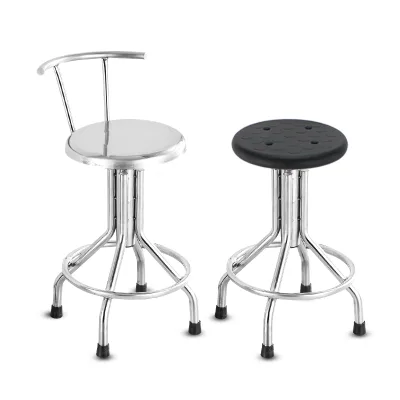
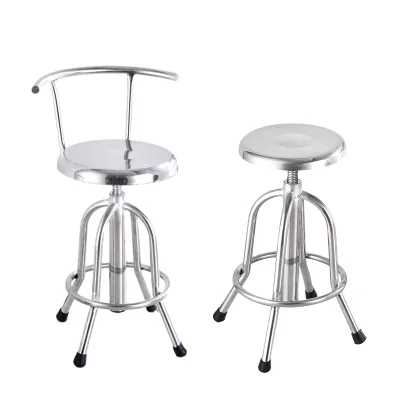
$12.24 - $45.89
MOQ: 1 Minimum
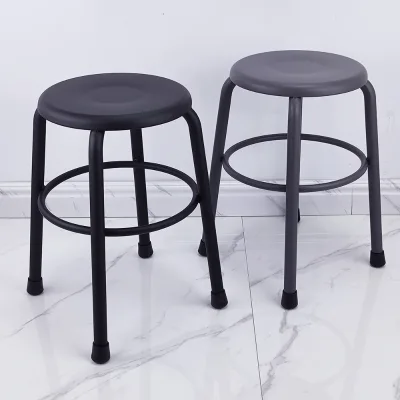
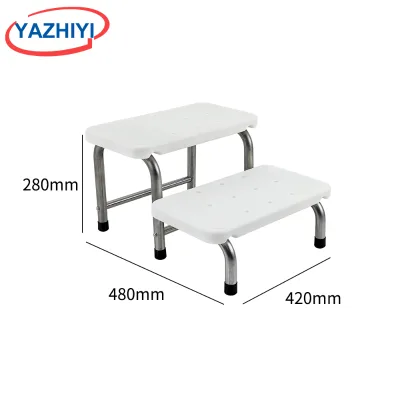
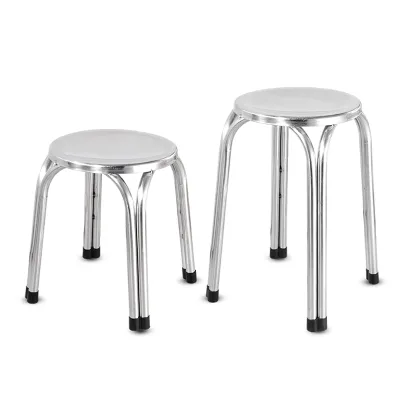
$3.40 - $13.30
MOQ: 1 pieces

JIANGSU JIAHONG LABORATORY EQUIPMENT CO.,LTD.
- Verified by SGS
- Trading Company,Manufacturer/Factory
- China Jiangsu
- Lead time23 days
- Avg. response≤ 3h
Main productsFume Hood, Fume Cupboard, Lab Furniture, Laboratory Furniture, Fume Extractor, Lab Sink, Lab Worktop, Lab Tap, Laboratory Fitting
Main marketsMid East,North America,Southeast Asia,Eastern Asia,Africa

Foshan Haiyue Furniture Co., Ltd.
- Verified by SGS
- Manufacturer/Factory
- China Guangdong
- Lead time23 days
- Avg. response≤ 9h
Main productsOffice Chair, Office Furniture, Leisure Chair, Bar Stool, Stools, Sadle Stools, Chair, Wobble Chair, Ergonomic Chair, Bar Chair
Main marketsSouth America,Eastern Europe,North America,Western Europe

Benemed (Hongkong) Industry Co., Limited
- Verified by TUVRHEINLAND
- Trading Company,Manufacturer/Factory
- China Henan
- Lead time23 days
- Avg. response≤ 6h
Main productsHematology Analyzer, Ultrasound Scanner, Patient Monitor, Chemistry Analyzer, Electrolyte Analyzer, Urine Analyzer, ECG Machine, Pulse Oximeter, Ot Light, X-ray Film Viewer
Main marketsSouth America,Eastern Europe,Mid East,Southeast Asia,Eastern Asia,Western Europe,Africa

Tianjin Kingnod Furniture Co., Ltd.
- Verified by BV
- Manufacturer/Factory
- China Tianjin
- Lead time23 days
- Avg. response≤ 5h
Main productsDining Chair, Restaurant Chair, Office Chair, Bar Stool, Game Chair, Plastic Chair, Metal Chair, Dining Table, Gaming Table, Barstool
Main marketsSouth America,Eastern Europe,Mid East,North America,Southeast Asia,Eastern Asia,Oceania,Western Europe,Africa

Industrial Low Back Tolixs Kitchen Counter Bar Stool Low Back - High Stool Chair
$9.82 - $13.62
MOQ: 200 Pieces


Guangdong Oshujian Furniture Co., Ltd.
- Verified by TUVRHEINLAND
- Combined
- China Guangdong
- Lead time15 days
- Avg. response≤ 4h
Main productsWaiting Chair, Airport Chair, Auditorium Chair, Office Sofa
Main marketsDomestic


Computer Lab Stool Price PU ESD Chair with Armrest Lab Furniture Anti-Static Stool
$43.00 - $51.00
MOQ: 10 Pieces


Langfang Airun Imp. & Exp. Co., Ltd.
- Verified by BV
- Trading Company
- China Hebei
- Lead time15 days
- Avg. response≤ 10h
Main productsDining Table, Coffee Table, Dining Chair, Hotel Chair, Leisure Chair, Plastic Chair, Metal Chair, Fabric Covered Chair, TV Stand, Sideboard
Main marketsSouth America,Africa,Southeast Asia/ Mideast,Europe,North America


Portable Backrest Simple Stool Conference Training Office Chair Home Dormitory Event Folding Chair
$7.80 - $10.00
MOQ: 100 Pieces

Simple Home Computer Office Conference Staff Chair Ergonomic Backrest Stool Chair
$6.20 - $10.00
MOQ: 100 Pieces

MAC Chairs And Components Co., Ltd.
- Combined
- China Guangdong
- Lead time30 days
- Avg. response≤ 8h
Main productsOffice Chair, Office Chair Components, Laboratory Chair, Office Chair Parts, Chair Armrest, Chair Base, Chair Back, Mesh Chair, Chair Caster, Leather Chair
Main marketsSouth America,Africa,Domestic,Europe,Australia,North America

Industrial High Bar Stool Chair Supplier Industrial Working Lab Stool Chair
$37.80 - $39.50
MOQ: 50 Boxes

Modern Stainless Steel Swiver Industrial Workshop Cleaning Room Lab Stool Chair
$40.00 - $50.00
MOQ: 10 Pieces


DONGGUAN ANTISK ELECTRONIC CO., LTD
- Verified by SGS
- Trading Company
- China Guangdong
- Lead time15 days
- Avg. response≤ 3h
Main productsESD Mat, Grounding Mat, Grounding Bed Sheet, Grounding Fitted Sheet, ESD Waste Bin, ESD Chairs, ESD Magazine Rack, ESD Brush, Cleanroom Wiper, ESD Box
Main marketsEast Asia(Japan/ South Korea),Europe,North America

Office Furniture Anti-Static Lab Stool Adjustable PU Swivel School Laboratory ESD Chair
$30.00 - $40.00
MOQ: 10 Pieces

Adjustable Fabric ESD Office Chair with Anti-Static Fabric Workshop Stool for Semiconductor Industry
$55.00 - $70.00
MOQ: 10 Pieces


- Verified by BV
- Manufacturer/Factory
- China Zhejiang
- Lead time30 days
- Avg. response≤ 3h
Main productsBrush Cutter, Tiller, Garden Equipment, Chain Saw, Bike Rack, Motorcycle Lift, Furniture, Hooks, Garage Rack, Storage Bin
Main marketsSouth America,Eastern Europe,Mid East,North America,Southeast Asia,Eastern Asia,Oceania,Western Europe,Africa

Shenzhen Selen Clean Tech Co., Ltd.
- Combined
- China Guangdong
- Lead time30 days
- Avg. response≤ 3h
Main productsNonwoven Products, Cleanroom Wipes, ESD Coat and Shoes, Face Mask, Safety Shoes, Gloves, ESD/Clenaroom Package, ESD Fabric, ESD Smock
Main marketsSoutheast Asia/ Mideast,East Asia(Japan/ South Korea),Domestic

Stainless Steel Square Stool Factory Workshop School Laboratory 304 Metal Stool
$7.65 - $9.85
MOQ: 20 Pieces


Hebei ChangXin Import and Export Trade Co., Ltd.
- Verified by SGS
- Trading Company
- China Hebei
- Lead time15 days
- Avg. response≤ 17h
Main productsTV Stand, Dining Chair, Office Chair, Dining Table, Bar Chair, Coffee Table
Main marketsEurope

Guangdong Everpretty Furniture Co., Ltd.
- Combined
- China Guangdong
- Lead time23 days
- Avg. response≤ 16h
Main productsStudent Desk & Chair, Kid's Desk & Chair, Laboratory Benches & Stools, Canteen Table Benches, Library Bookshelf Desk & Chair, Bunk Bed & Roomset Furniture, Auditorium & Theater Chair, White Board Green Board Cork Board, Storage Cabinet & Wardrobe, Office Table & Chair
Main marketsAfrica,Southeast Asia/ Mideast
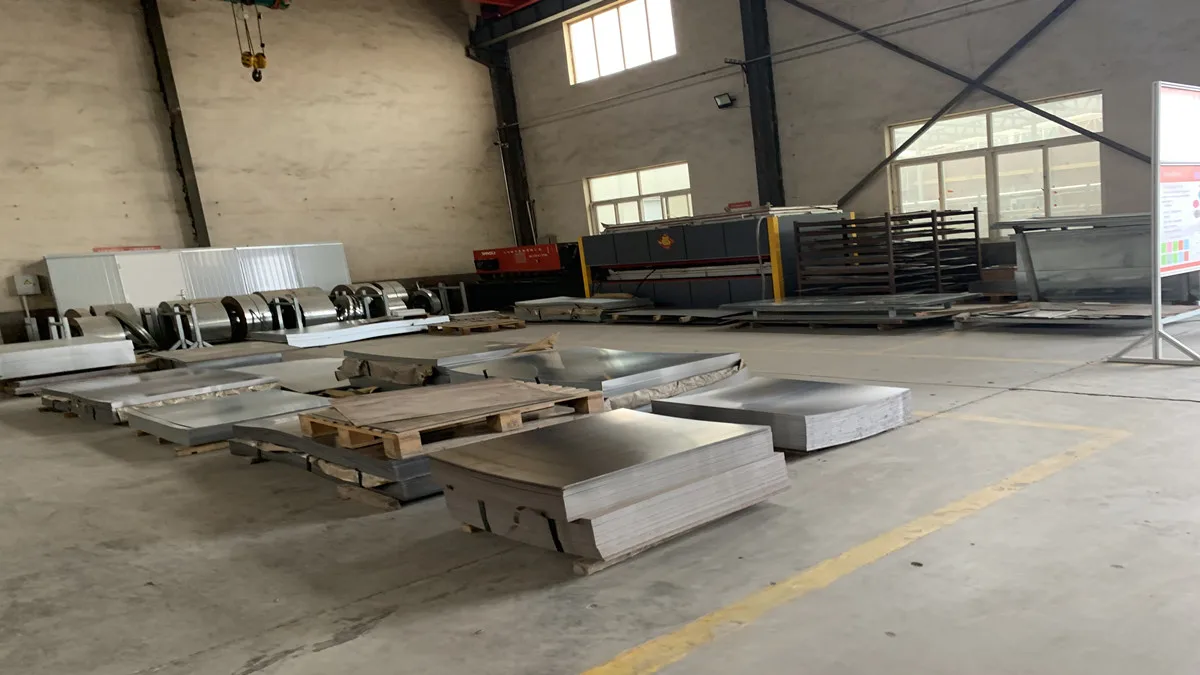
Yantai Furui Technology Co., Ltd.
- Trading Company
- Shandong, China
- Lead time0 days
- Avg. response≤ 2h
Main productsfume hood,lab table,lab cabinet,lab accessories,lab stool
Main marketsSouth America(50.00%), Eastern Europe(15.00%), North America(10.00%), South Asia(10.00%), Southeast Asia(7.00%), Western Europe(4.00%), Northern Europe(4.00%)

Foshan Aston Furniture Co., Ltd.
- Verified by SGS
- Combined
- China Guangdong
- Lead time15 days
- Avg. response≤ 6h
Main productsoffice Furniture
Main marketsDomestic

Heavy Duty Office Chair Stable Base Swivel Staff Chair for Office and Study
$48.99 - $53.99
MOQ: 30 Pieces


Hot Sale Industrial Design Fabric Executive Office Chair with Adjustable Lumbar Support
$53.99 - $56.99
MOQ: 10 Pieces

4-Position Base Chair- Ergonomic Backrest & Lumbar Support Office Chair
$54.99 - $59.99
MOQ: 50 Pieces


Guangzhou Penway Lab Equipment Co., Ltd.
- Verified by SGS
- Trading Company,Manufacturer/Factory
- China Guangdong
- Lead time15 days
- Avg. response≤ 1h
Main productsLab Furniture, Lab Bench, Lab Table, Fume Hood, Fume Cupboard, Lab Construction, Lab Designs, Lab Cabinets, Lab Equipment
Main marketsSouth America,Eastern Europe,Mid East,North America,Southeast Asia,Eastern Asia,Oceania,Western Europe,Africa

- Verified by SGS
- Combined
- China Guangdong
- Lead time15 days
- Avg. response≤ 5h
Main productsOffice Chair Armrest
Main marketsDomestic
- Verified by SGS
- Combined
- China Guangdong
- Lead time30 days
- Avg. response≤ 5h
Main productsOffice Chair, Computer Desk, Sofa
Main marketsSouth America,Southeast Asia/ Mideast




Comprehensive Sourcing Guide
Anti-Static Industrial Office Stool Supplier Concentration and Factory Types
The available data indicates a concentration of manufacturers and trading companies operating primarily within Guangdong, China, alongside a distinct cluster in Jiangsu. Suppliers in these regions list medical equipment, laboratory furniture, and commercial seating as their core product lines, suggesting a specialized manufacturing ecosystem for industrial-grade seating. The presence of both manufacturer and trading company types in the results implies that buyers may encounter direct factory sources or intermediaries depending on the specific supplier profile. Some entities explicitly state capabilities in OEM and own-brand production, while others focus on trading activities. This mix requires careful distinction when evaluating the supply chain structure for anti-static industrial office stools.
When a specific location is not confirmed as a high-confidence result fact for a particular supplier, buyers should verify the origin through direct inquiry rather than assuming a cluster. The observed data shows products originating from Guangdong and Jiangsu, but general sourcing strategies must account for the possibility of other manufacturing hubs. Buyers should request proof of factory location, such as video tours or recent utility bills, to confirm the physical presence of production facilities. This verification step is critical because the distinction between a trading company and a manufacturer directly impacts lead times, customization capabilities, and price negotiation leverage. Understanding the specific factory type ensures the buyer aligns their expectations with the supplier's actual operational capacity.
How to Verify Anti-Static Industrial Office Stool Suppliers
Verification of supplier credentials relies heavily on checking for specific certifications and third-party audit reports found in the product data. Several observed listings explicitly mention CE and ISO certifications, which are essential for medical and laboratory environments where anti-static properties are critical. One supplier in the Jiangsu region displays ISO 9001 and ISO 14001 system certifications alongside an SGS verification status, providing a higher level of confidence in their quality management systems. Buyers must confirm that these certifications are current and applicable to the specific anti-static stool models being sourced, as generic certifications may not cover specialized industrial requirements. The presence of these labels in product attributes serves as a primary indicator of compliance but requires validation against the supplier's official documentation.
Beyond certifications, buyers should assess the supplier's response time and verification status to gauge reliability and communication efficiency. The data shows response times ranging from one day to nearly three days, with some suppliers marked as verified by third-party agencies. A faster response time often correlates with better operational readiness and customer service, which is vital for resolving technical queries regarding anti-static specifications. Buyers should also examine the "is_verified" status and any associated audit reports to ensure the supplier is not a shell entity. Cross-referencing the claimed main products, such as medical equipment or laboratory furniture, with the specific stool models helps confirm that the supplier has relevant experience in the industrial sector rather than just general furniture trading.
What to Compare Across Anti-Static Industrial Office Stool Suppliers
Comparing suppliers requires a detailed analysis of lead times, minimum order quantities, and pricing structures to determine the best fit for the project. Observed lead times vary significantly, with some suppliers indicating a ten-day turnaround while others list twenty-three days or fifteen days for specific container sizes. Minimum order quantities are frequently listed as low as one piece, offering flexibility for trial orders, though bulk pricing tiers may apply for larger volumes. Price ranges observed in the data span from approximately three dollars to over forty-five dollars per unit, reflecting differences in material quality, such as stainless steel versus ABS, and the inclusion of features like wheels or backrests. Buyers must weigh these cost factors against the required durability and anti-static performance standards.
In addition to cost and time, the comparison should include product attributes like material composition, warranty periods, and customization options. The data reveals materials ranging from stainless steel to ABS, with some models offering adjustable heights or swivel casters. Warranty terms are noted as one year in several listings, which serves as a benchmark for quality assurance expectations. Customization capabilities, such as OEM availability and color options, vary by supplier and can be a decisive factor for branding or specific facility requirements. Buyers should create a standardized comparison matrix that includes these specific attributes to objectively evaluate which supplier offers the optimal balance of price, speed, and technical specification for their anti-static industrial office stool needs.
Common Anti-Static Industrial Office Stool Sourcing Risks
One significant risk involves the discrepancy between claimed certifications and actual product compliance, particularly regarding anti-static properties. While some listings explicitly state CE and ISO certifications, buyers must verify that these standards specifically cover the anti-static functionality required for clean rooms or electronic assembly areas. Generic furniture certifications may not validate the electrical resistance properties essential for industrial safety. Without specific test reports or third-party validation for the anti-static claim, there is a risk of receiving products that fail to meet safety regulations in sensitive environments. This risk is heightened when dealing with trading companies that may not have direct control over the manufacturing process or quality testing protocols.
Another critical risk is the inconsistency in lead times and production capacity, which can disrupt project schedules. The observed data shows lead times ranging from ten to twenty-three days, and some suppliers mention specific lead times for container sizes like 20FT. If a supplier underestimates their production capacity or faces raw material shortages, delays can occur, impacting the overall project timeline. Additionally, the variation in minimum order quantities, from single pieces to larger batches, can lead to unexpected costs if the supplier changes terms mid-order. Buyers should mitigate these risks by securing clear production schedules in the contract and requesting evidence of current inventory or production line availability before finalizing the order.
Anti-Static Industrial Office Stool Regional Sourcing and Logistics
Sourcing from the identified regions of Guangdong and Jiangsu offers logistical advantages due to established manufacturing clusters and port access. Suppliers in these areas often have experience exporting medical and laboratory equipment, which implies familiarity with the packaging and shipping requirements for fragile or specialized items. The data indicates that products are packed in cartons, and some listings specify mail packing details, which are crucial for preventing damage during transit. Buyers should leverage the proximity of these manufacturing hubs to reduce shipping costs and transit times, especially when sourcing from the same region for multiple product lines. Understanding the regional logistics network helps in planning efficient delivery schedules and managing inventory levels.
However, buyers must also consider the potential for logistical complications when dealing with suppliers in different provinces or those with less established export histories. If a supplier is located in a region not confirmed by the data, the buyer should verify their experience with international shipping and customs clearance. The variation in lead times observed in the data suggests that logistics planning must account for potential delays in production or documentation processing. Buyers should request detailed shipping terms, including Incoterms and estimated transit times, to ensure that the delivery schedule aligns with project requirements. Clear communication regarding packaging standards and shipping responsibilities is essential to avoid unexpected costs or delays in receiving the anti-static industrial office stools.
Anti-Static Industrial Office Stool Commercial Terms and Order Planning
Commercial terms for anti-static industrial office stools often include specific conditions regarding payment, warranty, and customization. The observed data shows warranty periods of one year for several models, which should be clearly defined in the purchase agreement to cover defects in materials or workmanship. Buyers should also clarify the terms for customization, as some suppliers list OEM availability while others may have restrictions on design changes. Understanding the pricing structure, including any volume discounts or price fluctuations based on material costs, is essential for accurate budgeting. The low minimum order quantities observed allow for flexible ordering, but buyers should confirm if unit prices change significantly for larger orders to optimize cost efficiency.
Order planning must account for the variability in response times and lead times to ensure timely delivery. With response times ranging from one to nearly three days, buyers should initiate communication early to allow sufficient time for negotiation and order confirmation. The lead times, which vary from ten to twenty-three days, require careful scheduling to align with project milestones. Buyers should establish a clear timeline for production, quality inspection, and shipping, incorporating buffer time for potential delays. Additionally, verifying the supplier's capacity to handle the required order volume is crucial, as some suppliers may have limitations on production speed. A well-structured order plan that includes these variables will help mitigate risks and ensure a smooth procurement process for anti-static industrial office stools.
FAQs
What is the minimum order quantity for these stools?
The minimum order quantity is one piece for most listed products. This allows buyers to test quality before placing larger orders. Some specific models also support single item purchases without requiring bulk commitments for initial sourcing needs.
How long does it take to receive the products?
Lead times vary between ten and twenty-three days depending on the supplier and order volume. Some manufacturers offer faster shipping within ten days, while others with larger capacity may require up to twenty-three days for production and delivery completion.
Are these stools certified for hospital and school use?
Yes, many products carry CE and ISO certifications suitable for hospital and school environments. Specific models are designed for laboratory use with anti-static properties. Buyers should verify the exact certificate details for their specific application requirements before finalizing purchases.
What materials are used to construct these industrial stools?
The stools are primarily constructed from stainless steel and ABS plastic materials. Some models feature metal frames with specific finishes like gunmetal gray or black. The combination ensures durability and resistance to corrosion in demanding industrial or medical settings.
Can I customize the height or design of the stool?
Customization options are available for height and design features on select models. Some products offer adjustable heights and swivel casters for enhanced functionality. Buyers should confirm specific customization capabilities with the supplier to ensure the product meets their unique operational needs.
Where are these suppliers located and what is their response time?
Suppliers are located in Guangdong and Jiangsu provinces in China. Response times range from one to three days for initial inquiries. This ensures timely communication regarding product specifications, pricing, and shipping arrangements for international buyers seeking reliable industrial furniture solutions.
What is the price range for these anti-static stools?
Prices range from approximately three dollars to forty-six dollars per unit depending on the model and features. Basic round stools start at lower price points while specialized laboratory or adjustable models command higher costs. Buyers should compare specific product attributes to determine the best value.