Cosmetic Bamboo Jar Suppliers and Manufacturers
Source 24 Cosmetic Bamboo Jar suppliers in China Zhejiang. Compare ISO 9001 certifications, 30-60 day lead times, and MOQs from 1,000 to 5,000 units. Verify factory capabilities and request samples to evaluate pricing and customization options; review the available evidence before requesting comparable quotations from suitable candidates.
Suppliers List
Ningbo Pack Imp. & Exp. Co., Ltd.
- Verified by SGS
- Trading Company,Manufacturer/Factory
- China Zhejiang
- Lead time30 days
- Avg. response≤ 8h
Main productsAluminum Jar, Aluminum Bottle, Tin Box, Glass Dropper Bottle, Glass Tube, Paper Box, Paper Tube, Plastic Pop Top Tube, Plastic Bottle, Silicone Gummy Mold
Main marketsSouth America,Eastern Europe,Mid East,North America,Southeast Asia,Eastern Asia,Oceania,Western Europe,Africa

Shangyu Shengruisi Packaging Co., Ltd.
- Verified by CTI
- Combined
- China Zhejiang
- Lead time60 days
- Avg. response≤ 8h
Main productsRoll on Bottle, Roller Bottle, Airless Bottle, Perfume Bottle, Essential Oil Bottle, Cosmetic Packaging, Plastic Bottle, Make up Series, Pet Bottle, Cosmetic Jar
Main marketsSouth America,Southeast Asia/ Mideast,East Asia(Japan/ South Korea),Europe,Australia,North America


Eco friendly 15ml 30ml 50ml 100ml 200ml bamboo cosmetic jars with glass container
$1.50
MOQ: 5000 Pieces

Yuyao Xianghao Mold Technology Company Limited
- Verified by BV
- Trading Company
- China Zhejiang
- Lead time30 days
- Avg. response≤ 9h
Main productsInjection Mold, Plastic Mold, Injection Molding, Rapid Prototyping, 3D Pritting, Manhole Cover Mold, Silicone Rubber Mould, Wire Rack, Car Air Compressor, LED Light
Main marketsNorth America

Xiamen Ebei Import & Export Co., Ltd.
- Verified by CTI
- Trading Company,Manufacturer/Factory
- China Fujian
- Lead time45 days
- Avg. response≤ 2h
Main productsEco-Friendly Products, Bamboo Tableware, Bamboo Furniture, Bamboo Kitchenware, Bamboo Office Supply, Bamboo Fibre Products, Biodegradable Products, Bamboo Towel, Solar Energy Products, Bamboo Garden Products
Main marketsSouth America,Eastern Europe,Mid East,North America,Southeast Asia,Eastern Asia,Oceania,Western Europe,Africa


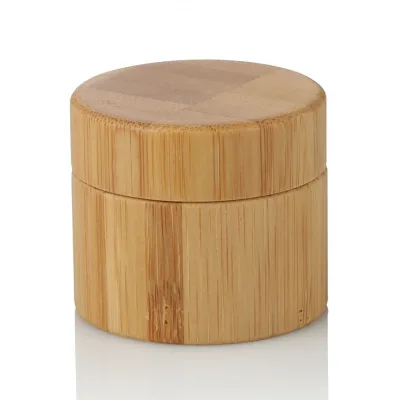
Natural Bamboo Cosmetic Jars with Custom Logo - Eco-Friendly Storage Containers
$0.97
MOQ: 2000 Pieces

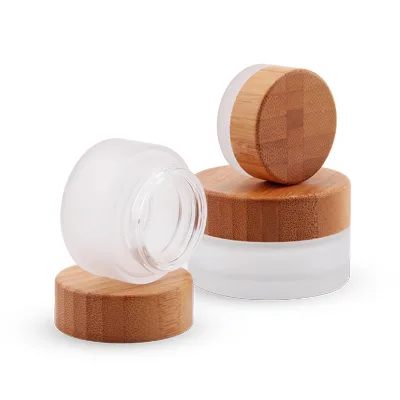
Customized Frosted Eye Face Body Lotion Glass Cream Cosmetic Container Jar with Bamboo Lid
$0.93 - $1.50
MOQ: 500 Pieces


Ningbo Passen Technology Co., Ltd.
- Verified by BV
- Trading Company
- China Zhejiang
- Lead time30 days
- Avg. response≤ 9h
Main productsWide Mouth Jar, Cosmetic Bottle, Plastic Bottle, Cosmetic Jar, Cosmetic Packaging, Aluminum Bottle, Cream Jar, Plastic Packaging, Aluminum Jar, Lotion Bottle
Main marketsSouth America,Africa,Southeast Asia/ Mideast,East Asia(Japan/ South Korea),Europe,Australia,North America
Xuzhou Sheenland Glass Products Co., Ltd.
- Verified by CTI
- Trading Company
- China Jiangsu
- Lead time45 days
- Avg. response≤ 5h
Main productsGlass Bottle, Glass Jar, Glass Container
Main marketsSouth America,Africa,Southeast Asia/ Mideast,East Asia(Japan/ South Korea),Domestic,Europe,Australia,North America
Ningbo Yufan Packaging Co., Ltd.
- Verified by CTI
- Manufacturer/Factory
- China Zhejiang
- Lead time23 days
- Avg. response≤ 5h
Main productsAluminum Bottle, Aluminum Jar, Aluminum Tin, Trigger Sprayer, Cream Pump, Sprayer Pump
Main marketsSouth America,Eastern Europe,Mid East,North America,Southeast Asia,Eastern Asia,Oceania,Western Europe,Africa

$0.10 - $1.00
MOQ: 1000 Pieces

Ayurvedic Bamboo Jar Traditional Meets Sustainable in Herbal Bamboo Cosmetic Packaging
$0.10 - $1.00
MOQ: 1000 Pieces

$0.10 - $1.00
MOQ: 1000 Pieces

$0.10 - $1.00
MOQ: 1000 Pieces

$0.10 - $1.00
MOQ: 1000 Pieces

$0.10 - $1.00
MOQ: 1000 Pieces
Yuyao Blooming Commodity Co., Ltd.
- Verified by TüVRheinland
- Manufacturer, Trading Company
- Lead time15 days
- Avg. response≤ 4h
Main productsCream Pump, Roll On Bottle, Airless Bottle, All Plastic Trigger Sprayer, Deodorant Stick Tube
Main marketsNorth America(26%), Eastern Europe(22%), Domestic Market(15%)

Guangzhou Winly Packaging Products Co., Ltd.
- Verified by CTI
- Trading Company
- China Guangdong
- Lead time15 days
- Avg. response≤ 4h
Main productsCosmetic Packaging Pet Bottle, HDPE LDPE Bottle, Glass Bottle, Paper Boxes, Airless Bottle, Make-up Tools
Main marketsSoutheast Asia/ Mideast,Europe,North America

Customized Eco-Friendly Colorful Cosmetic Container Bamboo Packaging Face Cream Jar with Bamboo Cap
$0.20 - $0.90
MOQ: 10000 Pieces

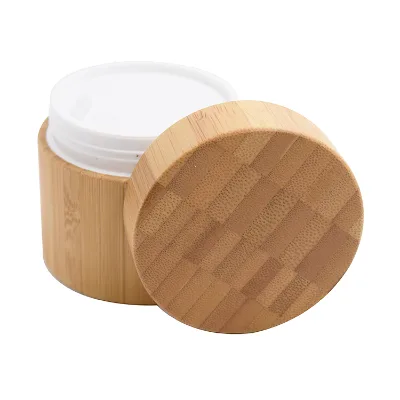
New Eco-Friendly Bamboo Wooden Cream Jar And Bottle For Cosmetic Packaging
$0.20 - $0.80
MOQ: 5000 Pieces

ningbo crown commodity co.,ltd
- Verified by SGS
- Combined
- China Zhejiang
- Lead time30 days
- Avg. response≤ 25h
Main productsPerfume Sprayer, Lotion Pump, Trigger Sprayer, Pet Bottle, Cosmetic Package, Eyeliner Package
Main marketsAfrica,Southeast Asia/ Mideast,Europe,North America
Zhongshan Yicai Bamboo Products Co., Ltd.
- Manufacturer/Factory
- China Guangdong
- Lead time15 days
- Avg. response≤ 6h
Main productsBamboo and Wood Makeup Packaging, Bamboo and Wood Perfume Cap, Bamboo and Wood Skin Care Packaging, Bamboo and Wood Accessories, Bamboo and Wood Display, PLA Makeup Packaging, Ceramic Makup Packaging, PCR Makeup Packaging, Perfume Bottle, Skincare Packaging
Main marketsSouth America,Eastern Europe,Mid East,North America,Southeast Asia,Eastern Asia,Oceania,Western Europe,Africa

- Verified by SGS
- Manufacturer/Factory
- China Shanghai
- Lead time30 days
- Avg. response≤ 4h
Main productsCosmetic Packaging, Glass Dropper Bottle, Cosmetic Jar, Essential Oil Bottle, Glass Jar, Glass Bottle, Roll on Glass Bottle, Plastic Bottle, Airless Bottle and Jar, Personal Care
Main marketsSouth America,Eastern Europe,Mid East,North America,Southeast Asia,Eastern Asia,Oceania,Western Europe,Africa
Xuzhou Selead Packaging Material Co., Ltd.
- Verified by SGS
- Trading Company
- China Jiangsu
- Lead time15 days
- Avg. response≤ 6h
Main productsGlass Bottle, Plastic Bottle, Water Bottle, Glass Jar, Mason Jar, Wine Bottle, Cosmetic Bottle, Beverage Bottle, Glass, Candle Holder
Main marketsAfrica,Southeast Asia/ Mideast,Europe,North America


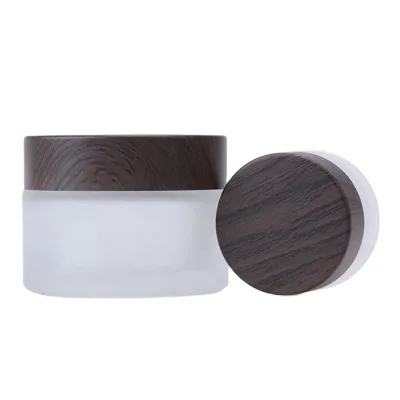
Frosted Glass Bottle Cosmetic Cream Container Jar for Cream Skin Care with Bamboo Lid
$0.15 - $0.50
MOQ: 5000 Pieces


Xuzhou Boklan Import & Export Trade Co., Ltd.
- Verified by TUVRHEINLAND
- Trading Company,Manufacturer/Factory
- China Jiangsu
- Lead time38 days
- Avg. response≤ 9h
Main productsGlass Jar, Glass Bottle, Liquor Glass Bottle, Lids Caps Corks, Cosmetic Jar, Essential Oil Bottle, Glass Tube, Sauce Bottle, Mason Jar, Plastic Bottle
Main marketsSouth America,Eastern Europe,Mid East,North America,Southeast Asia,Eastern Asia,Oceania,Western Europe,Africa


$0.65 - $0.71
MOQ: 5000 Pieces

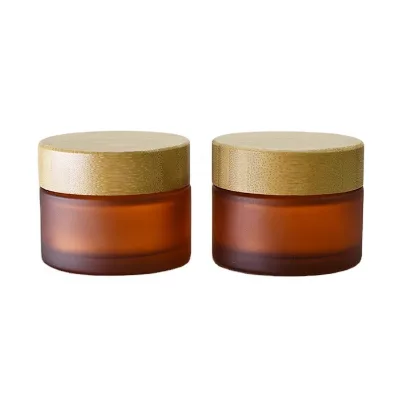
30ml Cosmetic Jar with Wood Cap Amber Glass Jar with Bamboo Lid for Cream
$0.17 - $0.25
MOQ: 5000 Pieces

Shenzhen Bright Glassware Co., Ltd.
- Verified by SGS
- Trading Company
- China Guangdong
- Lead time30 days
- Avg. response≤ 7h
Main productsGlassware, Candle Jar, Glass Candle Holder, Reed Diffuser Bottle, Glass Perfume Bottle, Drinkware, Food Storage Jar, Candle Lid, Packaging Gift Box


Wholesale Empty Frosted Glass Cosmetic Container Glass Cream Jar with Bamboo Lid
$0.25 - $1.00
MOQ: 3000 Pieces

YUYAO YIHE COMMODITY CO., LTD.
- Verified by TUVRHEINLAND
- Manufacturer/Factory
- China Zhejiang
- Lead time23 days
- Avg. response≤ 3h
Main products20ml Pocket Perfume Bottle with Caps, Trigger Sprayer, Lotion Pump, Mist Sprayer, Pet Bottle, Disc Top Cap, Flip Top Cap, Foam Sprayer, Foam Sprayer Bottle, Perfume Sprayer
Main marketsSouth America,Eastern Europe,Mid East,North America,Southeast Asia,Eastern Asia,Oceania,Western Europe

- Verified by CTI
- Trading Company
- China Zhejiang
- Lead time30 days
- Avg. response≤ 2h
Main productsAirless Bottle, Glass Bottle, Comb, Cosmetic Packaging, Food Packaging, Sprayer, Lotion Pump Machine, Gift, Roll on Ball
Main marketsAfrica,Southeast Asia/ Mideast
Shanghai Best China Industry Co., Ltd.
- Trading Company
- Lead time旺季: "1 - 500":31,"501 - 2000":35,"> 2000":"To be negotiated", 淡季: "1 - 500":31,"501 - 2000":35,"> 2000":"To be negotiated"
- Avg. response≤ 3h
Main productsGlass Bottle, Plastic Bottle, Glass Jar, Plastic Jar

Ningbo Langyi Plastic Industry Co., Ltd.
- Verified by TUVRHEINLAND
- Combined
- China Zhejiang
- Lead time23 days
- Avg. response≤ 2h
Main productsCosmetic Packaging, Trigger Sprayer, Mist Sprayer, Lotion Pump, Cream Pump, Cosmetic Bottle, Acrylic Bottle, Airless Bottle, Cream Jar, Packaging Bottles
Main marketsSouth America,Southeast Asia/ Mideast,Europe
Hebei AllWin Industrial Group Co. LTD
- Trading Company
- Hebei, China
- Lead time6 days
- Avg. response≤ 4h
Main productsEssential glass bottles,paper tube,glass jar,Dark violet anti UV glass jar and bottle,acrylic jars
Main marketsNorth America(23.00%), Southeast Asia(15.00%), South America(11.00%), Western Europe(11.00%), Central America(8.00%), Eastern Europe(6.00%), Southern Europe(6.00%), Northern Europe(5.00%), Eastern Asia(4.00%), South Asia(3.00%), Oceania(3.00%), Mid East(2.00%), Domestic Market(2.00%), Africa(1.00%)
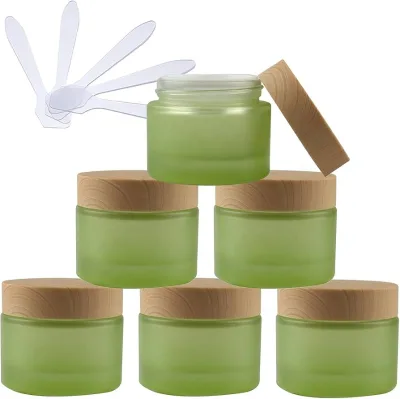
Luxury 50G Glass Jars with Wood Lid for Skin Care and Face Cream Cosmetics Industrial Use
$0.19 - $0.60
MOQ: 1000 Minimum
Yuyao Yuge Commodity Packing Co., Ltd.
- Verified by SGS
- Combined
- China Zhejiang
- Lead time15 days
- Avg. response≤ 9h
Main productsLotion Pump, Trigger Sprayer, Plastic Cap, Cosmetic Packaging
Main marketsSouth America,Europe,Australia,North America

Jinhua Allies Import and Export Co., Ltd.
- Verified by SGS
- Manufacturer/Factory
- China Zhejiang
- Lead time23 days
- Avg. response≤ 7h
Main productsCanister, Container, Bottle, Cosmetic, Make up, Plastic Packaging, Eyeshadow, Palette, Box, Compact Case
Main marketsSouth America,Mid East
Xuzhou Shine Packaging Technology Co., Ltd.
- Verified by SGS
- Manufacturer/Factory
- China Jiangsu
- Lead time45 days
- Avg. response≤ 5h
Main productsCosmetic Packaging, Cosmetic Jar, Lotion Bottle, Shampoo Bottle, Sprayer Bottle, Foam Bottle, Acrylic Jar, Dropper Bottle, Airless Bottle, Pet Cosmetic Jar
Main marketsSouth America,Eastern Europe,Mid East,North America,Southeast Asia,Eastern Asia,Oceania,Western Europe,Africa

Eco Friendly 4oz 120ml Glass Cosmetic Jar with Bamboo Lid Skincare Packaging for Facial Cream
$0.35 - $0.65
MOQ: 1000 Pieces

Hot Sale 20ml Round Bottom Clear Glass Cream Cosmetic Jars with Bamboo Lid
$0.50 - $0.62
MOQ: 5000 Pieces
Qingdao Xinte Packaging Co., Ltd.
- Verified by TUVRHEINLAND
- Trading Company,Manufacturer/Factory
- China Shandong
- Lead time15 days
- Avg. response≤ 7h
Main productsGlass Jar, Glass Bottles, Plastic Bags, Perfume Bottle, Dropper Bottles, Paper Box, Tin Box, Glass Syringe, Glass Tubes, Plastic Bottle
Main marketsSouth America,Eastern Europe,North America

Bulk Wholesale Wide Mouth Glass Cosmetic Storage Jars with Bamboo Wooden Lid
$0.40 - $0.56
MOQ: 1000 Pieces






Comprehensive Sourcing Guide
Cosmetic Bamboo Jar Supplier Concentration and Factory Types
Current data indicates a concentration of suppliers in China Zhejiang, where manufacturers and trading companies operate alongside combined entity types. This region hosts facilities producing aluminum jars, glass dropper bottles, and various bamboo cosmetic containers alongside plastic packaging solutions. Buyers should verify if a supplier is a direct manufacturer or a trading company, as this distinction affects control over production quality and customization capabilities. Some entities list themselves as combined operations, offering both factory-direct pricing and trading flexibility. The presence of specific product evidence, such as bamboo cream jars with aluminum inner bottles, suggests specialized production lines exist within these clusters. However, without explicit establishment year data for every entity, buyers must confirm the operational history of potential partners to ensure stability.
When evaluating factory types, look for explicit labels indicating OEM and ODM capacities, which signal the ability to handle custom designs and private labeling. The observed supplier profiles include those offering both trading and manufacturing services, which can streamline the sourcing process for complex orders. Buyers should note that some suppliers focus on specific materials like aluminum or plastic, while others integrate bamboo with glass or plastic components. The main product lists reveal a diversity ranging from simple jars to complex airless bottles and silicone molds. To identify the right cluster, verify the physical location and the specific product mix offered, ensuring it aligns with your required cosmetic packaging specifications. Do not assume all suppliers in a region offer the same material expertise or customization depth.
How to Verify Cosmetic Bamboo Jar Suppliers
Verification is critical when sourcing cosmetic bamboo jars, as the market includes various entity types with differing levels of transparency. Current records show suppliers verified by third-party agencies such as SGS, CTI, and BV, which provide an external layer of trust regarding business legitimacy and operational standards. Buyers should prioritize suppliers displaying these verification badges, as they indicate that an independent body has assessed the company's credentials. Additionally, system certifications like ISO 9001 and ANSI/ESD are listed for some entities, suggesting adherence to quality management protocols. However, not every supplier will display all certifications, so buyers must check the specific profile details for each potential partner rather than assuming universal compliance.
Beyond verification badges, buyers should examine the response time metrics provided in supplier profiles to gauge communication reliability. Observed response times vary, with some suppliers showing a score around 7.04 while others are higher, indicating potential differences in customer service efficiency. A faster response time often correlates with better project management and quicker resolution of inquiries regarding customization or production status. Buyers should also look for evidence of product attributes like "Customization: Available" or "OEM: Yes" to confirm the supplier's capability to meet specific design needs. Always cross-reference the listed certifications with the actual product specifications to ensure the claims match the physical goods you intend to order.
What to Compare Across Cosmetic Bamboo Jar Suppliers
Comparing suppliers requires a systematic review of key operational dimensions such as lead time, minimum order quantity, and pricing structures. Lead times observed in the data range from 30 days to 60 days, with some specific product listings indicating a 30-35 day window for production. Buyers must align these timelines with their own inventory planning and market launch schedules to avoid stockouts. Minimum order quantities also vary significantly, with some suppliers requiring 1,000 units while others set the bar at 5,000 pieces. This variation impacts the initial capital outlay and the feasibility of testing new designs before committing to large-scale production runs.
Pricing is another critical factor, with observed ranges spanning from $0.05 to $3.60 per unit depending on the material and complexity. Some listings show a fixed price point, while others offer a range based on volume or customization levels. Buyers should compare the price per unit against the specified material, such as aluminum, bamboo, or plastic, to ensure value alignment. Additionally, response times and company types, whether trading companies or manufacturers, influence the overall cost structure and service level. When comparing, also consider the product attributes like sealing types, lid materials, and eco-friendly claims, as these features directly impact the final product quality and market appeal.
Common Cosmetic Bamboo Jar Sourcing Risks
One significant risk involves material inconsistencies, particularly when suppliers claim a product is bamboo but the attributes list plastic or aluminum as the primary material. Some product evidence shows conflicting data, such as a jar described as bamboo with a plastic inner bottle or a material list that includes both plastic and bamboo. Buyers must carefully review the detailed product attributes to confirm the exact composition of the jar and its components. Misalignment between the marketing description and the technical specifications can lead to receiving products that do not meet brand standards or regulatory requirements for natural materials.
Another risk is the variability in lead times and production capacity, which can disrupt supply chain schedules. While some suppliers list a standard lead time of 30 days, others indicate up to 60 days, and specific product attributes may show delivery times of 45 days. These discrepancies can cause delays in product launches if not managed proactively. Furthermore, the lack of uniform establishment year data makes it difficult to assess the long-term stability of a supplier. Buyers should verify the supplier's track record and capacity to handle volume spikes, ensuring they can meet demand without compromising quality or delivery schedules.
Cosmetic Bamboo Jar Regional Sourcing and Logistics
Sourcing from China Zhejiang offers access to a dense network of packaging manufacturers, but buyers must verify the specific location of each facility to understand logistics implications. The concentration of suppliers in this region suggests a mature ecosystem for cosmetic packaging, yet the distance from international ports can impact shipping costs and transit times. Buyers should confirm the exact origin of the goods, as some product attributes list Yuyao or other specific cities within the province. Understanding the local logistics infrastructure helps in estimating the total landed cost and planning for potential delays in customs clearance or freight forwarding.
When planning logistics, consider the packaging standards used by suppliers, which can affect the efficiency of shipping. Some listings indicate custom packaging or specific carton types like five-layer corrugated brown cartons, which provide robust protection during transit. Buyers should ensure that the packaging meets international shipping standards to prevent damage to the bamboo or glass components. Additionally, the response time of the supplier can influence how quickly logistics issues are resolved. A supplier with a faster response time may be better equipped to handle urgent shipping requests or last-minute changes to the order, ensuring a smoother supply chain flow from the factory to the final destination.
Cosmetic Bamboo Jar Commercial Terms and Order Planning
Commercial terms for cosmetic bamboo jars often include specific minimum order quantities and customization requirements that must be clearly defined before production begins. Observed MOQs range from 1,000 to 5,000 pieces, and buyers should negotiate these terms based on their initial order volume and future growth projections. Customization options, such as logo engraving or specific lid types, are frequently available but may require additional lead time or higher unit costs. Buyers must confirm the availability of samples and the associated costs before placing a bulk order to ensure the final product meets their design expectations.
Order planning should also account for the production capacity and the specific certifications required for the target market. Suppliers with ISO 9001 or other relevant certifications may be better suited for markets with strict regulatory requirements. Buyers should verify the production standards and material safety claims, such as eco-friendly status or specific sealing types, to ensure compliance. Additionally, the response time and verification status of the supplier play a crucial role in the reliability of the order. By carefully reviewing these commercial terms and planning for potential variations in lead time and capacity, buyers can mitigate risks and ensure a successful sourcing outcome for their Cosmetic Bamboo Jar needs.
FAQs
What is the price range for cosmetic bamboo jars?
Prices for cosmetic bamboo jars typically range from $0.05 to $3.60 per unit depending on material and customization. Basic aluminum or plastic options start near $0.05, while premium bamboo jars with glass containers cost up to $3.60. Buyers should verify specific pricing based on volume and design requirements.
What is the minimum order quantity for these jars?
Minimum order quantities vary significantly by supplier and product type. Some manufacturers accept orders as low as 1,000 pieces, while others require 5,000 pieces for custom bamboo designs. Buyers must check individual product listings to confirm the exact MOQ applicable to their specific packaging needs and customization level.
How long does production take for these jars?
Production lead times generally range from 30 to 60 days. Some suppliers offer faster turnaround times of 30 to 35 days for standard items, while others may require up to 60 days for complex orders. Buyers should confirm specific delivery schedules with suppliers before placing bulk orders to ensure timely receipt.
Are these jars customizable for branding?
Yes, customization is widely available for cosmetic bamboo jars. Suppliers offer options for logo engraving, silk printing, hot stamping, and embossed designs. Materials can be customized, and inner bottles may vary. Buyers should confirm specific customization capabilities, such as printing methods and design acceptance, directly with the supplier during the inquiry process.
What certifications do these suppliers hold?
Suppliers commonly hold ISO 9001, ISO 9001:2015, ANSI/ESD, CE, and CIQ certifications. Verification services include SGS, CTI, and BV. Buyers should request valid certification documents to ensure compliance with international standards and verify that the supplier meets specific quality and safety requirements for their target market.
Where are these cosmetic jars manufactured?
Manufacturing locations are primarily in China, with specific mentions of Zhejiang and Yuyao regions. Buyers should verify the exact factory location to assess logistics costs and shipping times. Confirming the origin ensures transparency regarding production standards and helps in planning supply chain logistics effectively for international shipments.