Bowl Shaped Cosmetic Jar Suppliers and Manufacturers
Source 18 verified suppliers for Bowl Shaped Cosmetic Jar packaging. Compare response times, lead times, MOQs, and certifications like SGS and ISO. Review product specs and request quotes directly from these manufacturers; review the available evidence before requesting comparable quotations from suitable candidates.
Suppliers List

ningbo crown commodity co.,ltd
- Verified by SGS
- Combined
- China Zhejiang
- Lead time30 days
- Avg. response≤ 25h
Main productsPerfume Sprayer, Lotion Pump, Trigger Sprayer, Pet Bottle, Cosmetic Package, Eyeliner Package
Main marketsAfrica,Southeast Asia/ Mideast,Europe,North America

Yuyao Xianghao Mold Technology Company Limited
- Verified by BV
- Trading Company
- China Zhejiang
- Lead time30 days
- Avg. response≤ 9h
Main productsInjection Mold, Plastic Mold, Injection Molding, Rapid Prototyping, 3D Pritting, Manhole Cover Mold, Silicone Rubber Mould, Wire Rack, Car Air Compressor, LED Light
Main marketsNorth America

Ningbo Langyi Plastic Industry Co., Ltd.
- Verified by TUVRHEINLAND
- Combined
- China Zhejiang
- Lead time23 days
- Avg. response≤ 2h
Main productsCosmetic Packaging, Trigger Sprayer, Mist Sprayer, Lotion Pump, Cream Pump, Cosmetic Bottle, Acrylic Bottle, Airless Bottle, Cream Jar, Packaging Bottles
Main marketsSouth America,Southeast Asia/ Mideast,Europe

Ningbo YMS Imp & Exp Co., Ltd.
- Trading Company
- China Zhejiang
- Lead time45 days
- Avg. response≤ 10h
Main productsLipstick Case, Cosmetic Compact, Lip Gloss Case, Mascara Tube, Eyeliner Bottle, Cosmetic Pen, Acrylic Jar, Cosmetic Pot, Loose Powder Container, Airless Lotion Bottle
Main marketsSouth America,Southeast Asia/ Mideast,Europe


2ml Round Plastic Cosmetic Pot
MOQ: 12000 Pieces

Ningbo Passen Technology Co., Ltd.
- Verified by BV
- Trading Company
- China Zhejiang
- Lead time30 days
- Avg. response≤ 9h
Main productsWide Mouth Jar, Cosmetic Bottle, Plastic Bottle, Cosmetic Jar, Cosmetic Packaging, Aluminum Bottle, Cream Jar, Plastic Packaging, Aluminum Jar, Lotion Bottle
Main marketsSouth America,Africa,Southeast Asia/ Mideast,East Asia(Japan/ South Korea),Europe,Australia,North America

- Verified by CTI
- Trading Company
- China Zhejiang
- Lead time30 days
- Avg. response≤ 2h
Main productsAirless Bottle, Glass Bottle, Comb, Cosmetic Packaging, Food Packaging, Sprayer, Lotion Pump Machine, Gift, Roll on Ball
Main marketsAfrica,Southeast Asia/ Mideast

YUYAO YIHE COMMODITY CO., LTD.
- Verified by TUVRHEINLAND
- Manufacturer/Factory
- China Zhejiang
- Lead time23 days
- Avg. response≤ 3h
Main products20ml Pocket Perfume Bottle with Caps, Trigger Sprayer, Lotion Pump, Mist Sprayer, Pet Bottle, Disc Top Cap, Flip Top Cap, Foam Sprayer, Foam Sprayer Bottle, Perfume Sprayer
Main marketsSouth America,Eastern Europe,Mid East,North America,Southeast Asia,Eastern Asia,Oceania,Western Europe
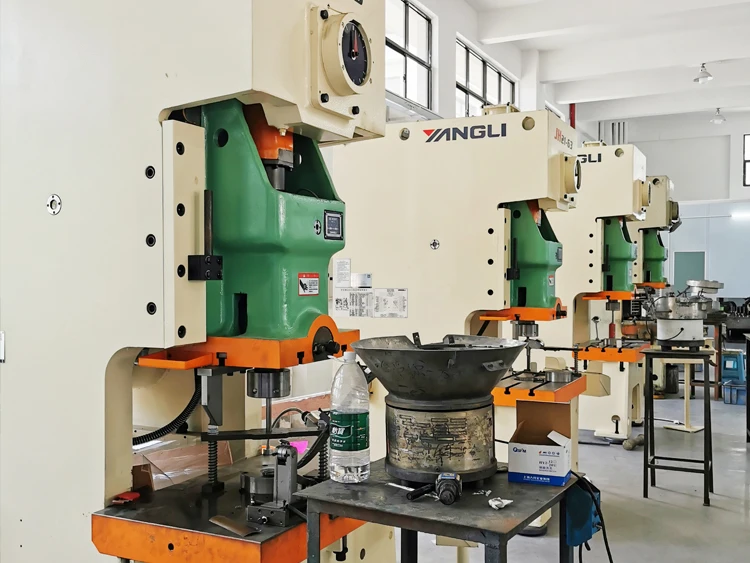
Shantou Aochuangming Packaging Products Co., Ltd.
- Trading Company
- Guangdong, China
- Lead time0 days
- Avg. response≤ 3h
Main productscosmetics package,plastic package,plastic packing
Main marketsAfrica(30.00%), Western Europe(30.00%), North America(20.00%)

Yuyao Zhuoxin Import & Export Co., Ltd.
- Trading Company,Manufacturer/Factory
- China Zhejiang
- Lead time0 days
- Avg. response≤ 10h
Main productsTrigger Sprayer, Lotion Pump, Mist Sprayer, Cream Pump, Plastic Vacuum Bottle, Plastic Acrylic Jar, Plastic Cap, Card/Pen Perfume Sprayer, Lipstick Case, Cream Jar
Main marketsSouth America,Eastern Europe,Mid East,North America,Southeast Asia,Eastern Asia,Oceania,Western Europe,Africa

Jinhua Allies Import and Export Co., Ltd.
- Verified by SGS
- Manufacturer/Factory
- China Zhejiang
- Lead time23 days
- Avg. response≤ 7h
Main productsCanister, Container, Bottle, Cosmetic, Make up, Plastic Packaging, Eyeshadow, Palette, Box, Compact Case
Main marketsSouth America,Mid East


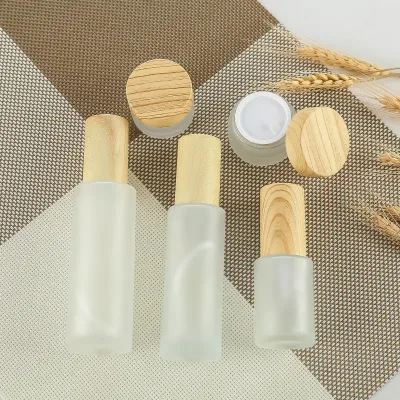
High Quality Round Glass Cosmetic Cream Jar with Wood-Look Plastic Lid
$0.12 - $0.75
MOQ: 10000 Pieces

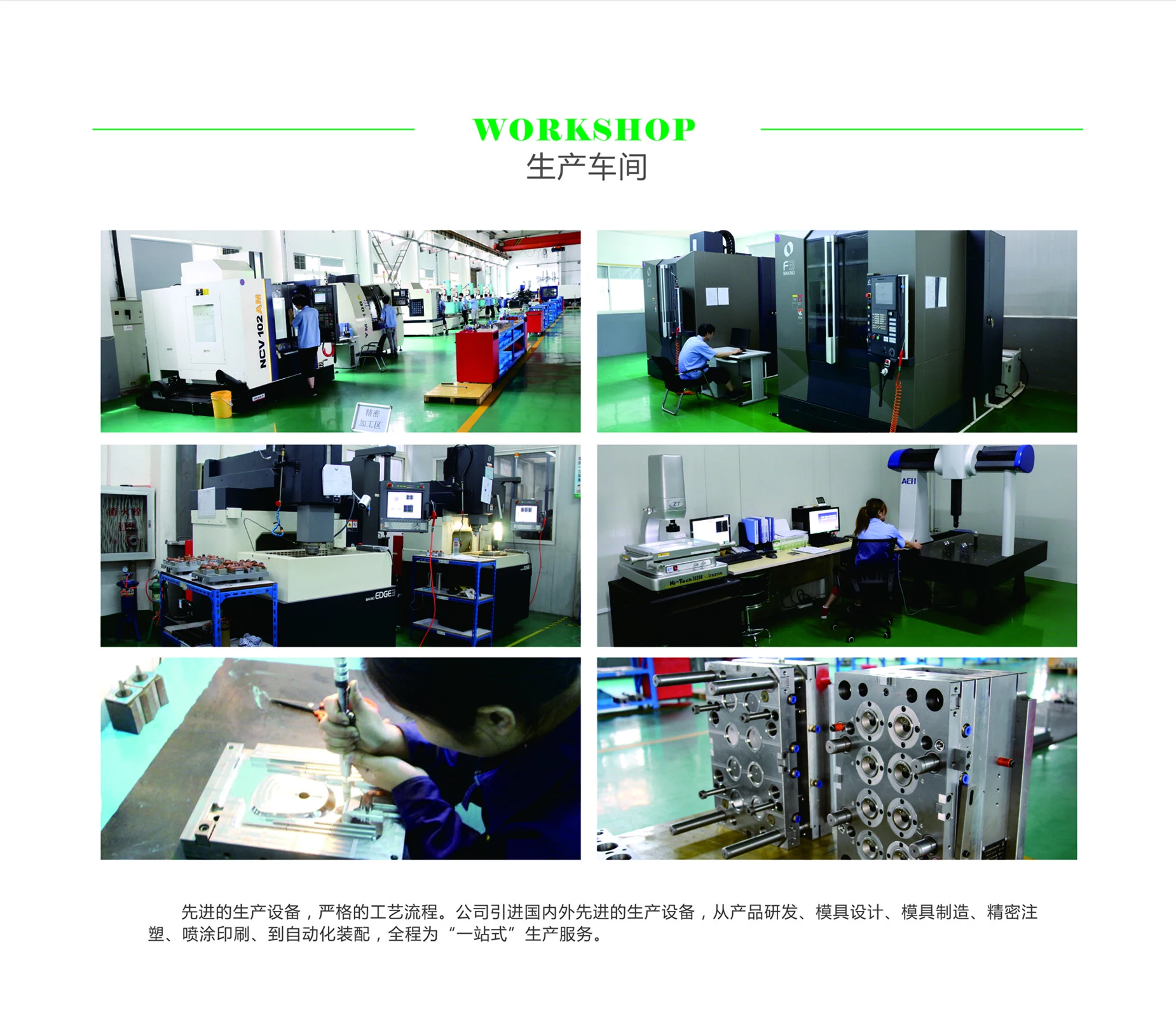
Shanghai Bropack Trade Co., Ltd.
- Trading Company
- Shanghai, China
- Lead time30 days
- Avg. response≤ 2h
Main productsPlastic Jar, Plastic Cap, Plastic Bottle, Airless Jar, Plastic Pump
Main marketsNorth America(30.00%), Western Europe(30.00%), Southeast Asia(20.00%), Eastern Europe(10.00%), Northern Europe(5.00%), Mid East(5.00%)

Guangzhou YELLO Packaging Co., Ltd.
- Trading Company,Manufacturer/Factory
- China Guangdong
- Lead time15 days
- Avg. response≤ 3h
Main productsCosmetic Packaging, Cosmetic Bottle, Plastic Bottle, Pet Bottle, Plastic Jar, Pet Jar, Cosmetic Jar, Lotion Tube, Cosmetic Tube, Plastic Tube
Main marketsSouth America,Eastern Europe,Mid East,North America,Southeast Asia,Eastern Asia,Oceania,Western Europe,Africa

Cosmetic Jar with Flip Lid Makeup Cream Jars Cosmetics with Top Cap Cosmetic Jar with Plastic Spoon
$0.20 - $0.60
MOQ: 10000 Pieces


Ningbo Sv Plastic Hardware Co., Ltd.
- Verified by SGS
- Manufacturer/Factory
- China Zhejiang
- Lead time30 days
- Avg. response≤ 9h
Main productsInjection Molding, Mould, Plastic Injection, Plastic Tooling, OEM Plastic, Injection Mold, Peek Injection, Medical Injection, Ts16949 Injection, OEM Injection
Main marketsSouth America,Eastern Europe,Mid East,North America,Southeast Asia,Eastern Asia,Oceania,Western Europe,Africa
Ningbo Somewang Packaging Co., Ltd.
- Verified by SGS
- Combined
- China Zhejiang
- Lead time23 days
- Avg. response≤ 5h
Main productsCosmetic Packaging, Cosmetic Bottle, Plastic Bottle, Cosmetic Tube, Cream Jar, Lotion Pump, Mist Sprayer, Trigger Sprayer, Plastic Cap, Glass Bottle
Main marketsSoutheast Asia/ Mideast,Europe,North America


Cosmetic Jar Hot Selling Round Shape Plastic PP Jar with Cap for Cream Customized Color
$0.21 - $0.22
MOQ: 10000 Pieces

YUYAO YUHUI COMMODITY CO., LTD.
- Verified by BV
- Combined
- China Zhejiang
- Lead time30 days
- Avg. response≤ 3h
Main productsTrigger Sprayer, Lotion Pump, Cosmetic Jar, Plastic Bottle, Plastic Case, Plastic Cap, Fine Mist Sprayer, Foam Pump, Treatment Pump, Plastic Travel Bottle Set
Main marketsSouth America,Africa,Southeast Asia/ Mideast,East Asia(Japan/ South Korea),Europe,Australia,North America

Guangzhou Shengni Plastic Products Co., Ltd.
- Verified by SGS
- Trading Company
- China Guangdong
- Lead time15 days
- Avg. response≤ 3h
Main productsPlastic Bottle, Plastic Cap, Plastic Pump, Fine Mist Sprayer, Plastic Preform, Trigger Sprayer, Cream Pump, Sprayaer Bottle, Sprayer Pump, Lotion Bottle
Main marketsAfrica,Southeast Asia/ Mideast,Europe

Xiamen Ebei Import & Export Co., Ltd.
- Verified by CTI
- Trading Company,Manufacturer/Factory
- China Fujian
- Lead time45 days
- Avg. response≤ 2h
Main productsEco-Friendly Products, Bamboo Tableware, Bamboo Furniture, Bamboo Kitchenware, Bamboo Office Supply, Bamboo Fibre Products, Biodegradable Products, Bamboo Towel, Solar Energy Products, Bamboo Garden Products
Main marketsSouth America,Eastern Europe,Mid East,North America,Southeast Asia,Eastern Asia,Oceania,Western Europe,Africa


Natural Bamboo Cosmetic Jars with Custom Logo - Eco-Friendly Storage Containers
$0.97
MOQ: 2000 Pieces

15/30/50/100/150g Round Cosmetic Jar with Bamboo Shell
MOQ: 500 Pieces

Qingdao Xinte Packaging Co., Ltd.
- Verified by TUVRHEINLAND
- Trading Company,Manufacturer/Factory
- China Shandong
- Lead time15 days
- Avg. response≤ 6h
Main productsGlass Jar, Glass Bottles, Plastic Bags, Perfume Bottle, Dropper Bottles, Paper Box, Tin Box, Glass Syringe, Glass Tubes, Plastic Bottle
Main marketsSouth America,Eastern Europe,North America


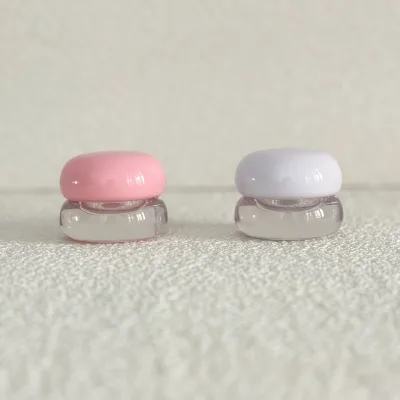
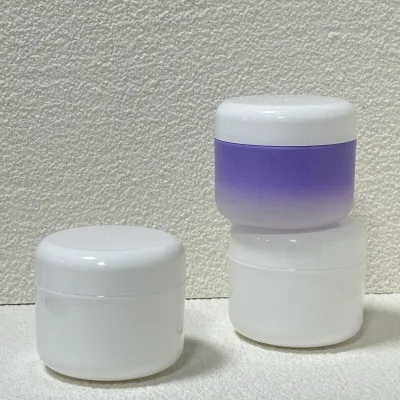




Comprehensive Sourcing Guide
Bowl Shaped Cosmetic Jar Supplier Concentration and Factory Types
The available data indicates a concentration of manufacturing capabilities within China, specifically in the Zhejiang province, with Ningbo emerging as a notable origin point for specific product models. Several suppliers listed in the current results operate as combined entities or trading companies, offering a mix of direct manufacturing and sourcing services. One verified entity holds SGS certification, while another operates with BV verification, suggesting a diverse landscape of factory types ranging from pure manufacturers to trading firms that may source from multiple workshops. The presence of ODM and OEM capabilities in the research and development capacity of these suppliers confirms that many facilities are equipped to handle custom design requests rather than just standard catalog items.
When evaluating the factory type, buyers should note that some suppliers list main products including injection molds and rapid prototyping, which implies an in-house capability for tooling and custom jar production. Others focus heavily on packaging components like trigger sprayers and lotion pumps, indicating a potential for bundled sourcing if the bowl-shaped jar requires specific closure systems. The distinction between a trading company and a combined supplier is critical, as the former may offer broader product ranges but less direct control over the molding process. Buyers must verify if the facility listed as the origin, such as Ningbo or Yuyao, is the actual production site or merely a sales office, as this impacts the ability to inspect the molding equipment directly.
How to Verify Bowl Shaped Cosmetic Jar Suppliers
Verification of supplier credentials is a primary step in mitigating risk, and the current results show varying levels of third-party validation. Some suppliers display SGS verification, while others hold BV or TÜV Rheinland certifications, indicating that different suppliers have undergone distinct audit processes. It is essential to confirm that the specific certification applies to the cosmetic jar production line and not just the corporate entity. For instance, one product listing explicitly mentions SGS as a standard, while another references ISO, CE, and CIQ certifications, suggesting that buyers must check the specific product documentation rather than relying on a general company badge. The presence of these certifications should be cross-referenced with the actual product specifications to ensure compliance with safety and quality standards.
Beyond third-party badges, buyers should scrutinize the response time and verification status to gauge operational reliability. The data shows response times ranging from approximately 1.8 hours to over 24 hours, which can be a proxy for the efficiency of the sales and technical support teams. A supplier with a rapid response time may indicate a more agile operation capable of handling urgent prototyping needs for custom bowl-shaped jars. However, a fast response does not guarantee production quality, so buyers must also verify the establishment year and the specific scope of their verification. If a supplier claims to be a manufacturer but lacks detailed product evidence or specific factory addresses, the buyer should request a video audit or a third-party inspection report before proceeding with any order.
What to Compare Across Bowl Shaped Cosmetic Jar Suppliers
Comparing suppliers requires a systematic analysis of key operational metrics such as lead time, minimum order quantity, and response speed. The observed data reveals significant variation in lead times, with some suppliers indicating a 30-day window while others suggest a 23-day turnaround. These differences can drastically affect inventory planning and time-to-market for new cosmetic launches. Additionally, the minimum order quantities (MOQ) vary widely, ranging from 100 units for certain standard jars to 20,000 units for specific plastic models. Buyers must align these MOQs with their production volume forecasts to avoid excessive inventory costs or stockouts, as a supplier with a low MOQ might be a trading company rather than a direct factory.
Another critical comparison point is the customization capability and material specifications. While many suppliers list "Customization: Available," the specific details regarding material, such as PP or plastic, and the sealing type, like screw caps or airless pumps, must be verified for each bowl-shaped jar model. Some products are listed with specific dimensions like 29mm x 17mm, while others offer a range of sizes from 10g to 250ml. Buyers should also compare the packaging standards, noting that "Safe Export Pack" is a common attribute, but the specific packing method, such as cardboard boxes or safe export packs, can influence shipping costs and product damage rates. Finally, the price per unit, which can range from fractions of a cent to over ten cents, must be evaluated against the MOQ and the quality of the material to determine the true cost efficiency.
Common Bowl Shaped Cosmetic Jar Sourcing Risks
One significant risk in sourcing bowl-shaped cosmetic jars is the discrepancy between the claimed material and the actual product quality. While many listings specify "Plastic" or "PP" as the material, the lack of detailed material composition data can lead to issues with durability, chemical resistance, or aesthetic finish. Buyers must be cautious of suppliers who list generic certifications like ISO or CE without providing specific test reports for the cosmetic jar batch. The presence of "Eco-Friendly" claims requires verification, as this term is often used loosely without third-party validation of recyclability or biodegradability standards. Without concrete evidence of material testing, there is a risk of receiving jars that degrade under UV exposure or fail to seal properly with the intended pump or lid.
Another major risk involves the reliability of the supply chain and the potential for hidden costs. The variation in lead times and the presence of trading companies versus manufacturers can create bottlenecks if the primary factory faces capacity issues. If a supplier lists a lead time of 30 days but operates as a trading company, they may be relying on a third-party factory with its own schedule, introducing an additional layer of uncertainty. Furthermore, the MOQ requirements can be a trap for small buyers; a supplier requiring 20,000 units for a specific model may not be suitable for a startup or a limited edition launch. Buyers should also verify the origin of the product, as some listings mention Ningbo while others cite Yuyao, and shipping from different ports can alter logistics costs and delivery timelines significantly.
Bowl Shaped Cosmetic Jar Regional Sourcing and Logistics
The regional concentration of suppliers in China, particularly in Zhejiang and Ningbo, offers logistical advantages but also presents specific challenges for international buyers. The proximity of these manufacturing hubs to major ports like Ningbo-Zhoushan can facilitate efficient shipping, yet the specific origin of the product, whether Ningbo or Yuyao, must be confirmed to calculate accurate freight costs. Some suppliers list their origin as Ningbo, while others do not specify a city, which can lead to confusion regarding the actual shipping point. Buyers should request the exact port of loading from the supplier to ensure that the freight forwarder can optimize the route and avoid unexpected surcharges or delays.
Logistics planning must also account for the packaging standards provided by the supplier. The data indicates that many products use "Safe Export Pack" or "Cardboard Box" packaging, which is standard for protecting cosmetic jars during transit. However, the specific packing method can vary, and buyers should verify if the packaging is sufficient for the weight and fragility of the bowl-shaped jars. For instance, a 250ml jar may require more robust packaging than a 5ml version. Additionally, the response time of the supplier can impact logistics coordination; a supplier with a 1.82-hour response time may be better equipped to handle urgent shipping changes or last-minute packaging adjustments. Buyers should ensure that the supplier's logistics capabilities align with their own delivery timelines to prevent stockouts or missed market windows.
Bowl Shaped Cosmetic Jar Commercial Terms and Order Planning
Commercial terms for bowl-shaped cosmetic jars often include specific pricing structures that depend heavily on the order volume and customization level. The observed price range spans from very low unit costs for high-volume orders to higher prices for smaller quantities, reflecting the economies of scale in plastic molding. Buyers must carefully review the price per unit against the MOQ to determine the total cost of goods. For example, a supplier with a price of $0.01 per unit and an MOQ of 1,000 units offers a different financial profile than one with a price of $0.035 and an MOQ of 10,000 units. Understanding these terms is crucial for budgeting and ensuring that the final landed cost fits within the project's financial constraints.
Order planning should also consider the customization lead time and the specific product models available. Suppliers offering ODM and OEM services may require additional time for mold creation and sample approval, which can extend the overall lead time beyond the standard production window. Buyers should plan for a buffer period to accommodate these customization steps, especially if the bowl-shaped jar requires a unique design or specific sealing mechanism. Additionally, the availability of escrow services and payment terms should be verified to protect the buyer's financial interests. If a supplier does not offer escrow or has unclear payment terms, the buyer should negotiate for a secure payment method to mitigate the risk of non-delivery or quality disputes.
FAQs
What is the typical lead time for cosmetic jars?
Manufacturers in Zhejiang, China, generally require 30 days for production. Some suppliers offer faster turnaround times of 23 days. Buyers should confirm specific schedules with the supplier before placing orders to ensure timely delivery for their product launches.
What is the minimum order quantity for plastic jars?
MOQs vary significantly by supplier and product type. Some manufacturers require 20,000 units, while others accept orders as low as 100 pieces. Buyers should verify the specific MOQ for their desired jar size and customization requirements directly with the supplier.
Are cosmetic jars available with custom branding?
Yes, customization is widely available across many suppliers. Options include OEM and ODM services for unique designs. Buyers can request custom colors, logos, and packaging solutions. It is essential to discuss specific branding needs and associated costs with the supplier early in the process.
What certifications do cosmetic jar suppliers hold?
Suppliers often hold ISO, CE, and CIQ certifications. Some products meet SGS standards for quality assurance. Buyers should request valid certification documents to verify compliance with international safety and quality standards before finalizing any procurement agreements for their cosmetic packaging needs.
How quickly do suppliers respond to inquiries?
Response times vary, with some suppliers replying within 1.82 hours. Others may take up to 24.20 hours to provide initial feedback. Prompt communication is crucial for efficient sourcing, so buyers should prioritize suppliers with faster response rates to streamline their procurement workflow effectively.
What materials are used for cosmetic cream jars?
Common materials include plastic, PP, and PS. Some jars are made from recyclable materials for eco-friendly packaging. Buyers can choose from various options based on their product requirements. It is important to verify material specifications and safety standards with the supplier before ordering.