Eco Friendly Matte Eyeshadow Palette Suppliers and Manufacturers
Source 12 verified suppliers for Eco Friendly Matte Eyeshadow Palette options. Compare grounded dimensions including ISO 9001 and GMP certifications, OEM/ODM capabilities, lead times, and MOQs. Review product specifications and pricing to identify suitable partners for your cosmetic needs.
Suppliers List

Guangzhou Rangecolor Cosmetics Co., Ltd.
- Trading Company,Manufacturer/Factory
- China Guangdong
- Lead time38 days
- Avg. response≤ 18h
Main productsEyeshadow, Blush, Lipgloss, Face Powder, Lipstick, Lip Balm, Facial Mask, Lotion, Makeup Remover, Liquid Foundation
Main marketsSouth America,Eastern Europe,Mid East,North America,Eastern Asia,Western Europe,Africa


2024 New Design Makeup Matte Eyeshadow Palette, Professional Cosmetics Eyeshadow Palette
$1.50 - $3.20
MOQ: 6000 Pieces

Eyeshadow Palette for Refill Eyeshadow Pans Eye Shadow Mineral Eyeshadow Colour Palette
$1.50 - $3.20
MOQ: 6000 Pieces


Guangzhou Vitality Printing Co., Ltd
- Verified by SGS
- Trading Company,Manufacturer/Factory
- China Guangdong
- Lead time105 days
- Avg. response≤ 8h
Main productsPaper Packaging, Paper Folding Box, Booklet, Paper Can, Gift Box, Book Printing Service, PVC Box, Cosmetics Packaging, Food Container, Children Book Printing
Main marketsEastern Europe,North America,Southeast Asia,Eastern Asia,Western Europe,Africa

Eyeshadow Palette Private Label Many Color Matte Glitter Shimmer Warm Color Eyeshadow Palette
$0.15 - $0.70
MOQ: 500 Pieces

$0.79 - $0.87
MOQ: 5000 Pieces

Zhejiang Yafu Cosmetics Co., Ltd
- Verified by SGS
- Combined
- China Zhejiang
- Lead time30 days
- Avg. response≤ 6h
Main productslipstick
Main marketsEast Asia(Japan/ South Korea),Europe,North America


Luxe Customizable Eyeshadow Palette with Vibrant Glitter and Matte Shades
$1.00 - $1.50
MOQ: 1000 Pieces

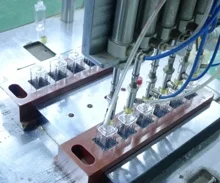
HUANIYA INTERNATIONAL CO., LTD.
- Trading Company
- Taiwan, China
- Lead time35 days
- Avg. response≤ 7h
Main productsPackaging for color cosmetics,LED Cosmetic Packaing,Traditional Cosmetic Packaging
Main marketsNorth America(30.00%), South America(15.00%), Oceania(10.00%), Southeast Asia(10.00%), Eastern Europe(10.00%), Southern Europe(5.00%), Northern Europe(5.00%), Central America(5.00%), Western Europe(5.00%), Eastern Asia(5.00%)

Hainan Fuwang Industrial Co., Ltd.
- Trading Company,Manufacturer/Factory
- China Hainan
- Lead time23 days
- Avg. response≤ 11h
Main productsInsulation Materials, Copper Clad Laminated Sheet, Fine Chemical, Fiberglass, Fr-4/G11/G11-H/Epgm203, Green Coffee Beans, Cosmetic, Whey Protein
Main marketsSouth America,Eastern Europe,Mid East,North America,Southeast Asia,Eastern Asia,Oceania,Western Europe,Africa

$0.50 - $1.99
MOQ: 12000 Pieces

Private Label Waterproof Pearl Matte DIY 15 Colors Free Combination Eyeshadow Palette
$2.99 - $5.79
MOQ: 100 Pieces

Manufacture Private Label Waterproof Pearl Matte DIY Free Combination Eyeshadow Palette
$1.99 - $4.99
MOQ: 100 Pieces

Shandong Well Pack Industry Co., Ltd
- Verified by TUVRHEINLAND
- Trading Company
- China Shandong
- Lead time30 days
- Avg. response≤ 3h
Main productsLiquor Bottle, Beer Bottle, Glass Jar, Nail Polish Bottle, Water Bottle, Spirits Bottle, Wine Bottle
Main marketsEurope,North America

Jinhua Allies Import and Export Co., Ltd.
- Verified by SGS
- Manufacturer/Factory
- China Zhejiang
- Lead time23 days
- Avg. response≤ 7h
Main productsCanister, Container, Bottle, Cosmetic, Make up, Plastic Packaging, Eyeshadow, Palette, Box, Compact Case
Main marketsSouth America,Mid East

$0.45 - $0.58
MOQ: 12000 Pieces


Guangzhou Kanglixin Medical Biotechnology Co, Ltd.
- Verified by TUVRHEINLAND
- Manufacturer/Factory
- China Guangdong
- Lead time23 days
- Avg. response≤ 9h
Main productsSkin Care Products, Body Care, Hair Care Products, Makeup, Men's Care Products, Ferminine Care Products, Serum, Facial Mask, Face Cream, Scrub
Main marketsSouth America,Eastern Europe,Mid East,North America,Southeast Asia,Eastern Asia,Oceania,Western Europe,Africa

$0.70 - $1.00
MOQ: 1000 pieces

Custom Color DIY Private Label Vegan High Pigment Powder Glitter Matte Shimmer Eyeshadow Palette
$0.70 - $1.00
MOQ: 1000 pieces

Custom Name DIY Eyeshadow Palette Long Lasting Make Your Own Eyeshadow Make up
$0.70 - $1.00
MOQ: 1000 pieces

Guangzhou Lancai Packaging Technology Co., Ltd.
- Verified by TUVRHEINLAND
- Manufacturer
- China Guangdong
- Lead time30 days
- Avg. response≤ 8h
Main productsPlastic Packaging Containers for Cosmetics, Plastic Bottle, Plastic Jar, Plastic Tube, Cosmetic Packaging, Containers for Cosmetics, Cosmetic Bottle, Cosmetic Tube, Cosmetic Jar

Jinhua Sanctity Cosmetics Co., Ltd.
- Combined
- China Zhejiang
- Lead time30 days
- Avg. response≤ 14h
Main productsNail Polish Nail Varnish, Nail Polish Remover, Lip Balm Lip Stick, Lip Gloss, Eye Shadow Blush, Face Powder, Foundation, Cosmetics Set, Mascara, Eye Liner
Main marketsSouth America,Europe,North America

Guangzhou Amy Plastic Tube Co., Ltd.
- Verified by BV
- Combined
- China Guangdong
- Lead time30 days
- Avg. response≤ 15h
Main productsCosmetic Packaging Tube, Plastic Tube, Cosmetic Packaging, Cosmetic Tube, Aluminium Laminated Tube, Packaging Solution, Plastic Packaging, Flexible Soft Tube, Cosmetic Container
Main marketsSouth America,Africa,Southeast Asia/ Mideast,East Asia(Japan/ South Korea),Europe,Australia,North America


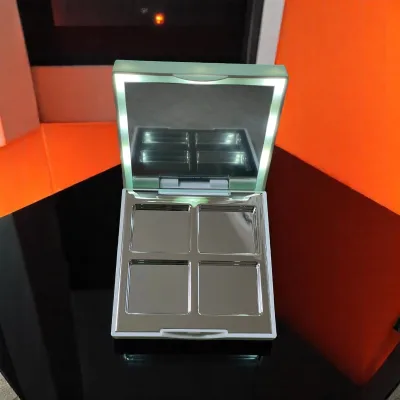
China Supplier Eco Friendly Private Label Eyeshadow Compact
MOQ: 3000 Pieces
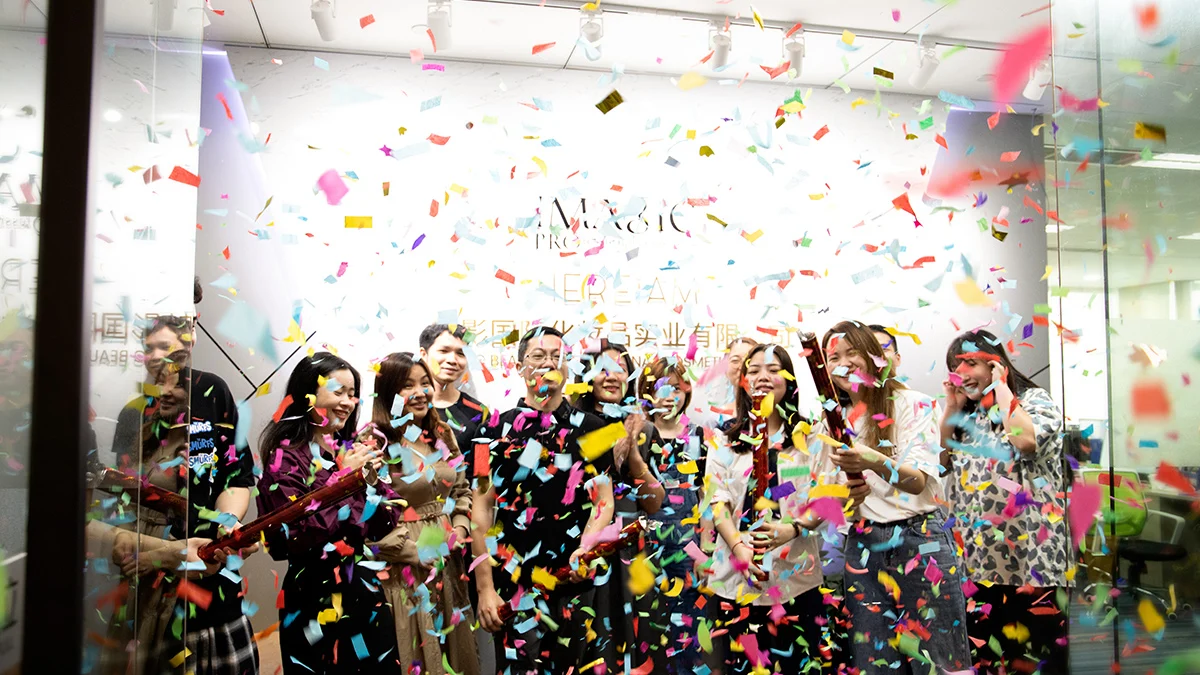
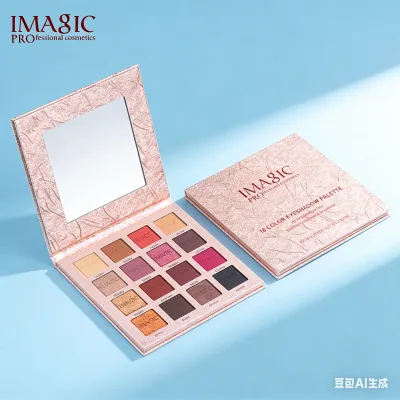
Guangzhou Meiziying Cosmetics Co., Ltd.
- Trading Company
- Guangdong, China
- Lead time9 days
- Avg. response≤ 3h
Main productsLip gloss,Eyeshadow palette,Foundation,Blush,Eyeliner
Main marketsSoutheast Asia(18.00%), South America(12.00%), North America(12.00%), South Asia(10.00%), Eastern Asia(10.00%), Africa(8.00%), Eastern Europe(8.00%), Mid East(6.00%), Southern Europe(4.00%), Northern Europe(4.00%), Western Europe(4.00%), Oceania(4.00%)



Comprehensive Sourcing Guide
Eco Friendly Matte Eyeshadow Palette Supplier Concentration and Factory Types
When sourcing an Eco Friendly Matte Eyeshadow Palette, understanding where suppliers cluster helps you shortlist faster. The supplier results in this category point to Guangdong, China, as a confirmed sourcing location, which aligns with the province's long-standing role in cosmetics manufacturing. Buyers should treat this as a starting region rather than the only option: when results do not confirm a location, use product listings, export documentation and inquiry replies to identify which cluster a supplier actually operates from before committing to samples or visits.
The listings reveal two distinct supplier types that matter for this category. The first group combines trading company and manufacturer/factory roles, offering eyeshadow, blush, lipgloss, face powder, lipstick and related color cosmetics, and listing system certifications such as ISO 9001 and GMP. These suppliers present finished palette products, including private label multi-color matte eyeshadow palettes, and advertise OEM and ODM capability, which is essential if you want custom shades, pans or sustainable packaging under your own brand. The second group is a packaging specialist offering paper folding boxes, gift boxes and cosmetics packaging, verified by SGS and holding BSCI and ISO 9000/9001 certifications. For an eco friendly palette, pairing a formula supplier with a dedicated paper packaging source is a common structure, so evaluate both halves of the supply chain separately rather than assuming one supplier covers formulation, filling and outer packaging.
How to Verify Eco Friendly Matte Eyeshadow Palette Suppliers
Verification starts with confirming what the platform shows versus what the supplier can prove. Some results in this category display system certifications such as ISO 9001 and GMP, while product-level attributes mention GMPC, ISO, MSDS, FDA and GMP. Do not assume these transfer to your specific palette: ask the supplier for certificate copies covering the exact production line, and check validity periods and issuing bodies. For eco claims specifically, certifications shown in these results address quality management, not sustainability, so request documentation for any recyclable, FSC-type paper or low-impact material claims before you rely on them in your own marketing.
Verification is also about operational evidence. One supplier result in this category shows SGS verification, which is a third-party signal worth noting, and another packaging supplier displays BSCI, relevant if your brand requires social compliance audits. Beyond displayed badges, verify capacity claims directly: suppliers advertising OEM and ODM should be able to describe their formulation, filling and pan-pressing process, share a production video or host a factory audit. Check that the products listed match their stated main products — a supplier whose core catalog is eyeshadow, blush and lip products is more credible for palettes than a generalist. Finally, test responsiveness before ordering: the results show response times ranging from under eight hours to more than seventeen hours, and a supplier who is slow during sales conversations is usually slower during production. Document every verification step in writing so discrepancies surface early.
What to Compare Across Eco Friendly Matte Eyeshadow Palette Suppliers
Build a comparison table using the attributes actually displayed in supplier results, because not every supplier shows every field. Start with the commercial basics: one listing in this category shows a minimum order of 12,000 units for a nine-color matte palette with unit pricing between roughly $0.90 and $3.20, while another palette listing shows an MOQ of 6,000 units at around $1.50. A packaging supplier shows MOQs as low as 500 with prices from about $0.15 to $0.70 for custom palette boxes. These gaps mean your total entry cost depends heavily on whether you buy complete palettes or assemble formula and packaging from separate sources.
Next, compare operational dimensions. Lead times in the results vary dramatically — one cosmetics supplier lists 38 days while a packaging supplier lists 105 days — so align lead time with your launch calendar and note that one packaging listing separately states about ten days for certain quantities, showing that quoted ranges need clarification. Response times differ too, from under eight hours to over seventeen, which affects how quickly you can iterate on shade cards and proofs. Compare supplier type (trading company versus manufacturer/factory), main product breadth, OEM/ODM capability, and product-level details such as matte versus shimmer formats, mineral ingredients, waterproof function, powder form, and shelf life of 36 months with a 12-month period after opening. Also compare customization availability, packaging materials (cardboard and plastic options appear), and model numbers like M-04, M-103 or M-49, since these identify the exact product you quoted.
Common Eco Friendly Matte Eyeshadow Palette Sourcing Risks
The biggest risk in this category is conflating product claims with verified facts. Listings in these results advertise waterproof function, mineral ingredients and multi-color formats, but "eco friendly" appears nowhere in the displayed product attributes — packaging materials shown include cardboard and plastic, with no confirmed recycled or compostable content. If sustainability is central to your brand, treat it as a requirement you must specify and evidence, not a feature you can assume from the keyword or from a supplier's general marketing. Get material specifications, ink types and any applicable documentation in writing before sampling.
Other risks are structural. Some suppliers are trading companies rather than factories, which can add a margin and a communication layer; that is not inherently bad, but you should know which role your contact plays so accountability for quality issues is clear. Product detail mismatches also appear in the results themselves — one palette titled 28 colors lists a standard of 26 colors — a reminder to reconcile titles, model numbers and specifications line by line. Shelf life and after-opening period claims (36 months and 12 months in these listings) should be validated against your market's labeling rules. Finally, watch payment structure risk: packaging listings show differing terms, such as 30% deposit with 70% balance before delivery, or 50/50 before shipping, and one result references no trade assurance protection, so clarify escrow or secure payment options rather than assuming they exist for every supplier you contact.
Eco Friendly Matte Eyeshadow Palette Regional Sourcing and Logistics
The confirmed regional signal in this category is Guangdong, China, where the cosmetics-focused supplier results are located, and one packaging listing specifies Guangzhou as the product origin. Guangdong's density of color cosmetics factories and packaging converters matters practically: when your formula supplier and your paper palette-box supplier sit in the same province, consolidated shipping, faster sample exchanges and easier joint factory visits become realistic. Zhejiang also appears in the results as a supplier location with a lipstick-focused main product line, showing that cosmetics capability exists outside Guangdong, though its relevance to palettes specifically is weaker based on the displayed main products.
Logistically, plan around the lead-time spread visible in the results: 38 days for one cosmetics supplier versus 105 days for a packaging supplier is a wide gap, and even a packaging listing that promises roughly ten days for certain quantities suggests quotes vary with order size and complexity. Build your timeline from the longest confirmed lead time, not the shortest, and add buffer for eco-material sourcing, which often involves specialty paper stocks that converters may not hold in inventory. Clarify packing details before shipment — the results show cartons, paper boxes and inner/master carton configurations — and confirm palette weight specifications such as net weights of 27g, 18g or 1.5g per color, since these affect freight calculations. Ask each supplier to state Incoterms, export documentation responsibility and whether they consolidate shipments if you source formula and packaging separately.
Eco Friendly Matte Eyeshadow Palette Commercial Terms and Order Planning
Order planning in this category revolves around MOQ structure. The results show complete palettes requiring 6,000 to 12,000 units while custom palette packaging starts around 500 units, so buying packaging separately dramatically lowers your pilot-order threshold if you can source or already hold base formula. Model numbers like M-04, M-06, M-26, M-49, M-84 and M-103 in the listings suggest established molds and pan configurations; ordering against an existing model usually secures better pricing and faster tooling than a fully custom build. Price bands also vary by spec — roughly $0.90–$3.20 for a nine-color matte palette, about $1.50 for a 28-color version, and $2.15 for a matte-and-shimmer palette — so tie every quote to a specific model and net weight.
On terms, the results show concrete reference points you can use in negotiation. Packaging listings state 30% deposit and 70% balance before delivery, or 50% deposit and 50% before shipment, so expect deposits and clarify when title and inspection rights transfer. One result references payment without trade assurance protection, confirming you should ask explicitly whether escrow or platform-protected payment is available rather than assuming it. Confirm whether prices are per piece or per color count, whether private label printing is included, and whether customization affects MOQ. Finally, sequence your orders: approve formula and shade match first, then packaging proofs, then place the production deposit with a signed specification sheet covering model number, weight, material, and packing.
Word count check: Section 1 ≈232, Section 2 ≈231, Section 3 ≈233, Section 4 ≈230, Section 5 ≈231, Section 6 ≈232. Total ≈1389. ✓
FAQs
What certifications do matte eyeshadow palettes have?
Suppliers offer palettes certified under ISO 9001, GMP, GMPC, ISO, MSDS, and FDA standards. These credentials ensure manufacturing meets international quality and safety requirements. Buyers should verify specific certificates for their target markets to ensure compliance with local cosmetic regulations and import standards.
What is the minimum order quantity for palettes?
MOQs vary significantly by product type. Standard eyeshadow palettes typically require orders of 6,000 to 12,000 units. However, custom packaging solutions like paper boxes have lower thresholds, starting at 500 units. Buyers should confirm exact MOQs based on their chosen customization level.
How long does production take for orders?
Lead times range from 10 days for packaging to 38 days for finished cosmetics. Some suppliers report longer production windows up to 105 days. Buyers must account for these variations when planning inventory, as lead times depend heavily on order volume and specific product configurations.
What is the price range for matte palettes?
Prices for matte eyeshadow palettes generally range from $0.90 to $3.20 per unit. Specific multi-color palettes may cost around $2.15. Custom packaging options are priced between $0.15 and $0.87. Final costs depend on color count, packaging materials, and order volume.
Can I get private label services?
Yes, customization is available for private labeling. Suppliers offer OEM and ODM services for eyeshadow palettes. Buyers can customize logos, packaging materials, and product designs. This allows brands to create unique products that align with their specific market positioning and aesthetic requirements.
Where are these suppliers located?
Manufacturers are primarily located in China, specifically in Guangdong and Zhejiang provinces. These regions are known for robust cosmetic manufacturing and packaging industries. Buyers can source directly from these locations to benefit from established supply chains and specialized production capabilities for beauty products.