Cosmetic Grade Dihydromyricetin Powder Suppliers and Manufacturers
Source Cosmetic Grade Dihydromyricetin Powder from 24 verified suppliers. Compare lead times, MOQs, certifications, and response rates to identify suitable partners. Review product specifications and request samples to evaluate quality and pricing for your formulation needs; review the available evidence before requesting comparable quotations from suitable candidates.
Suppliers List
Shaanxi Dennis Biotechnology Co., Ltd.
- Verified by Intertek
- Trading Company
- Lead time0 days
- Avg. response≤ 3h
Main productsSolid Drinks, Xanthan Gum, Locust Bean Gum, White Tuckahoe Extract, American Ginseng Extract
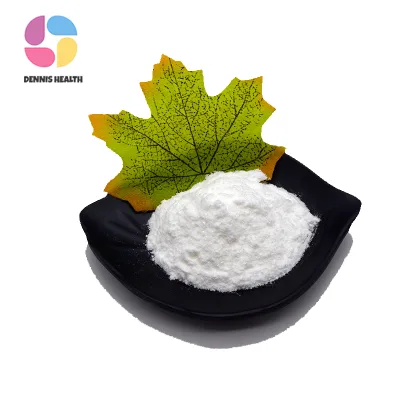
Bulk Natural 98% Dihydromyriceti Cosmetic Grade Water Soluble Dihydromyricetin Powder
$80.57 - $100.97
MOQ: 1 Minimum
$63.23 - $79.55
MOQ: 100 Minimum
$61.19 - $76.49
MOQ: 1 Minimum
- Verified by BV
- Combined
- China Shaanxi
- Lead time15 days
- Avg. response≤ 7h
Main productsBroccli Extract, Yucca Extract, Plant Extract
Main marketsEurope
- Manufacturer
- China Shaanxi
- Lead time15 days
- Avg. response≤ 4h
Main productsReishi Extract, Ginseng Extract, Lutein Powder, Chlorophyll, Quercetin, Phycocyanin, Astaxanthin, Kojic Acid, Beetroot Powder, Cherry Powder
Main marketsSouth America,Africa,Southeast Asia/ Mideast,East Asia(Japan/ South Korea),Domestic,Europe,Australia,North America
Shaanxi Hongkang Biological Technology Co., Ltd.
- Verified by TUVRHEINLAND
- Trading Company,Manufacturer/Factory
- China Shaanxi
- Lead time15 days
- Avg. response≤ 2h
Main productsCosmetic Raw Materials, High Concentrate Liquid Flavor, Food Additive Matcha Powder, Food Grade Matcha Powder, Shilajit Extract, Menthol Crystals, Flavor for Heating, Moringa Powder, Mushroom Extract, Essential Oil
Main marketsSouth America,Eastern Europe,Mid East,North America,Southeast Asia,Eastern Asia,Oceania,Western Europe,Africa
- Verified by SGS
- Manufacturer/Factory
- China Shaanxi
- Lead time120 days
- Avg. response≤ 7h
Main productsNatural Plant Extracts, Nutritional Supplements, Natural Fruit Powder, Viatmin Powder, Amino Acid, Active Pharmaceutical Ingredients, PQQ, Nmn, Hyaluronic Acid, Resveratrol
Main marketsSouth America,Eastern Europe,Mid East,North America,Southeast Asia,Eastern Asia,Oceania,Western Europe,Africa
- Trading Company
- China Hunan
- Lead time15 days
- Avg. response≤ 8h
Main productsPlant Extract
Main marketsEast Asia(Japan/ South Korea),Europe,North America
- Verified by SGS
- Trading Company,Manufacturer/Factory
- China Anhui
- Lead time15 days
- Avg. response≤ 14h
Main productsNootropics, Vitmians, Herbal Extract, Amino Acids
Main marketsSouth America,Eastern Europe,Mid East,North America,Southeast Asia,Eastern Asia,Oceania,Western Europe,Africa

Natural 98% Dihydromyricetin Vine Tea Extract Powder Dihydromyricetin Extract
$200.00 - $300.00
MOQ: 1 kg


Suzhou Greenway Biotech Co., Ltd.
- Verified by BV
- Trading Company,Manufacturer/Factory
- China Jiangsu
- Lead time15 days
- Avg. response≤ 7h
Main productsGlutathione, Nmn, Pharmaceutical Intermediates, Cosmetic Materials, Nutritional Supplements
Main marketsSouth America,Eastern Europe,Mid East,North America,Southeast Asia,Eastern Asia,Oceania,Western Europe,Africa

Vine Tea Extract Honey Raisin Tree Extract Dihydromyricetin Powder Dihydromyricetin CAS 27200-12
$70.00 - $160.00
MOQ: 1 kg

CAS No 27200-12-0 Vine Tea Extract Powder Dhm Dihydromyricetin Powder 98% Dihydromyricetin
$70.00 - $150.00
MOQ: 1 kg


Natural Licorice Root Extract Powder Cosmetic Grade Dipotassium Glycyrrhizinate CAS 68797-35-3
$140.00 - $160.00
MOQ: 1 kg


Daily Chemicals Ingredients Cosmetic Use CAS 659-40-5 99% Hexamidine Diisethionate Powder
$318.00 - $350.00
MOQ: 1 kg
Shaanxi Jina New Biotechnology Co., Ltd.
- Verified by SGS
- Trading Company
- China Shaanxi
- Lead time15 days
- Avg. response≤ 19h
Main productsPlant Extract, Food Additive, Organic Intermediate, Pharmaceutical Chemical, Cosmetics Raw Material, Animal Feed, Vitamin, Fruit Extract, Amino Acid, Enzyme
Main marketsAustralia,North America


Dihydromyricetin 98% Natural Ampelopsin Extract Powder Dihydromyricetin CAS 27200-12-0
$40.00 - $60.00
MOQ: 1 kg

Wholesale CAS 27200-12-0 Vine Tea Extract Dihydromyricetin (DHM) 98% Powder CAS 27200-12-0
$30.00 - $50.00
MOQ: 1 kg
Xi'an Haoze Biotechnology Co., Ltd.
- Verified by BV
- Manufacturer/Factory
- China Shaanxi
- Lead time15 days
- Avg. response≤ 8h
Main productsNmn, Pharmaceutical Intermediates, Melatonin, Lidocaine, Coenzyme Q10, L-Carnitine, Plant Extract, Alpha Arbutin, Resveratrol, Quercetin
Main marketsSouth America,Eastern Europe,Mid East,North America,Southeast Asia,Eastern Asia,Oceania,Western Europe,Africa

Natural Wholesale Price Dihydromyricetin Powder 98% Hovenia Dulcis Extract Dihydromyricetin Dhm Dih
$55.00 - $130.00
MOQ: 25 kg


Natural Cosmetic Raw Material Licorice Extract 98% Dipotassium Glycyrrhizinate Powder
$35.00 - $145.00
MOQ: 1 kg
Xi'an Xinlu Biotechnology Co., Ltd.
- Verified by SGS
- Trading Company
- China Shaanxi
- Lead time15 days
- Avg. response≤ 2h
Main productsResveratrol, Glutathione, Coenzyme Q10, Chitosan, Catechin, Artesunate, Cycloastragenol, Gastrodin, Hydroxychlorohydrin, Sulforaphane
Main marketsSoutheast Asia/ Mideast,Domestic,Europe,North America
Shandong Yifan Chemical Technology Co., Ltd.
- Verified by SGS
- Trading Company,Manufacturer/Factory
- China Shandong
- Lead time0 days
- Avg. response≤ 1h
Main productsChemical, Nmn, Daily Flavor
Shaanxi Green Bio-Engineering Co., Ltd
- Verified by SGS
- Trading Company
- China Shaanxi
- Lead time15 days
- Avg. response≤ 1h
Main productsFlavonoid, Luteolin, Genistein, Sophora Japonica Extract, Extract Powder, Curcumin, Turmeric Extract, Citrus Aurantium Extract, Apigenin, Ferulic Acid
Main marketsSoutheast Asia/ Mideast,Domestic
Xi'an Prius Biological Engineering Co., Ltd.
- Trading Company
- China Shaanxi
- Lead time15 days
- Avg. response≤ 7h
Main productsPlant Extract, Cosmetic Raw Material, Healthcare Raw Material, Food Additives, Nutrition Ingredient
Main marketsSouth America,East Asia(Japan/ South Korea),Domestic,Europe,Australia,North America
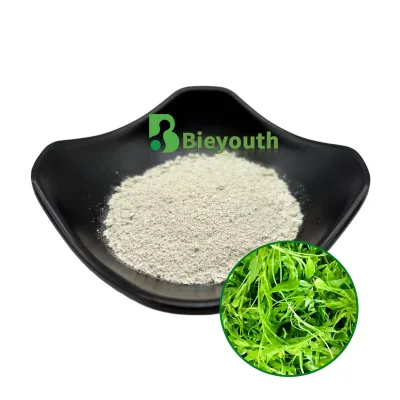
Shaanxi Bieyouth Biotech Co., Ltd.
- Verified by SGS Group
- Trading Company
- Lead time15 days
- Avg. response≤ 2h
Main productsFood Additives, Health Care Products Raw Materials, Cosmetic Raw Material
Main marketsMid East(25%), Eastern Europe(20%), Africa(10%)
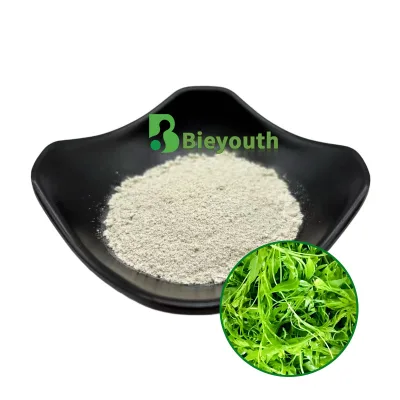
Hot Sale Dihydromyricetin Powder Vine Tea Extract 98% Dihydromyricetin
$153.93 - $184.71
MOQ: 1 Minimum
Shaanxi Shineherb Biotech Co., Ltd.
- Verified by TUVRHEINLAND
- Trading Company,Manufacturer/Factory
- China Shaanxi
- Lead time15 days
- Avg. response≤ 13h
Main productsPlant Extract, Food/Feed/Cosmetics Raw Material, Supplements Material, Amino Acids, Vitamin Raw Material, Plant Essential Oil, Peptide Products, Pharmaceutical Intermediates, Organic Extract, API
Main marketsSouth America,Eastern Europe,Mid East,North America,Southeast Asia,Eastern Asia,Oceania,Western Europe,Africa
Shaanxi Saien Biotechnology Co., Ltd.
- Verified by SGS
- Combined
- China Shaanxi
- Lead time15 days
- Avg. response≤ 2h
Main productsHealth Products Health Product Raw Materials, Plant Extracts, Cosmetic Raw Materials, Organic Intermediates, Food Additives
Main marketsDomestic
- Trading Company,Manufacturer/Factory,Other
- China Jiangsu
- Lead time23 days
- Avg. response≤ 11h
Main productsFine Chemical, Nutraceutical, Animal Nutrition, Crop Science, API, Intermediate, Nutrition Supplement, Food Additive, Feed Additive, Reagents
Main marketsSouth America,Eastern Europe,Mid East,North America,Southeast Asia,Eastern Asia,Oceania,Western Europe,Africa
Xi'an Biohorlden Industry & Trade Co., Ltd.
- Verified by TUVRHEINLAND
- Manufacturer/Factory
- China Shaanxi
- Lead time15 days
- Avg. response≤ 12h
Main productsFood Additive, Raw Powder, Nootropic, Cosmetic, Peptide, Veterinary Medicine, 5-Amino-1mq, Phenibut, Resveratrol, Agomelatine
Main marketsSouth America,Eastern Europe,Mid East,North America,Southeast Asia,Eastern Asia,Oceania,Western Europe,Africa

Cosmetic Grade 1, 3-Dihydroxyacetone Powder 96-26-4 99% Dihydroxyacetone DHA
$25.00 - $50.00
MOQ: 1 kg

High Purity Cosmetic Grade Deoxyarbutin Powder Raw Powder 99% Deoxyarbutin Price
$280.00 - $430.00
MOQ: 1 kg
Jinan Jianfeng Chemical Co., Ltd.
- Manufacturer
- China Shandong
- Lead time15 days
- Avg. response≤ 4h
Main productsATX-304, Ghk-Cu, Slu-PP-915, Slu-PP-332, Ru58841, Pharmaceutical Intermediate, Peptides, Clascoterone, Phenibut
Main marketsEurope,Australia,North America
Wuhan Hanweishi Pharmchem Co., Ltd.
- Verified by SGS
- Trading Company,Manufacturer/Factory
- China Hubei
- Lead time15 days
- Avg. response≤ 12h
Main productsApis, Vet Apis, Fine Chemicals, Intermediates, Pharmaceutical Excipients, Natural Extracts, Cosmetic Chemicals, Food Additives, Nutritions, Phytoextraction
Main marketsSouth America,Eastern Europe,Mid East,North America,Southeast Asia,Eastern Asia,Western Europe,Africa
Xi'an Sentian Biotechnology Co., Ltd.
- Verified by SGS
- Manufacturer/Factory
- China Shaanxi
- Lead time0 days
- Avg. response≤ 9h
Main productsBenfotiamine, Rennet, Chymosin, Alpha Lipoic Acid, Olmesartana Medoxomil, Rosuvastatin Calcium
Main marketsSouth America,Eastern Europe,North America,Western Europe

Cosmetic Grade Licorice Root Extract Powder 99% Dipotassium Glycyrrhizinate
$65.00 - $120.00
MOQ: 1 kg

- Verified by CTI
- Combined
- China Jiangsu
- Lead time15 days
- Avg. response≤ 4h
Main productsFatty Acid From C8 to C18, Fatty Alcohol, Surfactant, Soap Noodle, Glycerin, Personal Care, Feed Additive
Main marketsSoutheast Asia/ Mideast,Domestic


High-Quality Myristic Acid 99% - Ideal for Cosmetic and Industrial Applications
$2.00 - $4.00
MOQ: 1000


Hebei Chuanghai Biotechnology Co., Ltd
- Verified by SGS
- Trading Company
- China Hebei
- Lead time15 days
- Avg. response≤ 5h
Main productsStearyl Alcohol, Phenolphthalein, Ethyl Oleate, AMP-95, Sodium Oleate, Poloxamer, Chemical, DMSO, Butylparaben, Sodium Pyruvate
Main marketsSouth America,Europe


Comprehensive Sourcing Guide
Cosmetic Grade Dihydromyricetin Powder Supplier Concentration and Factory Types
The current supplier landscape for Cosmetic Grade Dihydromyricetin Powder reveals a mix of trading companies and combined entity types, with a notable concentration of operations originating from Shaanxi, China. Specific product evidence confirms that the place of origin for multiple listings is Shaanxi, China, indicating a regional cluster where extraction and processing facilities are likely situated. Buyers should recognize that while some suppliers are identified as trading companies, others operate as combined entities capable of offering both trading and manufacturing capabilities. This distinction is critical because trading companies may source from various factories, whereas combined entities might control the production line directly. The presence of specific model numbers and brand names like Dennis in the product attributes suggests that some suppliers have established their own product lines or private labels rather than acting solely as generic distributors.
When evaluating the factory types, it is essential to look beyond the company type label to understand the actual production capacity. Some suppliers list capabilities such as sample processing, graphic processing, and customized on-demand services, which implies a flexible manufacturing environment. Others highlight ODM and OEM capacities, suggesting they can adapt formulations or packaging to specific client needs. The main products listed for these suppliers often include a broader range of plant extracts like Xanthan Gum, Locust Bean Gum, and American Ginseng Extract, alongside the core dihydromyricetin powder. This diversification indicates that the suppliers are likely part of a larger botanical extraction ecosystem in the region. Buyers must verify if the specific factory handling the dihydromyricetin order is the same entity managing the other product lines, as this affects quality control consistency and supply chain transparency.
How to Verify Cosmetic Grade Dihydromyricetin Powder Suppliers
Verification of suppliers for Cosmetic Grade Dihydromyricetin Powder requires a rigorous check of third-party credentials and system certifications. The available data indicates that some suppliers hold Intertek verification status, while others are verified by BV, providing a baseline of trust regarding their business legitimacy. Beyond general business verification, specific product certifications are crucial for cosmetic applications. Evidence shows that certain listings carry HACCP, FDA, ISO, BRC, and RoHS certifications, which are vital for ensuring the extract meets international safety and quality standards. Additionally, some products are marked with HALAL certification, which may be a requirement for specific market segments. Buyers should not assume all suppliers possess these credentials; instead, they must request current certificates and cross-reference them with the issuing bodies to ensure validity.
In addition to certifications, the verification of product attributes and testing methods is paramount. Product evidence highlights the use of specific test methods such as HLPC, UV, HPLC, GPC, and HPLC-MS to determine purity and active ingredient content. Listings specify purity levels ranging from 97% to 99%, with some explicitly stating the active ingredient is dihydromyricetin. Buyers must verify that the test method used by the supplier matches the specifications required for their formulation. Furthermore, the presence of a Certificate of Analysis (COA) and Material Safety Data Sheet (MSDS) in the product attributes serves as a tangible proof of quality. It is imperative to confirm that the sample provided for testing matches the bulk product specifications, as discrepancies between sample and bulk quality are a common verification failure point in the botanical extract industry.
What to Compare Across Cosmetic Grade Dihydromyricetin Powder Suppliers
Comparing suppliers requires a detailed analysis of operational metrics such as lead time, minimum order quantity (MOQ), and response speed. The data shows significant variation in these areas; for instance, response times range from 3 hours to nearly 7 hours, and lead times vary from 0 to 15 days. Some suppliers list a lead time of zero, which may indicate immediate stock availability, while others with a 15-day lead time might be manufacturing to order. MOQs also differ substantially, with some suppliers offering a minimum of 100 grams, while others require a minimum of 1 kilogram. Buyers must align these figures with their production schedules and inventory strategies to avoid stockouts or excessive holding costs. The variation in selling units and packaging sizes, such as 1kg foil bags or 25kg drums, further influences the total cost and logistics planning for different order volumes.
Price and specification comparisons are equally critical when selecting a supplier. The observed price ranges for Cosmetic Grade Dihydromyricetin Powder span from approximately $61 to $100 per unit, depending on the purity grade and packaging configuration. Some listings specify a 98% purity grade, while others offer 99% or 97%, directly impacting the price point. Buyers should compare the price per unit of active ingredient rather than just the total product price to ensure value. Additionally, the application of the product, whether for cosmetics, medicine, or food, dictates the required grade and purity. Suppliers offering customization options and specific application forms like capsules, tablets, or lotions provide added value. It is essential to verify that the price includes all necessary documentation and that the packaging specifications, such as vacuum packing or drum storage, meet the buyer's storage and transport requirements.
Common Cosmetic Grade Dihydromyricetin Powder Sourcing Risks
One of the primary risks in sourcing Cosmetic Grade Dihydromyricetin Powder is the inconsistency in purity and active ingredient content across different batches. While product attributes list specific purity levels like 98% or 99%, the actual content can fluctuate if the supplier lacks rigorous quality control processes. The extraction type, often listed as solvent extraction, can introduce residual solvents if not properly managed, posing a safety risk for cosmetic applications. Buyers must ensure that the supplier employs robust assay methods like HPLC to verify the final product composition. Without consistent testing, the risk of receiving sub-standard material that fails to meet cosmetic formulation requirements is high, potentially leading to product recalls or brand damage.
Another significant risk involves the reliability of supply chain logistics and the accuracy of origin claims. Although many products list Shaanxi, China as the place of origin, the actual source of the raw material, such as the vine tea extract, may vary. The part used, often the leaf, and the cultivation method, described as artificial planting, can affect the chemical profile of the extract. If a supplier changes their raw material source without notification, the final product characteristics may shift. Furthermore, the shelf life, typically listed as 24 months or 2 years, must be strictly adhered to. Buyers should verify the storage conditions, such as cool dry places, to ensure the product remains stable during transit and storage. Failure to manage these variables can result in degraded product quality and non-compliance with regulatory standards.
Cosmetic Grade Dihydromyricetin Powder Regional Sourcing and Logistics
The regional concentration of suppliers in Shaanxi, China, offers logistical advantages but also presents specific challenges regarding shipping and customs. The place of origin data consistently points to this region, suggesting a dense network of extraction facilities and processing plants. Buyers sourcing from this area should be aware of the specific packaging requirements, such as 18x12x15 cm single package sizes or 25kg drums, which affect freight costs and container utilization. The single gross weight of products, ranging from 1.5 kg to 2.5 kg per unit, must be factored into the total shipping weight calculations. Understanding the local infrastructure and export capabilities of the Shaanxi region is essential for planning efficient logistics and minimizing transit times.
Logistics planning must also account for the specific storage and handling requirements of the product. The product attributes frequently mention storage in cool, dry places, which necessitates climate-controlled shipping containers or warehousing to prevent degradation. The packaging types, including bottles, cans, drums, and vacuum-packed bags, offer varying levels of protection against moisture and light. Buyers should verify that the supplier's packaging is robust enough to withstand the journey from the factory to the destination. Additionally, the availability of samples, often ranging from 10 to 20 grams, allows for preliminary testing before committing to large shipments. This step is crucial for validating the product's suitability for the intended cosmetic application and ensuring that the logistics chain does not compromise the product's integrity.
Cosmetic Grade Dihydromyricetin Powder Commercial Terms and Order Planning
Commercial terms for Cosmetic Grade Dihydromyricetin Powder vary significantly based on the supplier's capacity and the buyer's order volume. The data indicates that some suppliers offer customization services, allowing for tailored packaging and branding, which can influence the final commercial agreement. Buyers should clarify the terms regarding sample availability, as some suppliers provide samples of 10-20 grams, while others may have different policies. The minimum order quantities, ranging from 100 grams to 1 kilogram, dictate the initial investment required. Understanding the payment terms and the availability of escrow services is vital for securing the transaction and protecting both parties. Buyers must ensure that the commercial terms align with their cash flow and inventory management strategies.
Order planning must also consider the shelf life and the specific application requirements of the product. With a shelf life of 24 months or 2 years, buyers need to calculate their consumption rates to avoid expiration issues. The application forms, such as capsules, tablets, or lotions, require specific grades of the extract, which must be matched precisely to the supplier's offerings. The specification of the product, including purity levels and active ingredient content, must be clearly defined in the purchase order to prevent misunderstandings. Buyers should also verify the model numbers and brand names associated with the product to ensure consistency across orders. Proper planning involves coordinating with the supplier to align production schedules with the buyer's demand, ensuring a steady supply of high-quality Cosmetic Grade Dihydromyricetin Powder.
FAQs
What is Cosmetic Grade Dihydromyricetin Powder typically used for?
Cosmetic Grade Dihydromyricetin Powder is primarily used as an antioxidant additive in skincare formulations such as serums, creams, and lotions. It is a white, water-soluble powder extracted from vine tea leaves. Cosmetic grade material differs from food or pharmaceutical grade in its intended application, so confirm the grade, purity specification, and test method with each supplier before ordering.
What purity specification should I look for when buying this powder?
Listings commonly specify purity levels between 97% and 99%, with 98% being a frequent specification for cosmetic grade material. Higher quoted purity usually affects pricing, so compare listings on the same specification basis. Always request a certificate of analysis showing the assay method, since specifications like 98% or 99% mean little without documentation of how the value was tested.
What is the typical minimum order quantity for this ingredient?
Minimum order quantities vary by listing, with some suppliers accepting orders as small as 100 grams and others quoting a 1 kilogram minimum. Low MOQs are useful for formulation trials and sample batches. Larger volumes typically improve per-kilogram pricing, so ask suppliers how quoted prices scale between trial quantities and bulk drum-sized orders.
How is dihydromyricetin powder usually packaged and shipped?
Common packaging formats include 1 kilogram foil bags or bags and 25 kilogram drums, with vacuum packing also offered. Powder is typically shipped in drums, cans, bottles, or plastic containers depending on volume. Confirm package dimensions and gross weight before shipping, since single-package sizes around 18 by 12 by 15 centimeters and weights from 1.5 to 2.5 kilograms affect freight costs.
What should I verify about testing before placing an order?
Request a certificate of analysis for each batch and confirm the test method, since HPLC is the method most commonly cited in listings for purity verification. Some suppliers list UV, HPLC, GPC, or HPLC-MS as available assay methods. Ask whether third-party test reports are available and confirm that the documented purity matches the specification quoted in the listing.
What storage conditions and shelf life apply to this powder?
Suppliers commonly specify storage in a cool, dry place, with shelf life listed at 24 months or 2 years depending on the listing. Keep the powder sealed and away from moisture to preserve solubility and stability over the stated shelf life. Confirm the manufacturing date with each order, since the shelf life clock typically starts from production rather than delivery.
Where is Cosmetic Grade Dihydromyricetin Powder typically sourced from?
Listings on this page consistently show Shaanxi, China as the place of origin, which is a major production region for plant extracts including vine tea derived dihydromyricetin. Origin matters for logistics planning and regulatory documentation in your market. Confirm each supplier's actual shipping origin and export experience, as trading companies and combined manufacturer-traders may operate differently.
Are samples available before committing to a bulk order?
Many suppliers offer samples, with some listings stating sample availability and others specifying sample sizes of 10 to 20 grams. Request a sample with a matching certificate of analysis so you can verify appearance, solubility, and purity before scaling up. Clarify sample cost, whether it is credited against a later bulk order, and expected delivery time before proceeding.