Cosmetic Grade Food Blue 3 Suppliers and Manufacturers
Explore 14 verified options for Cosmetic Grade Food Blue 3 from China Guangdong and Hunan. Compare response times, lead times, certifications, and pricing to find the right partner. Contact suppliers directly to request samples and confirm MOQs; review the available evidence before requesting comparable quotations from suitable candidates.
Suppliers List

Guangzhou Zio Chemical Co., Ltd.
- Verified by BV
- Trading Company
- China Guangdong
- Lead time0 days
- Avg. response≤ 4h
Main productsAcid Citric, Vitamin C, Xanthan Gum, Aspartame, Erythritol, Propylene Glycol, Menthol Crystal, Modified Starch, Sorbitol, Potassium Sorbate

Hunan Jqmaterial Tech Co., Ltd.
- Verified by BV
- Manufacturer/Factory
- China Hunan
- Lead time15 days
- Avg. response≤ 6h
Main productsCosmetic Pigment, Food Colorant, Pharmaceuticals Colors, Dyes for Fuel Gasoline Lubricant, Dyes for Biological Stain, Hair Dyes, Soap Dyes, Dye for Inks
Main marketsSouth America,North America


CAS 2353-45-9 Fast Green Fcf Food Green 3 Ci 42053 Fd&C Green 3 for Cosmetic, Food
$25.00 - $50.00
MOQ: 1 kg

E133 Brilliant Blue Fcf, Fd&C Blue 1 Water Soluble Dye for Food, Cosmetics.
$35.00 - $39.00
MOQ: 1 Pieces

Factory Direct Sales Fd&C Green No. 3 / Food Green No. 3 Ci 42053 for Cosmetics and Food Dye
$50.00 - $52.00
MOQ: 1 kg

Factory Direct Sales Fd&C Green No. 3 / Food Green No. 3 Ci 42053 for Cosmetics and Food Dye
$50.00 - $52.00
MOQ: 1 kg


- Verified by TUVRHEINLAND
- Trading Company
- China Shandong
- Lead time15 days
- Avg. response≤ 6h
Main productsNeotame, Sucralose, Stevia Extract, Erythritol, Soya Lecithin, Food Thickener Pullulan, Coenzyme Q10, L-Glutathione, Entecavir Monohydrate, Caramel Color
Main marketsSouth America,Africa,Others(foreignTradeCapacity.exportBusinessCapacityMarketOther),Southeast Asia/ Mideast,Europe,North America

Food Color Synthetic E133 Powder Brilliant Blue CAS 3844-45-9 Edible Blue 1 and Edible Blue 2
$31.00 - $50.00
MOQ: 50 kg


Hunan Jqmaterial Tech Co., Ltd.
- Verified by SGS Group
- Manufacturer, Trading Company
- Lead time7 days
- Avg. response≤ 4h
Main productsIron Oxide, Cosmetic Pigment, Lubricating Oil Concentrates Liquid Dye, Ink Pigment, Basic Dye
Main marketsNorth America(20%), Domestic Market(20%), South America(10%)
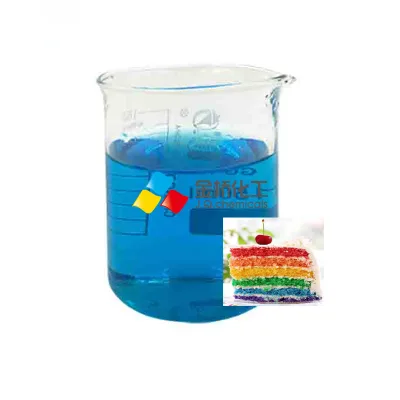
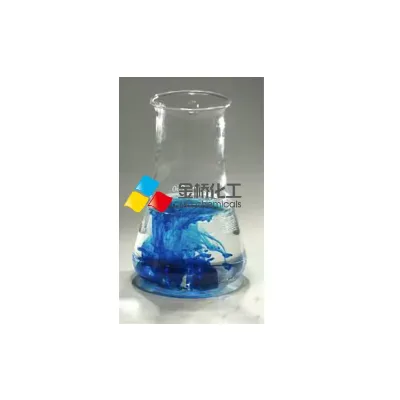
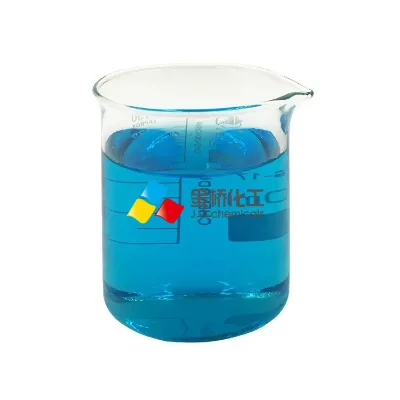
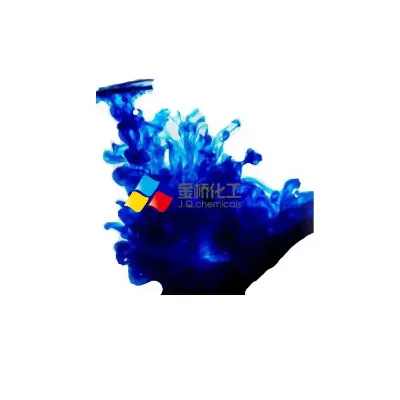
Acid Blue 9 Water-Soluble Dyestuff Brilliant Blue CI 42090 Fd&C Blue 1 CAS 3844-45-9
$28.00 - $32.00
MOQ: 1
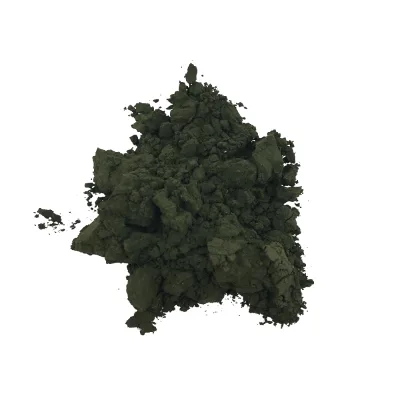

- Verified by SGS
- Combined
- China Jiangsu
- Lead time15 days
- Avg. response≤ 5h
Main productsPearl Pigments, Pearlescent Pigments, Aluminium Pigments, Mica Powders, Chameleon Pigments, Glitters, Thermochromic Pigments, Fluorescent Pigments, Glow in Dark Powders, Photochromic Pigments
Main marketsEurope,Australia,North America

Chemfine International Co., Ltd.
- Verified by TUVRHEINLAND
- Trading Company
- China Jiangsu
- Lead time15 days
- Avg. response≤ 4h
Main productsPhotoinitiator, Benzophenone, Monomers, Plasticizers, Biocides, Dyes, Work Glove, Cut Resistant Glove, Knitted Glove, Safety Glove
Main marketsSouth America

Hangzhou Union Biotechnology Co., Ltd.
- Verified by BV
- Manufacturer/Factory,Other
- China Zhejiang
- Lead time15 days
- Avg. response≤ 8h
Main productsVanillin Vanilla, Potassium Sorbate, Desiccated Coconut, Calcium Propionate, Sodium Propionate, Sprinkle, Calcium Acetate, Sodium Acetate, Sodium Cyclamate, Dextrose
Main marketsSouth America,Eastern Europe,Mid East,North America,Southeast Asia,Eastern Asia,Oceania,Western Europe,Africa

Tianjin Zhuofeng Biotechnology Co., Ltd.
- Verified by BV
- Trading Company
- China Tianjin
- Lead time15 days
- Avg. response≤ 12h
Main productsFood Additives, Plant Extract, Amino Acid, Nutrient Supplements, Feed Additives, Vitamin, Water Treatment, Coffee Bean/Cacao Beans, Cocoa Butter Cocoa Powder, Plastic Particle
Main marketsSoutheast Asia/ Mideast

Suzhou Greenway Biotech Co., Ltd.
- Verified by BV
- Trading Company,Manufacturer/Factory
- China Jiangsu
- Lead time15 days
- Avg. response≤ 7h
Main productsGlutathione, Nmn, Pharmaceutical Intermediates, Cosmetic Materials, Nutritional Supplements
Main marketsSouth America,Eastern Europe,Mid East,North America,Southeast Asia,Eastern Asia,Oceania,Western Europe,Africa


Food Colorant/Food Additive/Cosmetic Grade CAS 15876-47-8 Cochineal Powder
$158.00 - $160.00
MOQ: 1 kg

HANGZHOU TIANKAI NEW MATERIAL CO.,LTD
- Verified by SGS Group
- Trading Company
- Lead time15 days
- Avg. response≤ 5h
Main productsPigment/ Dye/ Resin/ Glitter/ Thermochromic Powder/ Photochromic Powder/ Chameleon Pigment/ Mica Powder/ Fluorescent Pigment
Main marketsNorth America(50%), Mid East(30%), South America(10%)

Hangzhou Emperor Chemical Co., Ltd.
- Verified by SGS
- Trading Company
- China Zhejiang
- Lead time30 days
- Avg. response≤ 2h
Main productsNigrosine Black, Basic Dye, Direct Dye, Acid Dye, Fabriic Dye, Leather Dye, Paper Dye, Wood Dye, Vat Dye, Reactive Dye
Main marketsAfrica,East Asia(Japan/ South Korea),Europe
GUANGDONG SUNION CHEMICAL&PLASTIC CO., LTD.
- Verified by TUVRHEINLAND
- Manufacturer/Factory
- China Shandong
- Lead time0 days
- Avg. response≤ 3h
Main productsSis, Sbs, Kresin, Isoprene Rubber, C5 Resin, C9 Resin, Dcpd, Sbc Resin, 2-Mercaptoethanol, Resin
Main marketsEastern Europe,North America,Southeast Asia,Eastern Asia,Western Europe


Inorganic Inorganic Ultramarine Blue Colored Powder in The Cosmetic Industry CAS No 57455-37-5
$1.50 - $2.50
MOQ: 1000 kg

Shandong Near Chemical Co., Ltd.
- Verified by TUVRHEINLAND
- Trading Company
- China Shandong
- Lead time30 days
- Avg. response≤ 5h
Main productsMaleic Anhydride, Tetrachloroethene, Tdi, Tetrachloroethylene, Phthalic Anhydride, PA, Caustic Soda, Dimethyl Carbonate, Dichloromethane, Methylene Chloride
Main marketsSouth America,Eastern Europe,Mid East,North America,Southeast Asia,Eastern Asia,Oceania,Western Europe,Africa

HANGZHOU TIANKUN CHEM CO., LTD.
- Verified by SGS
- Manufacturer/Factory
- China Zhejiang
- Lead time15 days
- Avg. response≤ 4h
Main productsDyestuffs, Silicone Oil, Textile Auxiliaries, Disperse Dyes, Silicone Adjuvant, Water Repellent, Fluorescent Whitening Agent, Color Dyes, Basic Dyes, Vat Dyes
Main marketsSouth America,Mid East,Southeast Asia

Skyacido® Acid Blue 193 100%
MOQ: 25 kg

Skyacido® Acid Blue 185 100%
MOQ: 25 kg

Skyacido® Acid Blue 225 200%
MOQ: 25 kg

Skyacido® Acid Blue 62 200%
MOQ: 25 kg

Skyacido® Acid Blue 317 150%
MOQ: 25 kg


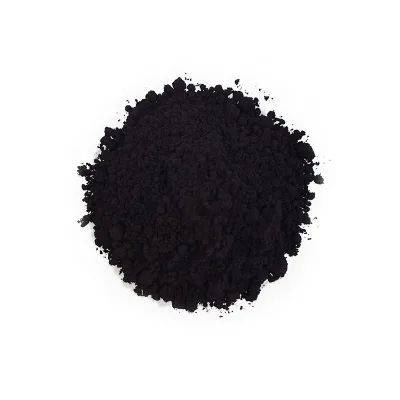
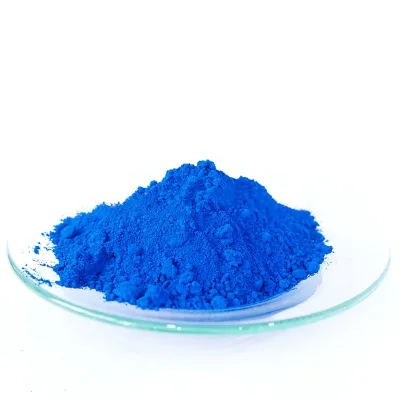
![Pigment & Dyestuff [1325-87-7] Pigment Blue 1](https://image.made-in-china.com/221f0j00frqMwyEdZgkT/Pigment-Dyestuff-1325-87-7-Pigment-Blue-1.webp)




Comprehensive Sourcing Guide
Cosmetic Grade Food Blue 3 Supplier Concentration and Factory Types
The current supplier landscape for Cosmetic Grade Food Blue 3 reveals a distinct concentration of manufacturing and trading entities within specific Chinese provinces. Evidence indicates active operations in Guangdong and Hunan, where suppliers list main products including various food colorants, pigments, and chemical dyes. In Guangdong, the presence of trading companies suggests a hub for distribution and aggregation of goods, while Hunan hosts manufacturers with their own brands and direct production capabilities. These locations serve as the primary nodes for sourcing this specific pigment, offering buyers a choice between trading firms that may offer broader catalogs and factories that control the production process.
When evaluating the factory types available, buyers must distinguish between trading companies and manufacturers based on the company type field. Some suppliers in the results are identified as trading companies, which often implies they source from multiple factories, whereas others are listed as manufacturers or factories, indicating direct production control. This distinction is critical for understanding the supply chain structure. A manufacturer might offer more flexibility in customization and technical support, while a trading company could provide a wider range of related products like xanthan gum or sorbitol. Buyers should verify the specific company type for each potential partner to align with their operational needs regarding direct factory access versus consolidated sourcing.
How to Verify Cosmetic Grade Food Blue 3 Suppliers
Verification of suppliers for Cosmetic Grade Food Blue 3 requires a rigorous check of their certification status and business credentials. The available data shows that some suppliers hold ISO 9001 system certification, which is a baseline indicator of quality management processes. Additionally, verification badges such as BV (Bureau Veritas) are present in the results, serving as a third-party confirmation of the supplier's business legitimacy. Buyers should prioritize suppliers displaying these specific verification markers to ensure the entity is a recognized and vetted business entity. It is essential to confirm that the certification applies to the specific production lines for food and cosmetic grade pigments, rather than being a general corporate credential.
Beyond certifications, buyers must assess the response time and product evidence provided by the supplier to gauge reliability. The data indicates response times ranging from approximately 3.90 to 5.30, which serves as a metric for communication efficiency. A faster response time often correlates with better customer service and quicker resolution of technical queries regarding product specifications. Furthermore, detailed product attributes such as color, solubility, and packaging standards provide tangible evidence of the supplier's product knowledge. Buyers should request specific documentation like COA, MSDS, or TDS to validate the product claims, ensuring that the supplier can provide the necessary technical data sheets required for regulatory compliance in food and cosmetic applications.
What to Compare Across Cosmetic Grade Food Blue 3 Suppliers
Comparing suppliers requires a systematic analysis of key operational dimensions including lead time, minimum order quantity, and pricing structures. The observed data reveals significant variation in lead times, with some suppliers listing zero days while others indicate a fifteen-day window. This disparity directly impacts inventory planning and production schedules. Similarly, minimum order quantities (MOQ) vary widely, ranging from 1kg to 25kg or higher, depending on the specific product model and packaging. Buyers must align these MOQs with their actual demand to avoid excessive inventory costs or stockouts. Pricing also fluctuates, with ranges observed between 9.00 and 50.00 per unit, necessitating a cost-benefit analysis that considers volume discounts and shipping costs.
In addition to logistics and pricing, the main products and customization capabilities offer another layer of comparison. Some suppliers specialize in a narrow range of pigments, while others offer a diverse portfolio including vitamins, sweeteners, and other food additives. The availability of customization is a critical differentiator, with some suppliers explicitly stating that customization is available for their blue pigments. Buyers should evaluate whether the supplier can tailor the product to specific color intensity or particle size requirements. Furthermore, the packaging standards, such as 25kg drums or 10kg cartons, must be compatible with the buyer's storage and handling infrastructure. A comprehensive comparison ensures that the selected supplier meets both the technical and commercial requirements of the project.
Common Cosmetic Grade Food Blue 3 Sourcing Risks
One of the primary risks in sourcing Cosmetic Grade Food Blue 3 involves the discrepancy between product claims and actual specifications. The data shows variations in product attributes, such as color descriptions ranging from blue to dark purple powder, and solubility claims that may not always align with practical application. Buyers face the risk of receiving a product that does not meet the precise color or purity standards required for their specific cosmetic or food formulation. This is particularly critical when the product is intended for direct human consumption or sensitive skin applications, where impurities or incorrect colorants can lead to regulatory non-compliance or product recalls.
Another significant risk relates to the reliability of the supply chain and the consistency of the product origin. While some suppliers list their origin as China, specifically Hunan or Guangdong, the lack of detailed traceability information can obscure the true source of the raw materials. The presence of different chemical constructions, such as azo types, requires careful verification to ensure they meet the safety standards of the target market. Additionally, the shelf life and storage method requirements, such as normal storage conditions, must be strictly adhered to during transit. Failure to maintain these conditions can degrade the product quality before it reaches the buyer. Buyers must mitigate these risks by demanding rigorous quality control reports and ensuring that the supplier has a robust logistics network to maintain product integrity.
Cosmetic Grade Food Blue 3 Regional Sourcing and Logistics
Regional sourcing strategies for Cosmetic Grade Food Blue 3 are heavily influenced by the geographic concentration of suppliers in China. The evidence points to Guangdong and Hunan as the primary hubs for this product, each offering distinct logistical advantages. Guangdong, known for its extensive port infrastructure, often facilitates faster export processes for international buyers, making it a preferred location for trading companies. In contrast, Hunan-based manufacturers may offer more direct control over the production process, potentially reducing lead times for custom orders. Buyers should consider the proximity of these regions to major shipping lanes when calculating freight costs and delivery timelines.
Logistics planning must also account for the specific packaging and handling requirements of the product. The data indicates that products are typically packed in drums or cartons, with standard weights of 25kg or 10kg. These packaging formats influence the loading efficiency and shipping costs, as they determine how many units can be consolidated into a single container. Buyers need to verify the exact dimensions and weight of the packaging to optimize freight space. Furthermore, the solubility and chemical nature of the pigment require specific handling during transport to prevent contamination or degradation. Ensuring that the logistics provider is experienced in handling chemical goods is essential to maintain the quality of the Cosmetic Grade Food Blue 3 throughout the supply chain.
Cosmetic Grade Food Blue 3 Commercial Terms and Order Planning
Commercial terms for Cosmetic Grade Food Blue 3 orders are defined by a complex interplay of pricing, payment conditions, and delivery schedules. The observed price ranges, from 9.00 to 50.00, suggest that buyers must negotiate based on volume and specific product grades. It is crucial to clarify whether the quoted price includes shipping, insurance, and taxes, as these factors can significantly alter the total cost of ownership. Buyers should also inquire about the payment terms, such as the use of escrow services, to protect their financial interests until the goods are delivered and verified. Understanding the full scope of the commercial terms prevents unexpected costs and ensures a transparent transaction.
Order planning must be synchronized with the supplier's lead times and production capacity to avoid delays. The data shows lead times ranging from zero to fifteen days, which allows for some flexibility but requires precise scheduling. Buyers should plan their orders well in advance, especially if they require customized products or large volumes that exceed standard stock levels. The minimum order quantities, which vary from 1kg to 25kg, also play a role in determining the optimal order size. By balancing the MOQ with their inventory needs, buyers can minimize holding costs while ensuring a steady supply of the pigment. Effective order planning involves maintaining open communication with the supplier to anticipate any potential bottlenecks in the production or shipping process.
FAQs
What is the price range for food grade blue pigment?
The price range for food grade blue pigment typically falls between $28 and $40 per unit. This pricing reflects the chemical synthesis method and food-grade certification required for safe application in consumable products. Buyers should verify specific costs based on order volume and packaging requirements.
What is the minimum order quantity for blue food dye?
The minimum order quantity for blue food dye varies by supplier, with options starting at 1kg or 10kg. Some suppliers offer samples for evaluation before committing to larger bulk orders. Buyers should confirm the exact MOQ with the supplier to ensure it aligns with their production needs.
How long does it take to produce blue food dye?
Production lead times for blue food dye can be around 15 days for manufacturing suppliers. Trading companies may have different timelines depending on stock availability. Buyers should request a confirmed delivery schedule to plan their inventory management effectively and avoid production delays.
Are samples available for food grade blue pigment?
Samples are available for food grade blue pigment from many suppliers. This allows buyers to test the color intensity and solubility before placing a bulk order. Buyers should inquire about sample costs and shipping fees to determine the total evaluation expense for their specific project.
What certifications are provided for blue food dye?
Suppliers often provide certifications such as COA, MSDS, and TDS for blue food dye. Some manufacturers also hold ISO 9001 system certification. Buyers should request these documents to verify compliance with food safety standards and ensure the product meets regulatory requirements in their target market.
Where are Cosmetic Grade Food Blue 3 suppliers located?
Suppliers for Cosmetic Grade Food Blue 3 are primarily located in China, specifically in Guangdong and Hunan provinces. These regions are known for chemical manufacturing and trading. Buyers can filter results by location to find suppliers closer to their logistics hubs or preferred sourcing regions.